Loading video…


 13 Concepts
 43.2K views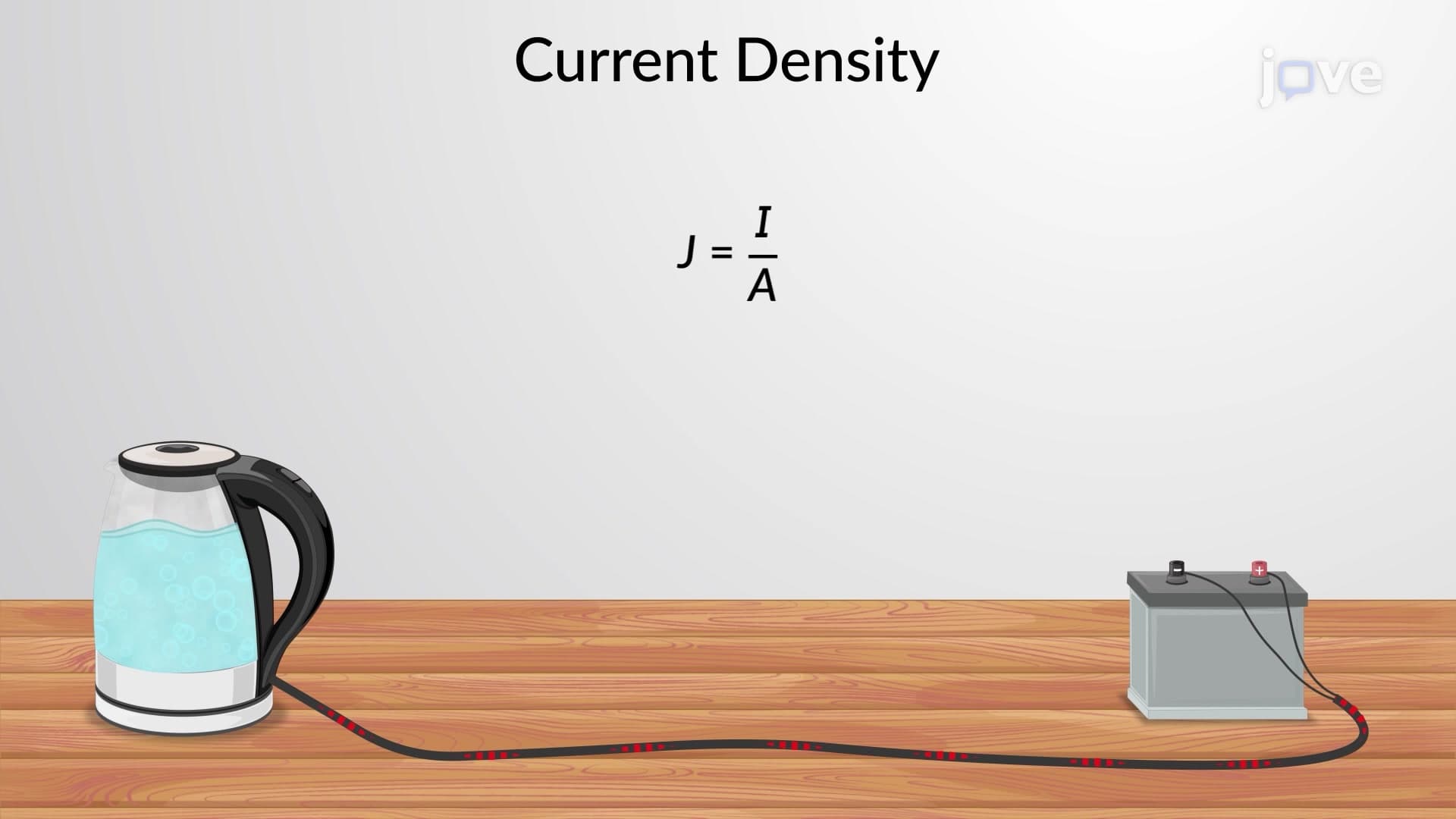

Video Summary: What Is Current Density
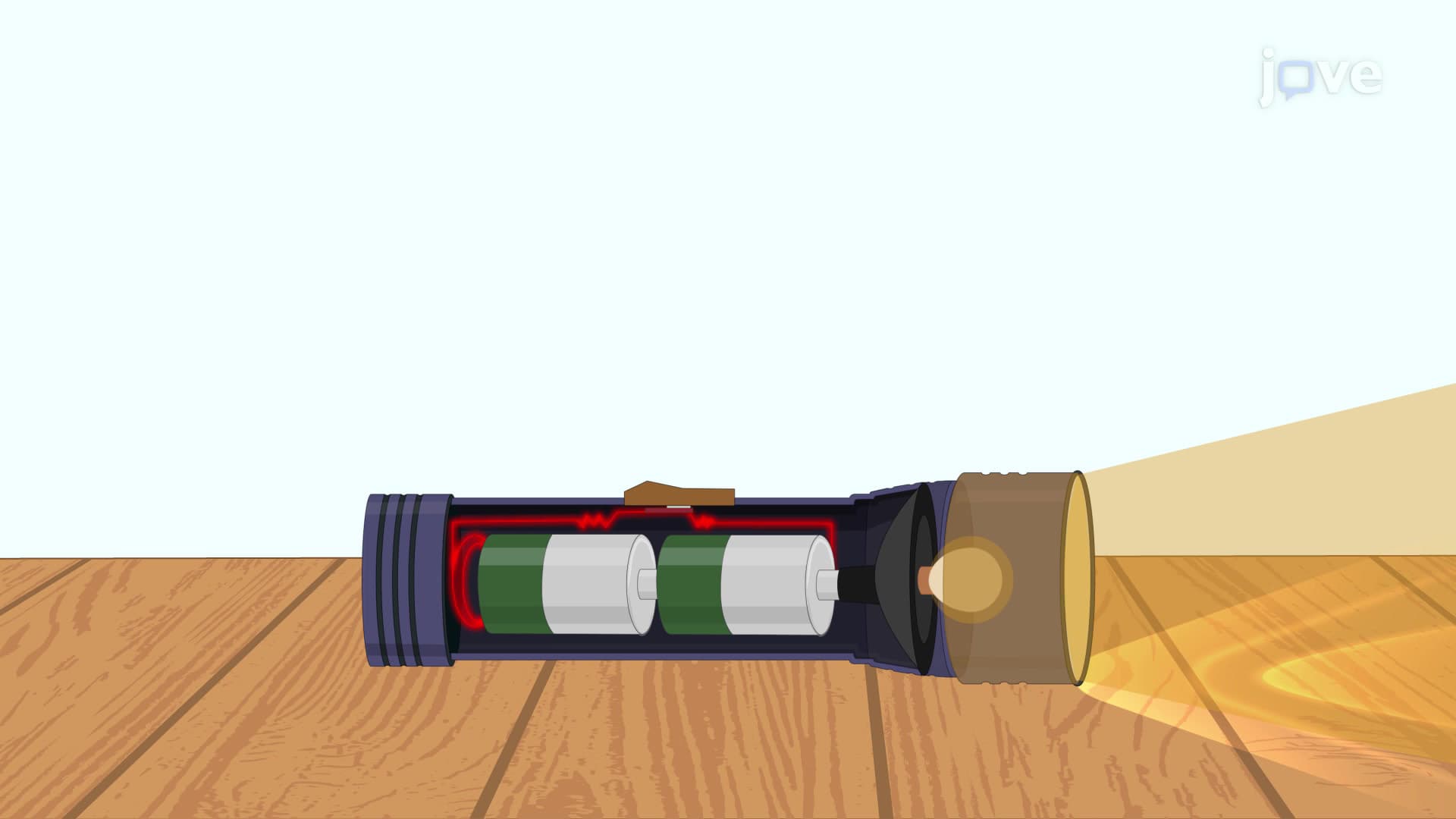
Ever wonder why your phone charger gets warm when charging? Current density explains this phenomenon by measuring how much electrical current flows through each unit of cross-sectional area in a conductor. When electrons crowd through the thin wires in your charger, high current density creates heat. Current density, measured in amperes per square meter, is a vector quantity that differs from regular current in important ways. Understanding this concept helps explain everything from household electrical safety to power grid design across the United States. Watch the full video on JoVE Coach to master this concept with expert-led visuals and step-by-step explanations.
Current density represents one of the most fundamental concepts in electrical engineering and physics, describing how electrical current distributes itself through a conductor's cross-sectional area. Unlike regular current, which simply tells us how many coulombs of charge pass a point per second, current density reveals the intensity of current flow at every location within a conductor.
The basic current density definition starts with the equation J = I/A, where J represents current density in amperes per square meter, I is the total current in amperes, and A is the cross-sectional area in square meters. However, this scalar relationship only scratches the surface of what is current density in detail.
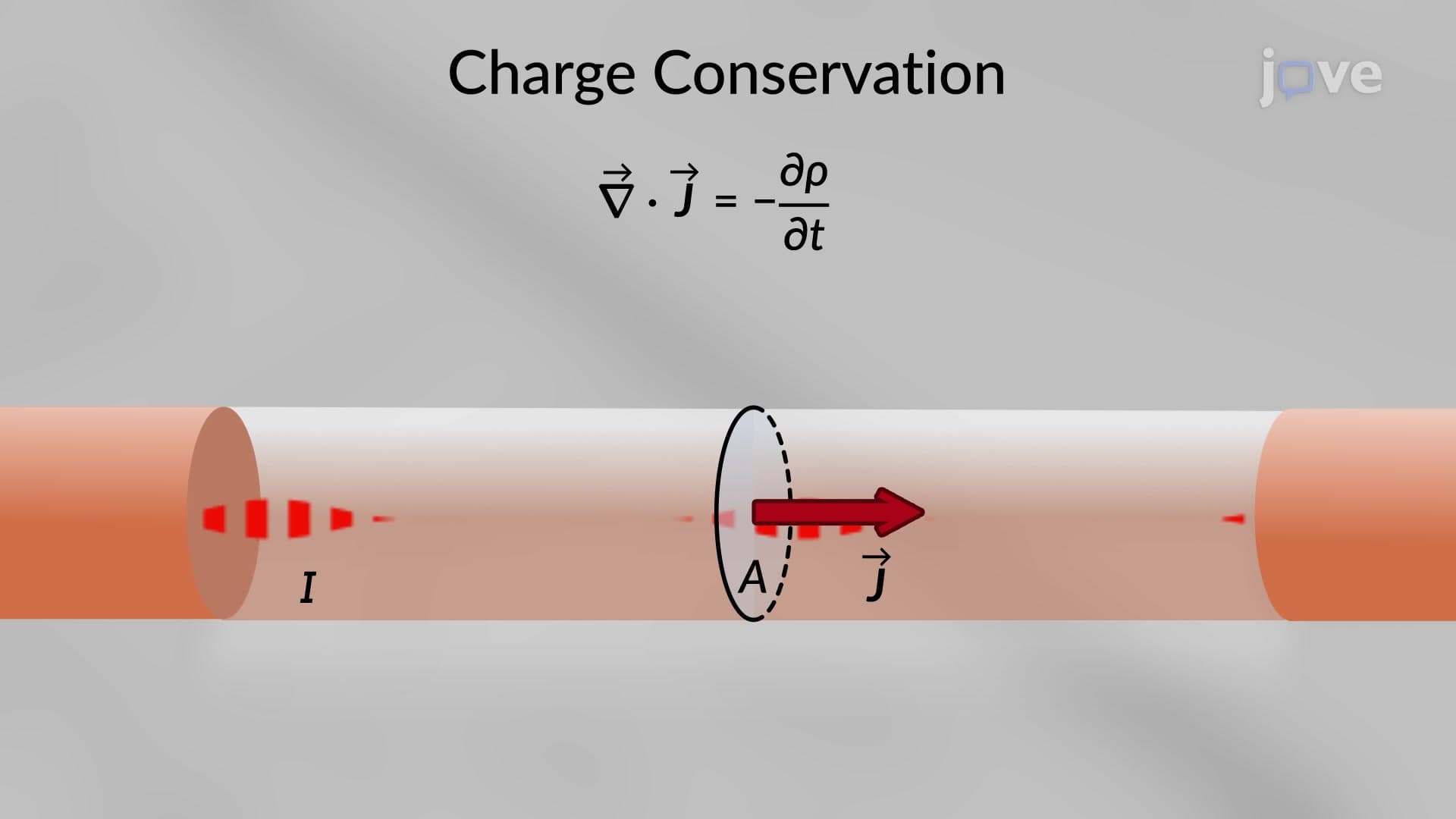
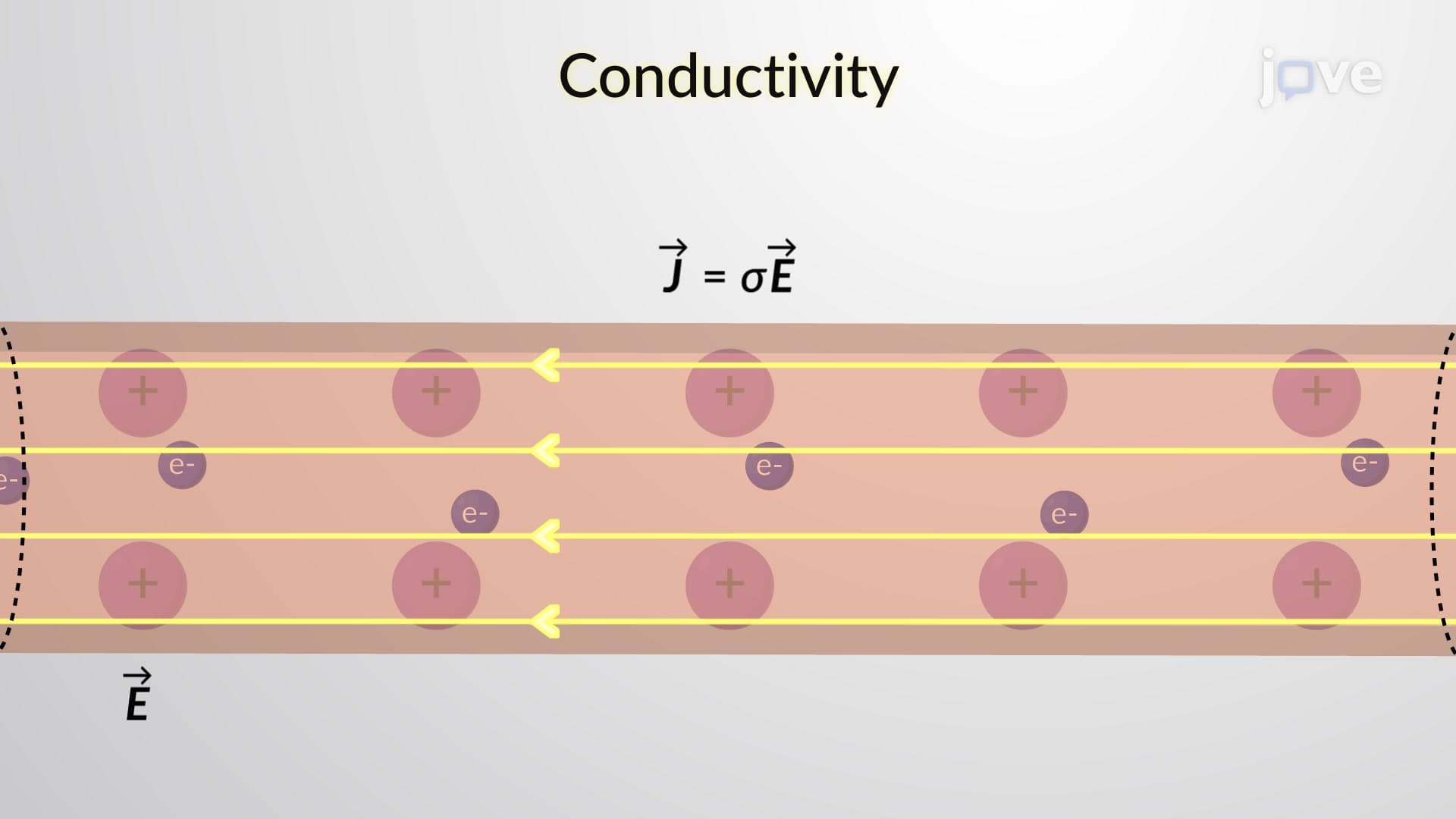
Current density is fundamentally a vector quantity, possessing both magnitude and direction. This vector nature becomes crucial when analyzing complex electrical systems where current flows in multiple directions simultaneously. The relationship between current and current density involves the angle θ between the area vector and current density vector: dI = J · dA cos(θ).
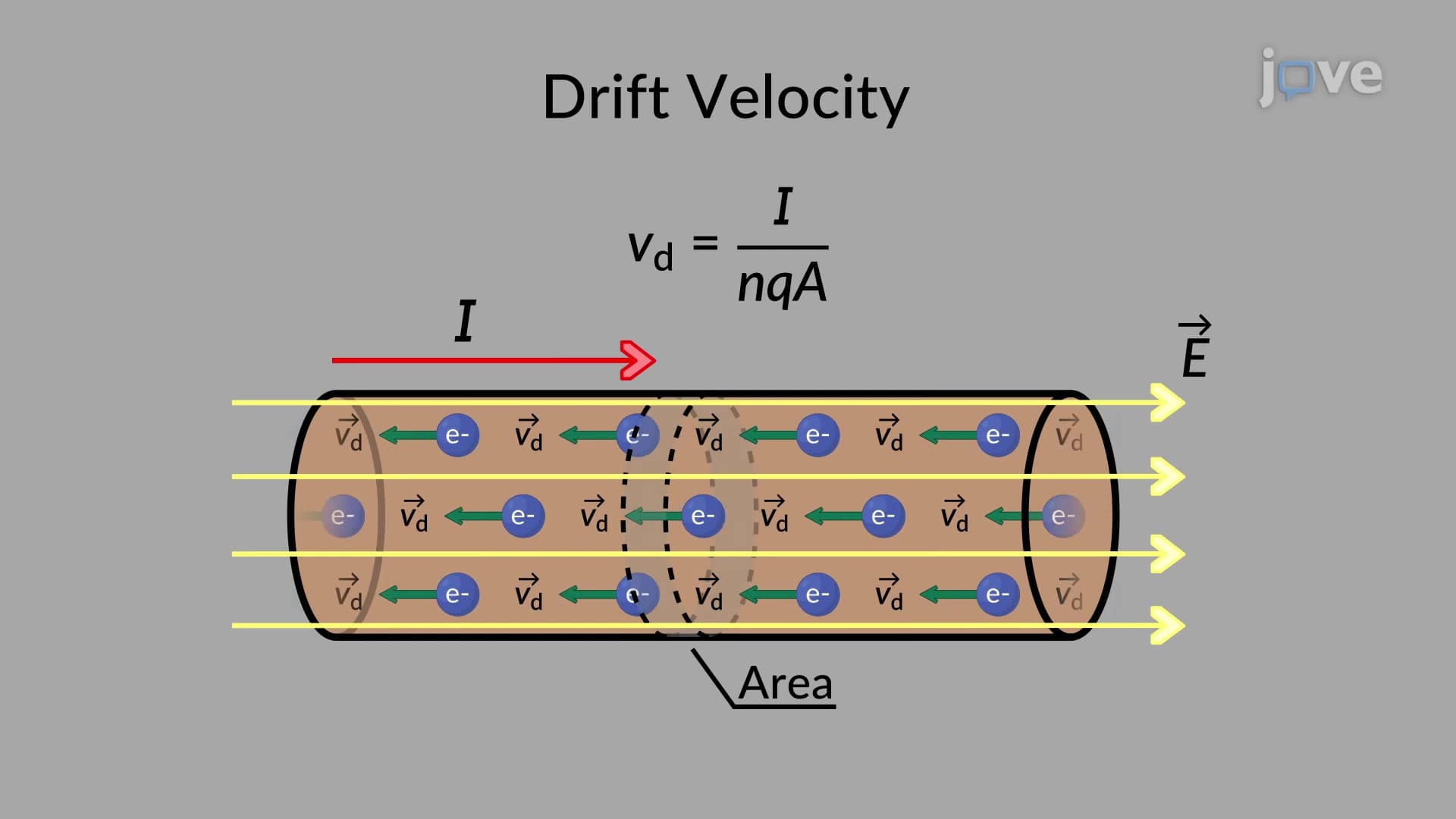
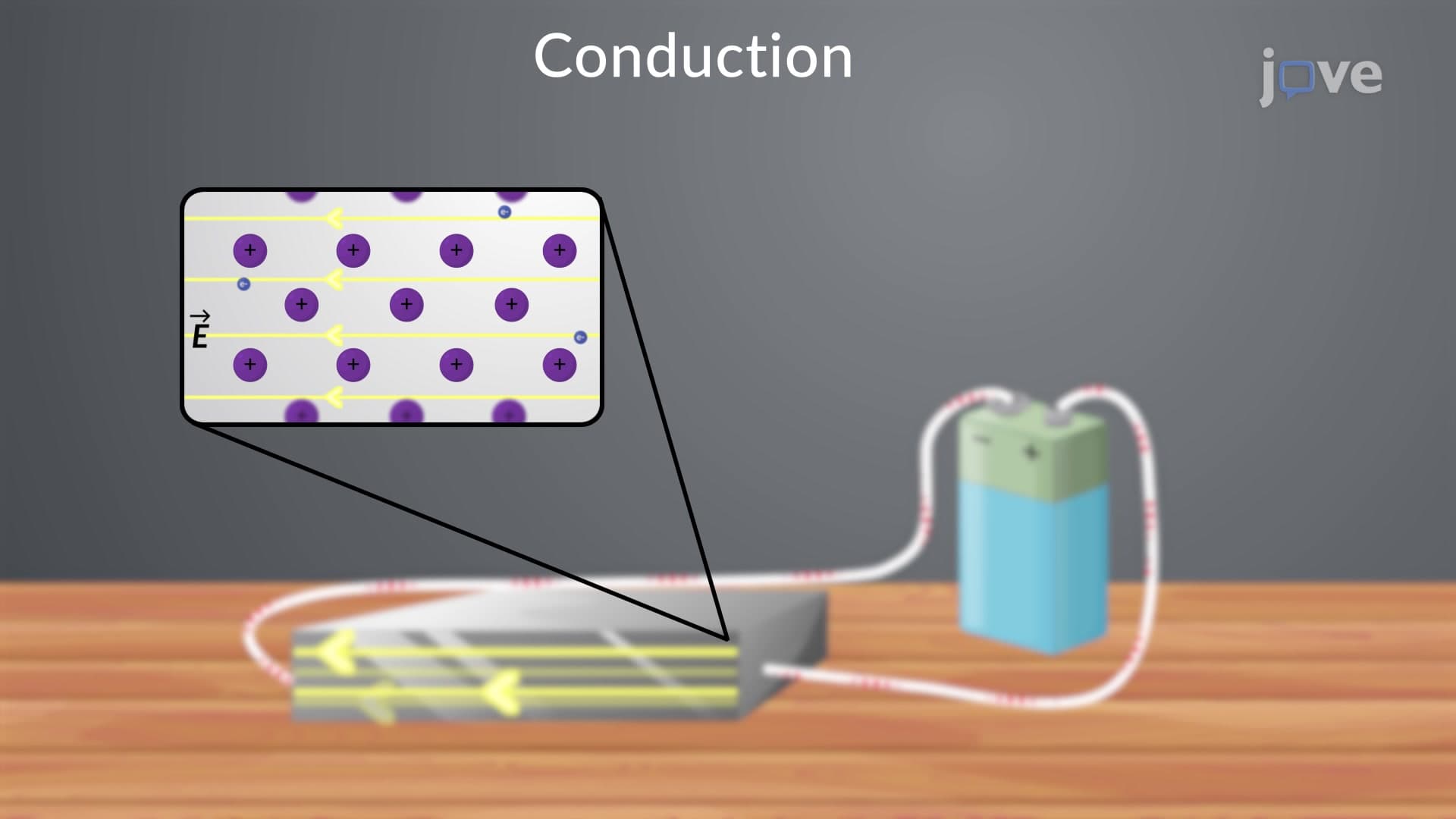
Understanding current density requires grasping its relationship to drift velocity-the average speed at which charge carriers move through a conductor. The equation J = nqv(d) connects current density to the number density of charge carriers (n), their charge (q), and drift velocity (v(d)). This relationship explains why copper wires with high electron density can carry large currents efficiently.
In the United States, electrical codes specify maximum current densities for different wire gauges to prevent overheating. For example, a typical 12 AWG copper wire used in household circuits has a maximum safe current density of approximately 4.9 × 10^6 A/m². Exceeding these limits can cause fires, making current density basics essential knowledge for electrical safety.
Power transmission companies use current density calculations to design transmission lines spanning states like Texas or California. High-voltage lines minimize current density by using large conductor cross-sections, reducing resistive losses over hundreds of miles.
Students preparing for AP Physics, MCAT, or college physics courses frequently encounter current density problems. A typical question might ask: "A 2.5 A current flows through a copper wire with radius 0.8 mm. Calculate the current density." These problems test both mathematical skills and conceptual understanding of how current distributes through conductors.
Advanced applications appear in engineering courses where students must integrate current density over complex geometries. These skills prove essential for careers in electrical engineering, where professionals design everything from smartphone circuits to power grid infrastructure across America.
Related Micro-courses