Loading…
Loading video…

43,213 views
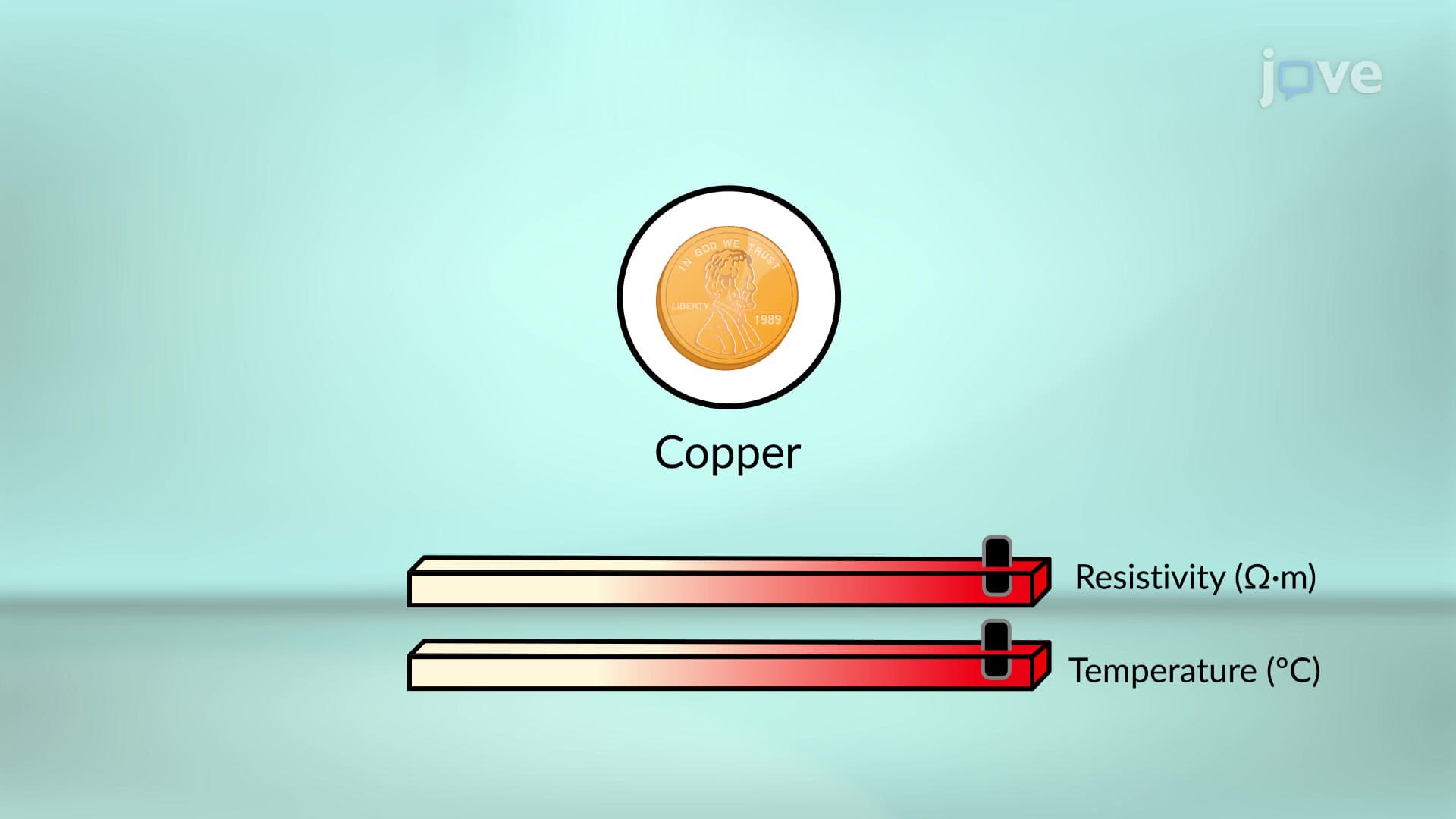
Ever wondered why copper wires carry electricity so well while rubber gloves protect electricians? The answer lies in resistivity, a fundamental property that determines how materials oppose electrical current flow. From the copper wiring in your home's electrical system to the silicon semiconductors in your smartphone, resistivity explains why some materials conduct electricity effortlessly while others block it completely. This intrinsic material property, measured in ohm-meters, varies dramatically with temperature changes. Watch the full video on JoVE Coach to master this concept with expert-led visuals and step-by-step explanations.
Resistivity represents a material's intrinsic ability to resist electrical current flow, independent of the material's shape or size. Unlike resistance, which depends on an object's dimensions, resistivity remains constant for a given material under specific conditions. This fundamental property helps engineers and scientists predict how different materials will behave in electrical applications.
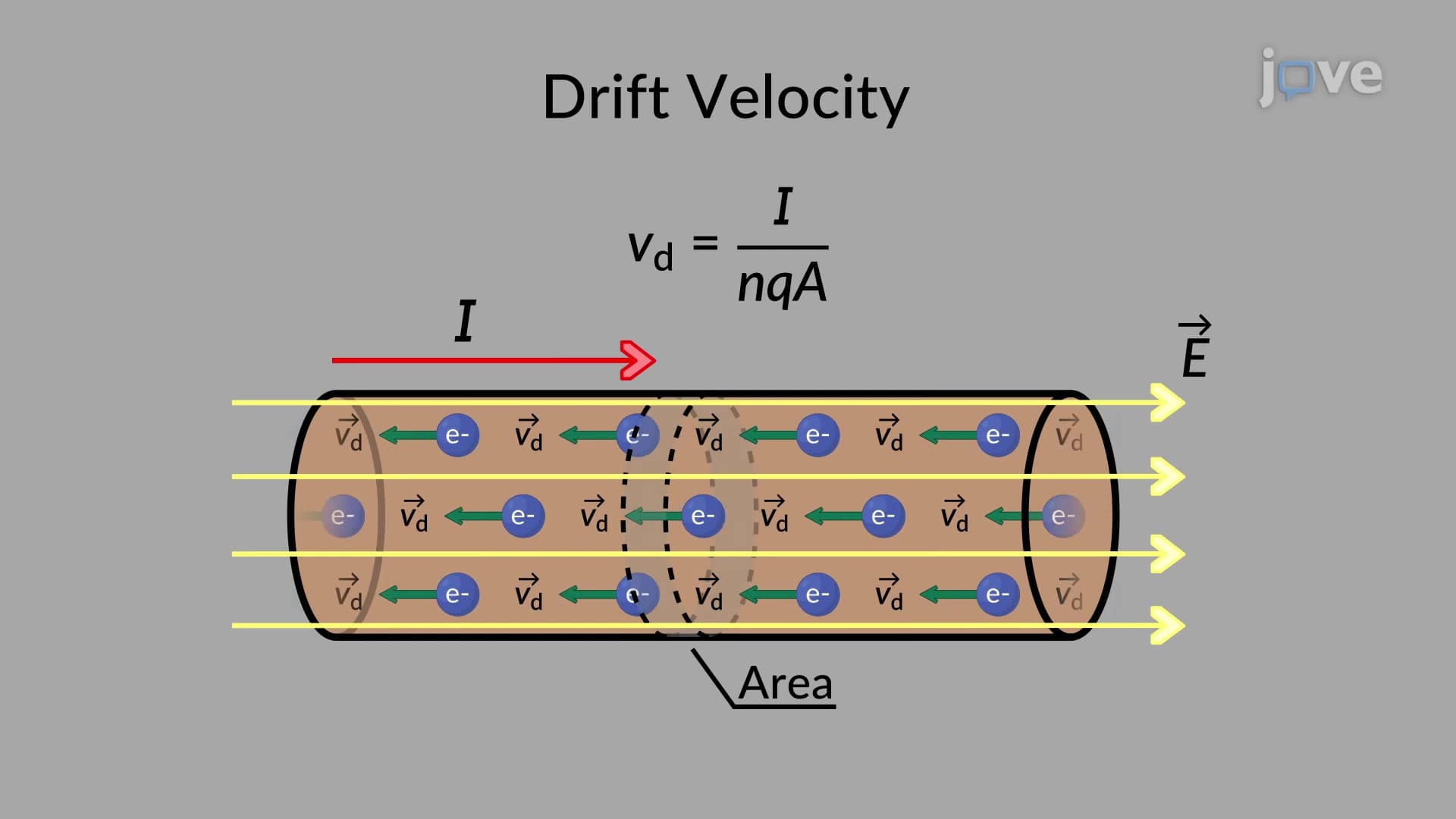
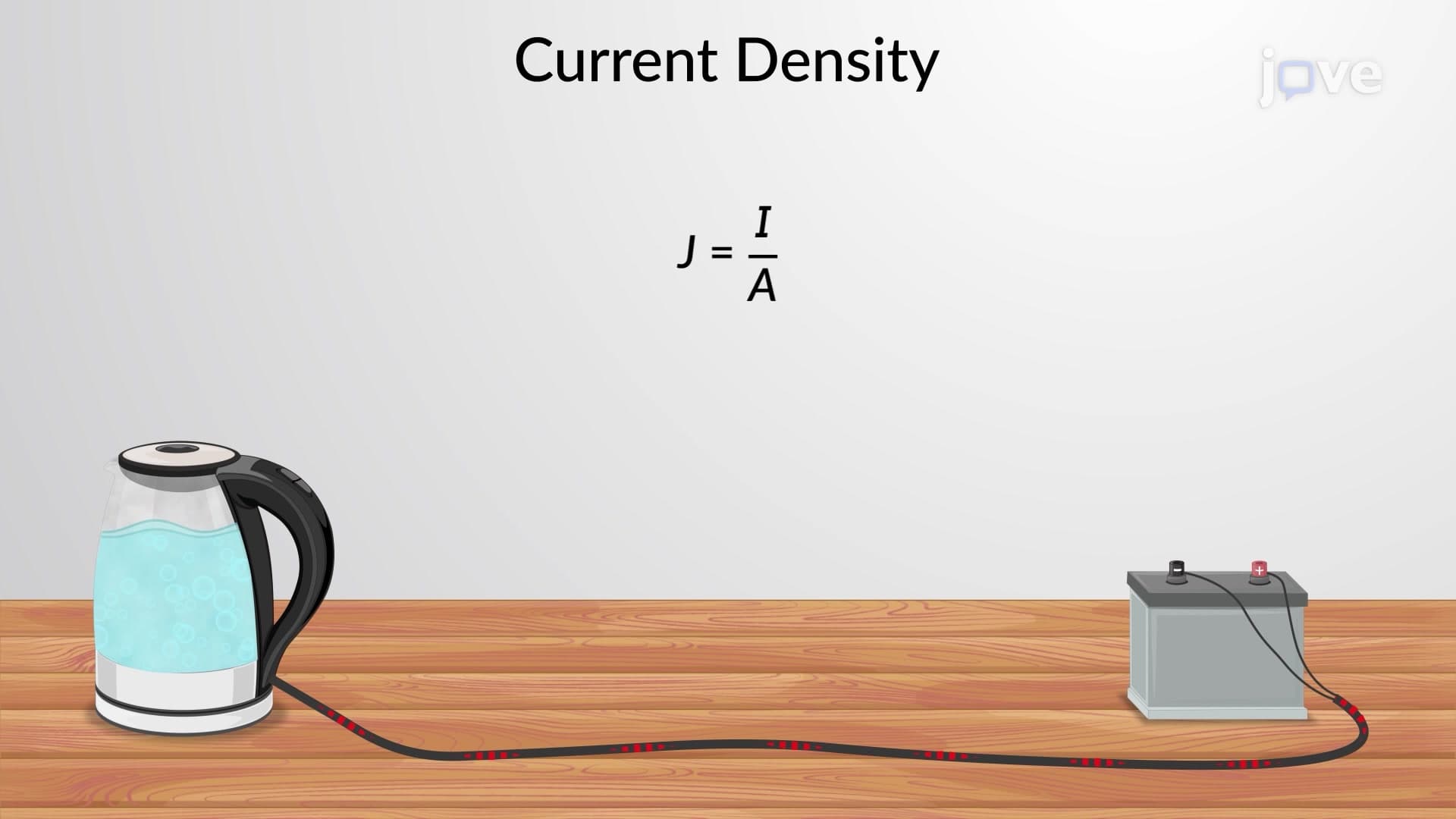
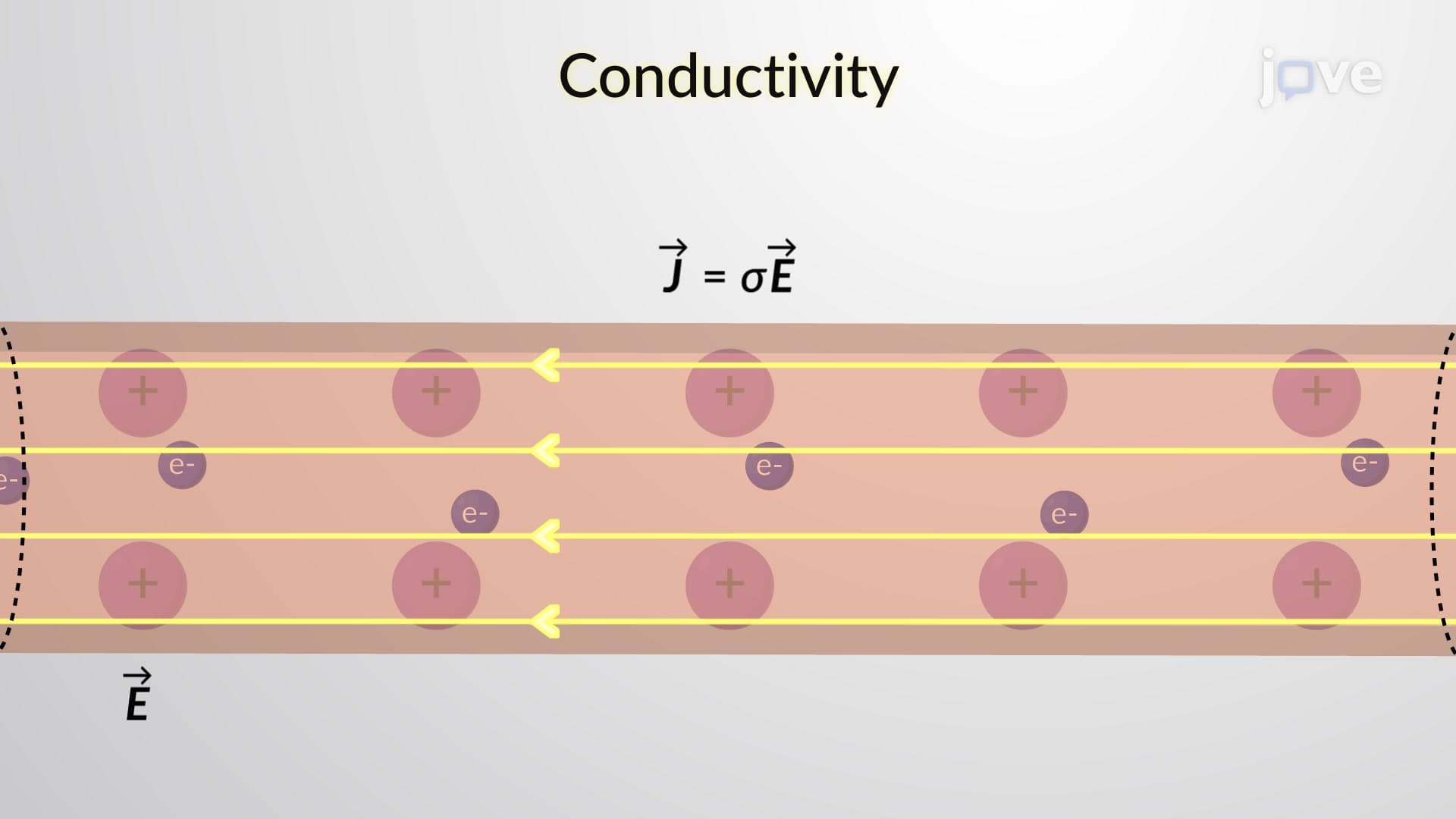
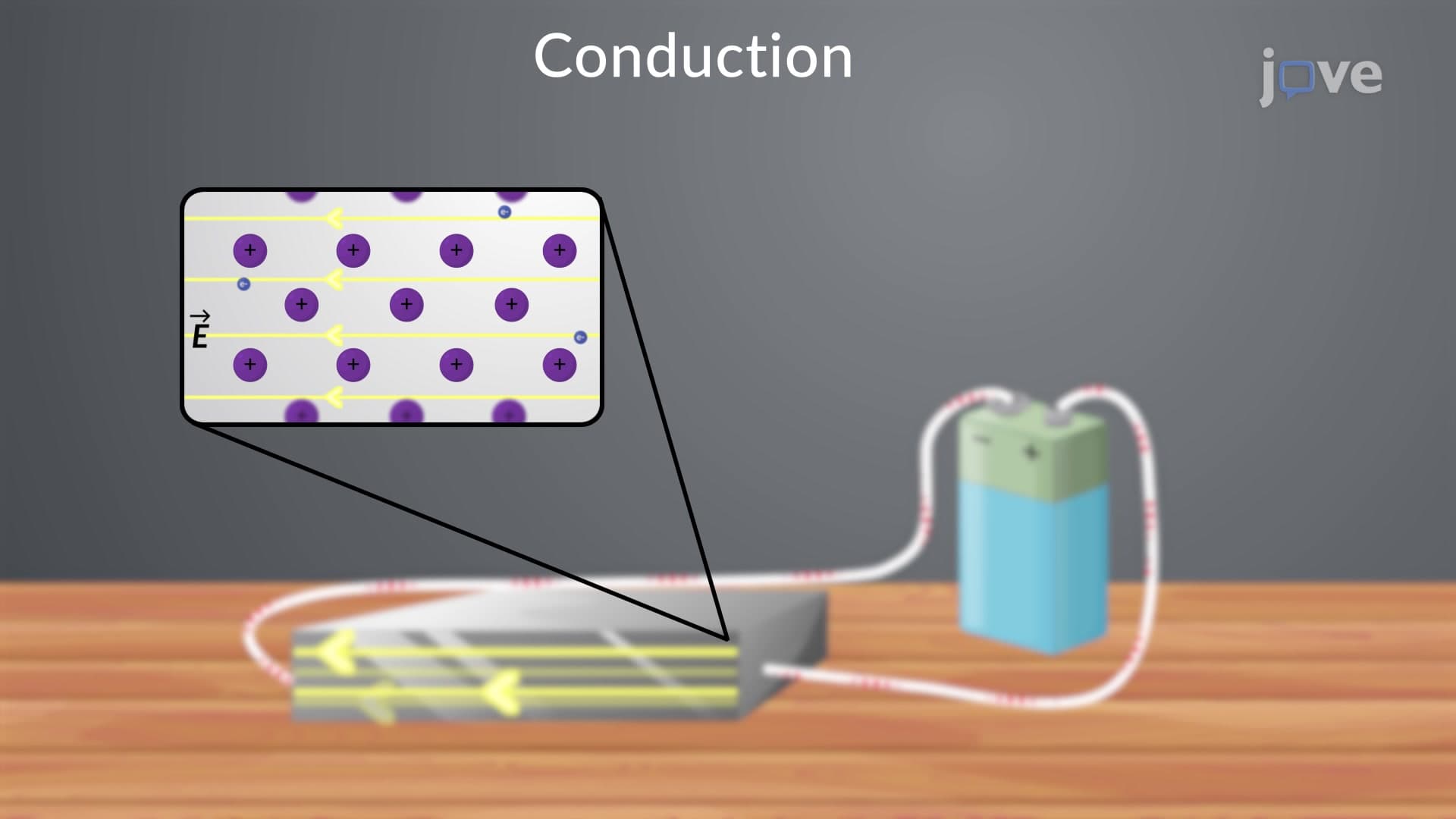
The relationship between resistivity (ρ), electrical field (E), and current density (J) follows the equation: ρ = E/J. This relationship reveals that materials with high resistivity require stronger electrical fields to generate the same current density as materials with low resistivity.
Electrical conductivity and resistivity are reciprocals of each other, meaning σ = 1/ρ. This inverse relationship explains why excellent conductors like copper (resistivity ≈ 1.7 × 10^-8 ohm-meters) have high conductivity values, while outstanding insulators like rubber (resistivity ≈ 10^13 ohm-meters) exhibit extremely low conductivity.
Understanding this relationship proves crucial for AP Physics students and college undergraduates studying electrical circuits. When solving problems involving material selection for electrical applications, remember that increasing conductivity automatically decreases resistivity.
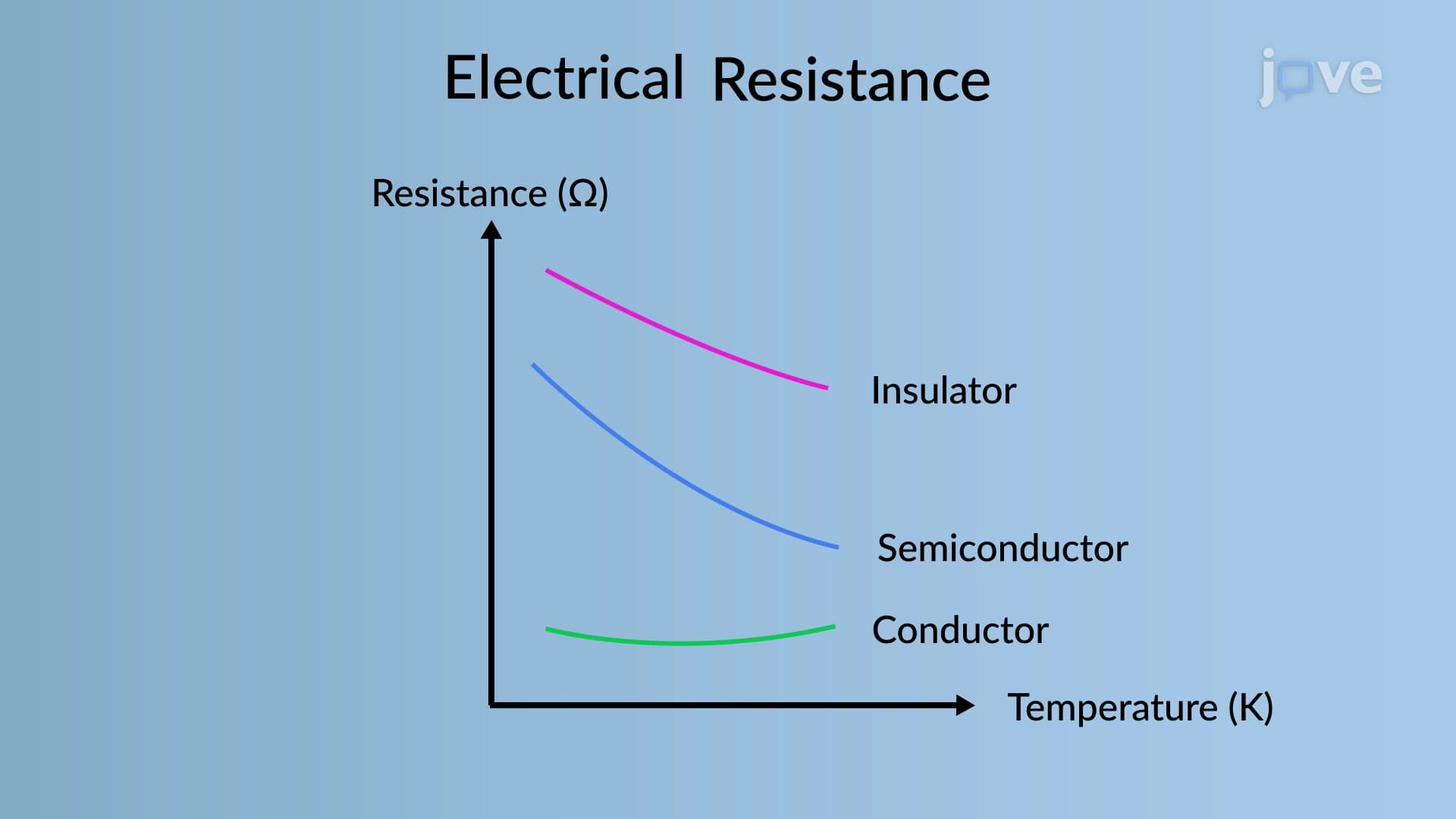
Temperature significantly influences resistivity across different material categories. In metals like copper used in household wiring, resistivity increases linearly with temperature according to: ρ(T) = ρ₀[1 + α(T - T₀)], where α represents the temperature coefficient and ρ₀ is the reference resistivity.
This temperature dependence explains why power lines sag more on hot summer days—increased resistivity generates more heat, causing thermal expansion. Conversely, semiconductors like silicon exhibit negative temperature coefficients, meaning their resistivity decreases as temperature rises. This property enables temperature sensors and explains why computer processors require cooling systems to maintain optimal performance.
Engineers utilize resistivity values when designing electrical systems. Aluminum power transmission lines balance conductivity with weight considerations, while tungsten filaments in incandescent bulbs exploit high-temperature resistivity for light generation. Understanding resistivity helps explain why electricians wear rubber gloves (high resistivity for safety) and why circuit boards use gold-plated contacts (low resistivity for reliable connections).
Frequently Asked Questions
Resistivity is an intrinsic material property measuring how strongly a substance opposes electrical current flow, expressed in ohm-meters. Unlike resistance, which depends on an object's shape and size, resistivity remains constant for a given material under specific conditions. Think of resistivity as a material's "electrical personality" that doesn't change regardless of how you shape it.
AP Physics exams frequently test resistivity through circuit analysis problems requiring material comparisons and temperature coefficient calculations. Students must apply the resistivity formula ρ = RA/L to determine unknown quantities and explain why different materials are chosen for specific electrical applications. Practice problems often involve calculating resistance changes due to temperature variations.
The MCAT tests resistivity within biological contexts, particularly nerve conduction and biomedical device functionality. Expect questions about how temperature affects nerve impulse transmission and why certain materials are selected for medical implants. Understanding the inverse relationship between resistivity and conductivity helps explain cellular membrane properties and electrocardiogram readings.
Power companies choose aluminum despite copper's lower resistivity because aluminum offers better conductivity-to-weight ratios for long-distance transmission. Aluminum weighs about one-third as much as copper while providing adequate conductivity for high-voltage applications. This weight reduction significantly decreases support structure costs and installation complexity across thousands of miles of power lines.
Resistivity concepts are completely accessible to high school students with basic algebra skills and introductory physics knowledge. The mathematical relationships are straightforward, and real-world examples like household wiring make the concept relatable. Focus on understanding the inverse relationship with conductivity and how temperature affects different materials—these foundational concepts build naturally toward more advanced applications.
Create comparison charts showing resistivity values for conductors, semiconductors, and insulators, then practice temperature coefficient calculations using the linear relationship formula. Work through problems involving material selection scenarios and memorize that good conductors have low resistivity while good insulators have high resistivity. Connect each concept to familiar examples like copper wiring and rubber insulation.
Resistivity knowledge leads naturally to studying superconductivity, where materials exhibit zero electrical resistance below critical temperatures. Advanced courses explore quantum mechanical explanations for resistivity, semiconductor physics for electronic device design, and materials science applications in nanotechnology. These connections make resistivity a gateway concept for electrical engineering and condensed matter physics.
Related Micro-courses



Related Subjects
 Math Fundamentals 11 micro-courses›
 Statistics 17 micro-courses›