Loading…
Loading video…

79,837 views
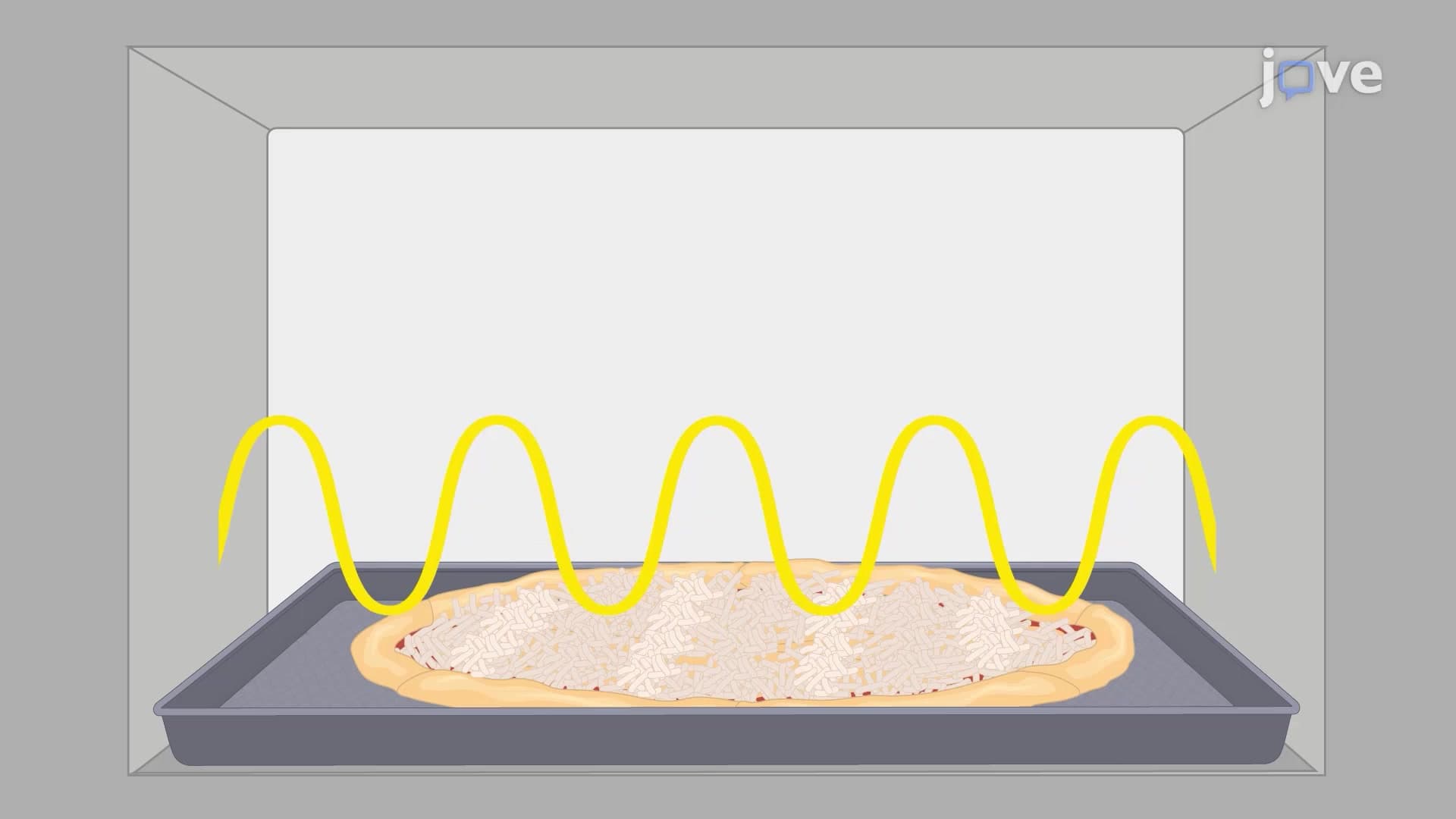
Ever wonder how microwave ovens heat food so uniformly? Standing electromagnetic waves create stationary patterns of intense energy when incident and reflected waves combine. These electromagnetic wave formations occur when waves with identical frequency and amplitude travel in opposite directions, such as when radio waves bounce off the metallic interior of a microwave oven. Understanding what are standing electromagnetic waves reveals how nodes and antinodes form distinct energy patterns crucial in telecommunications and medical imaging technologies. Watch the full video on JoVE Coach to master this concept with expert-led visuals and step-by-step explanations.
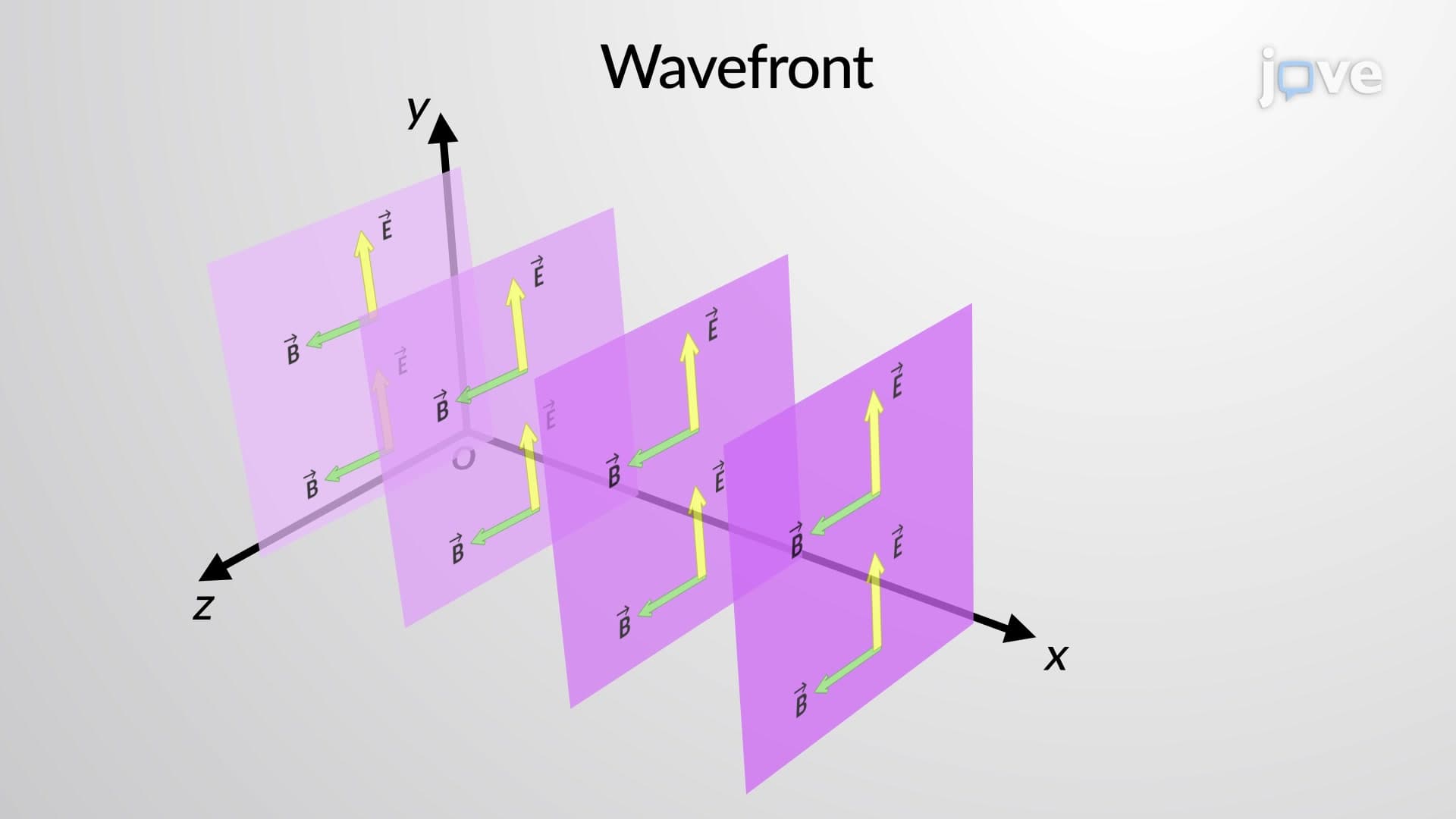
Standing electromagnetic waves represent one of the most fascinating phenomena in wave physics, occurring when two electromagnetic waves of identical frequency and amplitude travel in opposite directions and interfere constructively and destructively. Unlike traveling waves that transport energy from one location to another, standing electromagnetic waves create stationary patterns where energy oscillates in place, forming distinct regions of maximum and minimum field strength.
The creation of standing electromagnetic waves requires specific boundary conditions, most commonly involving perfect conductors that reflect incident electromagnetic radiation. When a linearly polarized electromagnetic wave encounters a conducting surface, the conductor's free electrons respond to the incident electric field, generating surface currents that produce a reflected wave. This reflected wave possesses the same frequency and amplitude as the incident wave but travels in the opposite direction. The mathematical superposition of these waves creates the characteristic standing wave pattern that students encounter in AP Physics courses and college-level electromagnetism classes.
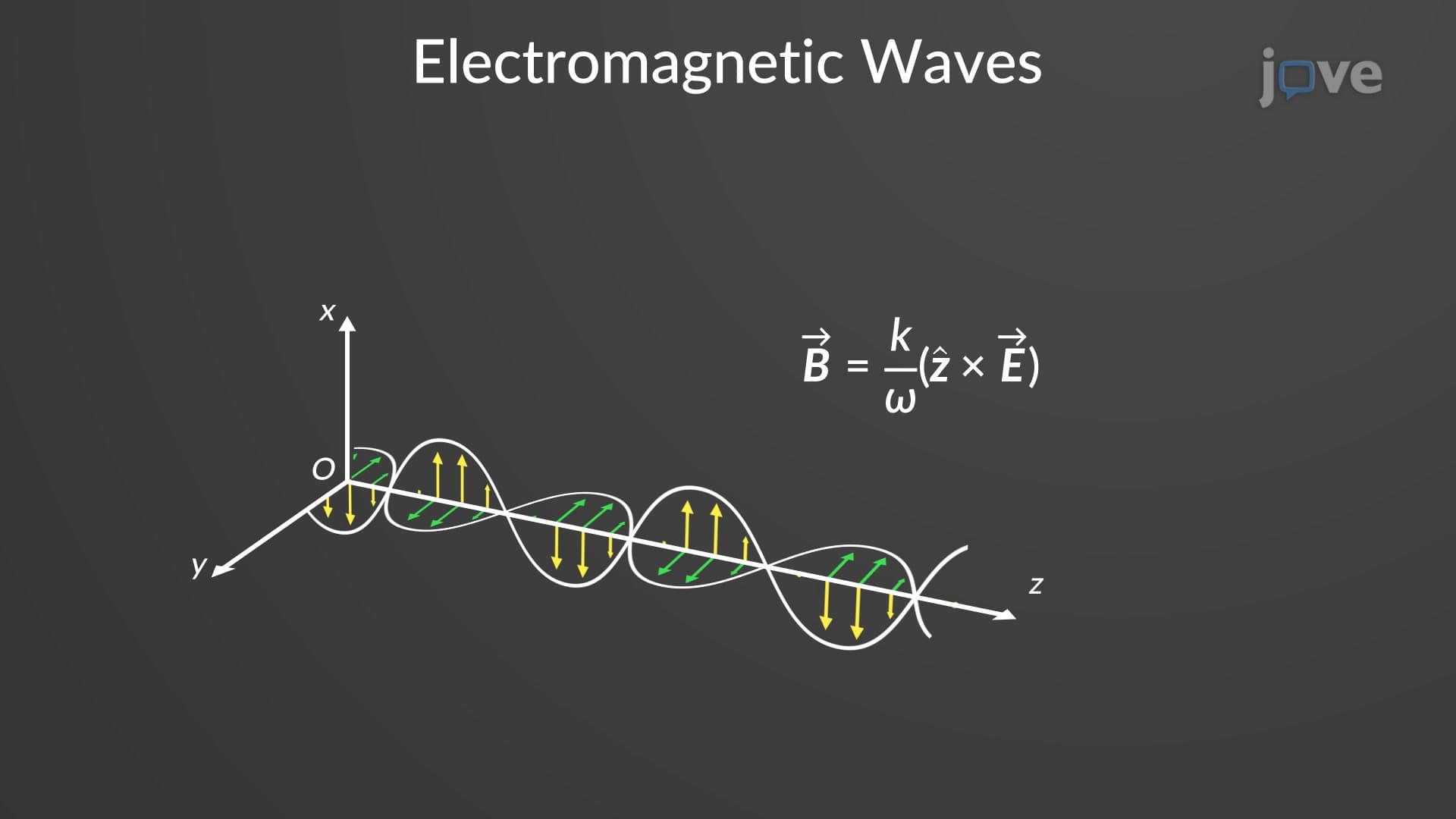
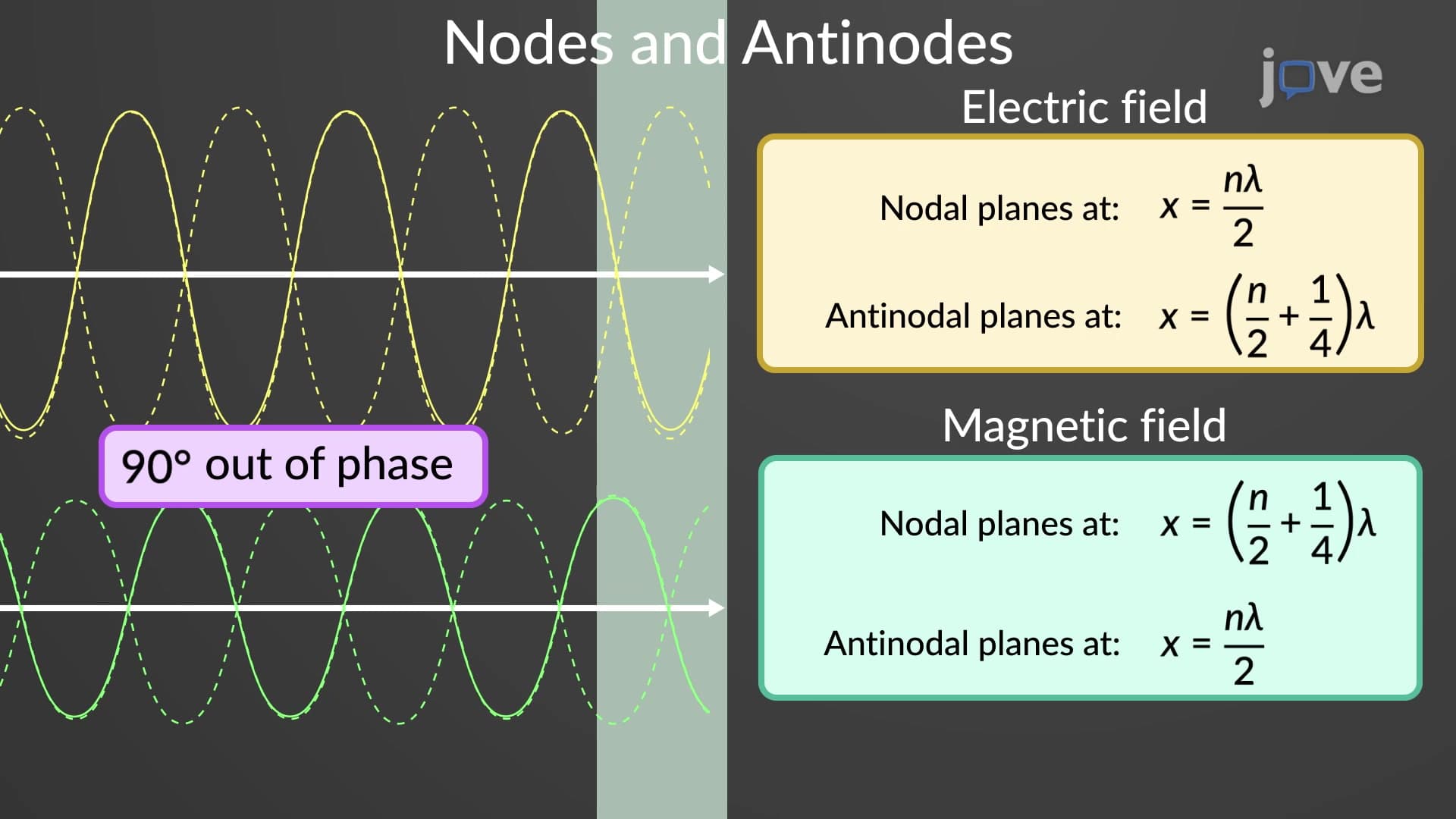
The defining features of standing electromagnetic waves are their nodes and antinodes, which remain fixed in space rather than propagating. Nodes represent positions where the electric or magnetic field amplitude is always zero due to destructive interference. Conversely, antinodes are locations where field amplitudes reach maximum values through constructive interference. A critical aspect that distinguishes electromagnetic standing waves from mechanical standing waves is the 90-degree phase relationship between electric and magnetic field components: electric field nodes coincide with magnetic field antinodes and vice versa. This relationship stems from Maxwell's equations and the fundamental coupling between electric and magnetic fields in electromagnetic radiation.
Standing electromagnetic waves appear frequently in MCAT physics sections and college physics exams, particularly in contexts involving waveguides, cavity resonators, and transmission lines. Real-world applications include microwave ovens, where standing wave patterns ensure uniform heating, and radar systems used by the National Weather Service for precipitation detection. Medical imaging technologies like MRI machines utilize standing electromagnetic wave principles in their radiofrequency coils. Students preparing for standardized tests should focus on calculating wavelengths, identifying node positions using the formula λ/4, 3λ/4, 5λ/4, and understanding energy distribution patterns in various geometric configurations.
Frequently Asked Questions
Standing electromagnetic waves are stationary interference patterns formed when two electromagnetic waves of equal frequency and amplitude travel in opposite directions. They create fixed nodes and antinodes rather than propagating energy, commonly occurring when incident waves reflect off conducting surfaces. This phenomenon is essential for understanding cavity resonators and transmission line behavior.
MCAT questions typically test standing electromagnetic wave concepts through problems involving wavelength calculations, node/antinode identification, and energy distribution analysis. Students encounter these topics in passages about medical imaging equipment, particularly MRI technology and electromagnetic therapy devices. Understanding phase relationships between electric and magnetic fields is crucial for success.
Unlike mechanical standing waves, electromagnetic standing waves involve both electric and magnetic field components that are 90 degrees out of phase. AP Physics students must recognize that electric field nodes coincide with magnetic field antinodes, and energy oscillates between electric and magnetic forms. This distinction frequently appears in free-response questions requiring wave analysis.
Microwave ovens represent the most common application, where standing waves create hot spots that rotating turntables help distribute evenly. Cell phone towers use standing wave principles in antenna design, while GPS satellites rely on precise electromagnetic wave patterns. Even WiFi routers in homes utilize standing wave concepts for optimal signal distribution.
No, introductory treatments focus on conceptual understanding and basic algebraic relationships rather than complex mathematical derivations. High school and early college courses emphasize pattern recognition, wavelength calculations, and qualitative analysis of field distributions. Advanced mathematical treatments appear in upper-level electrical engineering courses.
Focus on memorizing key relationships like node spacing (λ/2 intervals), boundary conditions at conducting surfaces, and phase relationships between field components. Practice identifying whether you're asked about electric or magnetic field patterns, since they're complementary. Work through problems involving cavity dimensions and resonant frequencies.
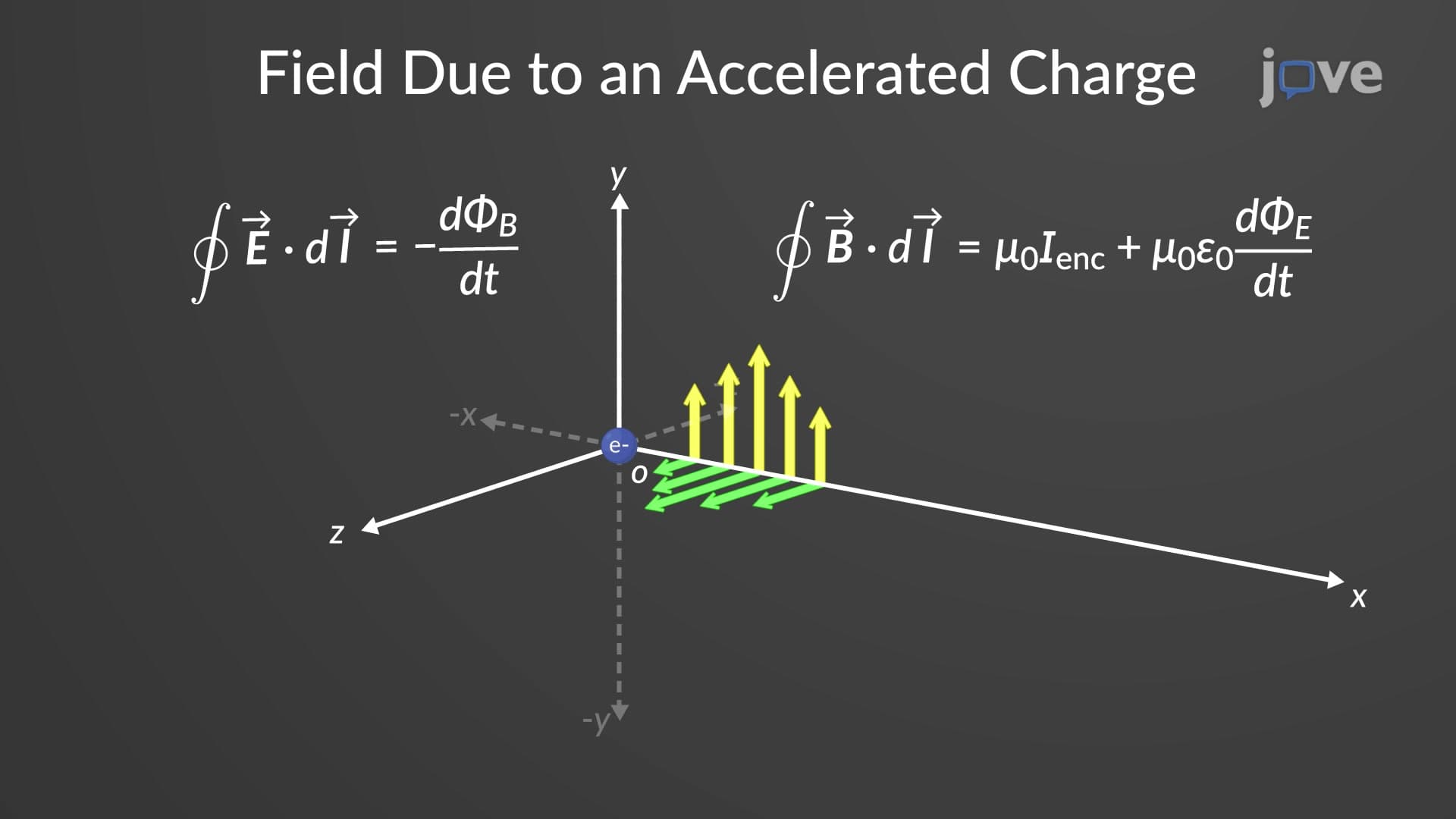
Advanced topics include waveguides, electromagnetic radiation from accelerating charges, and antenna theory. Students interested in engineering applications should explore transmission line theory and impedance matching. Pre-med students benefit from understanding electromagnetic wave interactions with biological tissues for medical imaging comprehension.
This occurs because electric and magnetic fields in electromagnetic waves are inherently perpendicular and 90 degrees out of phase temporally. When standing waves form, this phase relationship means maximum electric field strength occurs where magnetic field strength is minimum, creating the alternating node/antinode pattern essential for applications like waveguide design.
Related Micro-courses



Related Subjects
 Math Fundamentals 11 micro-courses›
 Statistics 17 micro-courses›