Loading…
Loading video…

79,837 views
Every time you check your smartphone or listen to FM radio, you're experiencing electromagnetic waves described by the electromagnetic wave equation. This fundamental physics concept explains how electric and magnetic fields propagate through space at the speed of light—approximately 300 million meters per second. NASA's Deep Space Network in California uses these principles to communicate with spacecraft millions of miles away. Watch the full video on JoVE Coach to master this concept with expert-led visuals and step-by-step explanations.
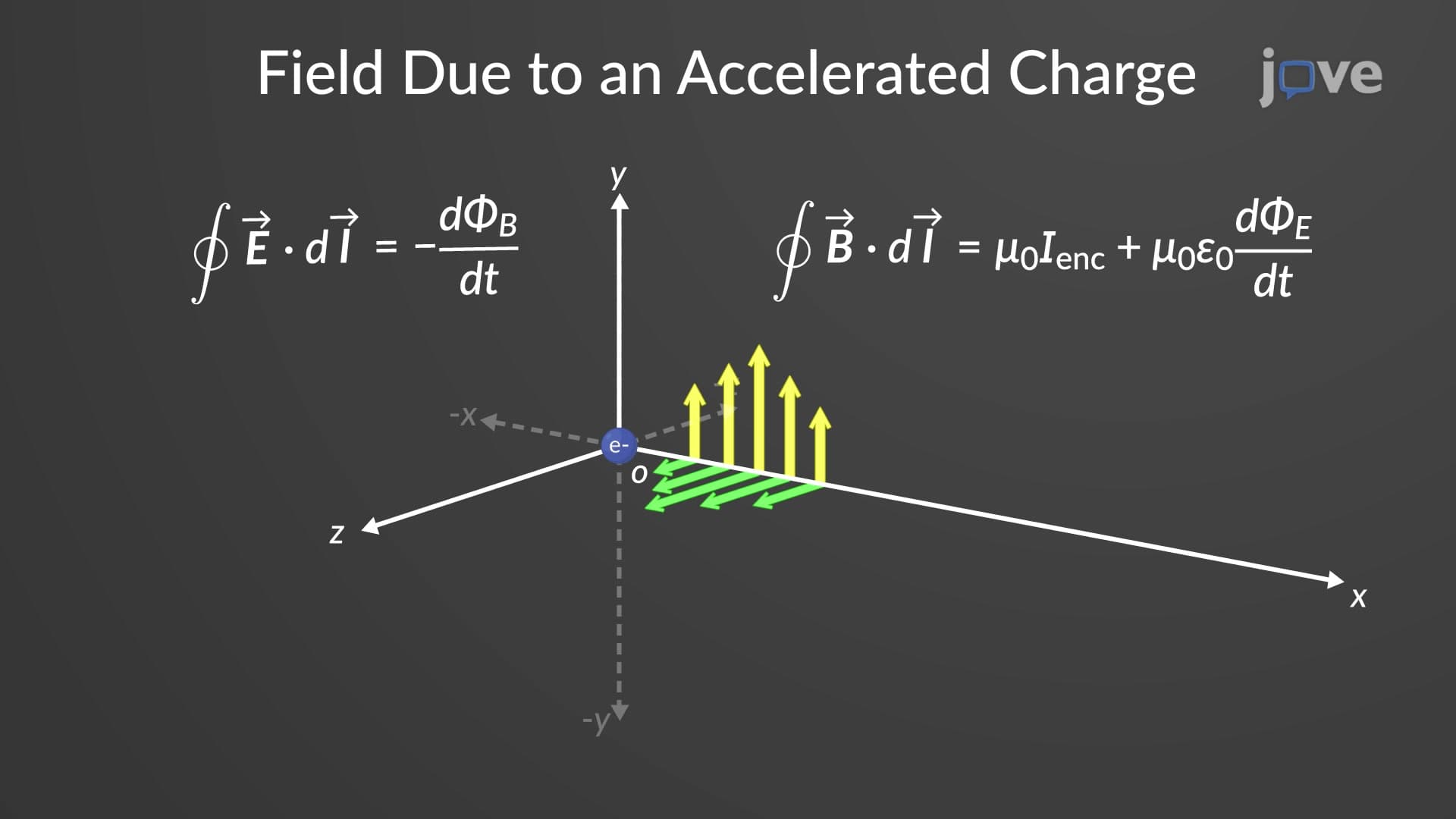
The electromagnetic wave equation represents one of physics' most elegant mathematical descriptions of how electric and magnetic fields travel through space. This equation emerges directly from James Clerk Maxwell's four fundamental equations, which describe all electromagnetic phenomena. When physicists apply mathematical operations like the curl operator to Maxwell's third and fourth equations, they discover something remarkable: both electric and magnetic fields follow identical wave equations.
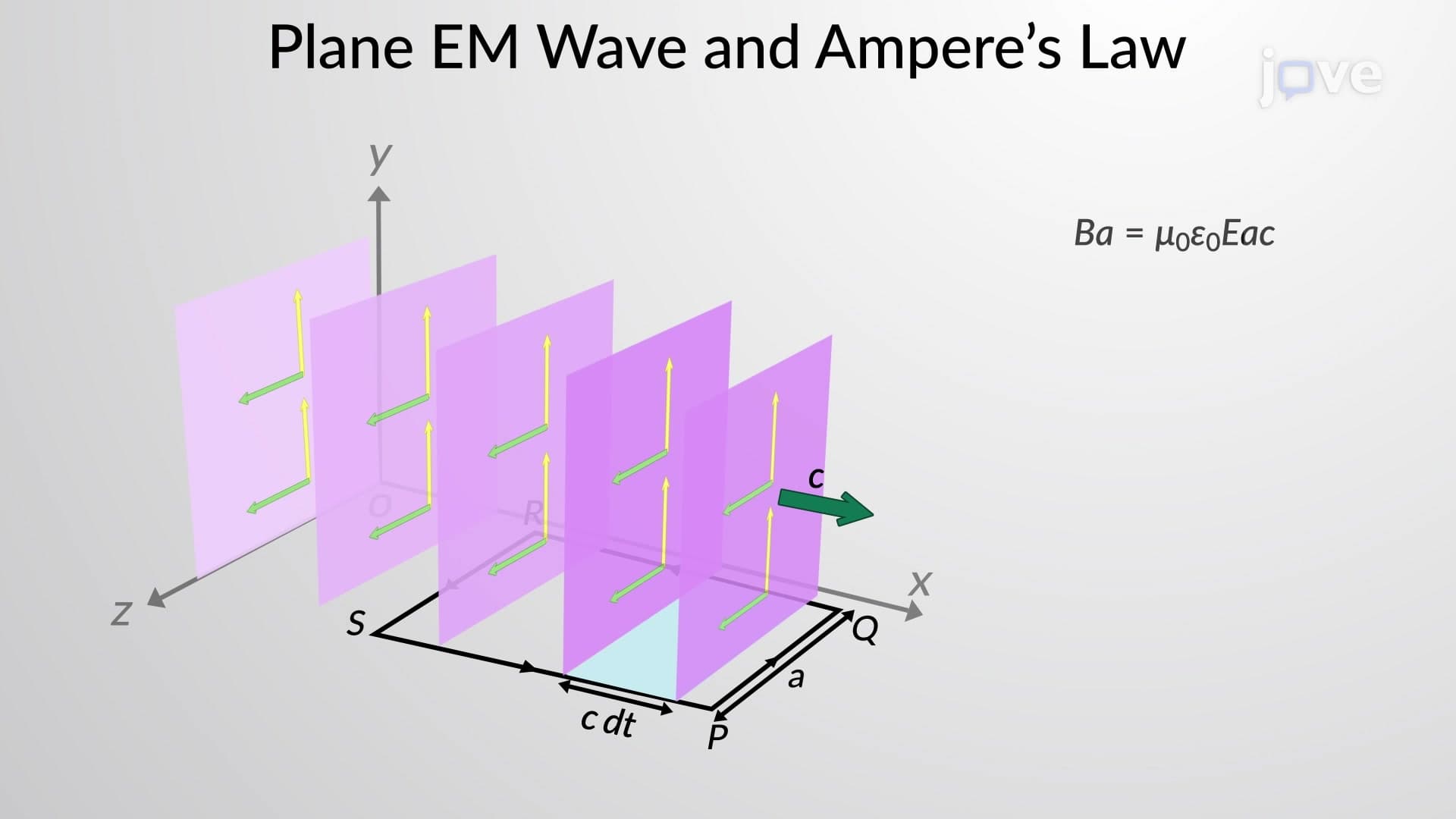
The electromagnetic wave equation reveals that each component of the electric and magnetic fields satisfies the standard wave equation: ∇²E = (1/c²)(∂²E/∂t²), where c represents the speed of light. This mathematical relationship proves that electromagnetic disturbances propagate as three-dimensional waves through vacuum at a constant speed determined by fundamental physical constants—the permittivity and permeability of free space.
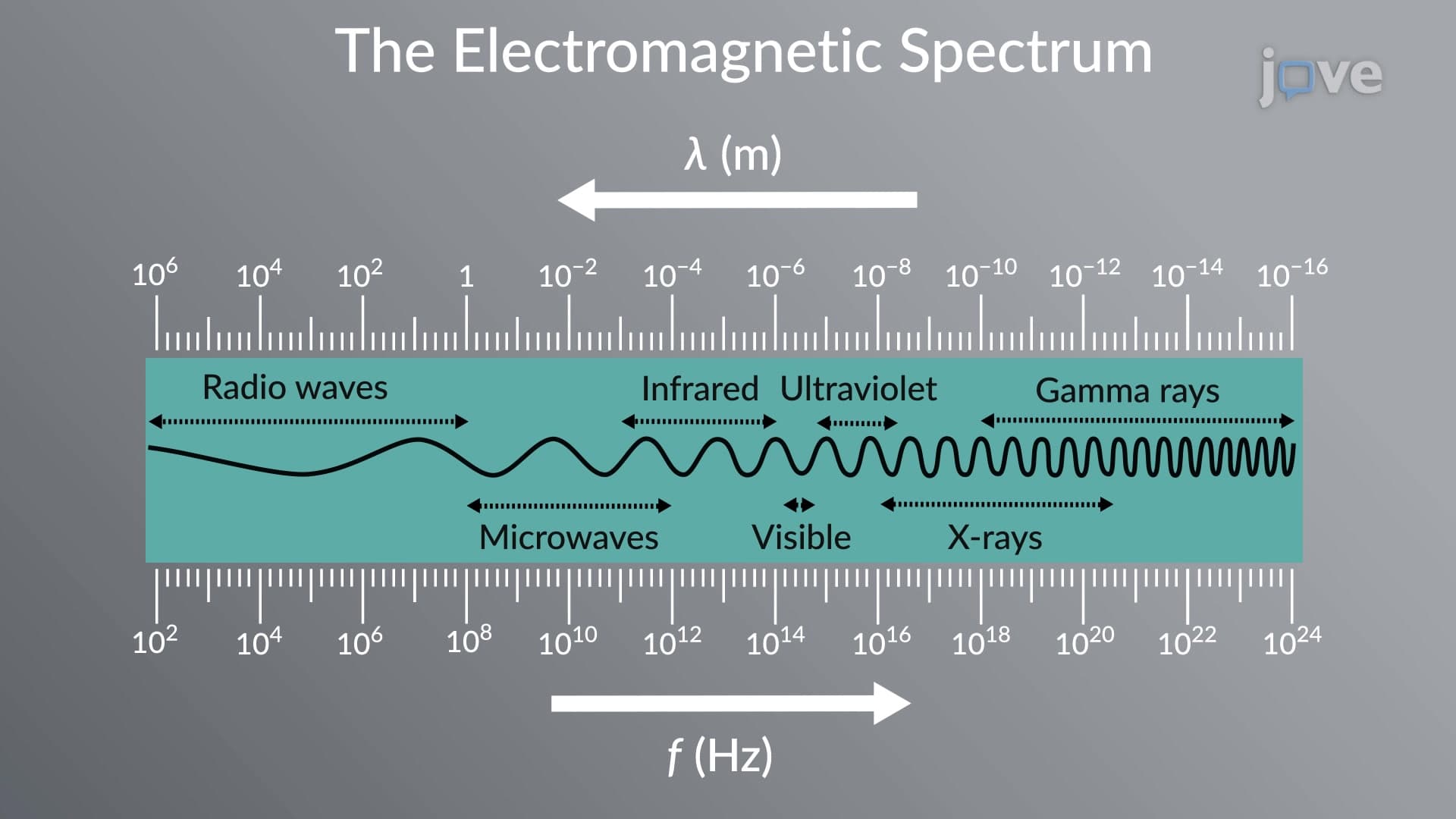
Students preparing for AP Physics or college-level electromagnetism courses should understand that this speed (approximately 3×10⁸ m/s) isn't arbitrary—it's built into the fabric of spacetime itself. The Federal Communications Commission (FCC) relies on these principles when allocating radio frequencies across the United States, from AM radio at 540 kHz to cellular networks operating in gigahertz ranges.
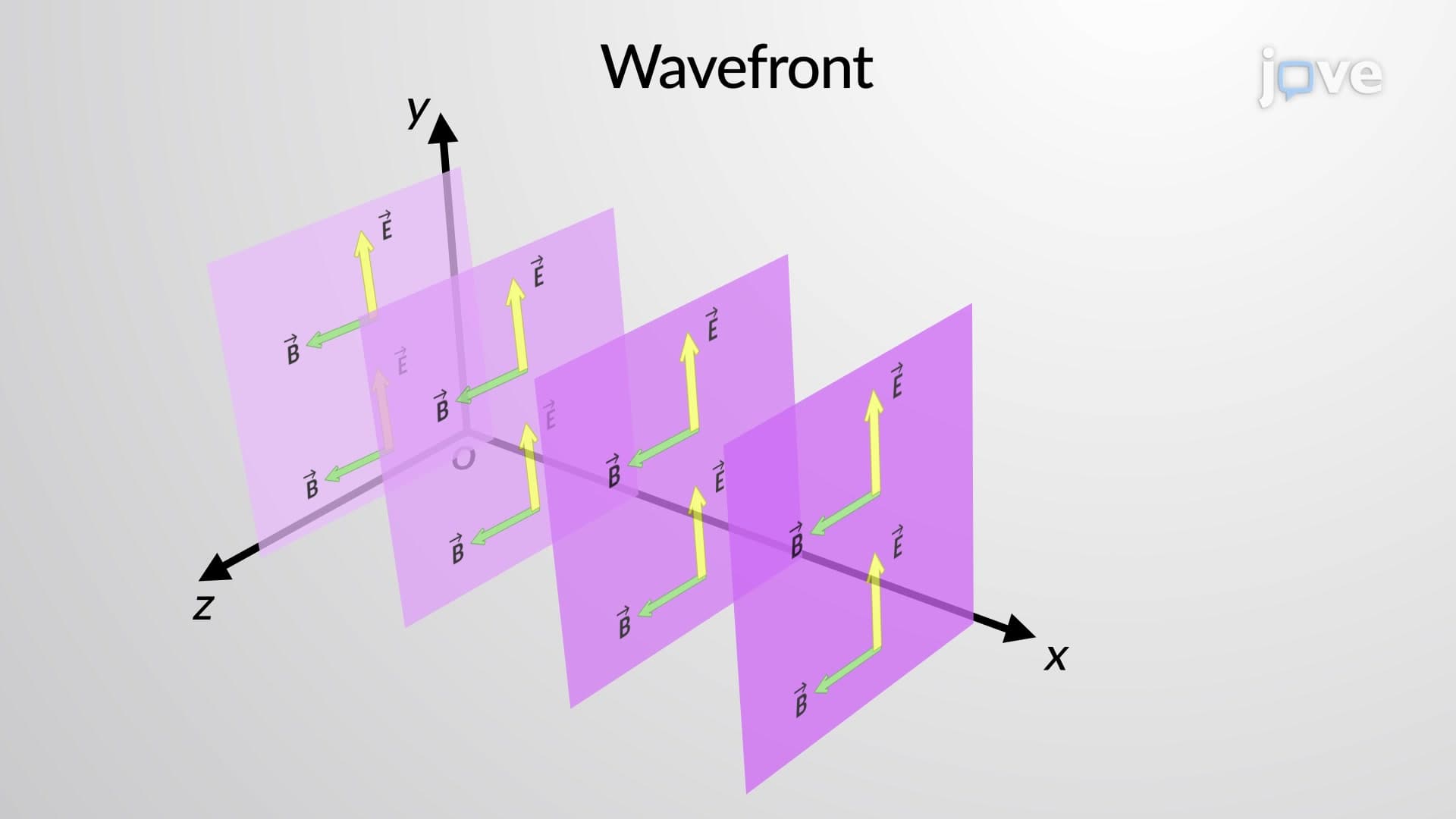
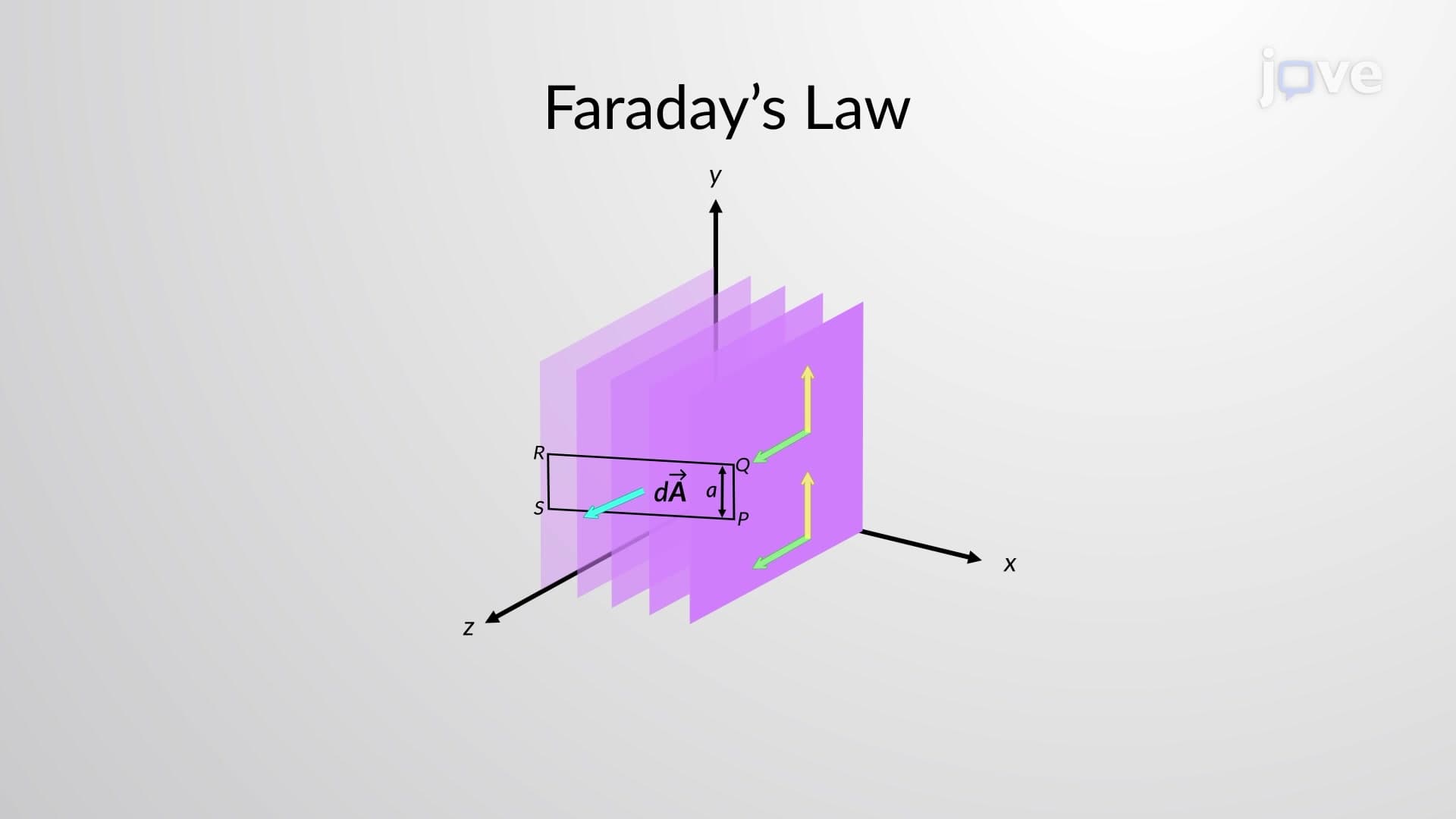
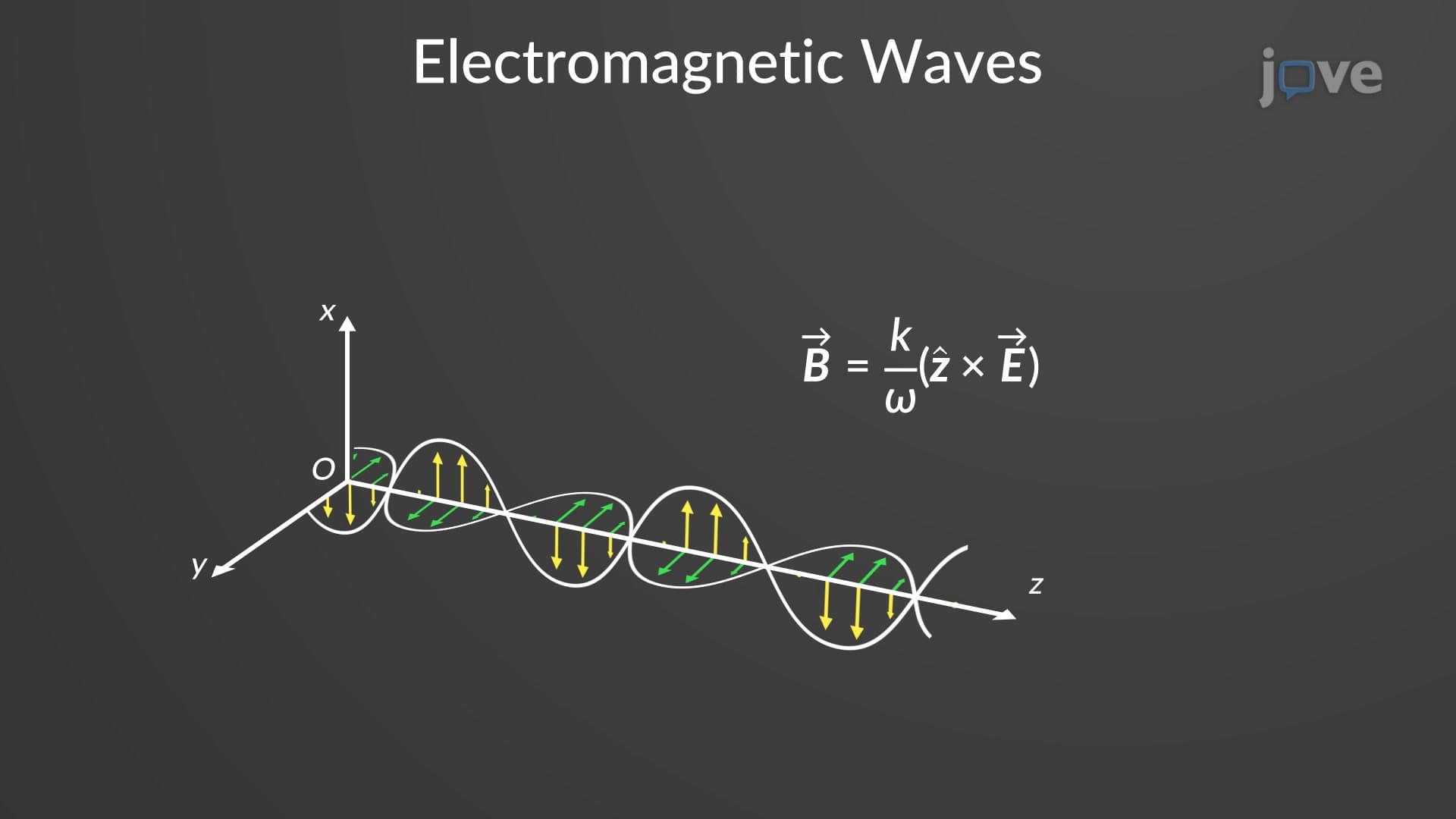
A crucial insight from the electromagnetic wave equation is that electromagnetic waves are transverse waves. When Maxwell's first and second equations are applied to the general wave solutions, the mathematics reveals that field components parallel to the propagation direction must equal zero. This means electromagnetic waves oscillate perpendicular to their travel direction, unlike sound waves which are longitudinal.
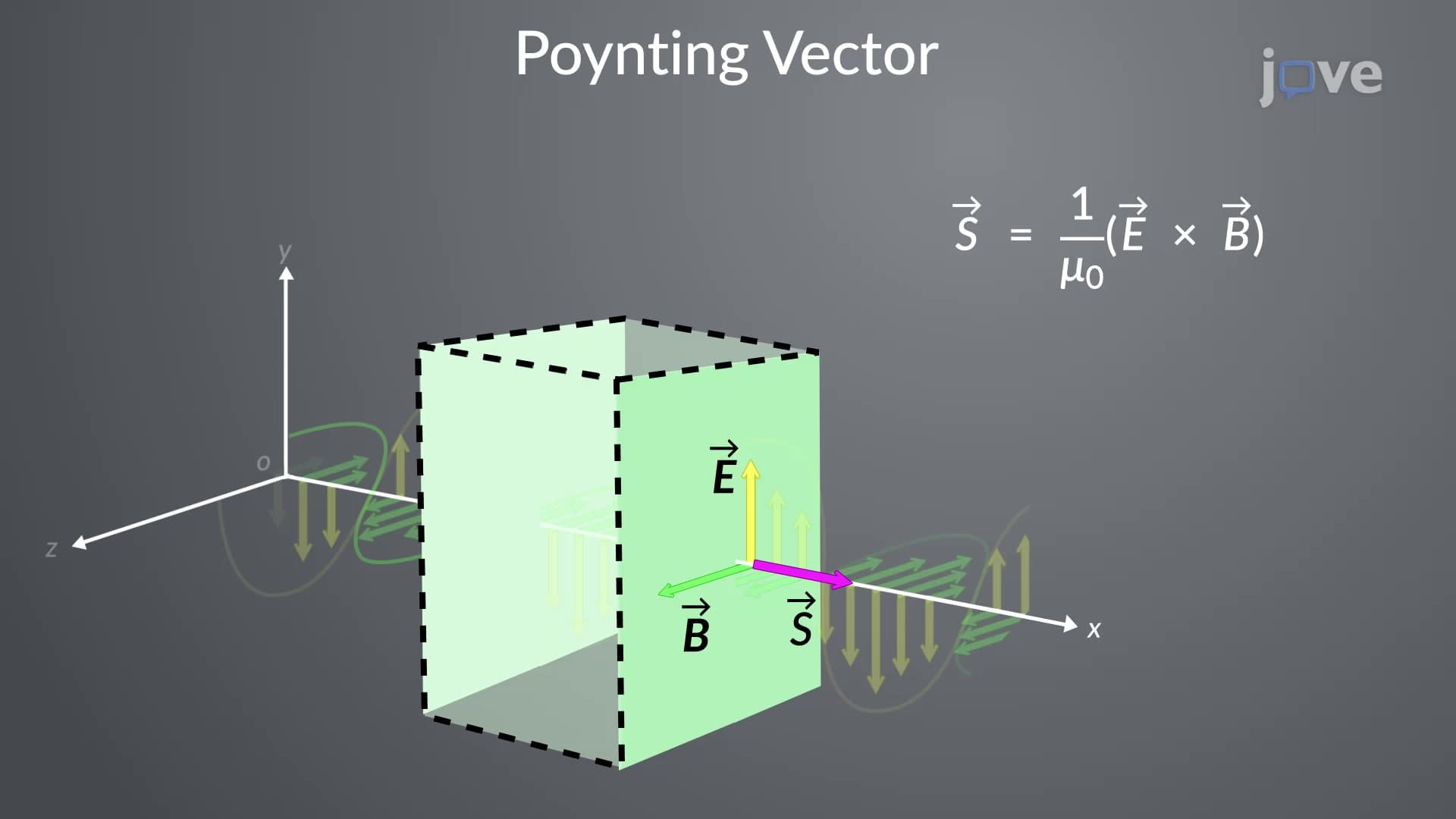
Furthermore, the electric and magnetic field vectors remain mutually perpendicular throughout propagation. This relationship appears frequently on standardized exams like the MCAT, where students must visualize electromagnetic wave geometry. Medical imaging technologies used in hospitals across the United States, including MRI machines, fundamentally depend on controlled electromagnetic wave interactions with human tissue.
The electromagnetic wave equation underlies virtually all modern communication technology. From GPS satellites providing navigation data to smartphones connecting through cell towers, these applications demonstrate the equation's practical importance. Students encountering this concept in introductory physics courses should appreciate how theoretical mathematics translates into everyday technology that shapes American society—from internet infrastructure spanning coast to coast to weather radar systems operated by the National Weather Service.
Frequently Asked Questions
The electromagnetic wave equation describes how electric and magnetic fields travel through space as waves. It shows that these fields oscillate perpendicular to each other and to their direction of motion, propagating at the speed of light through vacuum.
AP Physics C: Electricity and Magnetism often includes electromagnetic wave problems requiring students to apply Maxwell's equations and calculate wave properties. You'll typically solve for field relationships, wave speeds, or energy densities in electromagnetic radiation.
The MCAT Physics section covers electromagnetic spectrum applications in medical contexts, including X-rays, MRI principles, and light-tissue interactions. Understanding wave equations helps explain how medical imaging technologies function in diagnostic procedures.
Electromagnetic wave principles enable cellular networks, WiFi, GPS navigation, radio broadcasting, and television transmission across America. The FCC regulates these frequencies to prevent interference between different communication systems nationwide.
While the complete mathematical derivation requires vector calculus, you can grasp the fundamental concepts with basic algebra and trigonometry. Focus on understanding the physical relationships rather than complex mathematical manipulations initially.
Create visual diagrams showing perpendicular electric and magnetic field orientations, practice relating Maxwell's equations to wave properties, and work through numerical problems involving wave speed calculations. Connecting equations to real-world examples strengthens comprehension.
Quantum electrodynamics, antenna theory, waveguide physics, and optical engineering all extend electromagnetic wave principles. These topics appear in advanced undergraduate and graduate physics programs across American universities.
Most introductory college physics courses focus on conceptual understanding and basic calculations rather than complex derivations. Expect problems involving wave speed, frequency relationships, and field orientation questions on midterm and final examinations.
Related Micro-courses



Related Subjects
 Math Fundamentals 11 micro-courses›
 Statistics 17 micro-courses›