Loading subject page…

- Physics
- Electromagnetic Waves
- Intensity Of Electromagnetic Waves
Micro-course: Electromagnetic Waves
79,837 views
Learn key concepts and earn your certificate.

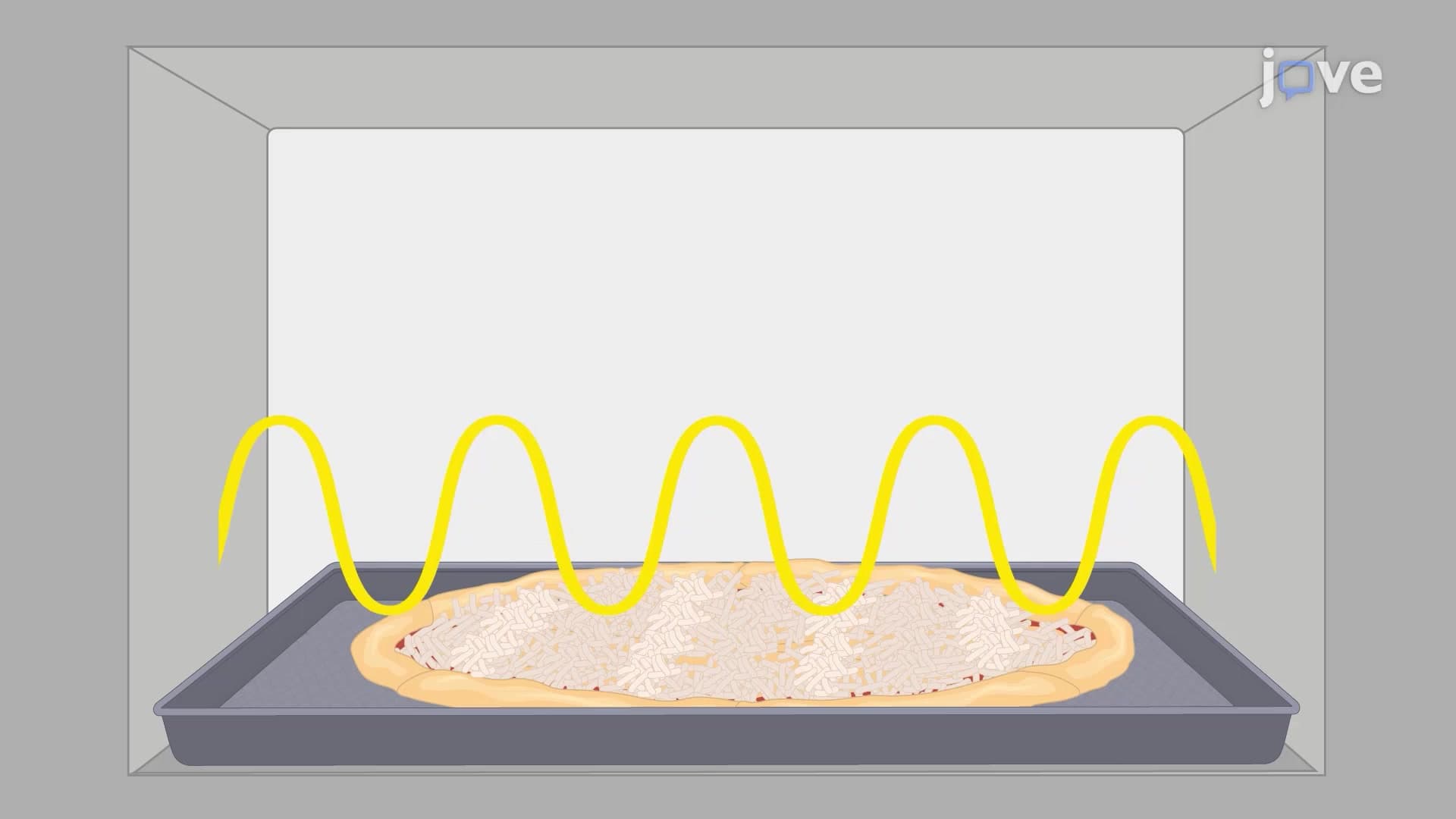
Intensity Of Electromagnetic Waves

00:00
01:22
Video Summary: What are Intensity of Electromagnetic Waves
Did you know that the energy flowing through your smartphone's antenna follows the same physical principles as sunlight streaming through your window? The intensity of electromagnetic waves describes how much energy these waves carry per unit area, measured through the Poynting vector's time average. From radio transmissions in New York City to solar panels in California, this fundamental concept governs energy transfer in electromagnetic fields. Watch the full video on JoVE Coach to master this concept with expert-led visuals and step-by-step explanations.
- Understand what are intensity of electromagnetic waves and how the Poynting vector determines energy flow direction and magnitude
- Identify the mathematical relationship between electric field amplitude, magnetic field amplitude, and wave intensity
- Analyze how time-averaged Poynting vectors eliminate rapid oscillations to reveal meaningful intensity values
- Apply the intensity formula to calculate energy transfer in plane electromagnetic waves propagating through space
- Recognize equivalent expressions for intensity using either electric field or magnetic field components alone
- Compare intensity calculations for different electromagnetic wave configurations and field orientations
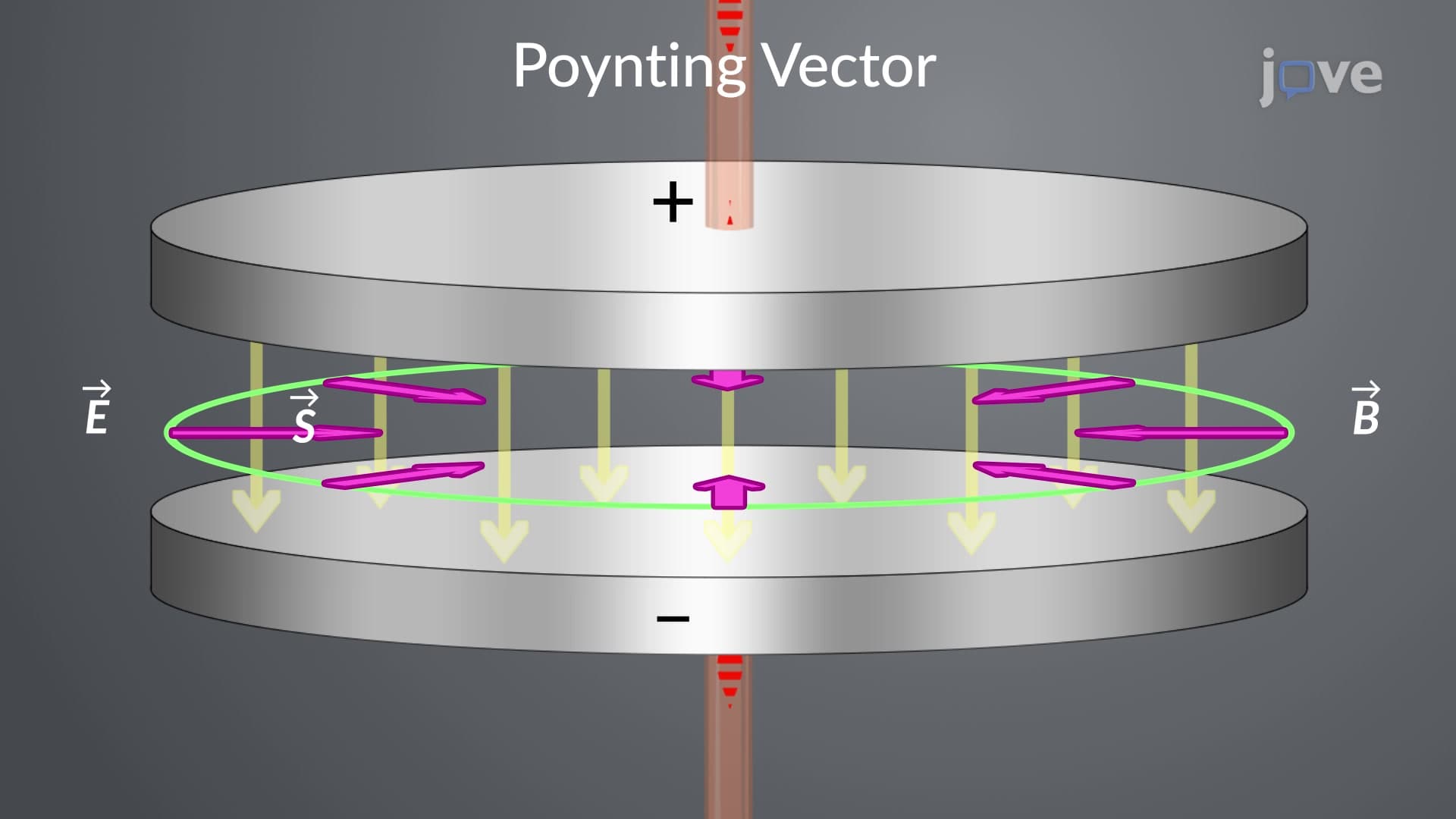
- Evaluate energy flow patterns in capacitor systems with alternating current and their electromagnetic field generation
- Explore the connection between wave intensity and the speed of light in electromagnetic wave propagation
Understanding What Are Intensity of Electromagnetic Waves
The intensity of electromagnetic waves represents the average power carried by electromagnetic radiation per unit area perpendicular to the wave's propagation direction. Unlike mechanical waves that require a medium, electromagnetic waves transport energy through space via oscillating electric and magnetic fields. This energy transport mechanism powers everything from GPS satellites orbiting Earth to medical imaging equipment in US hospitals.
The Poynting Vector and Energy Flow
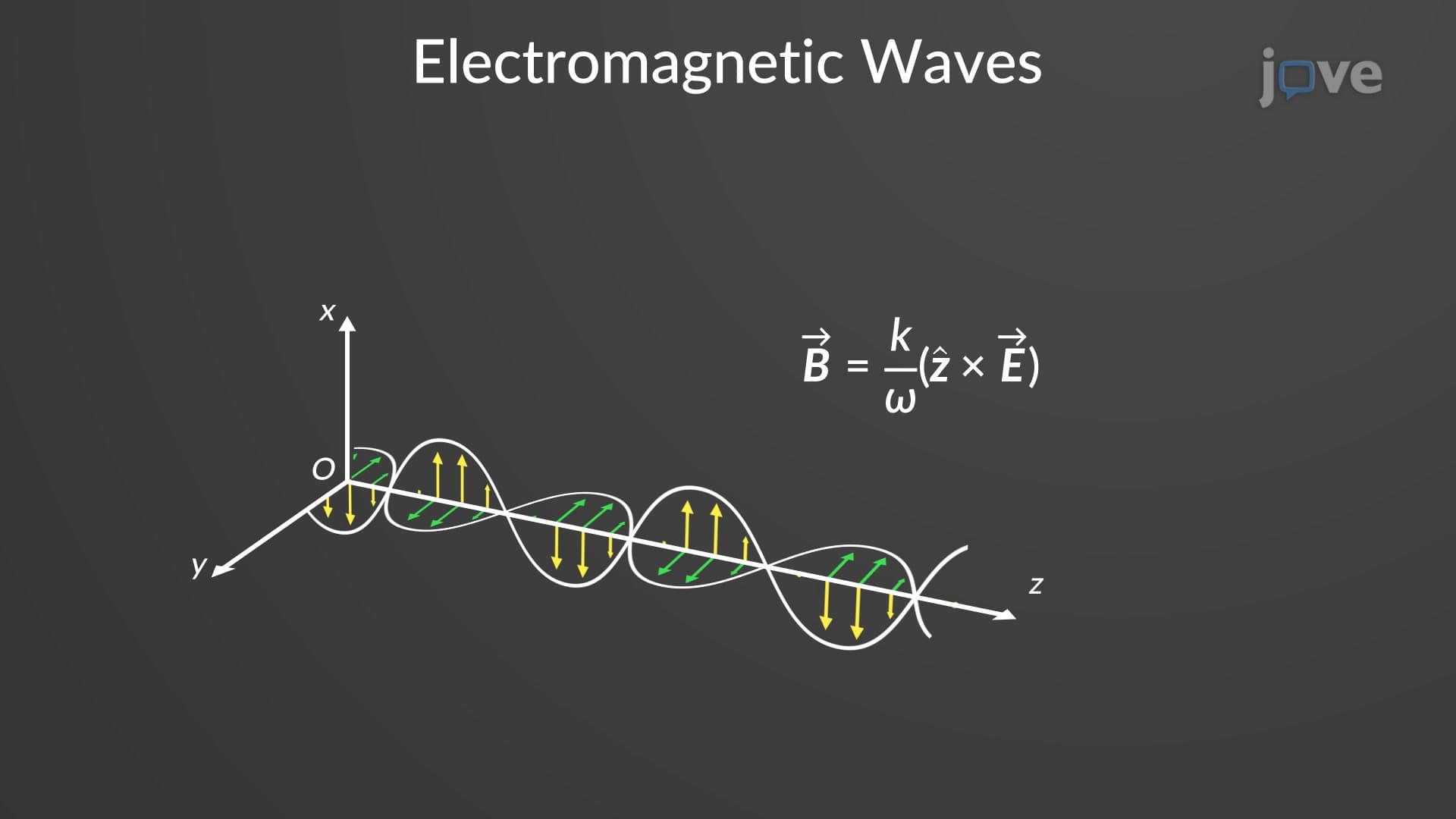
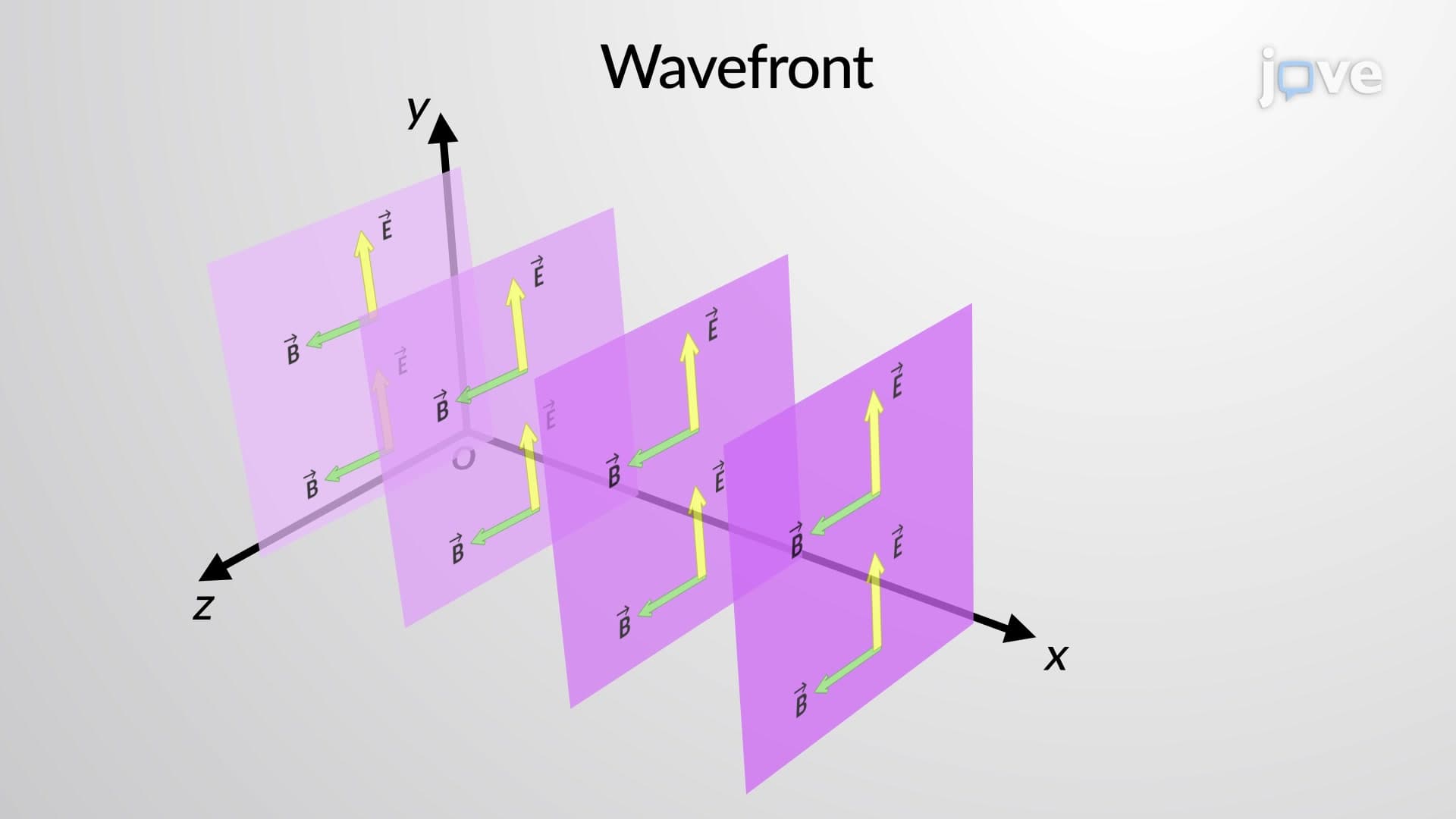
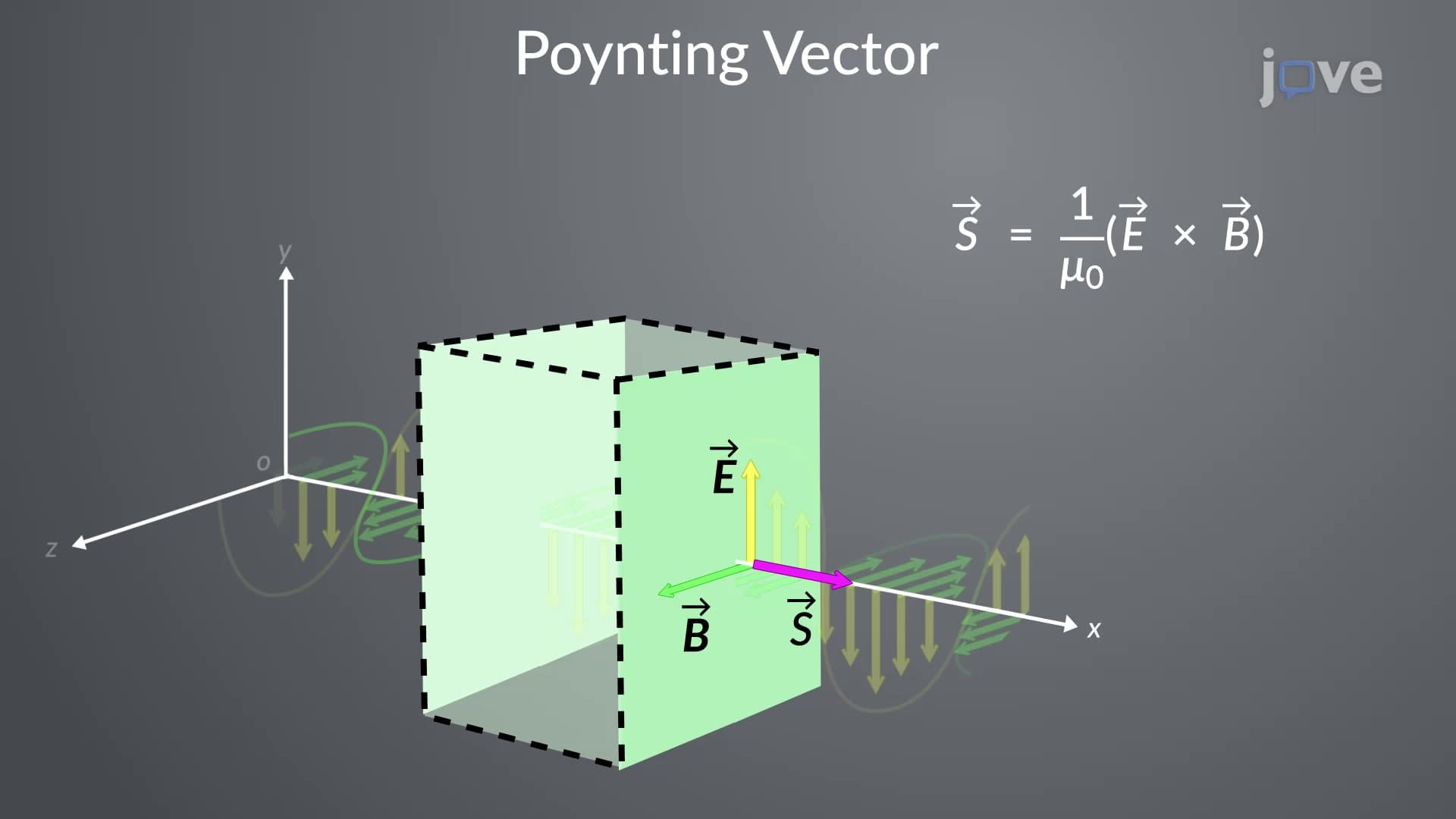
The Poynting vector (S = E × H/μ₀) describes the instantaneous energy flux density of electromagnetic waves. Named after British physicist John Poynting, this vector always points in the direction of energy propagation. For a plane wave traveling in the x-direction with electric field oscillating along the y-axis and magnetic field along the z-axis, the Poynting vector points in the positive x-direction. The magnitude equals |E||H|/μ₀, where E and H represent the electric and magnetic field strengths.
Time-Averaged Intensity Calculations
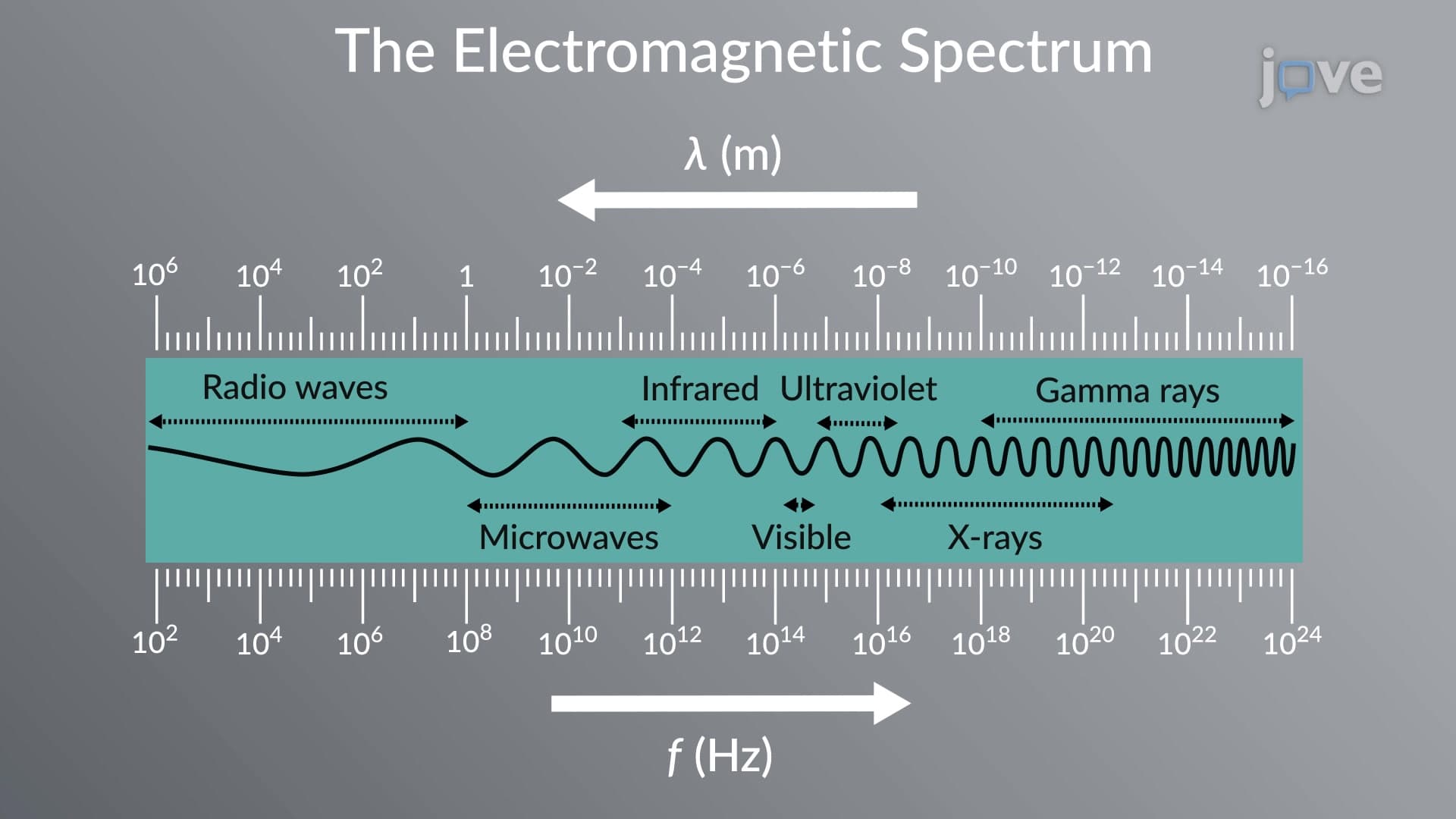
Since electromagnetic fields oscillate rapidly (at frequencies reaching 10¹⁵ Hz for visible light), measuring instantaneous energy flow proves impractical. The intensity of electromagnetic waves emerges from time-averaging the Poynting vector over one complete wave period. For sinusoidal waves with peak electric field amplitude E₀ and magnetic field amplitude H₀, the intensity becomes:
I = (1/2) × (E₀H₀/μ₀) = (E₀²/2μ₀c) = (cH₀²μ₀/2)
This averaging process eliminates the rapidly varying cosine-squared terms, leaving a constant intensity value that characterizes the wave's energy-carrying capacity.
Practical Applications in US Technology and Exams
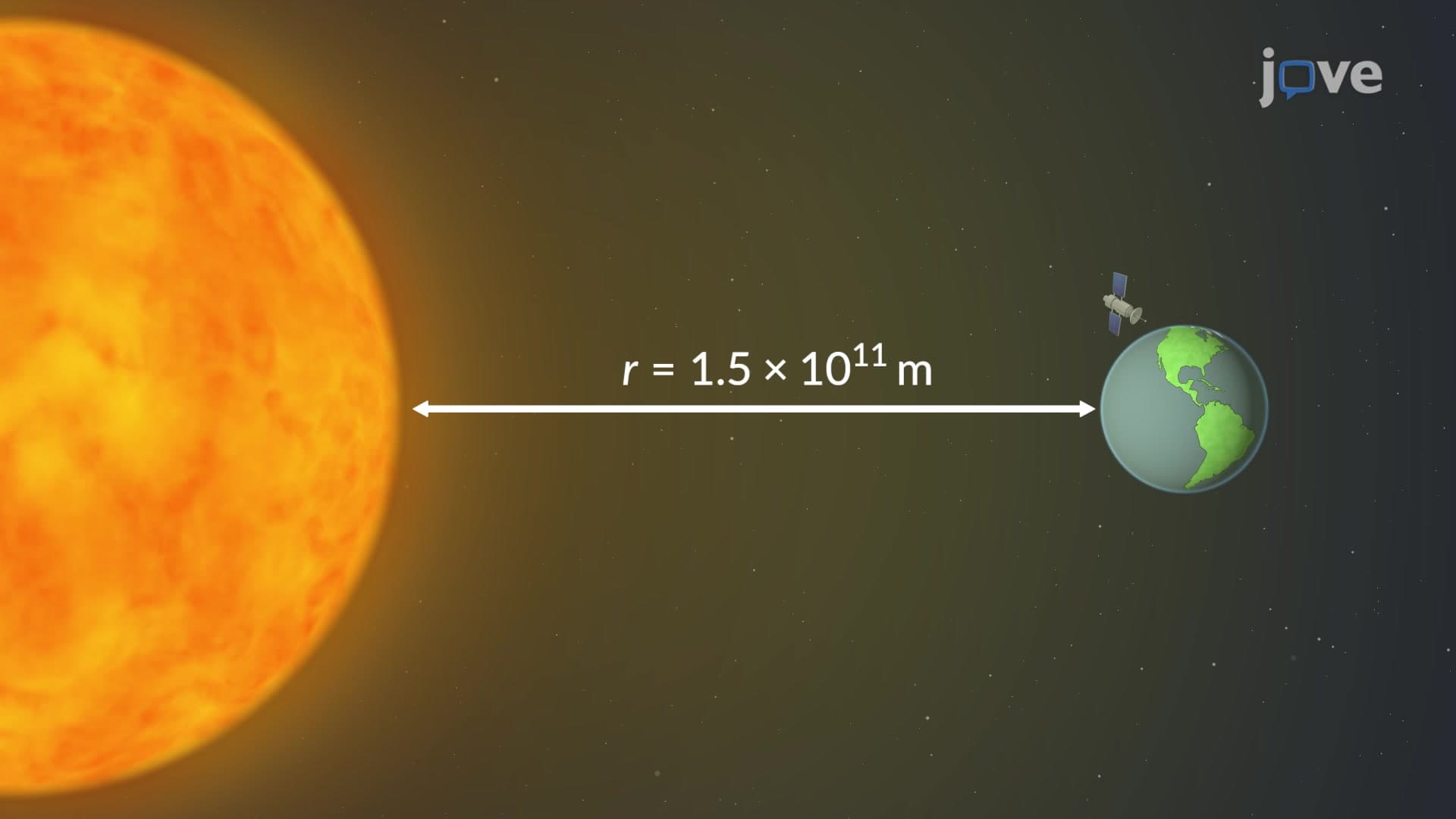
Understanding electromagnetic wave intensity proves crucial for AP Physics C students and college engineering majors studying antenna design, solar energy systems, and wireless communications. The Federal Communications Commission (FCC) regulates radio transmission intensities to prevent interference between stations across US markets. Similarly, NASA engineers calculate solar intensity values when designing spacecraft power systems, while medical physicists apply these principles in MRI and X-ray equipment calibration.
For standardized exams like the MCAT and AP Physics, students frequently encounter intensity problems involving electromagnetic radiation in biological tissues, atmospheric transmission, and technological applications. These calculations often require converting between different intensity expressions and understanding the relationship between field amplitudes and energy transport rates.
Frequently Asked Questions
The intensity of electromagnetic waves measures the average power carried per unit area perpendicular to the wave's propagation direction. It represents the time-averaged magnitude of the Poynting vector, which describes energy flow in electromagnetic fields. This quantity is measured in watts per square meter (W/m²) and determines how much energy electromagnetic radiation delivers to a given surface area.
Electromagnetic wave intensity varies across the spectrum from radio waves (lowest intensity for same amplitude) to gamma rays (highest intensity). The types include: radiant intensity (power per solid angle), irradiance (power per unit area), and spectral intensity (intensity per wavelength interval). Each type serves specific applications in fields ranging from telecommunications to medical imaging, with intensity values spanning many orders of magnitude.
AP Physics C frequently tests intensity through Poynting vector calculations, energy transport problems, and radiation pressure scenarios. Students must apply the relationship I = E₀²/(2μ₀c) and solve for unknown field amplitudes or power values. Common question formats include solar panel efficiency calculations, antenna radiation patterns, and electromagnetic energy density comparisons across different wave types.
Most US colleges introduce electromagnetic wave intensity in Physics II (calculus-based), with deeper coverage in upper-level courses like Electromagnetism, Modern Physics, and Engineering Electromagnetics. Graduate programs in electrical engineering, physics, and materials science extensively use these concepts for research applications. Pre-med students encounter intensity calculations on the MCAT, particularly in optics and radiation physics sections.
The Federal Aviation Administration (FAA) uses intensity measurements for aircraft navigation radar systems, while the National Weather Service relies on Doppler radar intensity data for storm tracking. Solar farms across California and Texas optimize panel positioning based on solar intensity calculations, and cell phone companies design tower networks using electromagnetic intensity patterns to ensure coverage areas meet FCC requirements.
Basic electromagnetic wave intensity requires only algebra and trigonometry, making it accessible to high school physics students. The fundamental relationship I = (1/2)E₀²/(μ₀c) involves straightforward calculations with given field amplitudes. While derivations use vector calculus and Maxwell's equations, most introductory applications focus on direct formula applications and conceptual understanding rather than complex mathematical manipulations.
Start by memorizing the three equivalent intensity formulations: I = E₀²/(2μ₀c) = cB₀²/(2μ₀) = E₀B₀/(2μ₀). Practice unit conversions between different electromagnetic field units and power measurements. Create connection diagrams linking intensity to related concepts like energy density, radiation pressure, and wave amplitude. Work through progressively complex problems from basic calculations to multi-step applications involving real-world scenarios.
Advanced students should explore electromagnetic radiation from accelerating charges, antenna theory, and wave propagation in different media. Related topics include radiation pressure calculations, blackbody radiation, and quantum electrodynamics applications. Engineering students benefit from studying waveguide theory, microwave engineering, and optical fiber communications, while physics majors should investigate electromagnetic field tensor formulations and relativistic electrodynamics.
Related Micro-courses

14 Concepts

15 Concepts

14 Concepts