Loading…
Loading video…

79,837 views
Did you know that sunlight hitting NASA's International Space Station actually pushes it slightly off course? Radiation pressure problem solving involves calculating the forces that electromagnetic radiation exerts on objects, like determining how solar panels on satellites experience measurable pressure from sunlight. This physics concept explains why mission controllers at NASA's Johnson Space Center must account for solar radiation when planning spacecraft trajectories. What is Radiation Pressure Problem Solving demonstrates how light carries momentum that creates real, measurable forces on everyday objects. Watch the full video on JoVE Coach to master this concept with expert-led visuals and step-by-step explanations.
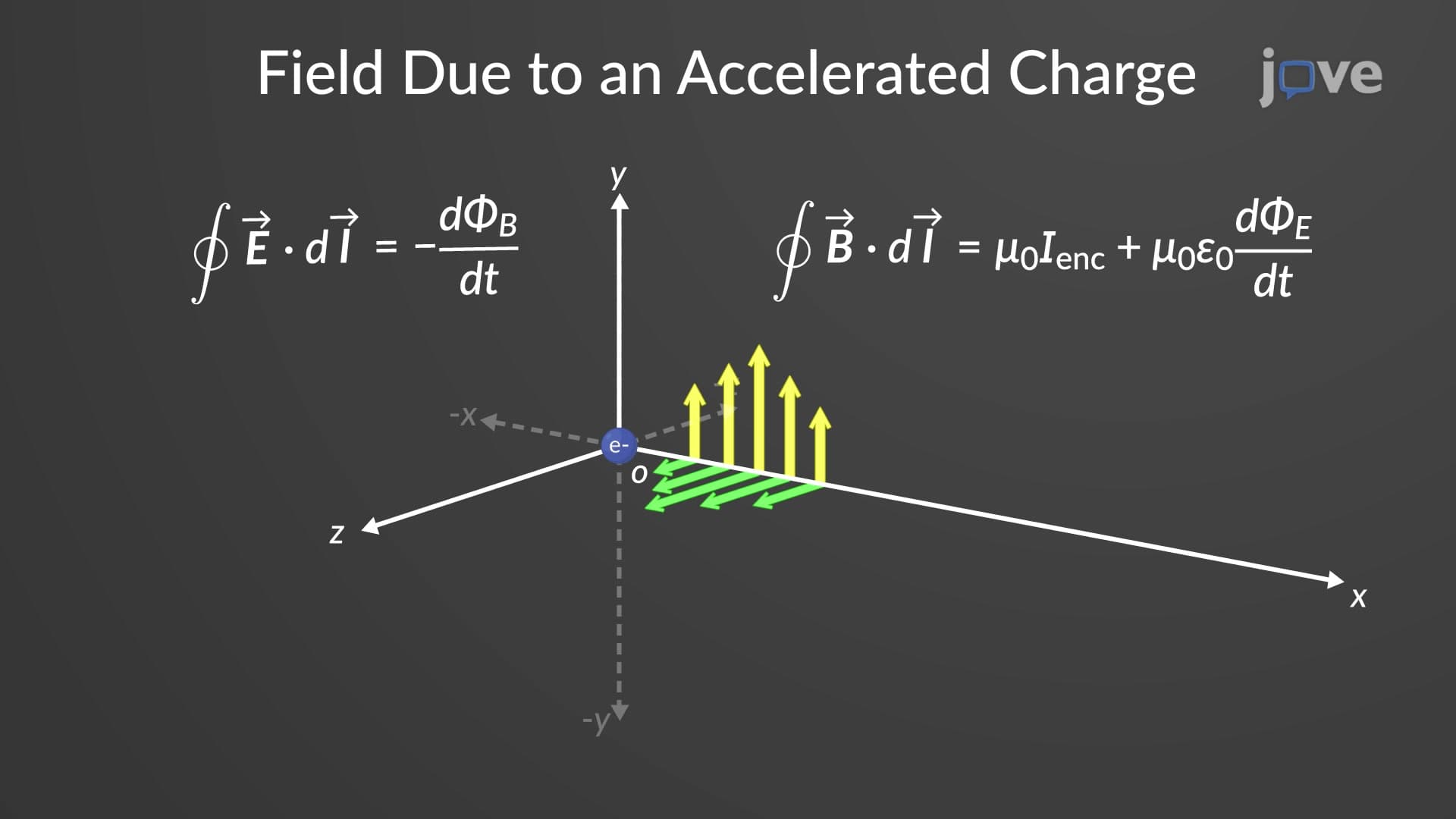
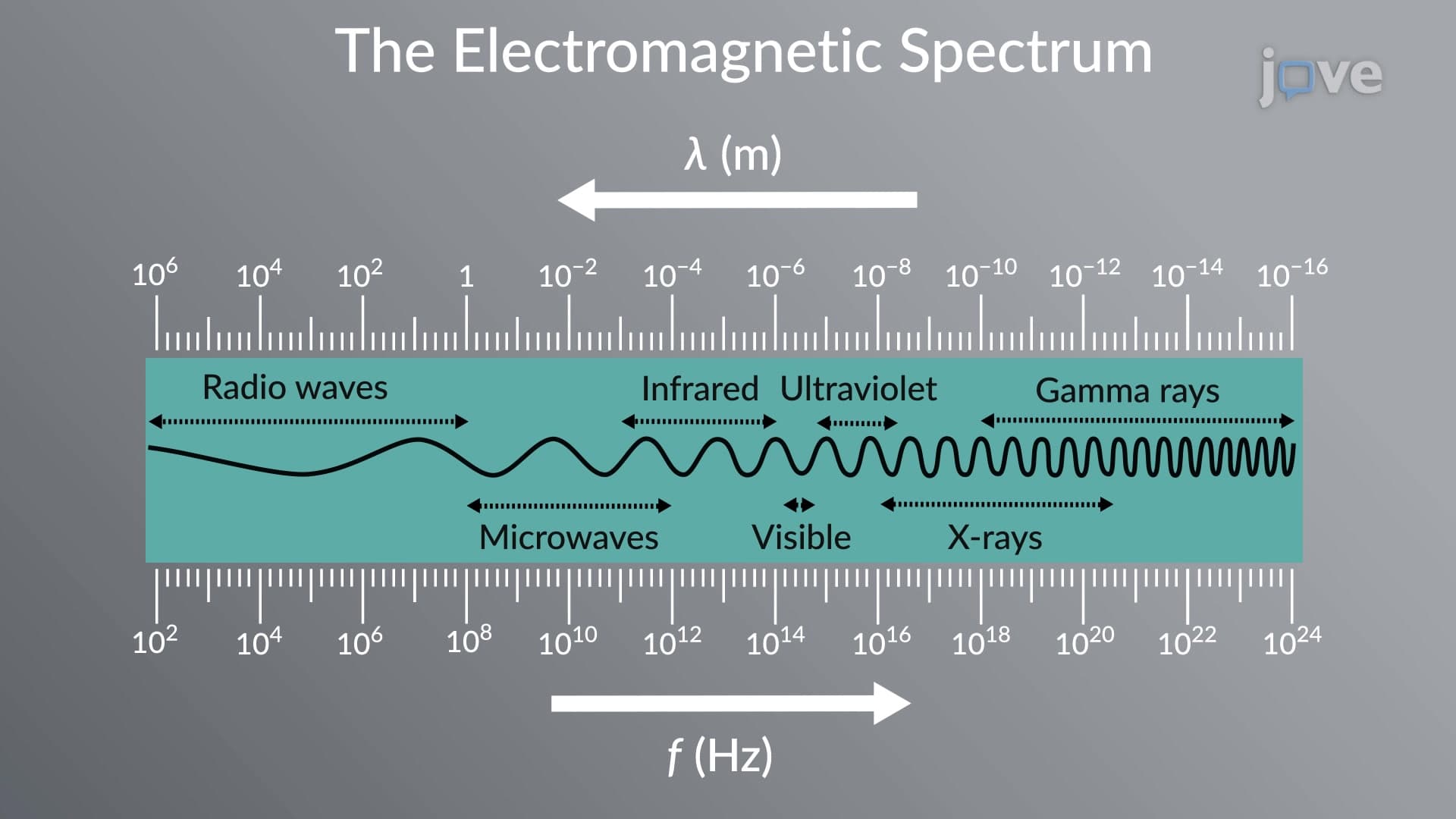
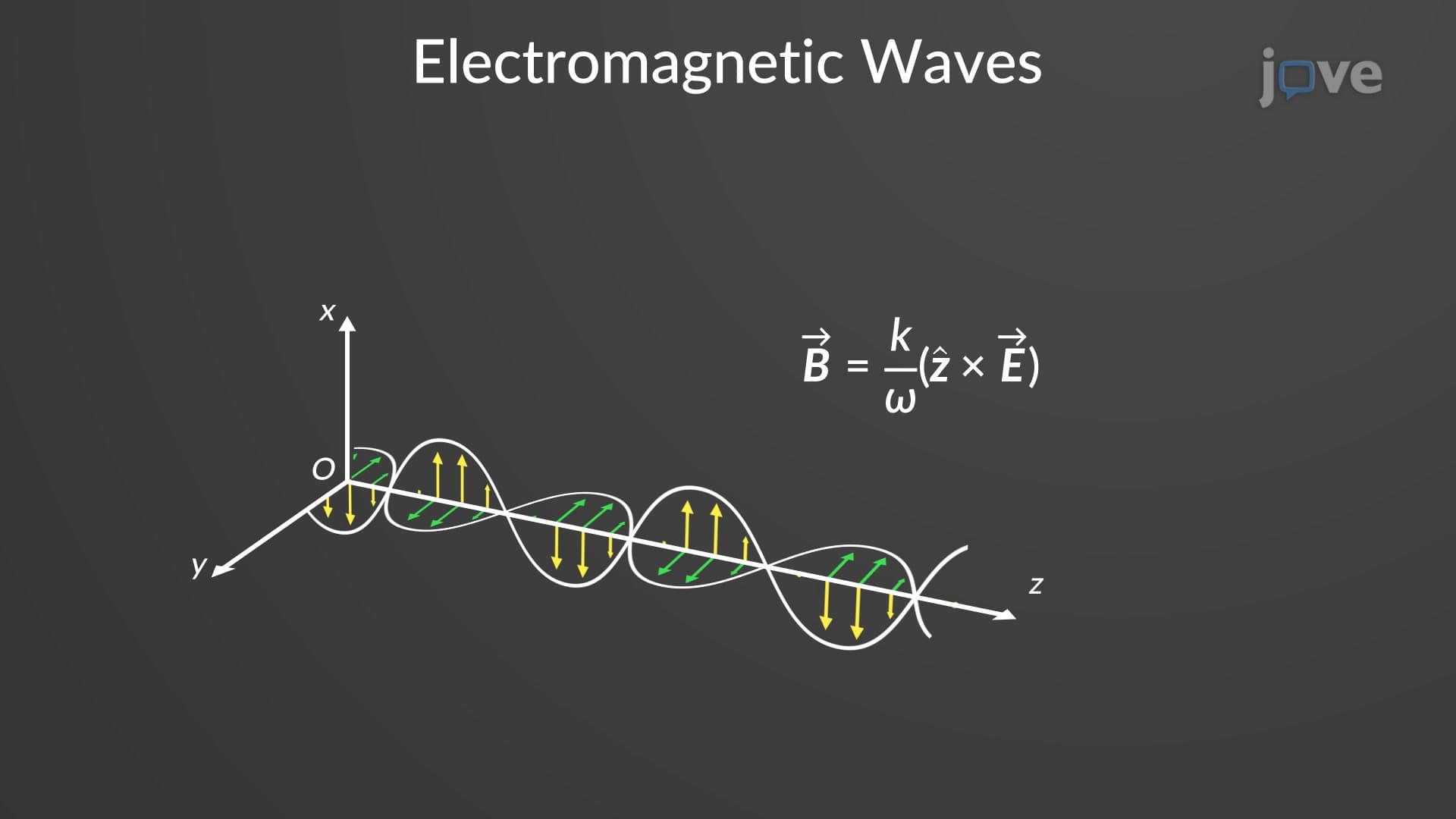
Radiation pressure problem solving represents a fascinating intersection of electromagnetic theory and practical engineering applications. When electromagnetic waves—including visible light, infrared, and other forms of radiation—strike an object, they transfer momentum and exert a small but measurable force. This phenomenon occurs because electromagnetic radiation carries both energy and momentum, despite having no mass.
The fundamental principle underlying radiation pressure problem basics stems from Maxwell's electromagnetic theory and Einstein's photon concept. Each photon carries momentum equal to its energy divided by the speed of light (p = E/c). When billions of photons strike a surface, their collective momentum transfer creates radiation pressure.
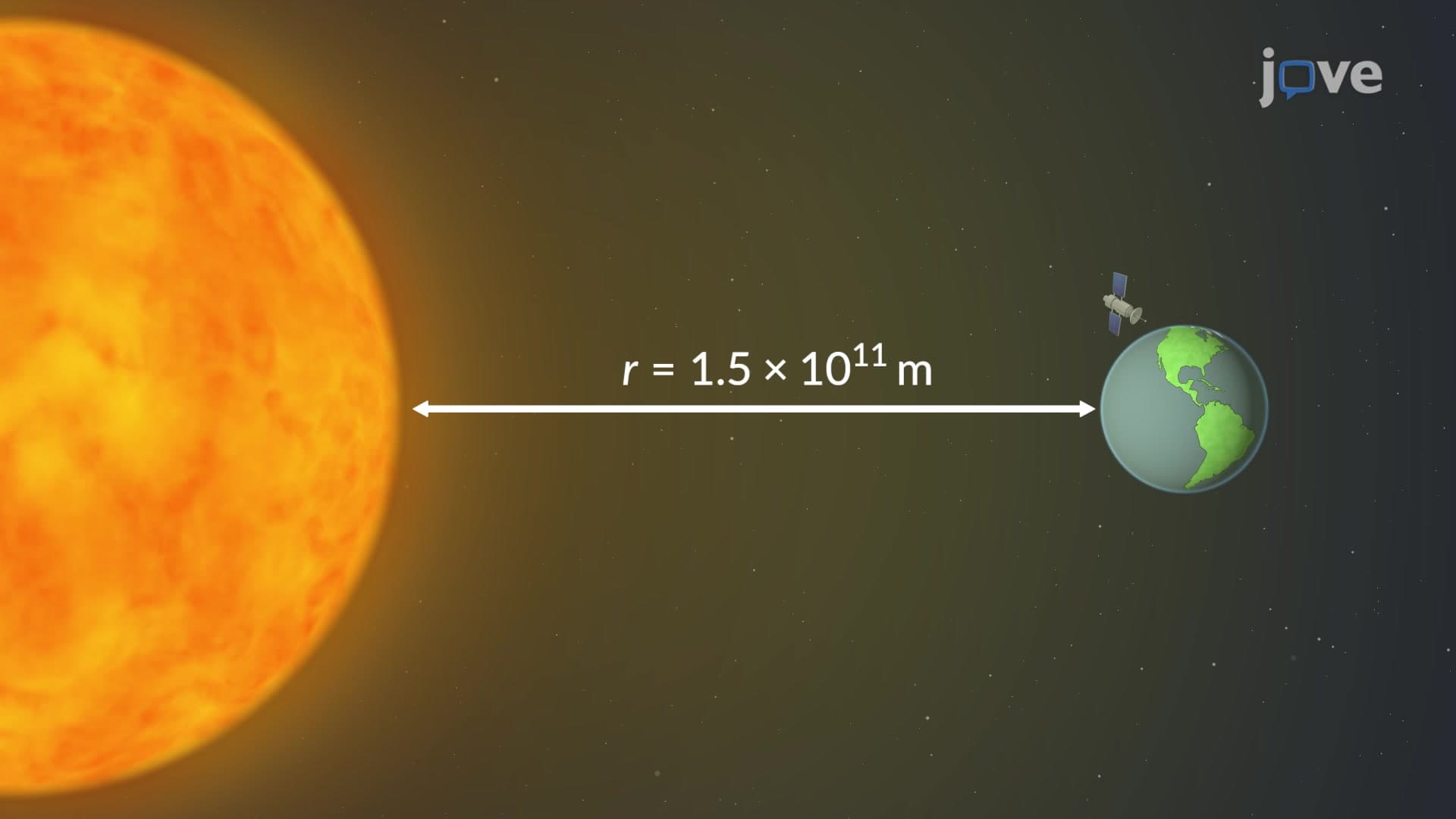
The radiation pressure problem solving concept involves several key steps that students encounter on AP Physics exams and college-level coursework. First, determine the intensity of electromagnetic radiation at the object's location. For solar radiation, this follows the inverse square law: intensity decreases proportionally to the square of distance from the source.
For a perfectly absorbing surface, radiation pressure equals intensity divided by the speed of light: P = I/c. However, reflecting surfaces experience twice this pressure because photons bounce back, effectively doubling the momentum change. This distinction proves crucial in spacecraft design, where engineers at companies like SpaceX and Blue Origin must account for both absorbed and reflected solar radiation.
NASA's mission planners routinely use radiation pressure problem solving overview principles when designing satellite orbits and space missions. The International Space Station, for example, experiences approximately 4.5 × 10^-3 newtons of force from solar radiation pressure—enough to noticeably affect its orbit over time.
Solar sail technology represents perhaps the most dramatic application of radiation pressure. Japan's IKAROS spacecraft and NASA's planned solar sail missions harness radiation pressure for propulsion, demonstrating how this seemingly tiny force can accelerate spacecraft to impressive speeds over long distances.
When approaching radiation pressure problem solving study guide materials, students should master the foundational relationships between power, intensity, area, and pressure. Start with the solar constant (approximately 1,361 W/m² at Earth's distance), then apply geometric principles to calculate intensity at different distances.
Common exam scenarios involve satellites, space stations, or solar collectors. Remember that radiation pressure problems often combine multiple physics concepts: electromagnetic waves, momentum conservation, and gravitational dynamics. Practice problems typically appear on AP Physics C exams and introductory college physics courses, making this concept essential for students pursuing STEM careers.
Frequently Asked Questions
Radiation pressure problem solving involves calculating the forces that electromagnetic radiation exerts on objects when photons transfer momentum upon impact. This concept is crucial because it explains real phenomena like why satellites need periodic orbital adjustments and how solar sails can propel spacecraft. It demonstrates the particle nature of light and connects electromagnetic theory to practical engineering applications.
AP Physics C and college physics exams typically present scenarios involving satellites, solar panels, or space missions where students must calculate radiation pressure and resulting forces. Common problem types include determining pressure on International Space Station components or calculating propulsion forces for solar sail spacecraft. These problems test understanding of electromagnetic wave properties, momentum transfer, and mathematical problem-solving skills.
For MCAT physics sections, remember that radiation pressure P = I/c for absorbing surfaces and P = 2I/c for reflecting surfaces, where I is intensity and c is light speed. Also know that intensity I = Power/Area and decreases with distance squared. While detailed calculations rarely appear on the MCAT, understanding the conceptual relationship between electromagnetic radiation and momentum transfer is essential for physics passages.
NASA engineers calculate radiation pressure effects during mission planning for satellites like the Hubble Space Telescope and Mars rovers. Solar radiation pressure affects spacecraft trajectories, requiring periodic thruster corrections to maintain proper orbits. NASA's upcoming Artemis missions and James Webb Space Telescope operations all incorporate radiation pressure calculations to ensure precise positioning and fuel efficiency throughout mission lifespans.
Not at all! While the physics involves advanced concepts, the mathematical calculations use basic algebra and scientific notation that high school students master in chemistry and physics classes. Start with understanding that light carries momentum, then practice calculating intensity and applying the simple formula P = I/c. Most students find radiation pressure problems more straightforward than complex kinematics or thermodynamics scenarios.
Practice with satellite and solar panel scenarios since these appear frequently on standardized tests. Master unit conversions between watts, meters, and newtons, and understand when to use absorbing versus reflecting surface formulas. Create a systematic approach: identify given values, determine if the surface absorbs or reflects radiation, calculate intensity if needed, then apply the appropriate pressure formula. Regular practice with College Board AP Physics problems builds confidence and speed.
Explore electromagnetic wave propagation, photon momentum and energy relationships, and advanced orbital mechanics concepts. Students interested in space technology should study Doppler effects, gravitational assists, and plasma physics. These topics frequently appear together on advanced placement exams and provide foundation knowledge for aerospace engineering and astrophysics coursework at universities like MIT, Caltech, and Stanford.
Related Micro-courses



Related Subjects
 Math Fundamentals 11 micro-courses›
 Statistics 17 micro-courses›