Loading…
Loading video…

79,837 views
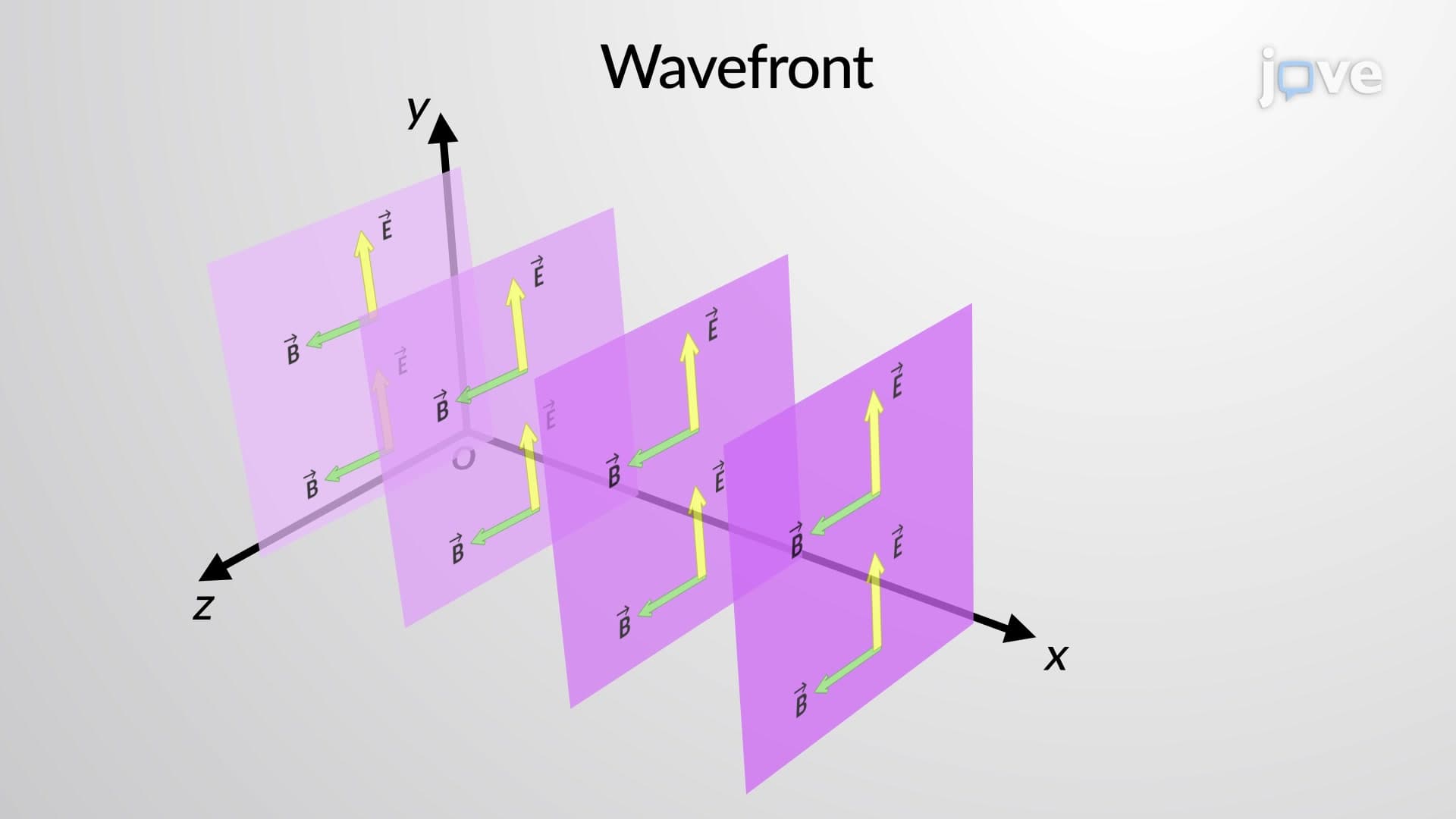
Have you ever wondered how radio signals from a broadcasting station in New York City can travel through space and reach your car radio hundreds of miles away? Plane electromagnetic waves i are the fundamental wave structures that make this possible, where electric and magnetic fields move together in perfectly synchronized sheets perpendicular to their direction of travel. These waves follow Maxwell's equations and demonstrate the transverse nature of electromagnetic radiation, with fields remaining uniform across any plane perpendicular to propagation. Watch the full video on JoVE Coach to master this concept with expert-led visuals and step-by-step explanations.
Plane electromagnetic waves i represent one of the most fundamental concepts in electromagnetic theory, forming the foundation for understanding how energy travels through space without requiring a medium. These waves consist of oscillating electric and magnetic fields that propagate together through space, maintaining a specific geometric relationship that makes them incredibly efficient at carrying information and energy across vast distances.
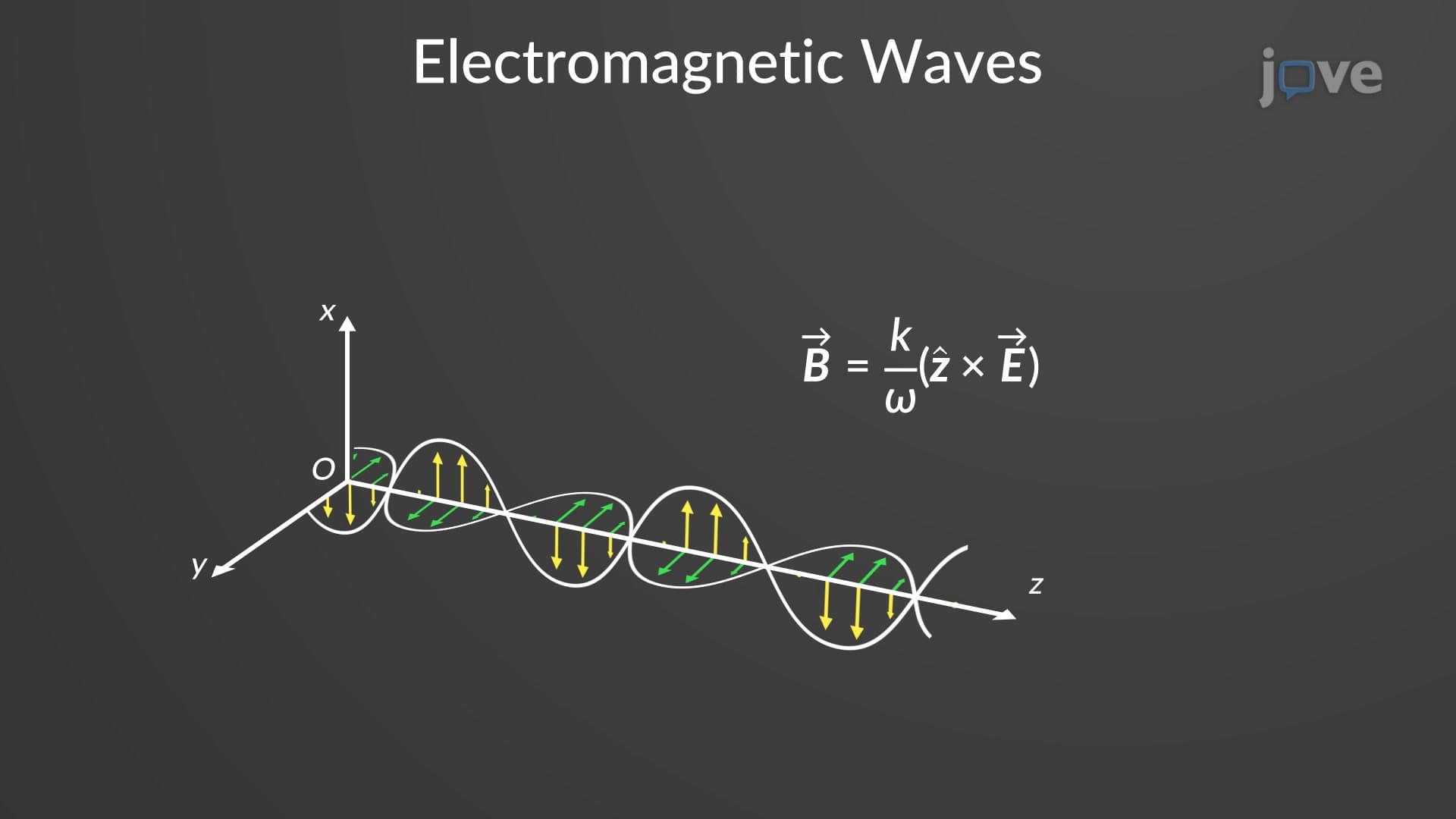
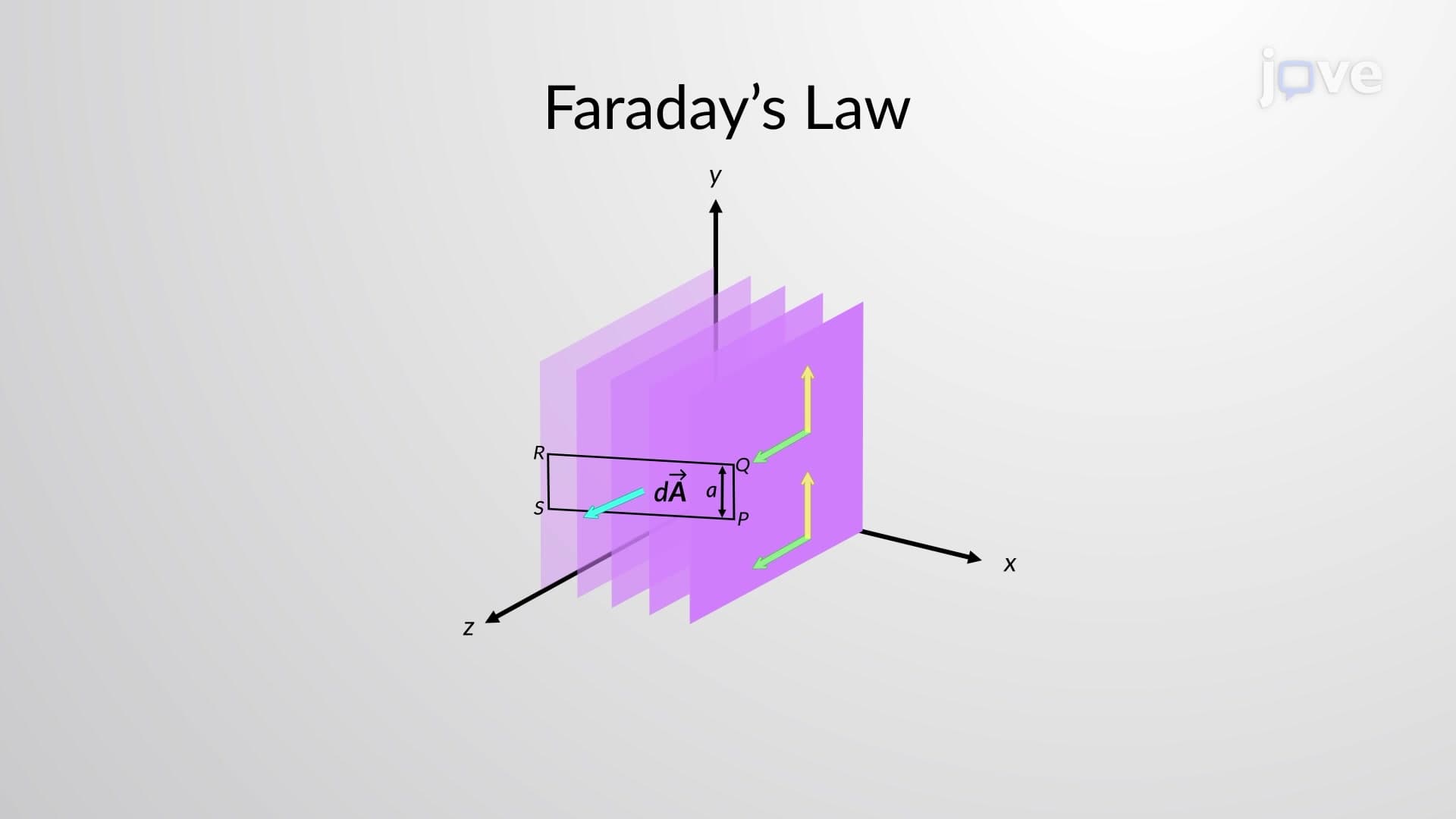
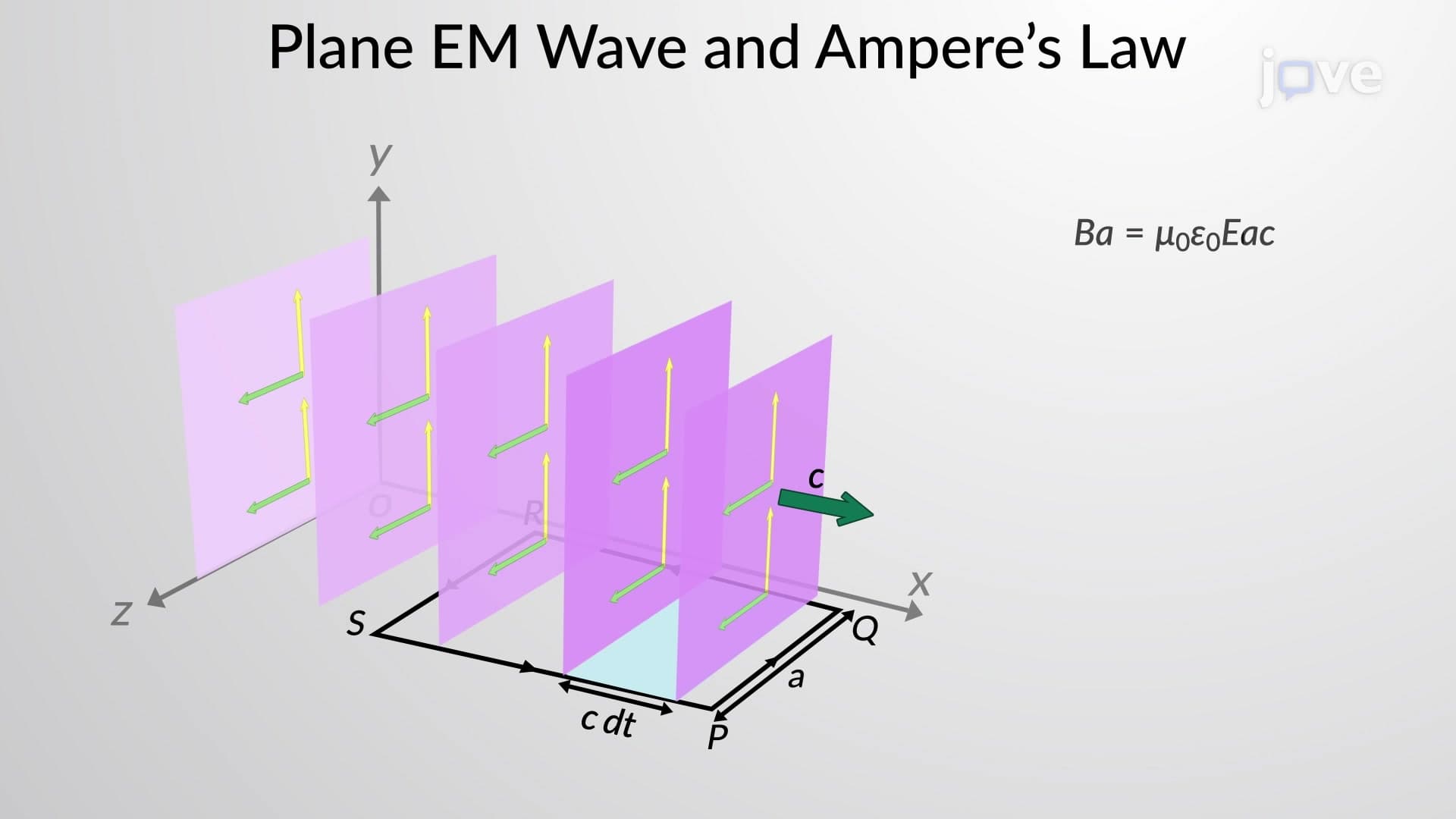
The defining characteristic of plane electromagnetic waves lies in their uniform field distribution across planes perpendicular to propagation. Imagine slicing through space with parallel planes—at any given instant, the electric and magnetic field strengths remain constant across each entire plane. This uniformity creates what physicists call a "wavefront," which moves through space at the speed of light.
In practical terms, consider how GPS satellites communicate with receivers on Earth. The electromagnetic signals they transmit approximate plane waves over the relatively small distances involved in GPS positioning calculations. Students preparing for the AP Physics exam should note that plane waves serve as idealized models that simplify complex electromagnetic phenomena while maintaining mathematical accuracy.
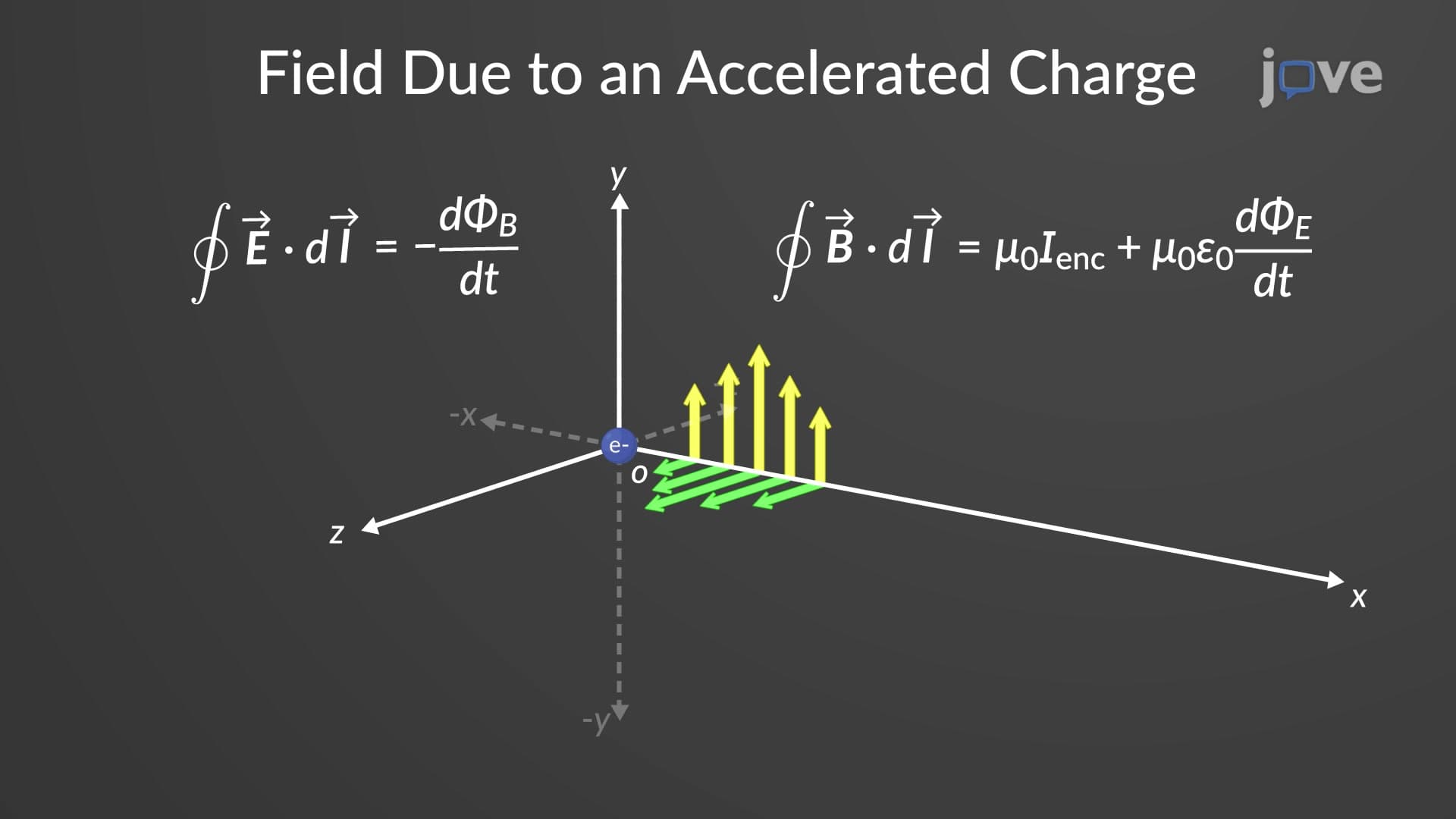
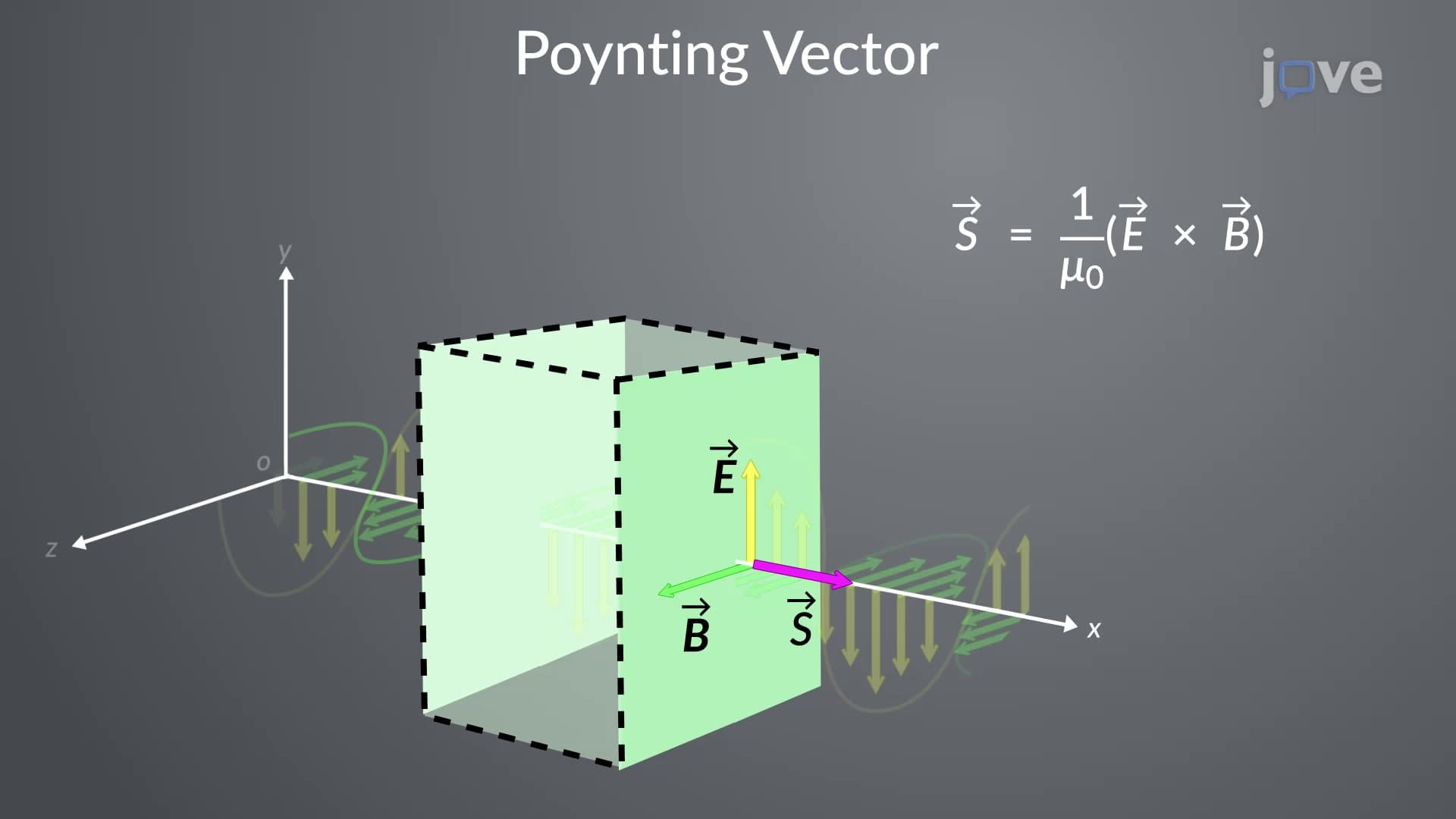
The behavior of plane electromagnetic waves directly follows from Maxwell's four fundamental equations, which govern all electromagnetic phenomena. When applied to plane waves, these equations reveal that electric and magnetic fields must oscillate perpendicular to each other and to the direction of wave travel—a property called transverse polarization.
Using Gauss's law analysis with a rectangular box, we can demonstrate that electromagnetic waves carry no net electric or magnetic charge. This mathematical proof appears frequently on college physics midterms and provides crucial insight into why electromagnetic waves can propagate through vacuum. The zero flux condition through Gaussian surfaces confirms that these waves are self-sustaining and require no external medium for transmission.
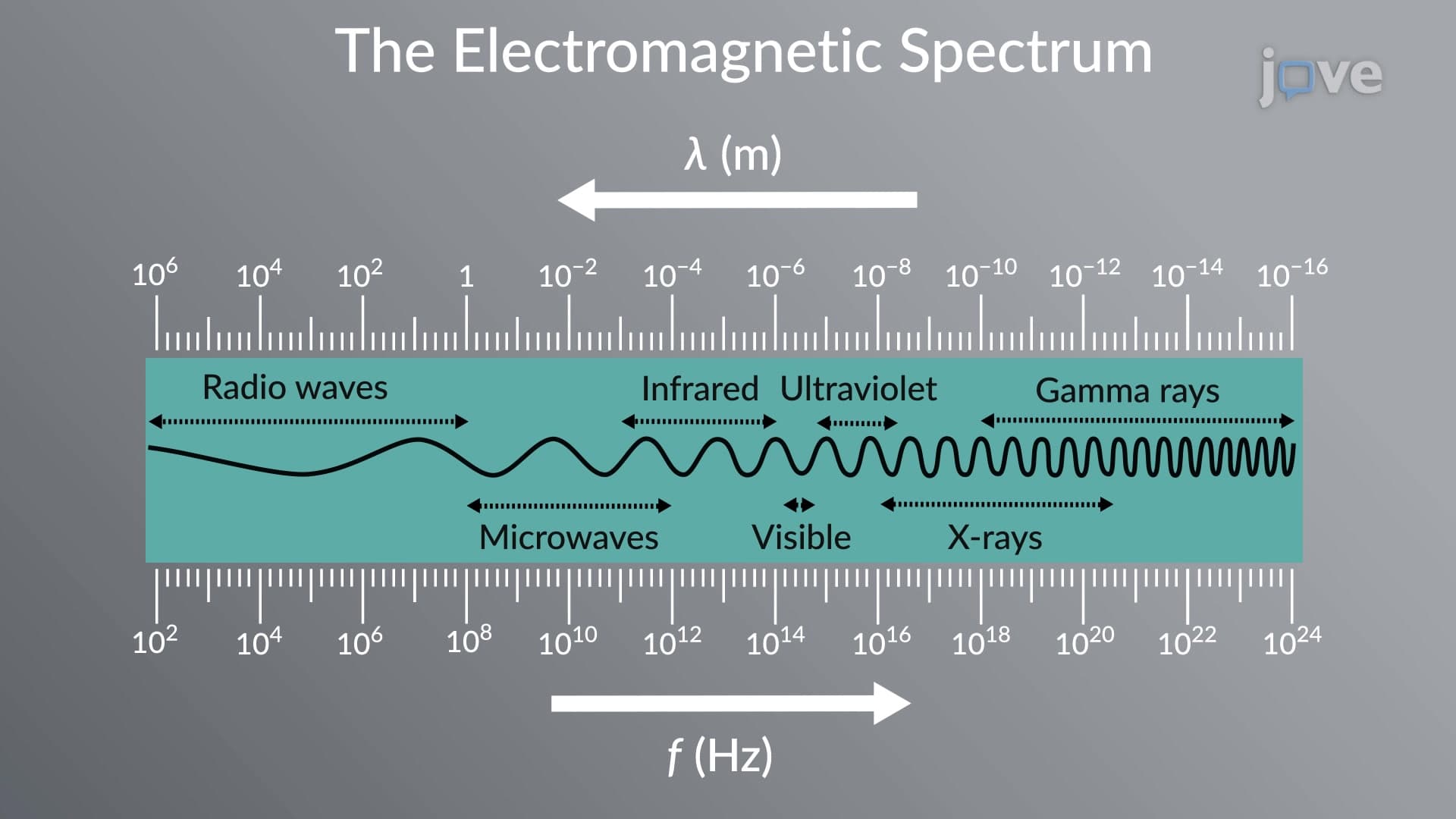
Understanding plane electromagnetic waves proves essential for numerous technologies. Radio broadcasting, cellular communications, and Wi-Fi networks all rely on electromagnetic wave propagation principles. For students taking the MCAT, these concepts connect to medical imaging technologies like MRI and X-ray systems.
College-level electromagnetic theory courses extensively cover plane wave mathematics, making this foundational knowledge crucial for engineering and physics majors. The transverse nature of electromagnetic waves explains polarization effects used in LCD displays and polarized sunglasses—practical applications that demonstrate the everyday relevance of these fundamental physics principles.
Frequently Asked Questions
Plane electromagnetic waves i are electromagnetic waves where electric and magnetic fields remain uniform across any plane perpendicular to the propagation direction. Unlike spherical waves that spread out from a point source, plane waves maintain constant amplitude across infinite parallel planes, making them ideal for theoretical analysis and long-distance communication applications.
The AP Physics C exam frequently tests plane wave concepts through problems involving Maxwell's equations, wave propagation speed, and field relationships. Students should master the perpendicular orientation of electric and magnetic fields, understand wavefront concepts, and be able to apply Gauss's law to electromagnetic wave scenarios for optimal exam performance.
The MCAT Physics section includes electromagnetic wave properties, particularly in contexts relating to medical imaging and light behavior. Understanding plane waves helps with optics questions, electromagnetic spectrum problems, and physics passages about medical technologies like MRI machines and laser applications in surgery.
Radio waves approximate plane electromagnetic waves over large distances, maintaining their signal strength and clarity because their uniform field distribution minimizes energy dispersion. This property allows AM radio stations to broadcast across multiple states and explains why you can receive clear signals hundreds of miles from transmitters.
High school students can grasp plane electromagnetic wave concepts using basic vector understanding and algebraic relationships. While Maxwell's equations involve calculus, the fundamental principles of field orientation, wave propagation, and transverse nature are accessible through geometric reasoning and conceptual visualization techniques.
Focus on visualizing field orientations using right-hand rules, practice drawing wavefront diagrams, and work through Gauss's law applications systematically. Create concept maps connecting Maxwell's equations to wave properties, and solve practice problems from multiple textbooks to reinforce pattern recognition for exam success.
Plane electromagnetic waves provide the foundation for quantum electrodynamics, antenna theory, and optical physics courses. Mastering these concepts prepares students for advanced topics including wave interference, diffraction phenomena, and the electromagnetic basis of modern communication technologies.
Learning plane wave theory develops spatial reasoning, mathematical modeling abilities, and problem-solving skills applicable to engineering design, telecommunications, and scientific research. These analytical capabilities prove valuable for careers in electrical engineering, physics research, and technology development across multiple industries.
Related Micro-courses



Related Subjects
 Math Fundamentals 11 micro-courses›
 Statistics 17 micro-courses›