Loading…
Loading video…

38,559 views
Ever wondered why your smartphone camera flash charges up slowly but fires instantly? The comparison between RL and RC circuits explains this fascinating electrical behavior that powers countless devices from cardiac pacemakers to Tesla's electric vehicle systems. While RC circuits combine resistors with capacitors to store electric field energy, RL circuits pair resistors with inductors to harness magnetic fields. Watch the full video on JoVE Coach to master this concept with expert-led visuals and step-by-step explanations.
The comparison between RL and RC circuits reveals fundamental principles that govern modern electronics. These circuits represent two distinct approaches to combining energy storage components with resistive elements, each serving unique purposes in electrical engineering applications.
RC circuits demonstrate counterintuitive current behavior that surprises many students. When initially connected to a battery, the uncharged capacitor acts like a short circuit, allowing maximum current flow. This explains why camera flash units can draw significant power during charging. As the capacitor accumulates charge, it increasingly opposes current flow until reaching full charge when current drops to zero.
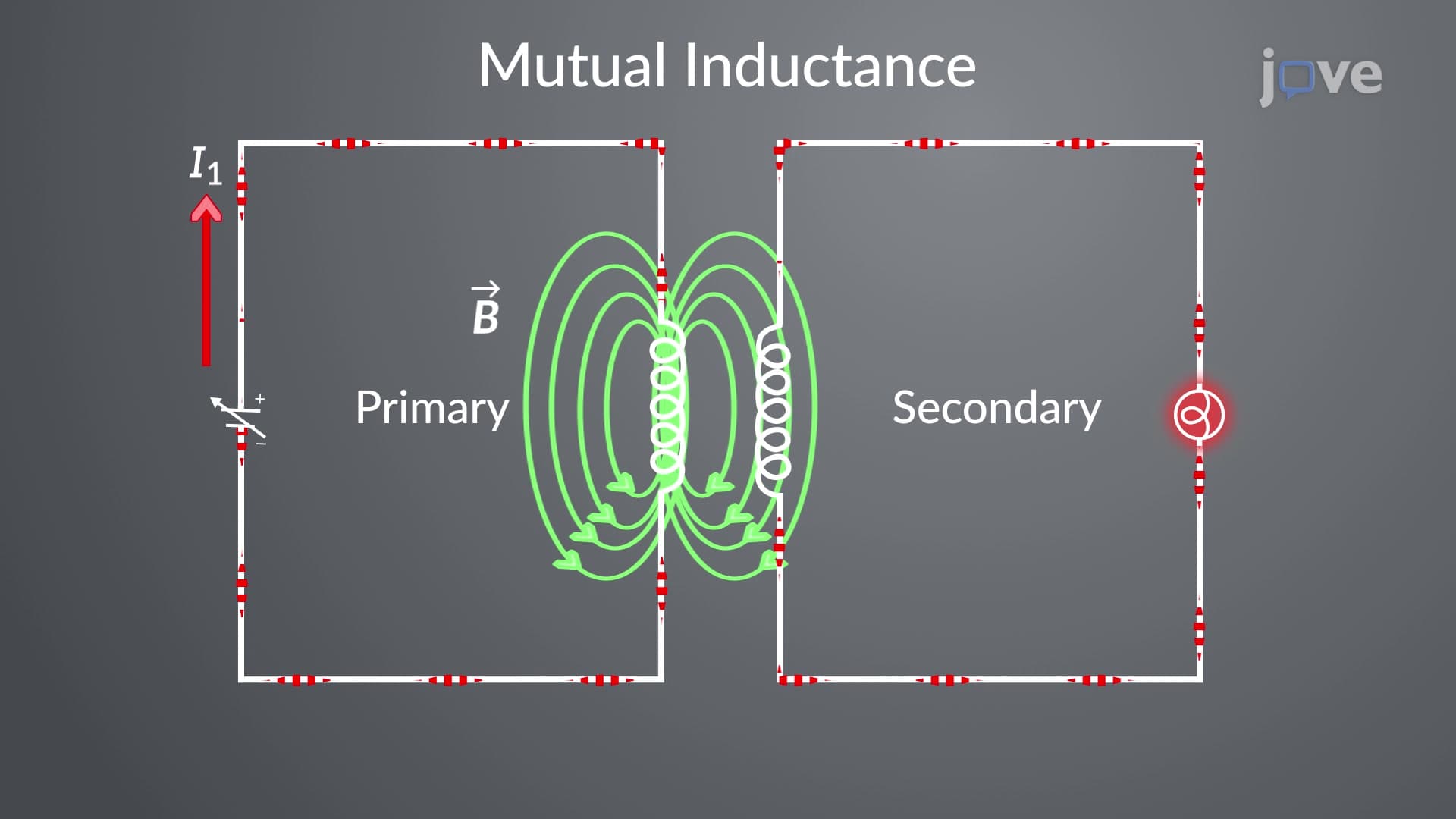
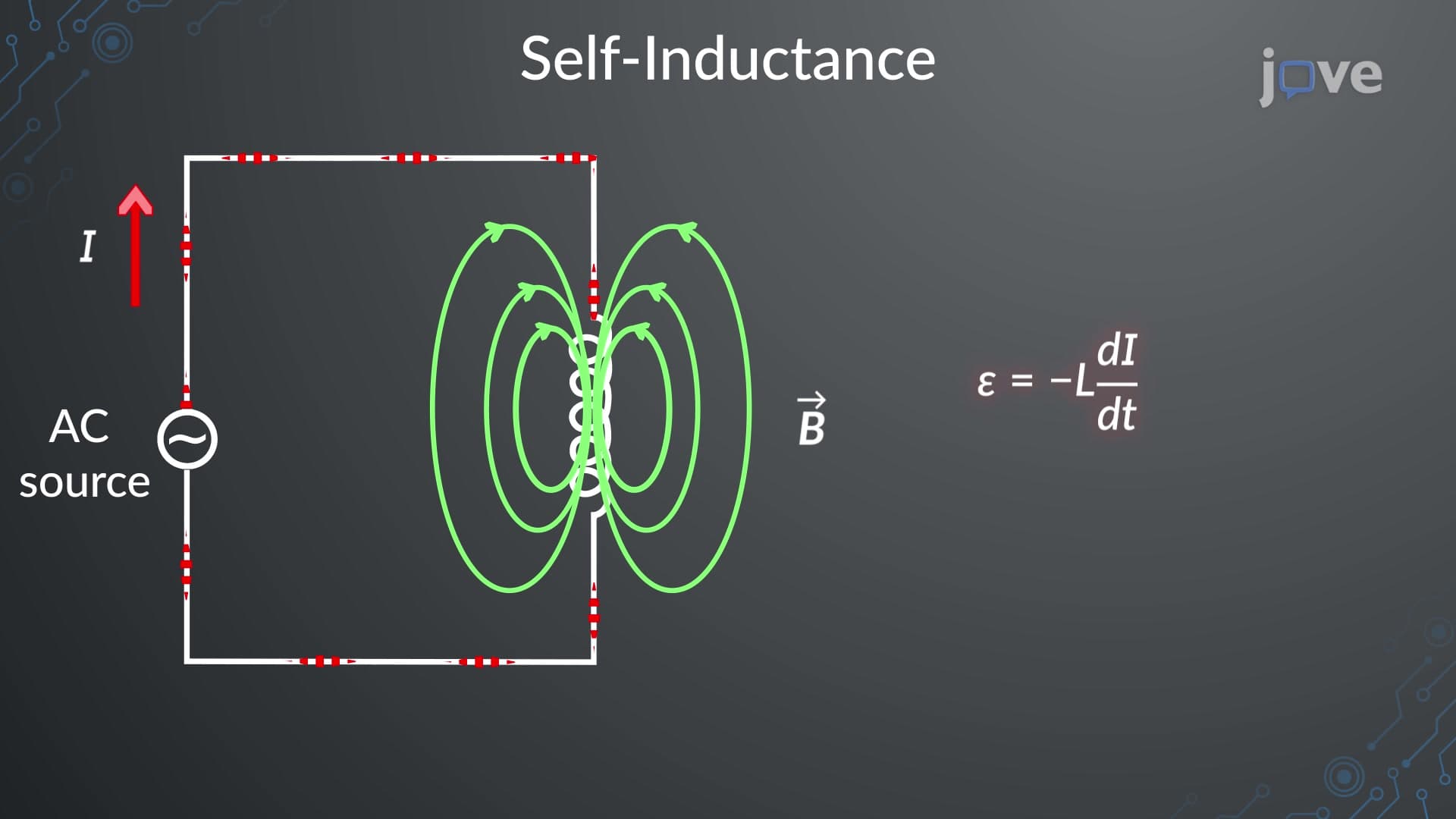
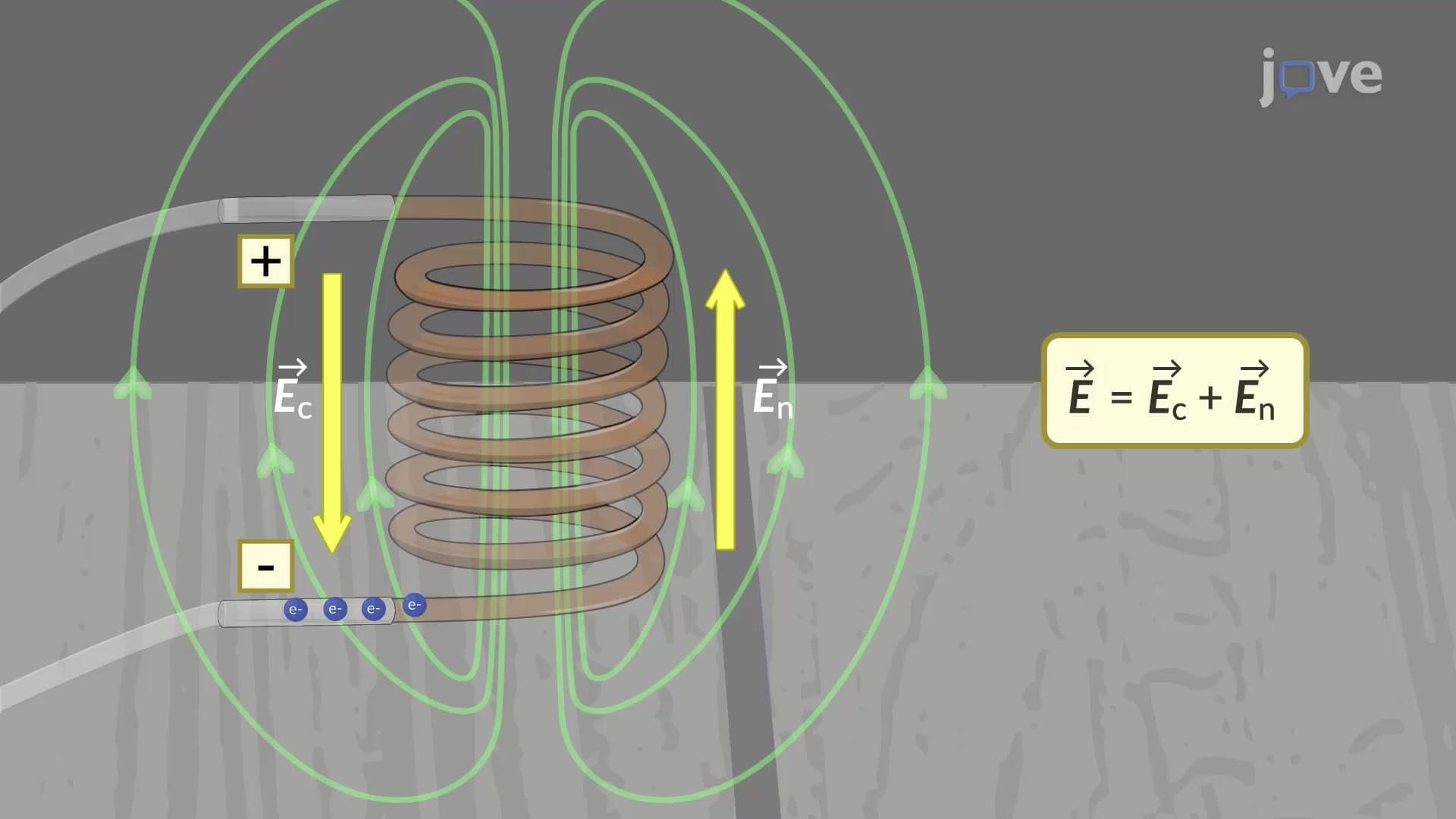
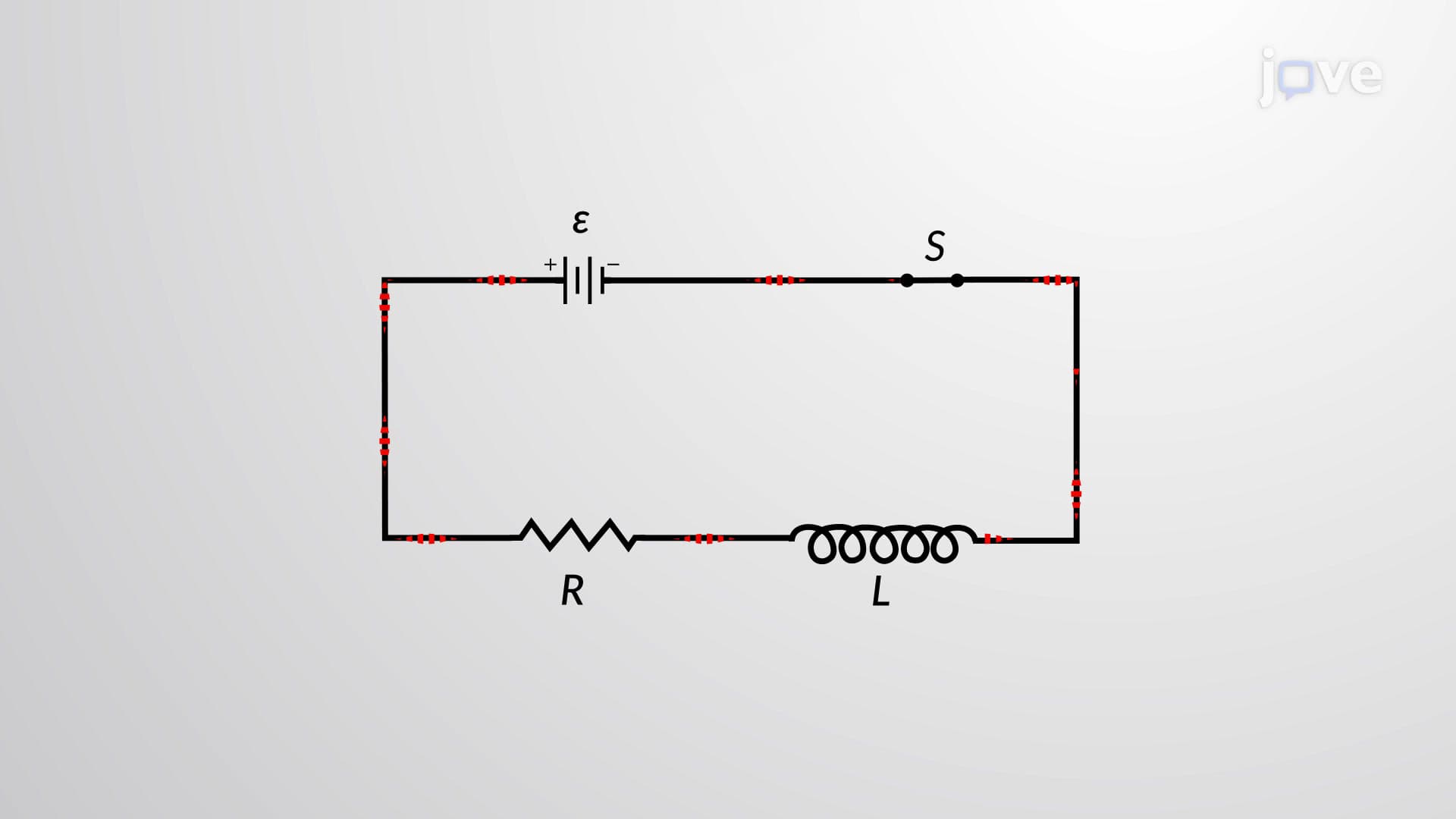
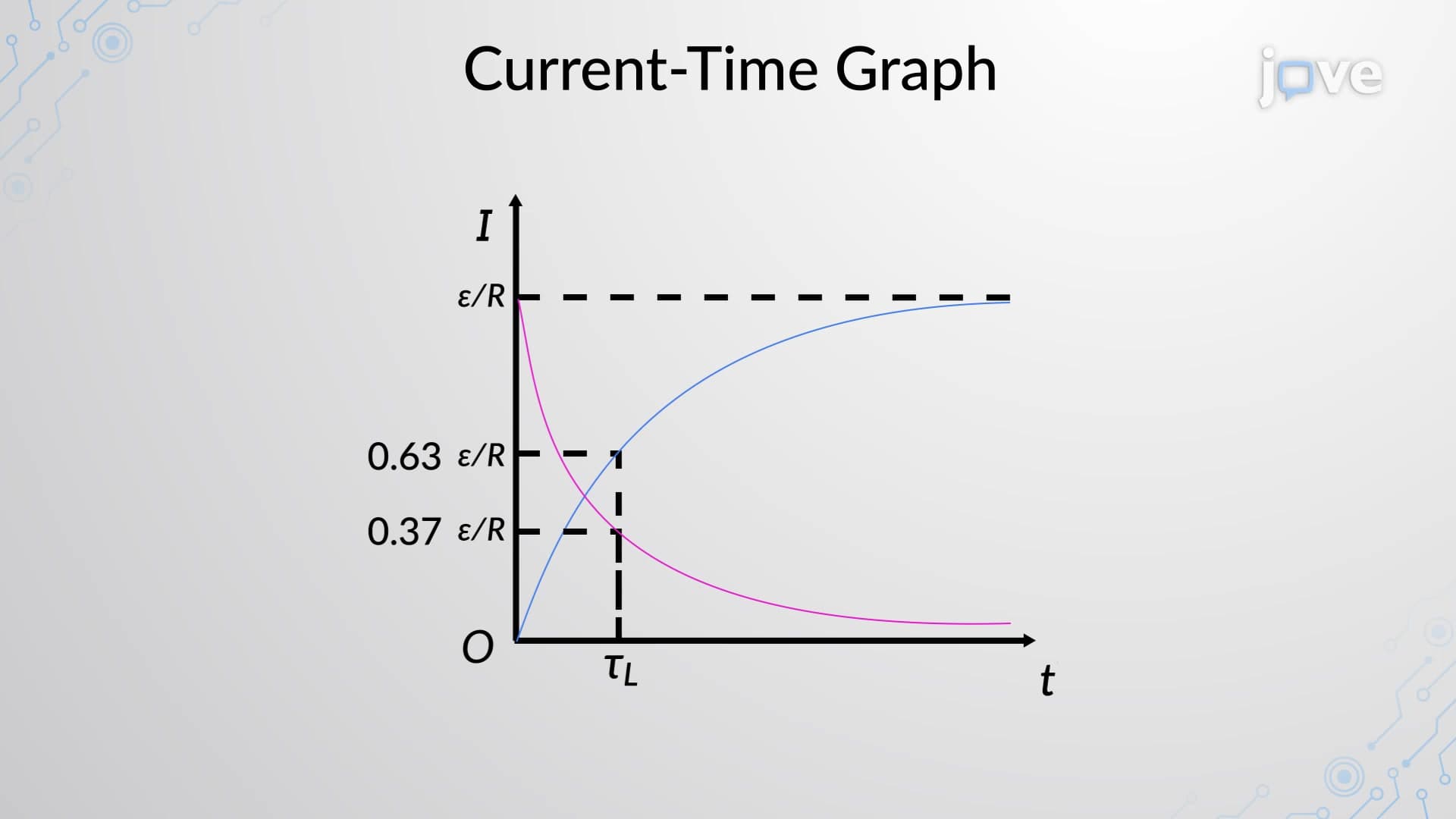
RL circuits exhibit opposite behavior due to Lenz's law governing electromagnetic induction. The inductor generates a back-EMF that opposes current changes, starting from zero current and gradually increasing to steady state. This principle underlies fluorescent light ballasts and automotive ignition systems used throughout the United States.
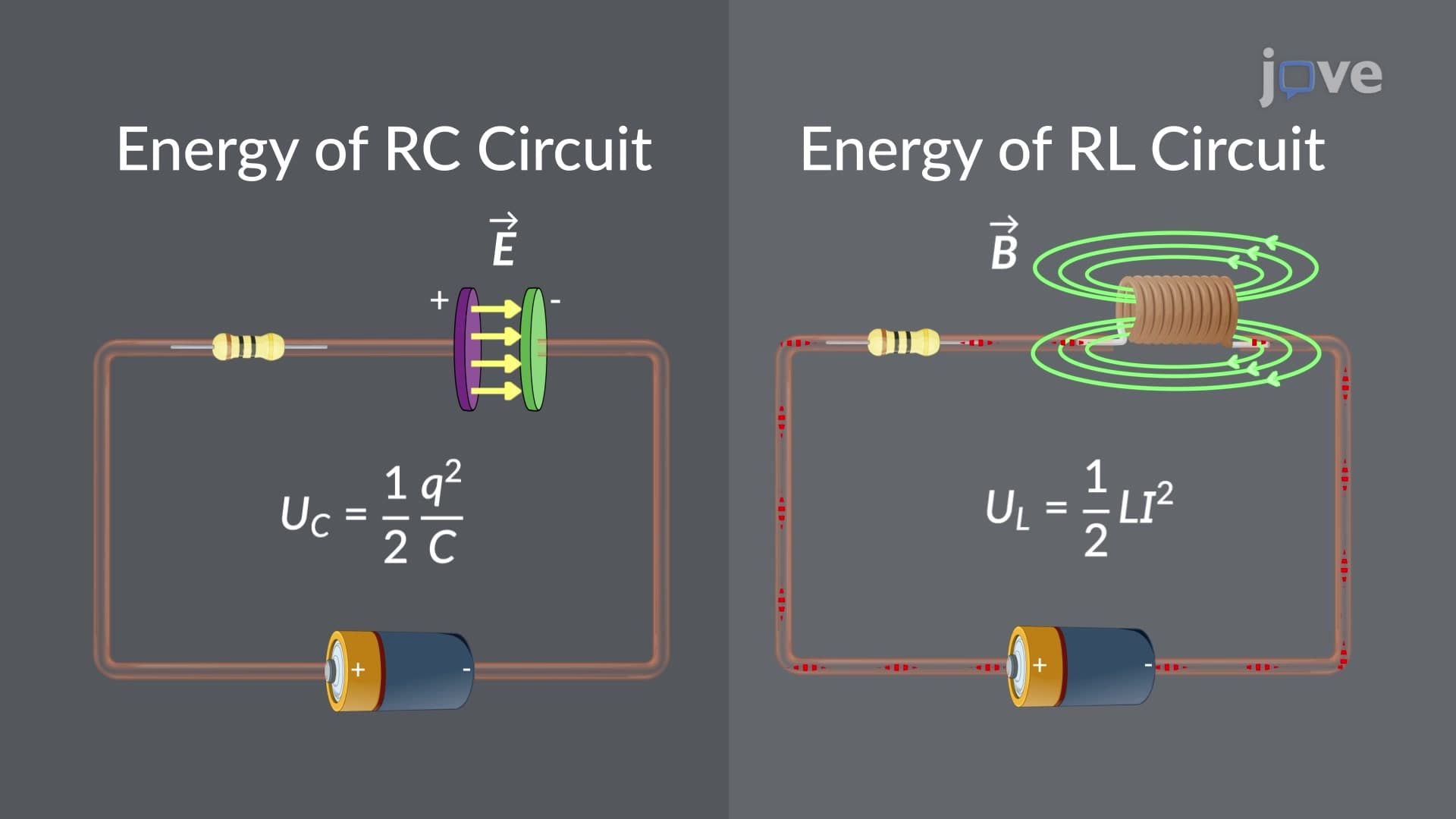
The energy storage comparison reveals why these circuits serve different functions. RC circuits store energy as electric potential between capacitor plates, making them ideal for timing circuits, power supplies, and audio crossover networks in American-manufactured speakers. The energy formula E = (1/2)CV² demonstrates how voltage and capacitance determine storage capacity.
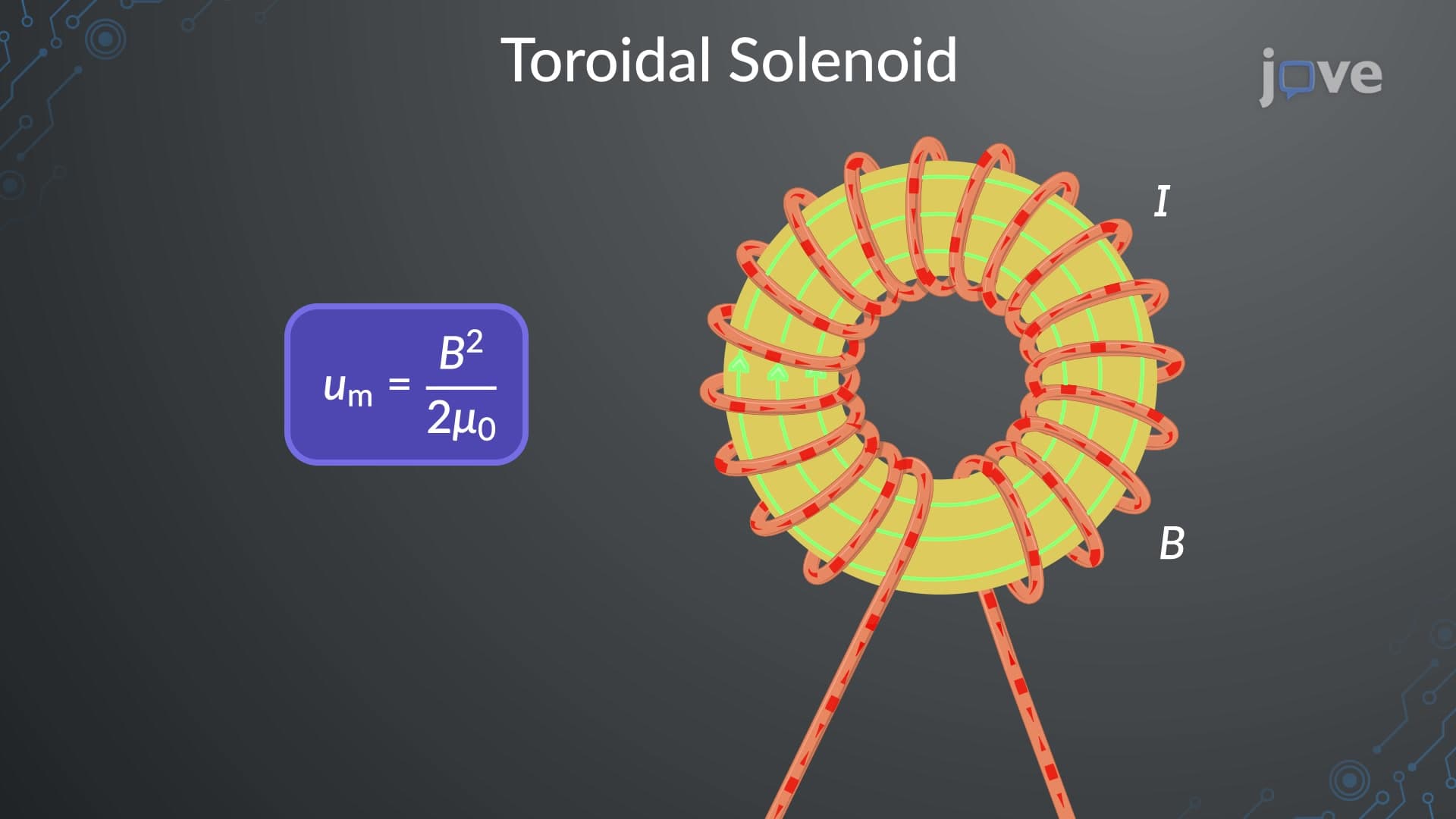
RL circuits store energy in magnetic fields surrounding inductors, calculated as E = (1/2)LI². This magnetic energy storage proves essential in power grid transformers, motor control systems, and the inductive charging stations emerging across US highways for electric vehicles.
When power sources disconnect, both circuits exhibit exponential decay but with different current behaviors. RC circuits show increasing current during capacitor discharge, while RL circuits demonstrate decreasing current as magnetic field energy dissipates. These decay patterns determine component selection in applications ranging from automotive electronics to medical devices used in American hospitals.
Understanding these time constants (τ = RC for capacitors, τ = L/R for inductors) helps engineers design circuits for specific timing requirements, whether for cardiac pacemaker timing or industrial automation systems. AP Physics students frequently encounter these concepts in both theoretical problems and laboratory experiments.
Frequently Asked Questions
RC circuits combine resistors with capacitors for electric field energy storage, while RL circuits pair resistors with inductors for magnetic field storage. RC circuits start with high current that decreases to zero, whereas RL circuits begin at zero current and increase to steady state. Both serve different purposes in electronic devices based on their unique charging and discharging characteristics.
AP Physics C frequently tests current versus time graphs, energy calculations, and time constant problems for both circuit types. Students must analyze exponential charging/discharging curves and explain physical principles behind inductor back-EMF and capacitor voltage buildup. Practice problems often involve calculating time constants and predicting circuit behavior during switching operations.
The MCAT Physics section tests understanding of electromagnetic principles underlying both circuits, particularly capacitor behavior in defibrillators and inductor applications in MRI machines. Students should know energy storage formulas, current flow patterns, and how these circuits function in medical equipment. Time constant calculations and exponential decay frequently appear in practice passages.
RC circuits power camera flash charging, computer power supplies, and audio equipment crossovers in American electronics. RL circuits operate in fluorescent lighting ballasts, automotive ignition systems, and electric vehicle charging infrastructure. Your smartphone's touch screen uses RC timing circuits, while household dimmer switches often employ RL circuit principles for smooth light control.
Basic algebra suffices for understanding fundamental concepts and time constant calculations. While calculus helps derive exponential equations, high school students can grasp essential principles through conceptual understanding and formula application. Focus on physical behavior patterns and energy storage mechanisms rather than complex mathematical derivations for introductory courses.
Create comparison charts highlighting current behavior, energy storage, and time constants for both circuit types. Practice drawing and interpreting current versus time graphs for charging and discharging phases. Work through problems involving real capacitor and inductor values, and understand physical explanations behind mathematical results rather than memorizing formulas blindly.
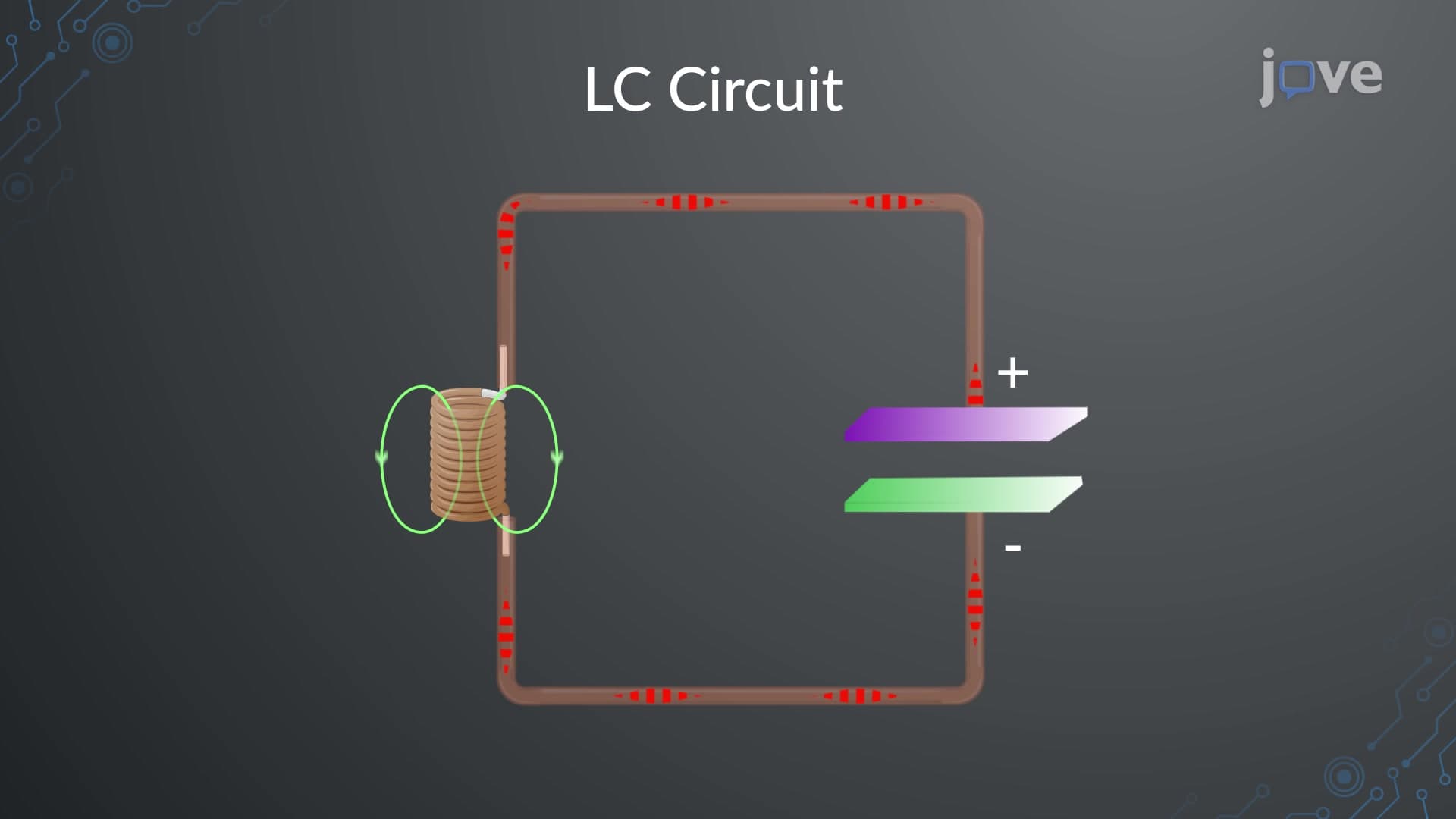
AC circuit analysis with impedance calculations extends these concepts to alternating current applications. RLC circuits combine all three components, creating resonant behavior important in radio communications and filter design. Power electronics and electromagnetic field theory further develop magnetic and electric energy storage principles in sophisticated engineering applications.
Capacitors initially appear as short circuits because uncharged plates offer no voltage opposition, allowing maximum current flow that decreases as charge accumulates. Inductors generate back-EMF opposing current changes due to Lenz's law, starting from zero and gradually building to steady state. These fundamental electromagnetic properties determine each component's unique response to voltage changes.
Related Micro-courses


Related Subjects
 Math Fundamentals 11 micro-courses›
 Statistics 17 micro-courses›