Loading subject page…

- Physics
- Inductance
- Calculation of Self-inductance
Micro-course: Inductance
38,559 views
Learn key concepts and earn your certificate.
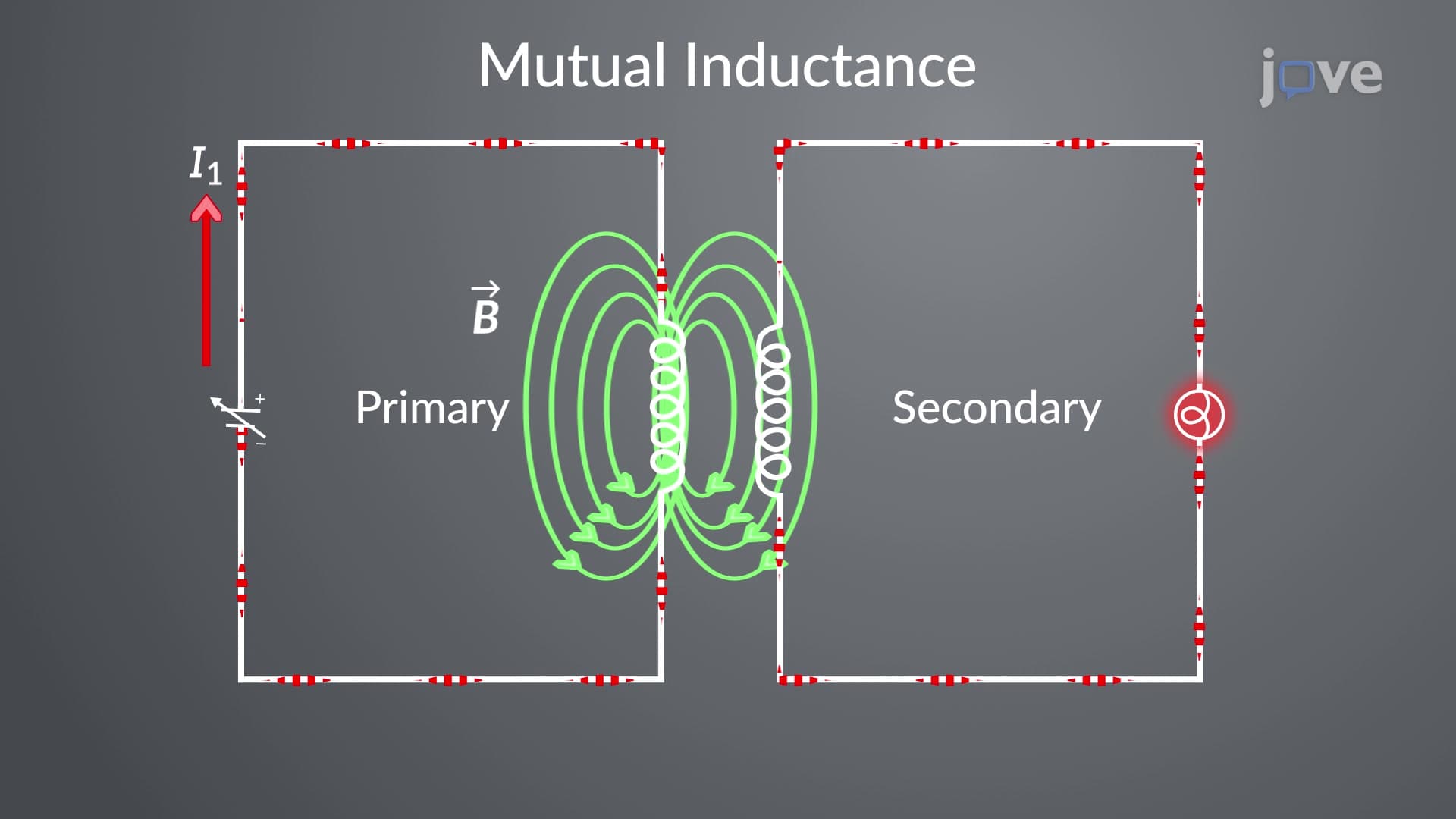


Calculation of Self-inductance

00:00
01:29
Video Summary: What Is Calculation of Self Inductance
Ever wondered how MRI machines at Johns Hopkins Hospital generate such powerful magnetic fields? The calculation of self inductance is the key physics principle that makes these medical marvels possible. This fundamental electromagnetic concept explains how coils store magnetic energy and create opposing forces when current changes. From solenoids to toroids, understanding these calculations reveals why coiled systems dramatically outperform simple wires in magnetic applications. Watch the full video on JoVE Coach to master this concept with expert-led visuals and step-by-step explanations.
- Understand what is calculation of self inductance and its fundamental definition in electromagnetic theory
- Identify the key geometric factors that determine self-inductance in solenoids, toroids, and rectangular toroids
- Analyze how the number of turns (N²) dramatically increases self-inductance compared to straight current-carrying wires
- Compare self-inductance formulas across different coil geometries including cylindrical solenoids and circular toroids
- Apply magnetic flux calculations to derive total inductance for complex coil configurations
- Evaluate the relationship between cross-sectional area, length, and turn density in inductance calculations
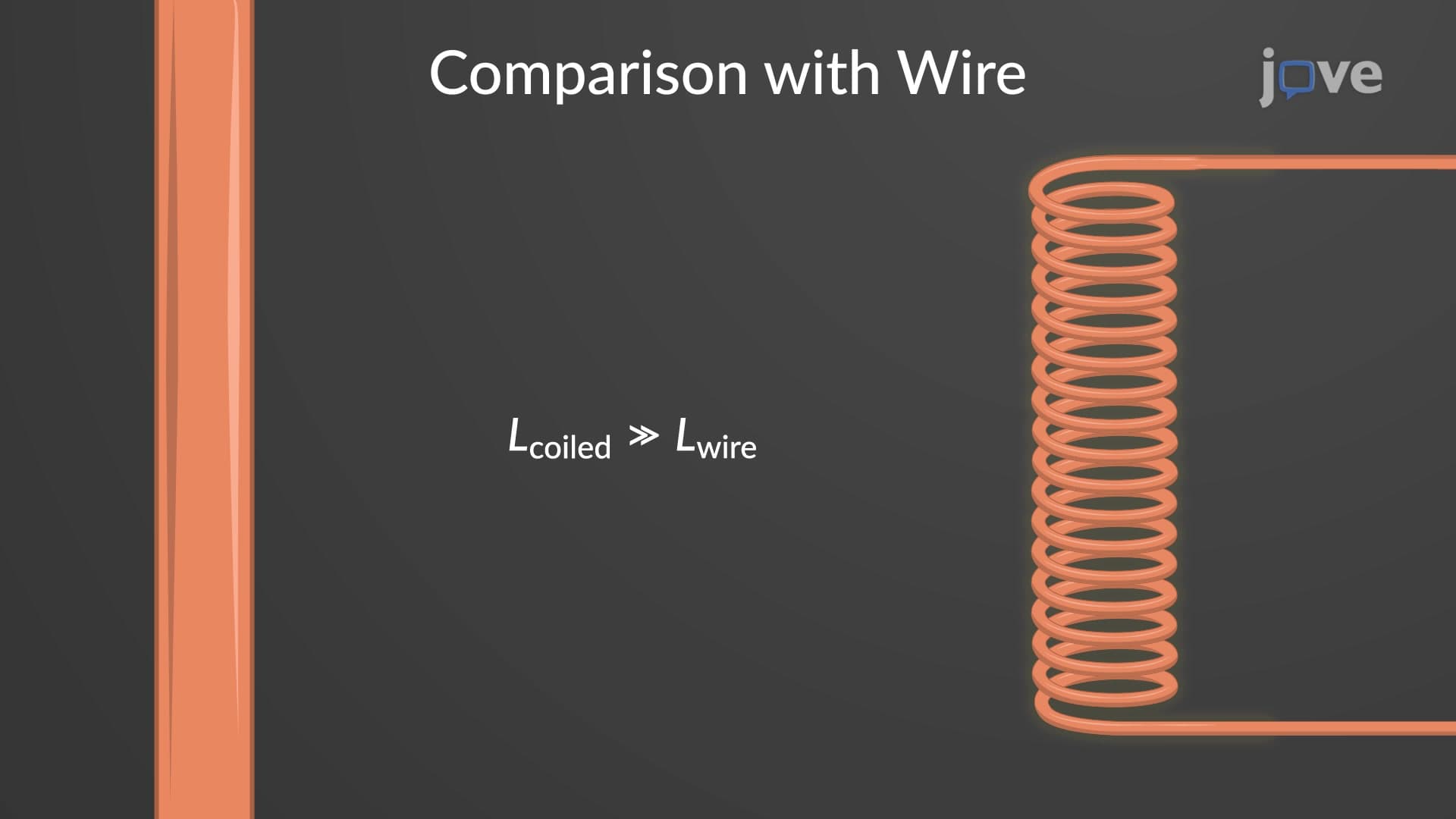
- Recognize why coiled systems have significantly larger self-inductance than simple current-carrying wires
- Explore the mathematical integration required for rectangular toroidal inductance calculations
Understanding the Calculation of Self Inductance
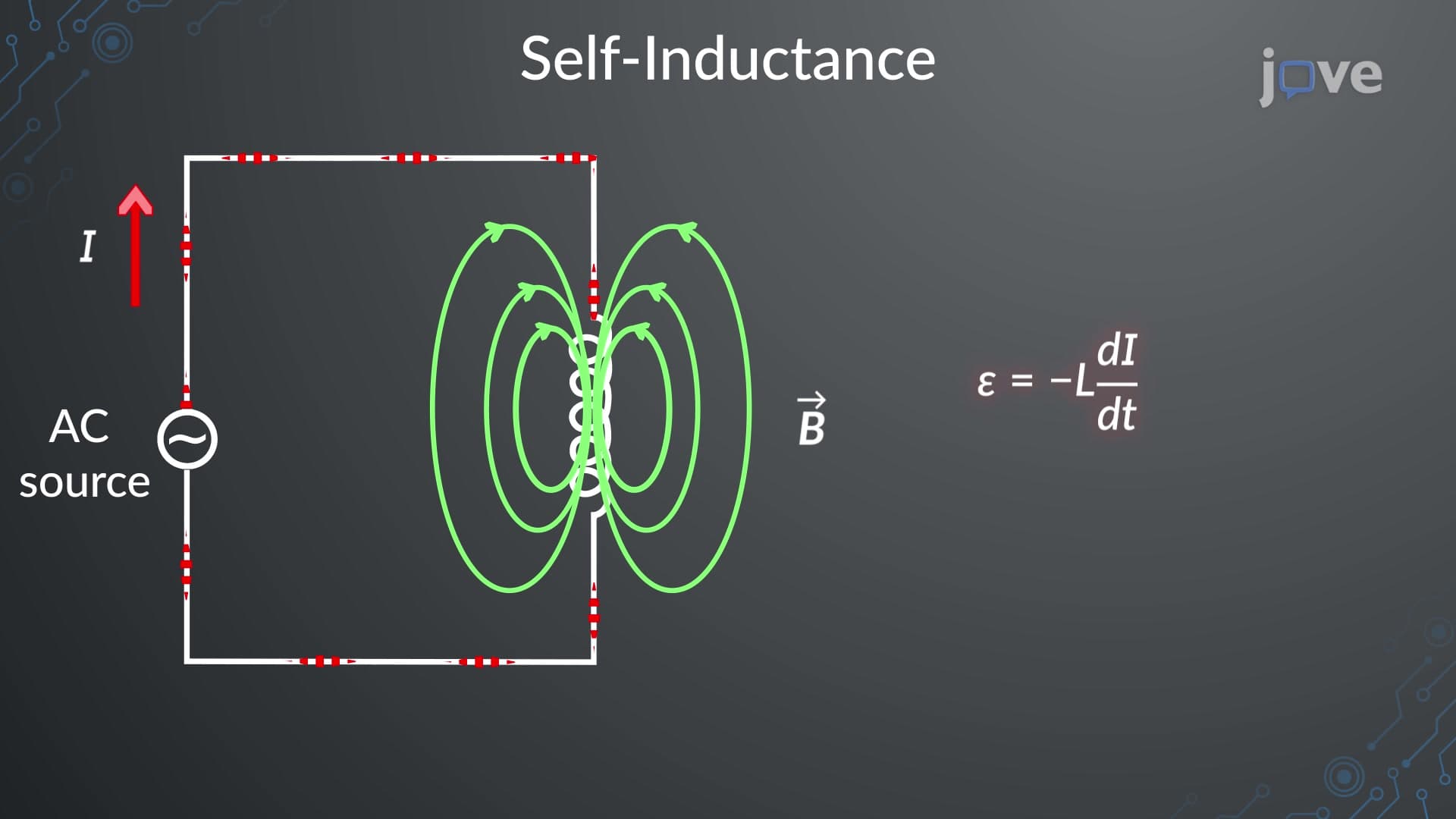
The calculation of self inductance represents one of the most practical applications of electromagnetic theory in modern technology. Self-inductance quantifies a coil's ability to oppose changes in current flow through electromagnetic induction, making it essential for transformers, motors, and medical imaging equipment used throughout US hospitals and research facilities.
Solenoid Self-Inductance: The Foundation
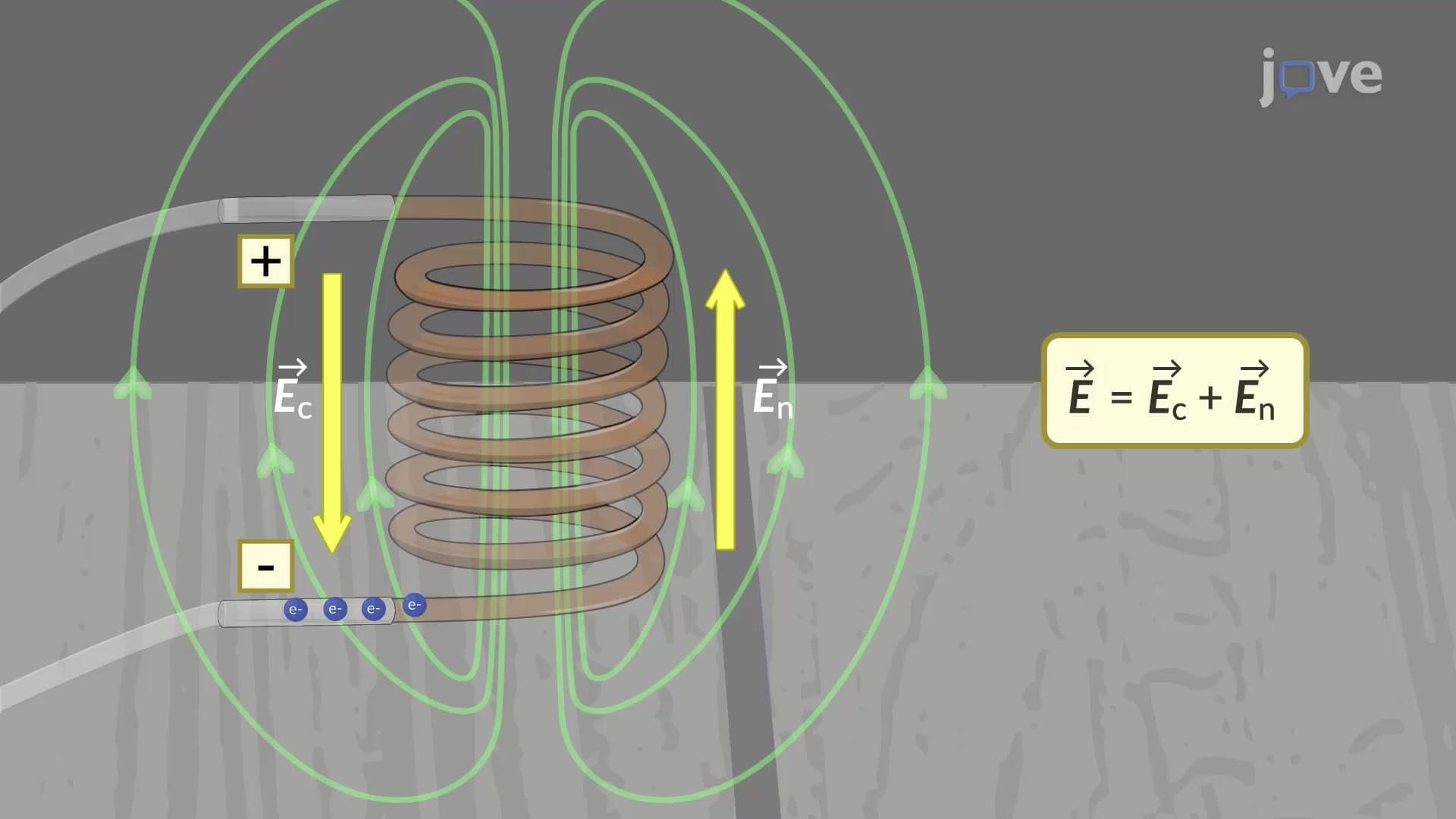
For an ideal cylindrical solenoid, the self-inductance calculation begins with the uniform magnetic field inside the coil. With N turns distributed over length l and cross-sectional area A, each turn experiences identical magnetic flux. The total magnetic flux equals N times the flux through a single turn, leading to the fundamental solenoid inductance formula: L = μ₀N²A/l. This relationship shows that inductance increases with the square of turn number, explaining why densely wound coils are so effective in electrical applications.
Toroidal Configurations and Advanced Calculations
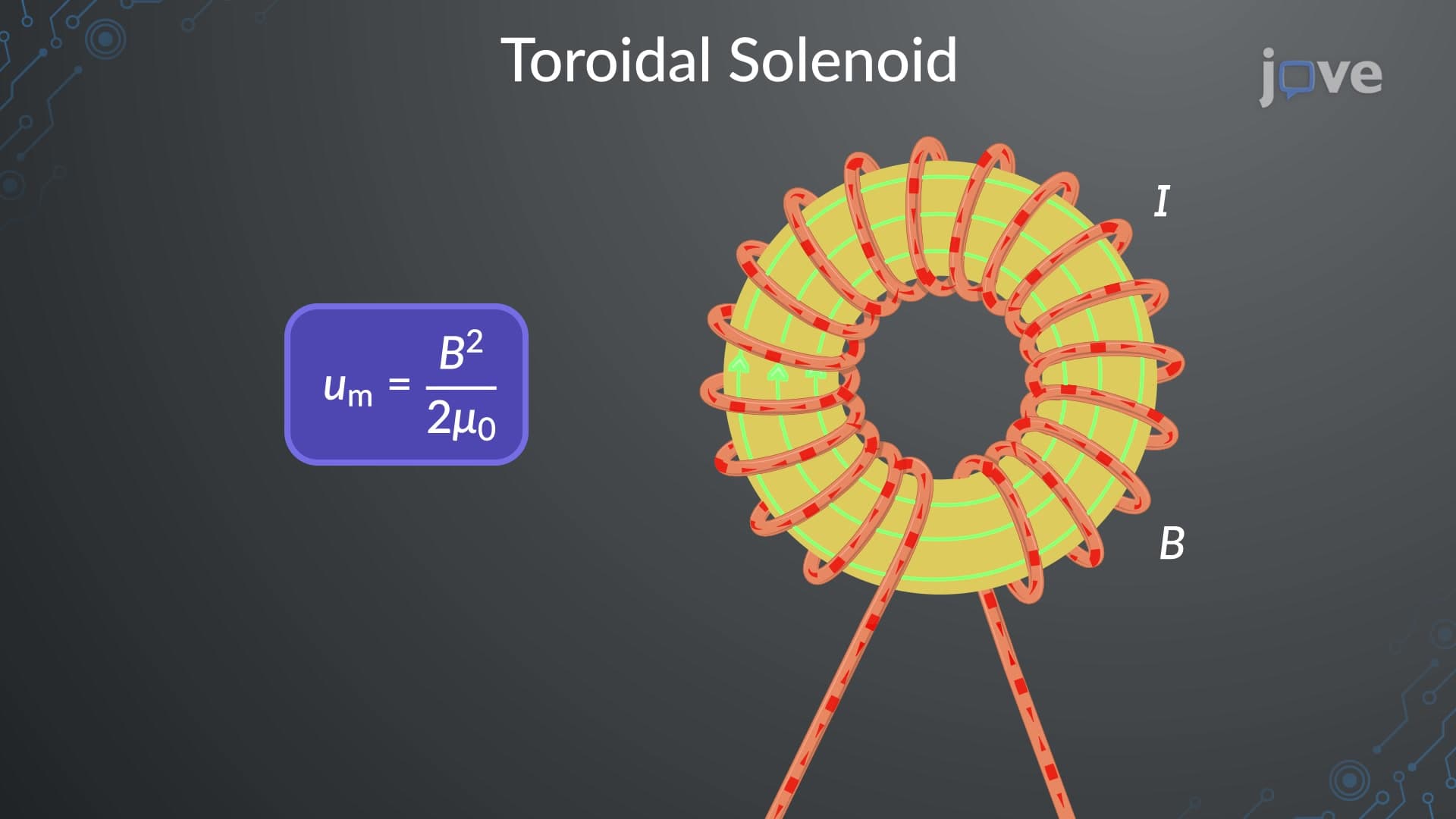
When a solenoid curves into a circle, it becomes a toroidal inductor commonly found in power supplies and RF circuits. The calculation of self inductance for toroids follows similar principles, but the length l now represents the circumference 2πr. For rectangular toroids with height h, the calculation becomes more complex, requiring integration across the radial distance from inner to outer radius. This geometry appears frequently in transformer cores used by utility companies across the United States.
Practical Applications in US Academic Settings
Students encounter these calculations in Advanced Placement Physics C courses and introductory college electromagnetic theory classes at institutions like MIT and Stanford. The MCAT includes inductance problems in its physics sections, while engineering programs extensively use these principles in circuit design coursework. Understanding why the N² factor makes coiled systems vastly superior to straight wires helps explain everything from automotive ignition systems to the superconducting magnets in particle accelerators at Fermilab.
Frequently Asked Questions
Calculation of self inductance determines how much a coil opposes current changes through its own magnetic field. It measures the relationship between changing current and the voltage induced in the same coil. This property is crucial for transformers, motors, and many electronic devices we use daily.
AP Physics C frequently tests solenoid inductance formulas and their applications in circuit problems. Students must derive L = μ₀N²A/l and apply it to calculate energy storage, time constants, and impedance in AC circuits. The exam often combines inductance with capacitance in oscillatory circuit problems.
Toroidal inductance calculations use circumference (2πr) as the effective length, while solenoids use linear length. Rectangular toroids require integration across radial distances, making calculations more complex. Both geometries benefit from the N² factor that dramatically increases inductance compared to straight wires.
MRI machines at hospitals like Cleveland Clinic use superconducting coils with enormous self-inductance to maintain stable magnetic fields. The high inductance stores massive magnetic energy efficiently while opposing current fluctuations that would distort imaging. This technology enables the precise magnetic field control needed for detailed medical imaging.
High school students can master basic solenoid inductance calculations with solid algebra and geometry skills. The concept builds naturally from magnetic field and flux principles taught in introductory physics. Start with simple cylindrical solenoids before advancing to toroidal geometries in college-level courses.
Focus on memorizing L = μ₀N²A/l and understanding how geometric changes affect inductance values. Practice energy storage problems (U = ½LI²) and time constant calculations in RL circuits. The MCAT emphasizes conceptual understanding over complex mathematical derivations.
Students can explore mutual inductance between coils, transformer theory, and AC impedance calculations. Graduate courses cover self-inductance in superconducting systems, electromagnetic field theory, and advanced circuit analysis used in electrical engineering programs at universities nationwide.
Related Micro-courses

13 Concepts

14 Concepts

14 Concepts