Loading video…


 13 Concepts
 38.6K views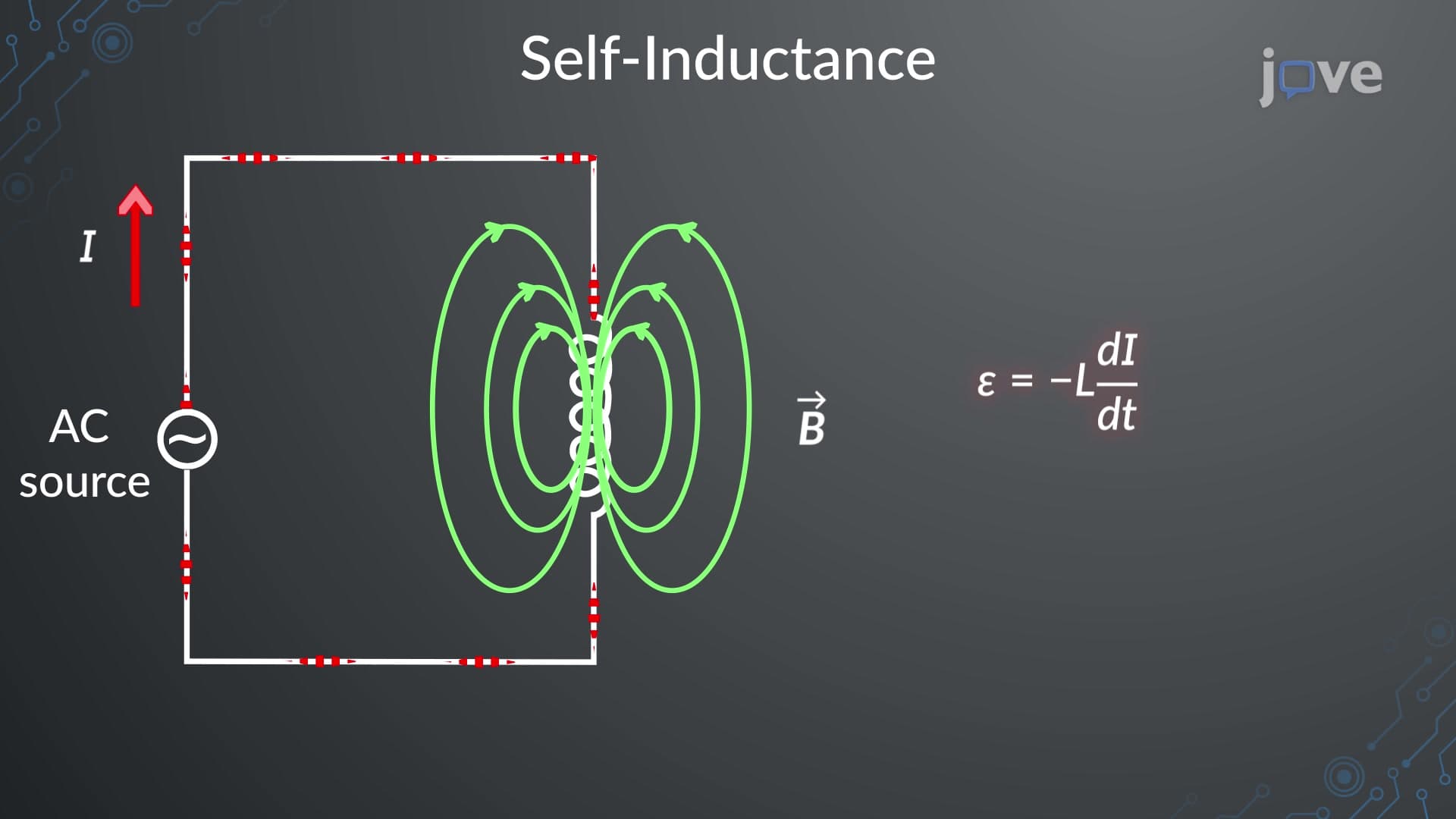

Video Summary: What Is Self Inductance
Ever wonder why power transformers hum with electrical energy or why guitar pickups can detect string vibrations? The answer lies in self inductance, a fundamental electromagnetic property where changing current in a circuit creates its own opposing magnetic field. Consider the massive inductors in power grids across cities like New York, they rely on this principle to regulate electrical flow and prevent dangerous power surges. What is self inductance and how does this invisible force shape our electrical world? Watch the full video on JoVE Coach to master this concept with expert-led visuals and step-by-step explanations.
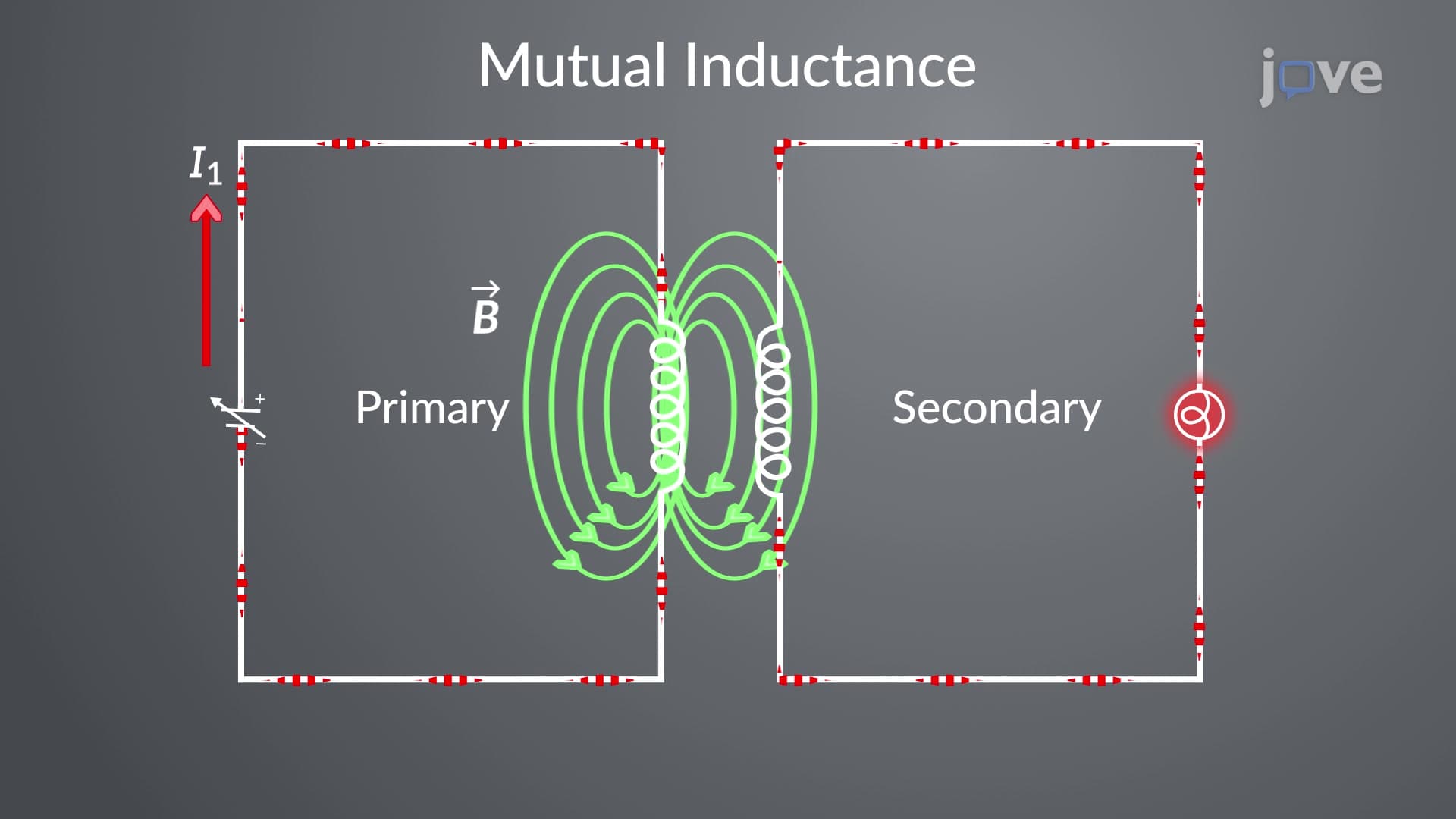
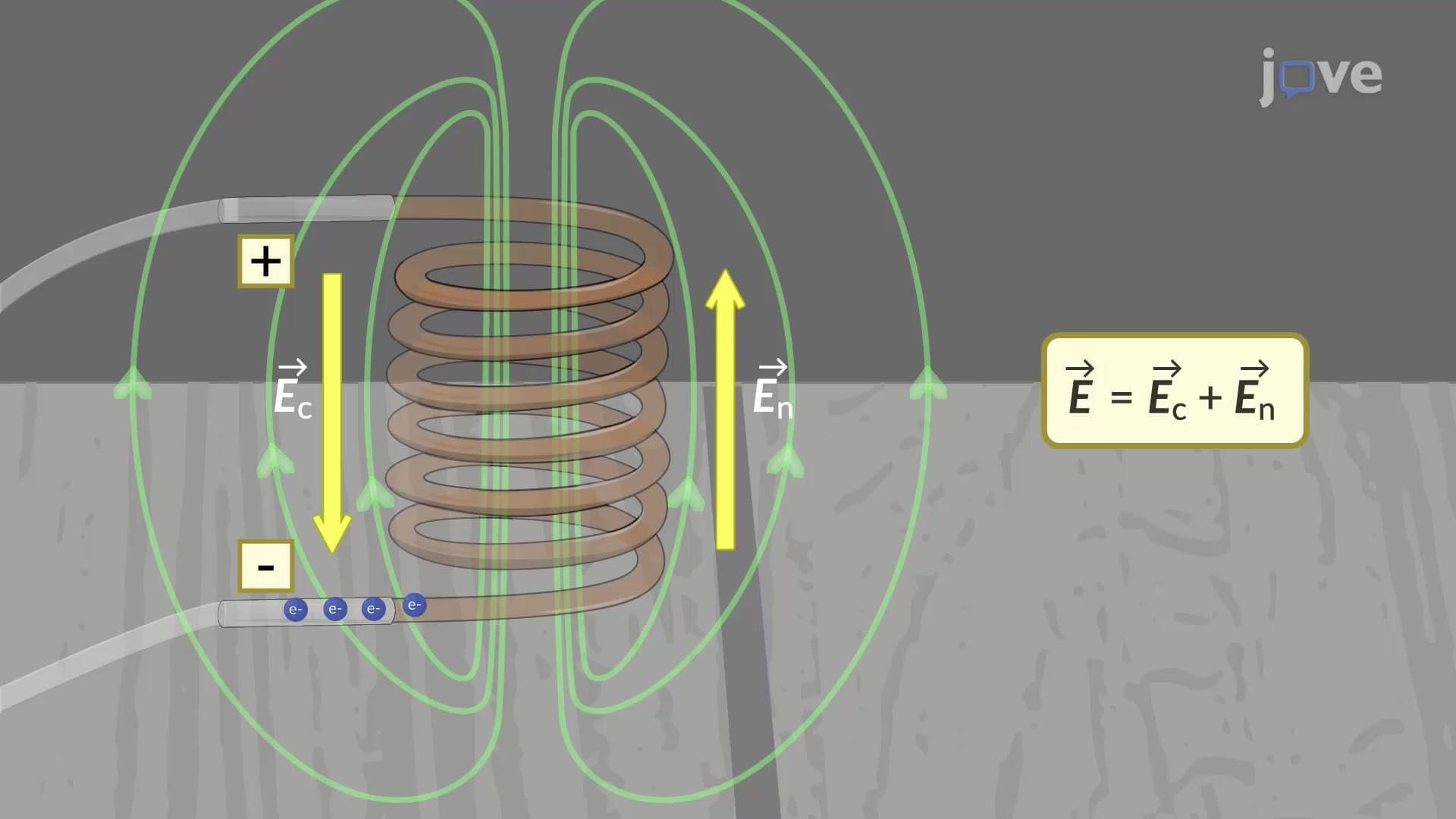
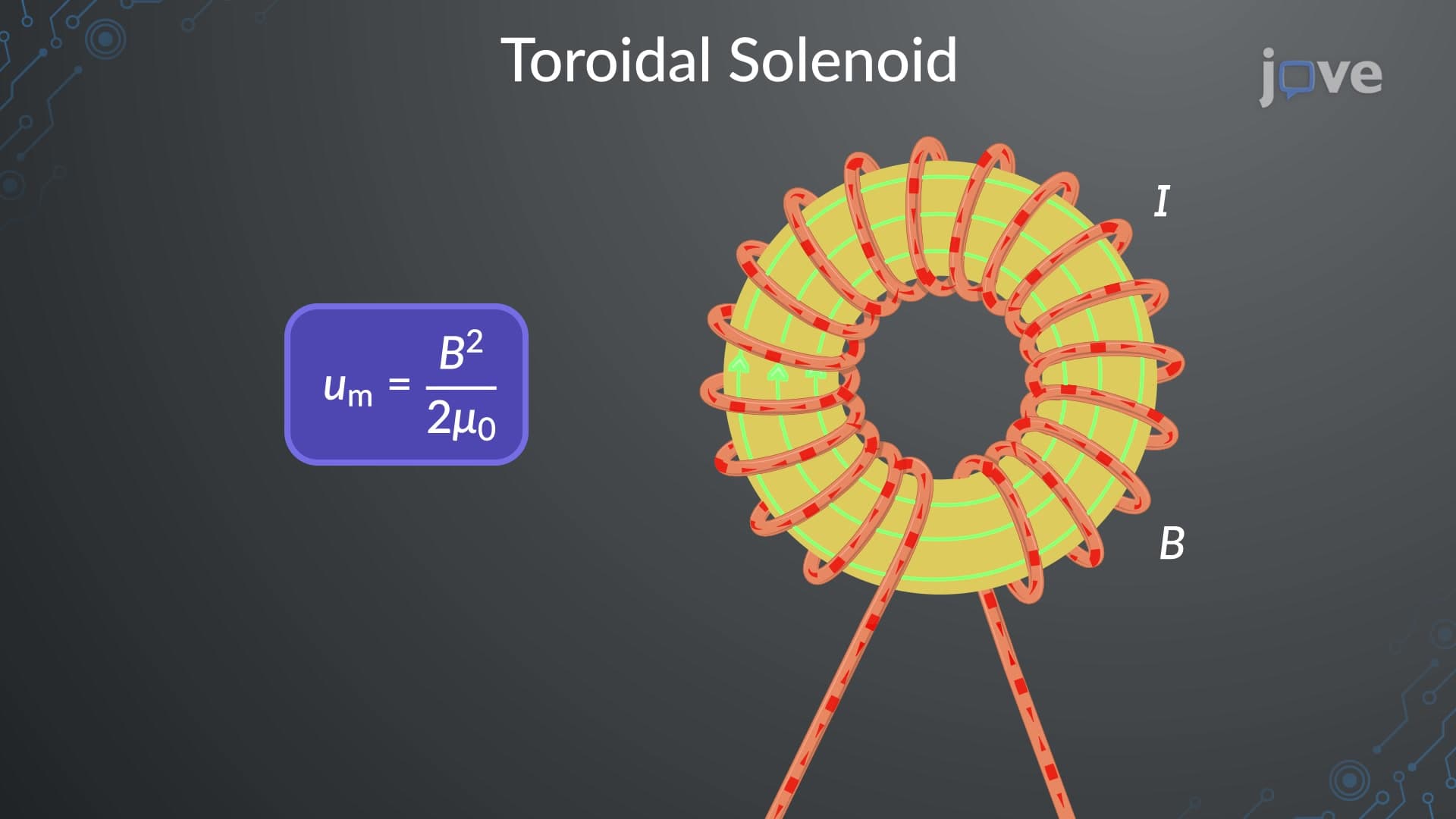
Self inductance represents one of the most elegant demonstrations of electromagnetic unity in physics. When current flows through any conductor, whether a simple wire loop or a complex coil, it generates a magnetic field that encircles the conductor. This relationship becomes particularly fascinating when the current changes: the shifting magnetic field induces an electromotive force (EMF) that opposes the very change that created it.
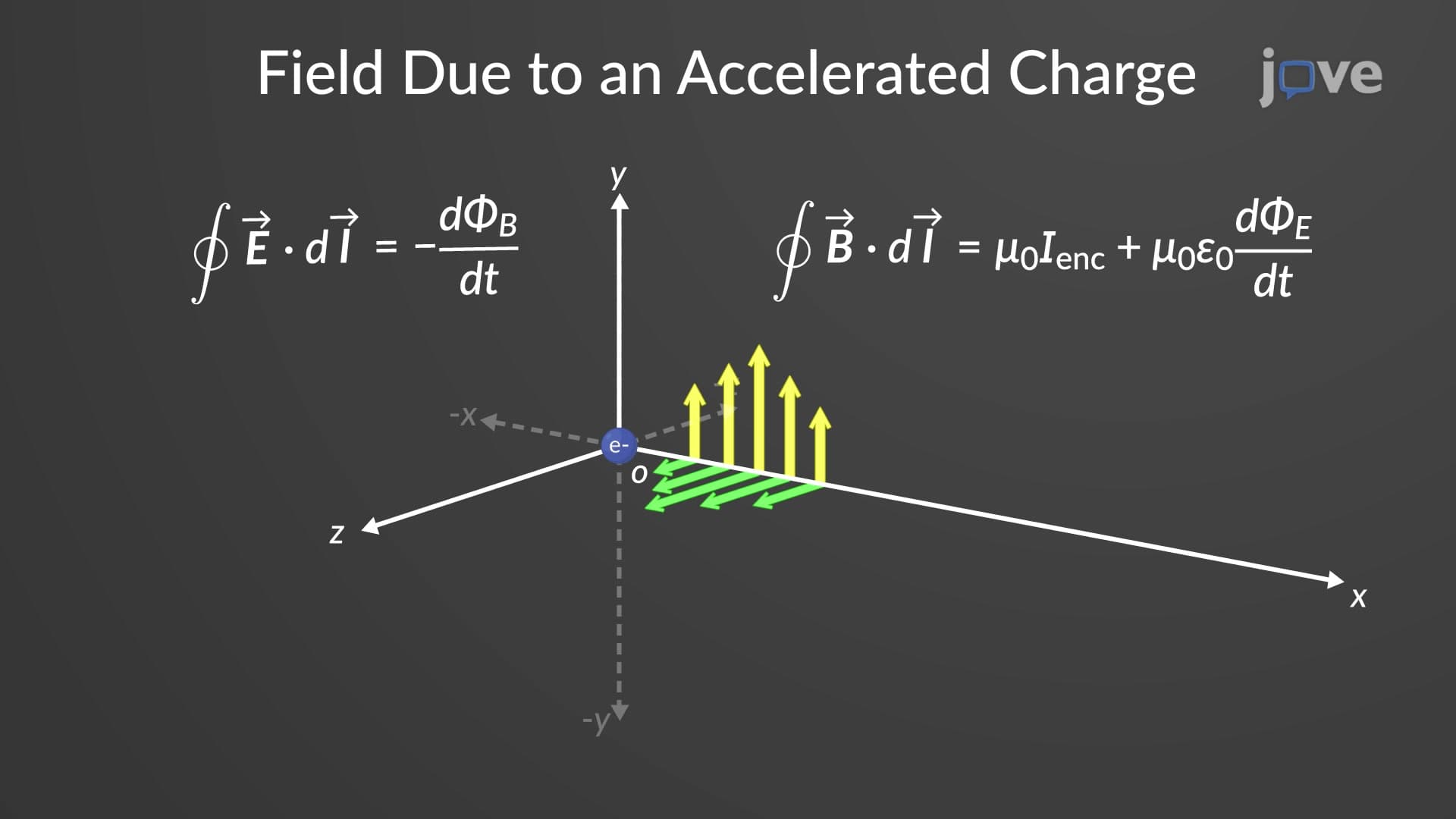
This self inductance definition goes beyond mere electromagnetic theory. The phenomenon occurs because changing current alters the magnetic flux through the circuit, and according to Faraday's law, any change in magnetic flux induces an EMF. Students preparing for AP Physics or college-level courses should recognize this as a direct application of Faraday's law: EMF = -dΦ/dt, where the negative sign reflects Lenz's law.
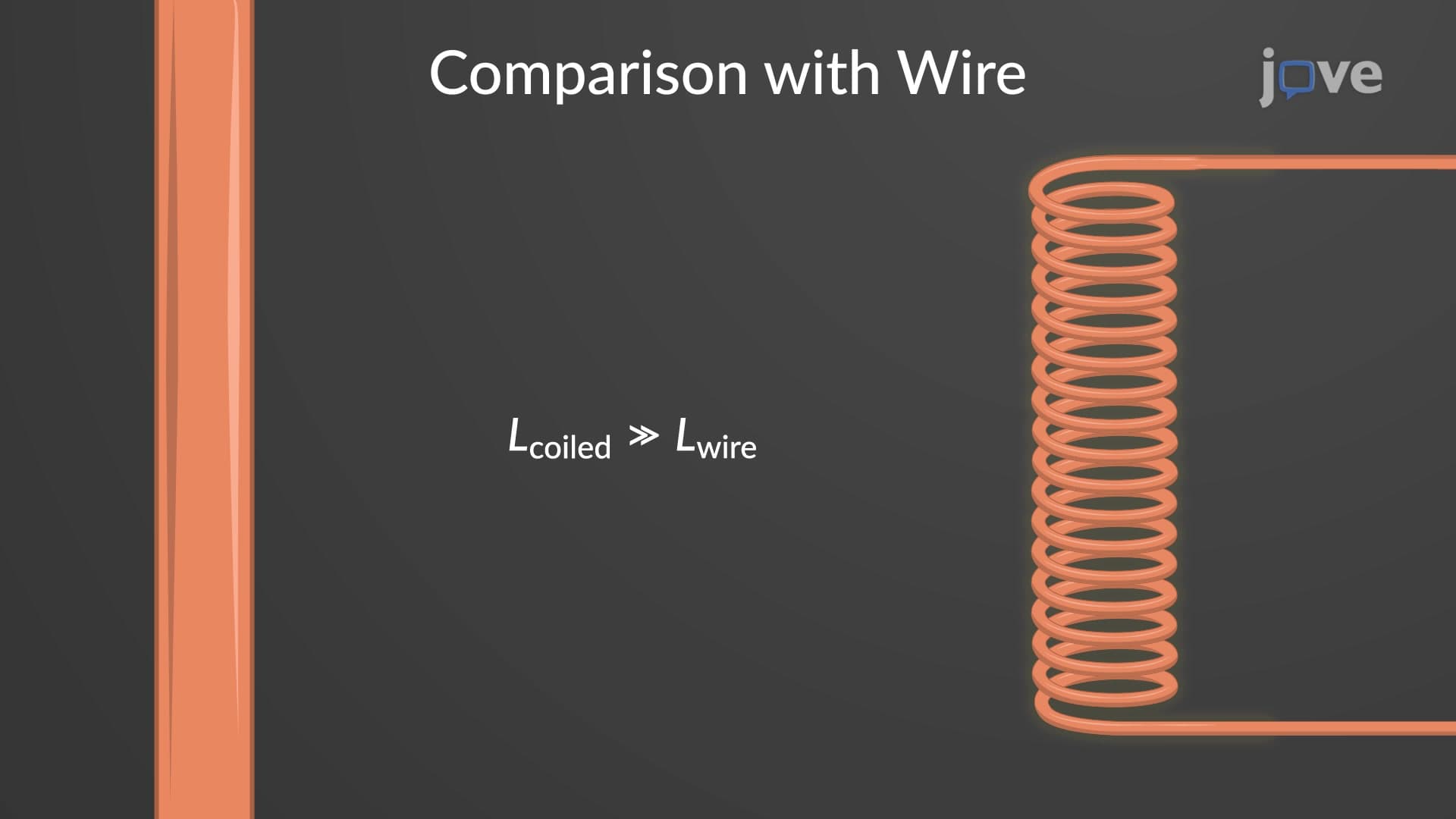
The mathematical beauty of what is self inductance in detail emerges when we express the relationship quantitatively. Since magnetic flux (Φ) is proportional to the current (I) flowing through a circuit, we write Φ = LI, where L represents the self inductance. This proportionality constant L depends entirely on the geometry of the conductor, its shape, size, and configuration.
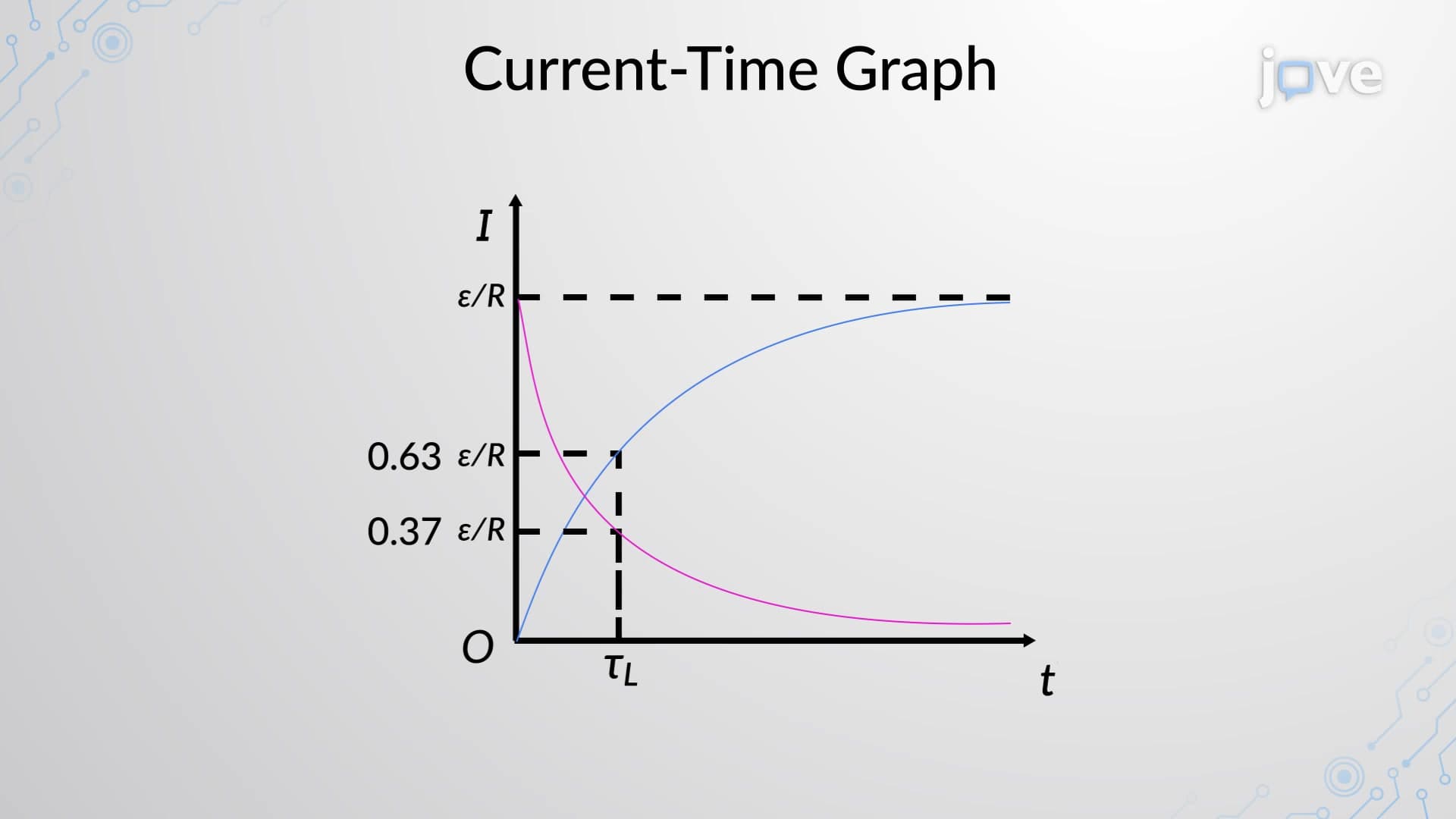
Using Faraday's law, the self-induced EMF becomes: EMF = -L(dI/dt). This equation appears frequently on MCAT physics sections and college electromagnetic exams. The negative sign ensures that the induced EMF opposes current changes, a principle that underlies the operation of inductors in power supplies, electric motors, and countless electronic devices across American industries.
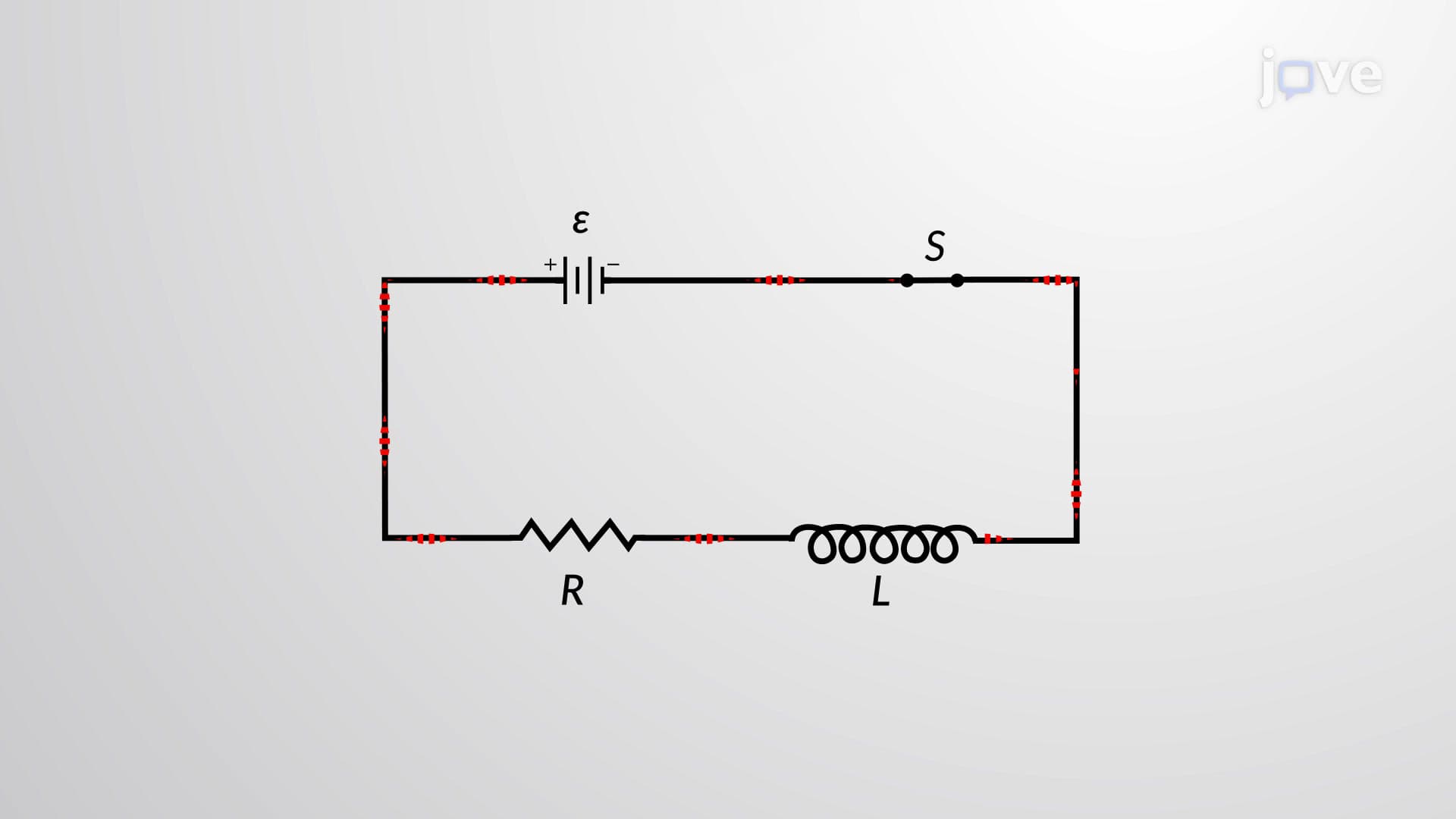
Consider the inductors in Tesla's Supercharger stations or the massive transformers at Hoover Dam. These systems rely on carefully calculated self inductance values to control power flow and prevent electrical instabilities. In audio equipment, guitar amplifiers use inductors with specific self inductance values to shape sound frequencies, while switching power supplies in computers depend on precise inductance calculations for efficient operation.
For straight conductors, Ampère's law provides the foundation for calculating self inductance. The magnetic field inside a current-carrying conductor follows specific patterns that, when integrated over the cross-sectional area, yield the total magnetic flux. This integration process, while mathematically intensive, demonstrates how fundamental electromagnetic principles combine to produce measurable, practical results that engineers use daily in designing everything from smartphone chargers to industrial power systems.
Related Micro-courses