Loading video…


 13 Concepts
 38.6K views

Video Summary: What Is Energy Stored
Every time you plug in your smartphone charger, energy stored in electromagnetic fields enables the power transfer through the cable's design. Coaxial cables, like those connecting your home's cable TV or internet, demonstrate how energy stored in magnetic fields between conductors determines the cable's electrical properties. This fundamental physics concept explains why cable engineers carefully design the spacing between inner and outer conductors in systems powering everything from medical equipment at Johns Hopkins Hospital to radar systems at NASA's Jet Propulsion Laboratory. Watch the full video on JoVE Coach to master this concept with expert-led visuals and step-by-step explanations.
Energy stored in electromagnetic fields represents one of the most fundamental concepts in physics and electrical engineering. When electric current flows through conductors, it creates magnetic fields that store energy in the surrounding space. This energy stored concept becomes particularly important in transmission systems like coaxial cables, where engineers must carefully balance energy storage with signal transmission efficiency.
In practical terms, energy stored in magnetic fields explains why electrical systems can maintain power delivery even during brief interruptions. Consider the power grid supplying electricity to major US cities like New York or Los Angeles, the magnetic field energy stored in transmission cables helps stabilize voltage fluctuations and ensures consistent power delivery to millions of homes and businesses.
The energy stored definition in coaxial cables involves magnetic field energy concentrated between the inner copper conductor and outer metallic shielding. This configuration, used extensively in cable television networks across the United States and high-speed internet infrastructure, demonstrates how geometric design directly impacts energy storage capacity.
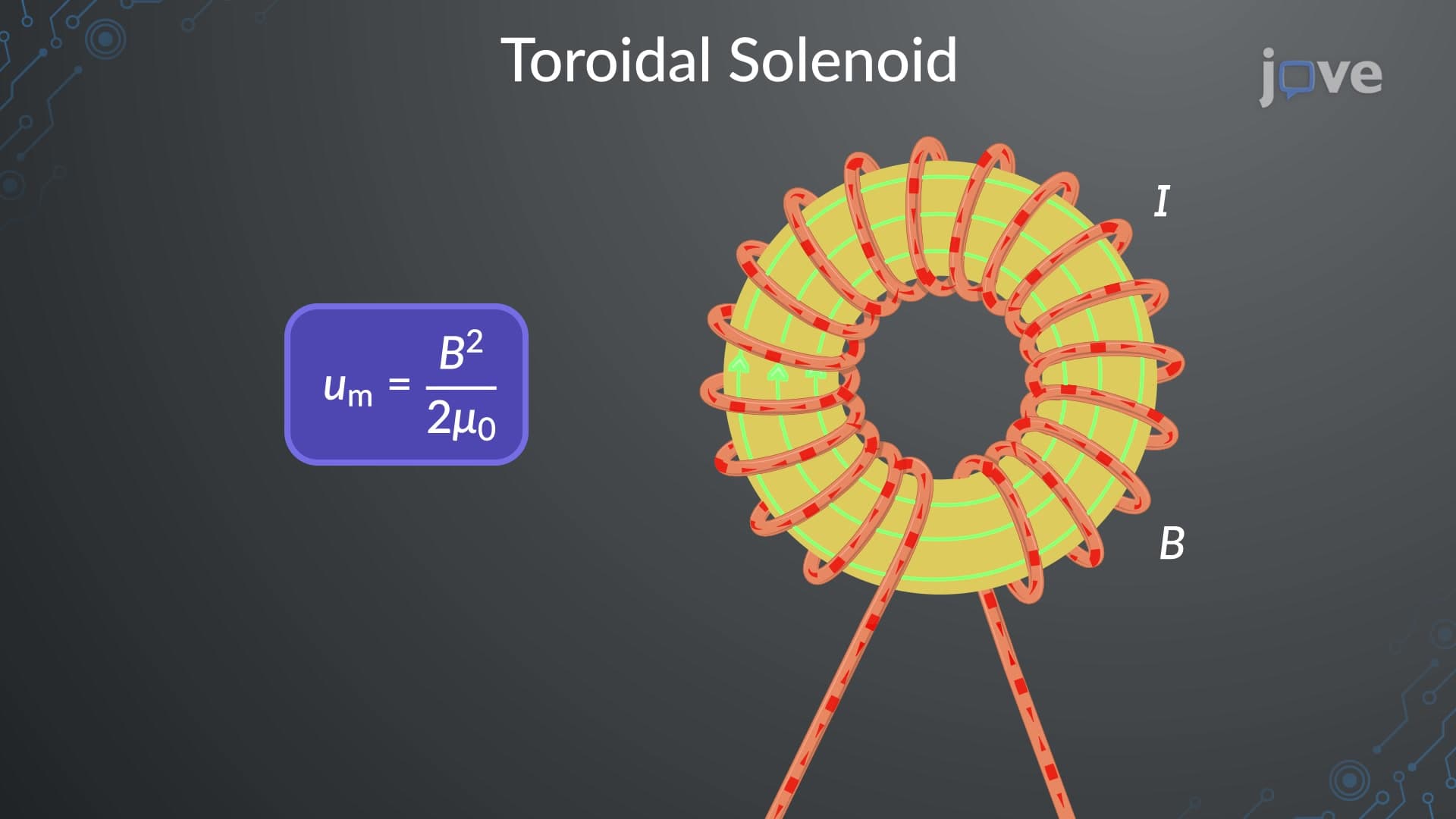
When analyzing what is energy stored in detail for coaxial systems, we find that magnetic field energy density (u = B²/2μ₀) multiplied by the volume between conductors gives total stored energy. The energy per unit length equals (μ₀/4π) × I² × ln(R₂/R₁), where I represents current, R₂ is the outer radius, and R₁ is the inner radius.
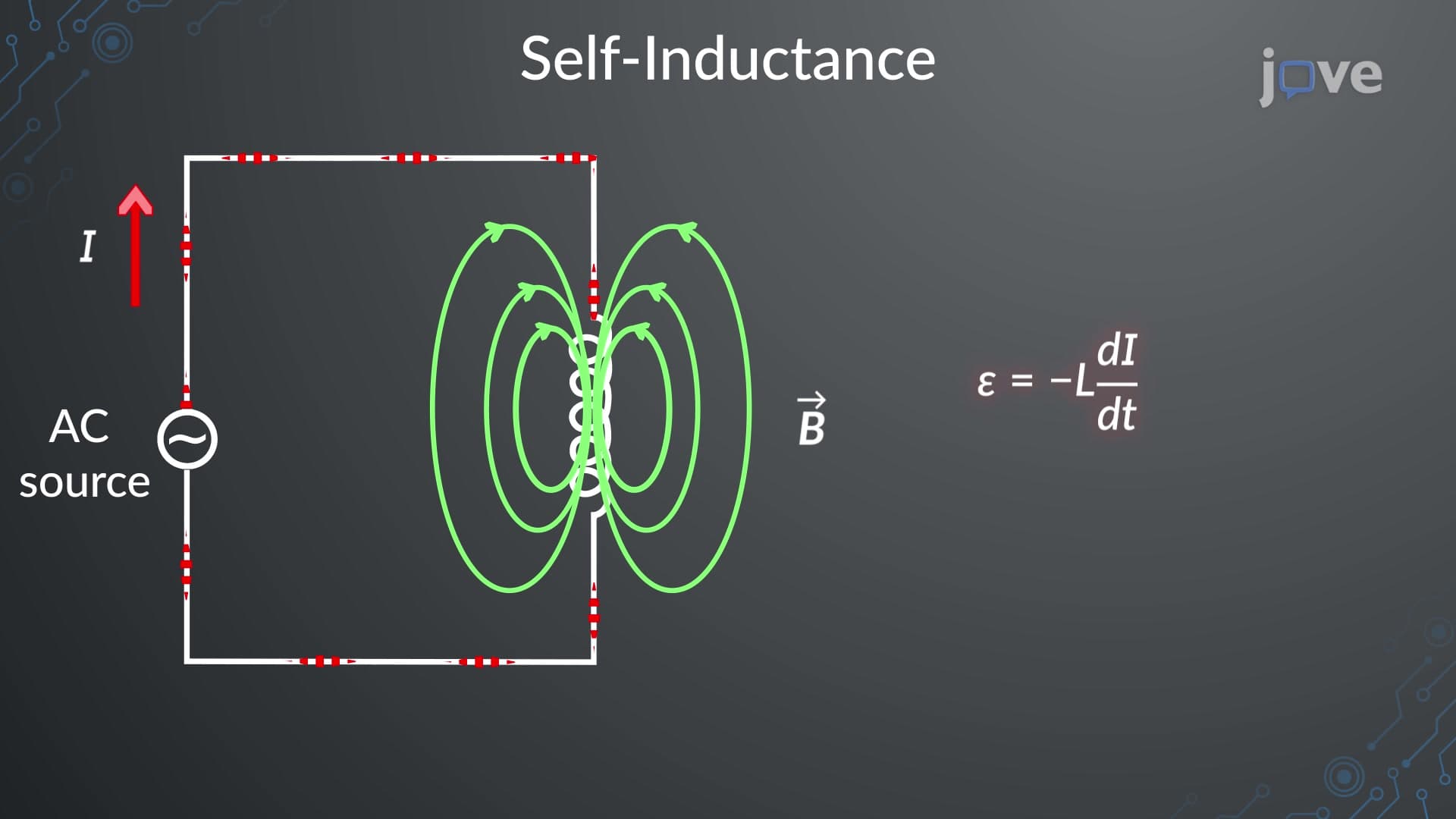
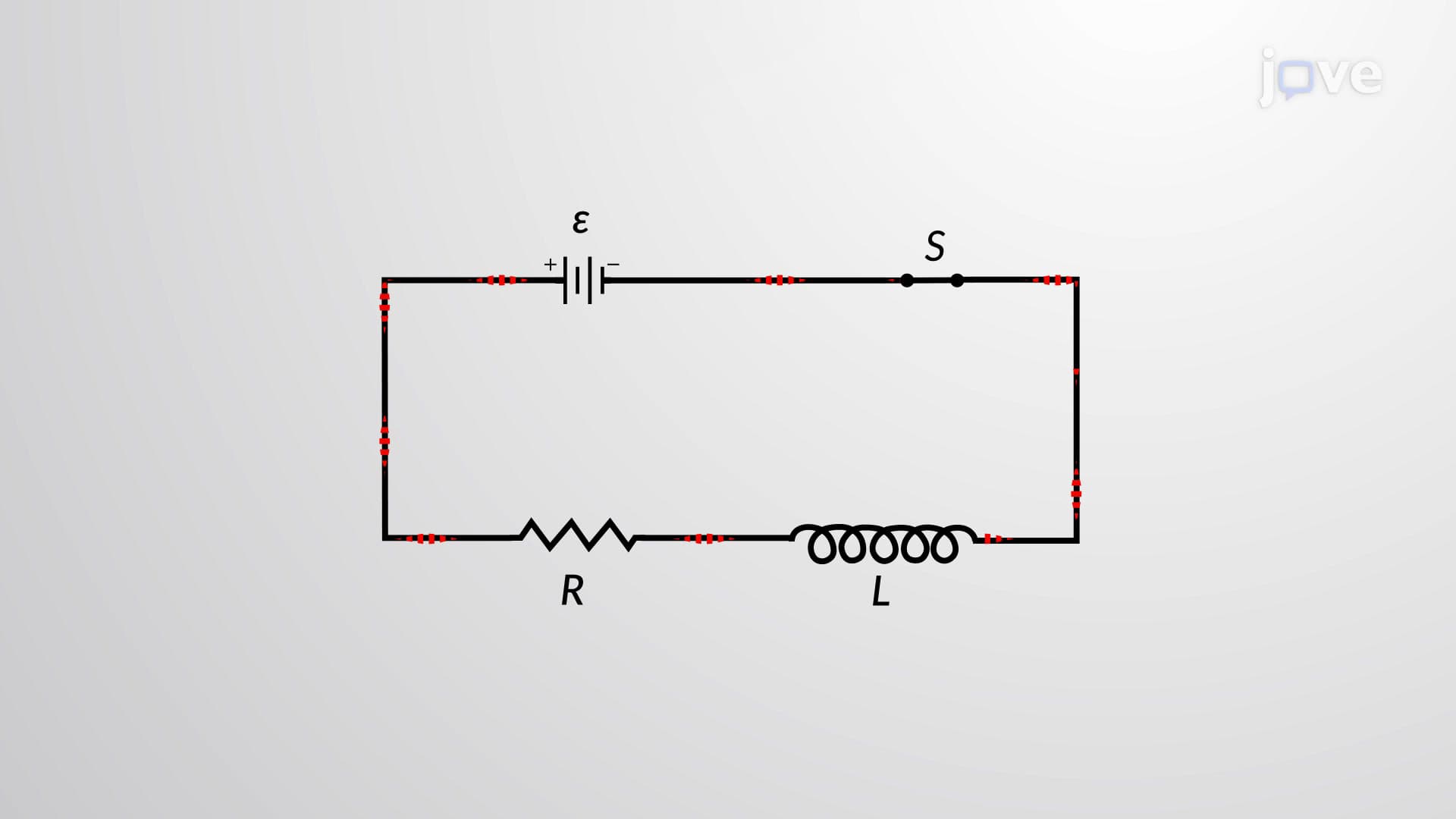
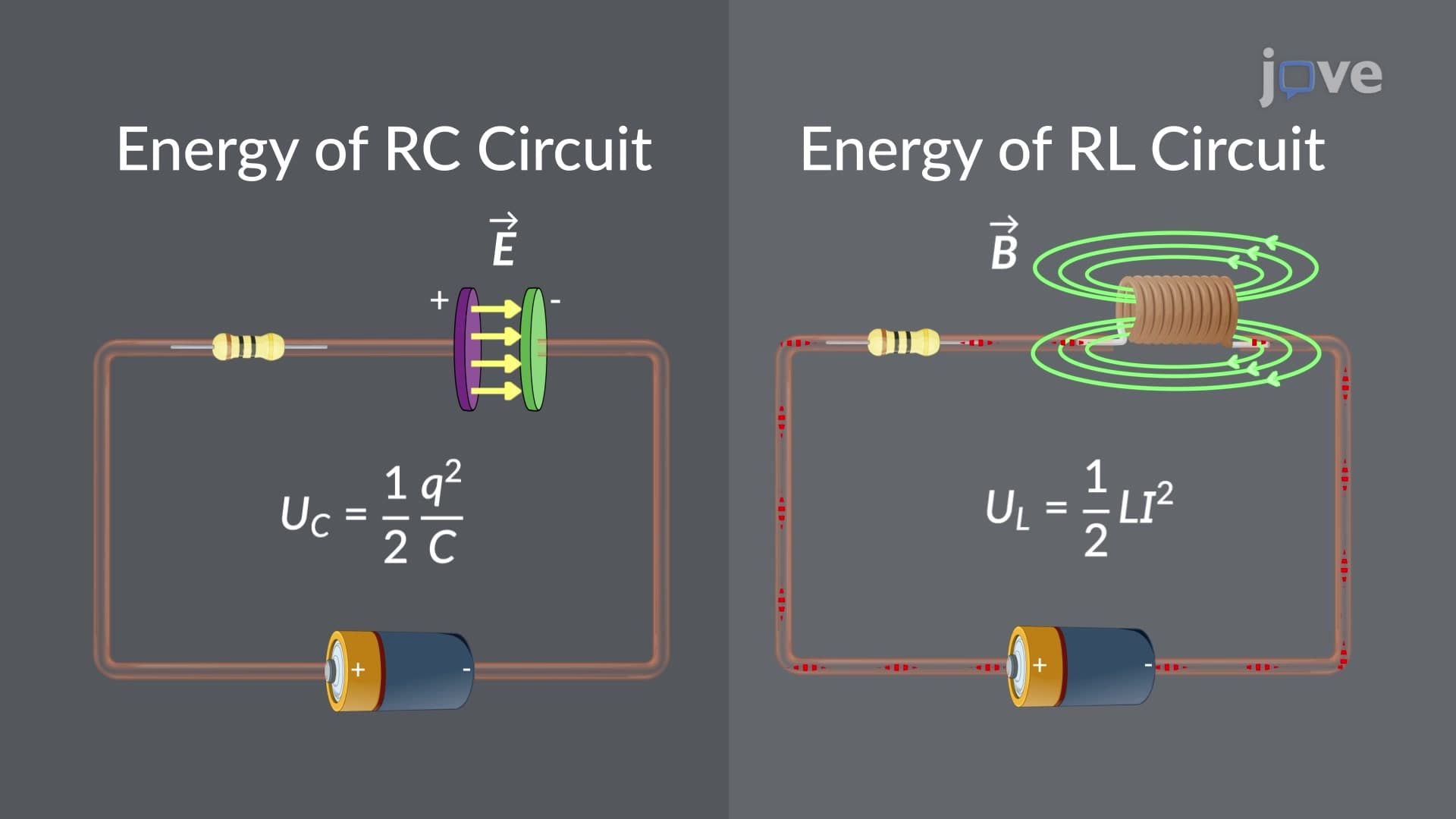
The connection between energy stored and self-inductance provides crucial insights for electrical engineering applications. Since magnetic field energy equals (1/2) × L × I², where L represents inductance, we can derive that coaxial cable inductance per unit length equals (μ₀/2π) × ln(R₂/R₁).
This relationship explains why telecommunications companies like Verizon and Comcast specify precise cable dimensions for optimal performance. Increasing the outer radius R₂ or decreasing inner radius R₁ increases inductance and energy storage capacity, but also affects signal transmission characteristics and manufacturing costs.
Understanding energy stored principles proves essential for students preparing for advanced placement (AP) Physics exams or engineering coursework at institutions like MIT, Stanford, or the University of California system. These concepts appear frequently in MCAT physics sections and electrical engineering fundamentals courses.
Real-world applications span from medical device design at companies like Medtronic in Minneapolis to aerospace systems at Boeing in Seattle. Engineers use energy storage calculations to optimize power delivery systems, minimize signal interference, and ensure reliable operation under varying environmental conditions.
Related Micro-courses