Loading video…


 13 Concepts
 38.6K views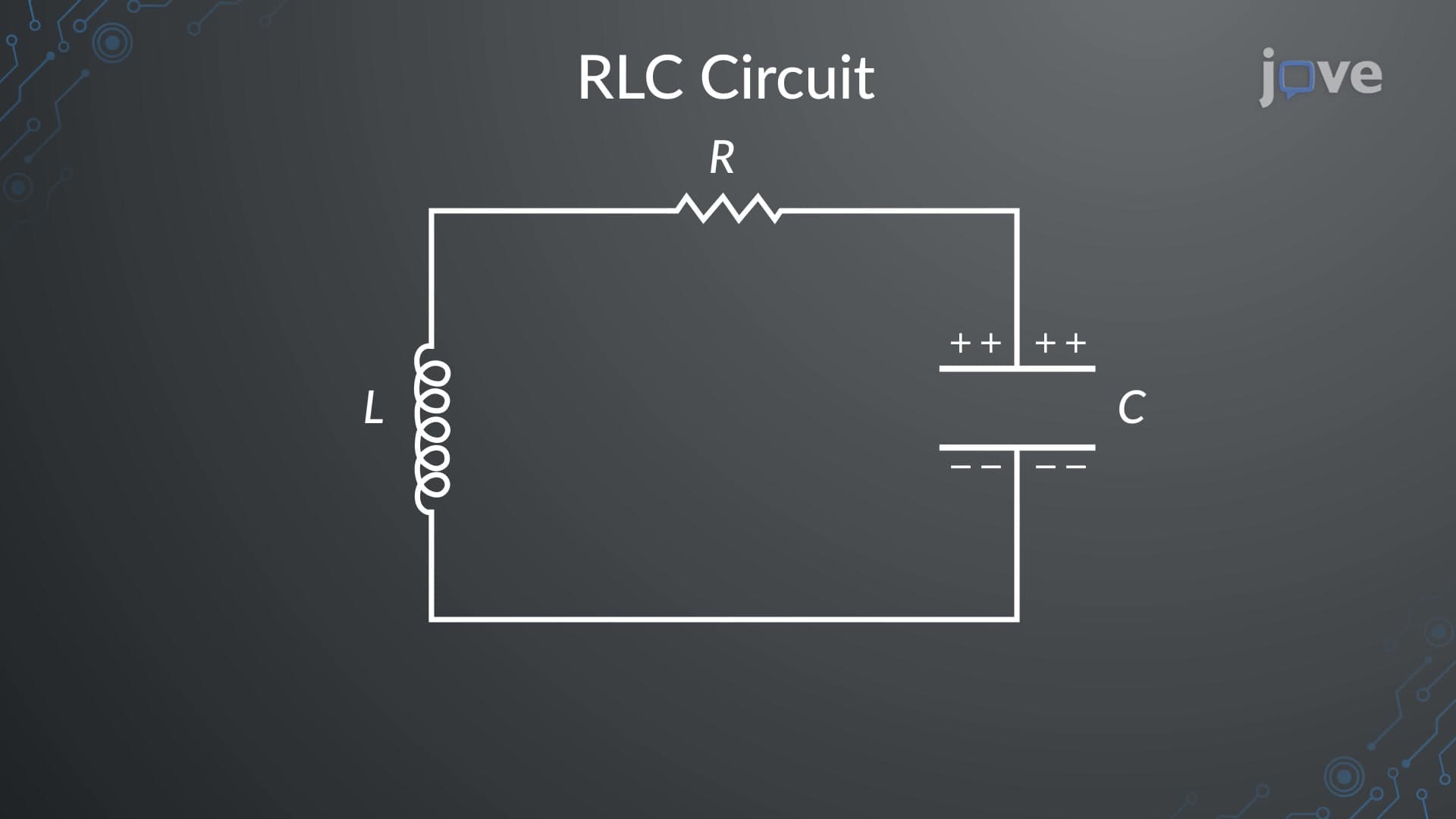

Video Summary: What are Rlc Series Circuits
Ever wondered how your smartphone's wireless charging pad knows when to stop transferring energy? RLC series circuits form the foundation of such smart power systems found throughout American homes and devices. These circuits combine resistors, inductors, and capacitors in series, creating fascinating energy oscillations that engineers harness in everything from radio transmitters to Tesla coils at science museums like the Exploratorium in San Francisco. What are RLC series circuits and why do their energy oscillations gradually decrease over time? Watch the full video on JoVE Coach to master this concept with expert-led visuals and step-by-step explanations.
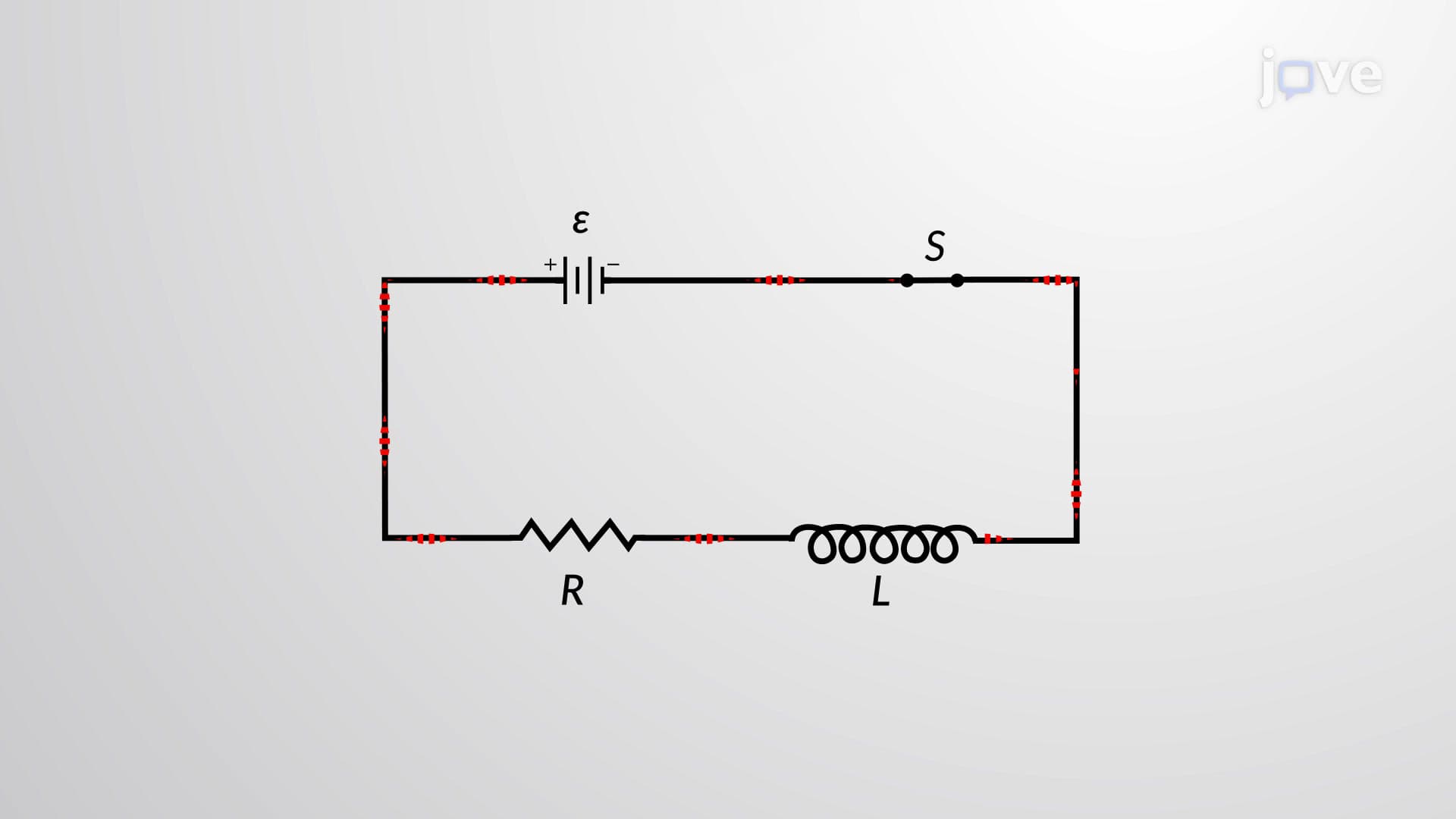
RLC series circuits represent one of the most important circuit configurations in electrical engineering, combining three fundamental passive components in a single loop. Unlike simple RC or LC circuits, these systems exhibit complex oscillatory behavior that mirrors many natural phenomena, from the motion of a damped pendulum to the vibrations in a guitar string.
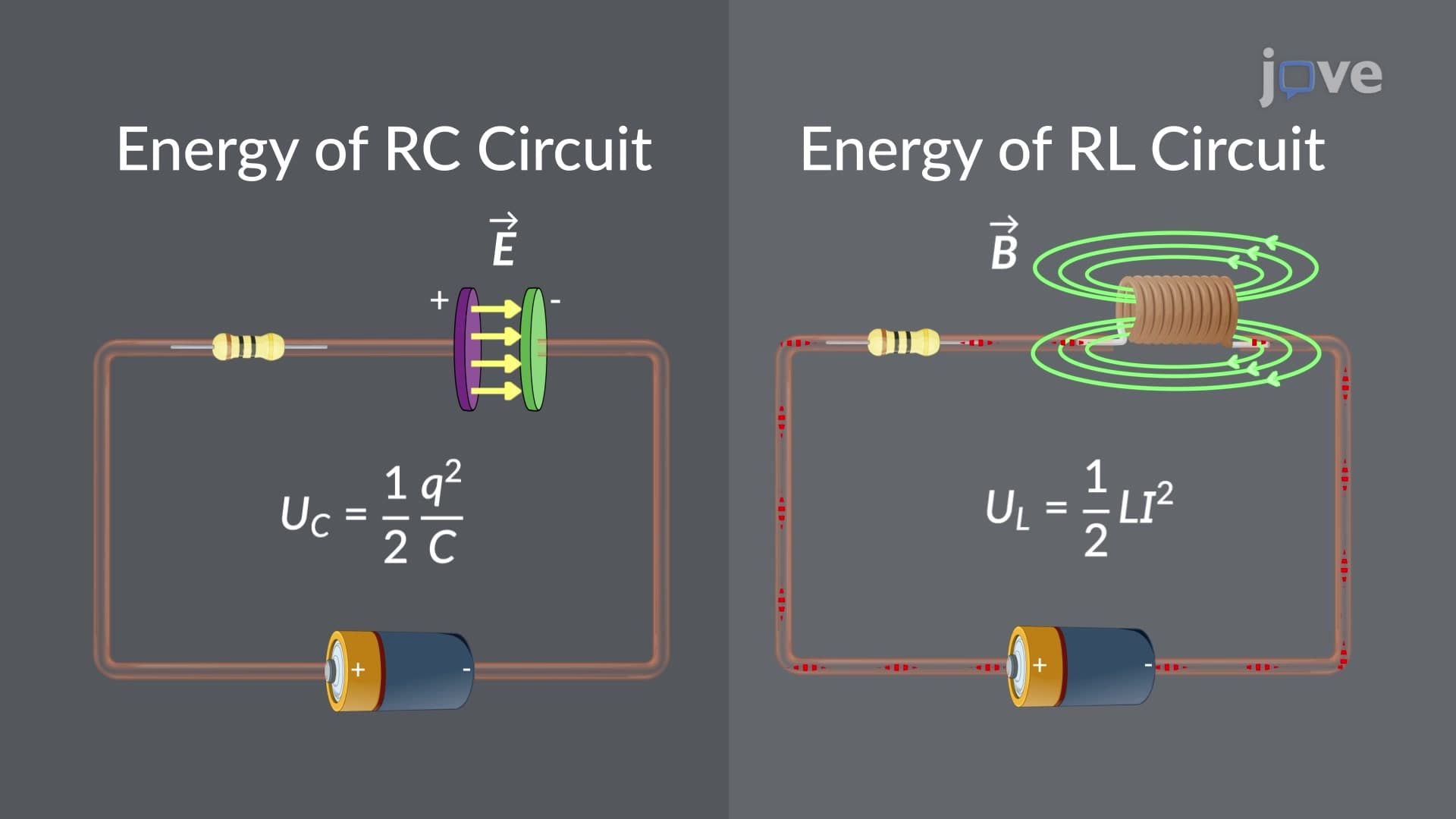
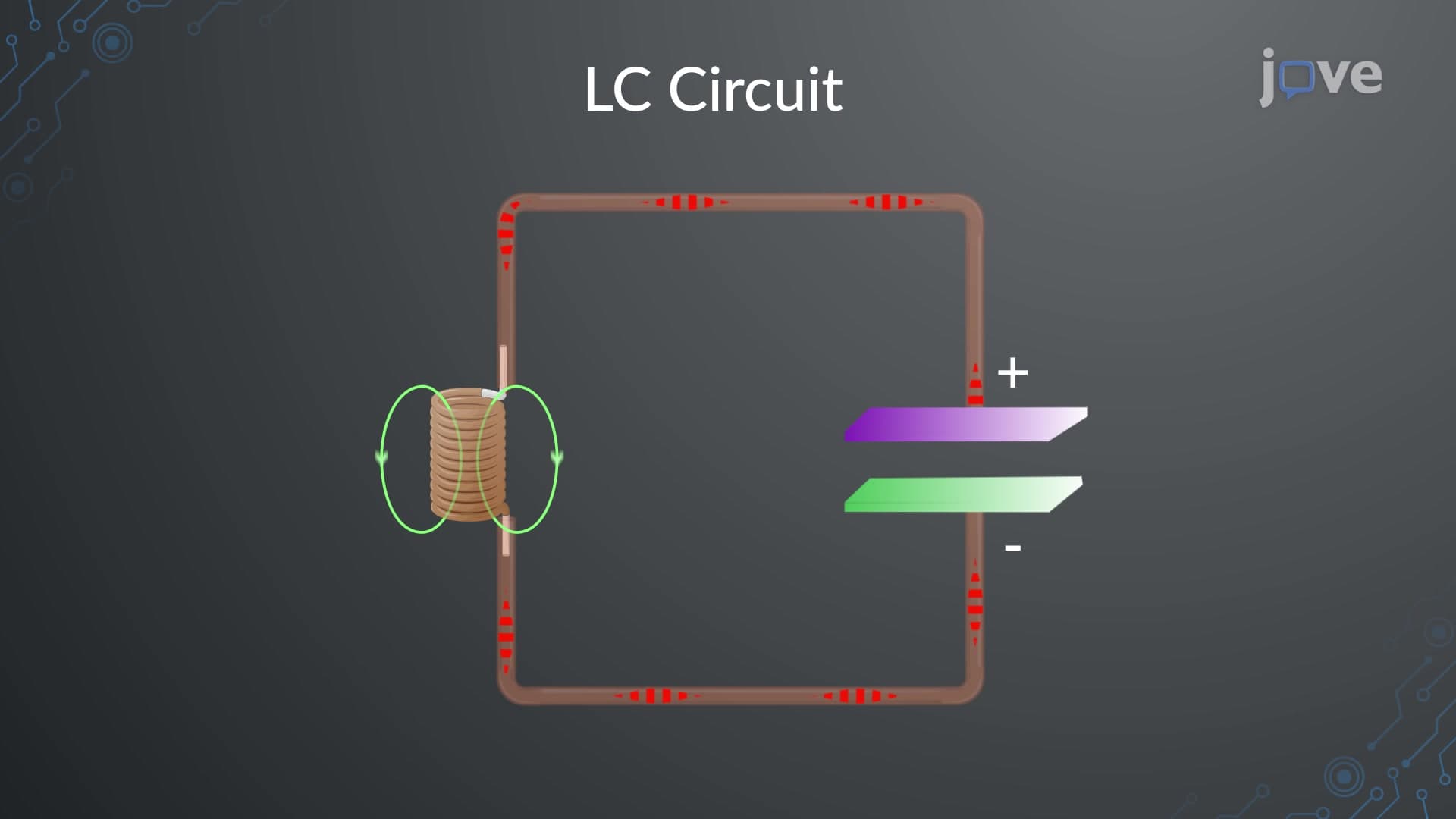
The circuit begins with a charged capacitor that stores electric field energy. When connected in series with a resistor and inductor, this energy doesn't simply discharge-it transforms back and forth between electric and magnetic forms. The capacitor releases its stored energy, creating current that flows through the inductor. This current generates a magnetic field, effectively transferring the energy from electric to magnetic form.
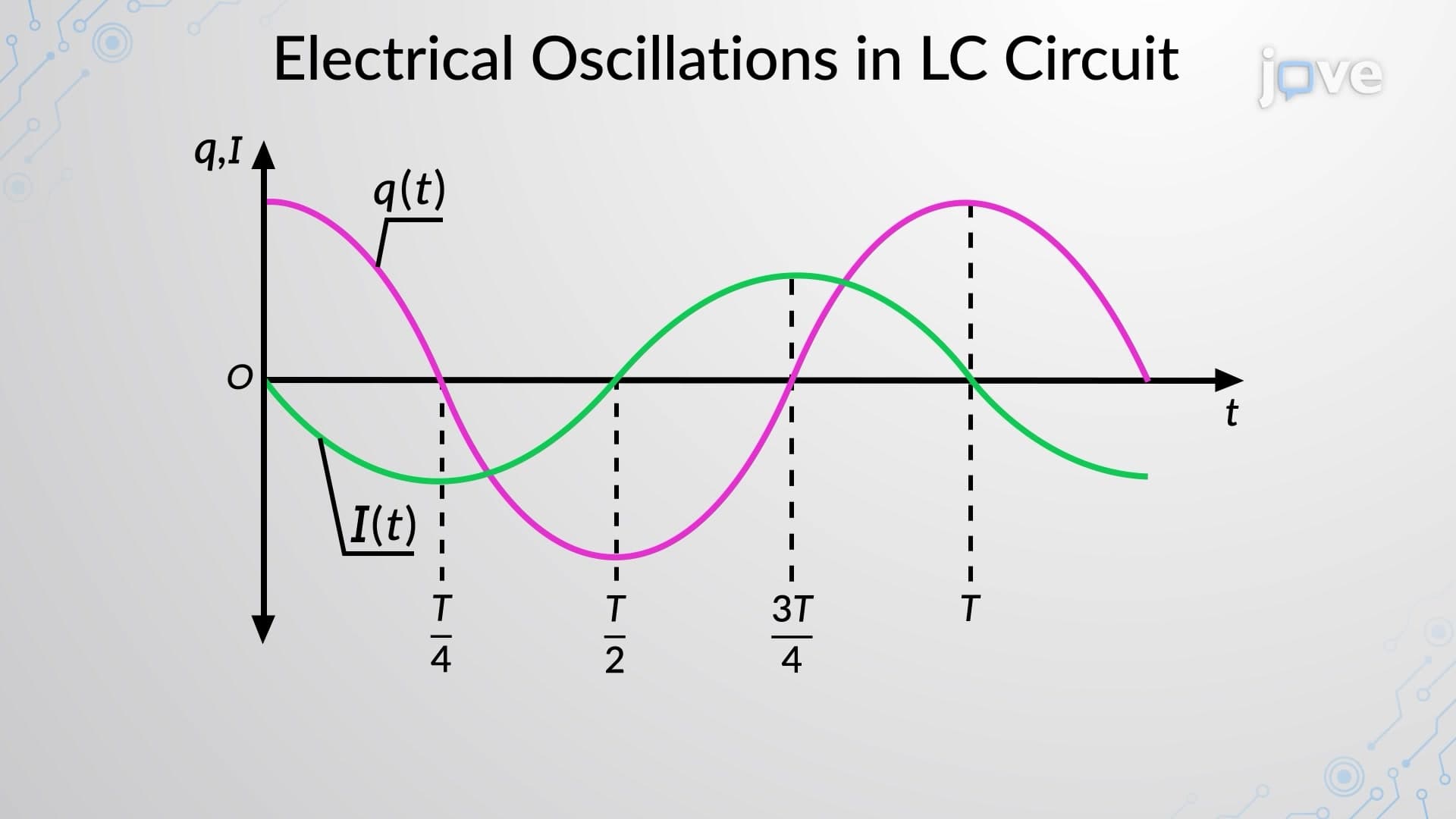
The fascinating aspect of RLC series circuits lies in their oscillatory nature. As the magnetic field in the inductor collapses, it drives current in the opposite direction, recharging the capacitor. However, the resistor continuously dissipates energy as heat, following Joule's law (P = I²R). This energy loss means each oscillation cycle has slightly less total energy than the previous one, creating the characteristic "damped oscillations" that define these circuits.
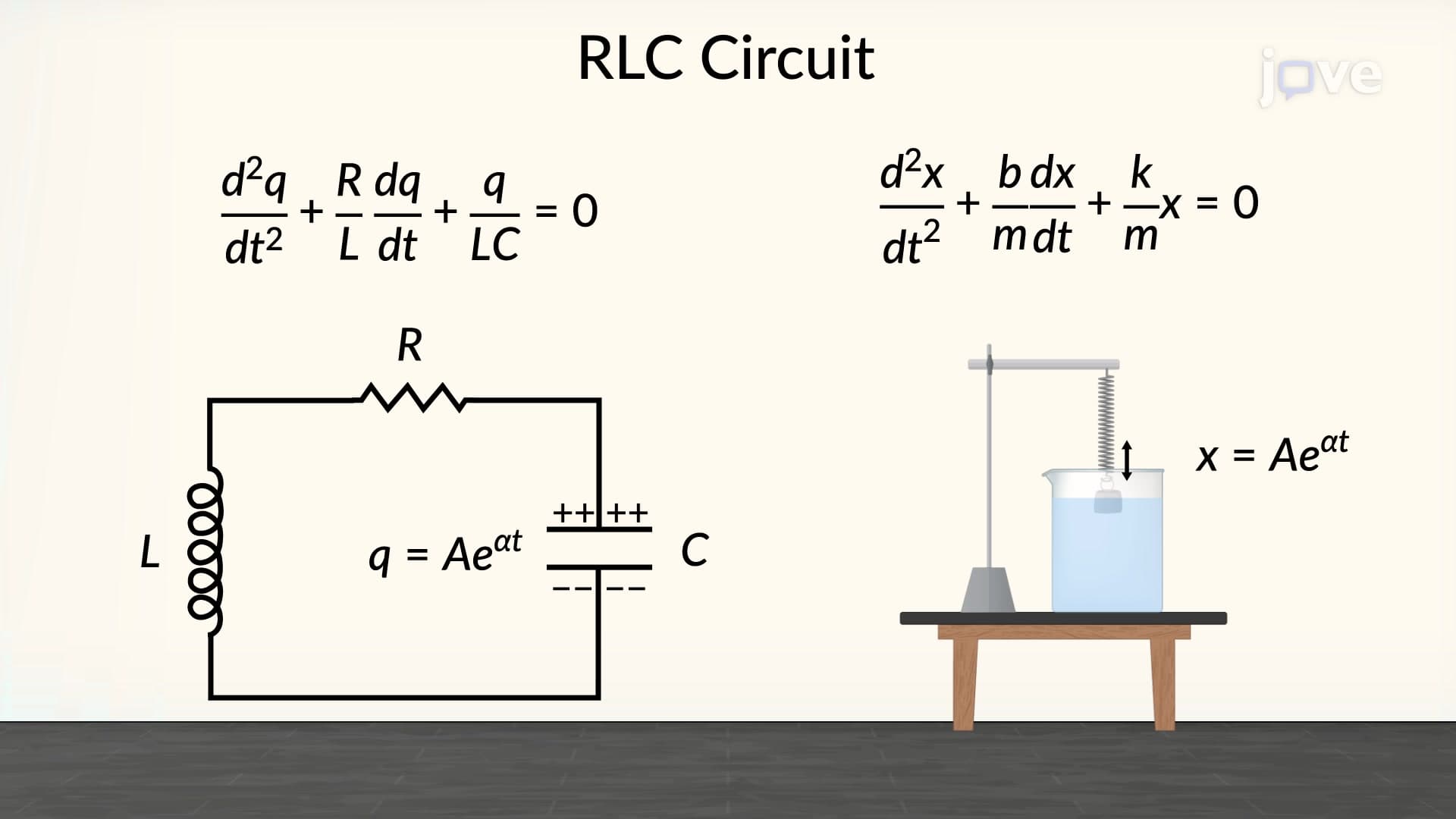
Students preparing for the AP Physics C exam will encounter this concept when studying electromagnetic oscillations. The mathematical description involves second-order differential equations similar to those describing simple harmonic motion, but with an exponential decay factor accounting for resistive losses.
The types of RLC series circuits depend critically on the resistance value relative to a critical resistance value. In underdamped circuits (low resistance), oscillations decay slowly, similar to a lightly damped pendulum. These circuits find applications in radio tuning circuits and oscillators used in AM/FM radio stations across the United States.
Critically damped circuits occur when resistance reaches a specific critical value. These circuits return to equilibrium as quickly as possible without oscillating-think of the suspension system in your car, designed to absorb road bumps without bouncing. Overdamped circuits have excessive resistance, causing very slow, non-oscillatory decay, like opening a heavy door with a strong hydraulic closer.
Understanding RLC series circuits proves essential for students pursuing engineering or physics careers. These circuits form the backbone of filter networks in audio equipment, tuning circuits in radio receivers, and even the complex impedance matching networks used in cell phone towers throughout major US cities like New York and Los Angeles.
For college-bound students, mastering this concept provides excellent preparation for university-level courses in circuit analysis and electromagnetic theory. The mathematical techniques learned here-differential equations, complex impedance, and phasor analysis-appear throughout advanced STEM curricula and standardized tests like the MCAT physics section.
Related Micro-courses