Loading video…


 13 Concepts
 38.6K views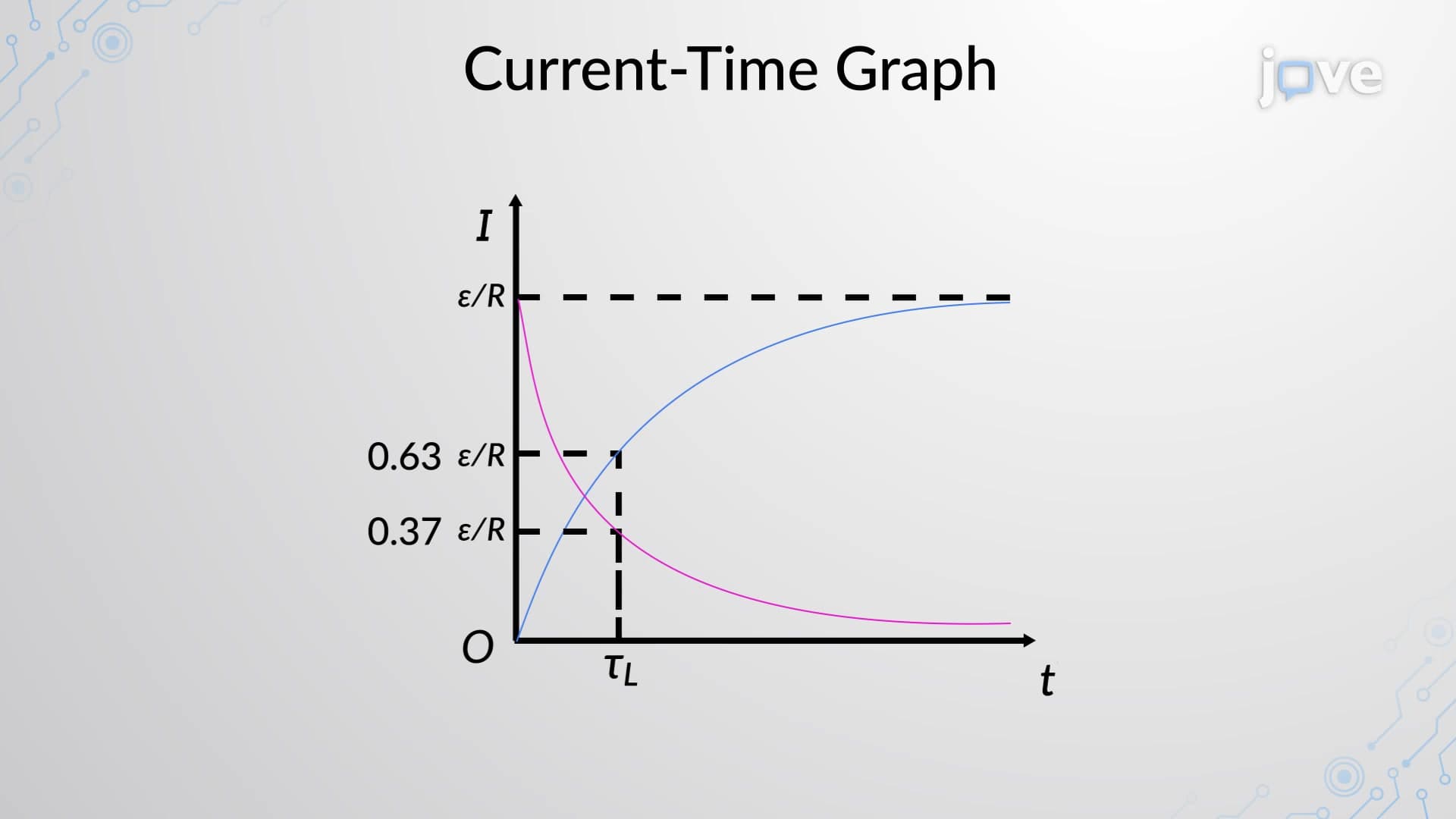

Video Summary: What Is Current Growth and Decay
Ever wonder why your car's headlights dim briefly when starting the engine? This phenomenon demonstrates current growth and decay, the gradual rise and exponential fall of electrical current in circuits containing inductors. In automotive electrical systems across the United States, inductors create temporary resistance to current changes, causing lights to dim during engine startup. What is Current Growth And Decay governs how quickly electrical devices reach full power and how they shut down. Watch the full video on JoVE Coach to master this concept with expert-led visuals and step-by-step explanations.
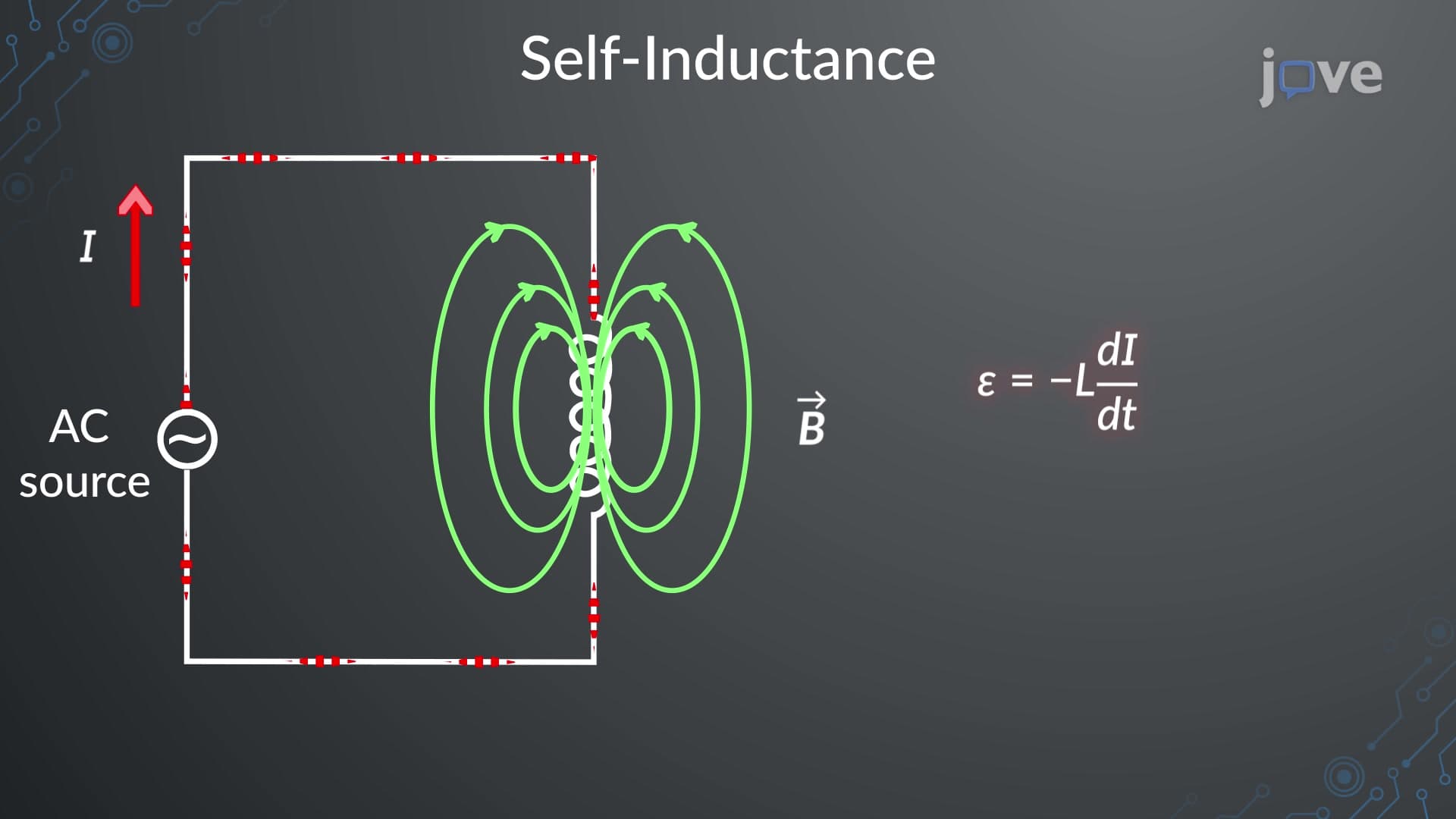
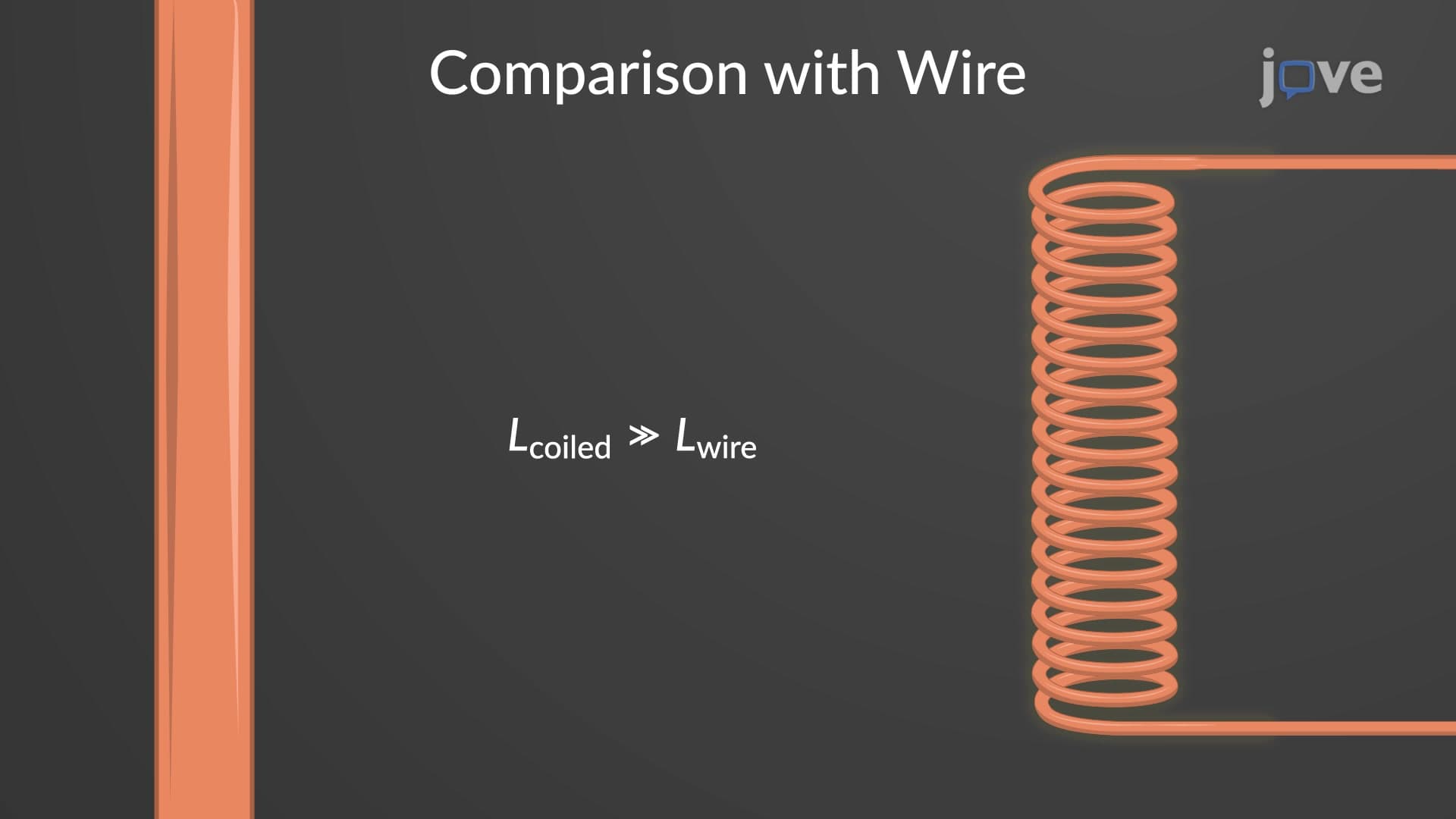
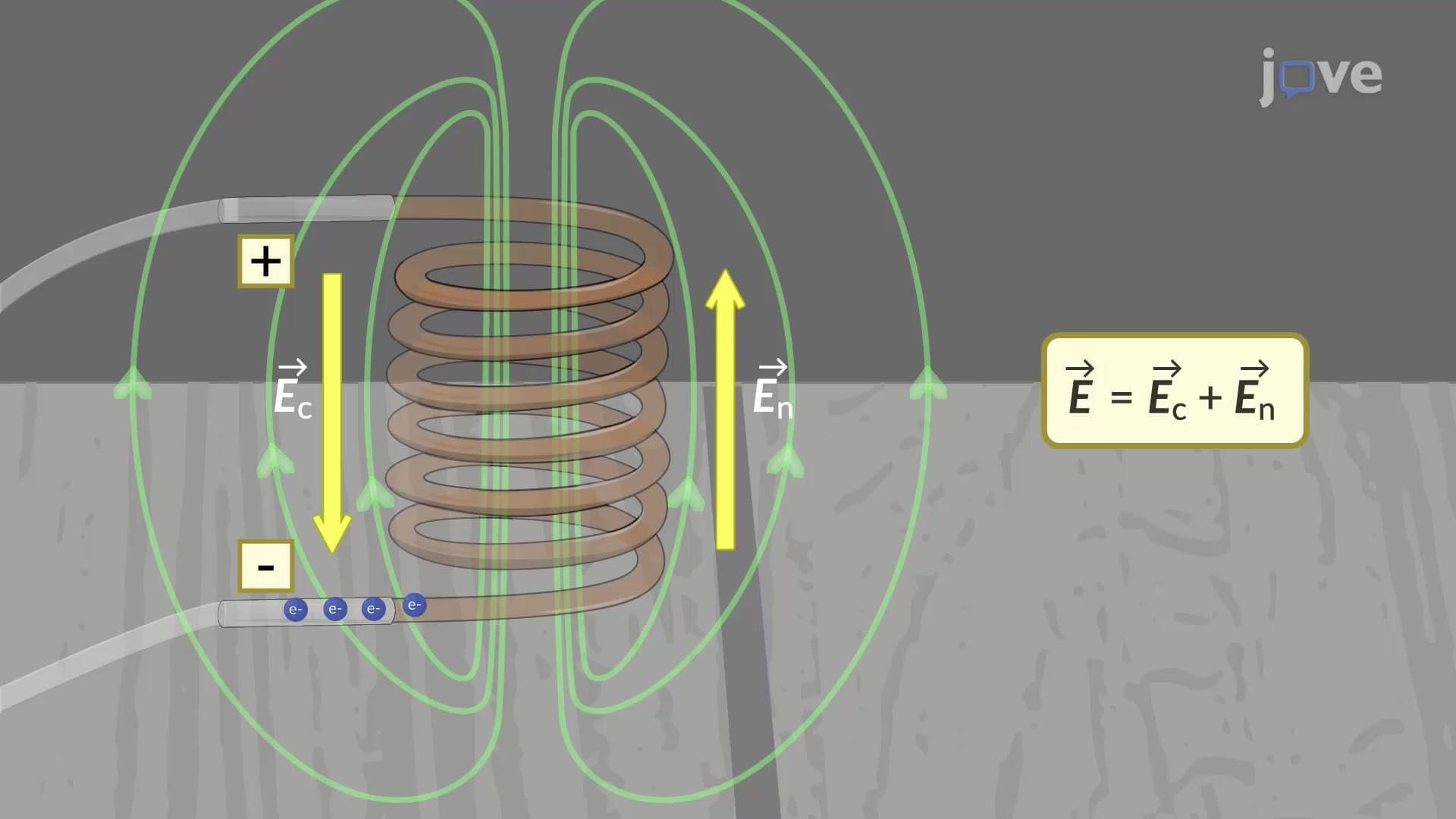
Current growth and decay definition describes how electrical current behaves in circuits containing inductors (coils of wire). Unlike simple resistive circuits where current instantly reaches its final value, RL circuits exhibit time-dependent behavior. The inductor opposes changes in current flow, creating a "magnetic inertia" that causes gradual transitions.
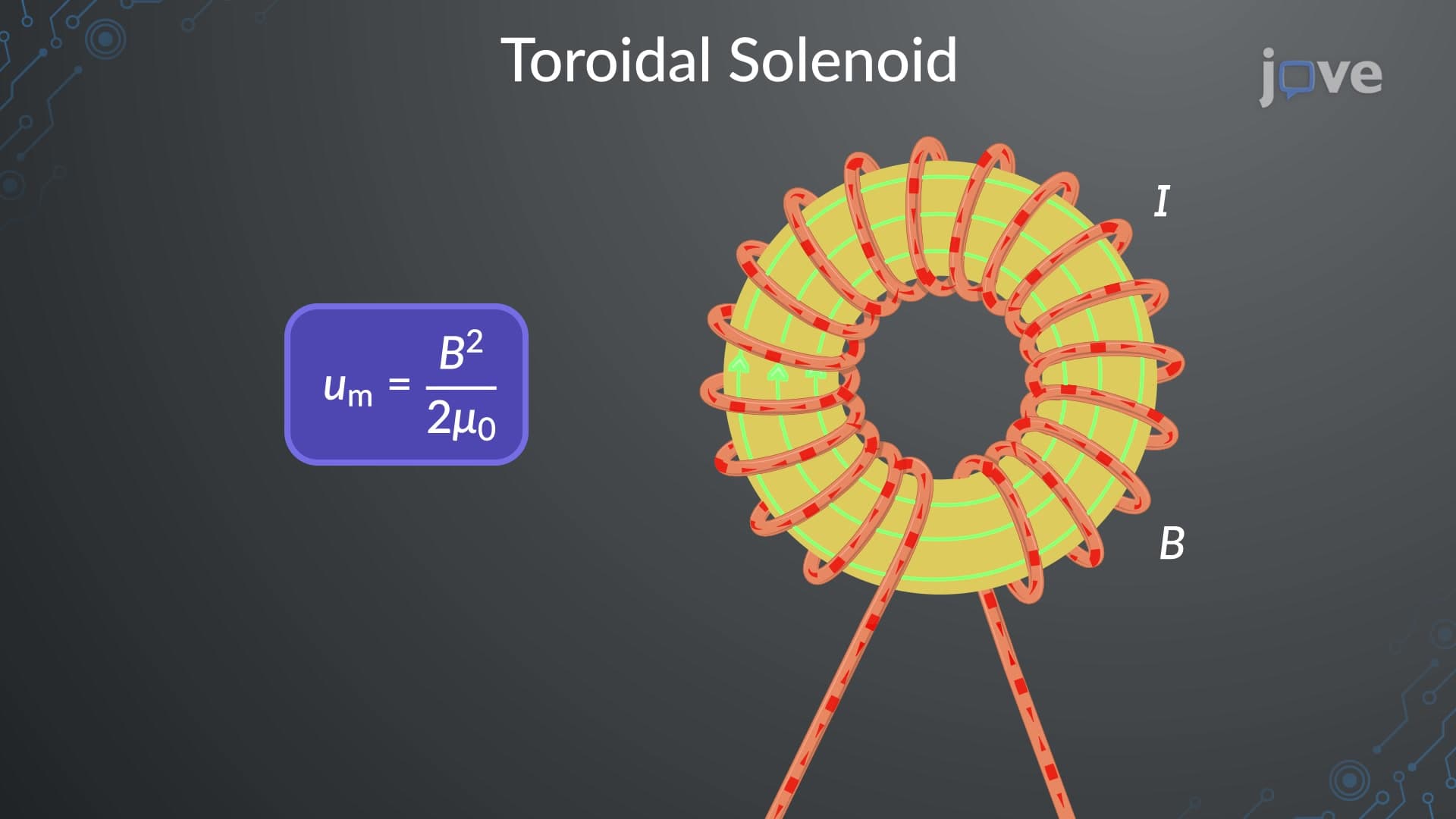
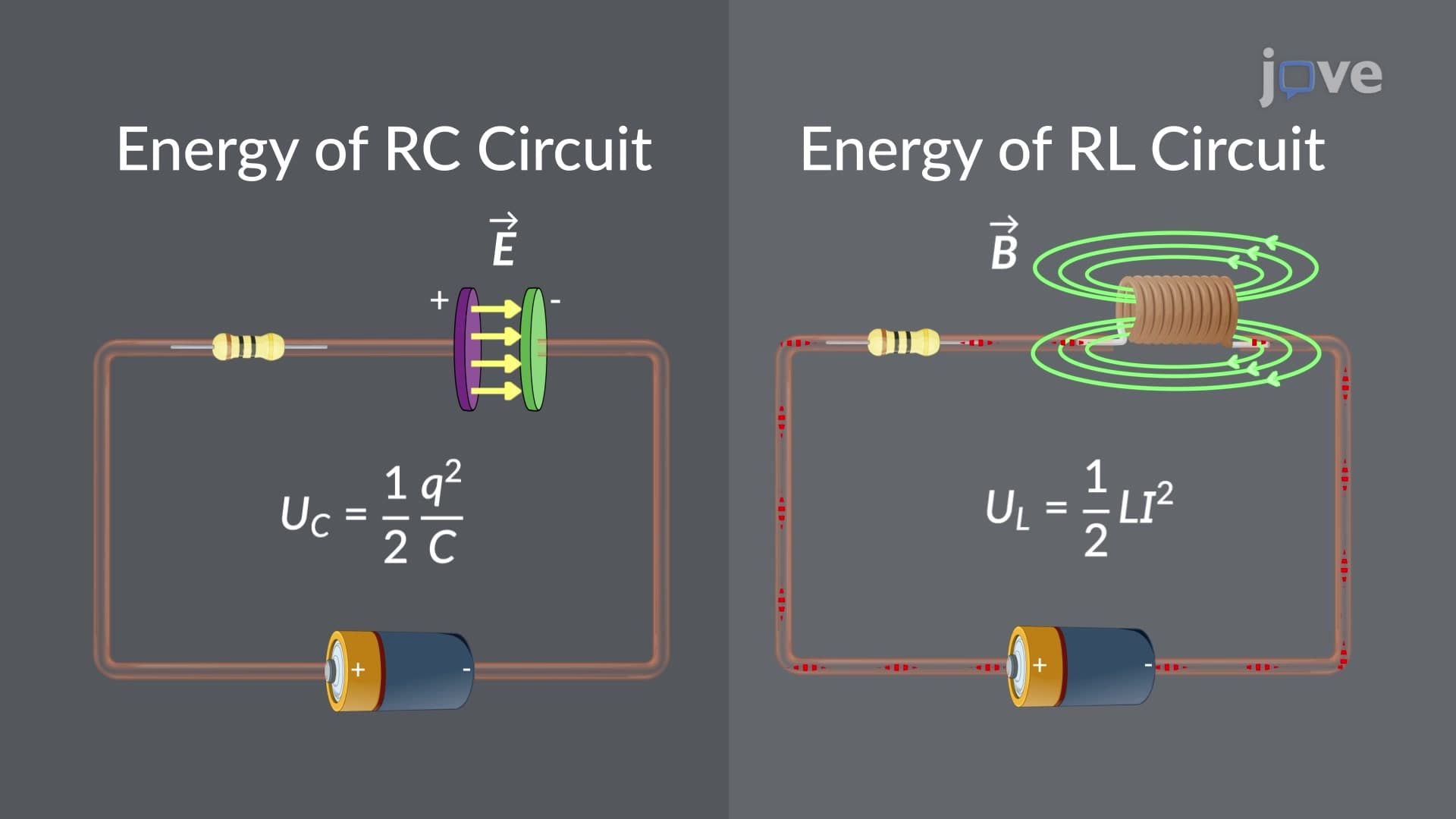
This concept appears frequently on AP Physics exams and college-level electrical engineering courses. Students must understand that inductors store energy in magnetic fields, similar to how capacitors store energy in electric fields.
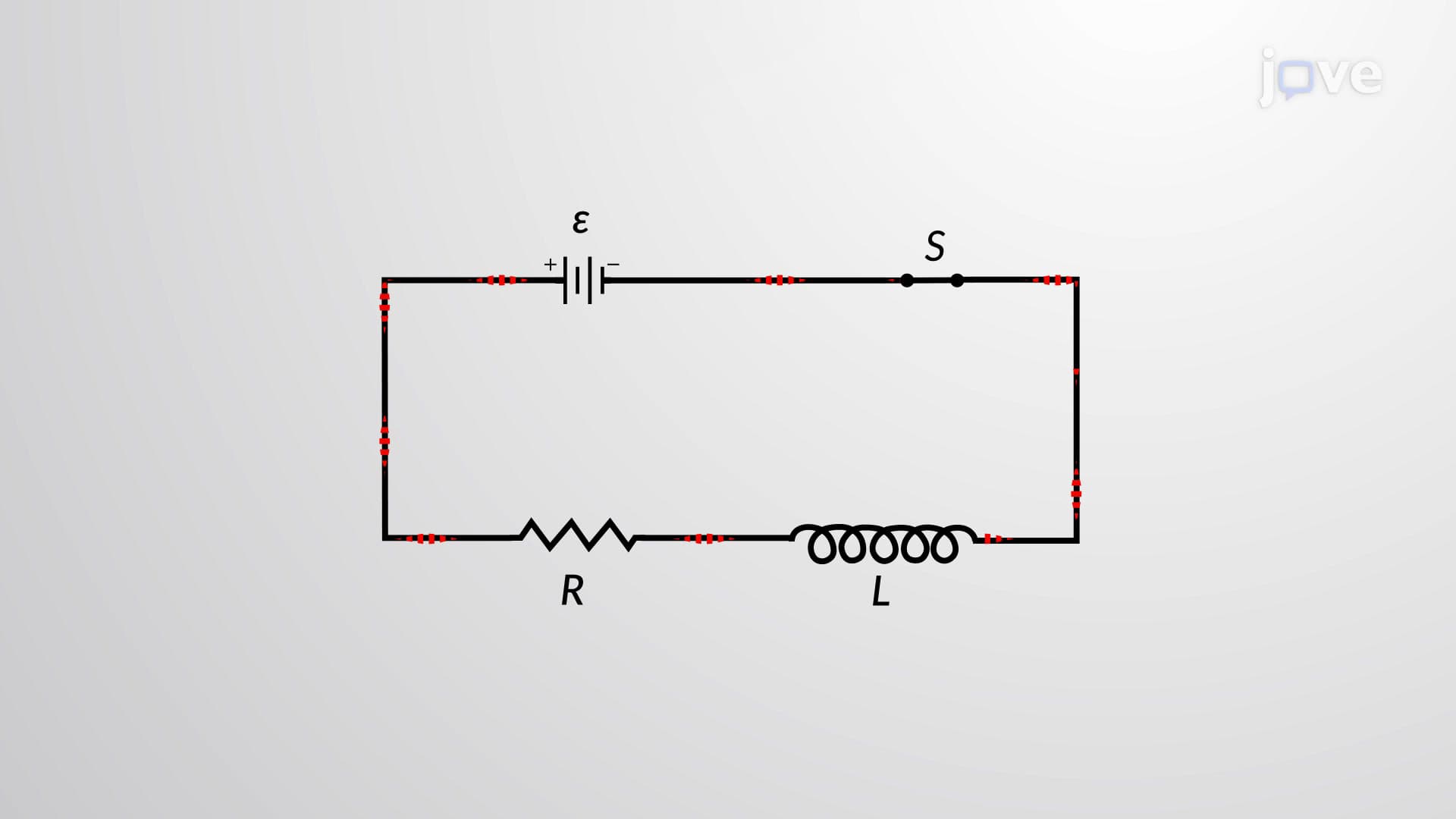
When connecting a battery to an RL circuit, current growth and decay overview begins with the growth phase. Initially, the inductor opposes current flow, causing zero initial current. Using Kirchhoff's voltage law: V = IR + L(di/dt), where V is applied voltage, I is current, R is resistance, L is inductance, and di/dt represents current change rate.
Solving this differential equation yields: I(t) = (V/R)(1 - e^(-Rt/L))
The current growth and decay concept shows that current approaches its steady-state value (V/R) exponentially. At t = L/R (one time constant), current reaches 63% of its final value. This mathematical relationship frequently appears on MCAT physics sections and engineering coursework.
Current growth and decay study guide materials emphasize the decay phase, which occurs when removing the voltage source. The inductor now acts as a temporary voltage source, maintaining current flow. The governing equation becomes: 0 = IR + L(di/dt), leading to exponential decay: I(t) = I₀e^(-Rt/L).
During decay, current drops to 37% of its initial value at one time constant. This behavior explains why fluorescent lights in US office buildings gradually dim rather than instantly turning off.
Understanding current growth and decay proves essential in power system design across America's electrical grid. Transmission line inductance affects how quickly power changes can occur, influencing grid stability during peak demand periods.
The time constant τ = L/R determines switching speed in electronic devices. Computer processors use this principle in switching circuits, while automotive ignition systems rely on inductor behavior for spark timing. Current growth and decay basics appear in numerous engineering applications, from MRI machines to electric vehicle charging systems.
Related Micro-courses