Loading video…


 13 Concepts
 38.6K views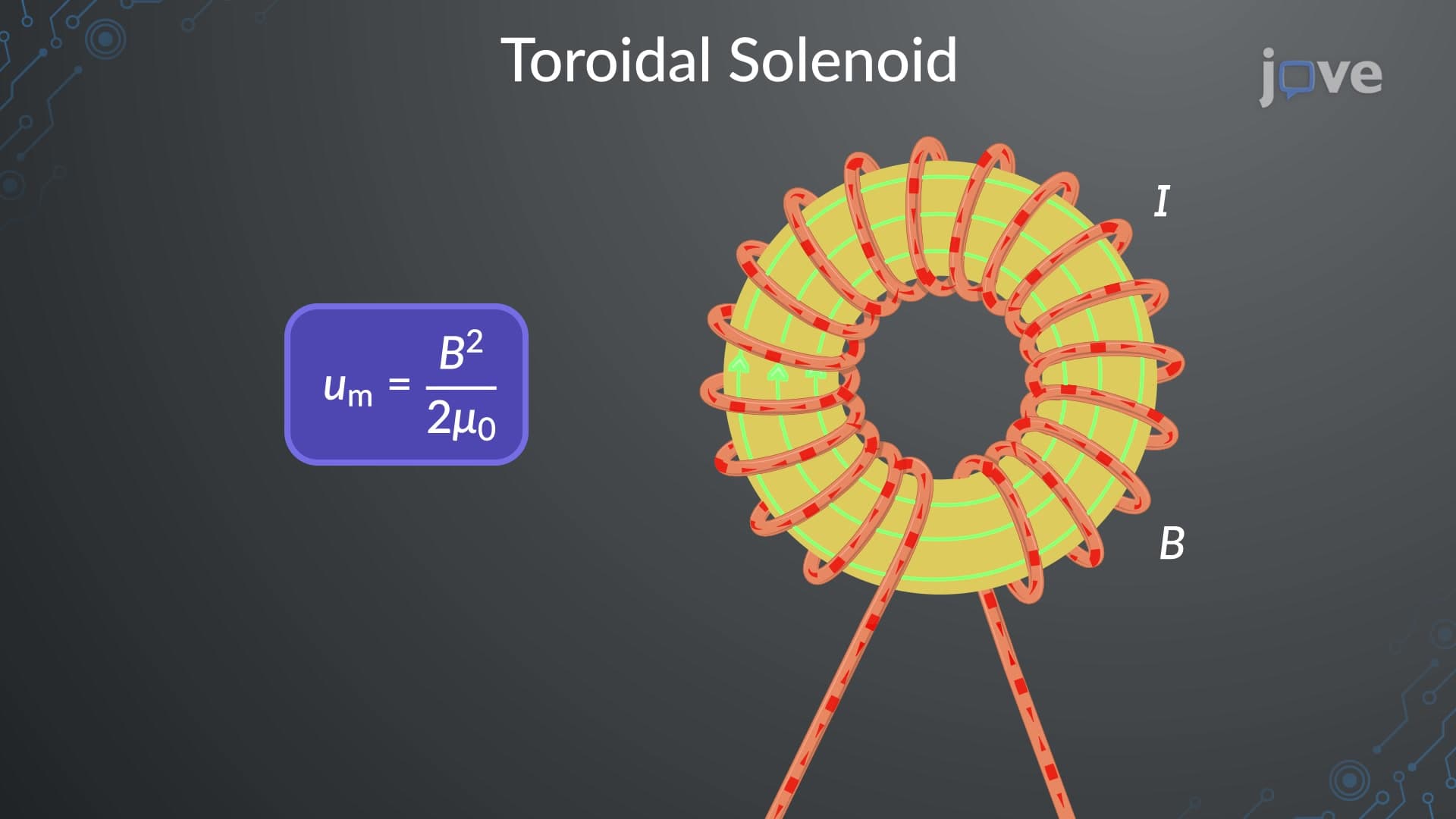

Video Summary: Energy in a Magnetic Field Explained
Ever wondered how the massive speakers at a concert can produce thunderous bass that shakes an entire stadium? The secret lies in energy in a magnetic field, the stored energy that powers electromagnetic devices from MRI machines at Johns Hopkins Hospital to the electric motors in Tesla vehicles. When current flows through an inductor, it creates a magnetic field that stores energy, much like a compressed spring stores mechanical energy. This fundamental concept explains how inductors oppose current changes and why power grids use massive inductors for energy storage. Watch the full video on JoVE Coach to master this concept with expert-led visuals and step-by-step explanations.
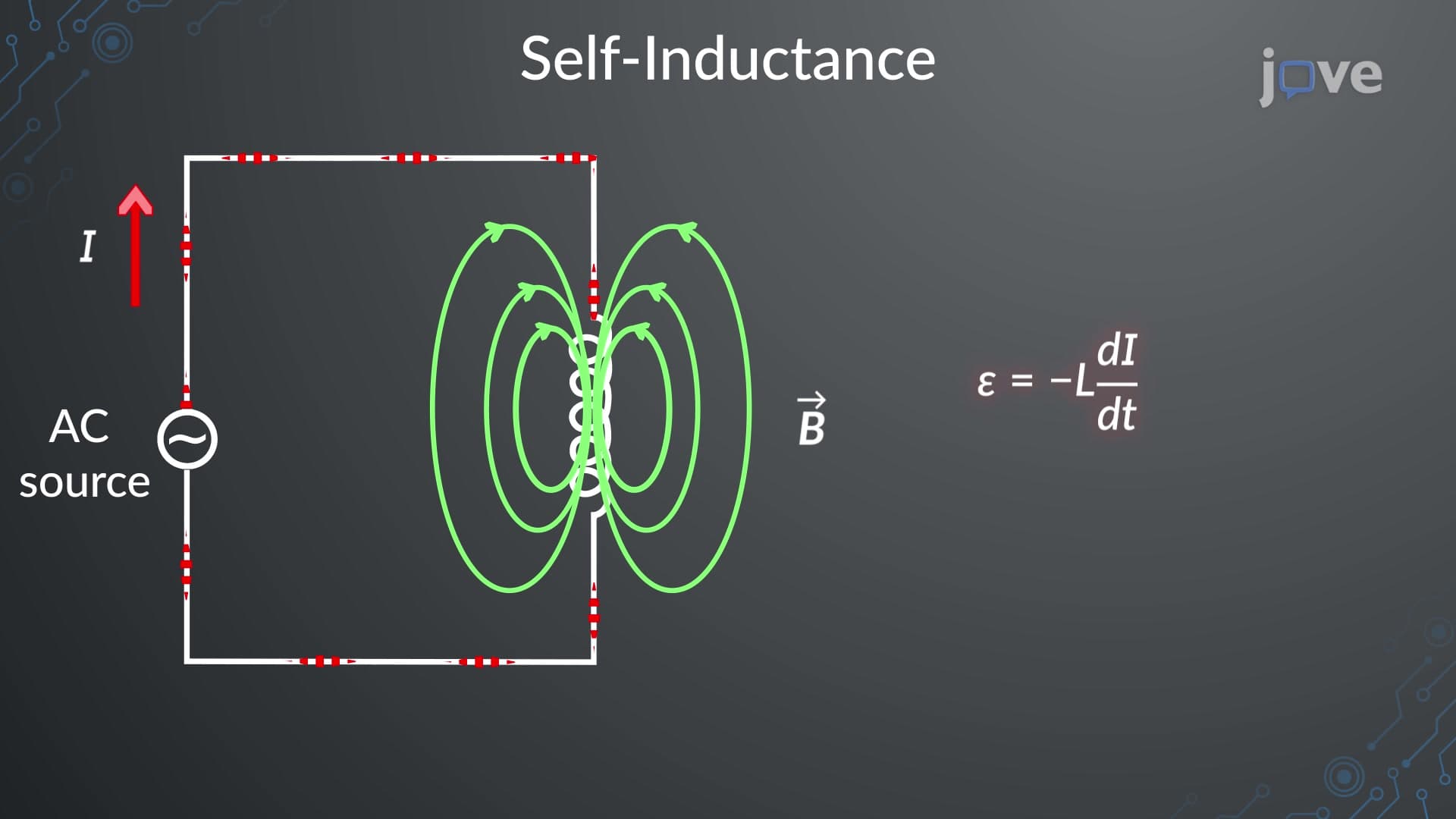
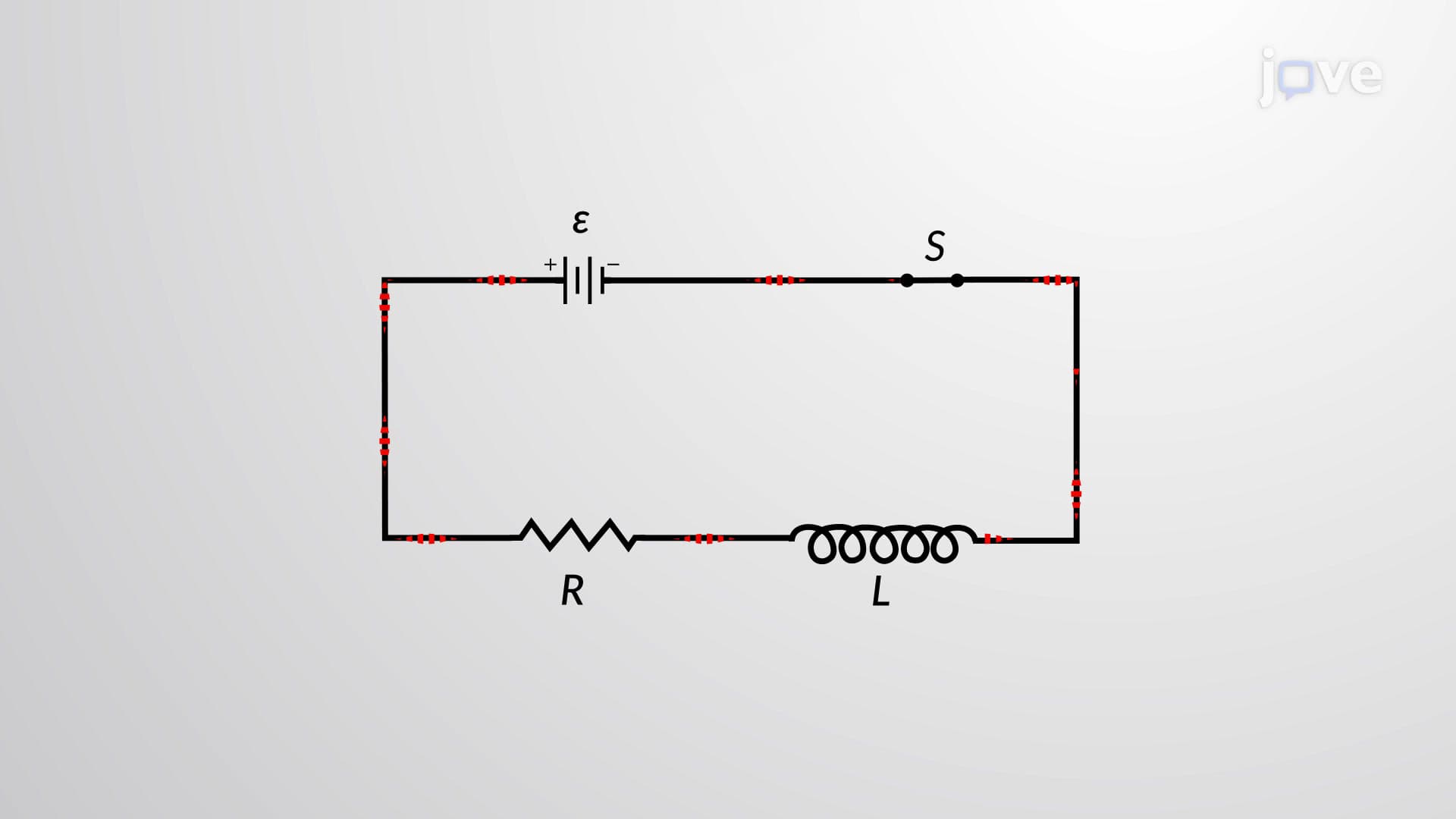
Energy in a magnetic field represents one of the most elegant examples of energy storage in electromagnetic systems. When an inductor connects to a voltage source, it doesn't simply allow current to flow, instead, it actively opposes current changes through electromagnetic induction. This opposition creates a fascinating energy storage mechanism that powers everything from the ignition systems in Ford F-150 trucks to the magnetic levitation systems being developed for hyperloop transportation.
The mathematical foundation begins with instantaneous power: P = V × I, where the voltage across an ideal inductor equals L(dI/dt). This relationship reveals that power flows into the inductor when current increases and flows out when current decreases, demonstrating the reversible nature of magnetic energy storage.
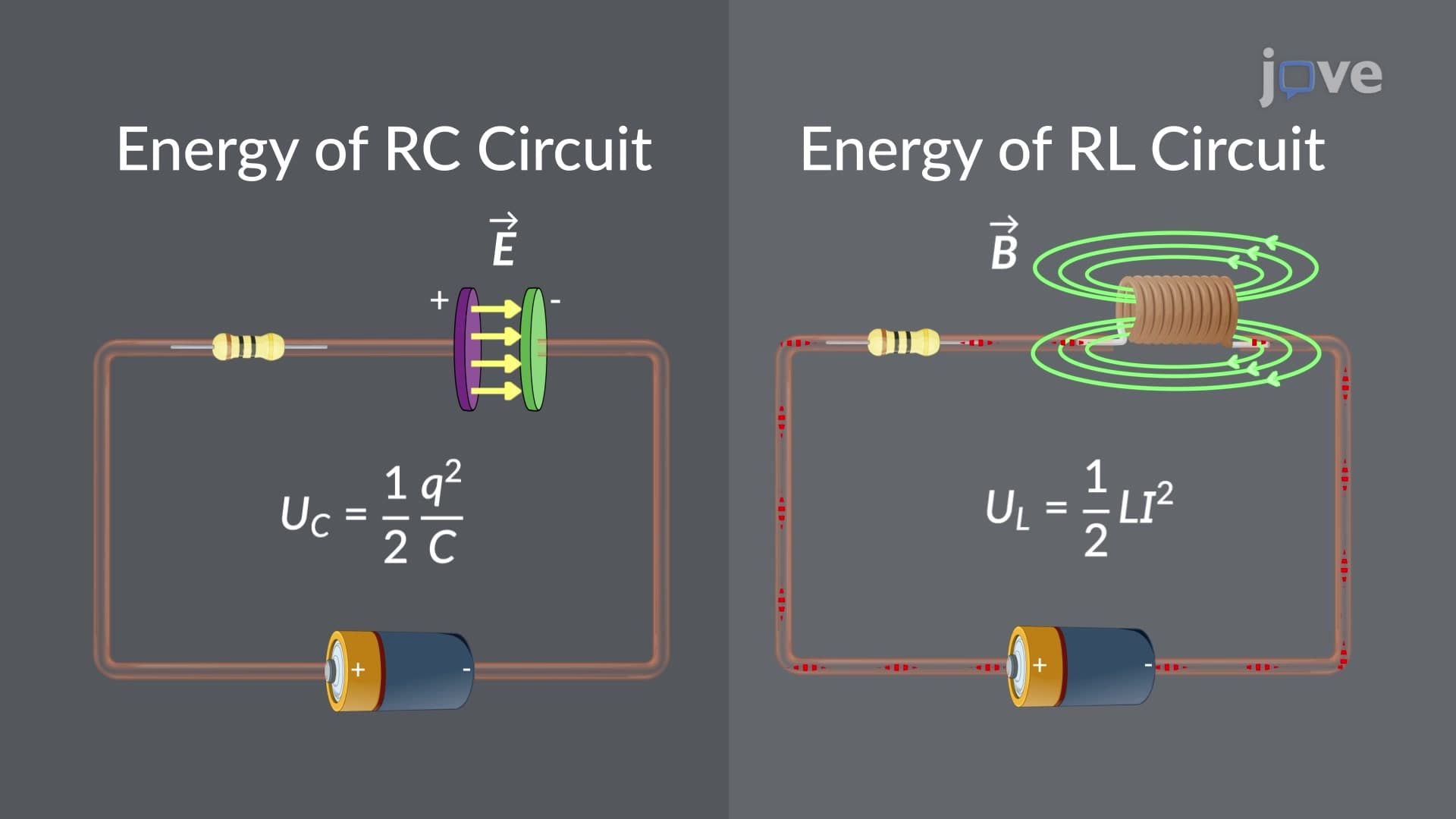
The energy stored in an inductor's magnetic field equals U = (1/2)LI², derived by integrating power over time from zero current to final current I. This integration assumes no initial stored energy, a crucial boundary condition that appears frequently on AP Physics C exams and college-level electromagnetism courses.
For students preparing for the MCAT or engineering entrance exams, remember that this energy storage occurs without resistive losses in ideal inductors. Unlike capacitors that store energy in electric fields, inductors store energy in the surrounding magnetic field, making them invaluable for power factor correction in industrial facilities like those operated by General Electric.
Real-world applications require understanding magnetic energy density: the energy stored per unit volume. In toroidal inductors, commonly found in switching power supplies for computers and LED lighting, the magnetic field remains largely confined within the core material. The energy density equals u = B²/(2μ), where B represents magnetic field strength and μ represents magnetic permeability.
This concept proves essential for students pursuing electrical engineering at institutions like MIT or Stanford. Power grid engineers use these calculations when designing transformers for substations, where magnetic energy storage and release must be precisely controlled to maintain stable electricity distribution across cities.
When core materials other than vacuum fill the inductor (such as ferrite cores in electronics), the magnetic permeability μ significantly exceeds μ₀ (vacuum permeability). This increased permeability allows smaller inductors to store equivalent energy, explaining why smartphone chargers can be so compact yet efficient. Students tackling college physics courses will encounter these modified expressions regularly, particularly when analyzing energy storage in electric vehicles or renewable energy systems.
Related Micro-courses