Loading video…


 13 Concepts
 38.6K views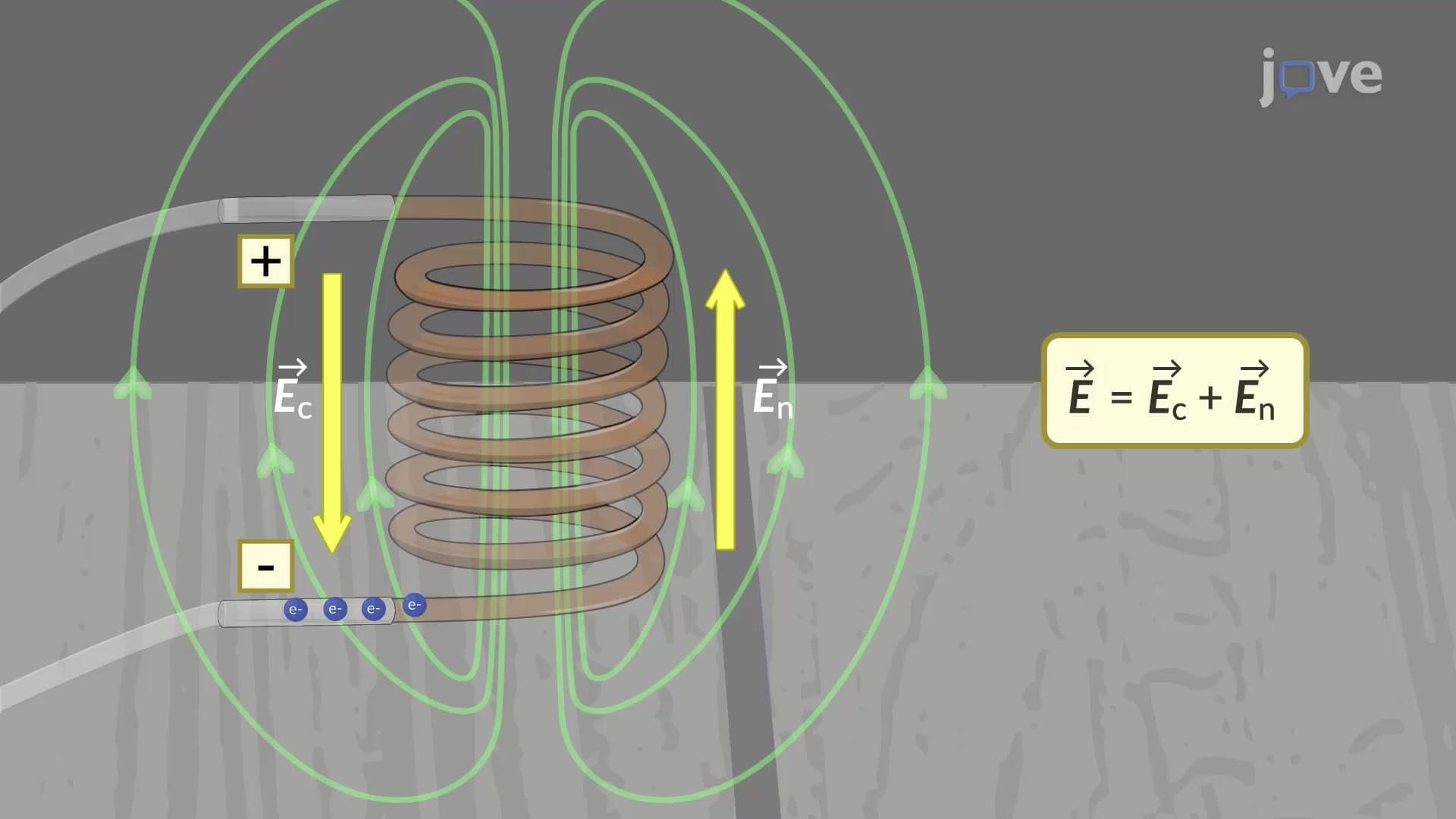

Video Summary: What Is Inductors
Ever wonder how your smartphone's wireless charger transfers power without any physical connection? The secret lies in energy stored in inductors, coiled wire components that create magnetic fields when current flows through them. From Tesla's power grid transformers in California to MRI machines at Johns Hopkins Hospital, inductors are everywhere in modern technology. What is inductors becomes clear when you understand how these simple coils of wire can store energy magnetically, generate back EMF through Faraday's law, and create the foundation for electromagnetic induction. Watch the full video on JoVE Coach to master this concept with expert-led visuals and step-by-step explanations.
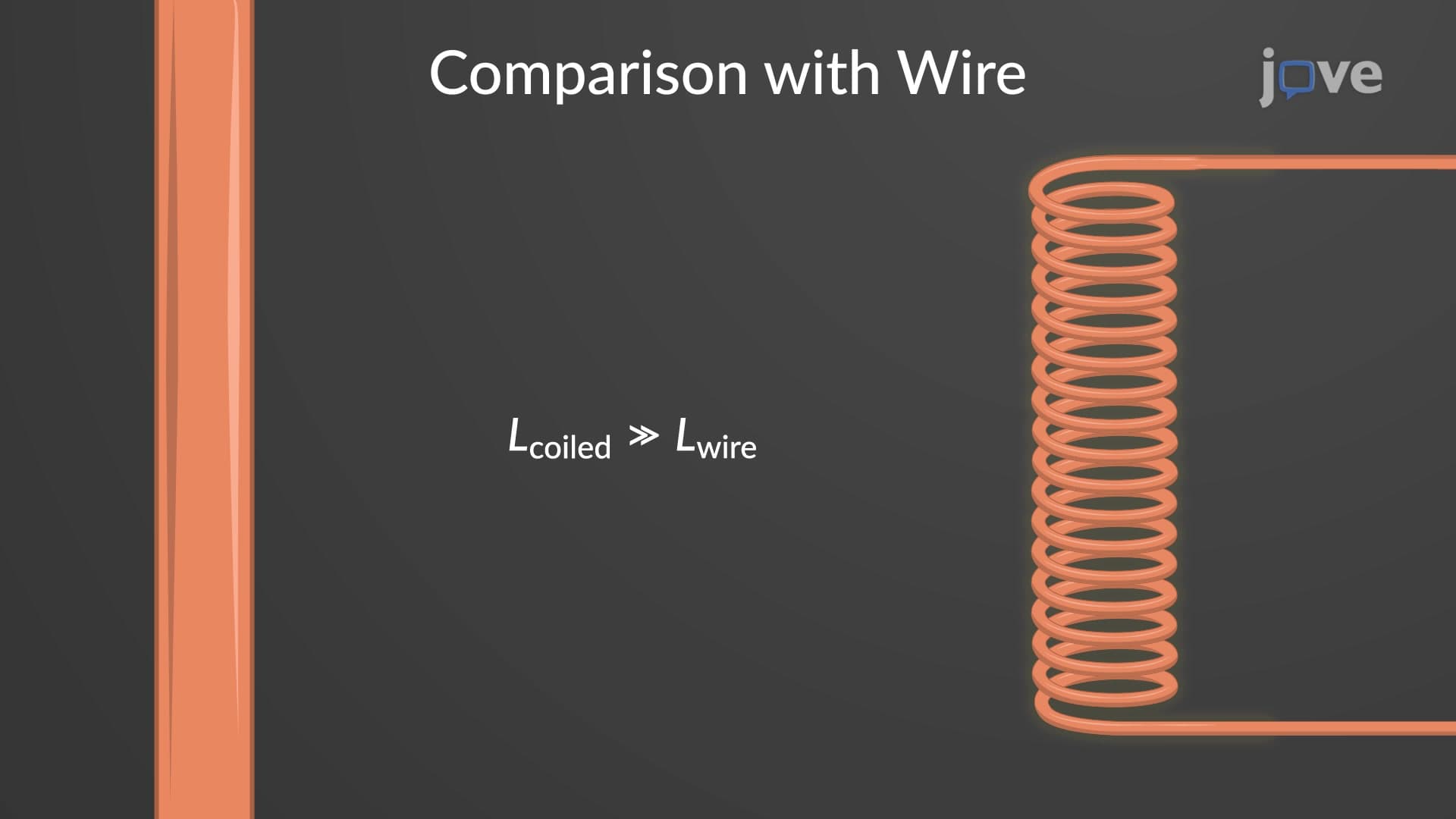
Energy stored in inductors represents one of the most fundamental concepts in electrical engineering and physics. An inductor consists of coiled wire that creates a magnetic field when current flows through it. This magnetic field stores energy, making inductors essential components in everything from car ignition systems to the power grid infrastructure managed by companies like Pacific Gas & Electric.
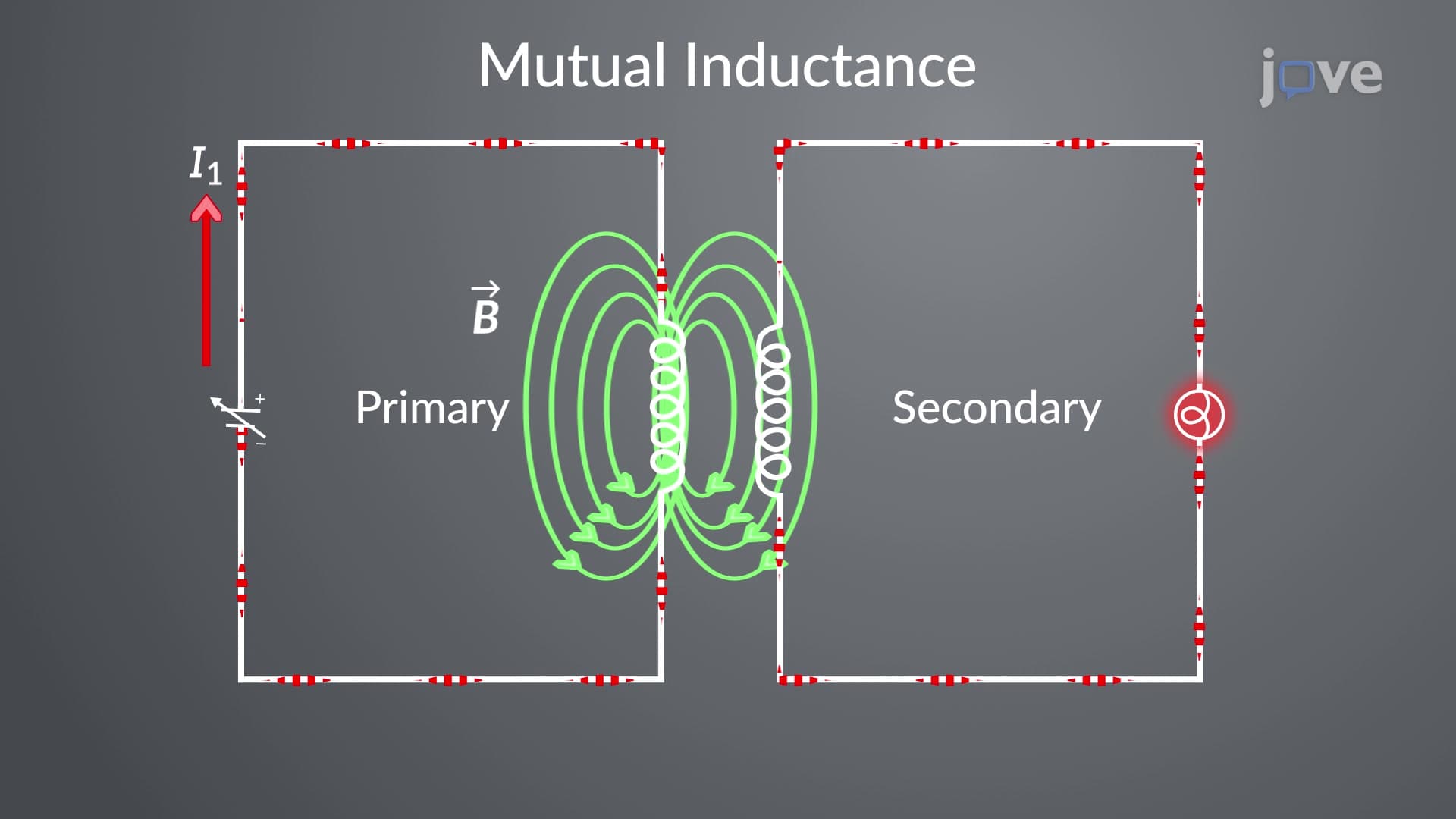
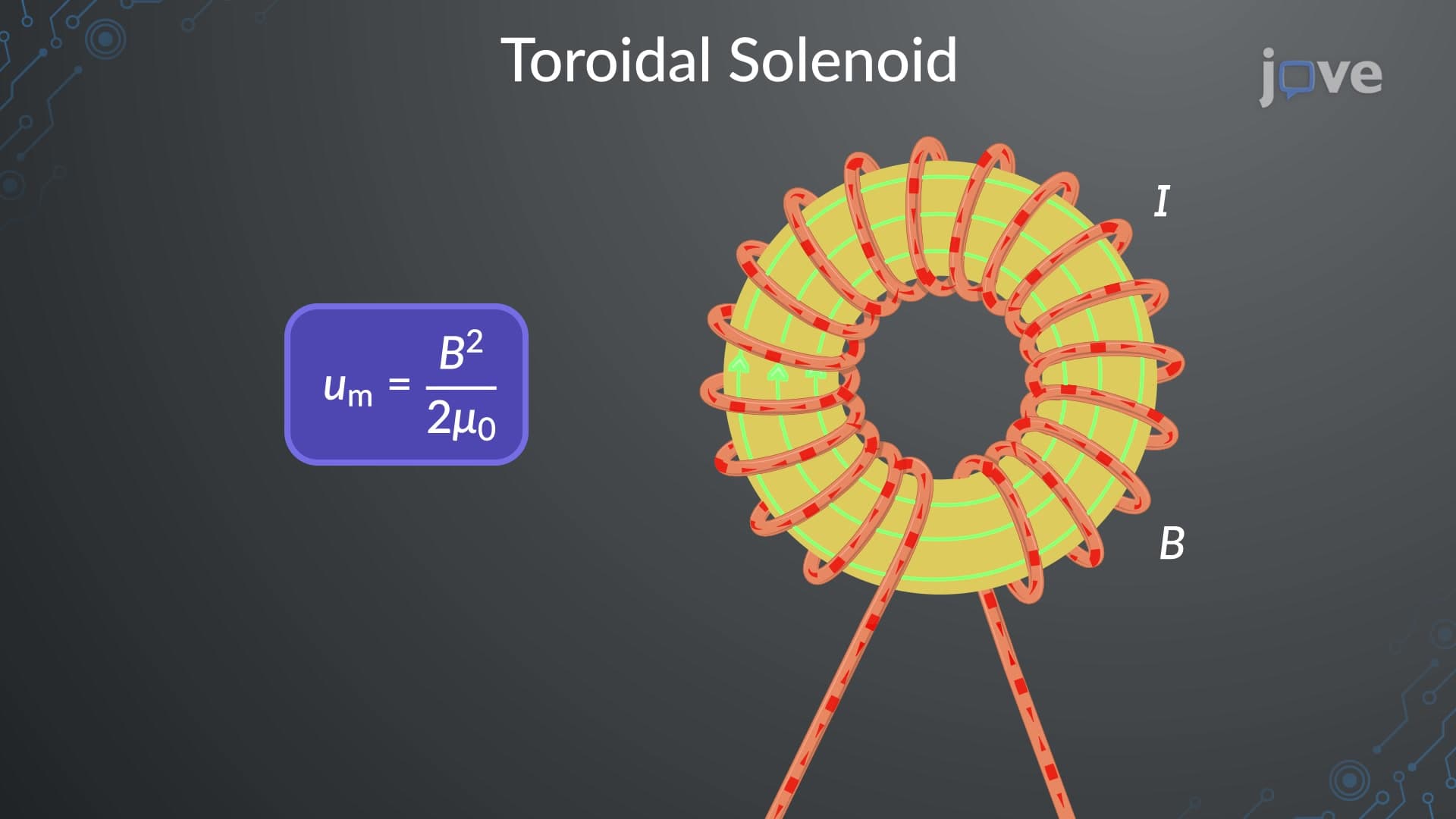
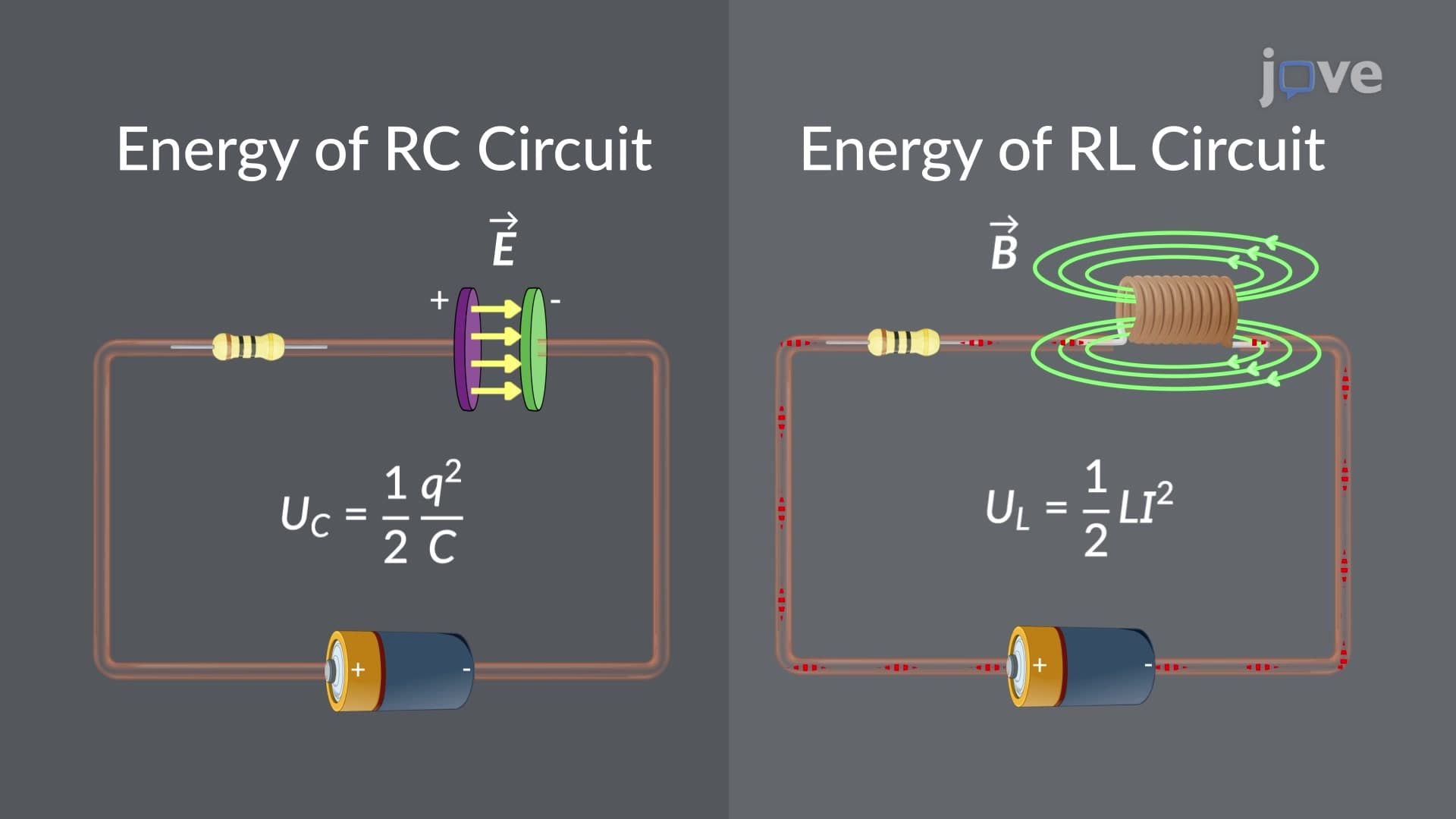
The energy stored in inductors definition centers on the relationship between current, magnetic flux, and electromagnetic induction. When current flows through an inductor's coils, it generates magnetic flux that links with the coil windings. This magnetic coupling stores energy in the magnetic field, similar to how a capacitor stores energy in an electric field.
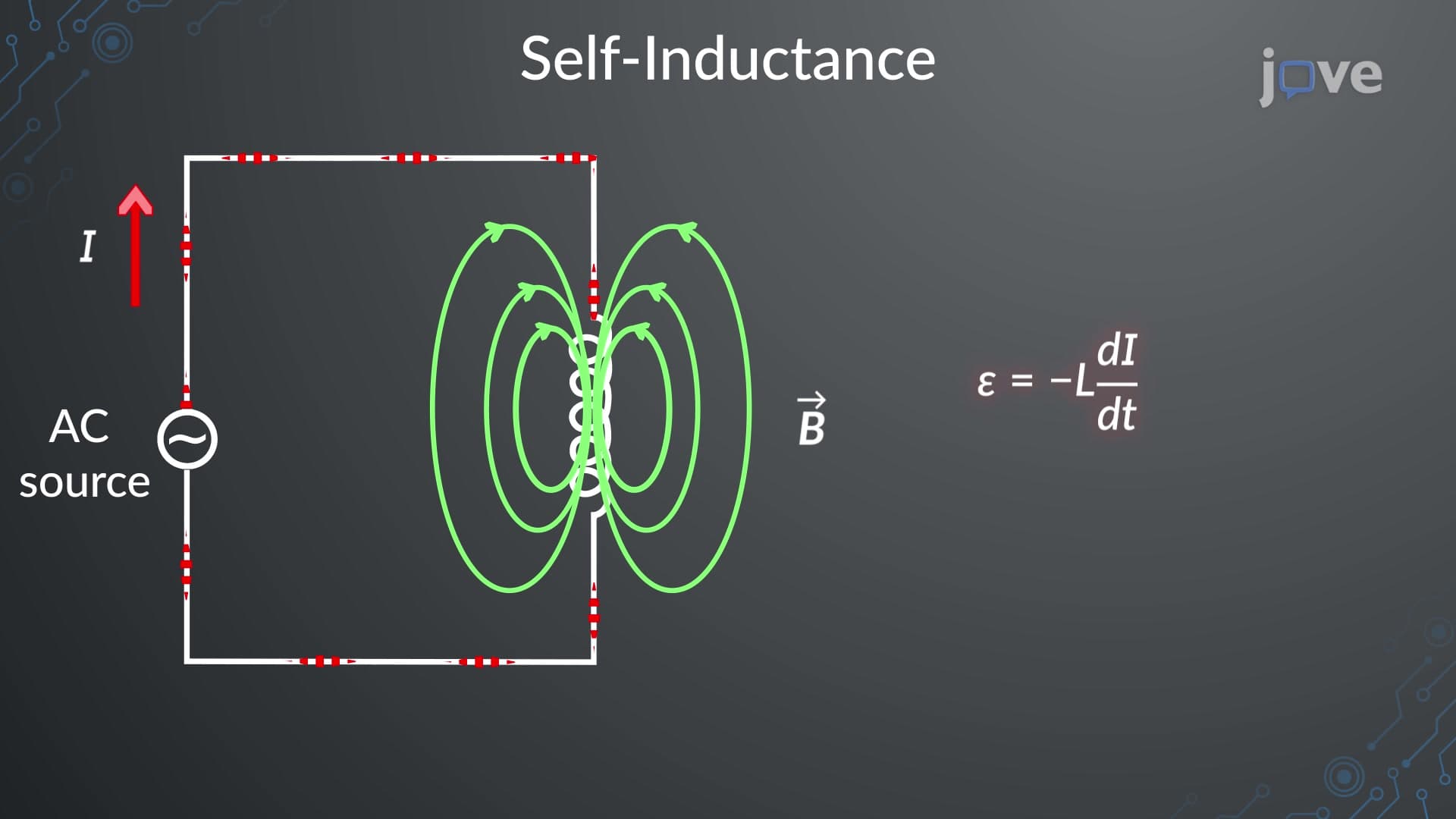
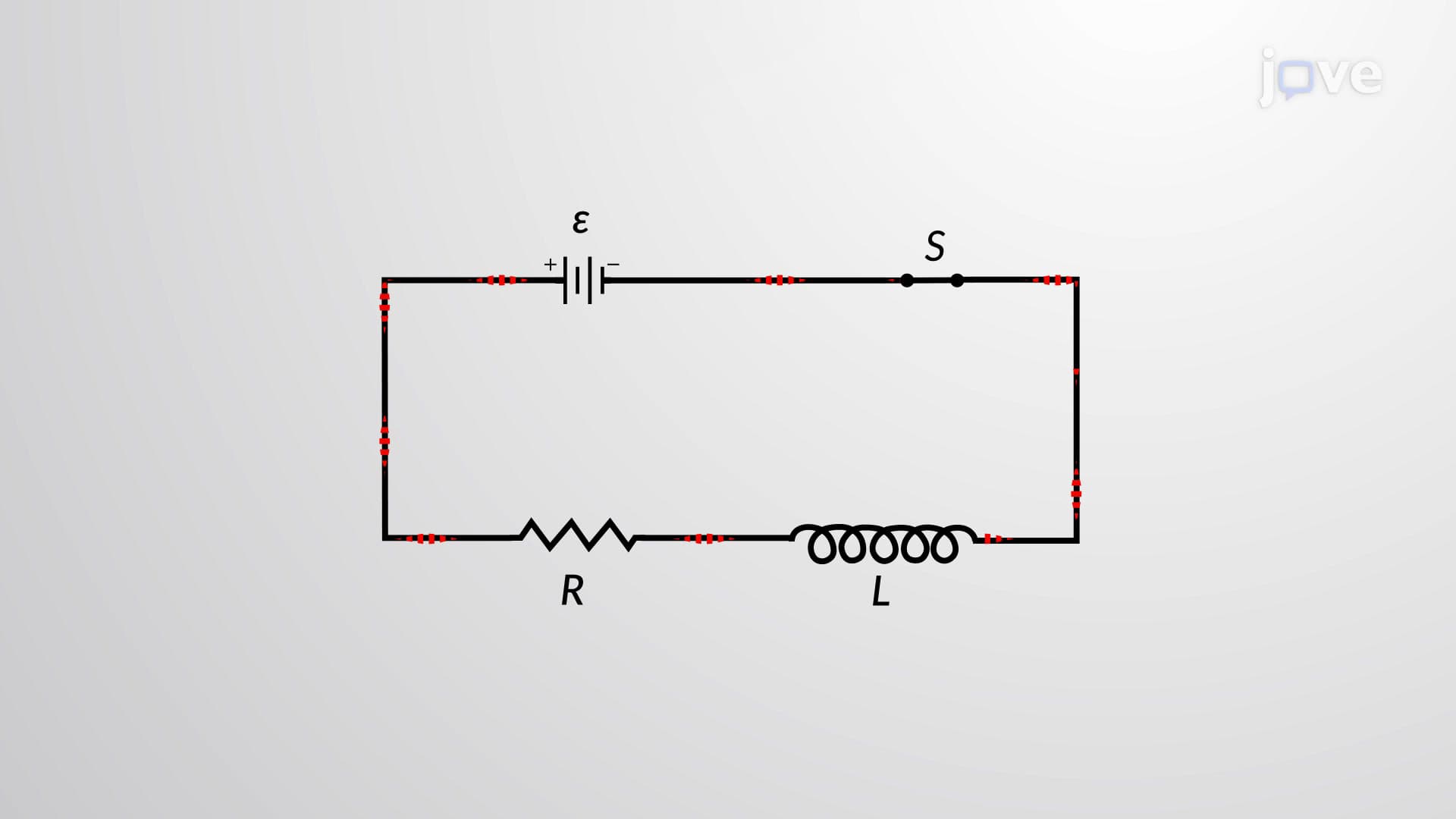
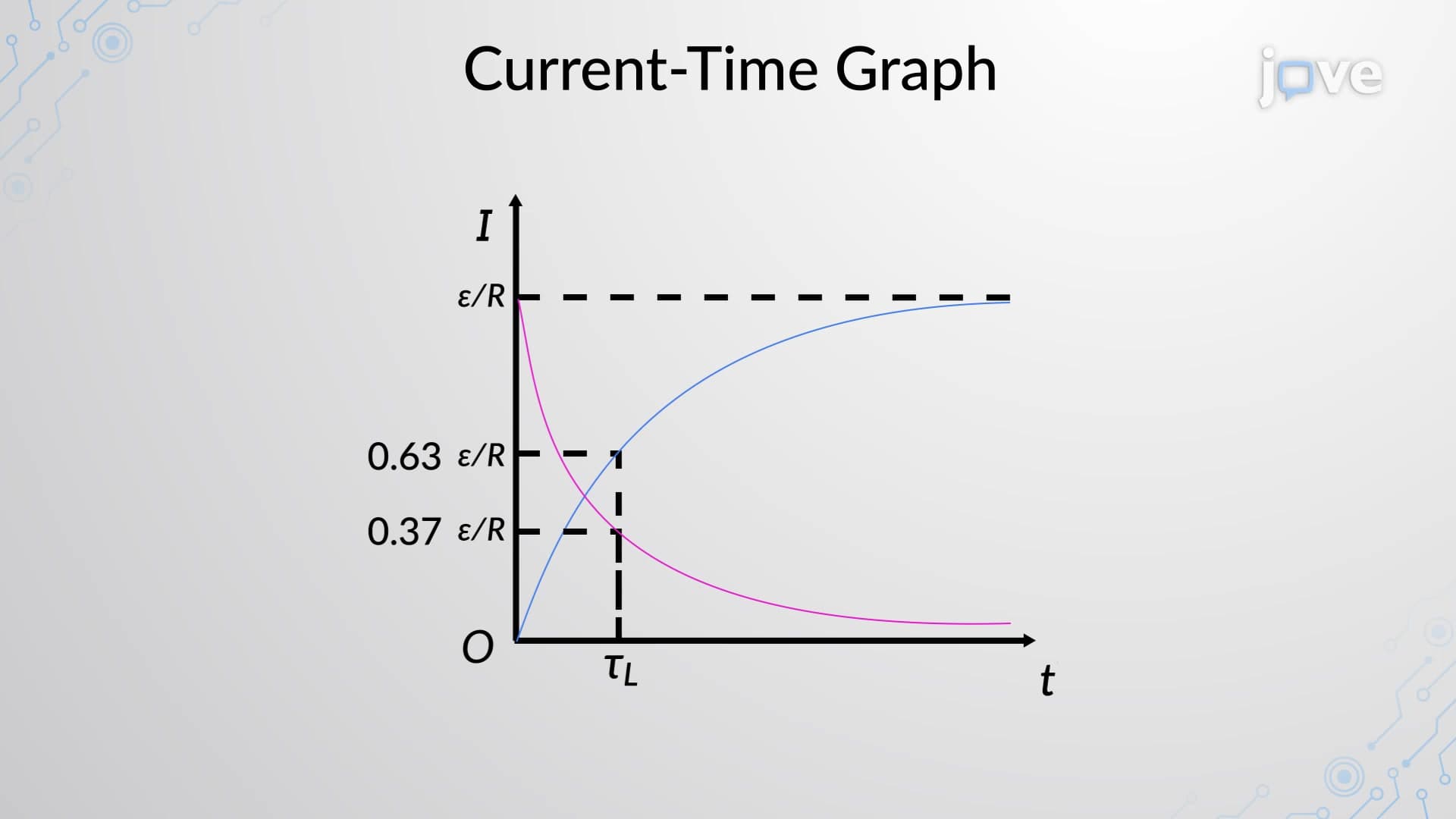
What is energy stored in inductors in detail becomes clearer when examining Faraday's law of electromagnetic induction. When current through an inductor changes, the changing magnetic flux induces a back EMF (electromotive force) that opposes the change. This opposition, known as Lenz's law, is why inductors resist sudden current changes.
In practical terms, this explains why fluorescent lights in US classrooms often flicker when first turned on, the ballast inductor opposes the initial current surge. The back EMF creates what engineers call a "magnetically induced non-conservative electric field" that exists only within the inductor's physical boundaries.
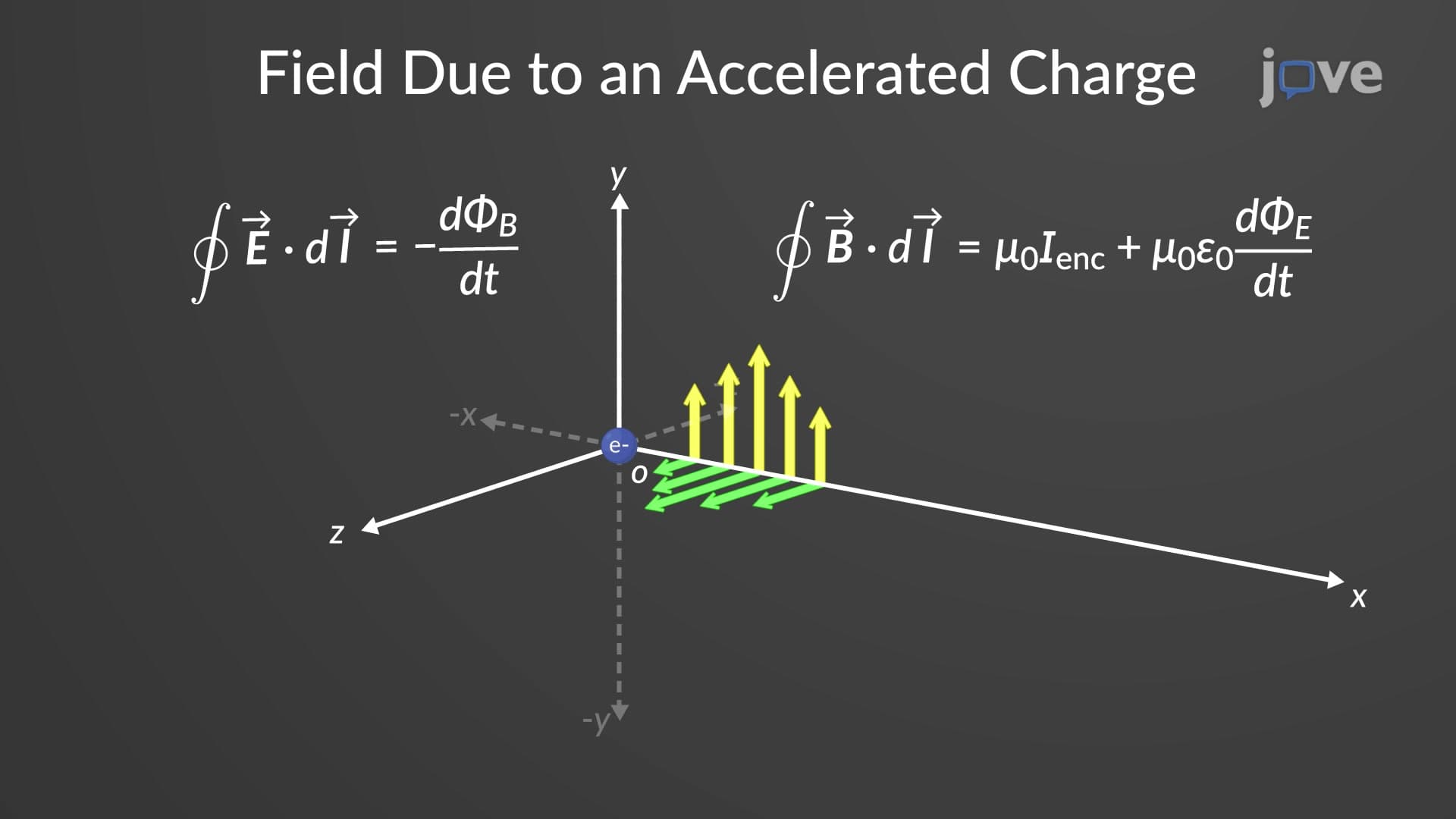
The energy stored in inductors concept involves understanding two types of electric fields. The non-conservative field results from changing magnetic flux, while free electrons accumulate on inductor terminals to create a conservative electric field. In ideal inductors with negligible resistance, these fields balance perfectly, creating zero net electric field within the coils.
This principle appears frequently on AP Physics C exams and college-level circuit analysis courses at institutions like MIT and Stanford. Students studying for the MCAT's physics section encounter similar concepts when analyzing electromagnetic phenomena in biological systems.
Energy stored in inductors overview reveals applications in power systems, automotive electronics, and renewable energy. Wind turbines across Texas use large inductors in their power conversion systems, while electric vehicles rely on inductive energy storage for regenerative braking. The formula for inductive energy storage (E = 1/2 × L × I²) appears regularly in engineering coursework and professional licensing exams.
Understanding energy stored in inductors basics prepares students for advanced topics in power electronics, RF circuits, and electromagnetic field theory, essential knowledge for careers in electrical engineering and physics research.
Related Micro-courses