Loading…
Loading video…

38,559 views
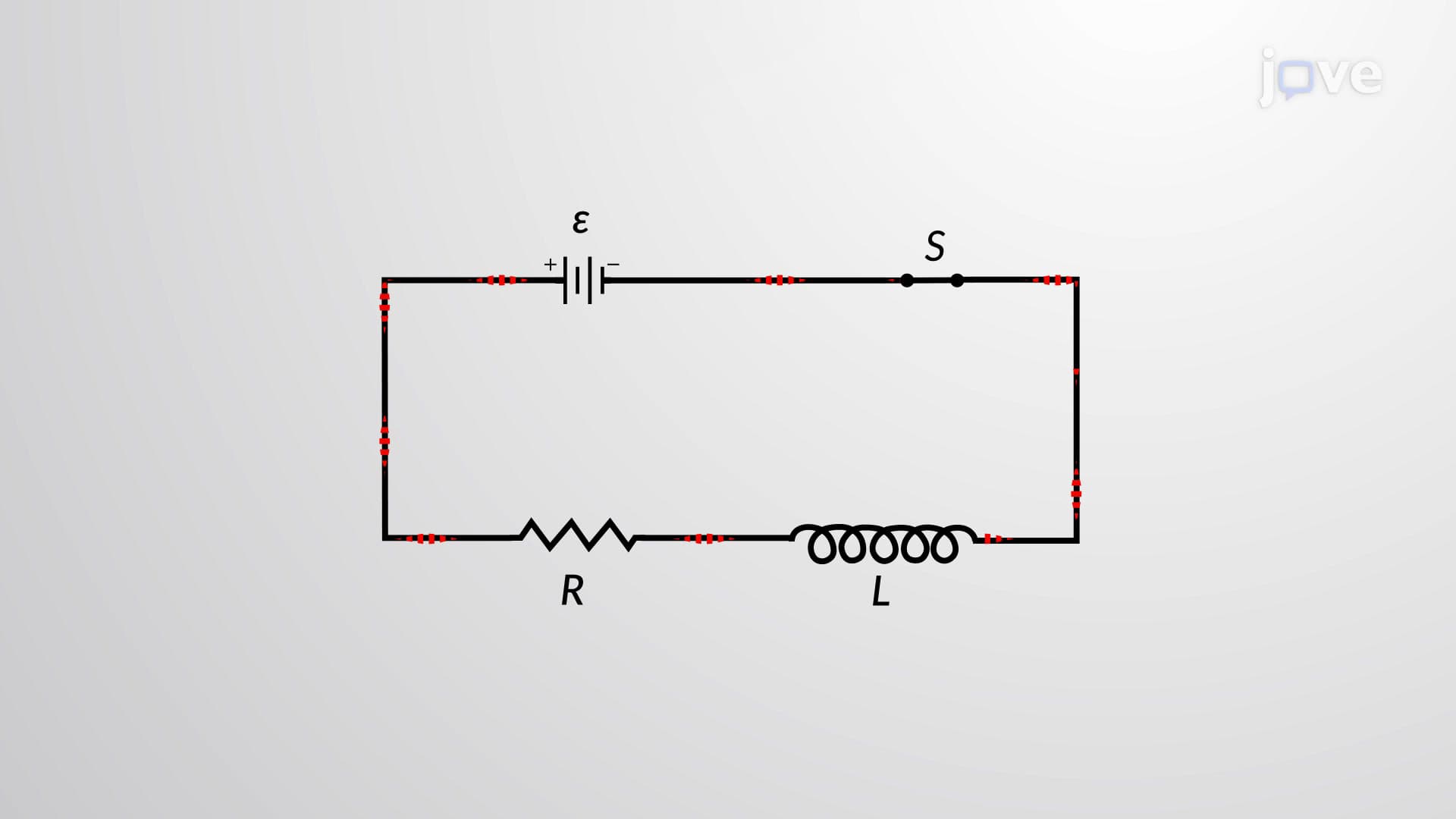
Ever wonder why your car's headlights dim slightly when you first start the engine? RL circuits explain this phenomenon perfectly. These electrical networks combine resistors and inductors, creating unique current behaviors that power everything from automotive ignition systems to industrial motors across the United States. What are RL circuits reveals how inductance controls current flow, causing gradual increases rather than instant changes. Understanding these circuits is crucial for grasping electromagnetic principles in physics and electrical engineering. Watch the full video on JoVE Coach to master this concept with expert-led visuals and step-by-step explanations.
RL circuits represent one of the most important circuit types in electrical engineering, combining resistors (R) and inductors (L) in either series or parallel arrangements. These circuits demonstrate fascinating electromagnetic principles that govern countless devices in American homes and industries, from fluorescent light ballasts to electric motor starters in manufacturing plants.
The defining characteristic of RL circuits lies in their time-dependent behavior. Unlike simple resistive circuits where current instantly reaches its final value, RL circuits exhibit gradual current changes due to the inductor's opposition to current variations. This property makes them invaluable for applications requiring controlled current transitions, such as in power supply filtering and motor control systems used throughout US industrial facilities.
Series RL circuits connect the resistor and inductor end-to-end, creating a single current path. When analyzing these circuits, students applying to competitive programs like MIT or Caltech must understand that the same current flows through both components, but voltage divides between them based on their respective impedances.
Parallel RL circuits offer different characteristics, with the resistor and inductor connected across the same voltage source. These configurations appear frequently in AP Physics C exams and college-level electrical engineering courses, particularly when discussing frequency response and impedance matching in communication systems.
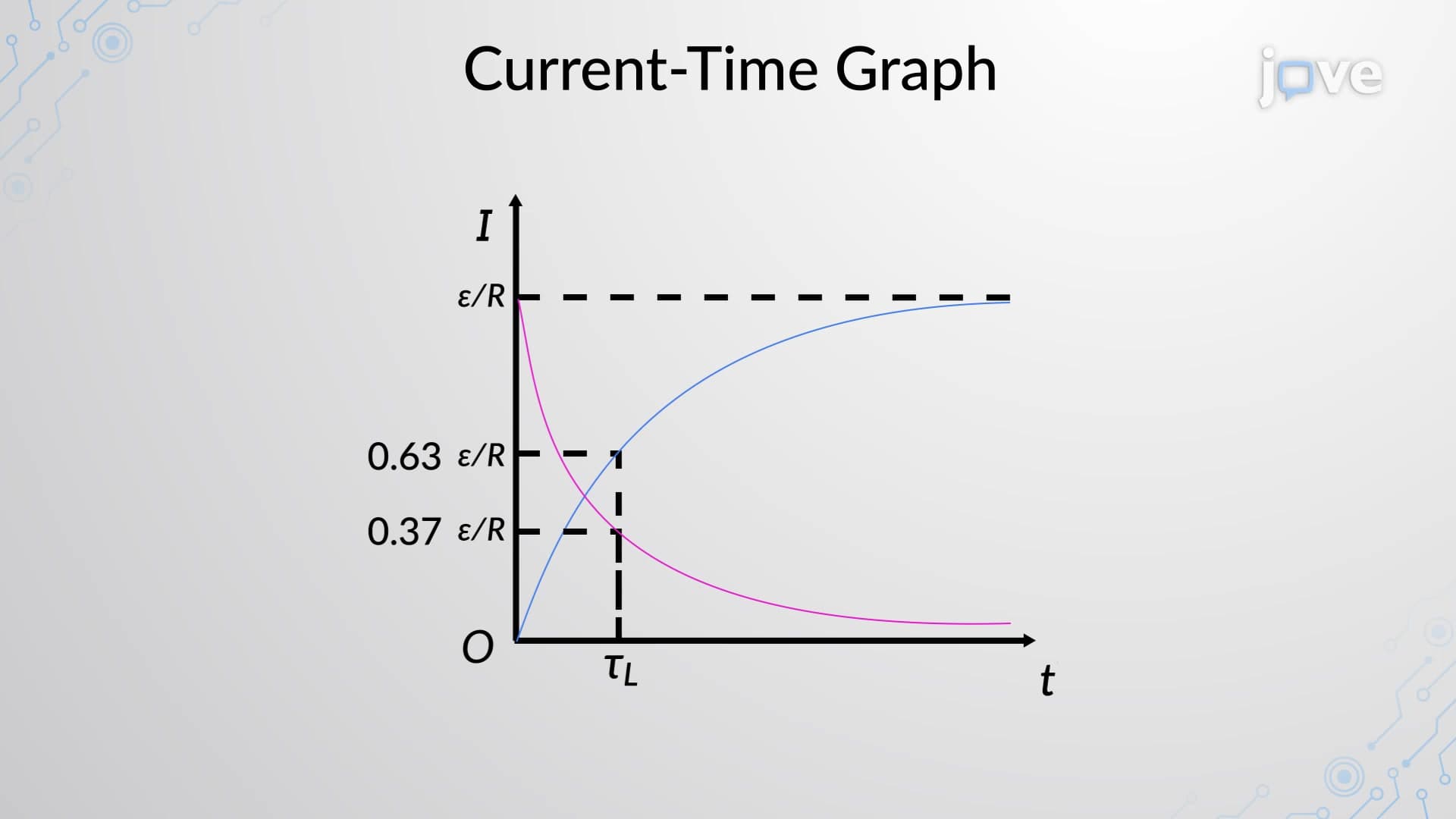
The mathematical description of RL circuits involves exponential functions that describe current growth over time. The time constant (τ = L/R) determines how quickly the circuit reaches steady state, typically achieving 63% of final current after one time constant and 99% after five time constants.
This concept proves crucial for students preparing for the MCAT or engineering graduate programs, as it appears in biomedical applications like MRI machines and defibrillators used in American hospitals. Understanding these temporal dynamics helps explain why cardiac defibrillators require specific charging times to deliver controlled energy pulses.
RL circuits find extensive use in US power systems, from the massive inductors in electrical substations that smooth power transmission to the smaller inductors in switching power supplies that regulate voltage in computers and smartphones. Tesla's manufacturing facilities, for example, rely heavily on RL circuit principles in their electric motor designs and charging infrastructure.
Frequently Asked Questions
An RL circuit combines a resistor and inductor, creating time-dependent current behavior unlike simple resistive circuits. The inductor opposes current changes, causing gradual current increases rather than instantaneous changes. This makes RL circuits essential for applications requiring controlled current transitions in electrical systems.
RL circuits frequently appear in AP Physics C Electricity & Magnetism and college circuits courses through transient analysis problems. Expect questions about time constants, exponential current growth, and steady-state calculations. Students must apply Kirchhoff's laws and understand L/R time relationships for successful problem-solving.
MCAT Physics sections often test RL circuit concepts through inductance, electromagnetic induction, and time-varying magnetic fields. Understanding these circuits helps with medical device questions, particularly MRI physics and biomedical instrumentation. The exponential behavior also connects to biological decay processes covered in biochemistry sections.
RL circuits power numerous devices including car ignition systems, fluorescent light ballasts, electric motor starters, and power supply filters in electronics. When you start your car or turn on fluorescent lights in US classrooms, you're witnessing RL circuit principles controlling current flow and preventing electrical surges.
No, high school students can grasp RL circuit fundamentals using basic algebra and exponential concepts. While advanced analysis requires differential equations, AP Physics C and introductory college courses focus on conceptual understanding and applying standard formulas. The key is recognizing time-dependent behavior patterns rather than deriving complex equations.
Practice identifying time constants, sketching current versus time graphs, and calculating steady-state values. Focus on understanding when inductance matters (during transients) versus when it doesn't (at steady state). Create summary sheets with key formulas and work through problems from AP Physics C released exams and college textbooks.
RL circuits foundation leads to AC circuit analysis, impedance concepts, and frequency response in electrical engineering courses. Students pursuing STEM careers will encounter these principles in electromagnetics, power systems, and control theory. The time-domain analysis skills also apply to mechanical and thermal systems with similar exponential behaviors.
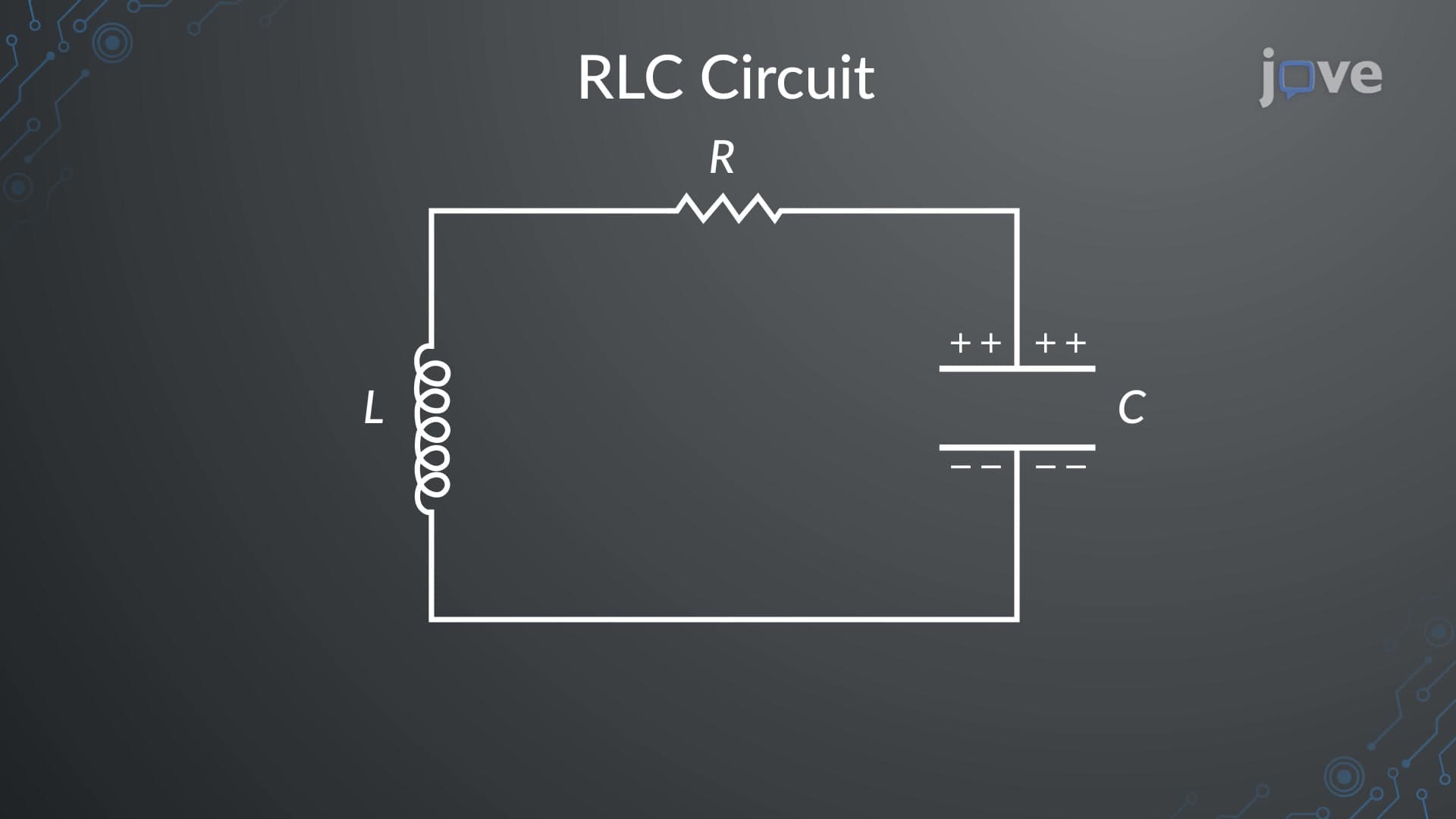
RL circuits represent a simplified case of RLC circuits without capacitance, focusing purely on resistive-inductive interactions. Understanding RL behavior provides essential groundwork for analyzing more complex RLC oscillations, resonance phenomena, and impedance matching techniques covered in upper-level electrical engineering and physics courses.
Related Micro-courses


Related Subjects
 Math Fundamentals 11 micro-courses›
 Statistics 17 micro-courses›