Loading subject page…


130,502 views

Video Summary: What Is Conservation of Energy
Why doesn't a dropped basketball bounce back to its original height forever? Conservation of energy explains this everyday mystery that puzzles many students. The conservation of energy principle governs everything from a NASA rocket launch at Kennedy Space Center to the simple act of charging your smartphone. What is Conservation of Energy reveals how energy transforms but never disappears, maintaining a constant total in isolated systems. Watch the full video on JoVE Coach to master this concept with expert-led visuals and step-by-step explanations.
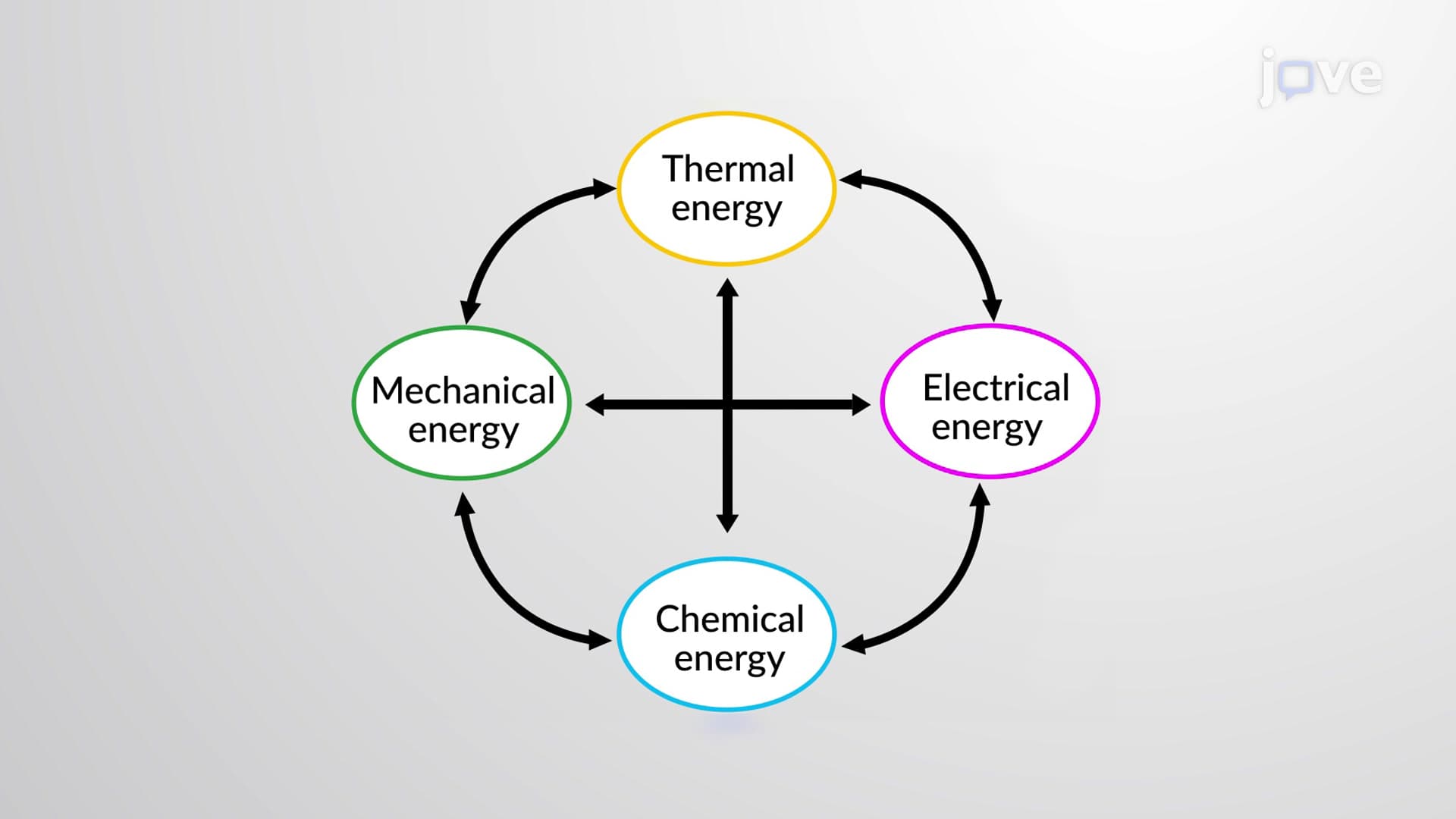
What is Conservation of Energy represents one of physics' most fundamental principles, stating that energy within an isolated system remains constant over time. This conservation of energy definition means energy cannot be created or destroyed-only transformed from one type to another. The conservation of energy concept forms the backbone of thermodynamics, mechanics, and countless engineering applications that shape modern American infrastructure.
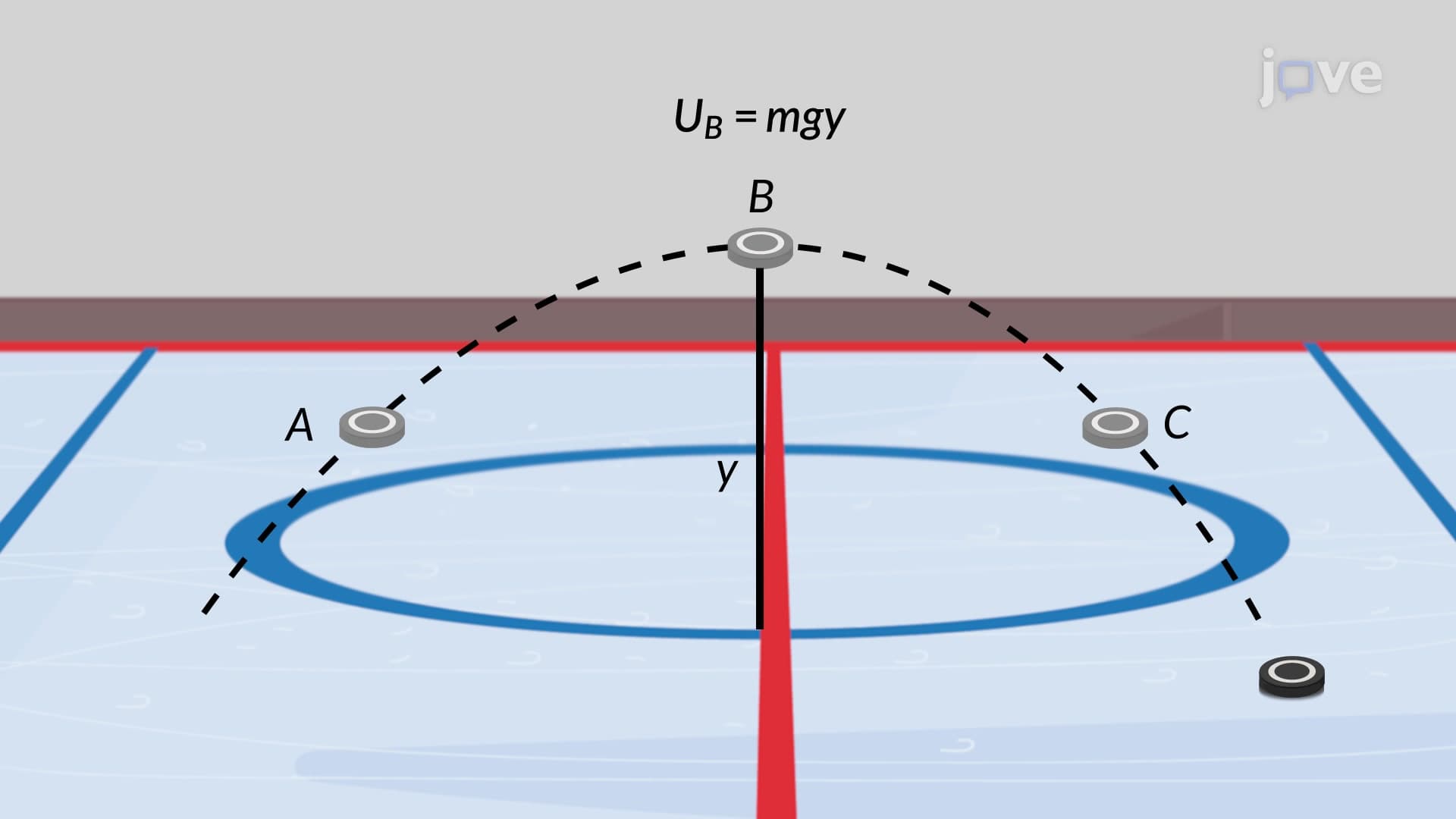
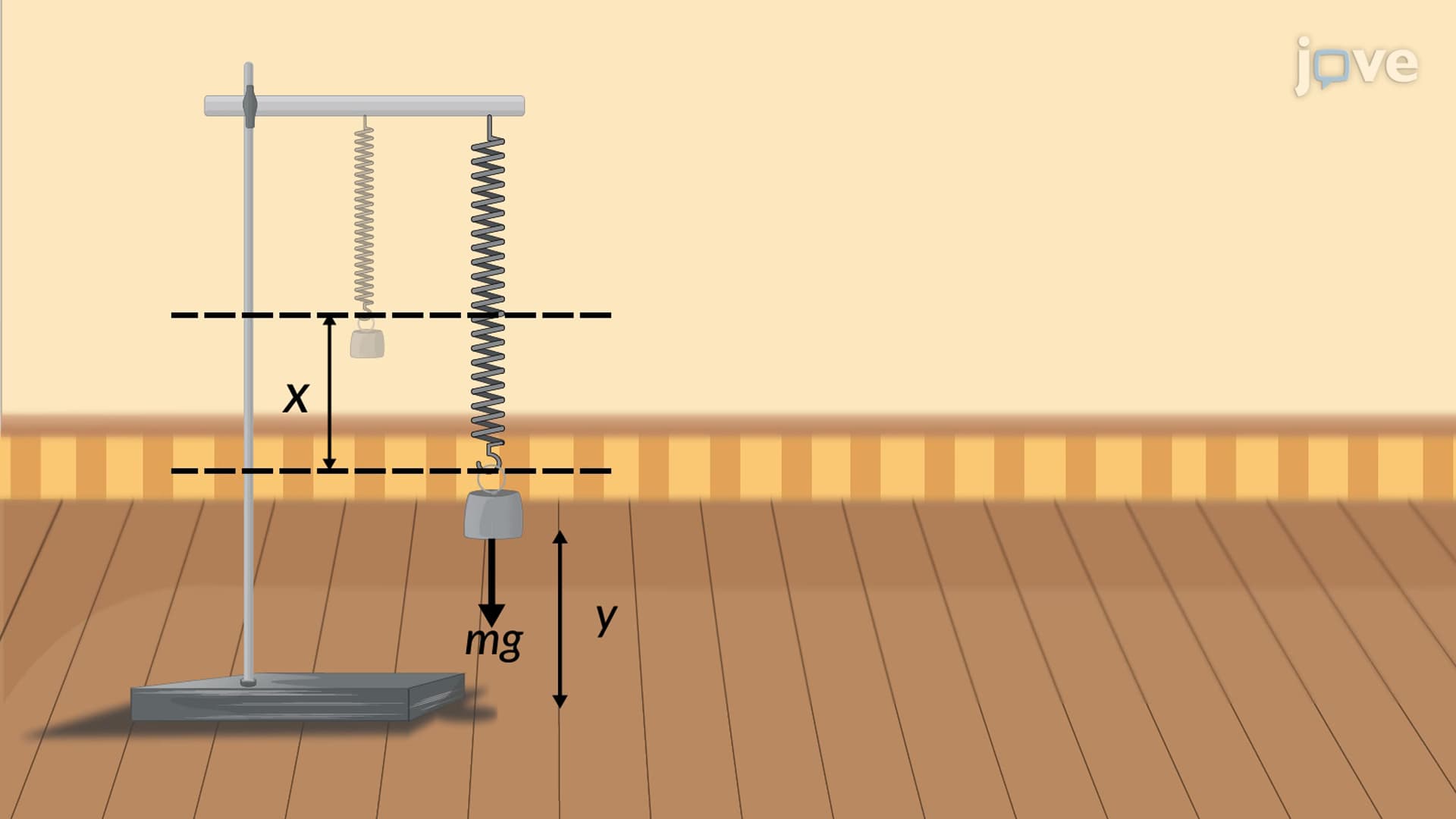
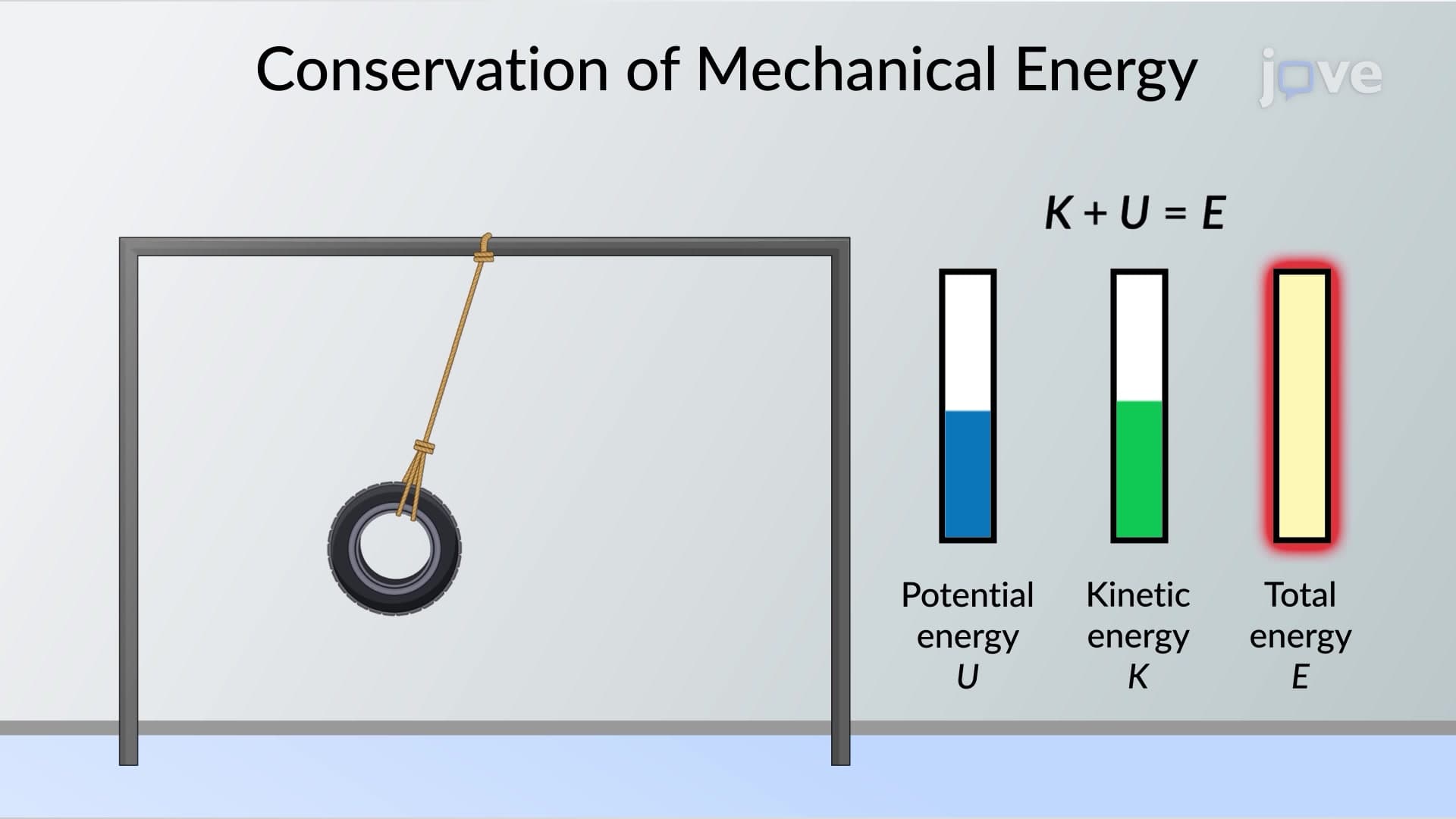
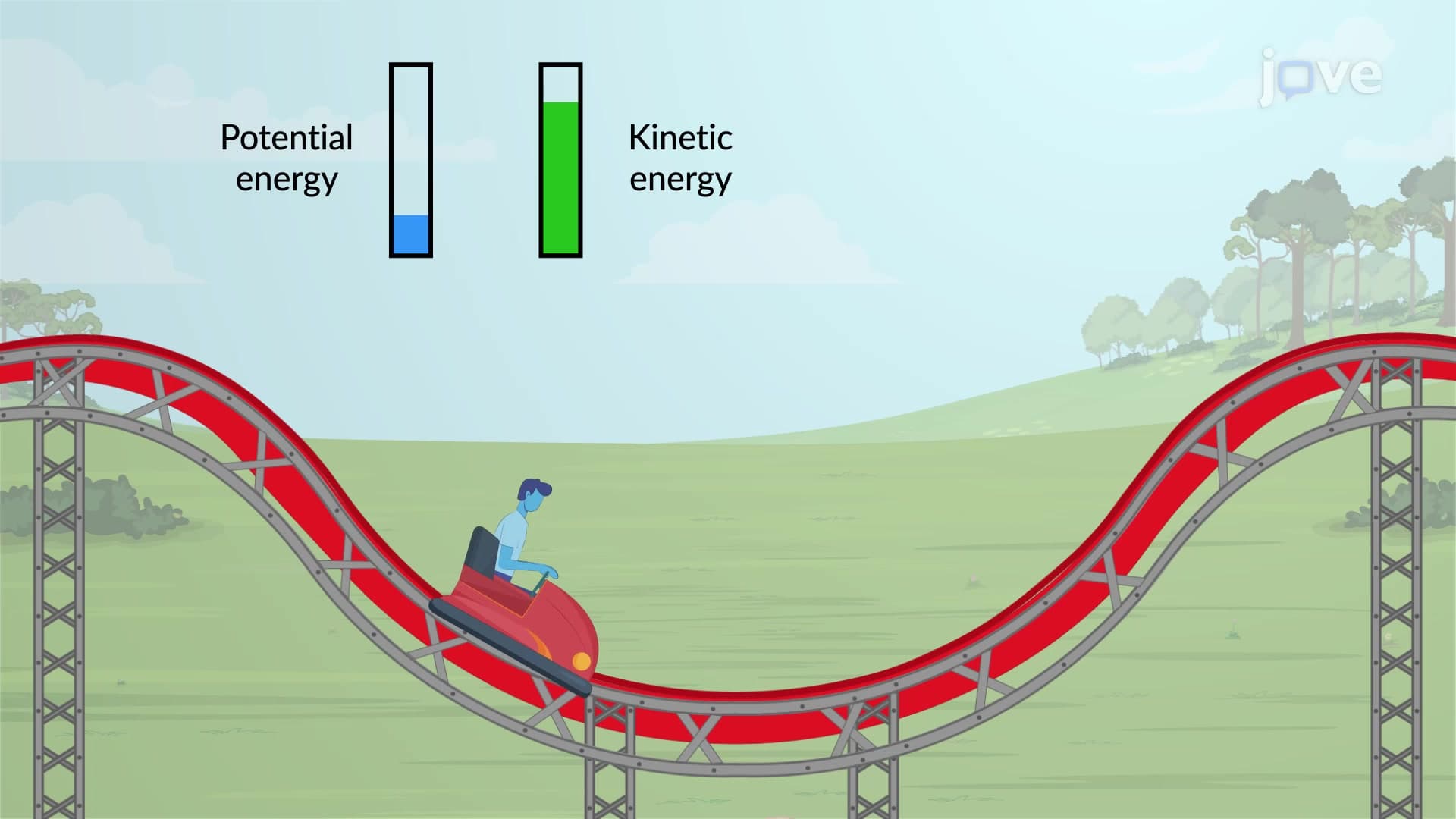
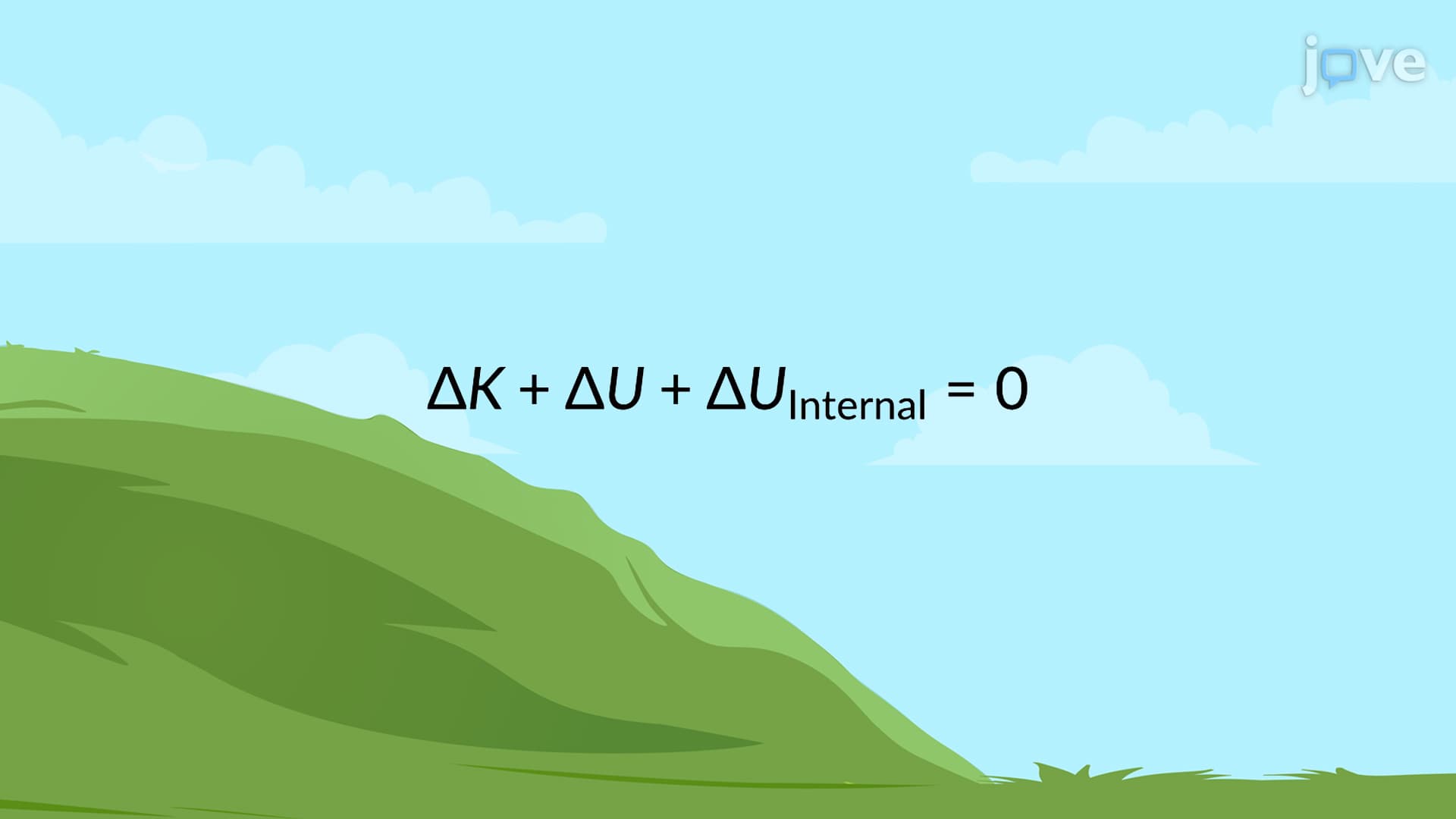
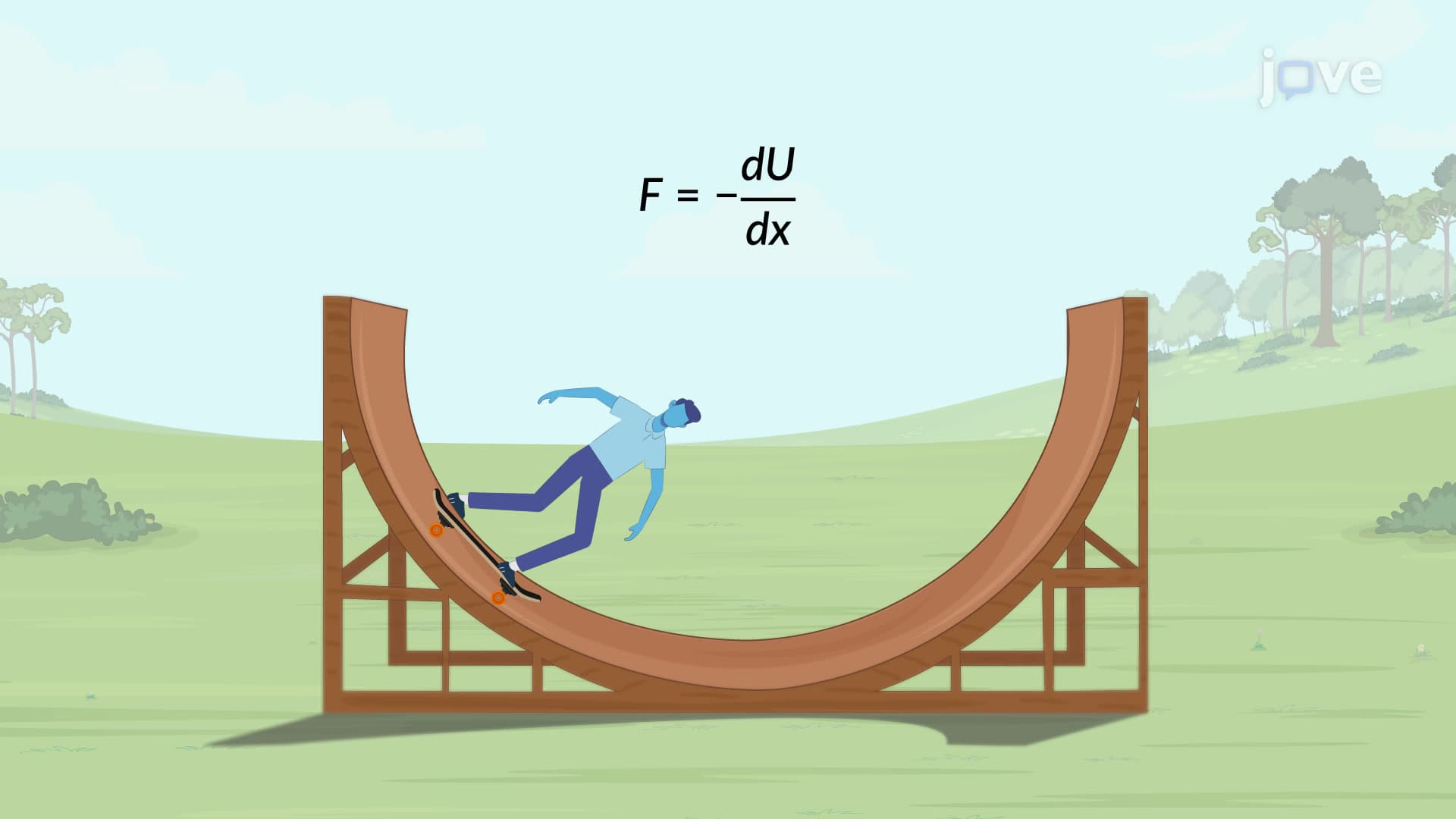
The conservation of energy overview includes understanding that total mechanical energy equals the sum of kinetic energy (motion-based) and potential energy (position-based). Mathematically, this appears as: Total Energy = Kinetic Energy + Potential Energy = constant. When analyzing what is conservation of energy in detail, students encounter scenarios where gravitational potential energy converts to kinetic energy, like water flowing through the Hoover Dam's turbines to generate electricity for Nevada and Arizona.
Conservation of energy basics extend far beyond textbook problems into practical American applications. Tesla's regenerative braking system captures kinetic energy during deceleration, converting it back to stored electrical energy-demonstrating energy transformation rather than loss. Similarly, the Golden Gate Bridge's suspension cables store and release potential energy as they flex with wind and traffic loads, maintaining structural integrity through energy conservation principles.
Understanding conservation of energy proves essential for success on standardized tests including the AP Physics exams, SAT Subject Tests, and college-level assessments. Engineering students at institutions like MIT and Stanford apply these principles when designing everything from roller coasters at Six Flags to wind farms across Texas plains. The conservation of energy study guide approach emphasizes problem-solving strategies that identify initial and final energy states, then apply conservation laws to find unknown variables-a skill tested repeatedly in MCAT physics sections and undergraduate engineering coursework.
Related Micro-courses