Loading subject page…


130,500 views

Video Summary: What Is Conservation of Energy Application
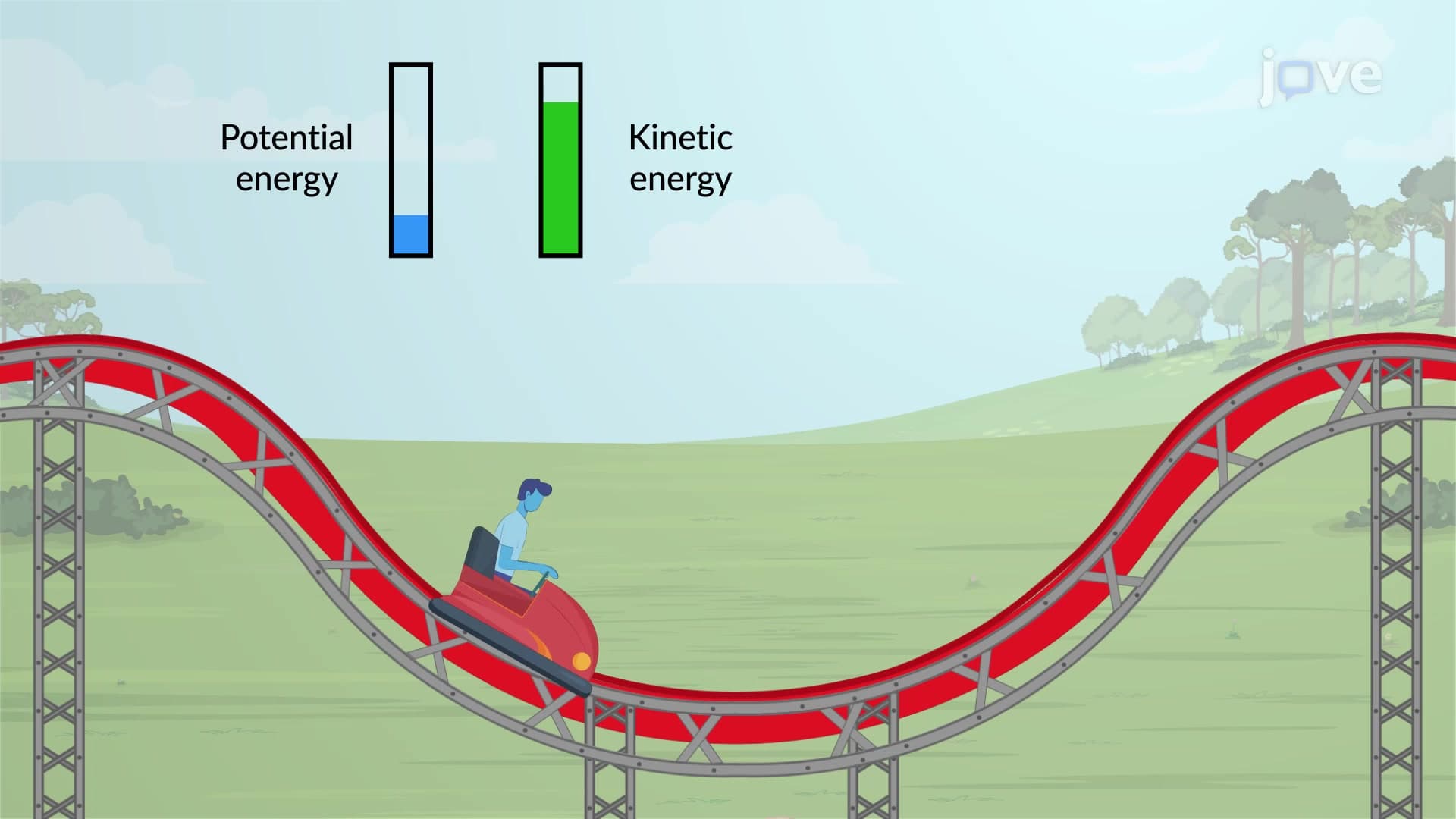
Did you know that a roller coaster at Six Flags Magic Mountain can reach 128 mph using only the energy from its initial climb? Conservation of energy application demonstrates how energy transforms between different forms while maintaining a constant total amount in isolated systems. This fundamental physics principle explains everything from NASA rocket launches to hydroelectric dams powering millions of American homes. Understanding what is conservation of energy application helps students solve complex physics problems involving kinetic, potential, and internal energy transformations. Watch the full video on JoVE Coach to master this concept with expert-led visuals and step-by-step explanations.
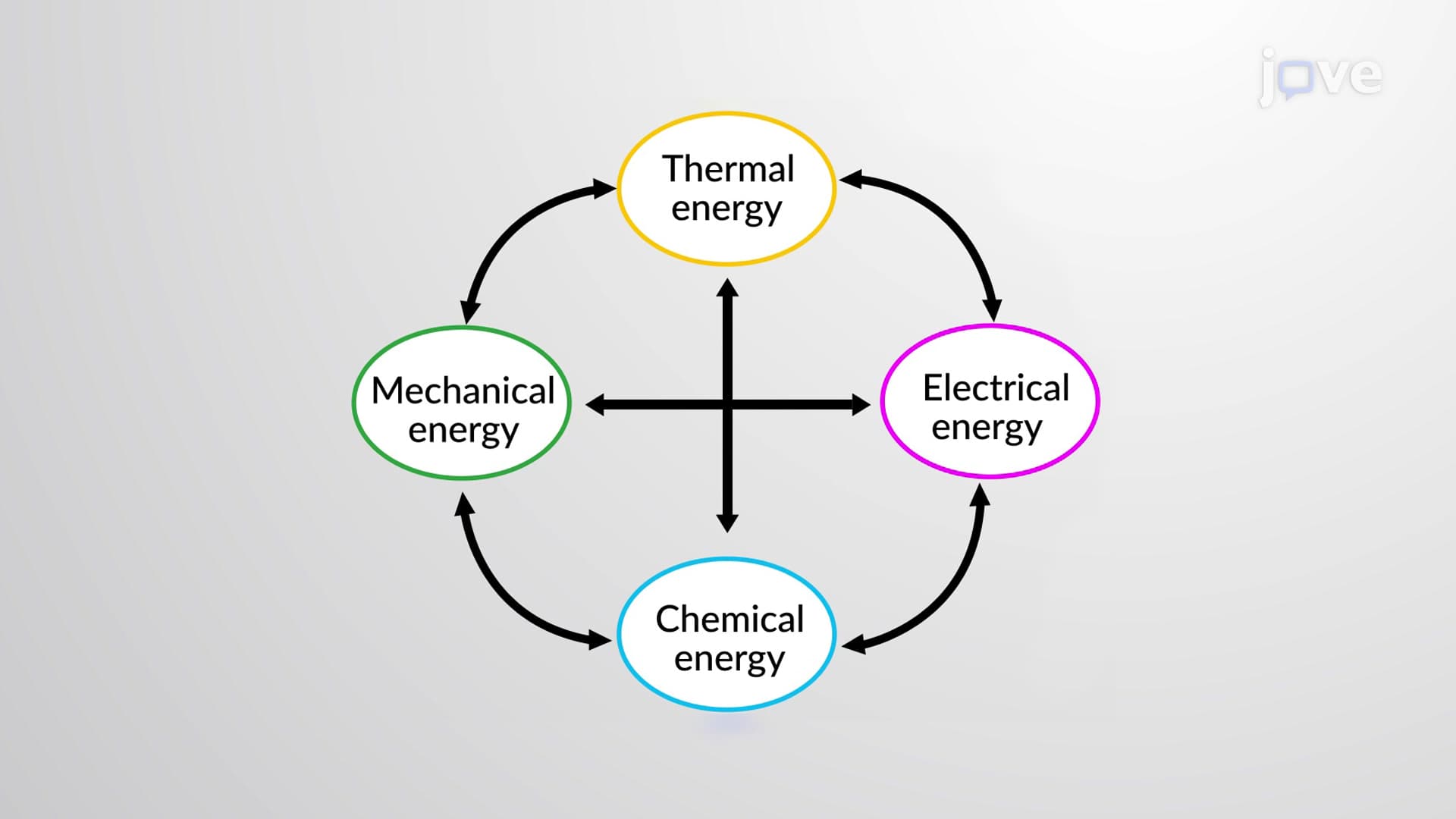
What is conservation of energy application in physics? It's the practical use of one of nature's most fundamental laws: energy cannot be created or destroyed, only transformed from one form to another. This principle, first formulated by German physicist Hermann von Helmholtz in 1847, serves as the foundation for solving countless physics problems and understanding real-world phenomena.
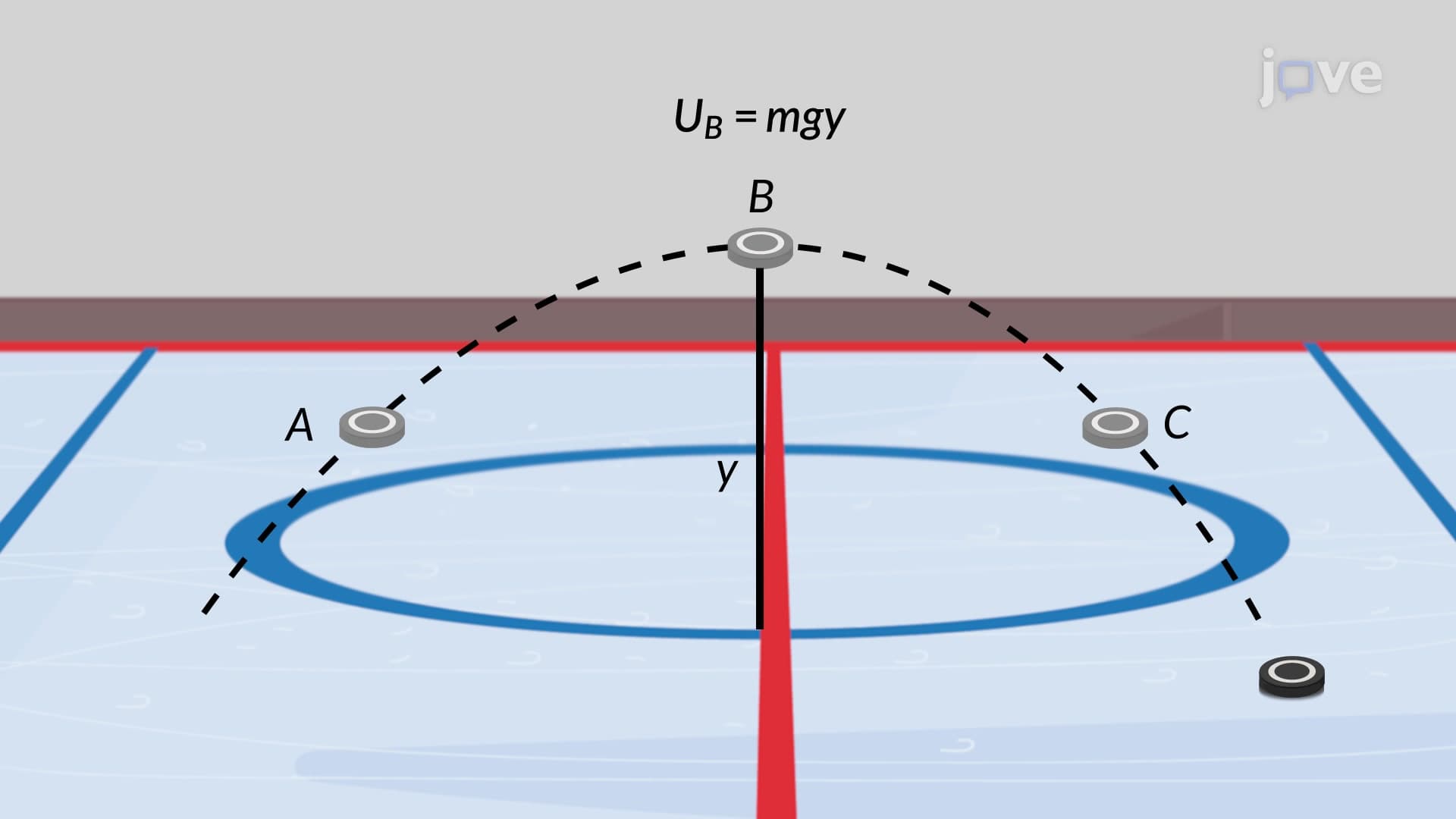
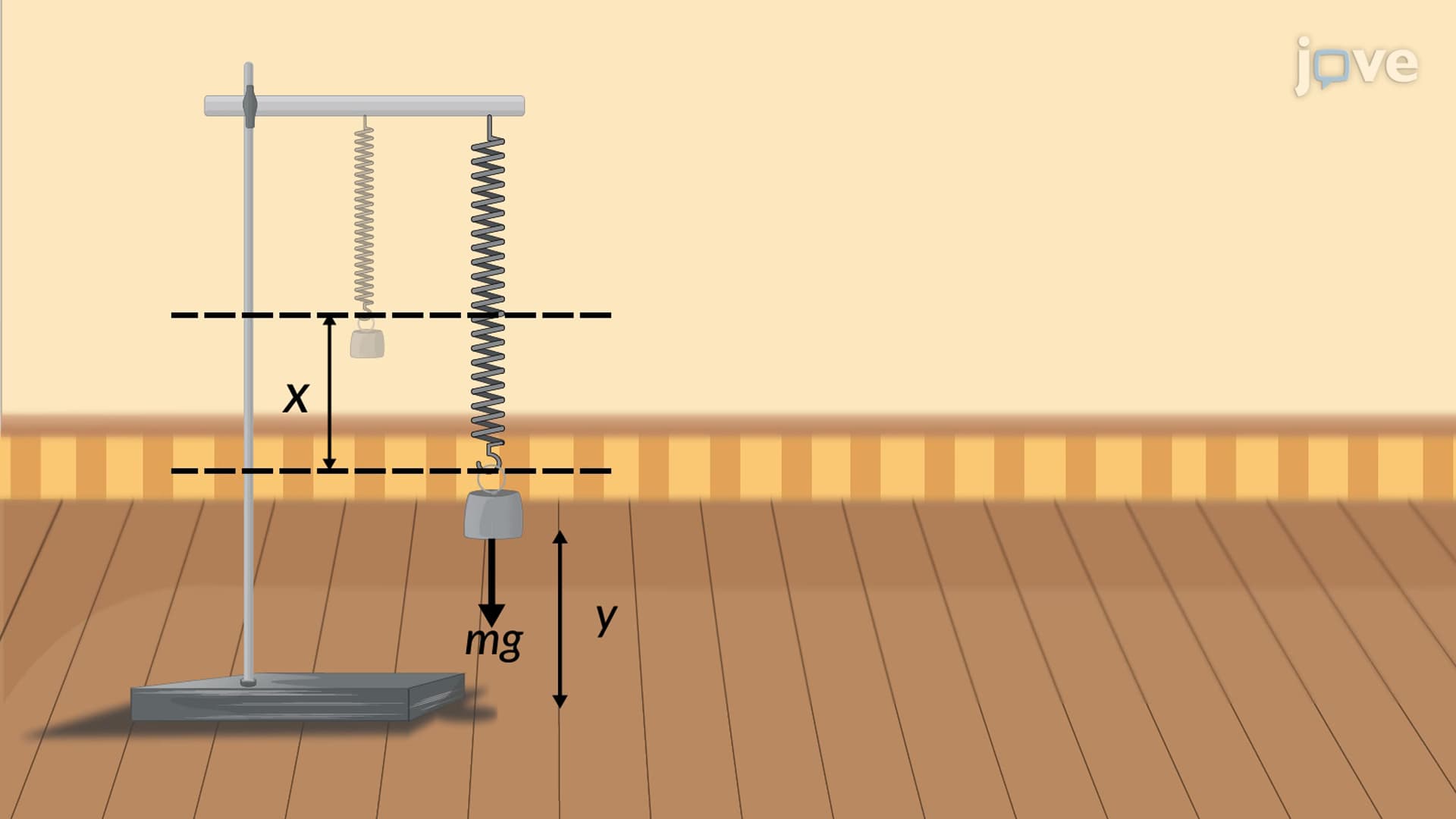
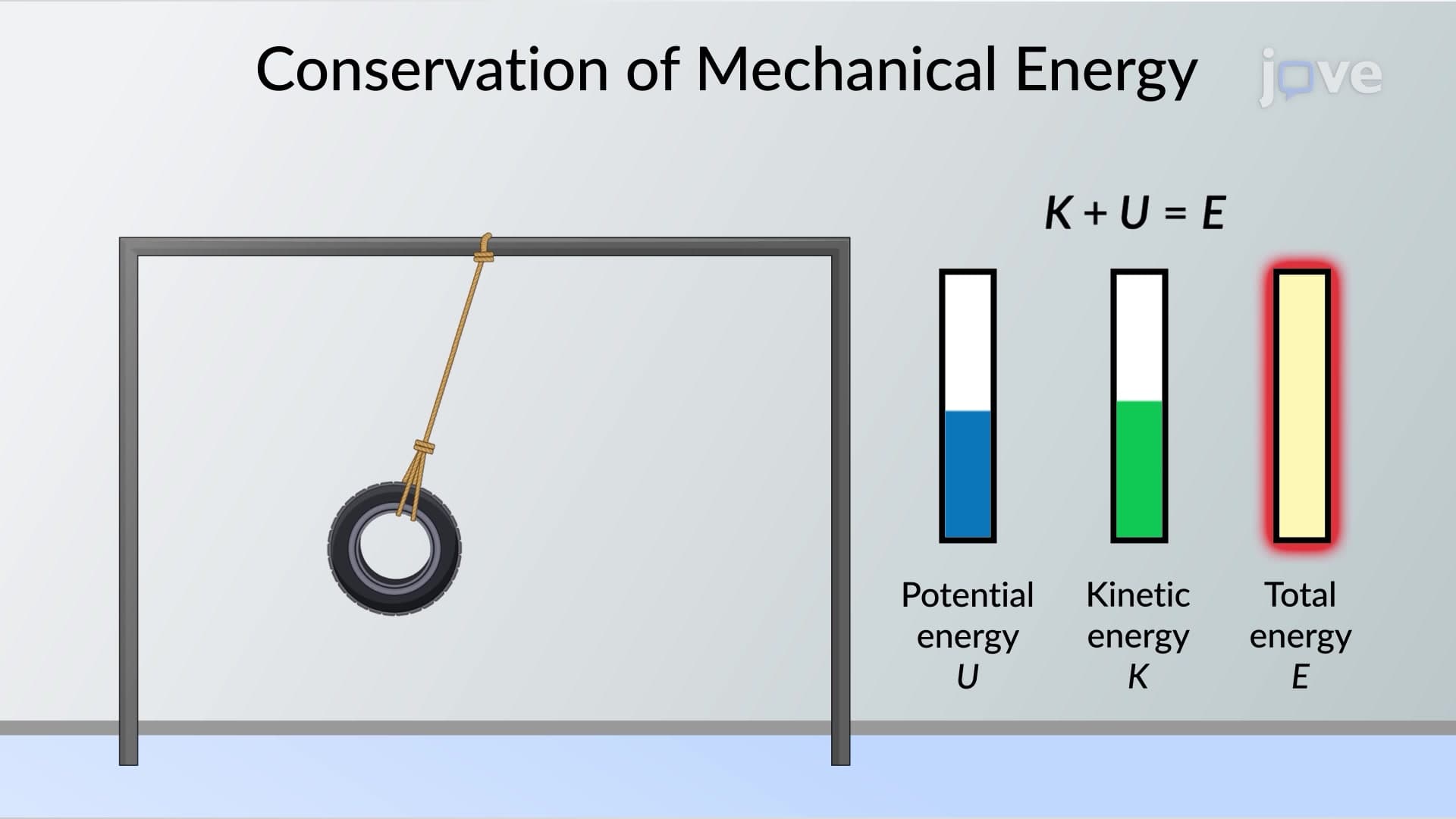
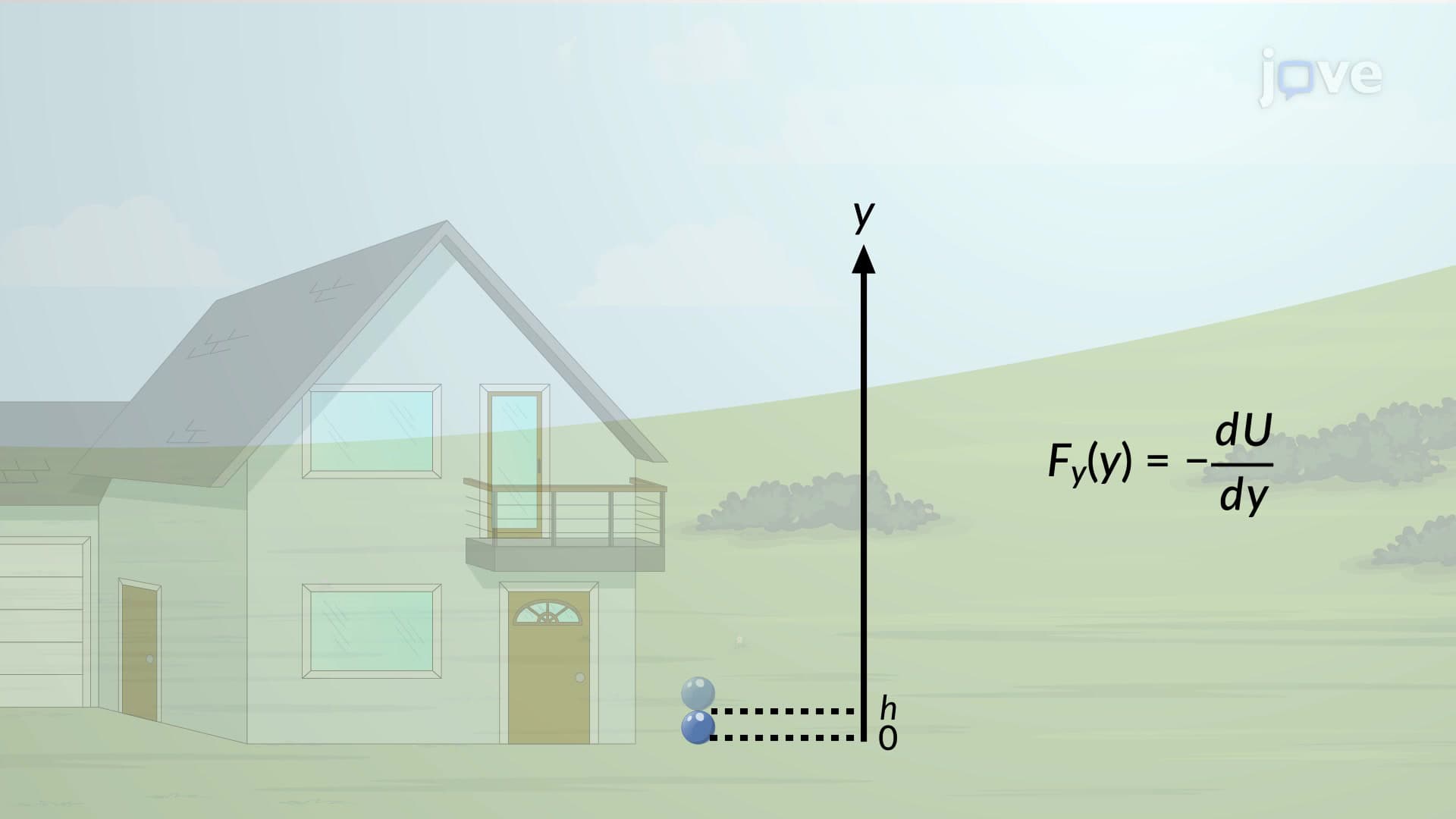
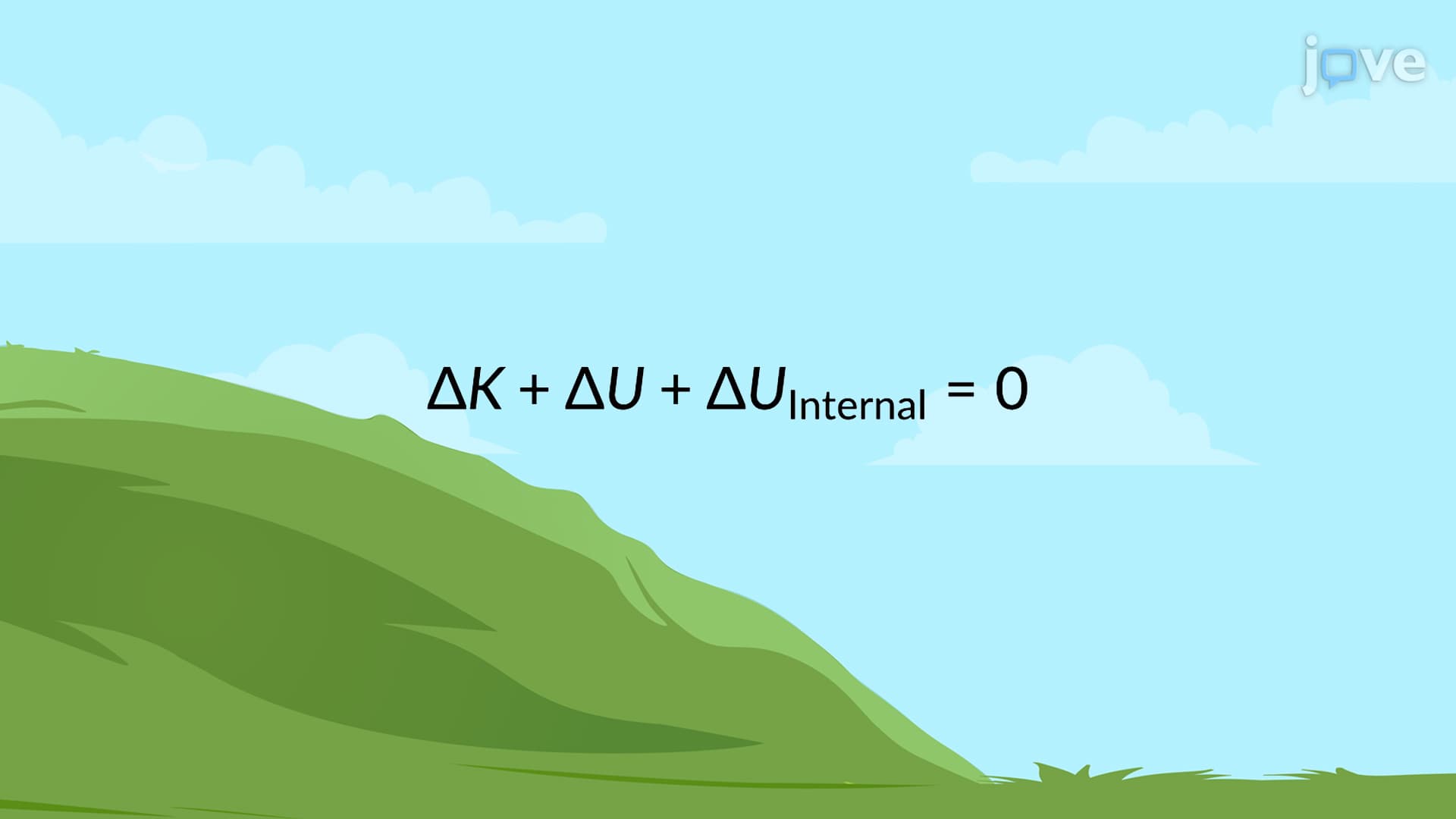
In mechanical systems, conservation of energy application typically involves three key energy types. Kinetic energy (KE = 1/2 × m × v²) represents energy of motion. Gravitational potential energy (PE = m × g × h) stores energy based on position in a gravitational field. Internal energy accounts for microscopic molecular motion, often manifesting as heat when mechanical energy is "lost" to friction or other dissipative forces.
The conservation of energy equation provides a powerful tool: E(initial) = E(final) + E(lost to friction). This mathematical relationship allows students to solve for unknown variables when energy transforms between different forms. Consider the classic problem of an object sliding down an inclined plane, initial potential energy converts to kinetic energy and internal energy due to friction.
AP Physics courses and college mechanics classes frequently test this concept through various scenarios: pendulum swings, projectile motion, and collision problems. The key insight is recognizing that apparent energy "loss" actually represents conversion to internal energy, maintaining the universal conservation principle.
Conservation of energy application drives numerous technologies across the United States. Hydroelectric plants like the Hoover Dam convert gravitational potential energy of elevated water into electrical energy, powering over 1.3 million homes. Regenerative braking systems in Tesla vehicles convert kinetic energy back into stored electrical energy, extending battery life.
The aerospace industry relies heavily on energy conservation principles. NASA's spacecraft trajectories utilize gravitational slingshot maneuvers, converting orbital potential energy into kinetic energy for deep space missions. These applications demonstrate how theoretical physics concepts translate into practical engineering solutions.
Students preparing for SAT Subject Tests, AP Physics exams, or college midterms should focus on identifying all energy forms present in a problem. A systematic approach involves: (1) defining the system and reference points, (2) calculating initial energies, (3) determining final energies, and (4) accounting for energy losses.
Common mistakes include forgetting to include all energy forms or misunderstanding that energy "disappears." Remember: in real systems, some mechanical energy always converts to internal energy through friction, air resistance, or deformation, but total energy remains constant.
Related Micro-courses