Loading subject page…

130,502 views

Video Summary: What Is Conservation of Mechanical Energy
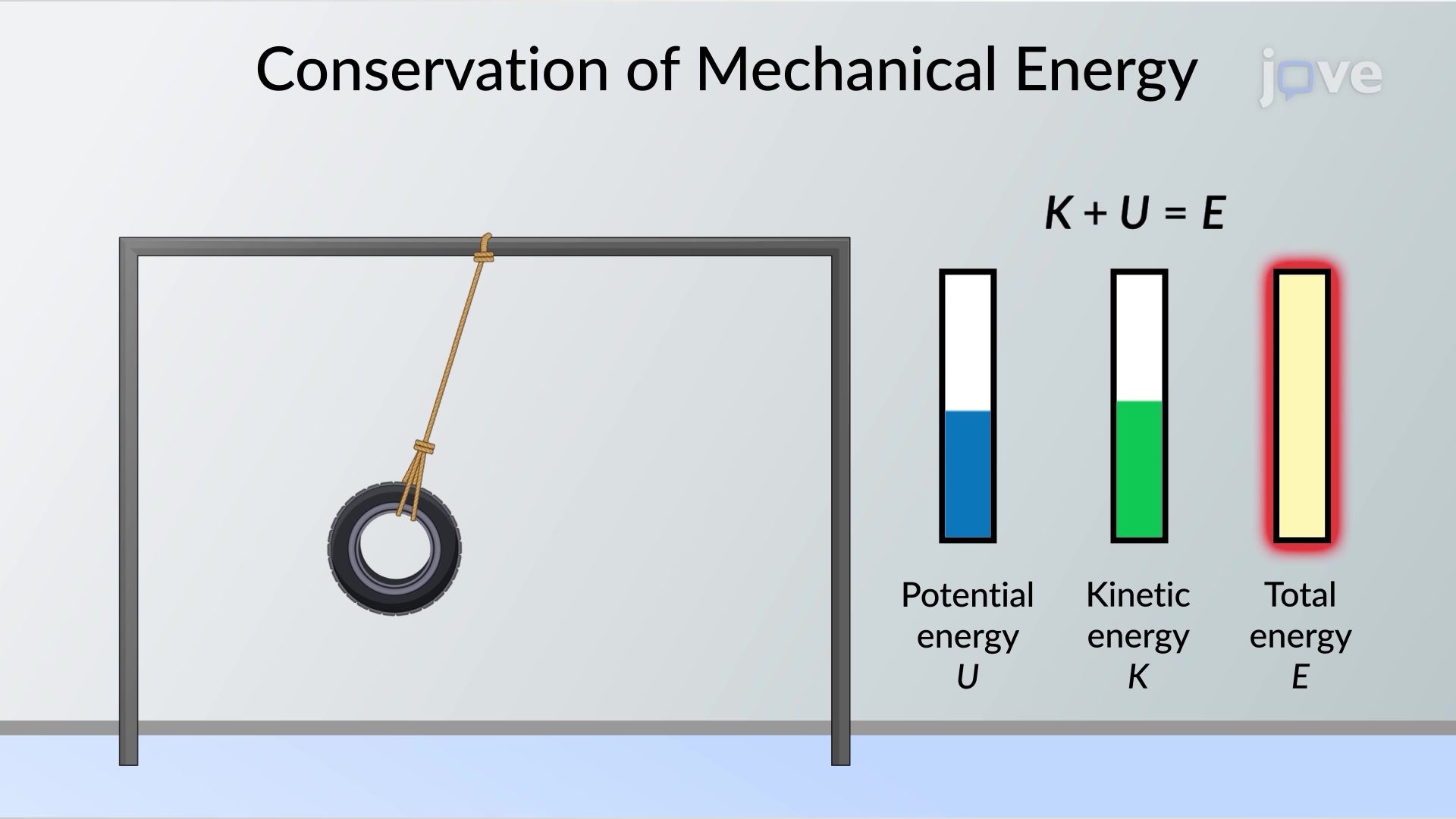
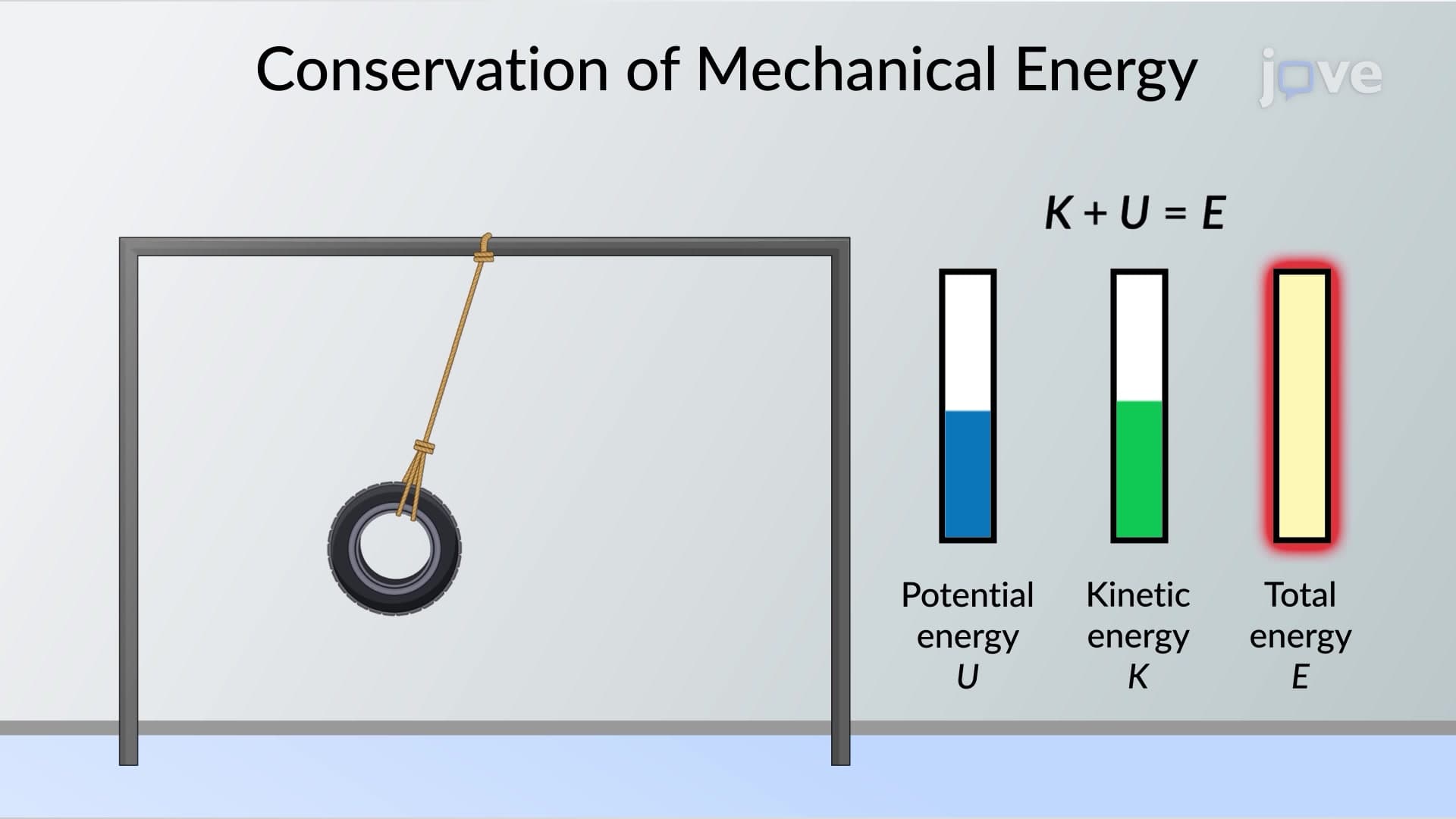
Ever wonder why a roller coaster at Six Flags can complete an entire loop without any additional push? The conservation of mechanical energy explains this phenomenon perfectly. This fundamental physics principle states that in an isolated system, the total mechanical energy remains constant as it transforms between kinetic and potential energy. A classic example is a pendulum swinging back and forth, where energy continuously converts between motion and position while the total stays the same. Watch the full video on JoVE Coach to master this concept with expert-led visuals and step-by-step explanations.
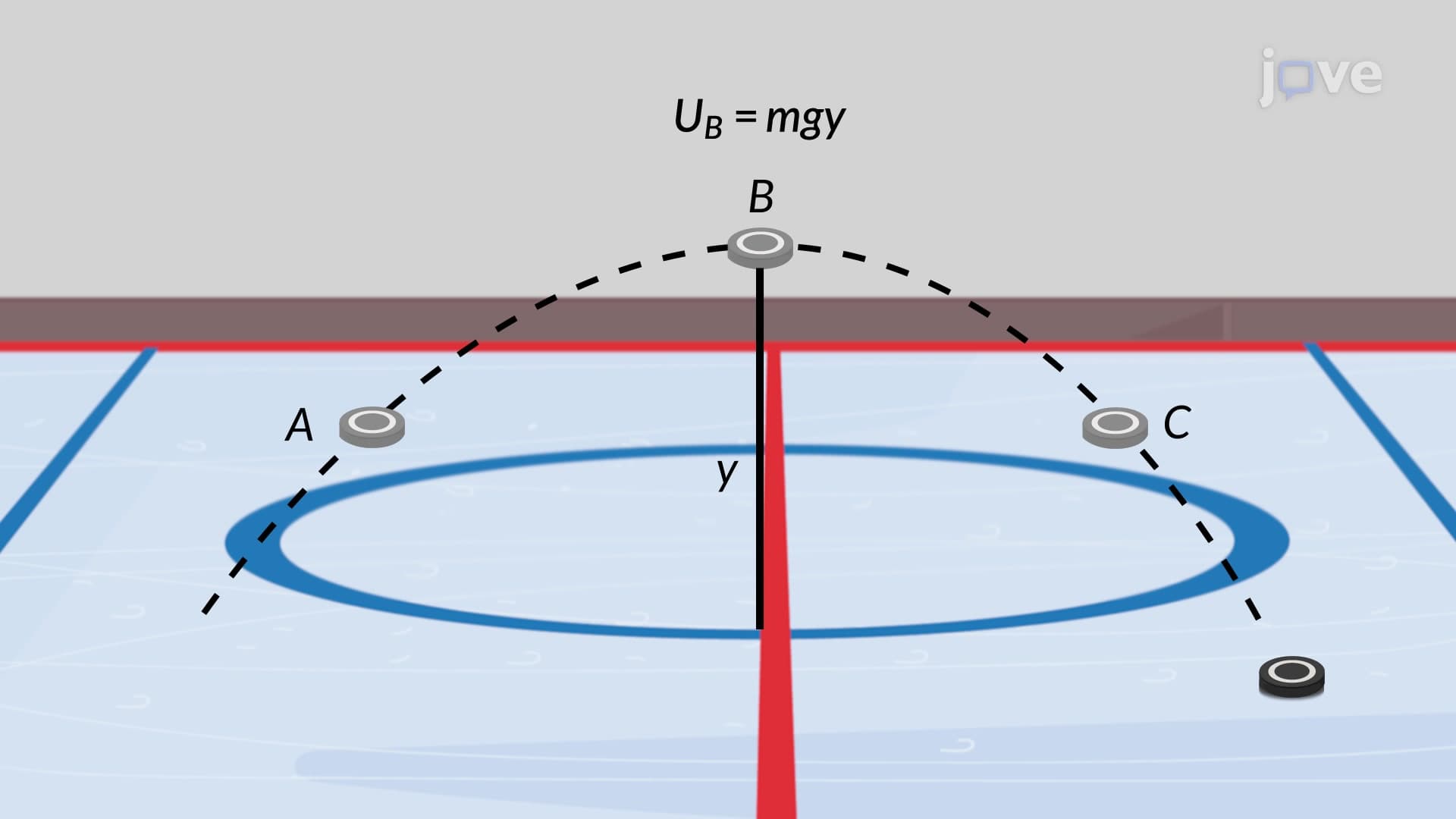
What is conservation of mechanical energy? This principle represents one of physics' most elegant and powerful concepts. In any isolated system-one where external forces don't perform work-the total mechanical energy remains constant throughout any process. Mechanical energy consists of two components: kinetic energy (KE = ½mv²) and potential energy (PE = mgh for gravitational systems).
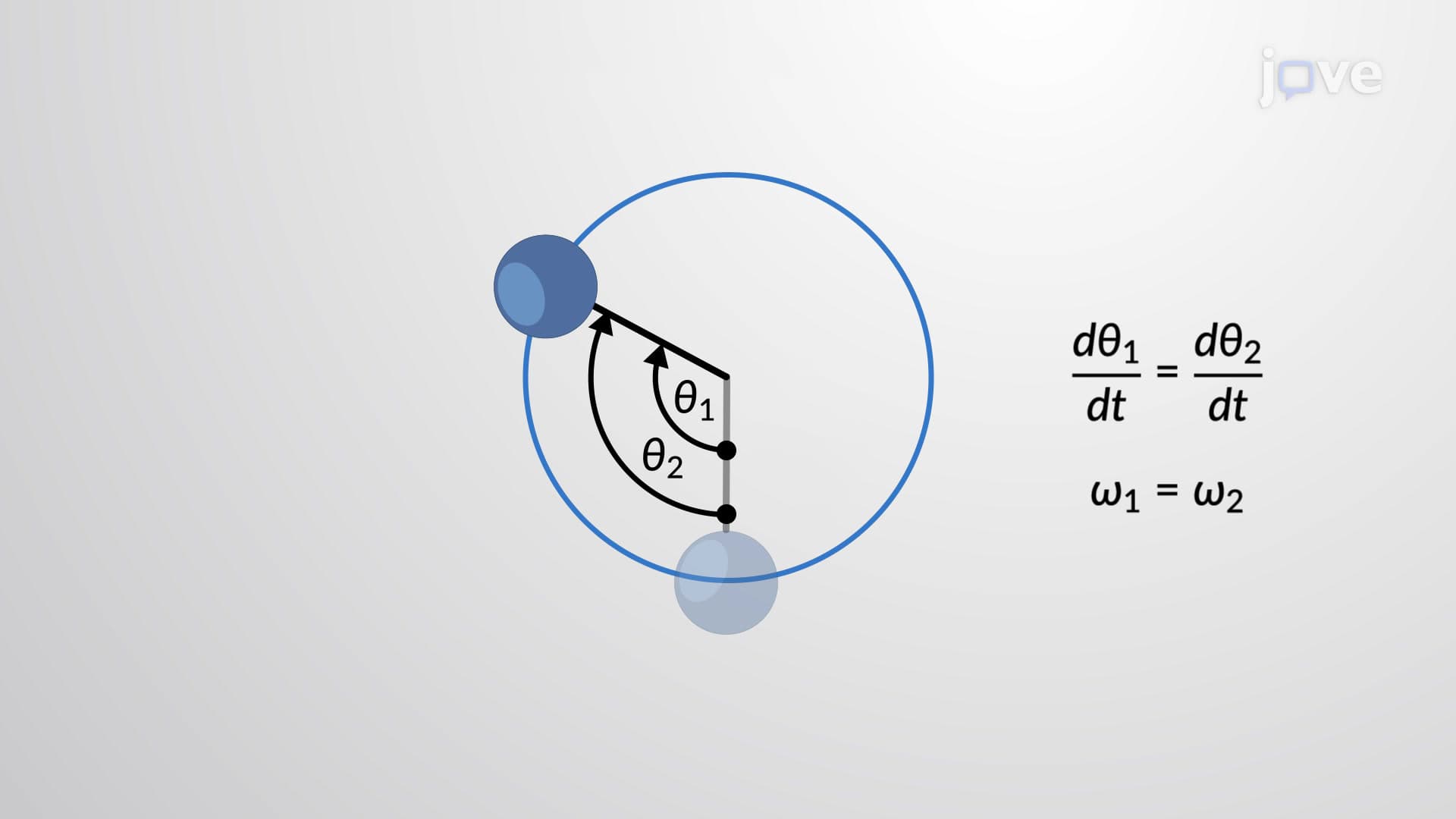
The pendulum serves as the perfect conservation of mechanical energy example. At the highest point of its swing, the pendulum possesses maximum potential energy and zero kinetic energy since it momentarily stops. As it swings down, potential energy converts to kinetic energy. At the bottom, all energy becomes kinetic as the pendulum reaches maximum speed. This continuous transformation demonstrates the conservation of mechanical energy definition in action.
Conservation of mechanical energy appears throughout American engineering and sports. Consider a basketball player shooting a free throw at Madison Square Garden. As the ball leaves their hands with initial kinetic energy, it gains potential energy while rising. At the peak, kinetic energy becomes zero while potential energy maximizes. The ball then converts potential energy back to kinetic energy as it falls toward the hoop.
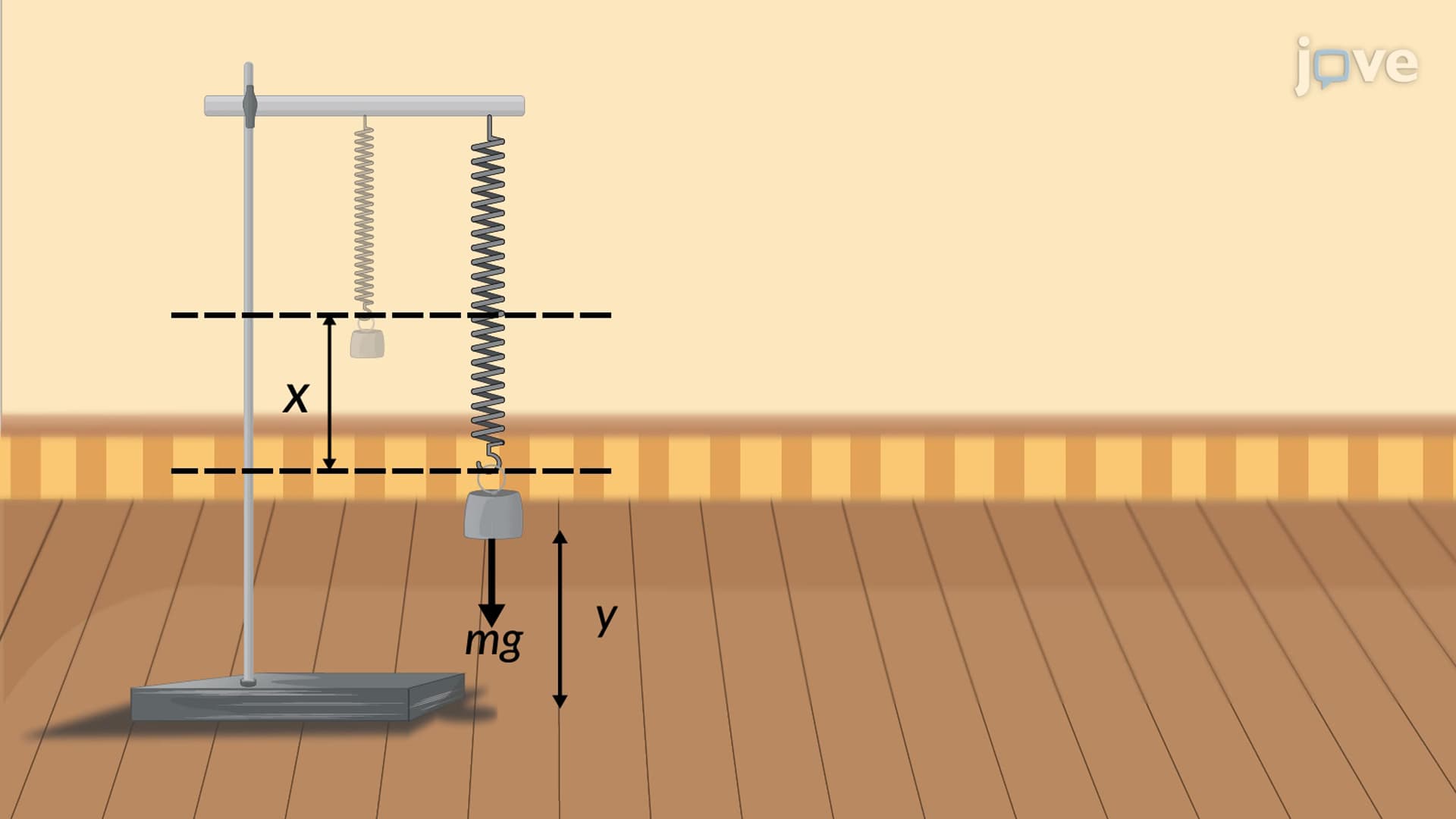
For AP Physics students, understanding this concept proves crucial for exam success. Problems often involve calculating energy at different positions using E(total) = KE + PE = constant. College-level courses expand this to include elastic potential energy in spring systems and rotational kinetic energy.
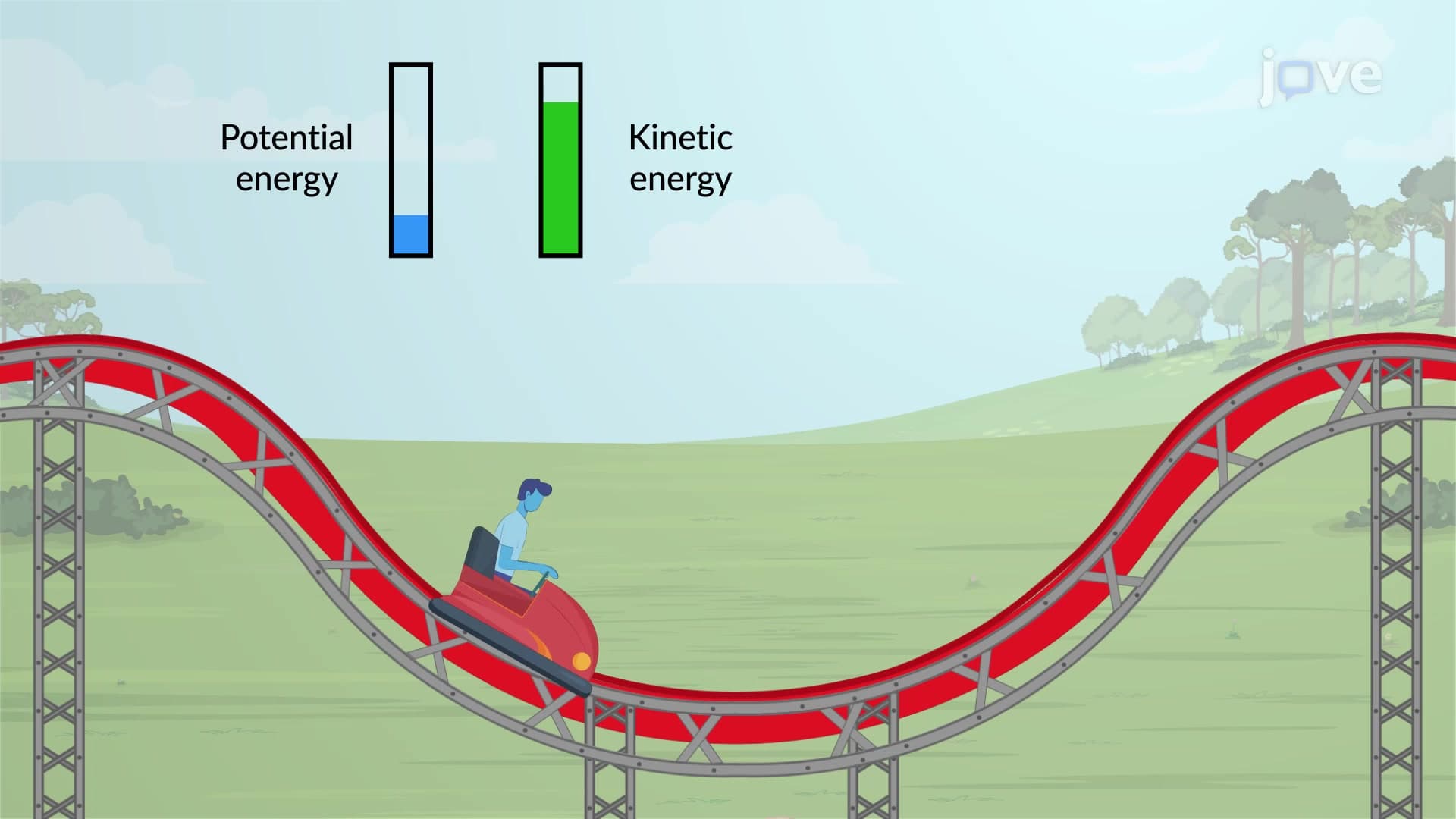
The conservation of mechanical energy concept extends beyond simple pendulums. Roller coasters demonstrate this principle spectacularly-designers use conservation laws to ensure cars have sufficient energy to complete loops and hills. The initial potential energy from the first climb provides all energy needed for the entire ride.
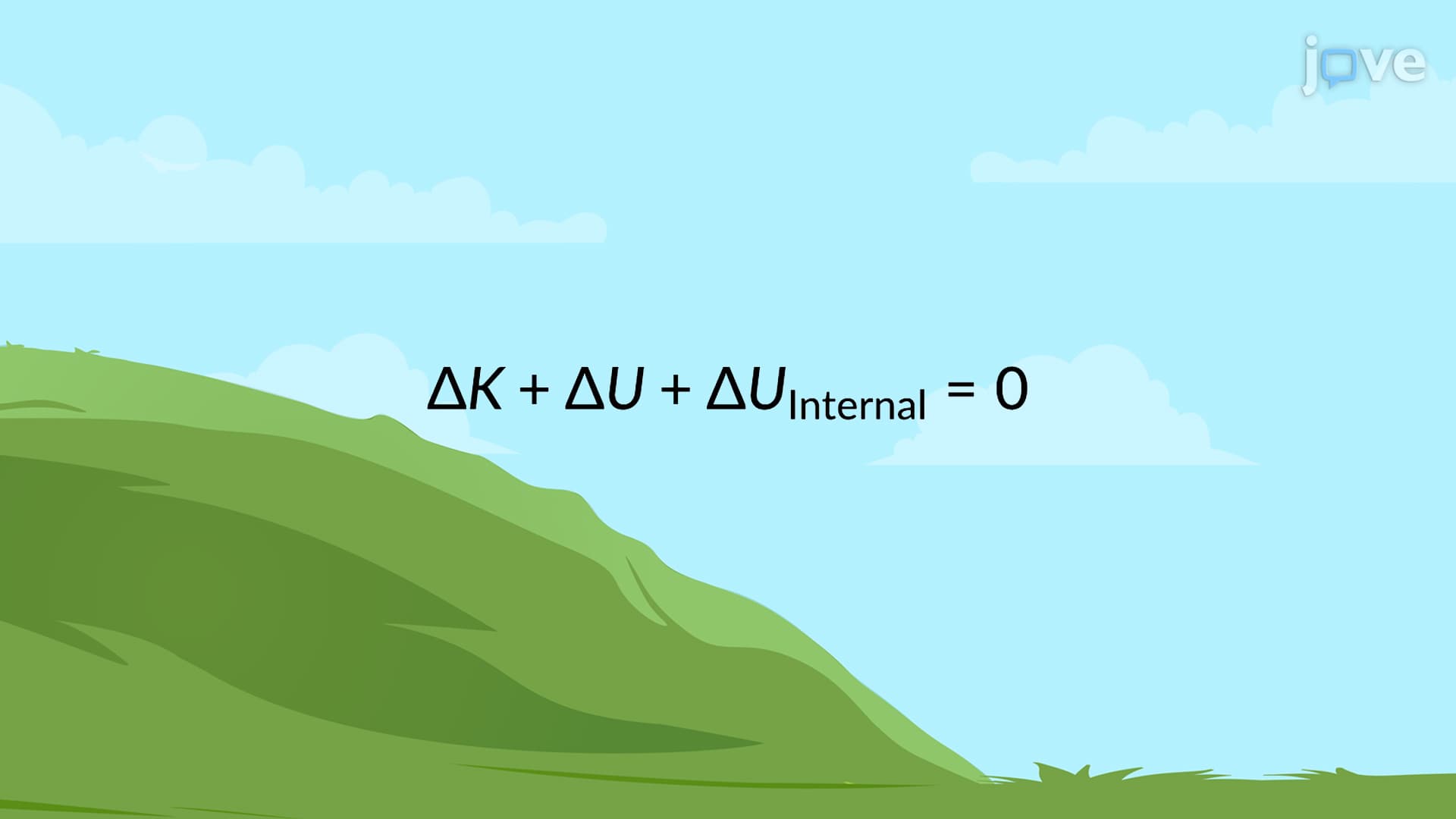
Students preparing for the MCAT or AP Physics exams should practice identifying when systems are isolated versus when friction or air resistance causes energy loss. This distinction determines whether mechanical energy conservation applies or if you must account for energy dissipation.
Related Micro-courses