Loading subject page…

- Physics
- Potential Energy and Energy Conservation
- Elastic Potential Energy
Micro-course: Potential Energy and Energy Conservation
130,500 views
Learn key concepts and earn your certificate.


Elastic Potential Energy

00:00
01:01
Video Summary: What Is Elastic Potential Energy
Ever wondered why a stretched rubber band can launch a paper ball across the classroom? Elastic potential energy is the hidden force behind this everyday phenomenon-energy stored in deformed objects that can snap back to their original shape. From the compound bows used by Olympic archers in Team USA to the shock absorbers in your car, understanding what is elastic potential energy reveals the physics powering countless applications around us. Watch the full video on JoVE Coach to master this concept with expert-led visuals and step-by-step explanations.
- Understand what is elastic potential energy and how it differs from other forms of potential energy
- Identify the mathematical relationship between elastic potential energy, spring constant, and displacement using Hooke's Law
- Analyze real-world systems where elastic potential energy is stored and released, from sports equipment to mechanical devices
- Apply the elastic potential energy formula (U = ½kx²) to solve quantitative physics problems
- Evaluate scenarios involving both gravitational and elastic potential energy in combined systems
- Compare elastic potential energy with kinetic energy transformations during oscillatory motion
- Recognize the role of spring constants in determining how much energy different materials can store
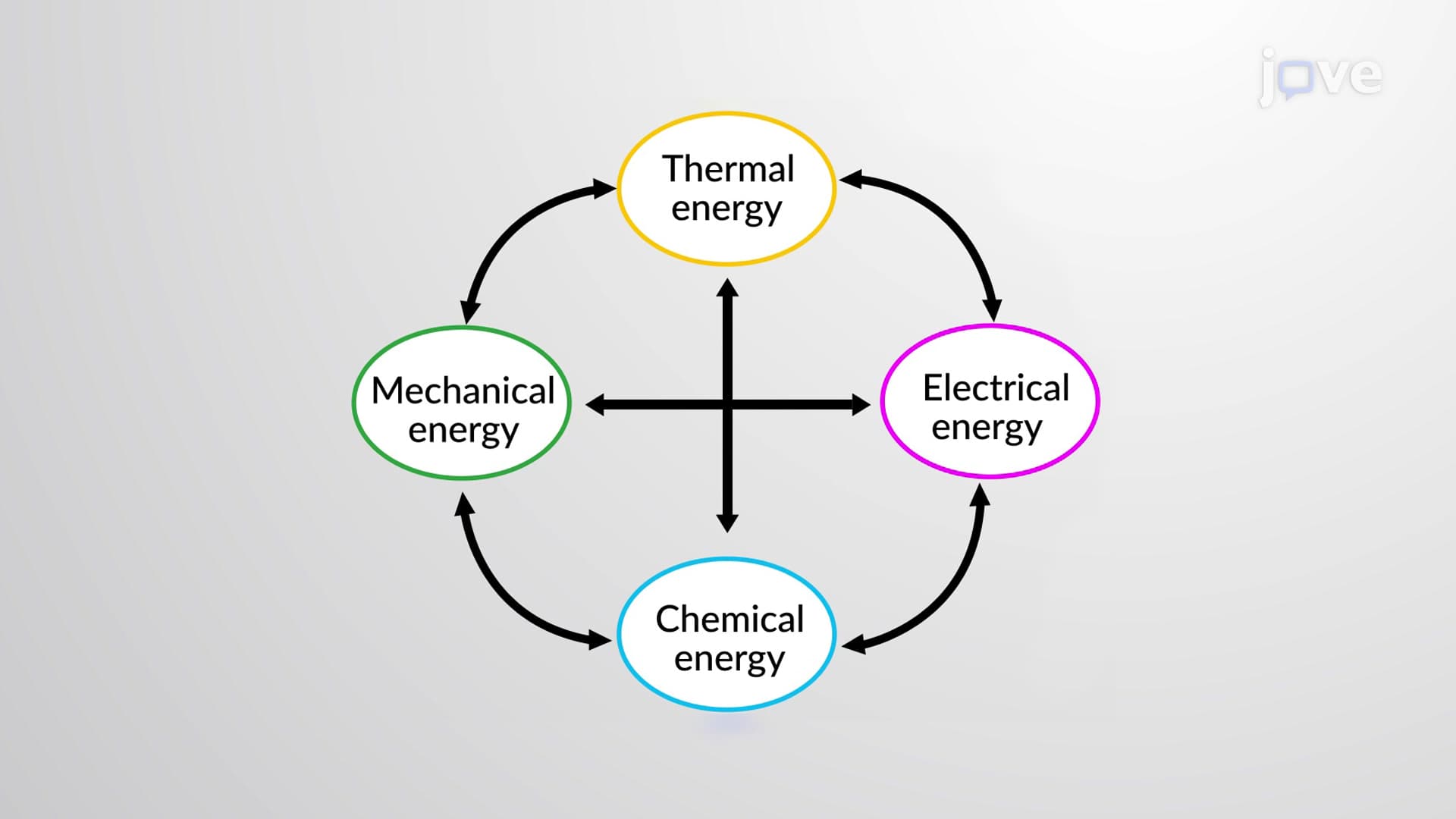
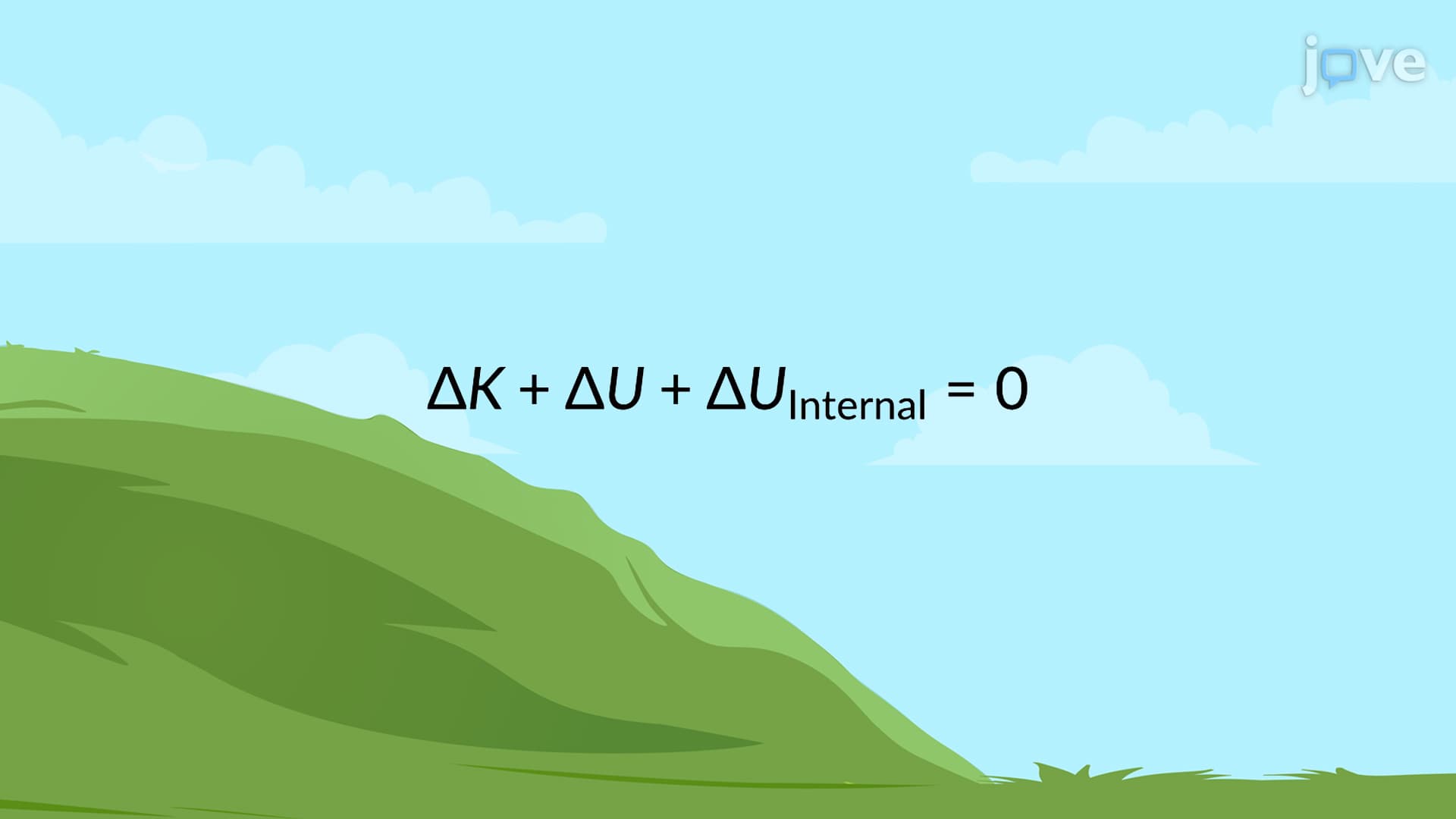
- Explore conservation of energy principles when elastic potential energy converts to other energy forms
Understanding What is Elastic Potential Energy
What is elastic potential energy fundamentally? It's the energy stored within elastic materials when they're deformed from their natural, unstressed state. Unlike gravitational potential energy that depends on height, or chemical potential energy stored in molecular bonds, elastic potential energy emerges purely from the physical distortion of flexible objects that obey Hooke's Law.
This concept becomes crucial for students taking AP Physics courses, where elastic potential energy problems frequently appear on exams. The College Board regularly tests students' ability to apply energy conservation principles involving springs, rubber bands, and other elastic systems.
The Mathematical Foundation: Hooke's Law and Energy Storage
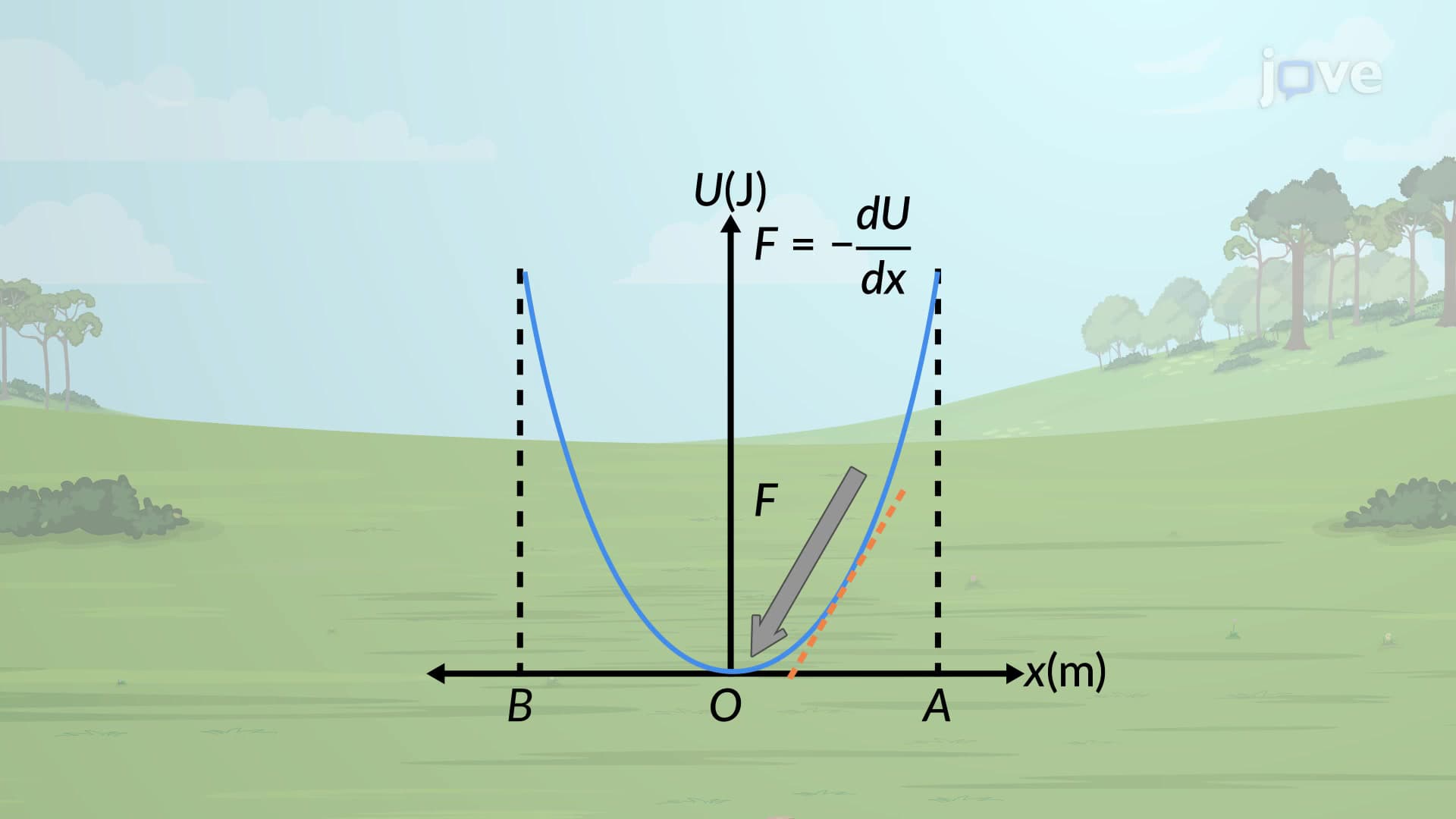
The elastic potential energy definition centers on the mathematical relationship: U = ½kx², where k represents the spring constant (measured in N/m) and x represents displacement from equilibrium position. This formula emerges directly from Hooke's Law (F = kx) and the work-energy theorem.
The spring constant k characterizes how "stiff" a material is-a higher k value means more force is required to achieve the same displacement. For example, the springs in a NASCAR suspension system have much higher spring constants than those in a ballpoint pen mechanism, reflecting their different functional requirements.
Real-World Applications in American Industry and Sports
Elastic potential energy powers numerous applications across American industries. In automotive engineering, suspension systems store and release elastic potential energy to provide smooth rides over rough terrain. The Ford F-150's leaf springs, for instance, compress when hitting bumps, storing energy that's gradually released as the truck returns to its normal position.
In sports, Olympic trampolines demonstrate spectacular elastic potential energy conversions. When gymnasts land on the trampoline surface, their kinetic energy transforms into elastic potential energy as the springs stretch. This stored energy then launches them skyward as it converts back to kinetic energy.
Combined Energy Systems: Gravitational Plus Elastic
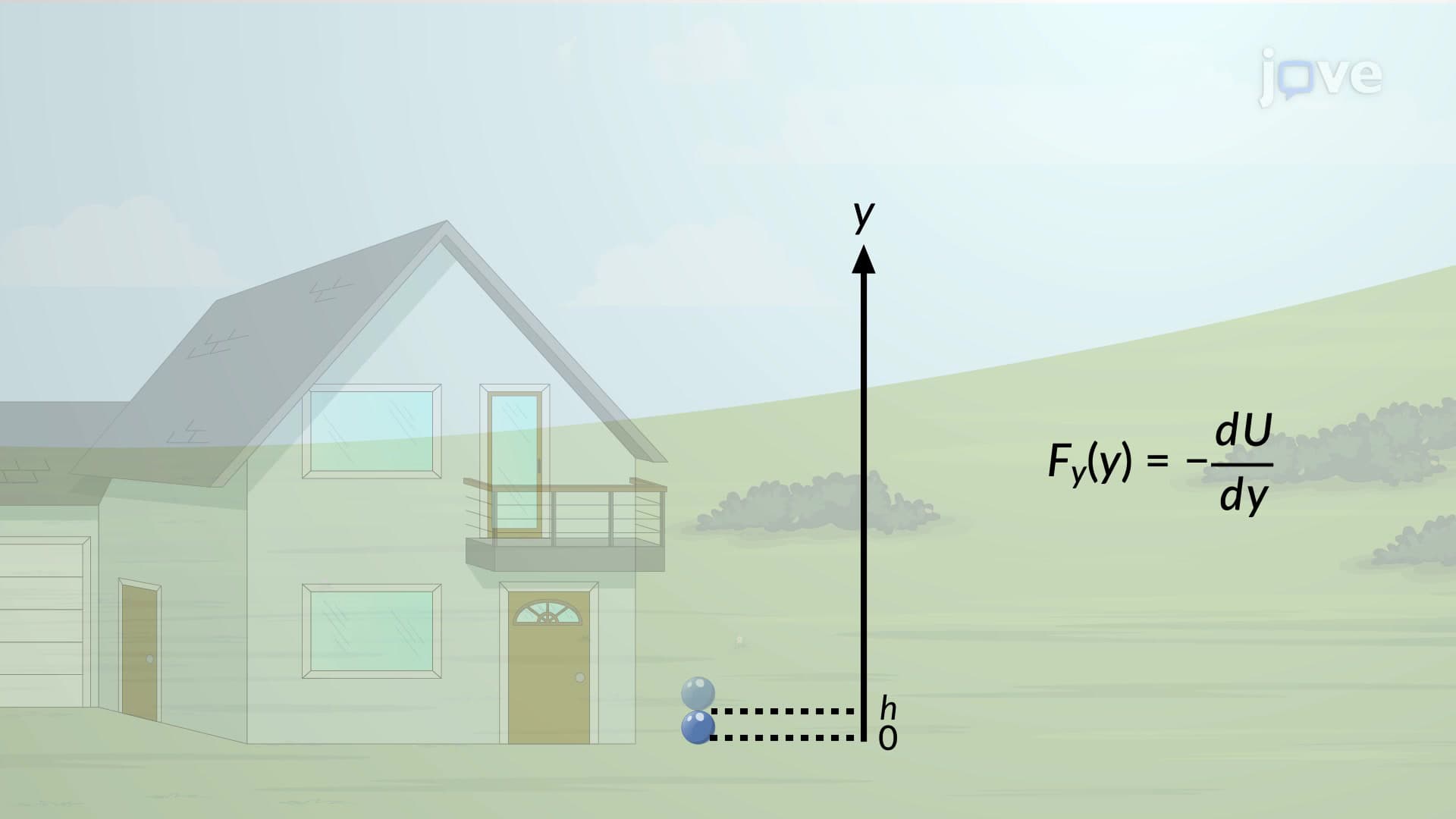
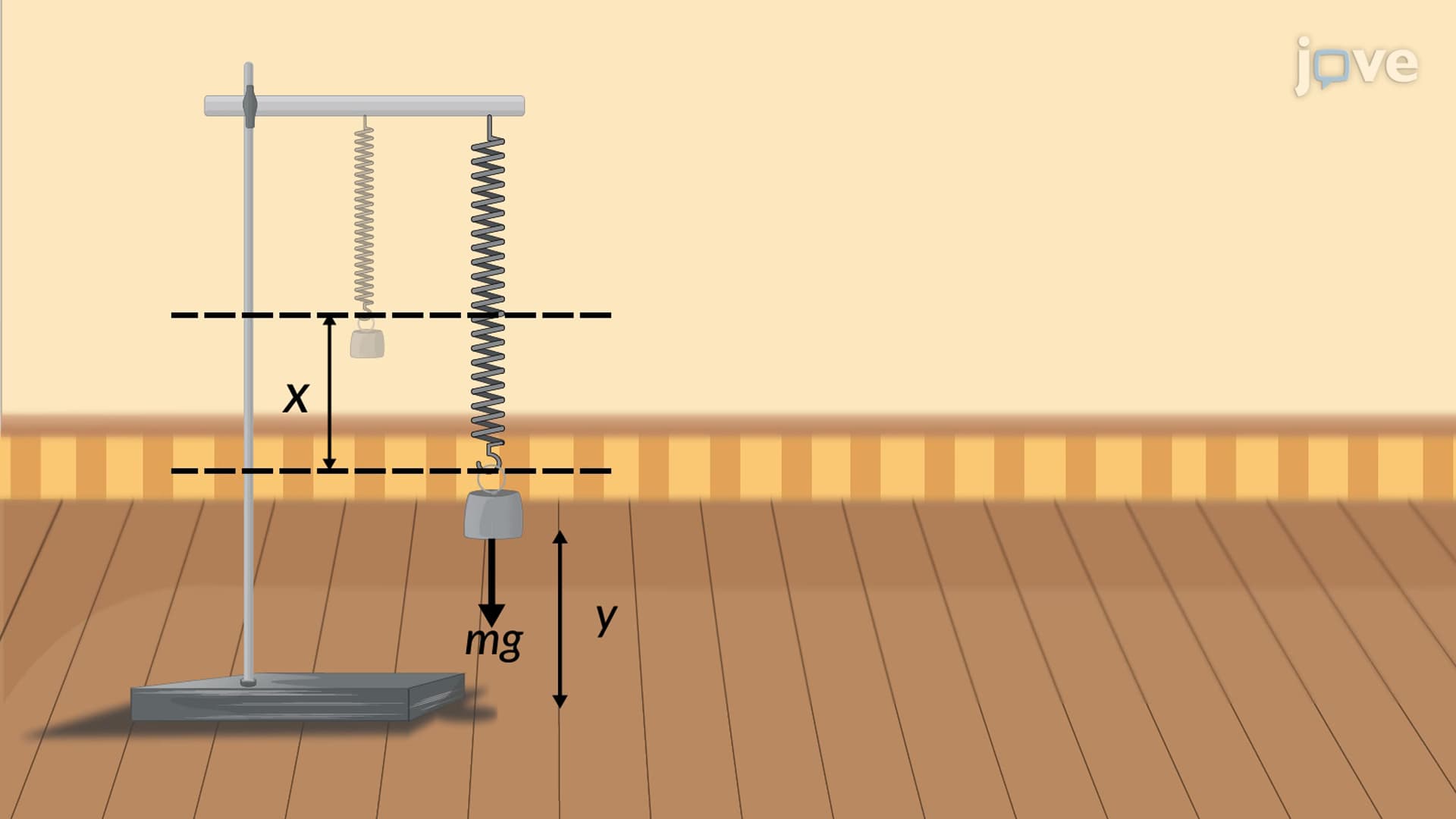
Many physics problems on the MCAT and college midterms involve systems where both gravitational and elastic potential energy exist simultaneously. Consider a mass hanging from a vertical spring: the total potential energy equals U(total) = mgh + ½kx², where the gravitational component (mgh) depends on height above a reference point, while the elastic component (½kx²) depends on spring compression or extension.
These combined systems appear frequently in engineering applications, such as the shock absorbers in the Golden Gate Bridge, which must account for both the gravitational potential energy of the bridge deck and the elastic potential energy stored in the support cables under varying load conditions.
Frequently Asked Questions
Elastic potential energy is energy stored in stretched or compressed elastic objects that can return to their original shape. Think of it as the "spring-loaded" energy in a rubber band, trampoline, or bow string that gets released when the object snaps back to its natural position.
For AP Physics, elastic potential energy is defined as U = ½kx², where k is the spring constant and x is displacement from equilibrium. The College Board expects you to apply this formula in energy conservation problems and relate it to Hooke's Law (F = kx).
The MCAT tests elastic potential energy within broader physics passages involving energy conservation, oscillatory motion, and mechanical systems. You'll need to calculate energy transformations between elastic potential, kinetic, and gravitational potential energy in biological contexts like muscle contractions or joint mechanics.
Typical problems involve a mass-spring system where you calculate the maximum compression, energy conversions during oscillation, or combined gravitational-elastic systems. These often appear in courses like Physics 201 at major universities and require applying conservation of mechanical energy.
Elastic potential energy is everywhere: car shock absorbers smoothing highway drives, garage door springs lifting heavy doors, diving boards at community pools launching swimmers, and even the suspension bridges like the Brooklyn Bridge flexing under traffic loads while storing and releasing energy.
Not at all! If you understand basic algebra and the concept of energy, elastic potential energy is very accessible. The math involves simple quadratic relationships (x²), and the physics connects directly to familiar experiences like stretching rubber bands or bouncing on trampolines.
Focus on three key areas: memorize the formula U = ½kx², practice energy conservation problems involving spring systems, and understand how elastic potential energy converts to kinetic energy. Work through problems involving combined gravitational and elastic systems, as these frequently appear on standardized tests.
Build on this foundation by studying simple harmonic motion, where elastic potential energy oscillates with kinetic energy in springs and pendulums. This leads naturally to wave mechanics and more advanced energy concepts in thermodynamics and electromagnetism.
Related Micro-courses

19 Concepts

14 Concepts
14 Concepts