Loading subject page…
- Social Psychology
- The Self and Self Concept
- Self-Evaluation Maintenance Model
Micro-course: The Self and Self-Concept
1,786 views
Learn key concepts and earn your certificate.























Self-Evaluation Maintenance Model

00:00
01:29
Video Summary: What Is Self Evaluation Maintenance Model
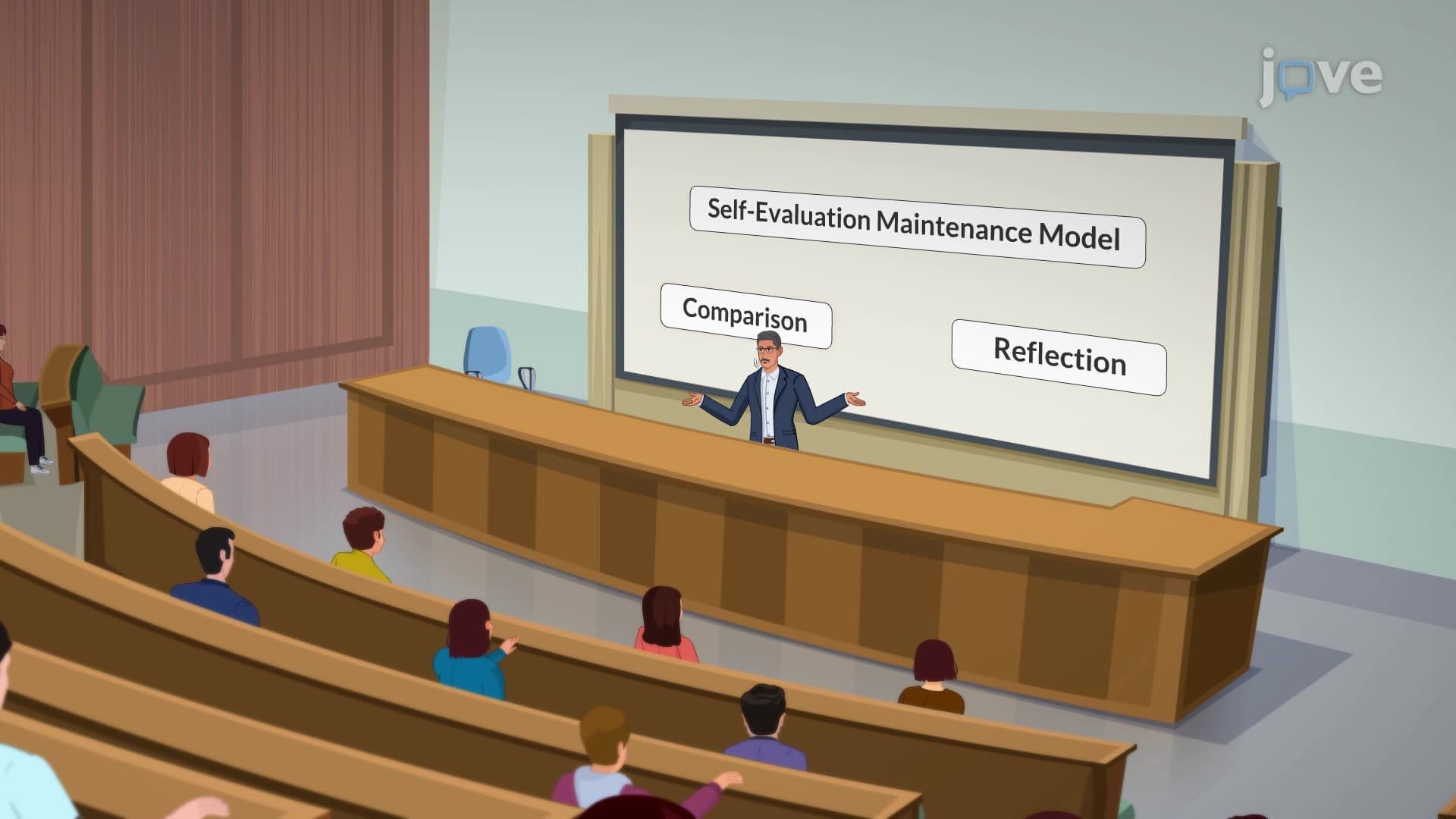
Ever wonder why your best friend's promotion makes you feel proud one day but envious the next? The self evaluation maintenance model explains this psychological puzzle by showing how we use others' achievements to regulate our own self-worth. When Stanford students outperform their roommates in computer science, it can either boost pride through connection or trigger comparison-based resentment. This model reveals the two opposing forces-comparison and reflection-that shape how close relationships affect our self-esteem in everything from academic performance to career success. Watch the full video on JoVE Coach to master this concept with expert-led visuals and step-by-step explanations.
- Understand how the Self Evaluation Maintenance Model explains the dual processes of comparison and reflection in self-esteem regulation
- Identify the two core assumptions underlying this psychological theory: self-esteem preservation and the impact of others' achievements
- Analyze how closeness and performance dimensions interact to determine whether others' success enhances or threatens self-evaluation
- Compare the contrasting effects of comparison processes (which harm self-esteem) versus reflection processes (which boost it)
- Evaluate real-world scenarios where this model predicts relationship dynamics and emotional responses to others' accomplishments
- Apply the model's framework to understand competitive behaviors in academic, professional, and social settings
- Recognize how psychological proximity influences whether we feel pride or envy toward close others' achievements
- Explore the practical implications of this model for maintaining healthy relationships while protecting self-worth
Understanding the Self Evaluation Maintenance Model Framework
The Self Evaluation Maintenance Model, developed by social psychologist Abraham Tesser, provides a comprehensive framework for understanding how interpersonal relationships influence our self-concept. This model operates on two fundamental premises that drive human behavior: our inherent need to maintain positive self-esteem and our tendency to use others' achievements as reference points for self-evaluation.
Unlike simpler social comparison theories, this model recognizes that our relationships with others create complex emotional dynamics. When a Harvard pre-med student learns their study partner scored higher on the MCAT, their reaction depends entirely on specific psychological factors that this model precisely predicts.
The Two Competing Processes: Comparison vs. Reflection
The model identifies two opposing psychological mechanisms that determine our responses to others' success. Comparison processes occur when someone else's achievement makes us feel worse about ourselves, typically because it highlights our own shortcomings in a personally relevant domain. For instance, when your college roommate publishes research in your shared major, you might experience decreased self-esteem through unfavorable comparison.
Reflection processes work oppositely, allowing us to boost our self-evaluation by basking in the reflected glory of close others' accomplishments. When your sibling wins a prestigious scholarship, you might feel proud and experience enhanced self-worth through your connection to their success, especially if the achievement falls outside your primary areas of personal investment.
Critical Factors: Closeness and Performance Relevance
Two key variables determine whether comparison or reflection dominates your response. Closeness encompasses both emotional bonds (family relationships, close friendships) and physical proximity (classmates, teammates, colleagues). The stronger these connections, the more likely reflection processes will occur.
Performance relevance refers to how important the achievement domain is to your self-concept. If your close friend excels in an area you also consider personally important-like getting into medical school when you're also pre-med-comparison processes typically dominate, potentially straining the relationship despite your emotional closeness.
Applications in Academic and Professional Settings
This model frequently appears on AP Psychology exams and college social psychology courses because it explains common campus phenomena. Understanding these dynamics helps students navigate competitive academic environments more effectively. When study groups become sources of stress rather than support, the Self Evaluation Maintenance Model often explains the underlying psychological tensions.
In graduate school applications, students might unconsciously distance themselves from high-achieving peers in their field while celebrating friends' successes in unrelated areas. Professional environments show similar patterns, where colleagues' promotions in your department might trigger comparison, while celebrating achievements in other divisions feels easier.
Frequently Asked Questions
The Self Evaluation Maintenance Model explains how people regulate self-esteem through two competing processes when close others achieve success. Comparison processes lower self-esteem when others outperform us in personally relevant areas, while reflection processes boost self-worth when we bask in close others' achievements in less relevant domains. This model helps predict whether relationships will be strengthened or strained by others' accomplishments.
The model defines jealousy as primarily arising through comparison processes when someone close achieves success in an area important to your self-concept. The closer the relationship and the more relevant the achievement domain, the more likely comparison will trigger negative emotions like envy or resentment. Understanding this helps explain why romantic partners might feel threatened by each other's professional success in similar fields.
This model frequently appears on AP Psychology FRQs covering social psychology, particularly questions about social comparison theory, self-concept, and interpersonal relationships. Students should understand how it relates to topics like attribution theory, group dynamics, and motivation. The model often appears in Unit 8 (Social Psychology) questions asking students to explain behavior in competitive academic or social scenarios.
MCAT Psych/Soc sections often test this model through passage-based questions about academic competition, professional relationships, or social dynamics. Questions typically ask test-takers to identify whether comparison or reflection processes explain characters' emotional responses to others' achievements. Understanding the closeness and relevance factors helps predict correct answers about relationship outcomes and self-esteem changes.
Introductory Social Psychology courses at most universities include this model when covering self-concept and interpersonal relationships chapters. Advanced courses like Social Cognition, Personality Psychology, and Research Methods in Social Psychology explore the model's experimental evidence and applications. Many Developmental Psychology courses also reference this model when discussing adolescent peer relationships and identity formation.
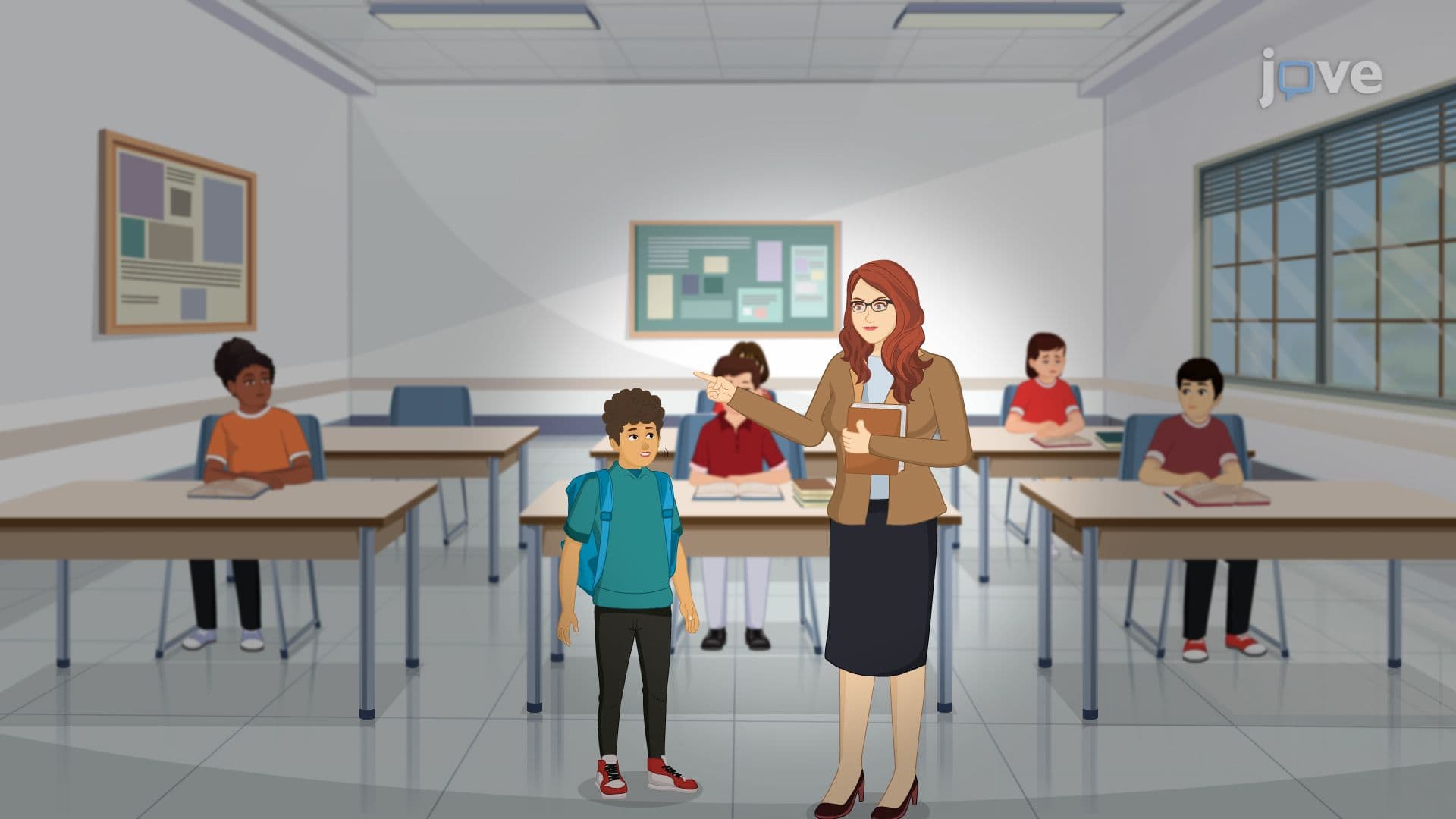
Consider two best friends both trying out for varsity basketball at their California high school. When one makes the team and the other doesn't, the Self Evaluation Maintenance Model predicts the rejected friend will experience comparison processes, feeling worse about themselves and potentially resenting their successful friend. However, if one friend makes basketball while the other excels in debate team, reflection processes dominate-each can celebrate the other's success without personal threat.
No advanced background is required-this model builds on intuitive concepts about friendship and competition that high school students already understand. Basic familiarity with self-esteem and social comparison concepts from introductory psychology helps, but the model's core ideas about closeness and relevance are accessible to anyone. Most students grasp the fundamental concepts quickly through relatable examples from their own social experiences.
Create a simple two-by-two matrix with closeness (high/low) and relevance (high/low) to predict when comparison versus reflection occurs. Practice with personal examples from your own relationships, then work through textbook scenarios and past exam questions. Focus on identifying the key factors rather than memorizing definitions, and always consider how the model explains both positive and negative relationship outcomes based on others' achievements.
Understanding Social Identity Theory, Social Comparison Theory, and Self-Enhancement vs. Self-Verification motives provides crucial context for this model. Studying attribution theory helps explain how people interpret others' successes, while research on basking in reflected glory (BIRGing) and cutting off reflected failure (CORFing) shows related self-esteem maintenance strategies. These concepts frequently appear together on comprehensive psychology exams.
Related Micro-courses