Loading video…


 19 Concepts
 28.2K views

Video Summary: Ir Spectrum Peak Broadening Hydrogen Bonding Explained
Ever wonder why your lab's IR spectrum of rubbing alcohol shows a mysteriously broad peak instead of a sharp one? IR peak broadening hydrogen bonding occurs when alcohol molecules form intermolecular hydrogen bonds, weakening the O-H bond and creating characteristic broad absorption bands between 3200-3550 cm⁻¹. This phenomenon explains why concentrated ethanol solutions produce vastly different spectra than dilute ones in analytical chemistry labs across US universities. Watch the full video on JoVE Coach to master this concept with expert-led visuals and step-by-step explanations.
The phenomenon of IR spectrum peak broadening hydrogen bonding represents a cornerstone concept in analytical chemistry that directly connects molecular structure to spectroscopic behavior. When organic molecules containing O-H bonds undergo infrared analysis, the resulting spectra reveal critical information about intermolecular interactions that significantly impact both academic understanding and practical applications.
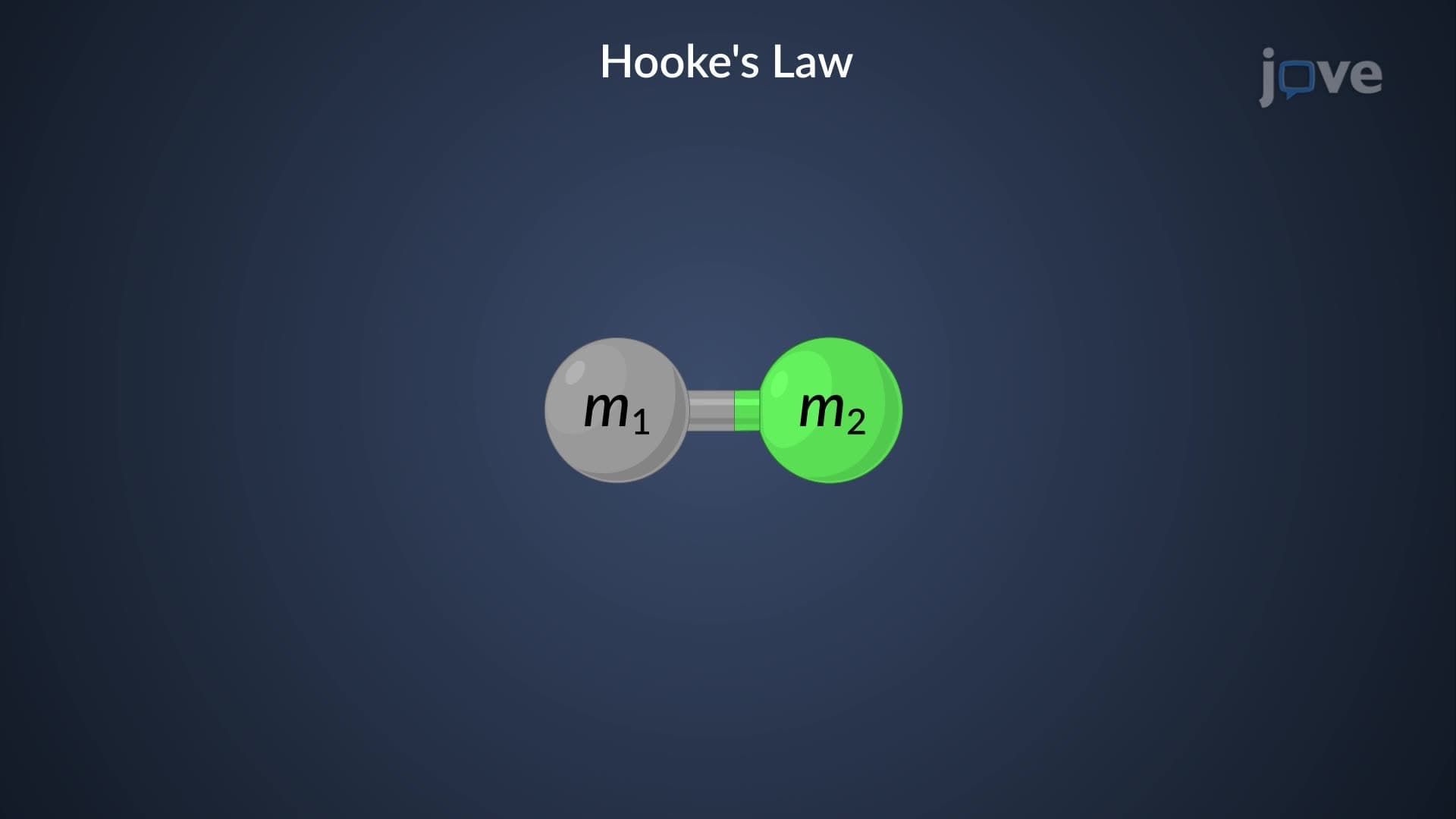
Hydrogen bonding IR peak broadening occurs through a well-defined mechanism rooted in vibrational spectroscopy principles. The vibrational frequency of any bond correlates with the square root of its force constant-essentially, stronger bonds vibrate at higher frequencies while weaker bonds vibrate at lower frequencies. When alcohol or phenol molecules form intermolecular hydrogen bonds, the existing O-H bond becomes weakened as electron density is partially donated to the hydrogen bond acceptor.
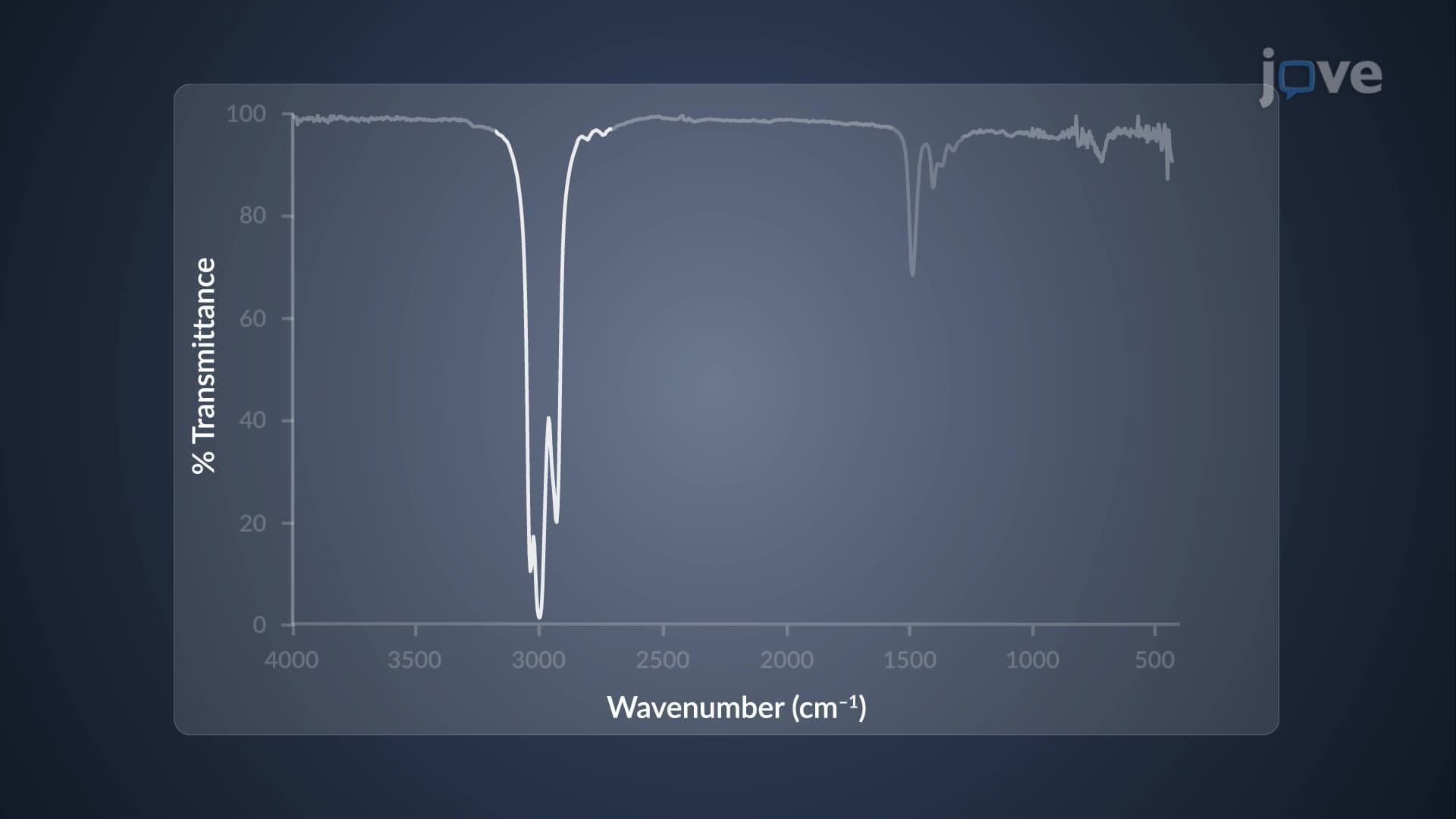
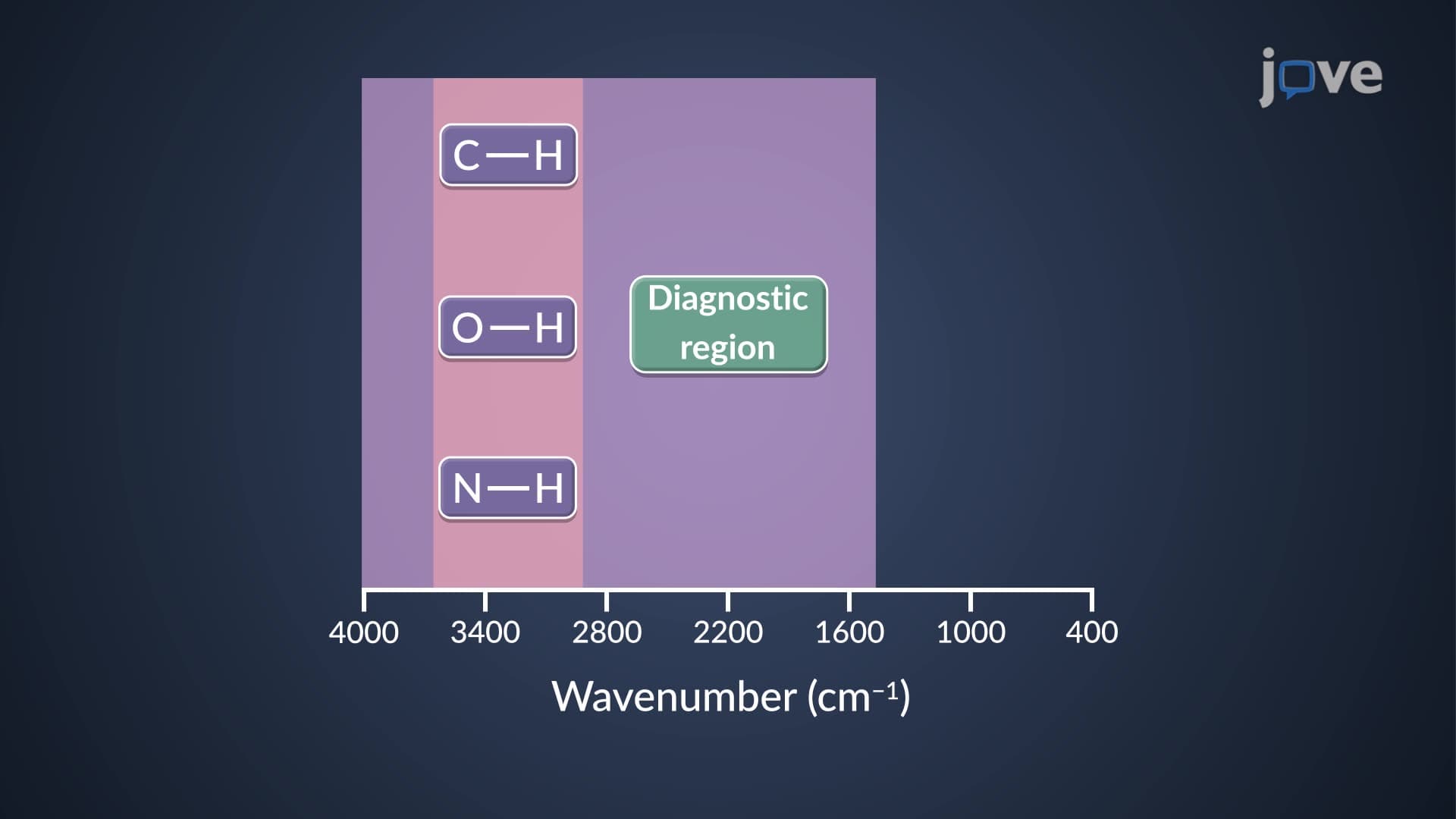
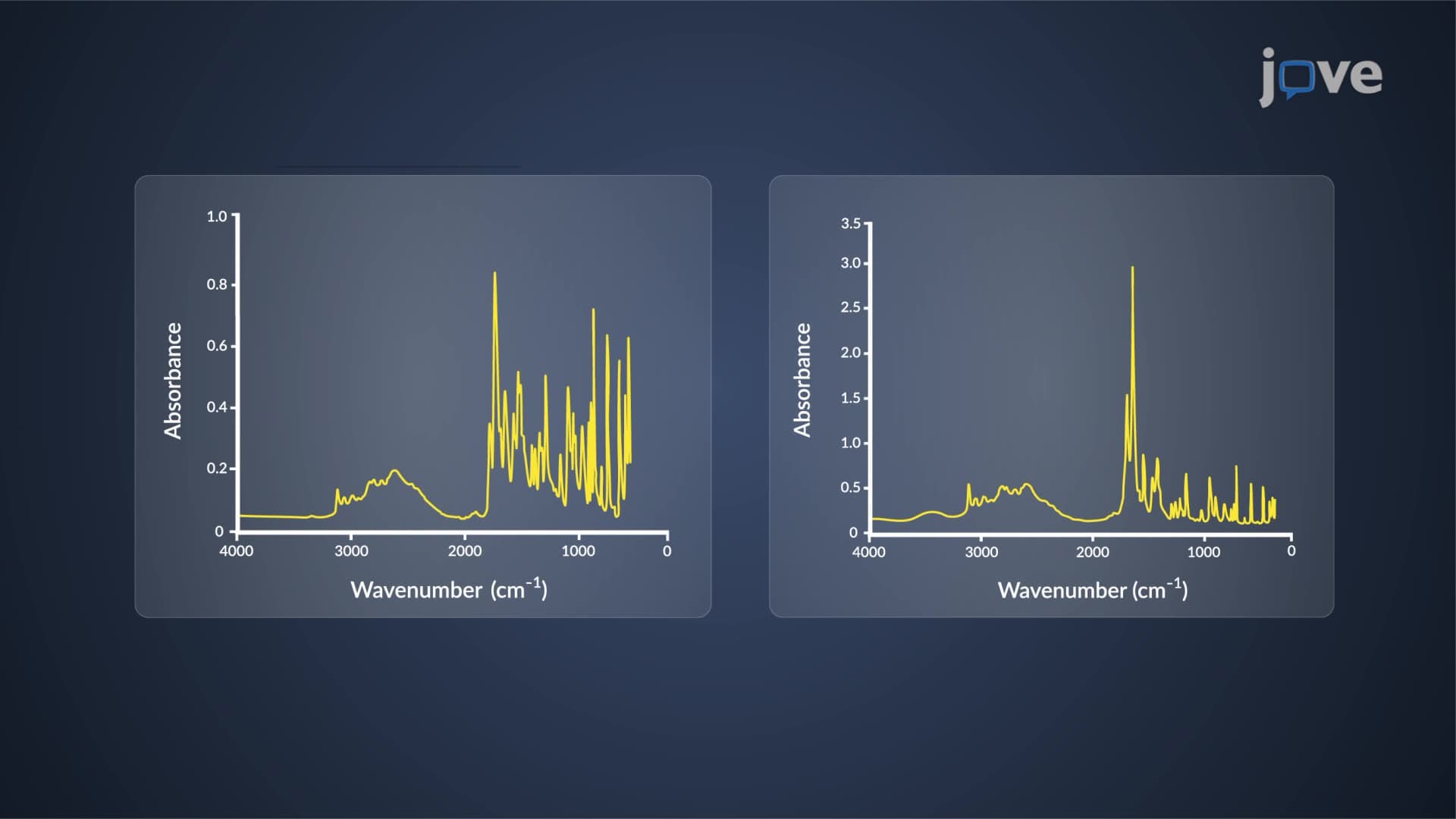
In dilute solutions or gas phase conditions, alcohol molecules exist predominantly as isolated entities, producing sharp, well-defined peaks at approximately 3600 cm⁻¹. However, as concentration increases, molecules begin forming hydrogen-bonded networks. These interactions create a distribution of slightly different O-H bond strengths, resulting in the characteristic broad absorption band spanning 3200-3550 cm⁻¹.
The relationship between concentration and spectral appearance provides valuable insights for students preparing for AP Chemistry exams or college organic chemistry courses. In moderately dilute solutions, both sharp and broad peaks appear simultaneously, representing free and hydrogen-bonded O-H groups coexisting in equilibrium. This dual-peak phenomenon offers excellent practice for MCAT test-takers who must interpret complex spectral data under time pressure.
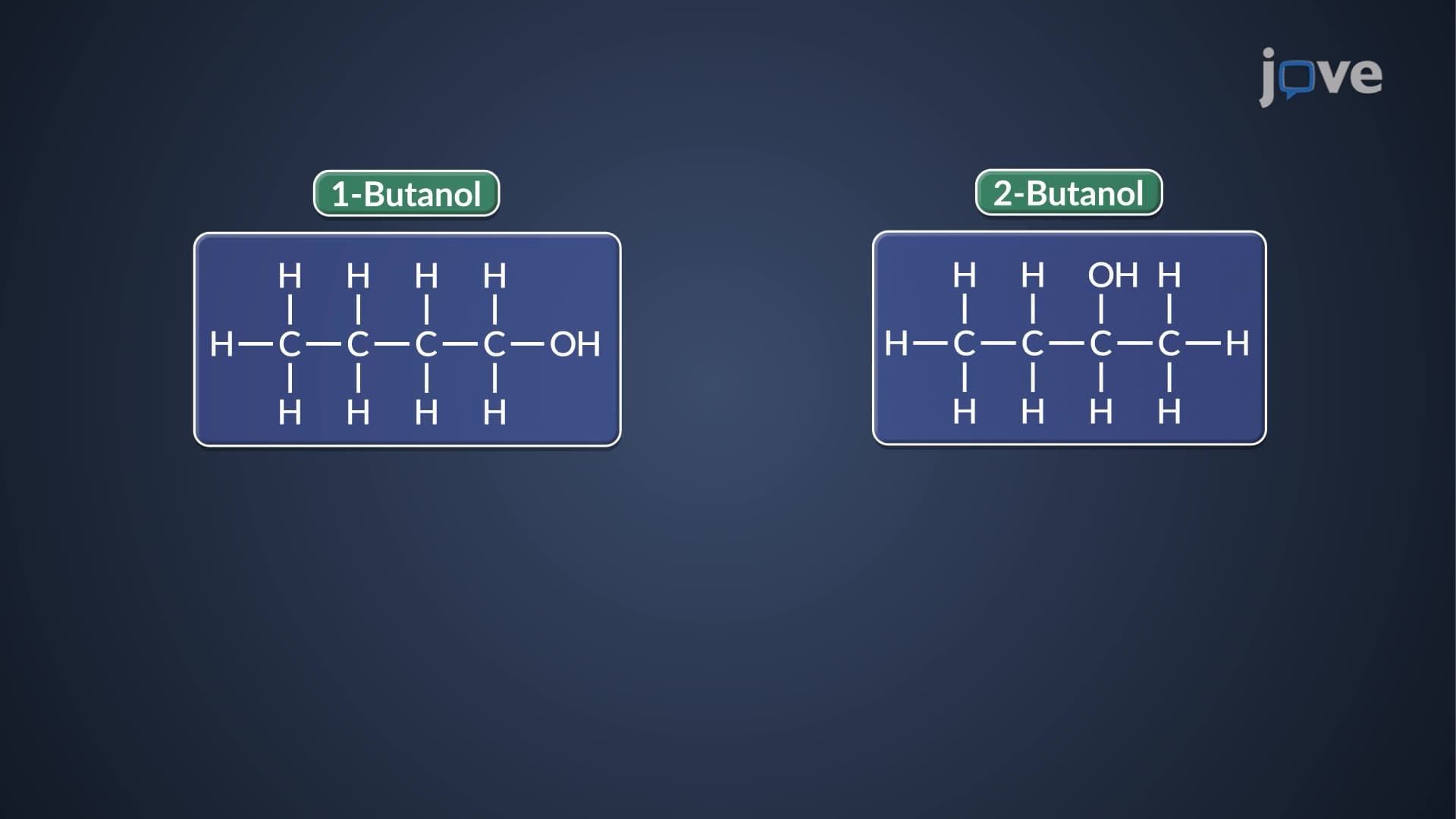
How hydrogen bonding broadens IR peaks depends significantly on molecular structure. Bulky substituents near hydroxyl groups can sterically hinder intermolecular hydrogen bond formation, resulting in sharp peaks regardless of concentration. This principle appears frequently in undergraduate organic chemistry midterms, where students must predict spectral behavior based on molecular structure alone.
For example, tert-butanol shows less hydrogen bonding compared to methanol due to steric hindrance from bulky methyl groups. Understanding these structural relationships proves essential for students pursuing careers in pharmaceutical analysis or materials science, where IR spectroscopy serves as a primary identification tool.
Related Micro-courses