Loading video…


 19 Concepts
 28.2K views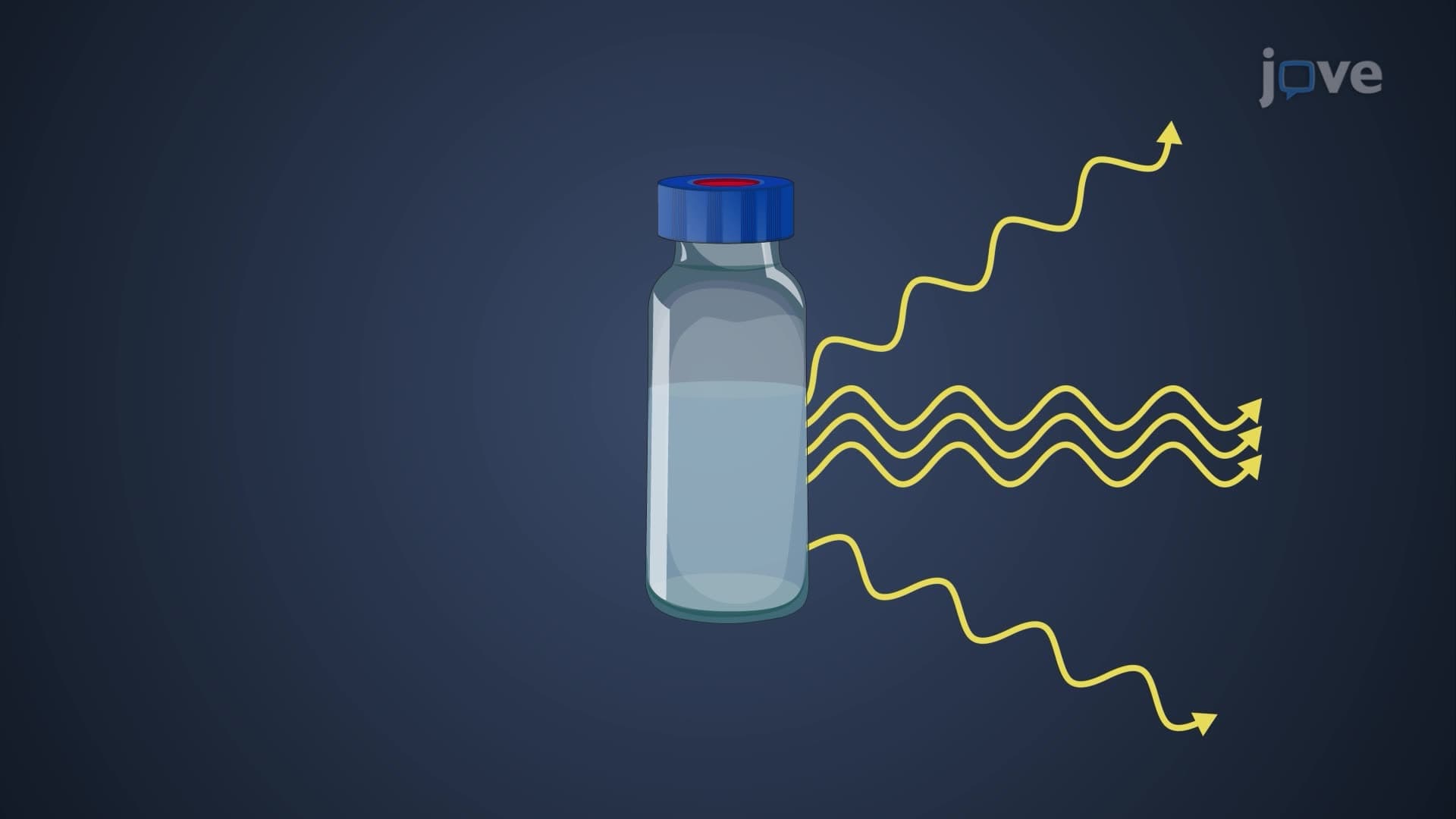

Video Summary: What Is Raman Spectroscopy Instrumentation
Ever wondered how scientists can identify unknown chemicals without destroying the sample? Raman spectroscopy instrumentation makes this possible through precise laser-based analysis that's revolutionizing fields from pharmaceuticals to forensics. The FDA regularly uses Raman spectrometer components to verify drug authenticity and detect counterfeit medications entering the US market. Understanding what is Raman spectroscopy instrumentation reveals how four essential components work together to create molecular fingerprints that identify substances instantly. Watch the full video on JoVE Coach to master this concept with expert-led visuals and step-by-step explanations.
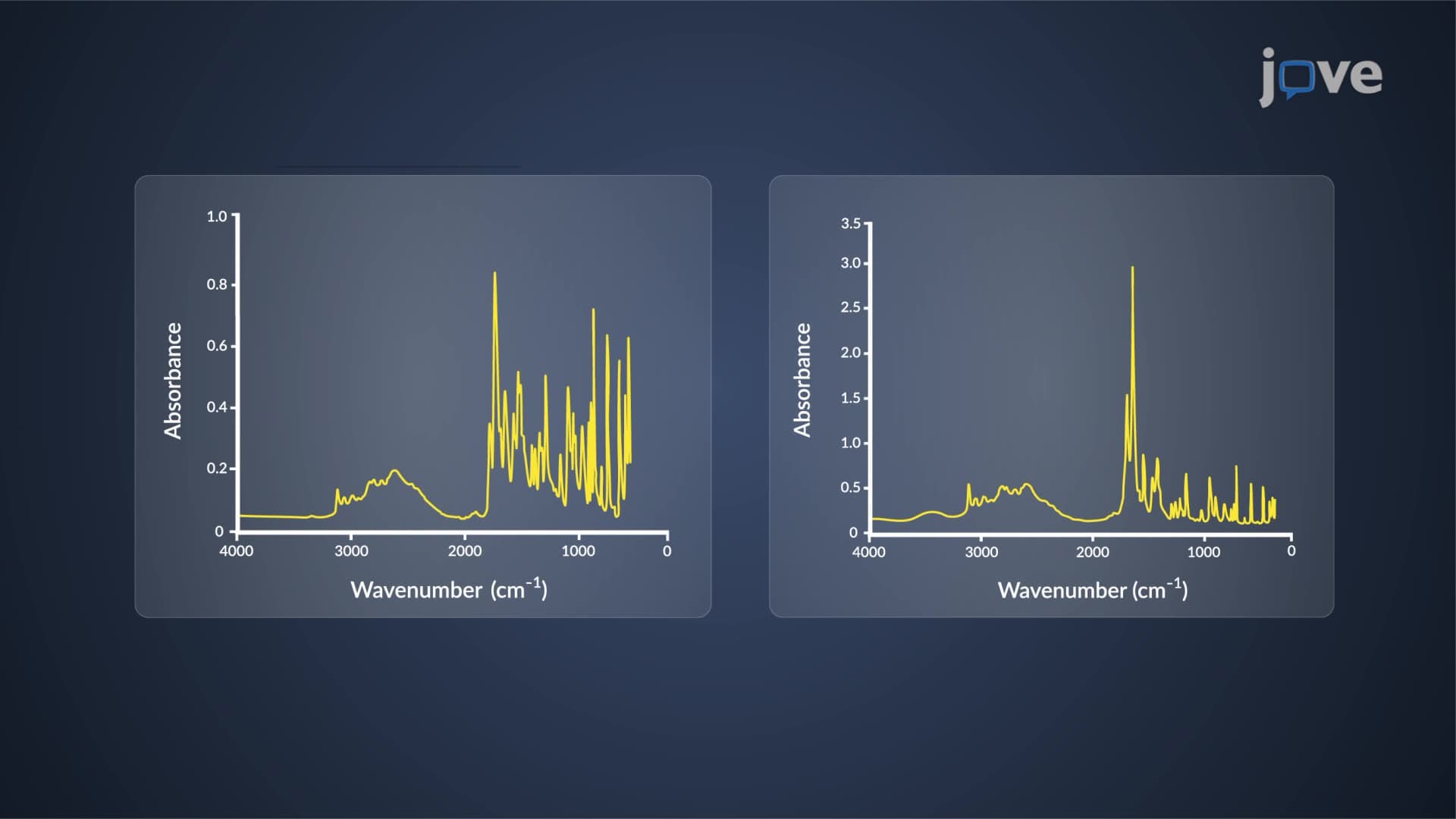
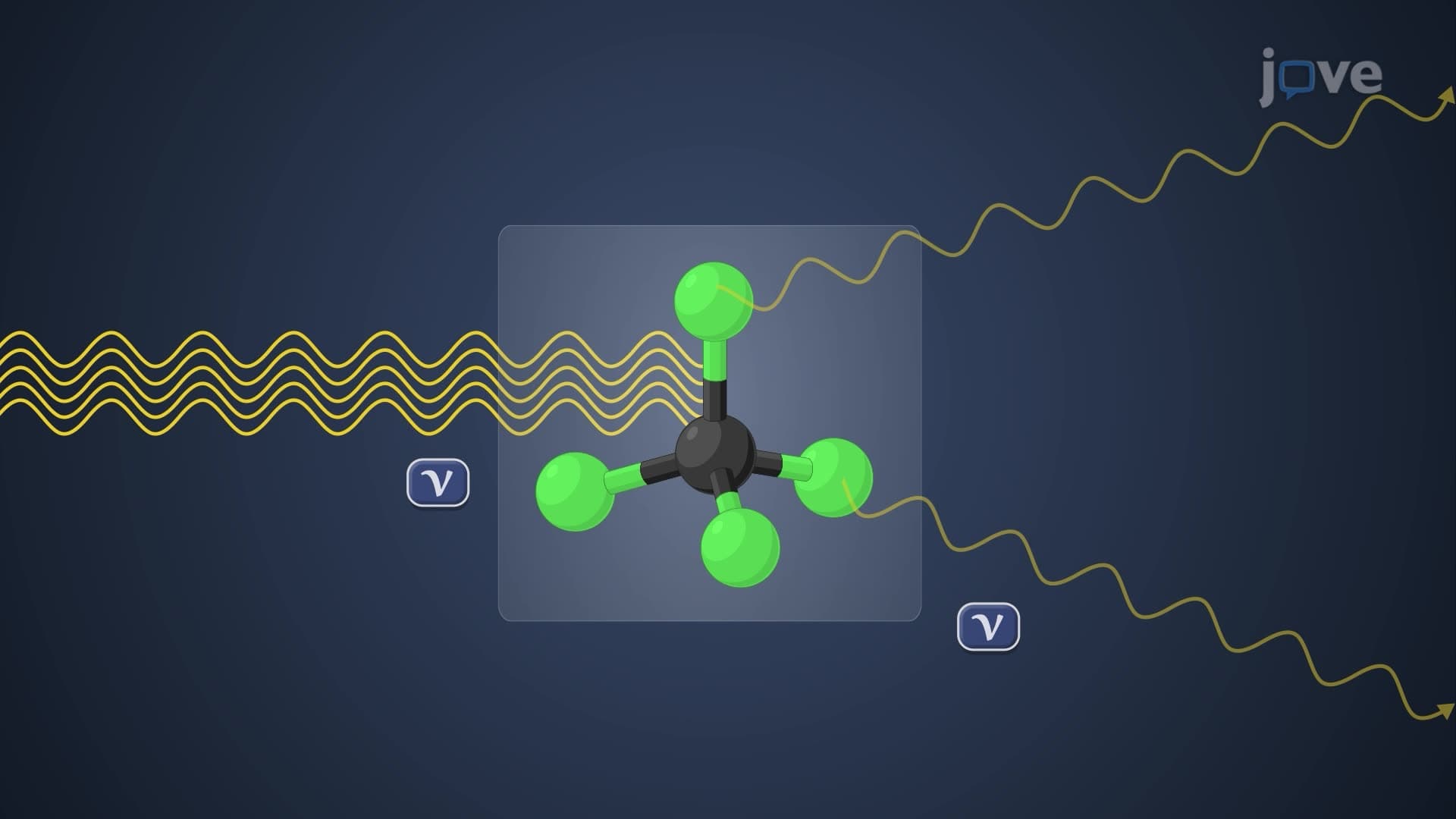
Raman spectroscopy instrumentation represents one of the most versatile analytical techniques in modern science, capable of identifying molecular structures through light scattering phenomena. Unlike infrared spectroscopy, which measures absorption, Raman spectroscopy detects the inelastic scattering of photons when they interact with molecular vibrations. This fundamental difference makes Raman particularly valuable for analyzing samples in aqueous solutions-a capability that proves essential in biological and pharmaceutical applications.
The technique's power lies in its non-destructive nature and minimal sample preparation requirements. Students preparing for the MCAT or AP Chemistry exams should understand that Raman spectroscopy can analyze virtually any sample state, making it invaluable for quality control in industries ranging from petrochemicals to biotechnology.
The laser source Raman spectrometer component serves as the system's foundation, typically employing diode lasers operating at wavelengths between 532 nm and 1064 nm. The choice of laser wavelength critically affects measurement quality-shorter wavelengths provide higher sensitivity but may cause fluorescence interference, while longer wavelengths minimize fluorescence but reduce scattering intensity.
Sample holding systems accommodate diverse sample types, from transparent liquids to opaque powders. Modern instruments feature automated sample changers and specialized cells for high-pressure or temperature-controlled measurements. This versatility explains why pharmaceutical companies like Pfizer and Johnson & Johnson rely on Raman spectroscopy for both raw material identification and finished product testing.
Notch filter Raman systems eliminate intense Rayleigh scattering that would otherwise overwhelm the weaker Raman signals. These optical filters, combined with edge filters, create a "spectral window" that allows only the desired wavelengths to reach the detector. The precision required here is remarkable-filters must reject light within 100 wavenumbers of the laser line while transmitting signals just beyond this range.
Raman CCD detector technology has revolutionized the field by enabling simultaneous detection across the entire spectral range. Charge-coupled devices offer superior sensitivity and lower noise compared to traditional photomultiplier tubes, making them ideal for detecting weak Raman signals. Thermoelectric cooling further enhances performance by reducing thermal noise-a critical consideration when analyzing trace compounds.
Dispersive Raman spectrometer designs use gratings or prisms to separate different wavelengths, offering excellent spectral resolution for detailed molecular analysis. These systems excel in research applications where high-resolution spectral features provide crucial structural information.
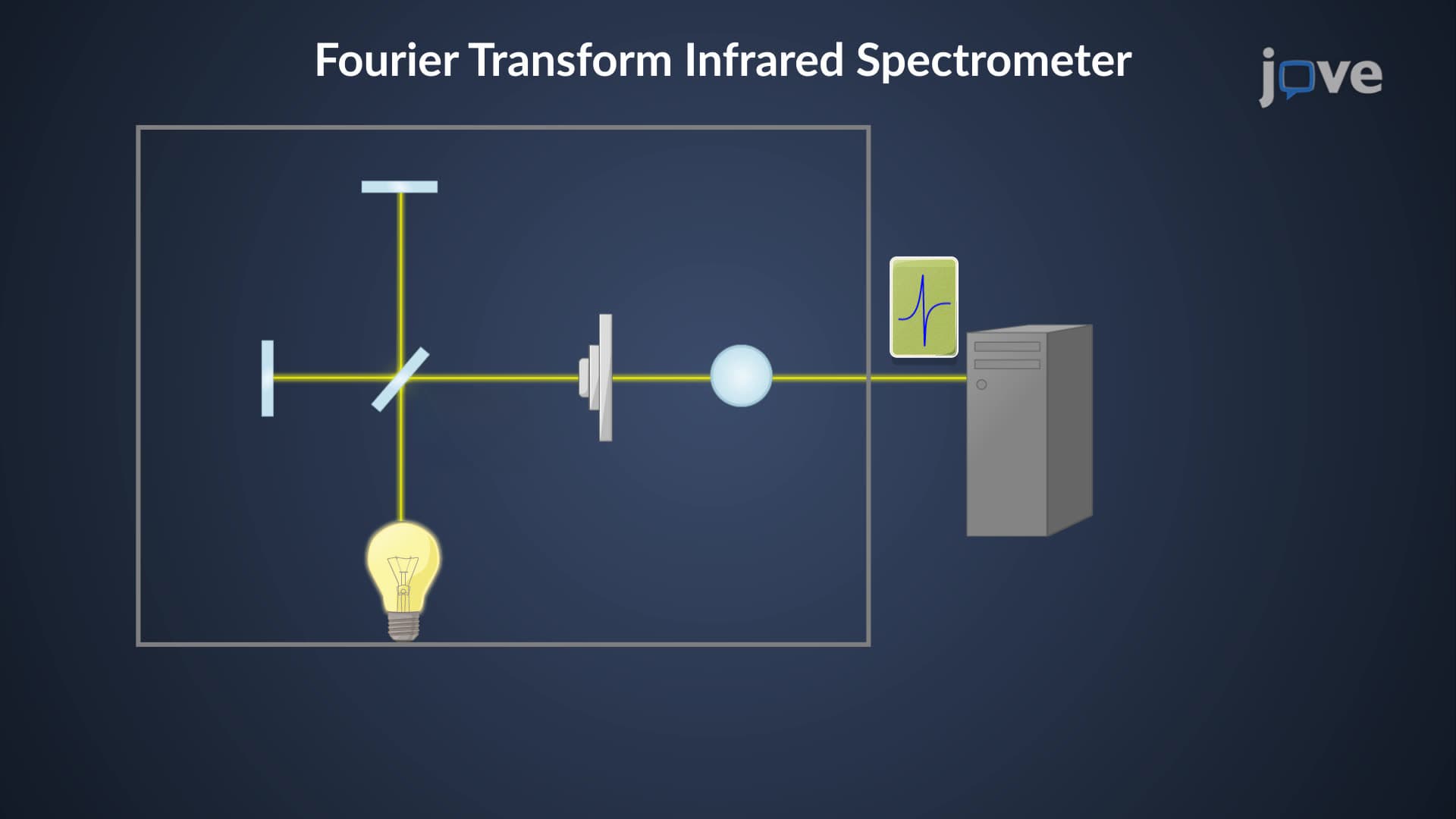
In contrast, FT-Raman spectrometer components employ interferometric techniques similar to FTIR spectroscopy. By using near-infrared excitation (typically 1064 nm), FT-Raman virtually eliminates fluorescence interference-a significant advantage when analyzing biological samples or organic compounds that fluoresce under visible light excitation.
Related Micro-courses