Loading video…


 19 Concepts
 132.6K views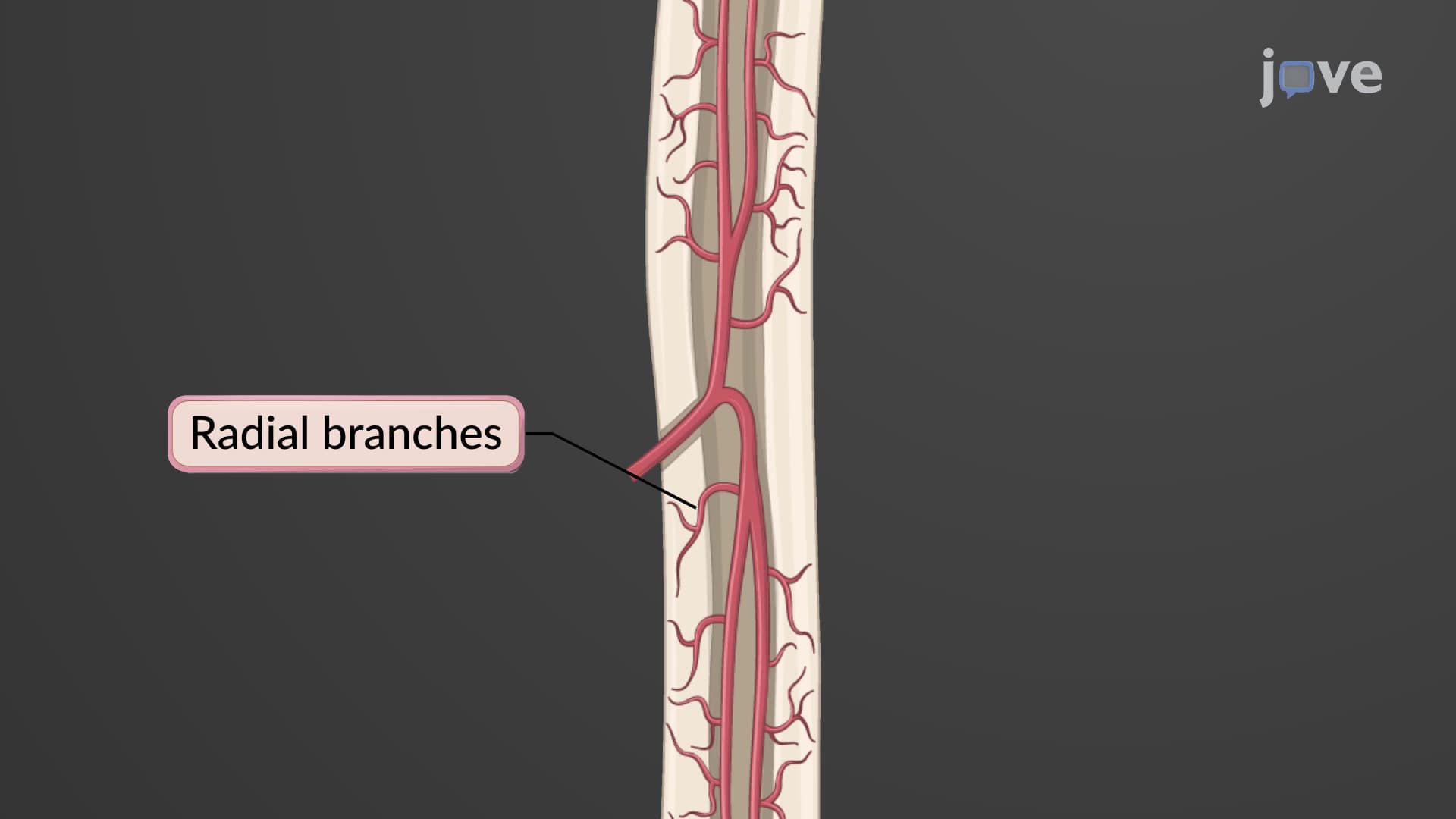

Video Summary: Blood and Nerve Supply to Bones Anatomy and Function
Why do broken bones hurt so intensely? The bone blood nerve supply includes both extensive vascular networks and pain-detecting sensory nerves that make fractures extremely painful. When NFL players suffer bone injuries like tibial fractures, their bones' sophisticated vascular nerve supply bones system immediately signals damage while simultaneously beginning repair processes. Understanding what is the blood and nerve supply to bones reveals how these living tissues maintain themselves through nutrient delivery, waste removal, and continuous remodeling. Watch the full video on JoVE Coach to master this concept with expert-led visuals and step-by-step explanations.
The skeletal system represents one of the most highly vascularized tissues in the human body, requiring extensive blood and nerve supply to bones for continuous remodeling, repair, and metabolic functions. This sophisticated network supports approximately 10% of cardiac output, demonstrating bones' active metabolic demands beyond their structural role.
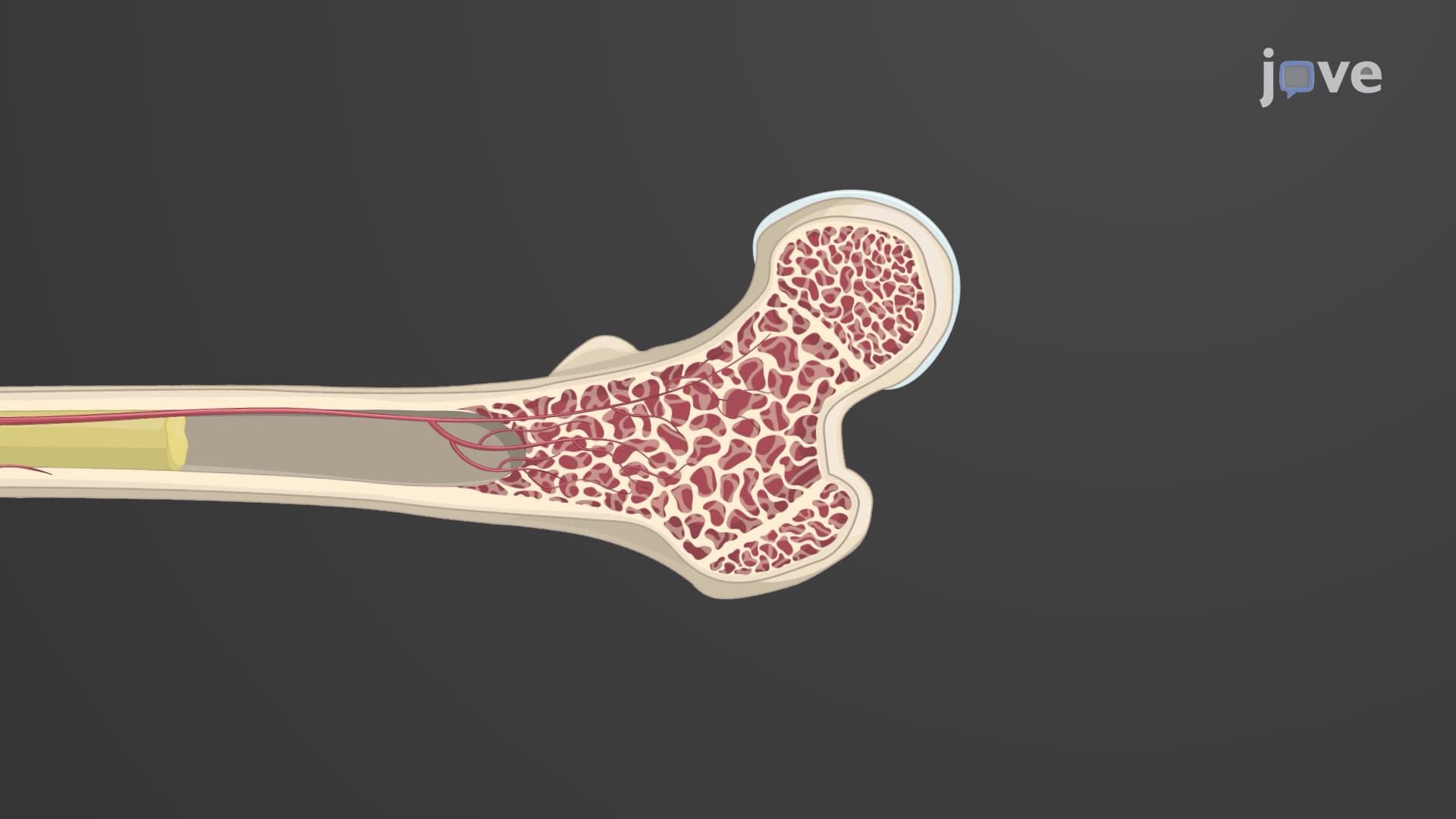
The nutrient artery bone marrow system forms the primary vascular highway in long bones. Entering through the nutrient foramen in the diaphyseal cortex, these arteries immediately bifurcate into ascending and descending medullary branches. This design ensures redundant blood supply-critical for bone survival if one branch becomes compromised.
Metaphyseal regions demonstrate the highest vascular density, receiving convergent blood flow from both medullary and metaphyseal arteries. This extensive vascularization supports rapid bone turnover during growth and fracture healing. In contrast, the diaphyseal cortex relies heavily on periosteal blood supply bone networks, which penetrate through Volkmann's canals to supply outer cortical bone.
Epiphyseal arteries create specialized networks within spongy bone, facilitating the high metabolic demands of trabecular bone and supporting joint function. This regional specialization explains why certain fractures heal differently-metaphyseal fractures typically heal faster due to superior blood supply compared to mid-shaft diaphyseal fractures.
Bone venous drainage mirrors arterial patterns through periosteal, nutrient, metaphyseal, and epiphyseal veins. This parallel organization ensures efficient removal of metabolic waste products and carbon dioxide from active bone tissue.
The periosteum nerve supply includes both sensory and autonomic fibers. Sensory nerves detect mechanical stress, temperature changes, and chemical irritants, explaining why bone infections (osteomyelitis) and fractures cause intense pain. Autonomic nerves regulate blood flow, supporting bone's adaptive response to mechanical loading-a principle fundamental to Wolff's Law.
Understanding vascular canal bone supply proves essential for healthcare students preparing for MCAT, USMLE, or nursing certification exams. Clinical scenarios often test knowledge of avascular necrosis risk factors, particularly in femoral head fractures where compromised blood supply can lead to bone death. Physical therapy students encounter these concepts when learning why certain fracture sites heal poorly or why weight-bearing restrictions exist during recovery phases.
Related Micro-courses