Loading video…


 19 Concepts
 132.6K views

Video Summary: What Is the Bone Matrix
Ever wonder why a human femur can support over 1,800 pounds of force-more than a car-yet remain flexible enough not to shatter during a basketball dunk? The bone matrix composition reveals this incredible engineering feat, where organic collagen osteoid matrix combines with inorganic hydroxyapatite mineral to create nature's ultimate composite material. Consider how NFL players withstand massive collisions: their bones resist both crushing compression and pulling tension thanks to precisely organized matrix components. Watch the full video on JoVE Coach to master this concept with expert-led visuals and step-by-step explanations.
The bone matrix represents one of biology's most sophisticated composite materials, engineered through millions of years of evolution to provide optimal mechanical properties. Unlike simple materials, bone tissue matrix explained reveals a complex hierarchy where different components work synergistically to create strength, flexibility, and resilience.
The organic component, called osteoid, comprises approximately one-third of the bone matrix composition. Collagen type I forms the backbone of this organic framework, consisting of triple-helical molecules that assemble into fibrils and eventually collagen fibers. This protein network provides tensile strength-the ability to resist pulling forces-similar to steel rebar in concrete construction.
Proteoglycans, including decorin and biglycan, fill spaces between collagen fibers and bind water molecules. This hydration creates a gel-like matrix that absorbs shock and distributes compressive forces evenly. Students preparing for the MCAT will recognize this as crucial for understanding how bones handle the repetitive loading during activities like running marathons.
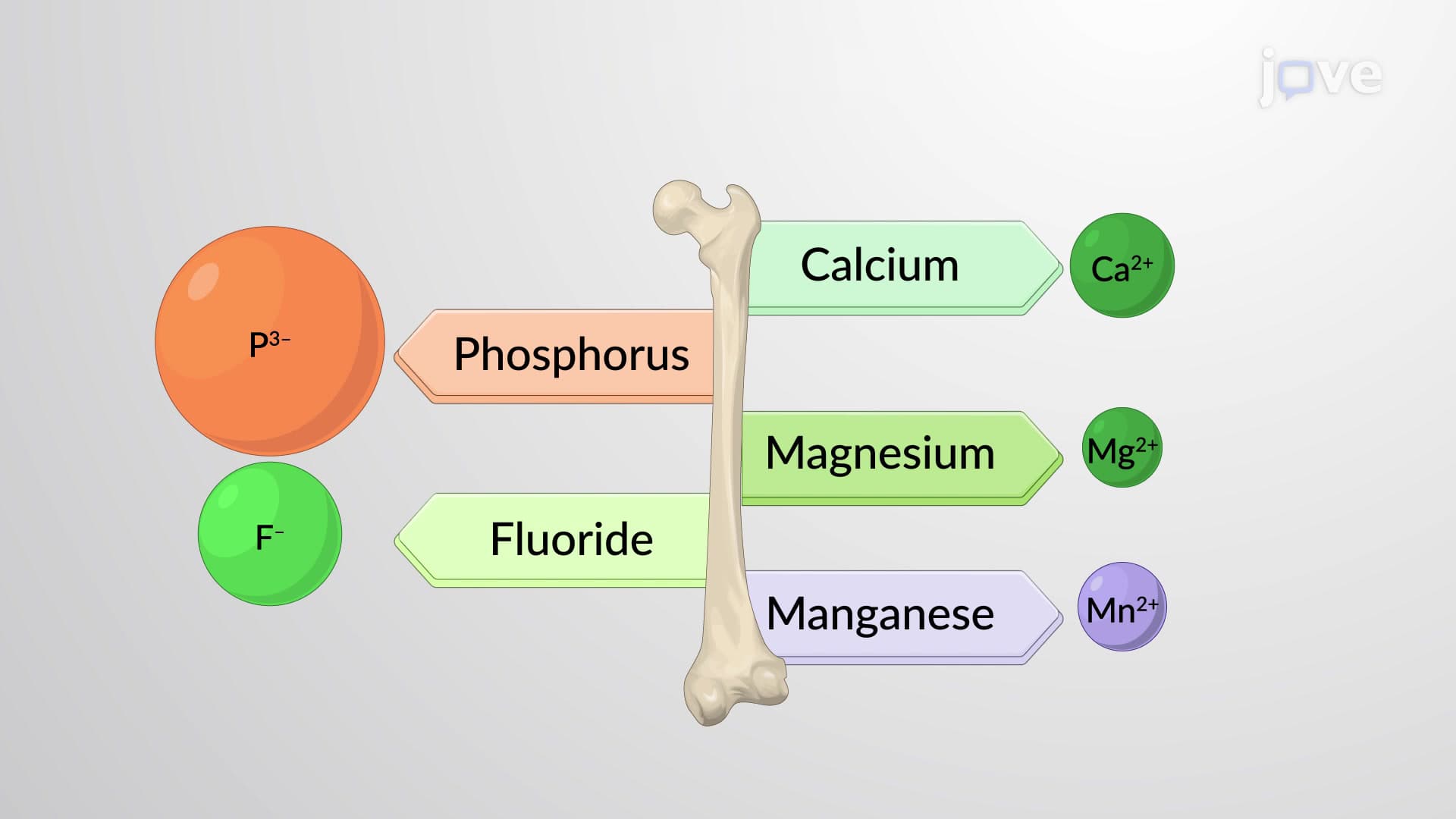
The inorganic component dominates bone matrix composition at roughly 67% by weight. Calcium phosphate combines with calcium hydroxide to form hydroxyapatite crystals [Ca10(PO4)6(OH)2], which deposit along and between collagen fibrils. These needle-like crystals measure only nanometers in width but provide exceptional compressive strength.
This mineralization process follows a precise pattern: osteoid matrix mineralization begins with small crystal nucleation sites that grow and mature over weeks. The resulting bone tissue matrix structure resembles reinforced concrete, where collagen acts as flexible rebar and hydroxyapatite serves as the rigid concrete matrix.
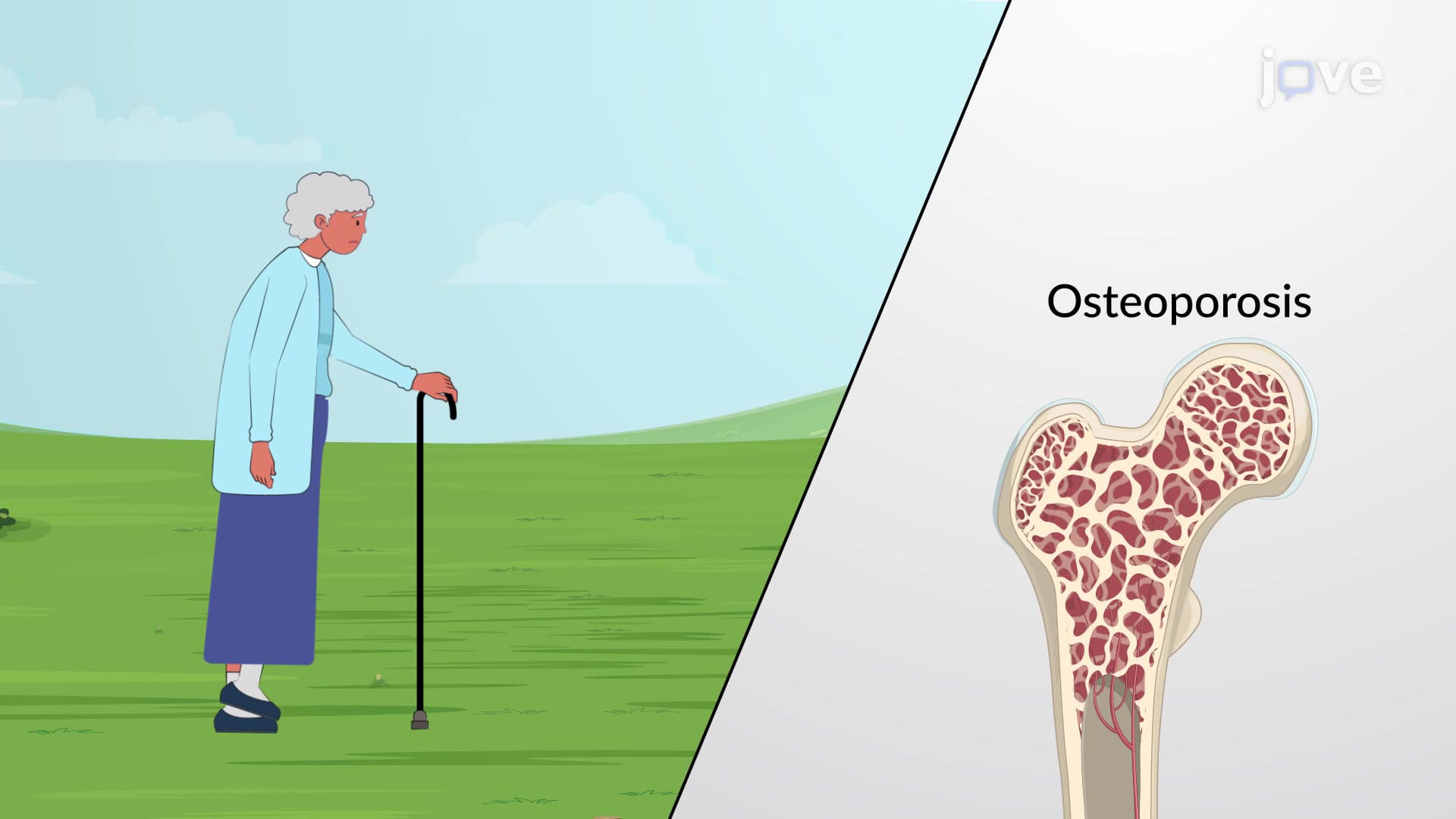
Understanding bone matrix composition proves essential for AP Biology students studying tissue types and for pre-med students tackling USMLE questions about bone physiology. Clinical conditions like osteogenesis imperfecta result from collagen defects, while osteoporosis involves decreased mineralization. Physical therapy students learning about fracture healing must grasp how osteoid formation precedes mineralization during bone repair.
This knowledge also applies to biomaterials engineering, where researchers at institutions like MIT and Stanford develop bone grafts and implants that mimic natural matrix properties for treating conditions affecting millions of Americans annually.
Related Micro-courses