Loading video…


 19 Concepts
 132.6K views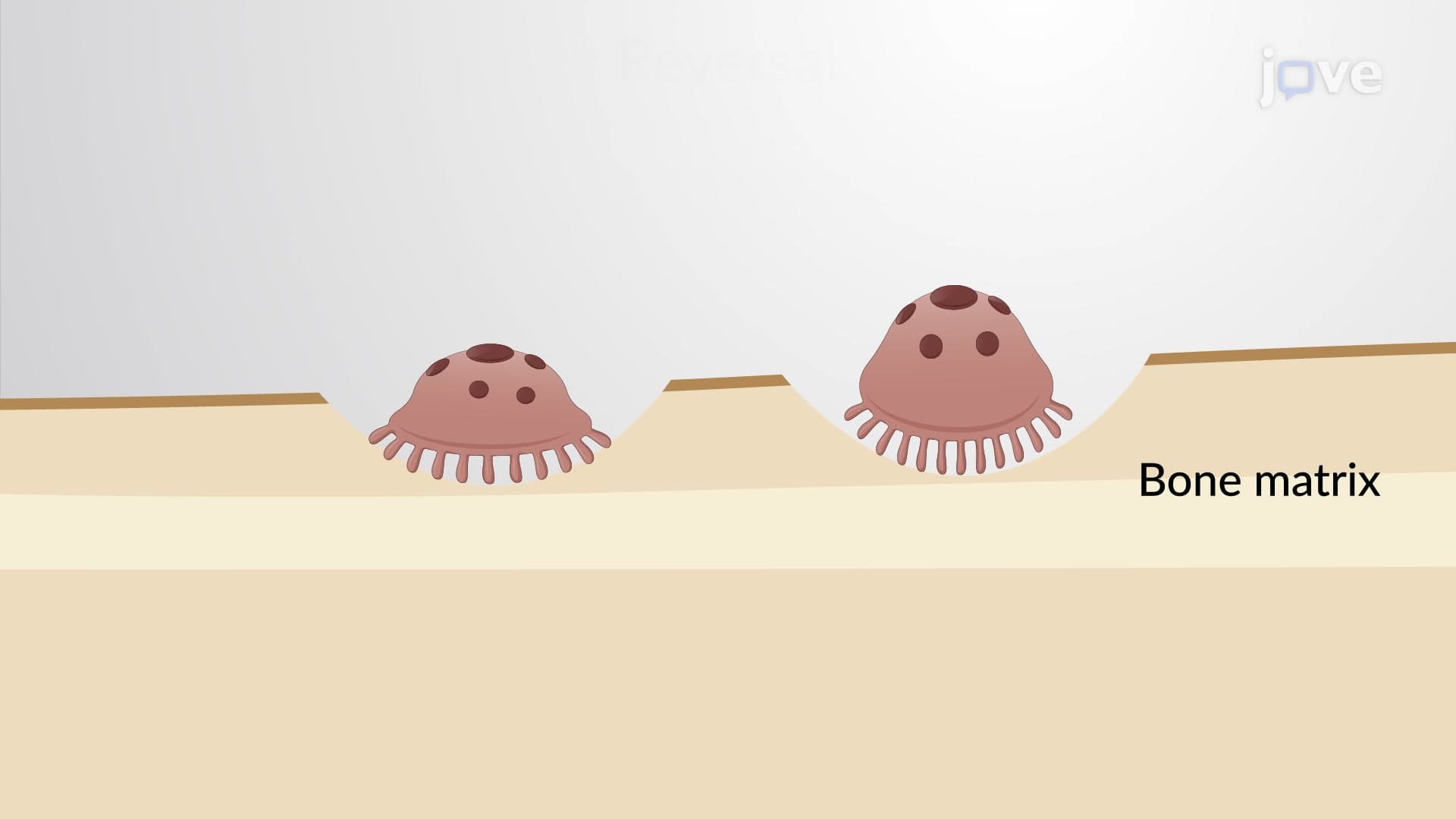

Video Summary: What Is Bone Remodeling and Repair
Did you know your entire skeleton completely replaces itself every 7-10 years through the bone remodeling repair process? This continuous cycle maintains skeletal strength as osteoclasts break down old bone while osteoblasts build new tissue. When a basketball player at Duke University fractures their tibia, understanding what is bone remodeling and repair becomes crucial for recovery and return to competition. Watch the full video on JoVE Coach to master this concept with expert-led visuals and step-by-step explanations.
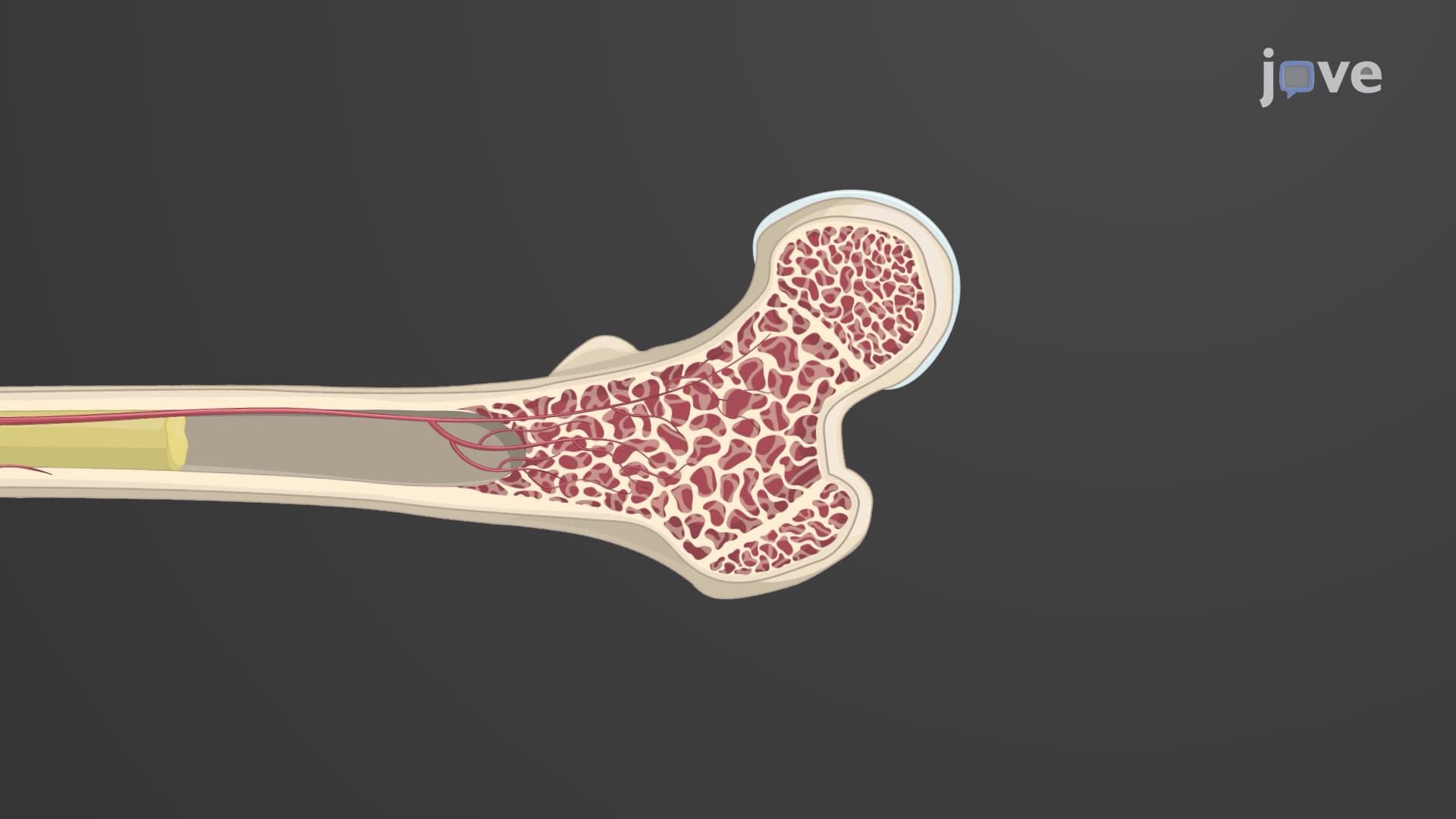
The bone remodeling repair process represents one of the most sophisticated biological systems in the human body, continuously maintaining skeletal integrity through a precisely coordinated cellular dance. Unlike static building materials, bone tissue undergoes constant renewal, with approximately 10% of your skeleton replaced annually through this dynamic process.
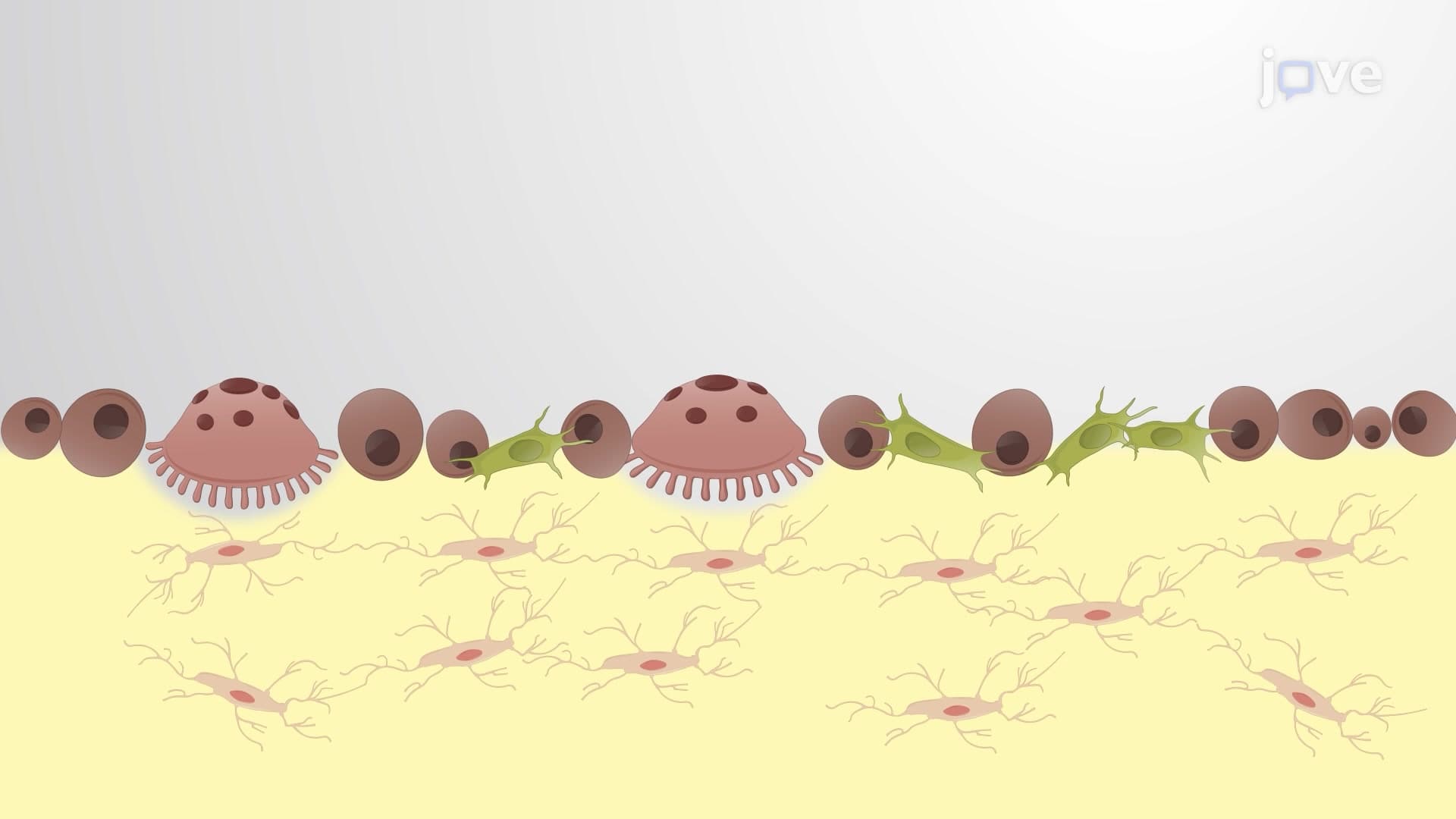
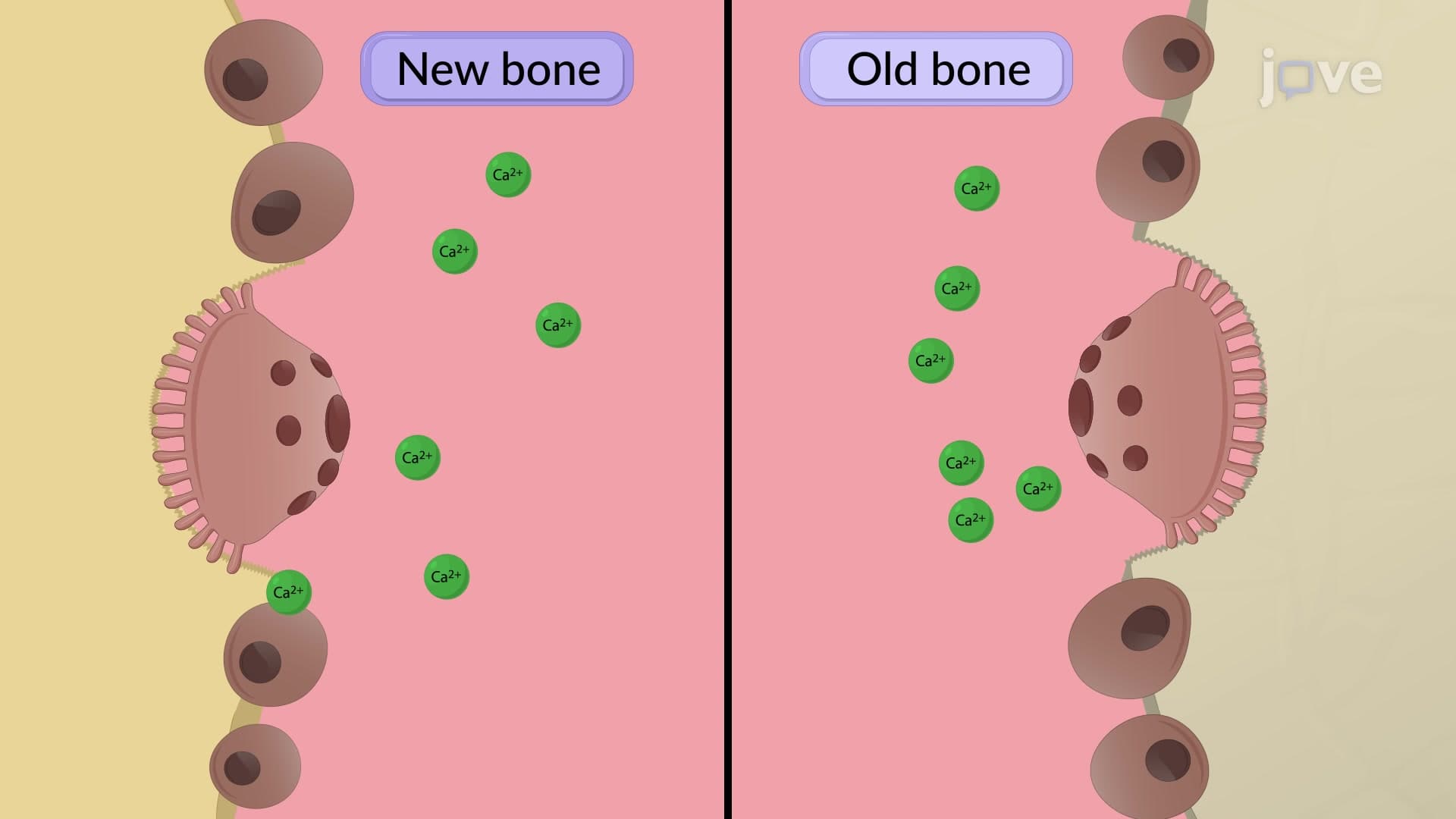
The bone turnover cycle operates through the coordinated actions of specialized cells. Osteoclasts, the bone-resorbing cells, create acidic environments that dissolve both mineral and organic components of bone matrix. These multinucleated giants can excavate cavities up to 60 micrometers deep. Following resorption, osteoblasts-the bone-building cells-synthesize new collagen matrix and regulate mineralization. This coupling bone remodeling ensures that bone removal and formation remain balanced under normal conditions.
The process unfolds in five distinct phases: activation (recruitment of remodeling cells), resorption (osteoclast-mediated bone removal), reversal (transition period), formation (osteoblast-mediated bone synthesis), and mineralization (hardening of new bone matrix). This entire cycle typically takes 3-6 months in humans.
The skeletal remodeling process responds to multiple regulatory signals. Mechanical loading stimulates bone formation through mechanotransduction pathways-explaining why weight-bearing exercise strengthens bones. Hormonal control involves parathyroid hormone (promoting resorption when calcium is needed), calcitonin (inhibiting resorption), and vitamin D (facilitating calcium absorption and bone formation).
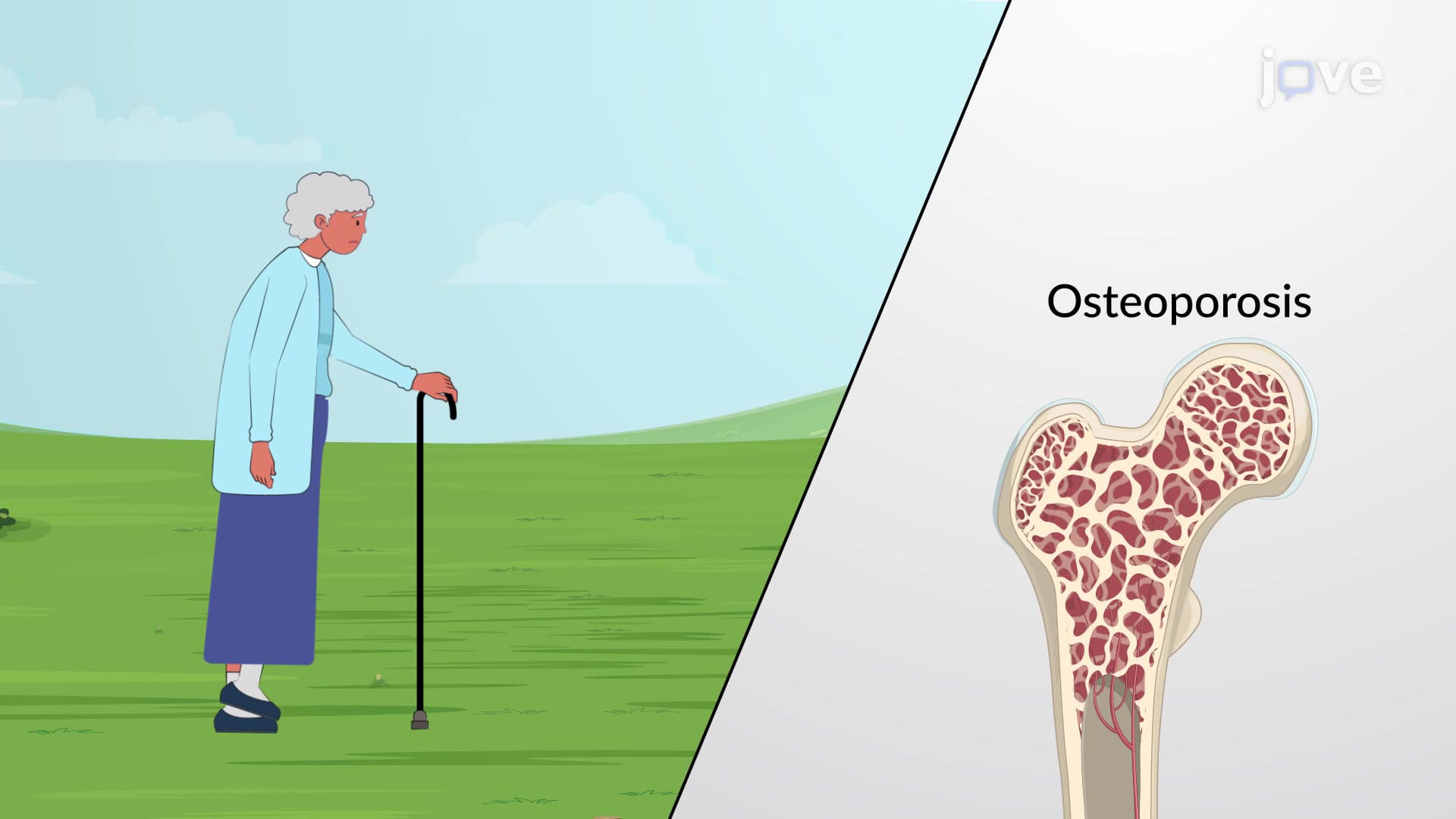
When this bone resorption formation balance becomes disrupted, pathological conditions emerge. Osteoporosis, affecting over 10 million Americans, results from excessive resorption relative to formation. Conversely, Paget's disease involves accelerated but disorganized remodeling, creating structurally abnormal bone.
Bone repair following injury represents an extraordinary regenerative capacity. The four stages-hematoma formation, fibrocartilaginous callus development, bony callus formation, and remodeling-ultimately restore original bone architecture. This process showcases how remodeling mechanisms can be amplified and directed to heal injuries.
For students preparing for AP Biology, MCAT, or college anatomy courses, understanding these mechanisms proves essential for questions involving homeostasis, cellular biology, and physiological systems integration.
Related Micro-courses