Loading video…


 6 Concepts
 922 views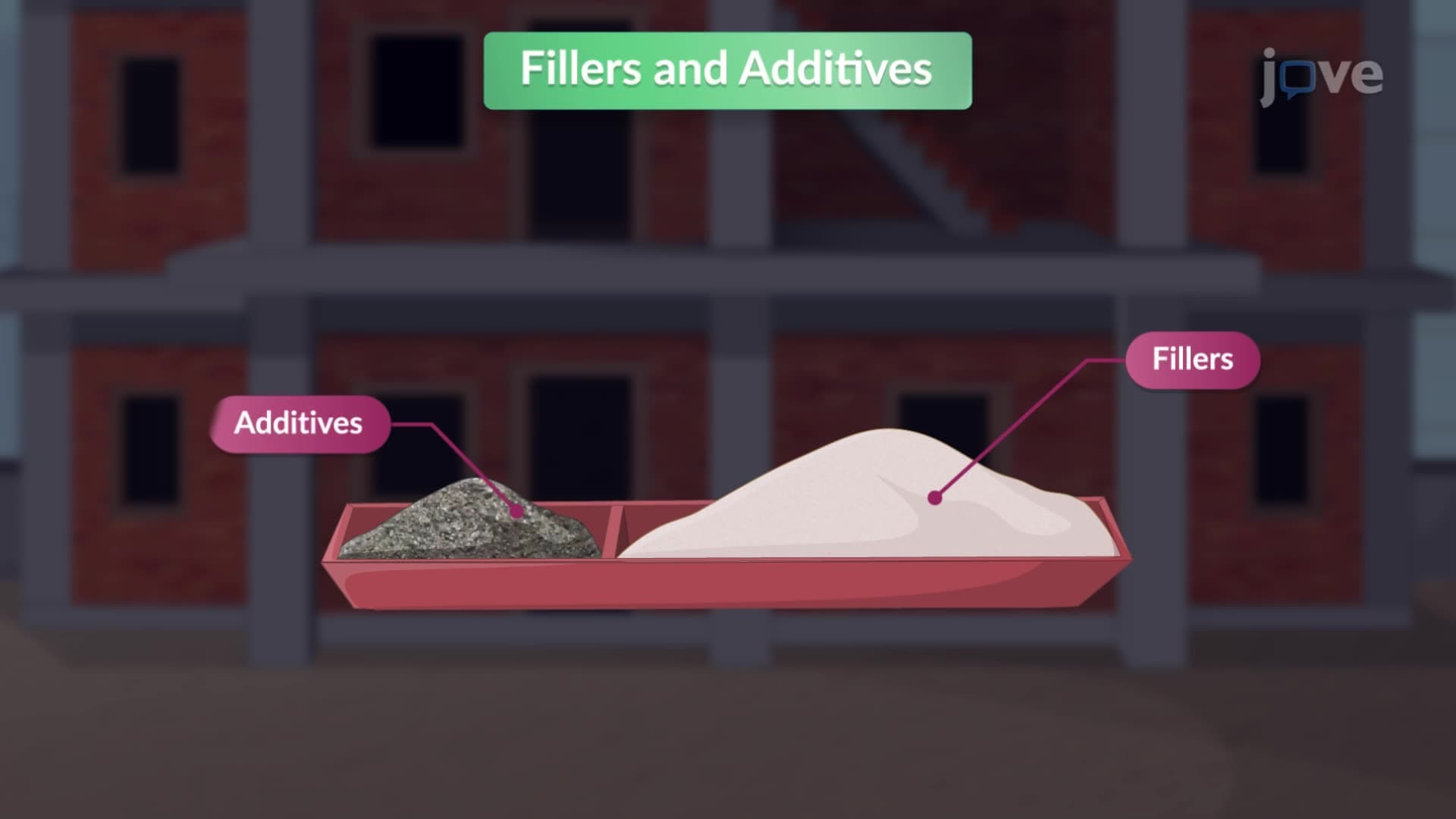

Video Summary: What Is Additives and Fillers
Did you know that the concrete in America's skyscrapers contains microscopic materials that can make structures stronger and more durable? Additives and fillers are fine-grained substances that enhance concrete performance by improving workability, reducing cracking, and creating specialized properties. From fly ash used in the construction of the Hoover Dam to titanium dioxide particles that provide nucleation sites for chemical reactions, these materials transform ordinary cement mixtures into high-performance building materials. Watch the full video on JoVE Coach to master this concept with expert-led visuals and step-by-step explanations.
Additives and fillers represent a crucial category of construction materials that significantly enhance the performance characteristics of concrete and cement-based systems. These fine-grained materials, comparable in particle size to Portland cement, serve both chemical and physical functions that improve the final product's durability, workability, and specialized properties.
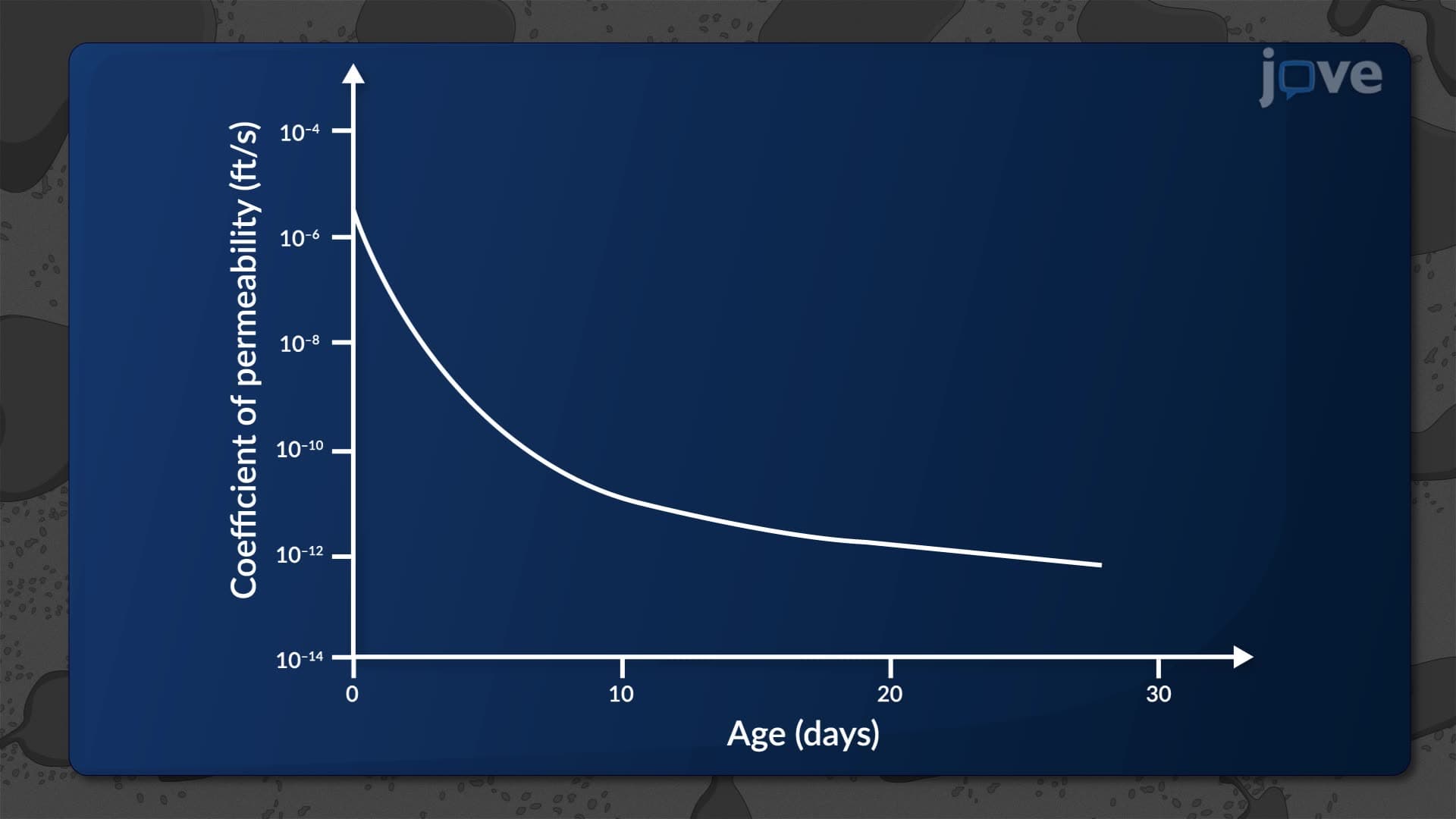
Cementitious additives, particularly pozzolans and blast-furnace slag, participate actively in the cement hydration process. Pozzolans, including fly ash from coal-fired power plants across the United States, react with calcium hydroxide produced during Portland cement hydration to form additional calcium silicate hydrate (C-S-H) gel. This reaction not only consumes potentially harmful calcium hydroxide but also creates additional binding compounds that increase concrete strength and reduce permeability.
Blast-furnace slag, a byproduct of steel production in facilities like those in Pennsylvania and Indiana, provides similar benefits. When ground to appropriate fineness, it exhibits latent hydraulic properties, meaning it can form cementitious compounds when activated by the alkaline environment created during cement hydration. These materials are particularly valuable in large-scale infrastructure projects where long-term durability is essential.
Inert fillers primarily provide physical improvements rather than chemical reactions. Materials like limestone powder, silica fume, and aggregate dust function as nucleation sites during cement hydration. These nucleation points facilitate the formation of calcium carbonate crystals, which integrate with the C-S-H matrix to create a denser, more uniform paste structure.
This nucleation effect is particularly evident when fly ash and titanium dioxide particles are present in concrete mixtures. The resulting microstructural improvements lead to reduced bleeding (separation of water from the cement paste), decreased shrinkage cracking, and enhanced workability during placement and finishing operations.
Gas-forming admixtures represent a specialized category of additives that create lightweight, aerated concrete. When powdered aluminum or zinc reacts with calcium hydroxide in fresh concrete, it produces hydrogen gas bubbles that remain trapped in the hardening matrix. Similarly, hydrogen peroxide decomposes to release oxygen bubbles, creating cellular concrete with reduced density and improved thermal insulation properties.
These materials are commonly used in precast concrete applications and building systems where weight reduction is critical, such as in high-rise construction or seismic-resistant designs common in California's building codes.
Students preparing for AP Chemistry or college-level materials science courses should understand that these concepts integrate principles of chemical kinetics, thermodynamics, and materials engineering, making them relevant for both theoretical study and practical applications in civil engineering careers.
Related Micro-courses