Loading video…


 6 Concepts
 922 views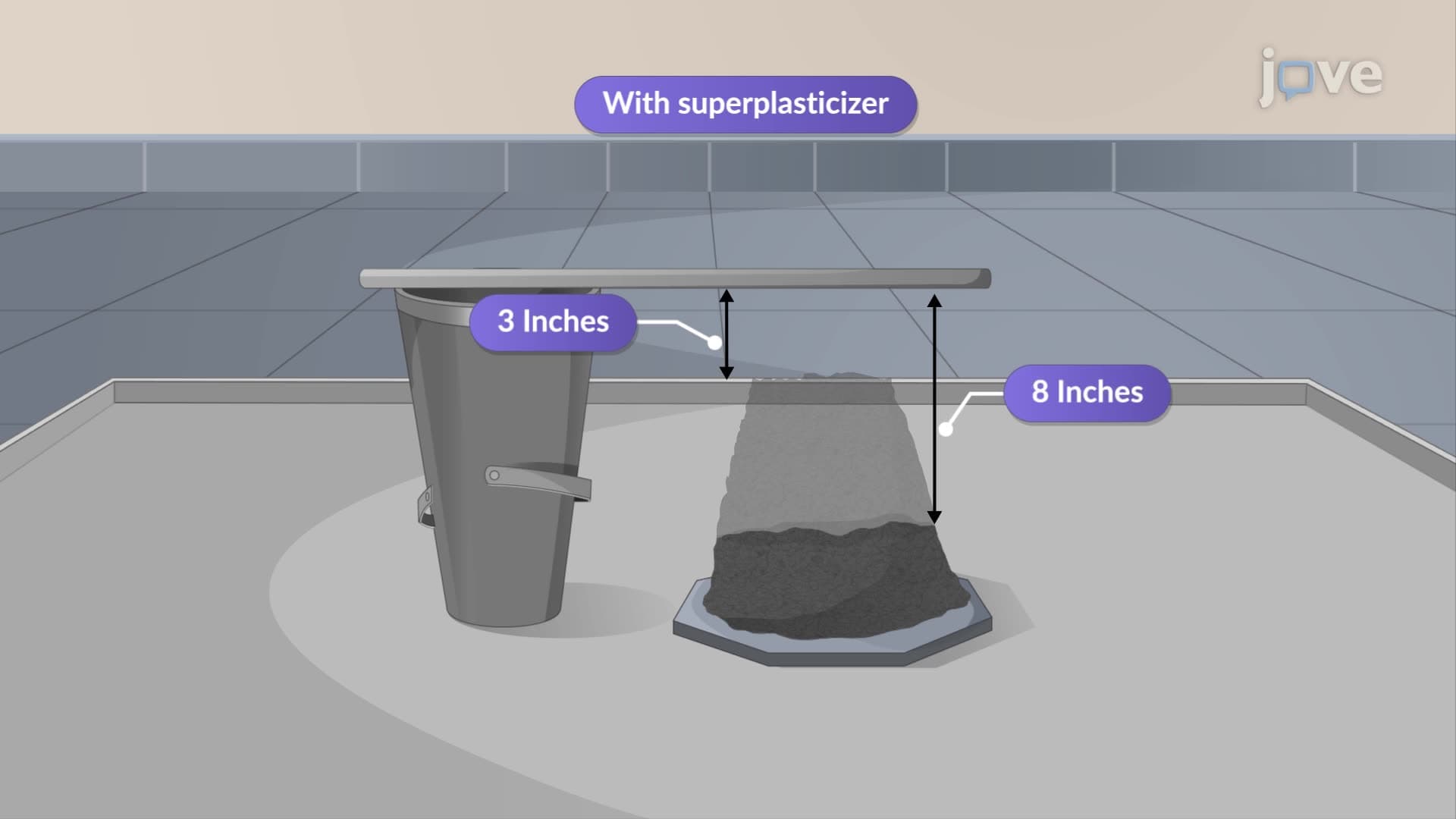

Video Summary: What Is Superplasticizers
Ever wonder how engineers pour concrete into tight spaces around steel rebar in skyscrapers like New York's One World Trade Center? Superplasticizers are chemical admixtures that transform thick concrete into flowing liquid while maintaining strength, enabling construction of complex structures with dense reinforcement. These specialized additives reduce water content by up to 35% while dramatically improving workability, allowing concrete to achieve compressive strengths exceeding 15,000 psi. Watch the full video on JoVE Coach to master this concept with expert-led visuals and step-by-step explanations.
Superplasticizers represent a breakthrough in concrete technology, enabling engineers to create high-performance concrete mixtures that were previously impossible. These chemical admixtures address the fundamental challenge in concrete design: achieving both workability and strength. Traditional concrete requires a delicate balance between water content (for workability) and cement ratio (for strength), but superplasticizers break this limitation.
The most common superplasticizers include sulfonated melamine formaldehyde and sulfonated naphthalene formaldehyde condensates. These polymeric compounds work through an electrochemical dispersion mechanism. When added to concrete, sulfonic acid groups attach to cement particle surfaces, creating negative charges that cause particles to repel each other. This electrostatic repulsion breaks apart cement agglomerates, releasing trapped water and dramatically improving flow characteristics.
This mechanism typically increases concrete slump from 3 inches to 8 inches while maintaining the same water-cement ratio. For students preparing for materials engineering courses or the AP Chemistry exam, this represents an excellent example of surface chemistry and colloidal science applications.
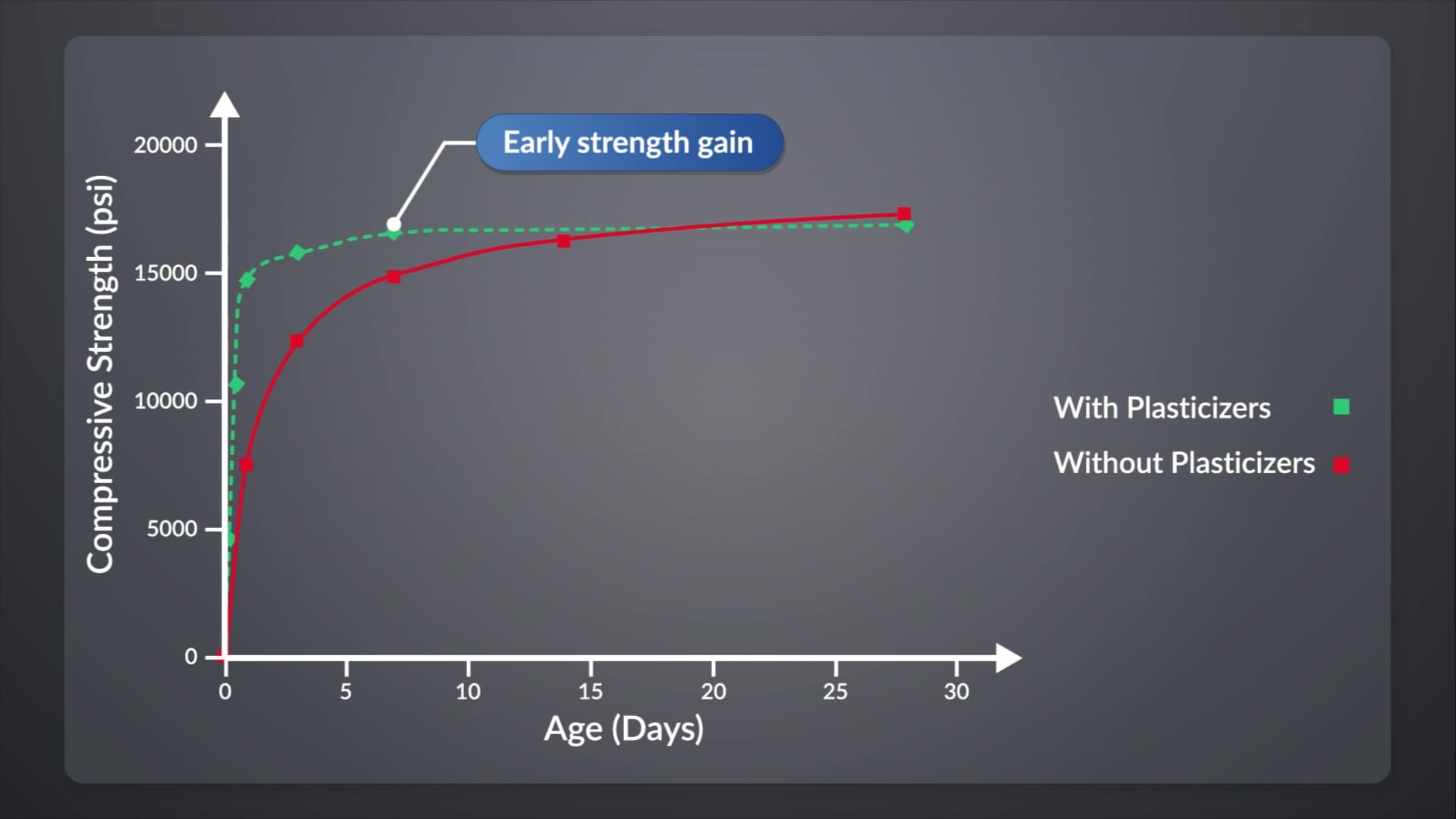
Superplasticizers enable water reduction of 25-35%, allowing engineers to achieve concrete strengths exceeding 15,000 psi in 28 days-nearly double conventional concrete strength. This capability proves essential in modern construction projects like the California High-Speed Rail system, where high-strength concrete enables longer spans and reduced structural weight.
However, engineering students must understand the temporal limitation: enhanced workability is temporary, requiring precise timing between mixing and placement. This constraint makes superplasticizers particularly challenging for large pours like those at Hoover Dam's construction, where consistent workability over extended periods was crucial.
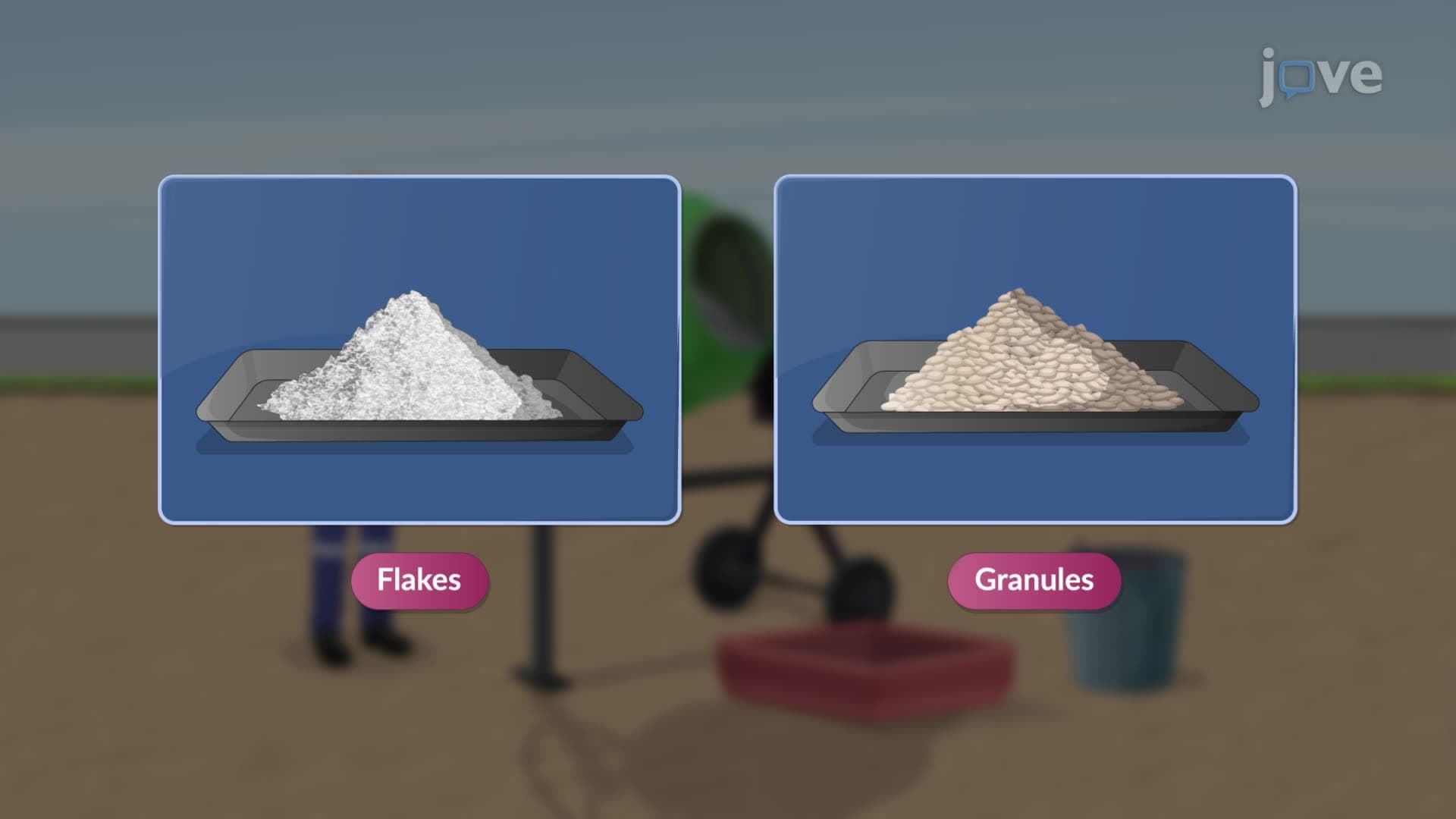
Successful superplasticizer application requires careful aggregate selection and mix design modifications. Fine aggregate content typically increases 4-5% to accommodate increased flowability, while elongated, flaky, or angular aggregates must be avoided to prevent segregation and bleeding.
The increased fluidity creates hydrostatic pressure concerns in formwork design-a critical consideration covered in structural engineering courses and professional engineering licensing exams. Engineers must account for these pressures when designing concrete forms for high-rise buildings or complex architectural elements.
Related Micro-courses