Loading video…


 6 Concepts
 922 views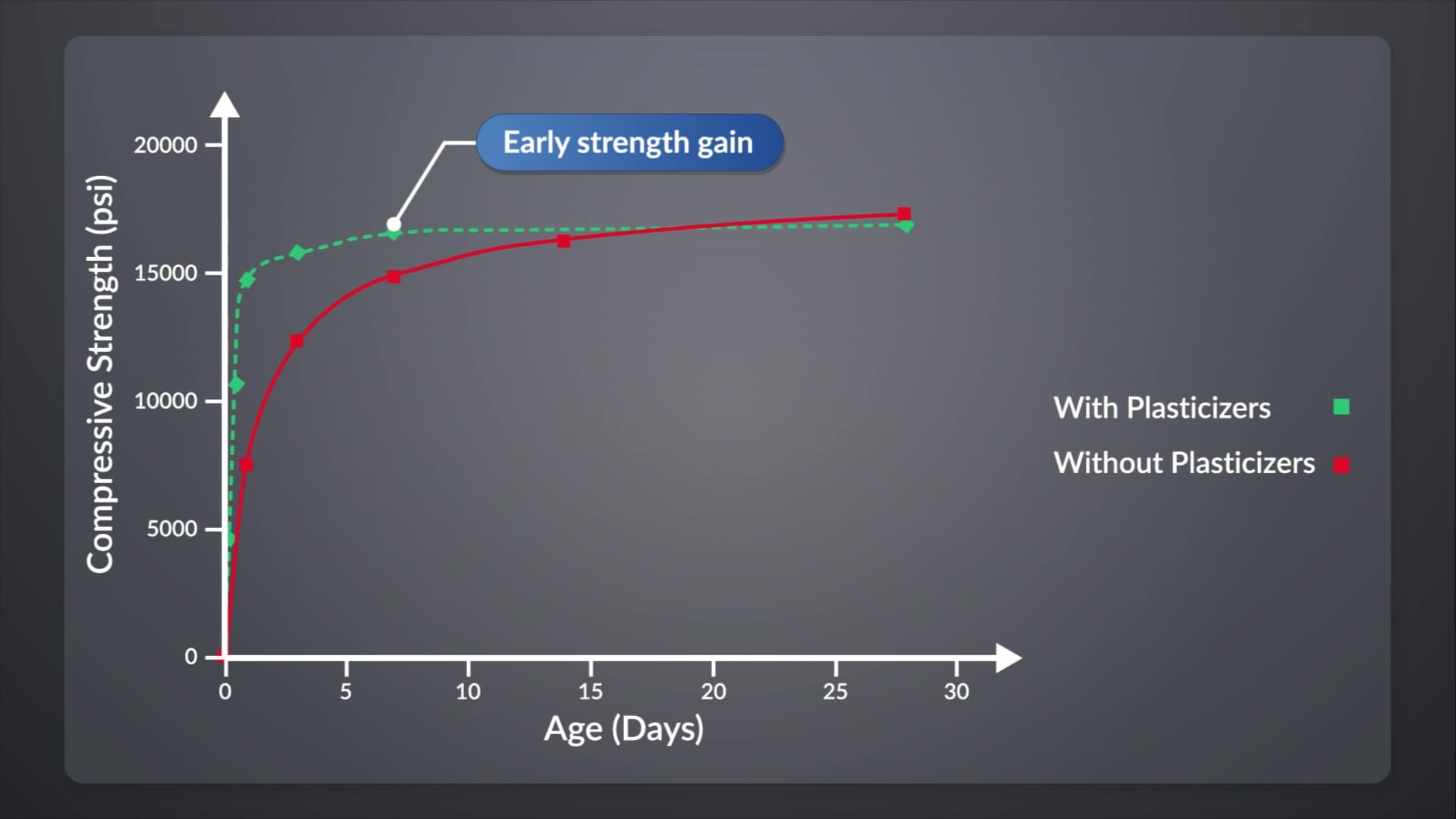

Video Summary: What Is Plasticizers
Ever wonder how concrete flows perfectly into tight spaces in skyscrapers like New York's One World Trade Center? Plasticizers are chemical admixtures that revolutionize concrete workability by reducing water content while maintaining flowability. These surface-active agents, including lignosulfonic acids and hydroxylated carboxylic acids, create electrostatic repulsion between cement particles, liberating water from clustered systems and enhancing particle dispersion for superior early-age strength development. Watch the full video on JoVE Coach to master this concept with expert-led visuals and step-by-step explanations.
Plasticizers represent a critical advancement in concrete technology, serving as specialized chemical admixtures that fundamentally alter the physical properties of fresh concrete mixtures. These surface-active agents enable engineers to achieve superior workability while simultaneously reducing water content, creating a win-win scenario for construction efficiency and structural integrity.
The plasticizers definition encompasses two primary categories of chemical compounds. Lignosulfonic acids, derived from wood pulp processing waste, represent the traditional class of plasticizers widely used in North American construction projects. These organic polymers contain sulfonic acid groups that provide the necessary surface activity. Hydroxylated carboxylic acids constitute the second major category, featuring both hydroxyl and carboxyl functional groups that enhance their interaction with cement particles.
Modern construction projects, from California's Golden Gate Bridge maintenance to Florida's hurricane-resistant structures, rely on these admixtures to achieve precise concrete placement in challenging environments.
What is plasticizers in detail requires understanding their molecular-level mechanism. When plasticizers contact cement particles, they adsorb onto particle surfaces through their polar functional groups. This adsorption imparts a uniform negative charge across all cement particles, creating electrostatic repulsion forces that overcome the natural van der Waals attractive forces.
The negative charge induces the formation of oriented water molecule layers around each particle, effectively increasing the distance between particles. This phenomenon, known as electrostatic stabilization, prevents particle agglomeration and promotes uniform dispersion throughout the mixture.
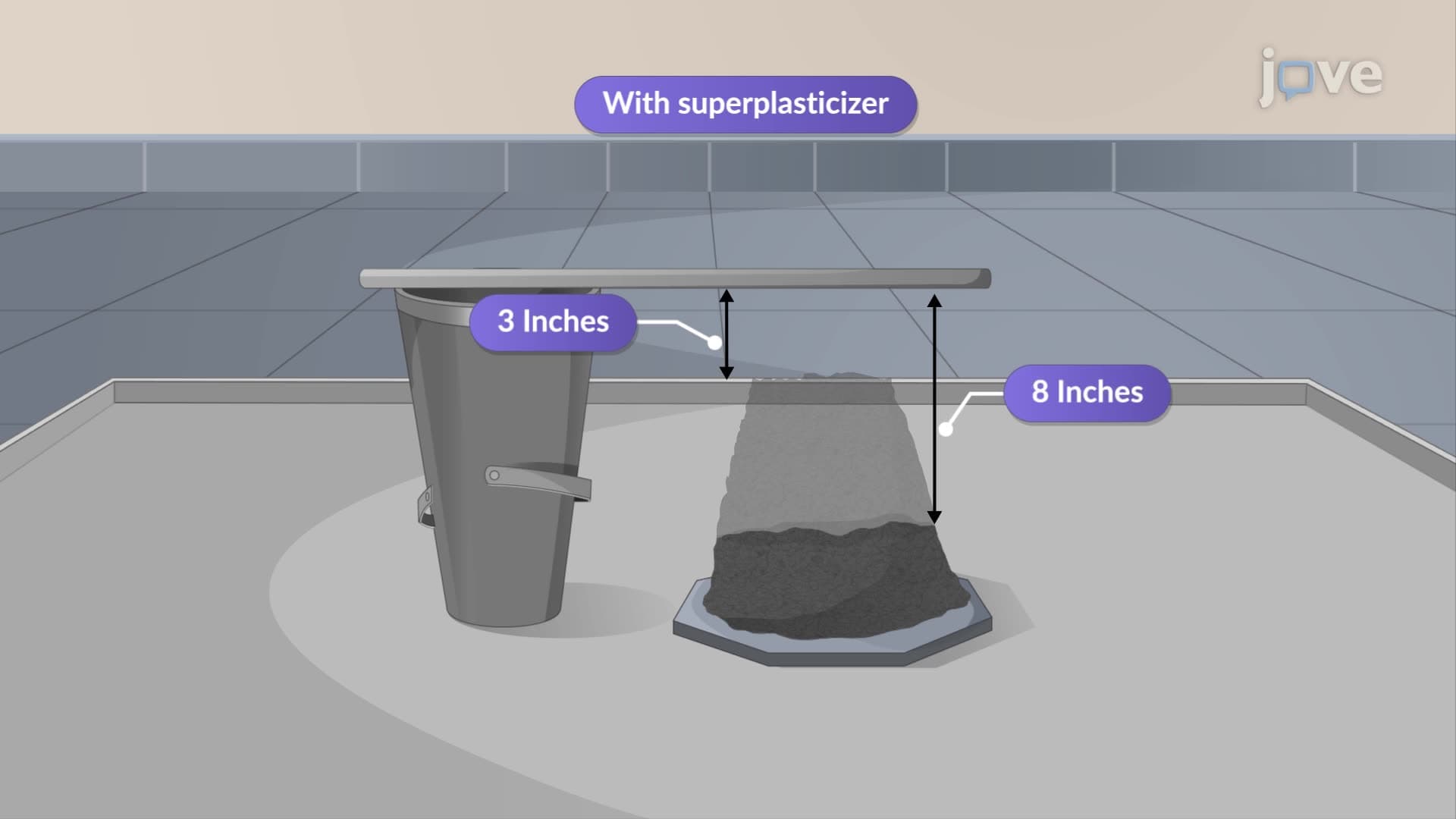
The plasticizers overview reveals significant engineering advantages. Water reduction of 5-15% directly translates to improved concrete durability through reduced porosity. Enhanced particle dispersion increases the surface area available for cement hydration reactions, resulting in accelerated strength development during the critical first 24-48 hours.
Students preparing for AP Chemistry or college-level Materials Science courses should recognize that plasticizers demonstrate practical applications of colloid chemistry principles. The concept frequently appears in ASCE exam questions and university Civil Engineering curricula across institutions like MIT, Stanford, and Georgia Tech.
Professional practice requires comprehensive testing before plasticizer implementation. Segregation occurs when aggregate particles separate from the cement paste, while bleeding involves water migration to the surface. These quality control measures ensure optimal performance in real-world applications, from residential foundations to commercial high-rise construction.
Related Micro-courses