Loading subject page…


8,197 views

Video Summary: Eulerian and Lagrangian Flow Descriptions Explained
Ever wondered how meteorologists track hurricanes while also predicting wind patterns around skyscrapers? The key lies in understanding different types of flows through two powerful approaches: Eulerian and Lagrangian flow descriptions. The Eulerian method monitors fluid properties at fixed locations-like weather stations recording wind speeds-while the Lagrangian method follows individual particles, such as tracking debris within a tornado's path. These complementary techniques help engineers design safer aircraft wings and environmental scientists predict oil spill movements in the Gulf of Mexico. Watch the full video on JoVE Coach to master this concept with expert-led visuals and step-by-step explanations.
The study of fluid mechanics relies heavily on two fundamental approaches that provide different perspectives on how fluids behave. These types of flows analysis methods-Eulerian and Lagrangian descriptions-form the backbone of everything from weather forecasting to designing more efficient car engines. Understanding these approaches is crucial for students pursuing engineering, environmental science, or physics careers.
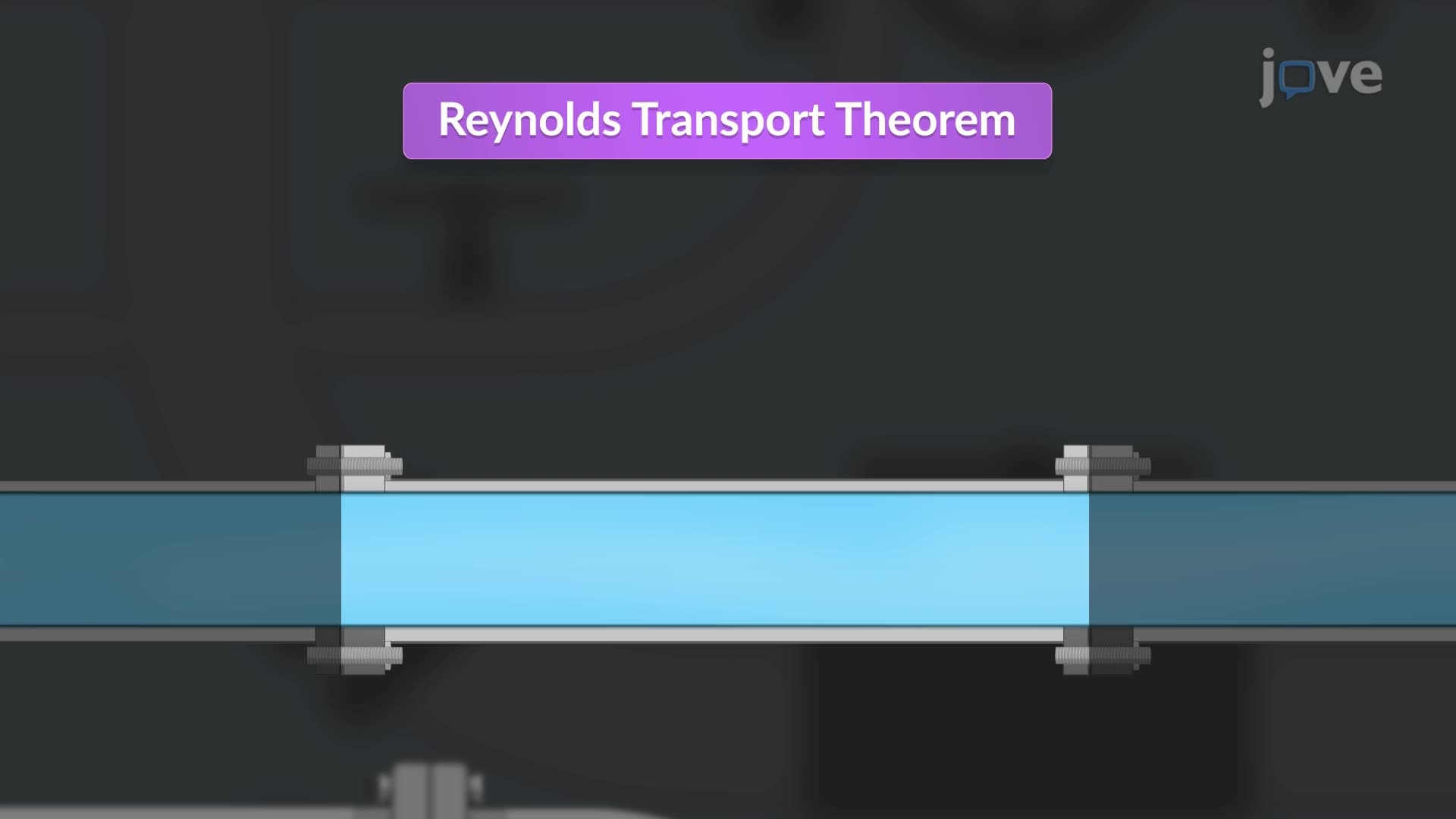
The Eulerian method focuses on specific locations in space, measuring how fluid properties change at these fixed points as time progresses. Think of it like having security cameras positioned throughout a building-each camera records what happens at its specific location, but the cameras themselves don't move. In fluid mechanics, these "cameras" are measurement points that track velocity, pressure, temperature, and other properties.
This approach excels in applications where understanding the types of flows around stationary objects is critical. NASA engineers use Eulerian analysis when designing spacecraft heat shields, placing virtual sensors throughout the computational domain to understand how superheated gases behave during atmospheric reentry. Similarly, civil engineers analyzing wind loads on the Willis Tower in Chicago use Eulerian methods to predict pressure distributions across the building's facade.
The mathematical foundation involves partial derivatives, making it particularly relevant for AP Calculus BC students and college-level differential equations courses. Students encounter Eulerian concepts in MCAT physics sections and engineering coursework at institutions like MIT and Stanford.
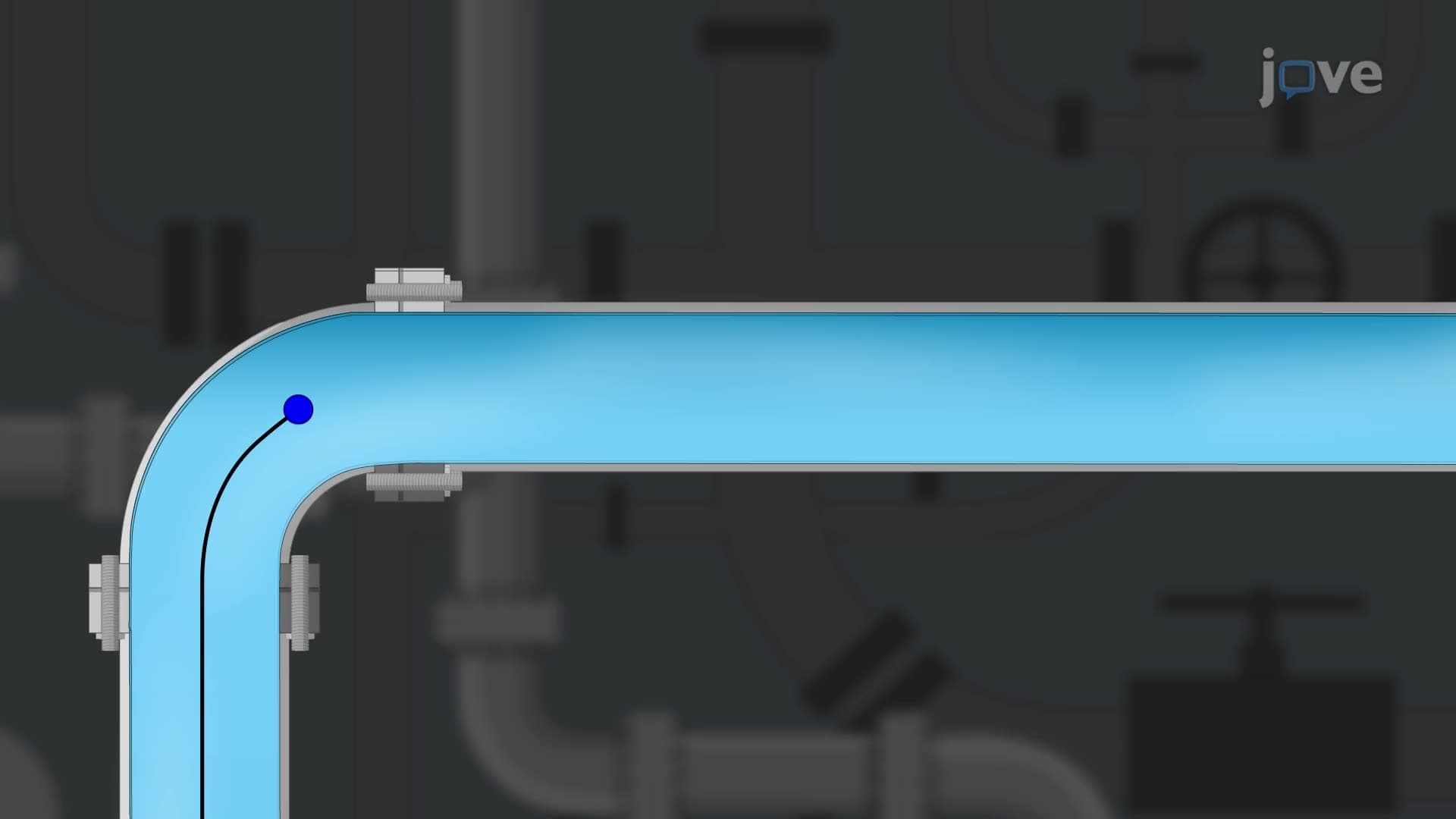
Conversely, the Lagrangian method follows individual fluid particles throughout their journey, like attaching GPS trackers to specific elements within the flow. This approach answers questions about where particles originate, their travel paths, and their final destinations. Environmental engineers tracking the 2010 Deepwater Horizon oil spill used Lagrangian methods to predict where oil would wash ashore along Gulf Coast beaches.
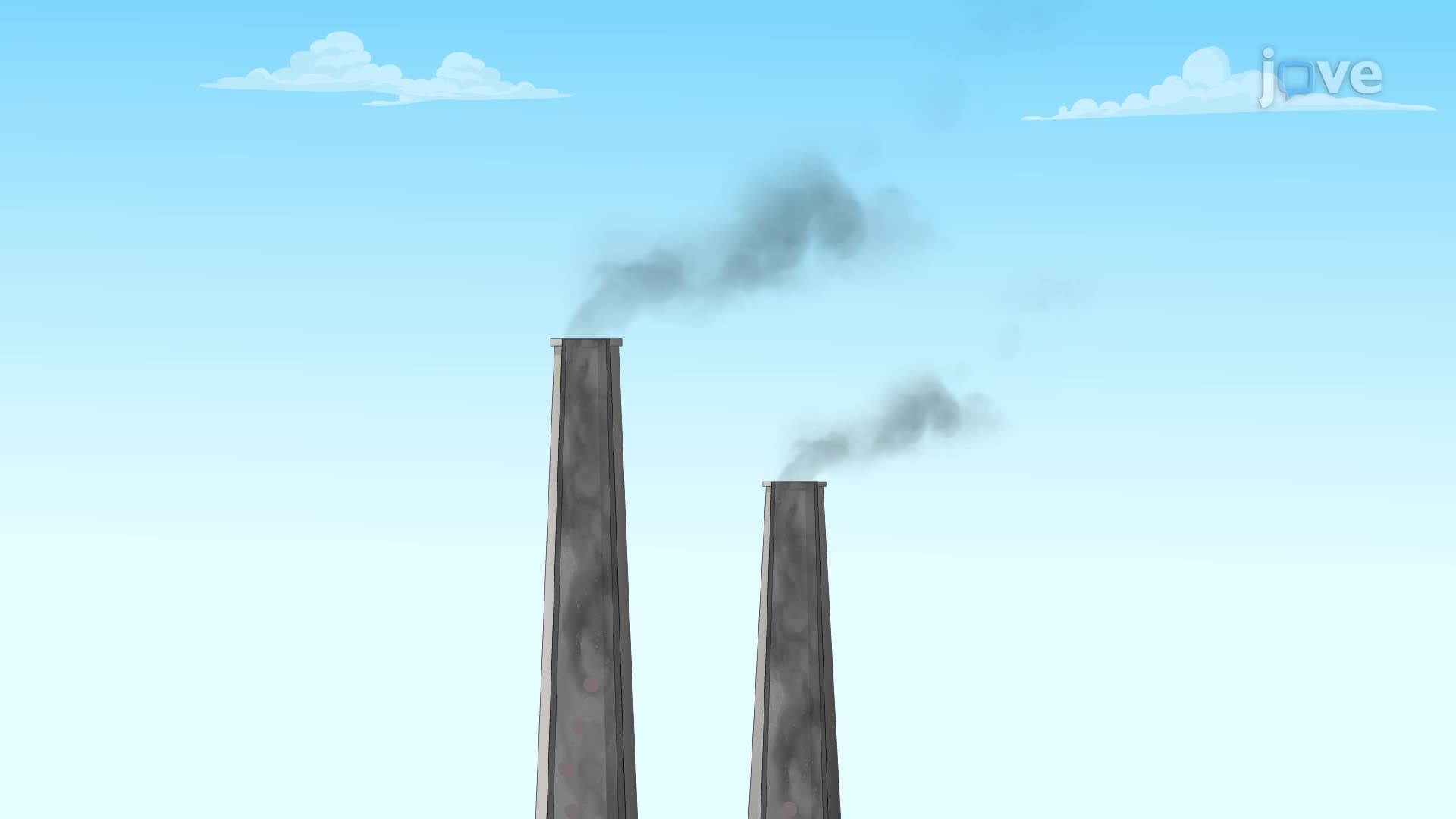
This particle-tracking approach proves invaluable for types of flows studies involving mixing, dispersion, and transport phenomena. Atmospheric scientists use Lagrangian models to track air pollutants from coal power plants in Ohio, predicting their impact on air quality in downwind states like Pennsylvania and New York.
Both methods appear frequently in standardized exams and coursework. AP Physics C students encounter these concepts when studying fluid dynamics, while pre-med students see applications in MCAT passages about blood flow dynamics. Engineering students at universities like UC Berkeley and Georgia Tech use both approaches in computational fluid dynamics projects.
Understanding when to apply each method is crucial: use Eulerian for analyzing forces on structures, and Lagrangian for tracking contaminant dispersion or optimizing mixing processes in chemical reactors.
Related Micro-courses