Loading video…


 7 Concepts
 8.2K views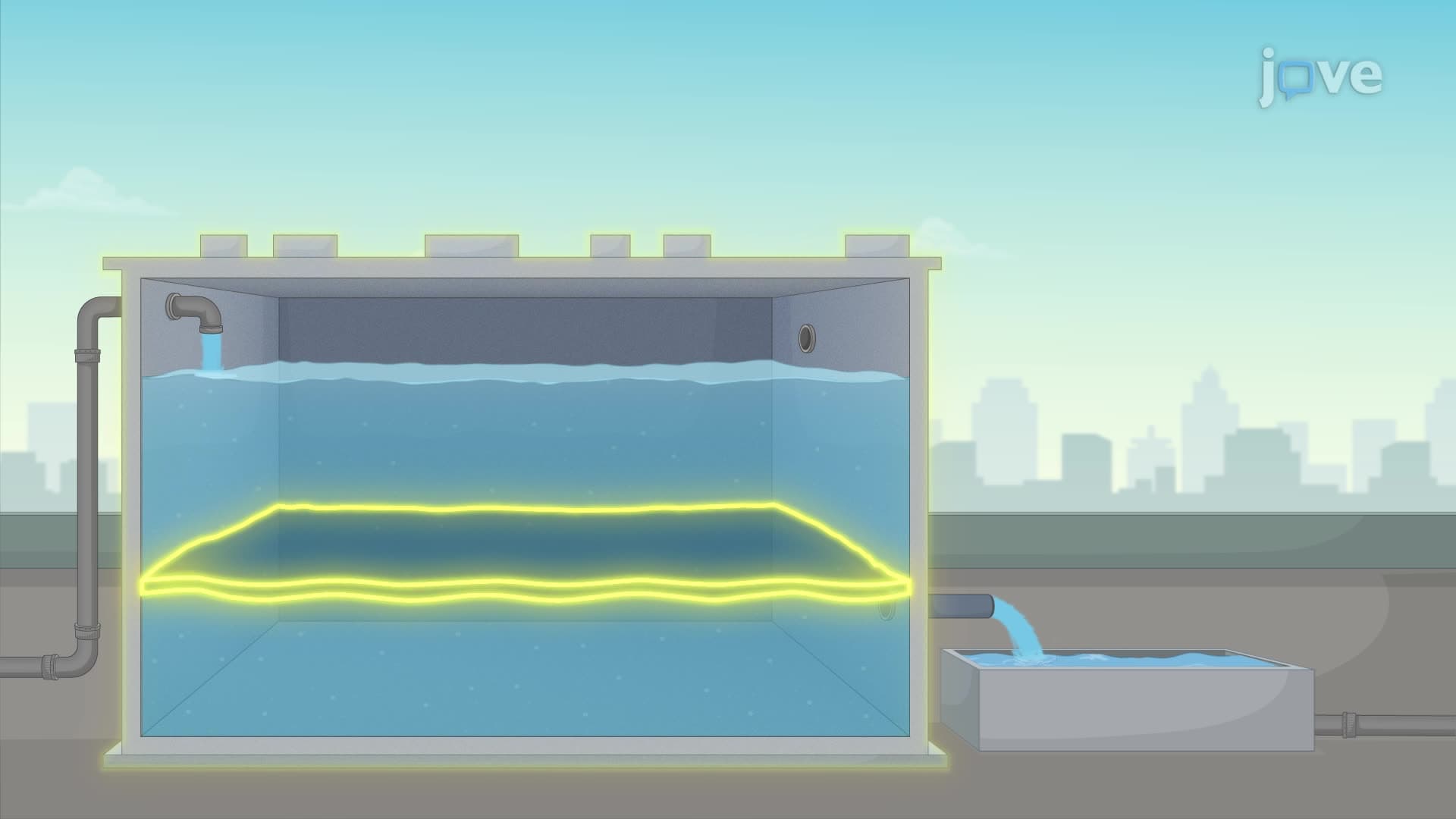

Video Summary: Control Volume and System Representations Explained
When NASA engineers analyze rocket fuel flow or design water treatment plants, they use velocity and acceleration principles within two critical frameworks. Control volume and system representations explained through fluid mechanics help predict how water moves through Detroit's treatment facilities or how air flows over Boeing aircraft wings. These analytical approaches determine whether to track specific fluid particles or focus on fixed spatial regions. Understanding velocity and acceleration definition becomes essential for solving complex engineering problems involving fluid motion. Watch the full video on JoVE Coach to master this concept with expert-led visuals and step-by-step explanations.
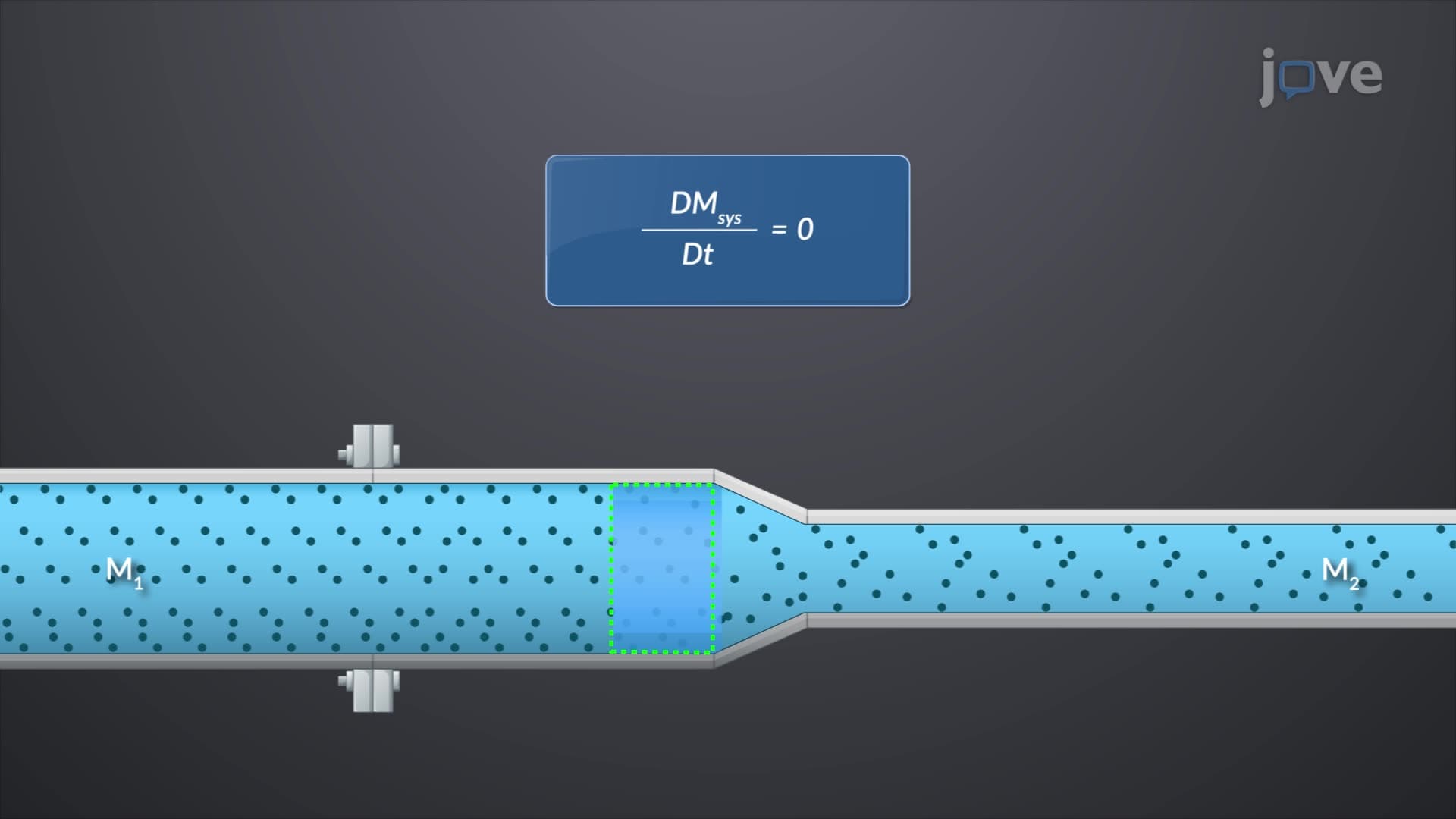
Fluid mechanics analysis relies on two fundamental approaches that determine how engineers study motion, forces, and energy transfer. The velocity and acceleration behavior of fluids can be analyzed through either a control volume approach, which examines a fixed region in space, or a system approach, which follows a specific mass of fluid through time.
The control volume method establishes a defined region in space with clear boundaries called control surfaces. Engineers at companies like General Electric use this approach when designing jet engines, focusing on combustion chambers where fuel and air enter, mix, and exit as hot gases. The velocity and acceleration definition becomes crucial here because the analysis tracks how fluid properties change at specific locations rather than following individual particles.
In water treatment facilities across California, operators apply control volume analysis to optimize flow rates through filtration systems. The control volume remains stationary while water continuously flows through it, making calculations more manageable for complex pipe networks. This approach proves especially valuable for what is velocity and acceleration in detail questions on AP Physics exams, where students must analyze fluid entering and leaving pumps or turbines.
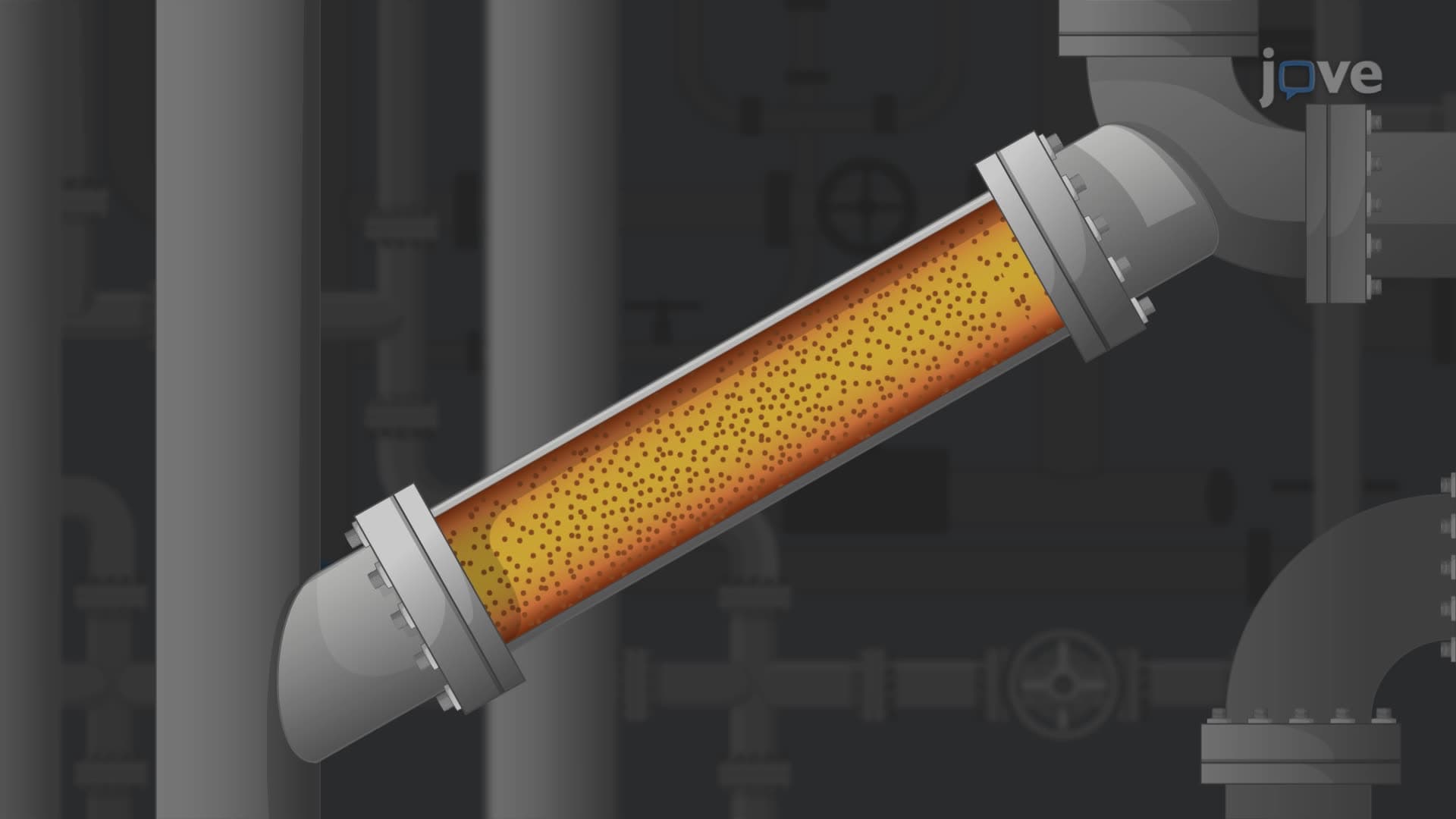
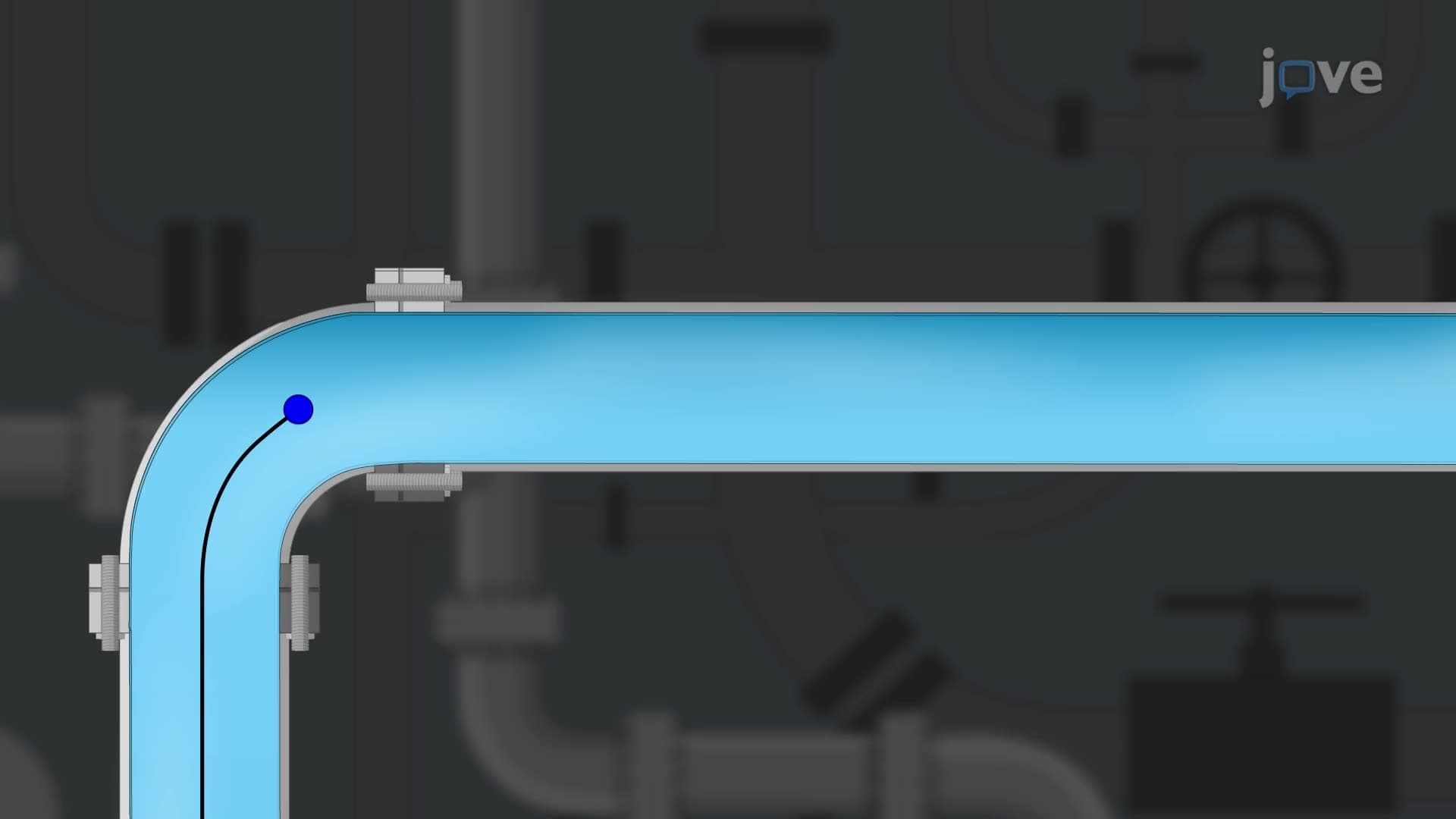
The system representation tracks a specific quantity of fluid as it moves through space and time. Consider a weather balloon rising through Earth's atmosphere, meteorologists follow this specific mass of helium as it expands and rises, analyzing how pressure and temperature changes affect its motion. This approach directly connects to velocity and acceleration basics because it requires tracking how the same fluid particles accelerate under various forces.
Automotive engineers at Ford apply system analysis when studying fuel injection systems, following specific fuel droplets from injection through combustion. The velocity and acceleration overview for these particles helps optimize engine performance and emissions control.
Students preparing for MCAT physics sections frequently encounter problems requiring both approaches. A typical question might ask about blood flow through arteries (control volume) versus tracking red blood cells through circulation (system). Understanding velocity and acceleration concept applications helps distinguish when each method provides clearer solutions.
Engineering students at universities like MIT and Stanford learn that control volume analysis works best for steady-flow problems involving turbines, compressors, and heat exchangers. System analysis proves more effective for studying batch processes, closed containers, or situations where the same fluid mass undergoes significant property changes.
Related Micro-courses