Loading video…


 12 Concepts
 63.1K views

Video Summary: Defining Marketing Strategy Planning and Implementation
In today's hyper-competitive marketplace, defining marketing strategy: planning drives business growth and market leadership. Companies like Target have successfully leveraged strategic marketing frameworks to capture market share and build customer loyalty through targeted segmentation and value proposition alignment. Defining Marketing Strategy: Planning and Implementation encompasses market identification, competitive positioning, and resource optimization to deliver measurable business outcomes. Watch the full video on JoVE Coach to master this concept with expert-led visuals and step-by-step explanations.
Modern business leaders face unprecedented market complexity, where consumer preferences shift rapidly and competitive advantages erode quickly. Strategic marketing planning has evolved from traditional product-push approaches to sophisticated, data-driven frameworks that integrate customer insights, competitive intelligence, and operational capabilities.
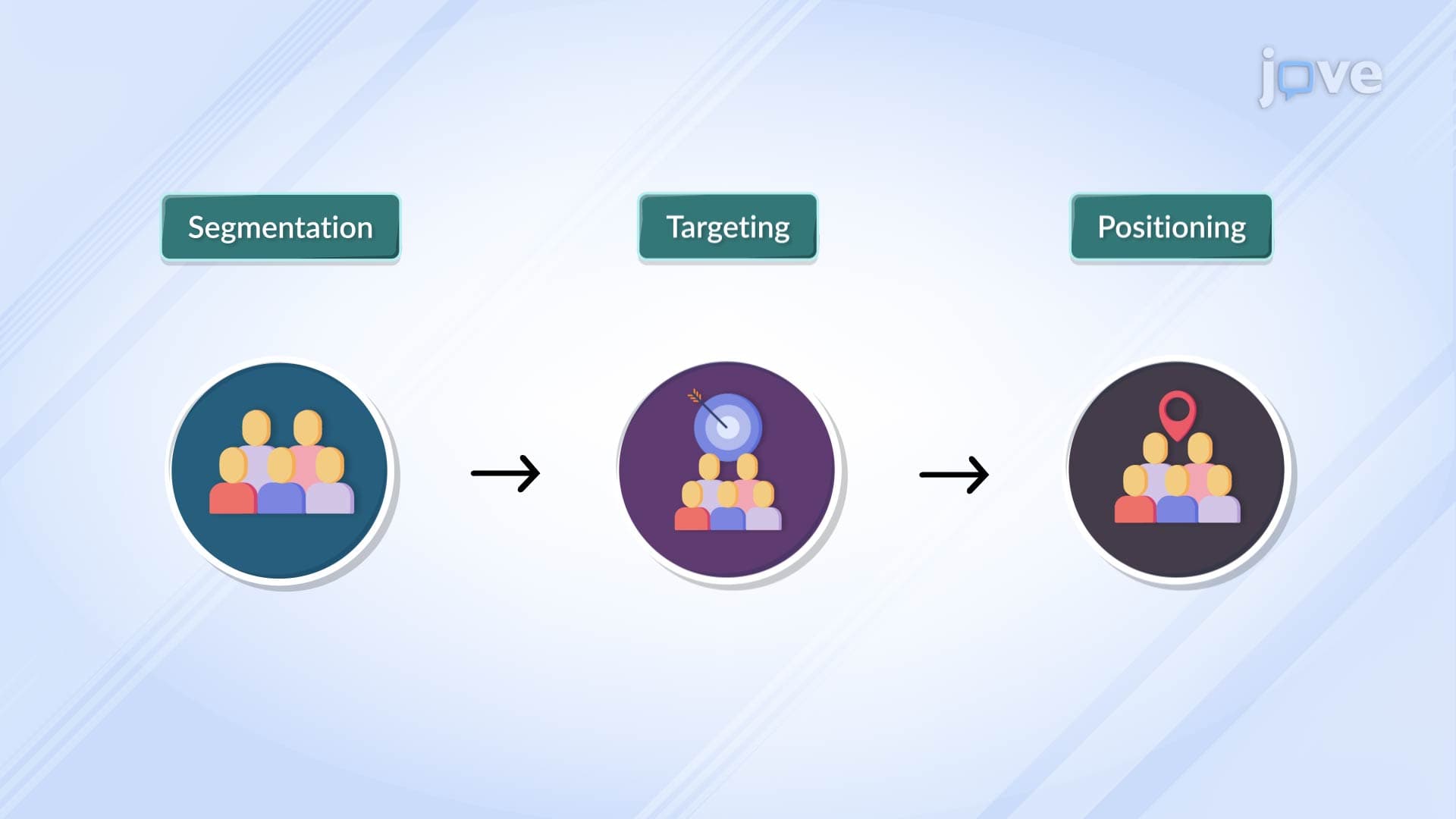
Successful marketing strategy begins with comprehensive market analysis and precise customer segmentation. Leading organizations like Amazon have mastered this approach by leveraging behavioral data, purchase patterns, and predictive analytics to identify high-value customer segments. This intelligence drives pricing strategies, product development priorities, and channel optimization decisions that directly impact revenue growth and market share expansion.
Strategic positioning requires deep understanding of competitive dynamics and unique value creation opportunities. Companies must evaluate their core competencies against market needs while identifying sustainable competitive advantages. For instance, Southwest Airlines built its market leadership through operational efficiency and cost leadership, enabling consistent profitability in a notoriously challenging industry. This positioning informed every aspect of their marketing mix, from pricing transparency to customer service philosophy.
Effective marketing strategy implementation demands cross-functional coordination and rigorous performance measurement. Organizations must establish clear accountability structures, resource allocation protocols, and success metrics that align with broader business objectives. The most successful companies integrate marketing strategy with supply chain management, financial planning, and operational execution to ensure consistent value delivery across all customer touchpoints.
Strategic marketing planning also requires continuous adaptation based on market feedback and competitive responses. Companies like Netflix have demonstrated exceptional strategic agility by pivoting from DVD distribution to streaming leadership, then to original content creation, each transition driven by market intelligence and strategic foresight that maintained their competitive advantage.
Related Micro-courses