Loading video…


 12 Concepts
 63.1K views

Video Summary: What Is Marketing Plan Document
When Nike's board evaluates annual growth strategies or Amazon assesses new market entry opportunities, they rely on comprehensive marketing plan documents to guide multi-billion-dollar decisions. A marketing plan document serves as the strategic blueprint that transforms executive vision into actionable marketing initiatives, encompassing target market analysis, competitive positioning, budget allocation, and implementation timelines. This foundational business tool enables organizations to align marketing investments with revenue objectives while maintaining competitive differentiation. Watch the full video on JoVE Coach to master this concept with expert-led visuals and step-by-step explanations.
Consider Starbucks' expansion into premium cold brew markets or Tesla's entry into energy storage solutions-both required meticulously crafted marketing plan documents that translated corporate strategy into executable marketing initiatives. A marketing plan document functions as the strategic bridge between executive vision and tactical execution, providing the analytical foundation and operational roadmap that guides marketing investments and resource allocation decisions.
The executive summary establishes the strategic context by articulating how marketing objectives support broader organizational goals, whether that's market share expansion, revenue diversification, or competitive differentiation. Target market analysis goes beyond demographic profiles to examine buying behaviors, decision-making processes, and lifetime customer value calculations that inform resource allocation decisions.
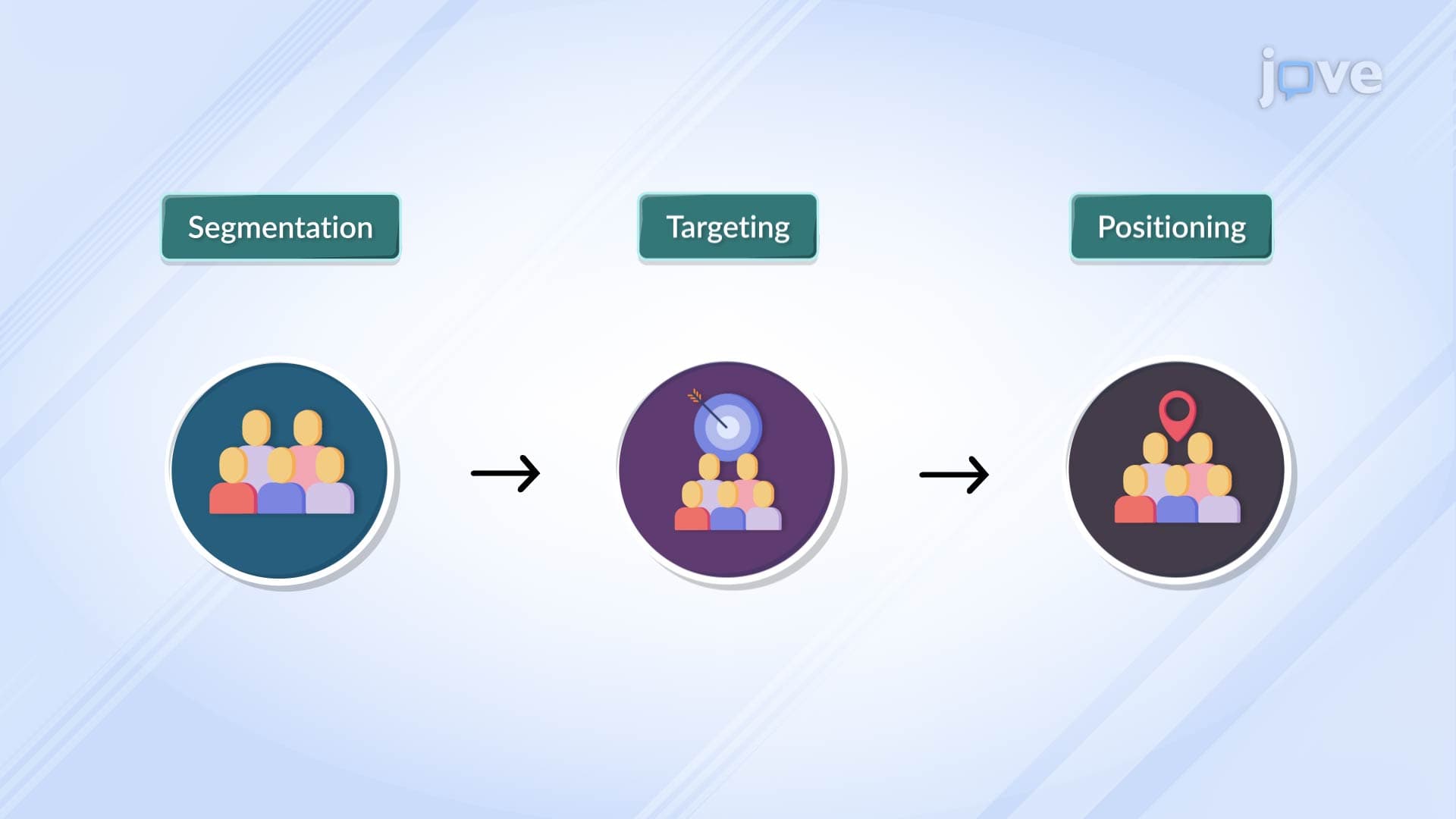
Competitor analysis provides the intelligence foundation for positioning strategies, examining not just direct competitors but adjacent industries that could disrupt market dynamics. Companies like Netflix understood this principle when they positioned against traditional cable providers rather than just other streaming services, fundamentally redefining their competitive landscape.
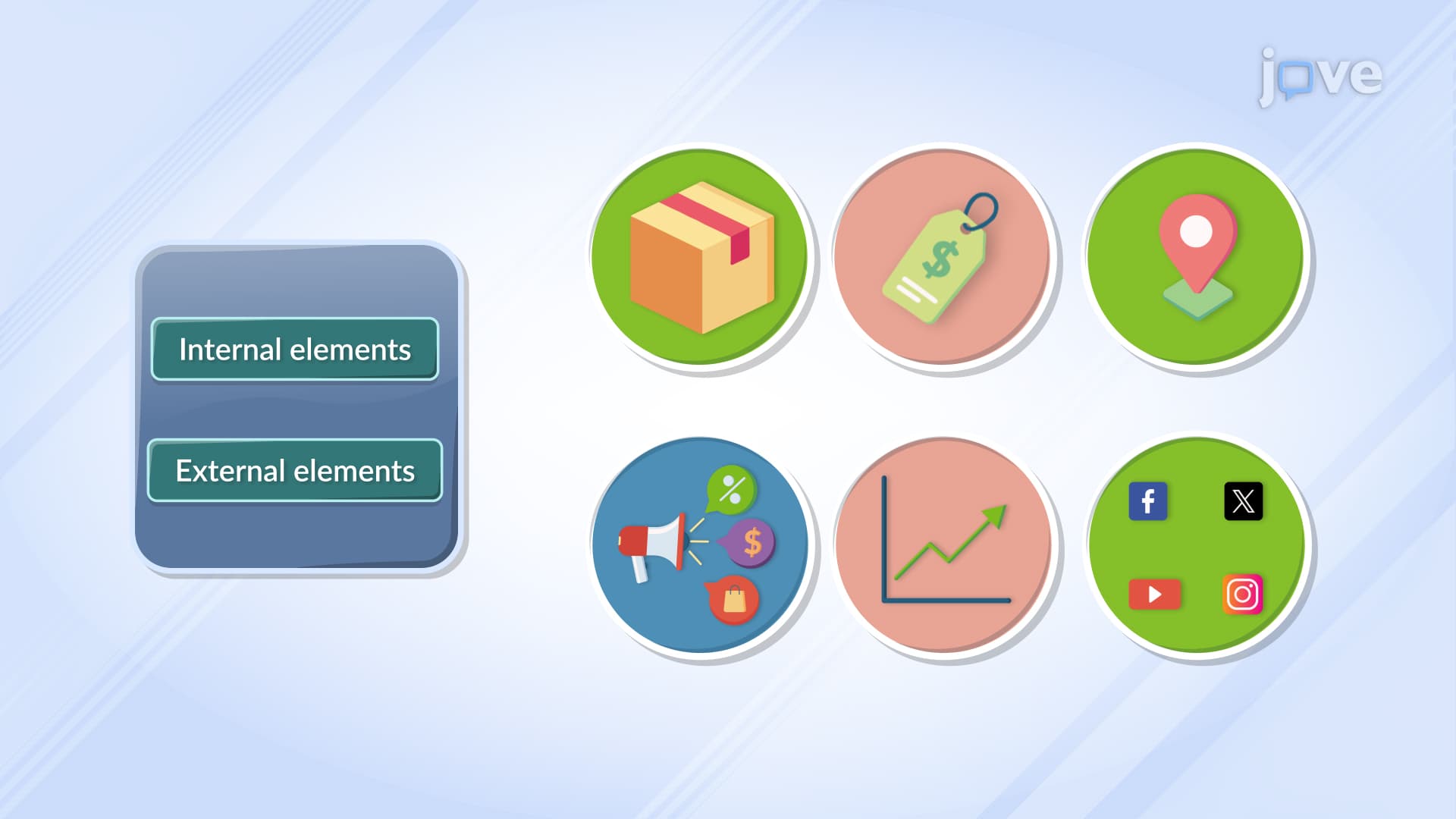
The marketing strategies section transforms analysis into actionable initiatives, detailing specific marketing mix approaches across product development, pricing optimization, distribution channels, and promotional campaigns. Budget allocation requires sophisticated financial modeling that connects marketing investments to revenue projections and profit margins, enabling CFOs and CMOs to evaluate marketing ROI against alternative capital deployment options.
Implementation timelines establish accountability frameworks with clear ownership assignments, milestone checkpoints, and resource dependencies. This operational rigor ensures marketing initiatives integrate seamlessly with sales operations, product development cycles, and corporate communication strategies.
Performance monitoring systems enable real-time strategy optimization, identifying which initiatives drive measurable business impact and which require strategic pivoting. Leading organizations like Microsoft continuously refine their marketing plans based on market feedback, competitive responses, and internal performance metrics, maintaining strategic agility in dynamic market conditions.
Related Micro-courses