Loading subject page…


63,140 views


Video Summary: What Is Marketing Plan
Today's business leaders face mounting pressure to justify every marketing dollar spent, with 73% of executives demanding clear ROI from their marketing investments. A marketing plan serves as the tactical blueprint that transforms high-level marketing strategy into measurable business outcomes. Companies like Starbucks leverage comprehensive marketing plans to coordinate their seasonal campaigns, store promotions, and digital initiatives across 15,000+ US locations, ensuring consistent brand messaging while adapting to local market conditions. Watch the full video on JoVE Coach to master this concept with expert-led visuals and step-by-step explanations.
Consider Nike's challenge in 2020: how to maintain brand momentum during global retail disruptions while accelerating direct-to-consumer sales. The solution required more than just strategic vision-it demanded a comprehensive marketing plan that could translate broad objectives into specific, executable tactics across digital platforms, retail partnerships, and supply chain management.
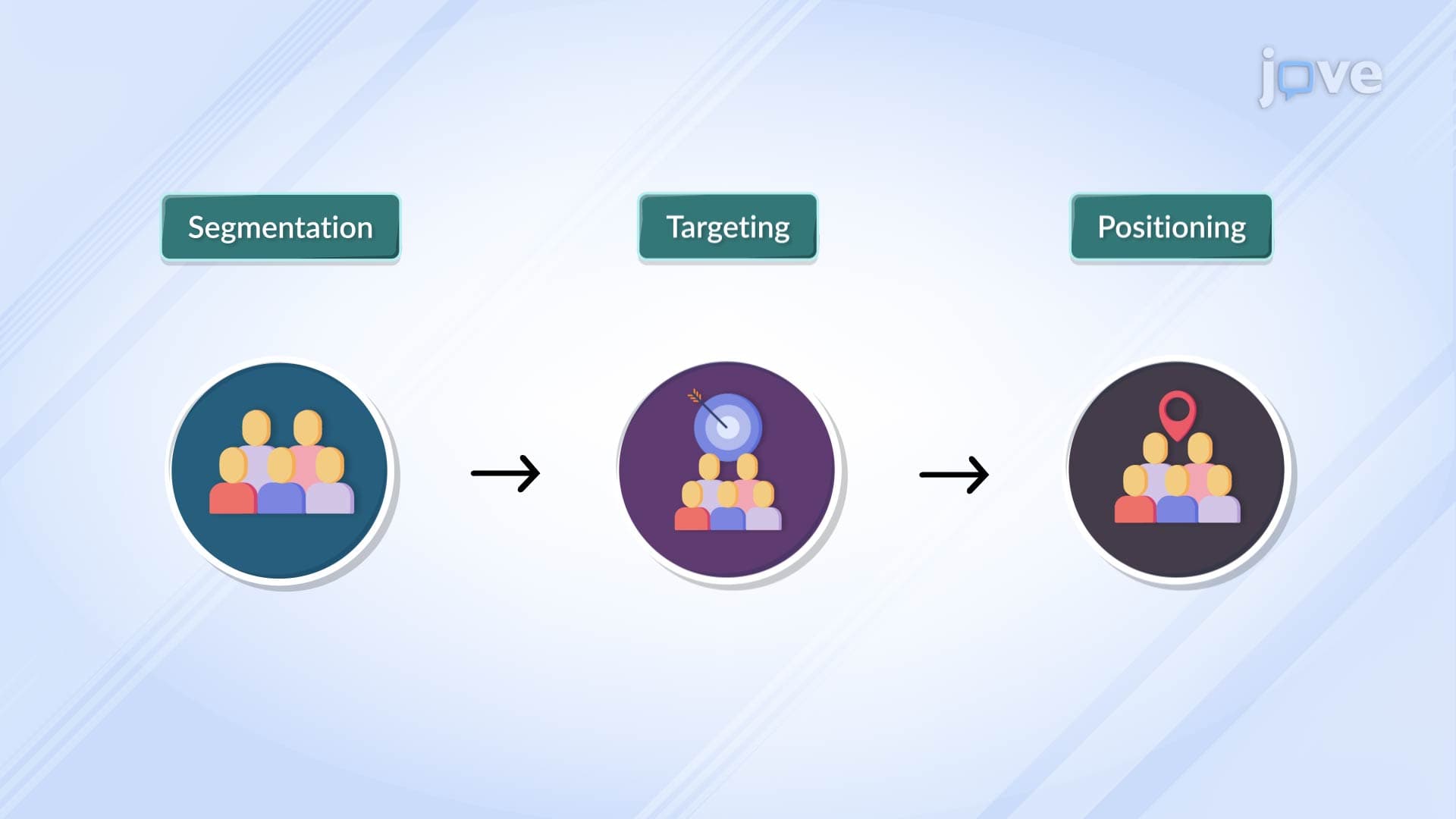
A marketing plan functions as the operational bridge between executive strategy and front-line execution. While marketing strategy establishes the "what" and "why"-defining target markets, competitive positioning, and value propositions-the marketing plan details the "how," "when," and "how much." This distinction proves critical in corporate environments where strategy teams set direction but implementation responsibility falls to marketing managers, product teams, and regional leaders.
Fortune 500 companies typically structure their marketing plans around three core phases. The planning phase involves comprehensive situation analysis, market research, and objective setting. Implementation focuses on tactical execution through the Marketing Mix framework, requiring careful resource allocation across product development, pricing optimization, channel strategy, and promotional campaigns. The control phase establishes measurement systems and feedback loops that enable real-time adjustments and performance optimization.
Modern marketing plan definition extends beyond traditional advertising to encompass the complete customer experience. Amazon exemplifies this approach by integrating product innovation (Prime services), dynamic pricing algorithms, distribution excellence (fulfillment centers), and targeted promotion (personalized recommendations) into a cohesive system that drives customer acquisition and retention.
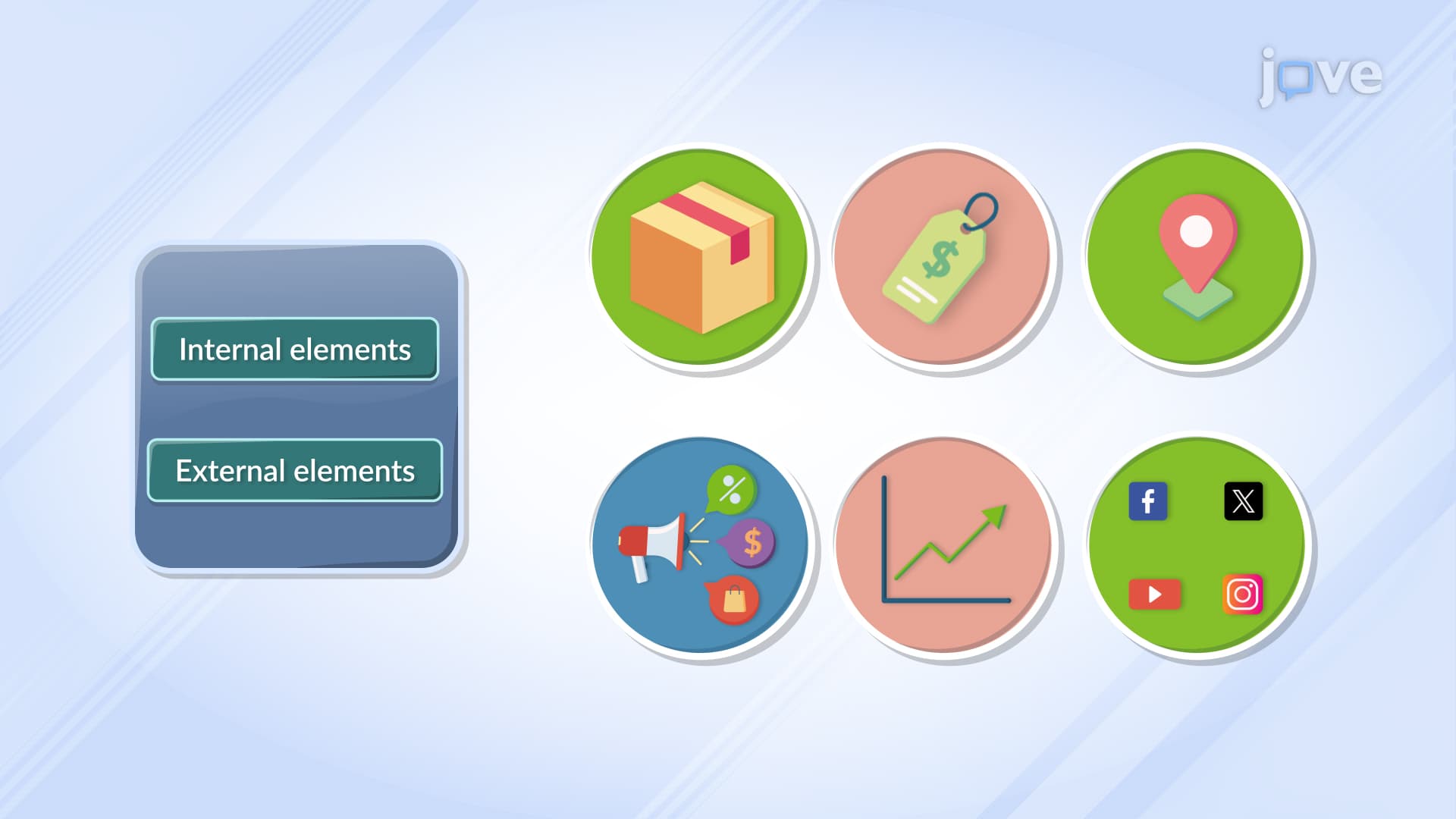
The Marketing Mix serves as the tactical foundation where marketing plans translate into measurable business outcomes. Product decisions involve feature development, quality standards, and portfolio management. Price optimization requires competitive analysis, value-based pricing models, and promotional strategy coordination. Place encompasses channel selection, distribution partnerships, and customer touchpoint management. Promotion integrates advertising, public relations, sales enablement, and digital marketing initiatives.
Effective marketing plans establish clear success metrics aligned with business objectives. Leading organizations track customer acquisition costs, lifetime value ratios, market share progression, and revenue attribution across channels. This data-driven approach enables marketing leaders to demonstrate ROI, optimize budget allocation, and secure executive support for future initiatives.
Related Micro-courses