Loading subject page…

218 views

Video Summary: Vectors Representation Operations and Applications
Ever wonder how GPS navigation systems calculate the fastest route to your destination? Vectors: representation, operations, and applications form the mathematical foundation behind this technology, combining both magnitude (how far) and direction (which way) into a single mathematical object. When a NASA engineer programs a spacecraft trajectory or when meteorologists track hurricane paths across the Gulf Coast, they're using vector mathematics to represent forces, velocities, and displacements in three-dimensional space. Watch the full video on JoVE Coach to master this concept with expert-led visuals and step-by-step explanations.
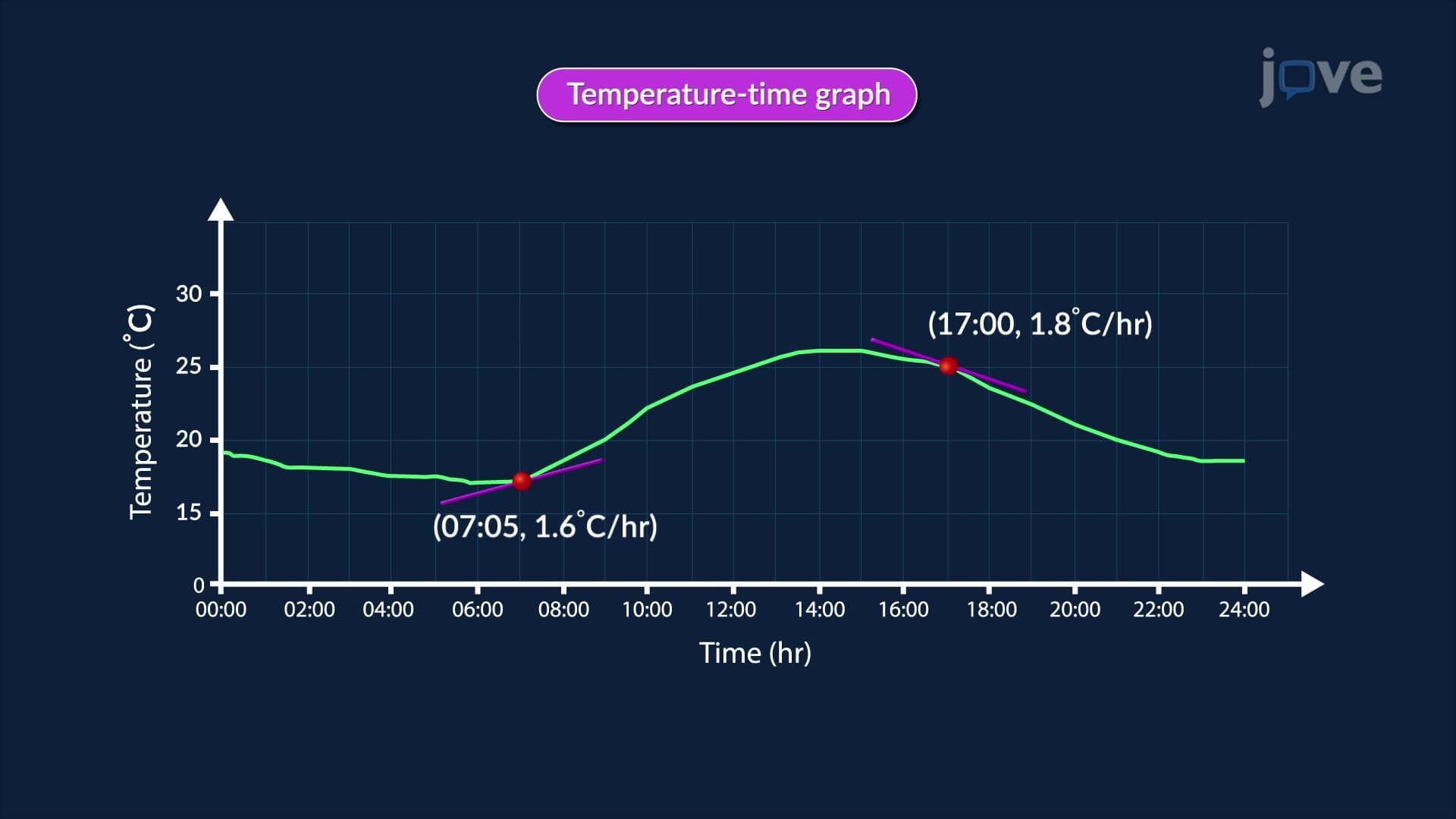
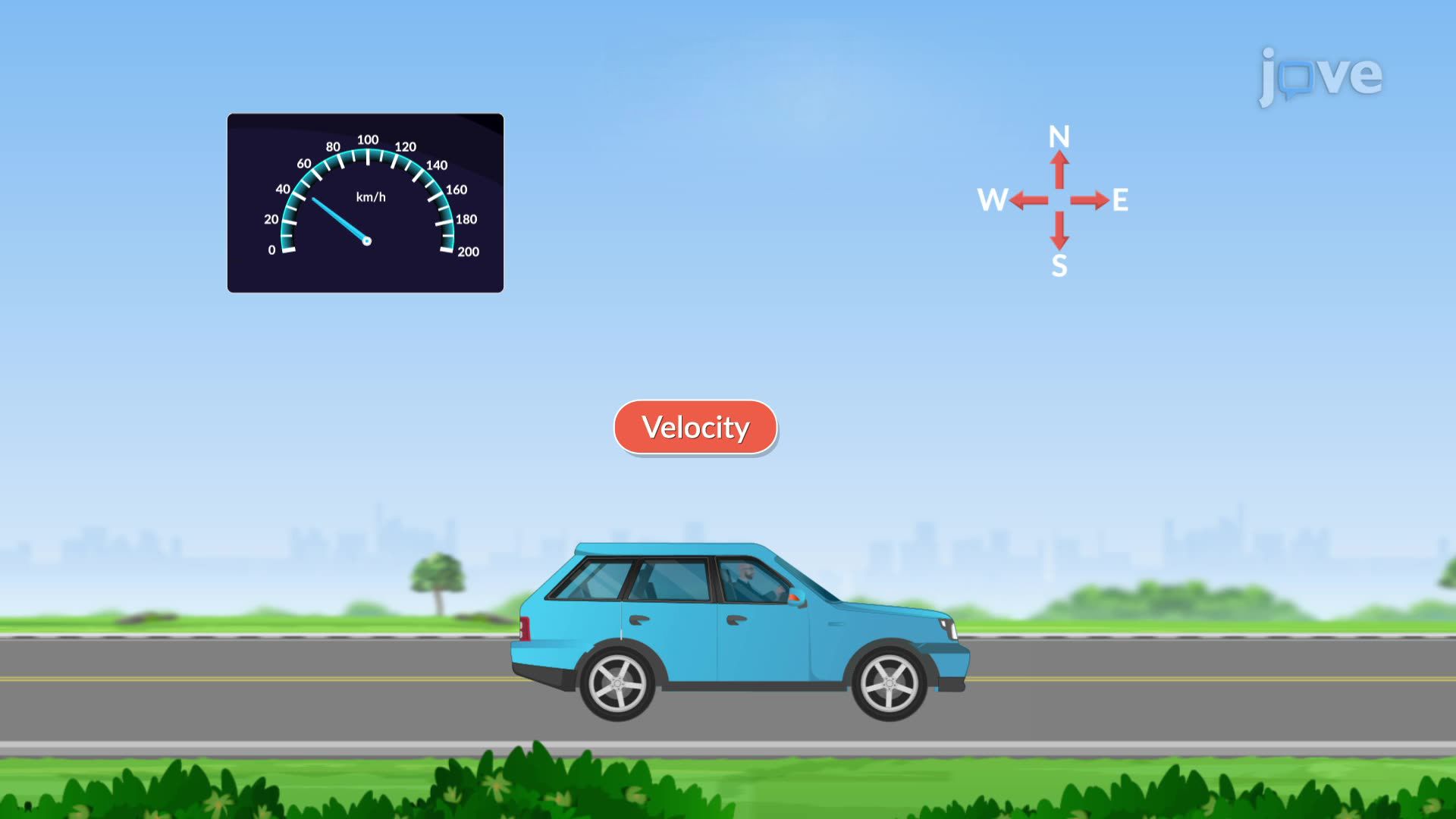
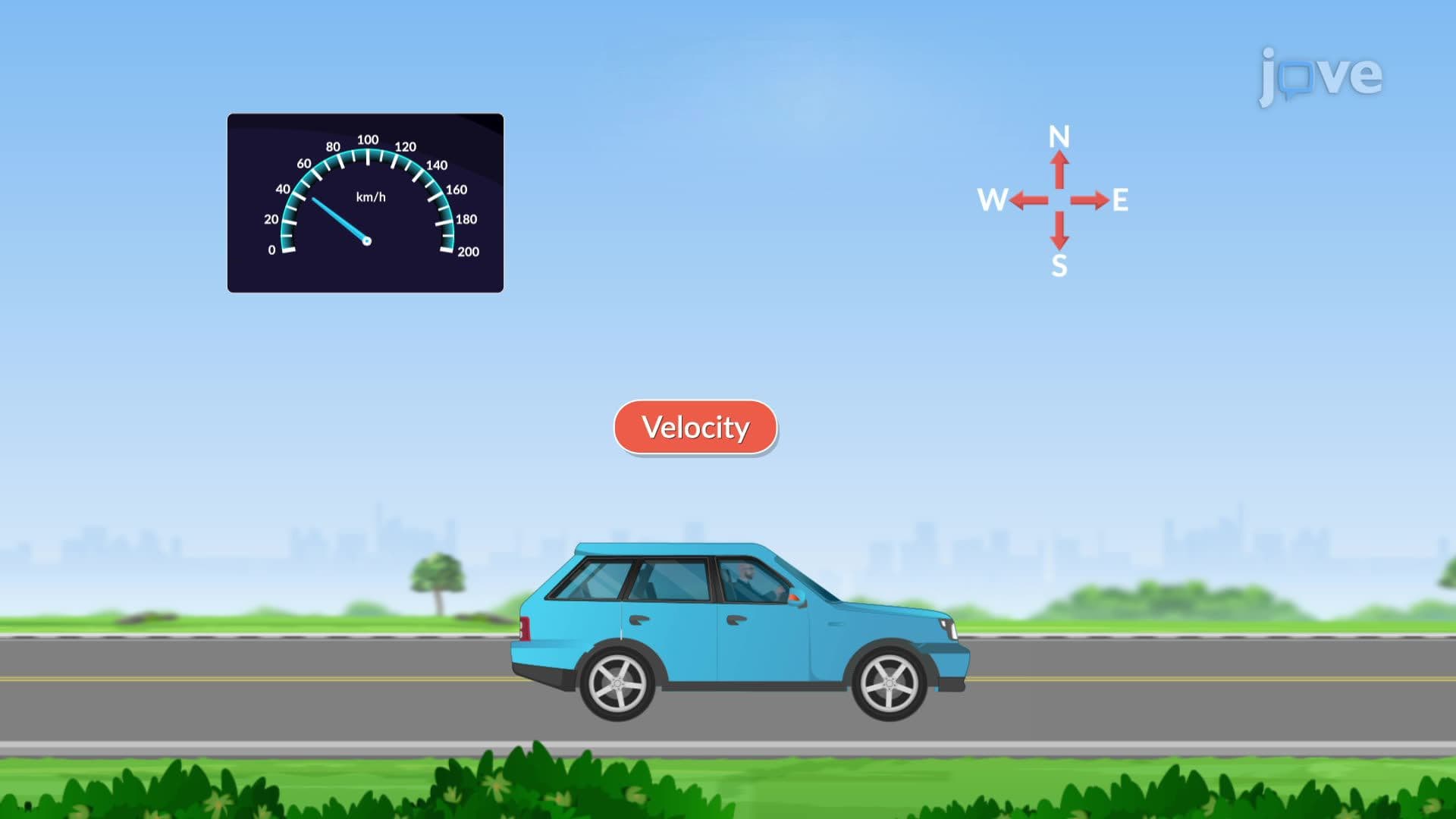
Vectors: representation, operations, and applications serve as fundamental tools in mathematics, physics, and engineering, distinguishing themselves from scalar quantities by incorporating both magnitude and direction. Unlike scalars such as temperature or mass, vectors provide complete information about physical phenomena requiring directional specification.
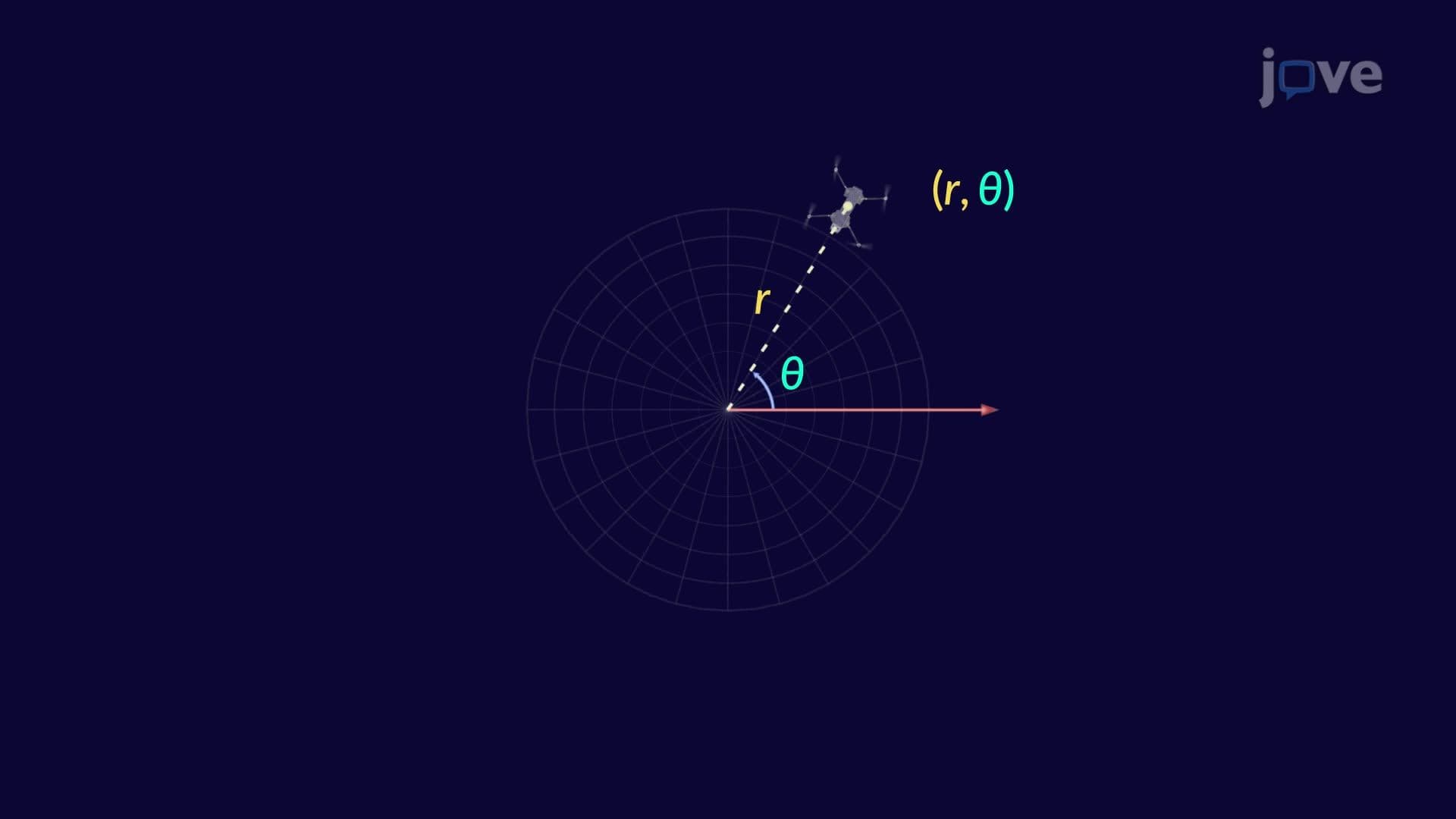
Vector notation employs several conventions to distinguish these quantities from scalars. Mathematical texts commonly use bold letters (v) or letters with arrow notation (v→) to represent vectors. In coordinate systems, vectors appear as ordered pairs
Geometric representation visualizes vectors as directed line segments extending from an initial point to a terminal point. This visual approach proves particularly valuable when solving physics problems involving force diagrams or velocity calculations. For instance, when analyzing projectile motion in AP Physics courses, students represent initial velocity vectors with both horizontal and vertical components, enabling prediction of trajectory paths.
Vector equality requires identical magnitude and direction, regardless of position in space. This property allows vector translation without changing the vector's fundamental characteristics. Consider two displacement vectors: one representing a 5-mile northward journey from Dallas to Plano, and another representing a 5-mile northward journey from Houston to Spring. Despite different starting locations, these vectors are mathematically equivalent.
Vector addition employs two primary methods. The tip-to-tail method positions the initial point of one vector at the terminal point of another, with the resultant extending from the original starting point to the final terminal point. Alternatively, the parallelogram method places both vectors at a common origin, with their sum represented by the diagonal extending from that shared starting point.
Vector subtraction transforms into addition by incorporating the negative vector. The negative vector maintains identical magnitude while reversing direction. This operation proves essential in physics applications, such as calculating relative velocity between moving objects or determining displacement changes.
Vector mathematics appears extensively in standardized examinations including AP Calculus, AP Physics, and SAT Math Level 2 tests. Students encounter vector problems in contexts ranging from navigation systems to computer graphics programming. Engineering programs at institutions like MIT and Stanford heavily emphasize vector calculus as foundational knowledge for advanced coursework in electromagnetics, fluid dynamics, and structural analysis.
Related Micro-courses