Loading video…


 10 Concepts
 6.6K views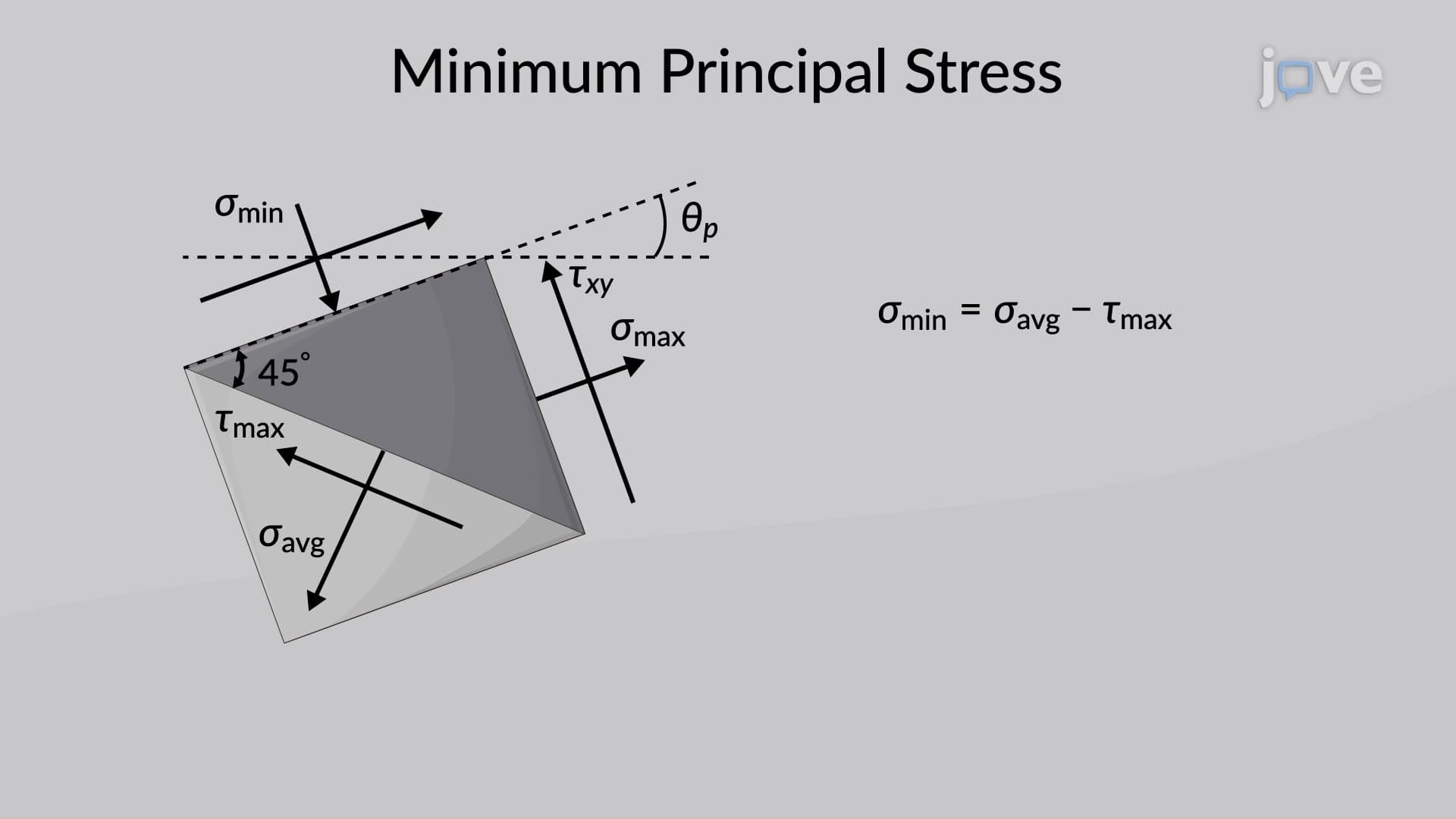

Video Summary: What Is Principal Stresses Problem Solving
When a skyscraper sways in the wind or a bridge supports heavy traffic, engineers must understand principal stresses problem solving to prevent catastrophic failures. This critical engineering analysis determines how materials respond to complex loading conditions by finding the maximum and minimum stress values acting on a component. Consider the Golden Gate Bridge in San Francisco, where engineers calculated principal stresses to ensure the structure could withstand both traffic loads and seismic forces. Watch the full video on JoVE Coach to master this concept with expert-led visuals and step-by-step explanations.
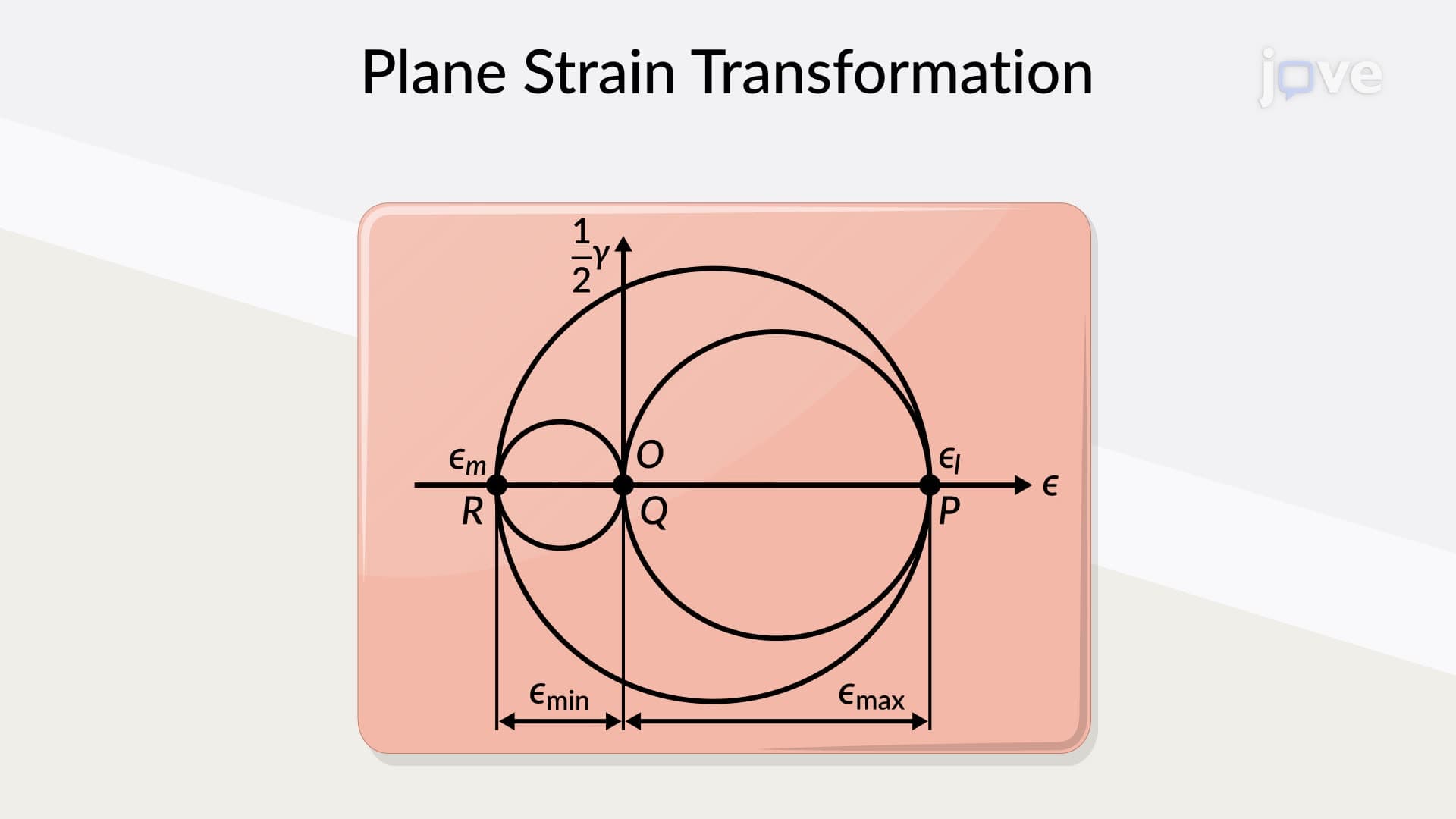
Principal stresses problem solving represents a cornerstone of mechanical engineering and materials science, providing engineers with the tools to analyze complex stress states in structural components. This analytical approach transforms complicated multi-directional stress conditions into simpler, more manageable principal stress values that indicate the maximum and minimum normal stresses acting on a material element.
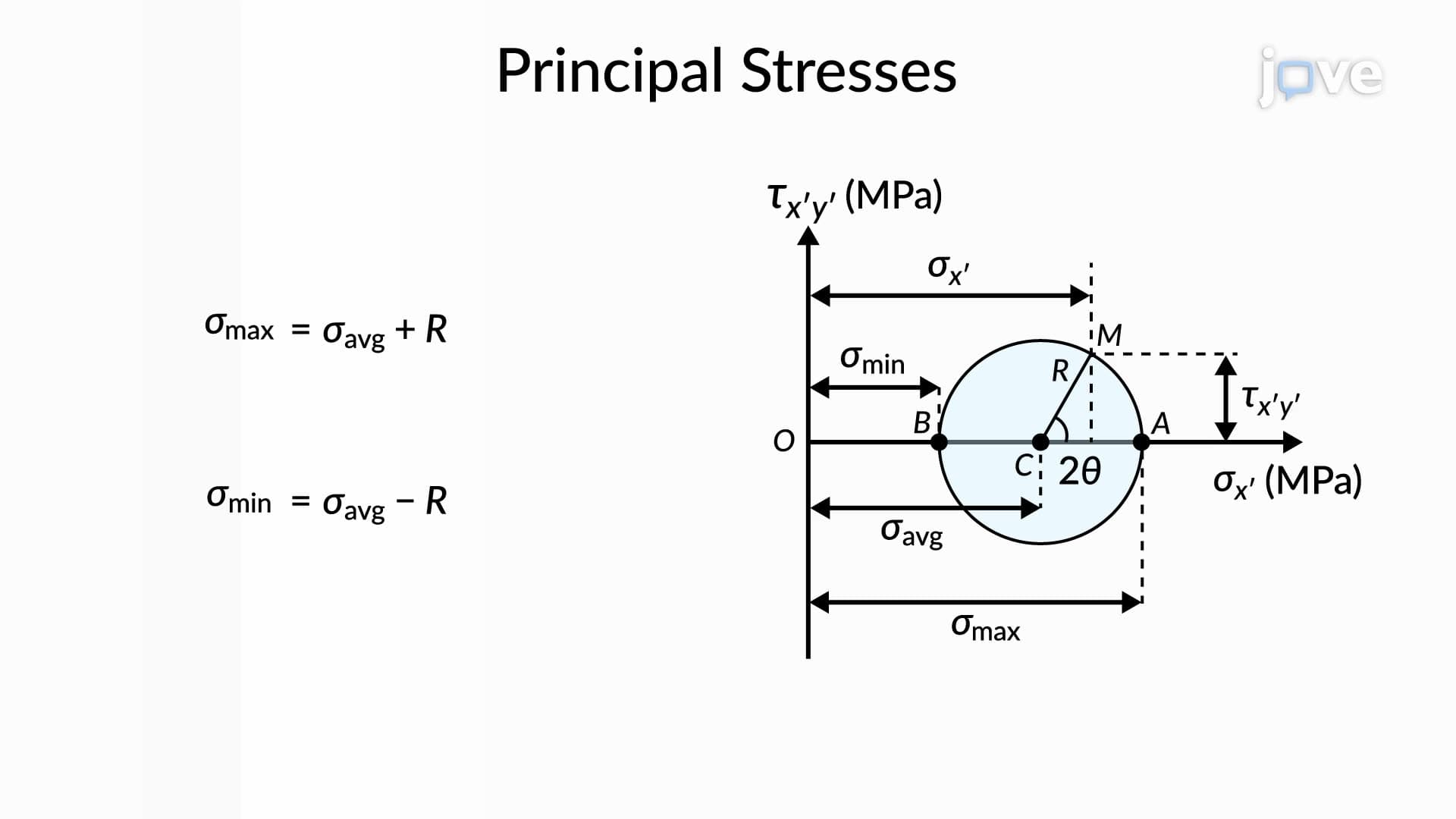
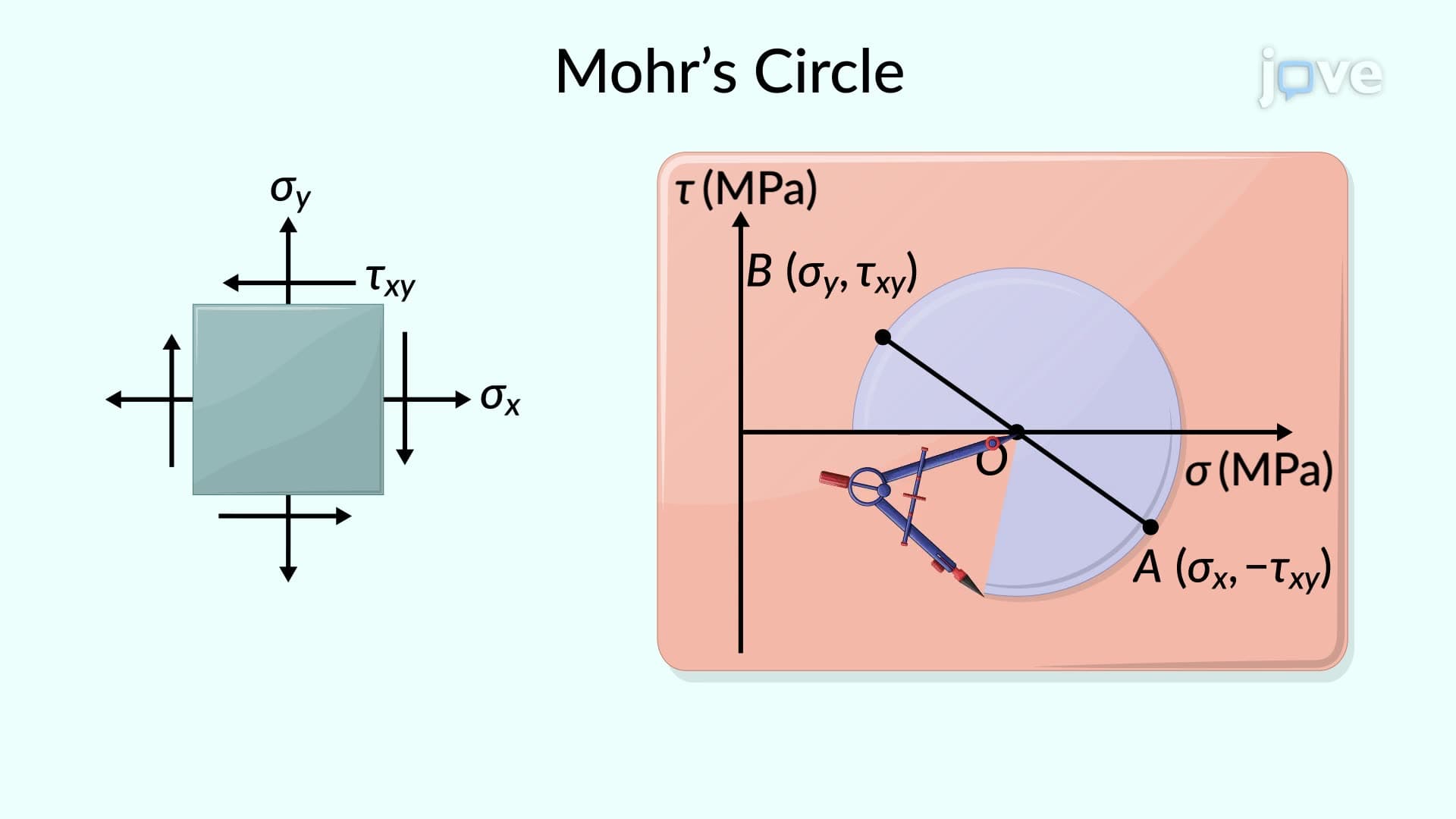
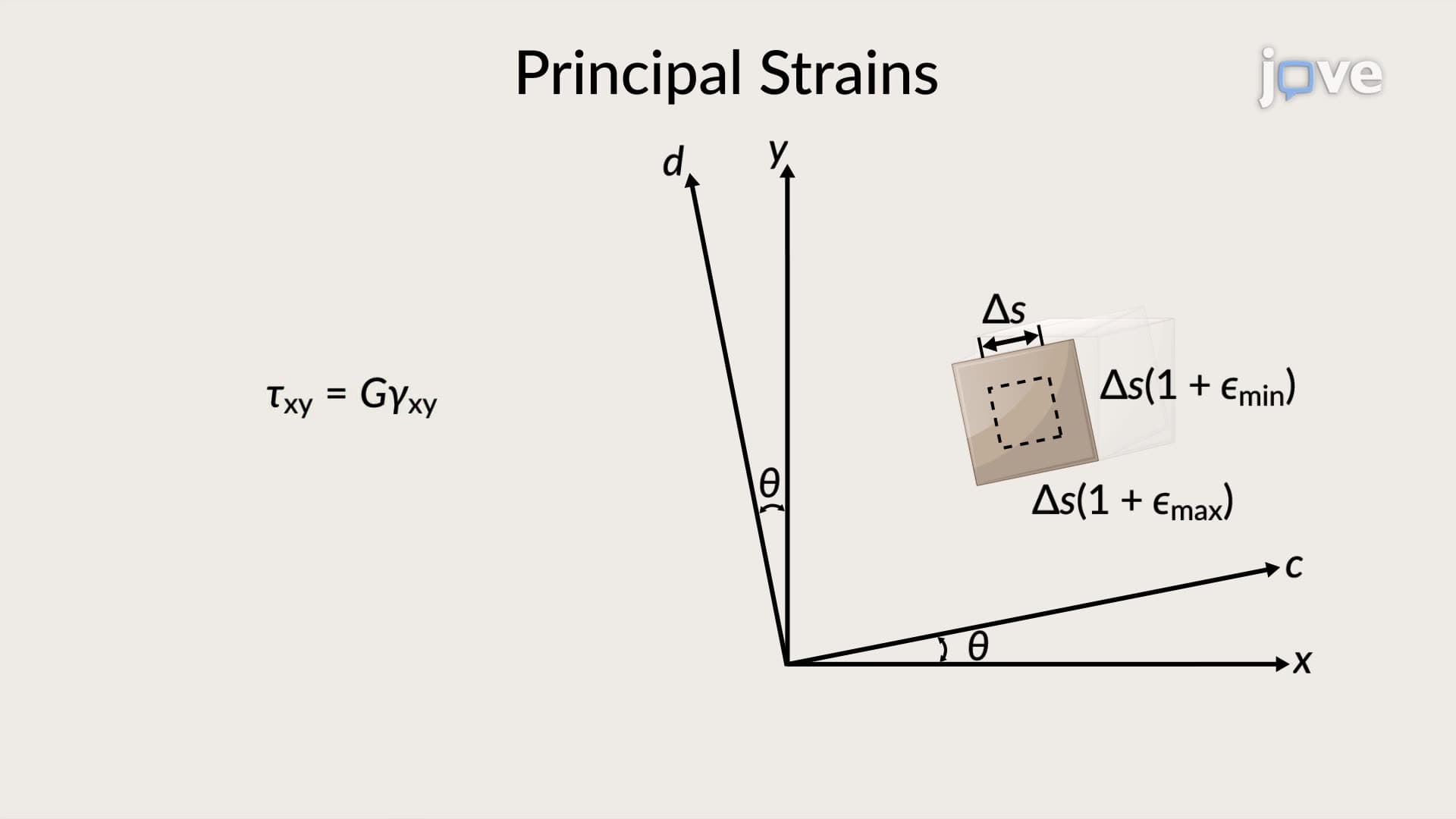
The principal stresses problem solving concept relies on stress transformation equations derived from equilibrium principles. When analyzing a two-dimensional stress state, engineers begin with known normal stresses (tensile and compressive) and shear stresses acting on perpendicular planes. The principal plane angle, denoted as θ, is calculated using the relationship: tan(2θ) = 2τ/(σx - σy), where τ represents shear stress, and σx and σy are normal stresses in perpendicular directions.
Students preparing for AP Physics C or college-level mechanics courses frequently encounter this principal stresses problem basics in both theoretical problems and practical applications. The average normal stress, calculated as (σx + σy)/2, serves as a reference point for determining both maximum and minimum principal stresses. The maximum shear stress formula, τmax = √[(σx - σy)/2]² + τ²), represents the largest shear stress magnitude occurring at 45 degrees to the principal planes.
Understanding principal stresses problem solving proves essential in numerous US industries. Aerospace engineers at Boeing and Lockheed Martin use these calculations to ensure aircraft components can withstand flight loads and turbulence. Civil engineers designing the new Tappan Zee Bridge replacement in New York applied principal stress analysis to optimize structural members for wind, traffic, and seismic loads.
This principal stresses problem solving study guide material appears prominently in undergraduate engineering curricula across major US universities, including MIT, Stanford, and Georgia Tech. Students encounter these concepts in Mechanics of Materials, Structural Analysis, and Machine Design courses. The methodology directly applies to NCLEX questions for nursing students studying orthopedic complications, MCAT problems involving biomechanical stress analysis, and professional engineering licensure examinations.
The practical significance extends beyond academic settings, as practicing engineers use principal stress calculations to predict material failure modes, optimize component designs, and ensure structural safety margins meet industry standards established by organizations like AISC and ACI.
Related Micro-courses