Loading subject page…

- Analytical Chemistry
- Introduction to Molecular Spectroscopy
- Molecular Spectroscopy: Absorption and Emission
Micro-course: Introduction to Molecular Spectroscopy
36,706 views
Learn key concepts and earn your certificate.


Molecular Spectroscopy: Absorption and Emission


00:00
01:14
Video Summary: Molecular Spectroscopy Absorption and Emission Explained
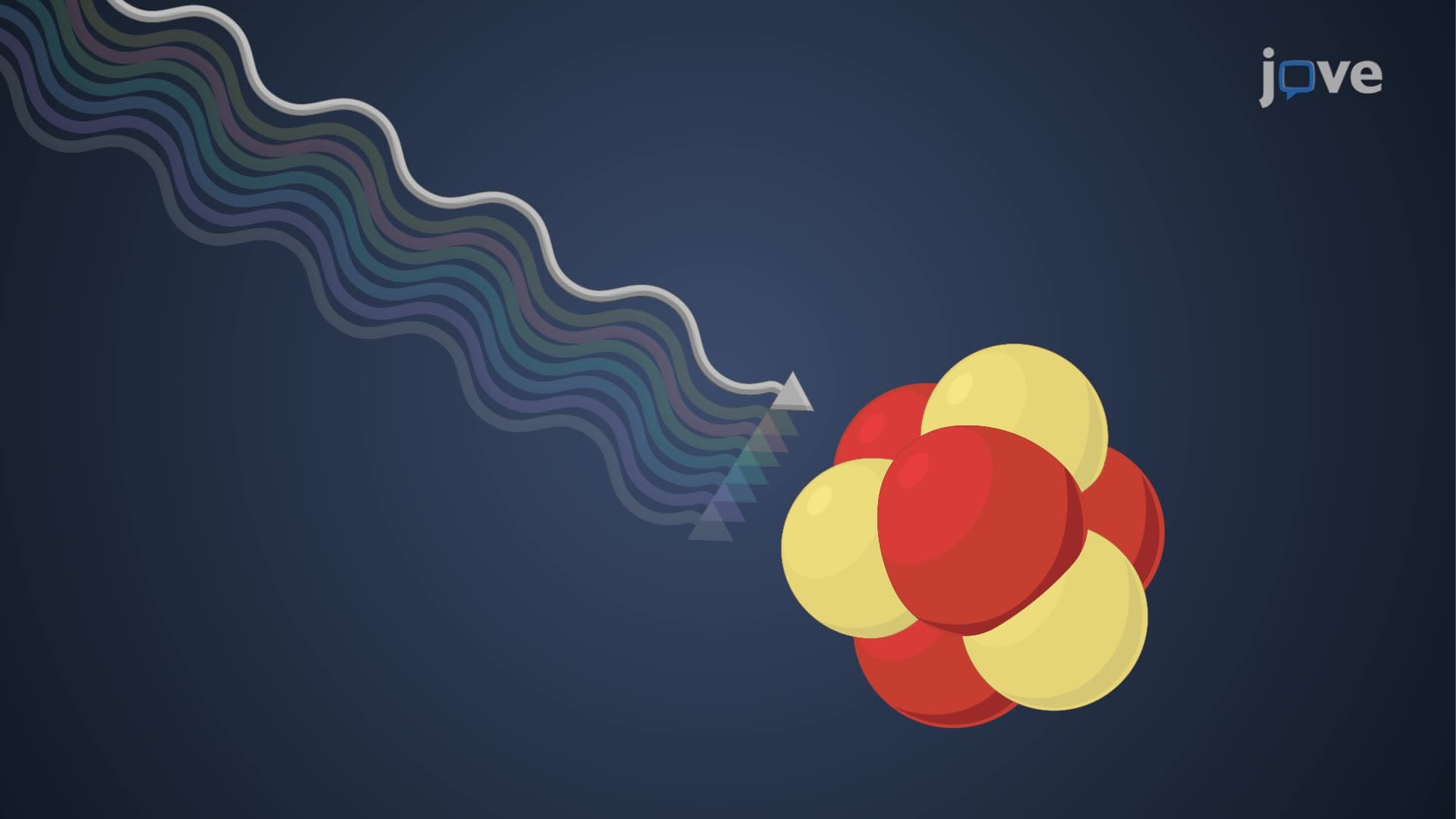
Ever wonder how astronomers identify distant star compositions or how medical MRI machines see inside your body? Molecular spectroscopy absorption emission principles make these technologies possible by exploiting how molecules interact with light energy. When molecules absorb specific wavelengths of electromagnetic radiation, they jump to higher energy states, then emit photons as they return to lower levels. This fundamental process enables everything from identifying pollutants in California's air quality monitoring to diagnosing diseases in Cleveland Clinic laboratories. Watch the full video on JoVE Coach to master this concept with expert-led visuals and step-by-step explanations.
- Understand the fundamental principles of Molecular Spectroscopy Absorption And Emission, including how molecules exist in discrete quantum energy states
- Identify the relationship between photon energy, wavelength, and the specific molecular transitions that occur during absorption and emission processes
- Analyze how different regions of the electromagnetic spectrum (microwave, infrared, UV-visible) cause distinct types of molecular excitation
- Compare electronic, vibrational, and rotational energy transitions and their corresponding wavelength requirements
- Evaluate why molecules can only absorb or emit photons with energies that precisely match energy gaps between quantum states
- Apply spectroscopic principles to predict which wavelengths will be absorbed or emitted by specific molecular systems
- Recognize real-world applications of molecular spectroscopy in medical diagnostics, environmental monitoring, and chemical analysis
- Explore the connection between molecular energy levels and the characteristic absorption or emission spectra that identify different substances
Understanding Molecular Spectroscopy Absorption And Emission Fundamentals
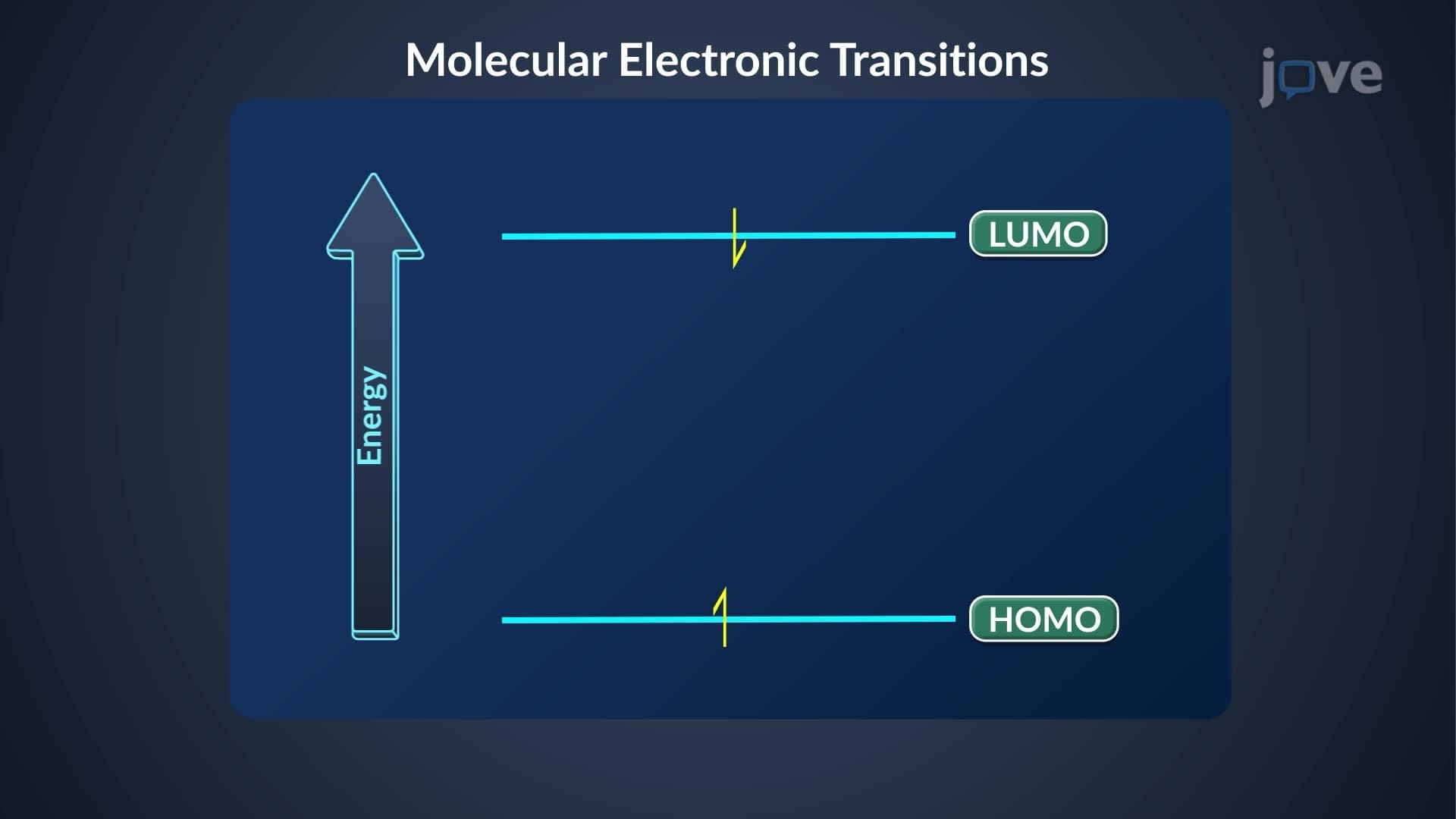
Molecules exist as quantum mechanical systems with precisely defined energy levels, much like steps on a ladder where you can only stand on specific rungs. These molecular energy levels spectroscopy concepts form the foundation for understanding how light interacts with matter. Unlike classical physics predictions, molecules cannot possess arbitrary amounts of energy-they're restricted to discrete quantum states for electronic, vibrational, and rotational motion.
The Quantum Nature of Molecular Energy States
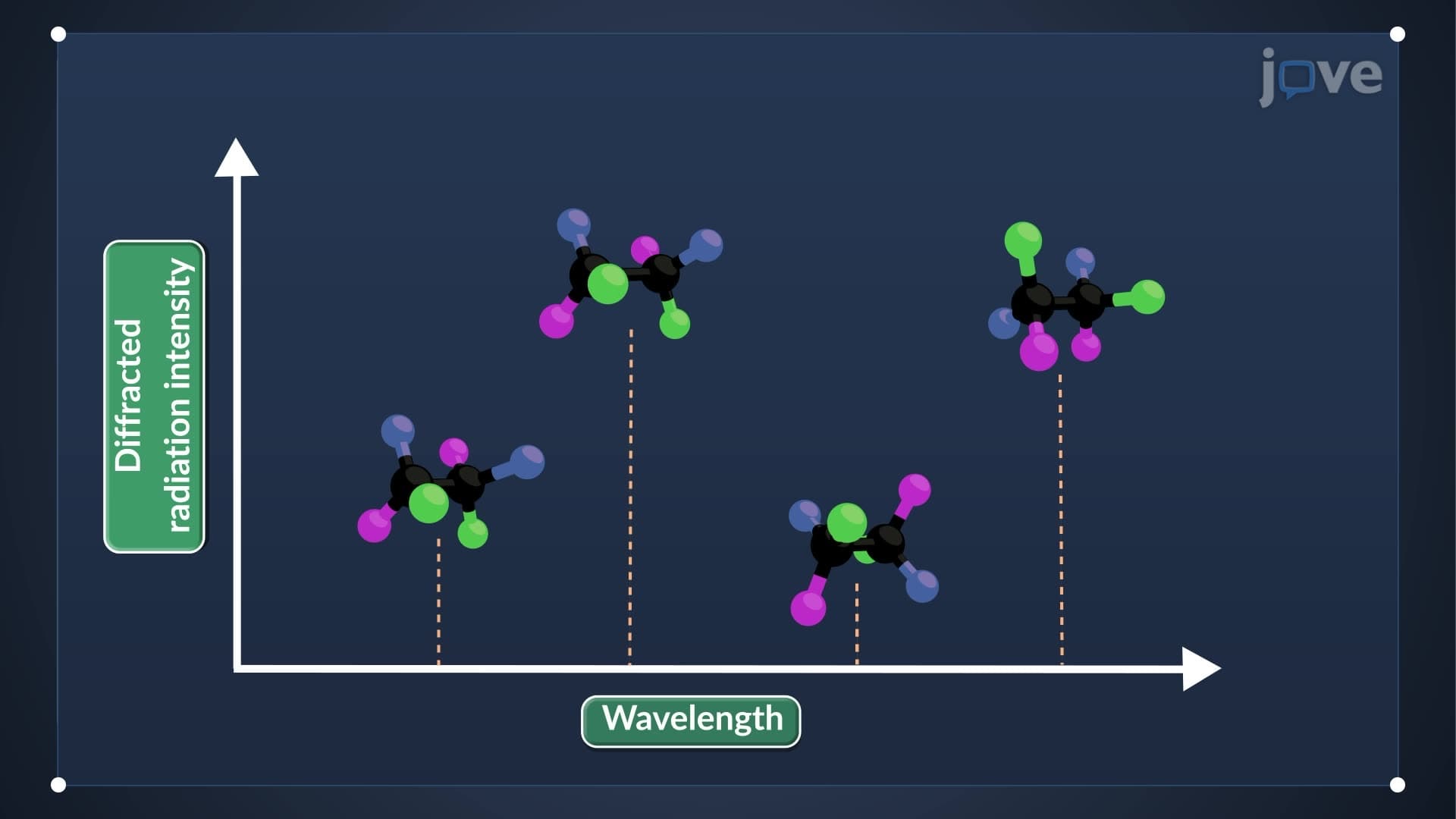
Each quantum state represents a unique energy configuration separated by specific energy gaps from neighboring states. When a photon strikes a molecule, absorption occurs only if the photon's energy exactly matches the energy difference between two quantum states. This selectivity explains why the absorption spectrum molecule displays sharp lines or bands rather than continuous absorption across all wavelengths.
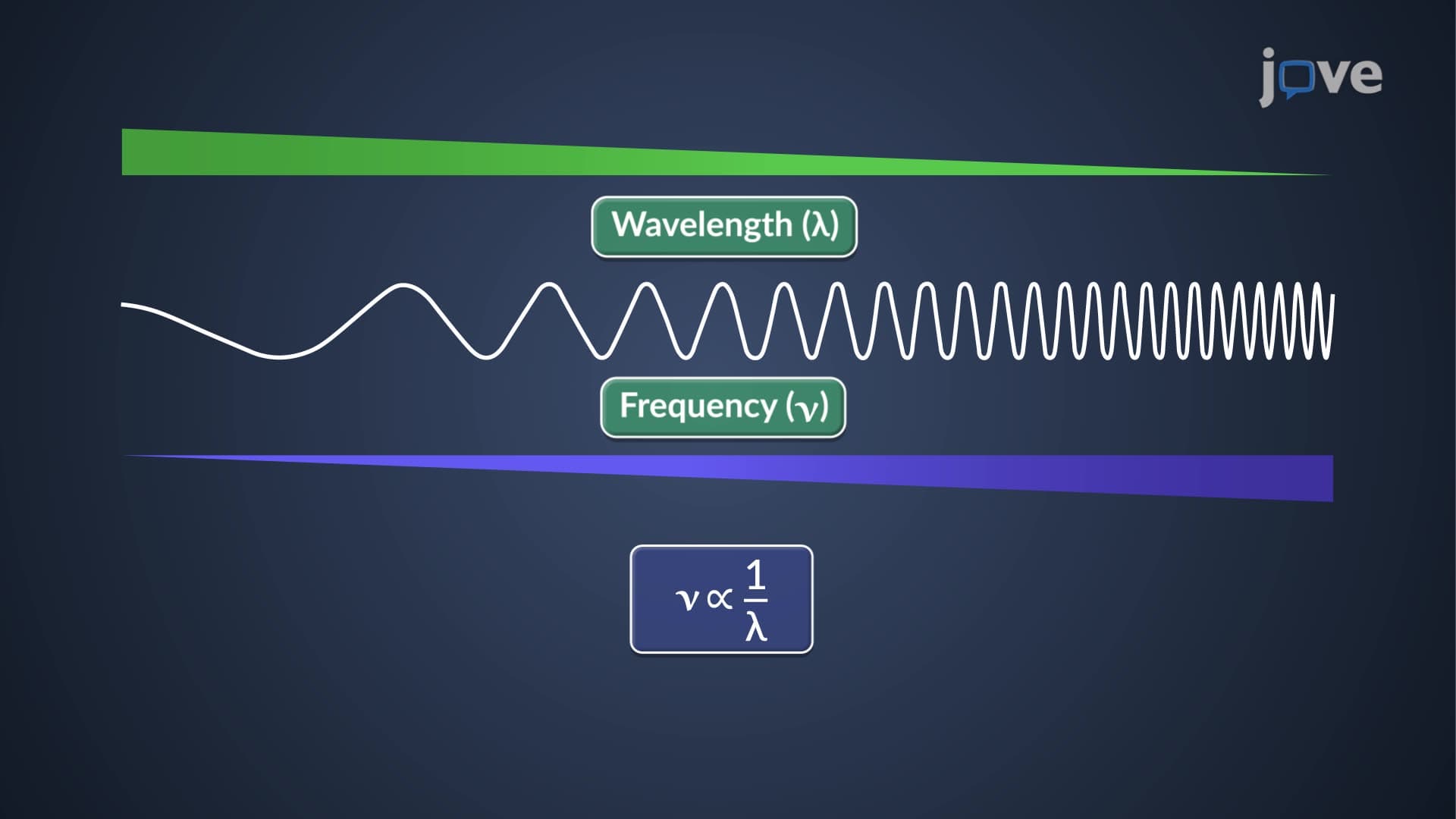
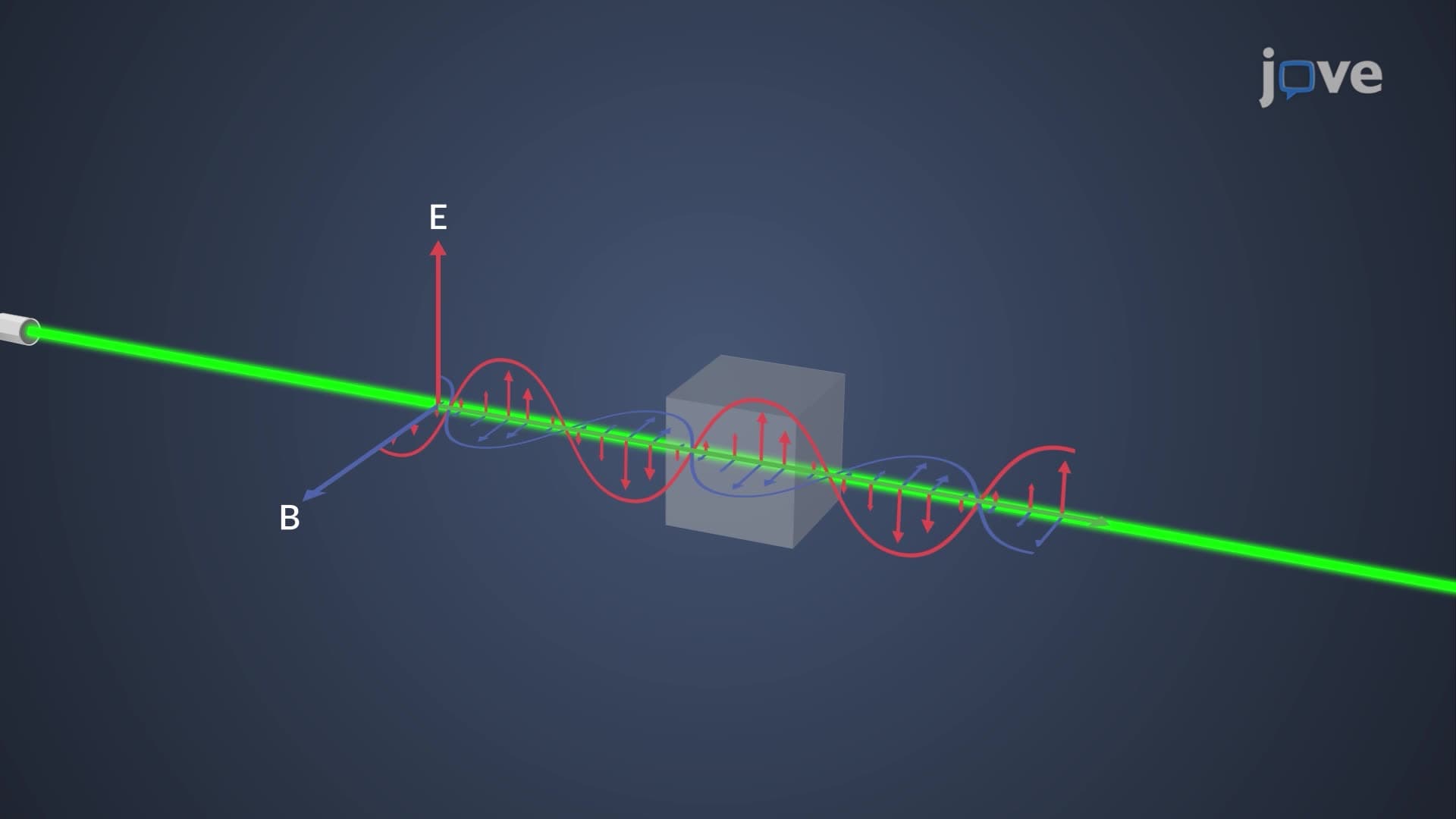
The energy relationship follows Planck's equation: E = hf, where h represents Planck's constant and f equals frequency. Since energy and wavelength are inversely related (E = hc/λ), longer wavelengths carry less energy than shorter ones. This principle determines which molecular transitions can occur at different regions of the electromagnetic spectrum.
Wavelength-Dependent Molecular Excitations
Microwave radiation (wavelengths around 1 cm) possesses just enough energy to change molecular rotation patterns. Think of molecules spinning like tiny tops-microwave photons can speed up or slow down this rotation by promoting molecules to higher rotational quantum states.
Infrared radiation (wavelengths 0.7-1000 μm) targets molecular vibrations. Chemical bonds act like microscopic springs, oscillating at characteristic frequencies. When IR photons match these vibrational frequencies, molecules absorb energy and vibrate more vigorously. This principle enables infrared spectroscopy used by the EPA to monitor greenhouse gas concentrations and by pharmaceutical companies like Pfizer to verify drug purity.
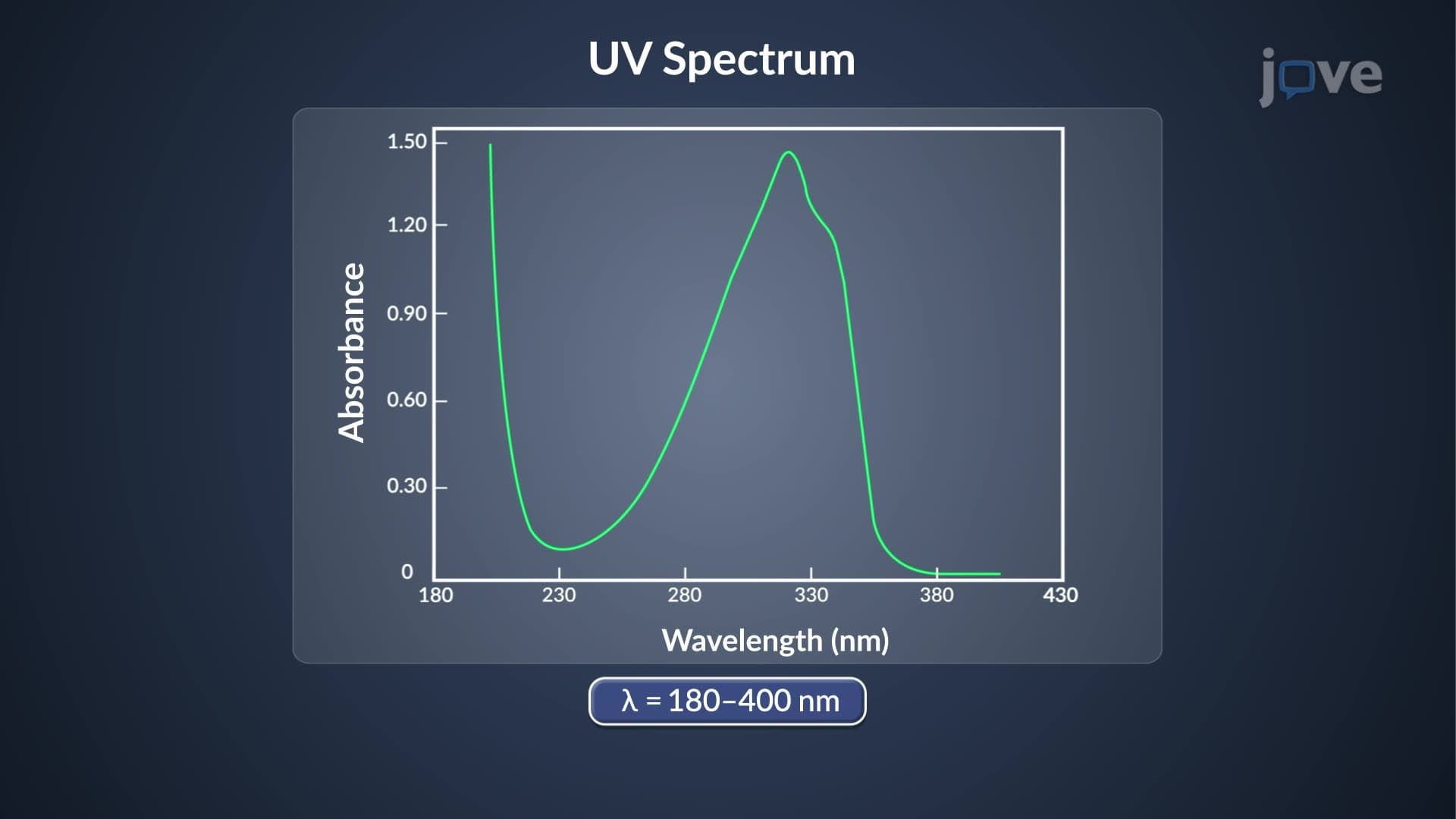
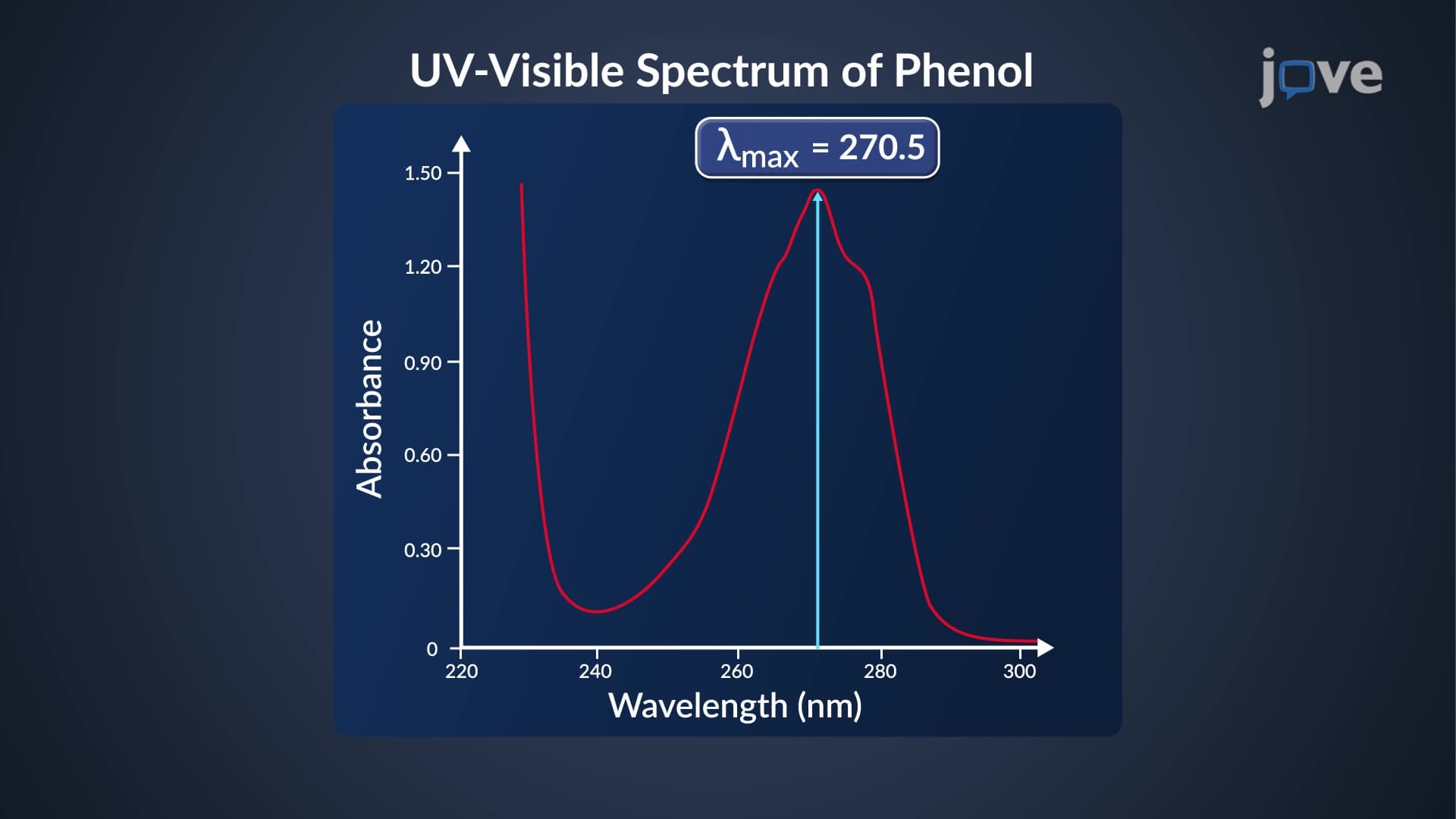
UV-visible radiation (wavelengths 200-700 nm) carries sufficient energy to promote electrons between electronic energy levels. These transitions often involve π-electrons in conjugated systems or lone pairs on heteroatoms, creating the colorful emission spectrum molecule patterns observed in neon signs or analyzed in clinical laboratories.
Practical Applications and Exam Relevance
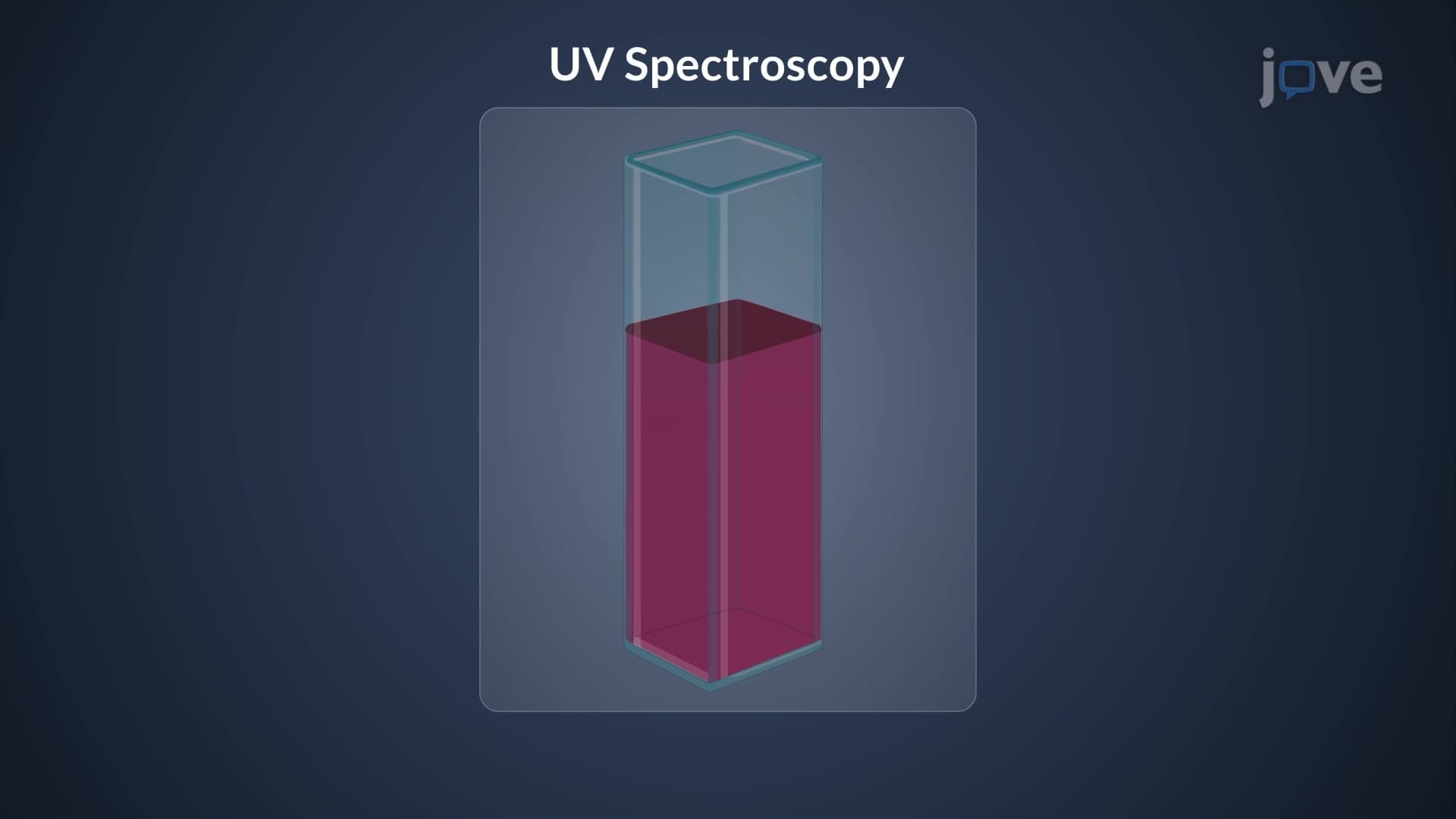
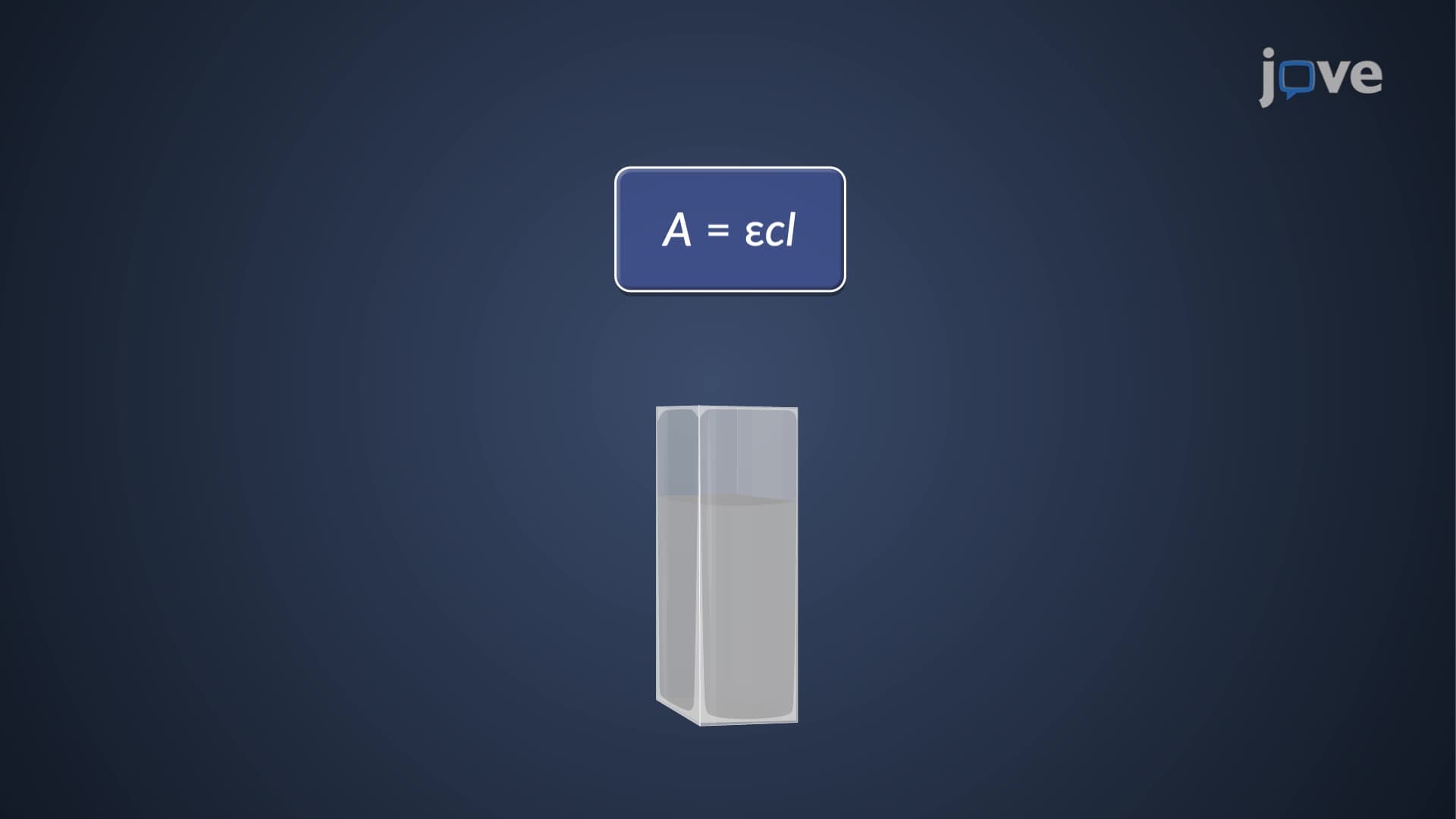
Understanding how absorption and emission work in molecular spectroscopy proves crucial for AP Chemistry students tackling electromagnetic spectrum problems and college students in analytical chemistry courses. The Beer Lambert law absorption concept, A = εbc, directly applies these principles to quantitative analysis, where absorption intensity relates to concentration-a relationship tested extensively on the MCAT and in undergraduate chemistry labs.
Medical applications include pulse oximetry devices that measure blood oxygen levels by analyzing how hemoglobin absorbs different wavelengths, and PET scanners that detect gamma ray emissions from radioactive tracers to image metabolic processes in hospitals like Johns Hopkins.
Frequently Asked Questions
Molecular spectroscopy absorption and emission are complementary processes where molecules interact with electromagnetic radiation by gaining or losing specific amounts of energy. During absorption, molecules absorb photons and jump to higher energy quantum states, while emission occurs when excited molecules release photons and return to lower energy levels. The key principle is that both processes only occur at specific wavelengths that match the energy gaps between molecular quantum states.
MCAT questions often test your understanding of wavelength-energy relationships and Beer-Lambert law applications in biological systems like protein analysis or drug metabolism studies. AP Chemistry exams typically focus on predicting which electromagnetic regions cause specific molecular transitions (rotational, vibrational, electronic) and interpreting absorption spectra to identify functional groups. You'll need to connect quantum energy concepts with practical spectroscopic techniques used in research laboratories.
College exams commonly test your ability to calculate photon energies using E = hf = hc/λ, predict which molecular motions are excited by different wavelength ranges, and interpret real spectra from instruments like FTIR or UV-Vis spectrophotometers. Professors often include problems requiring you to explain why certain peaks appear in spectra or why specific wavelengths are absorbed by particular functional groups in organic molecules.
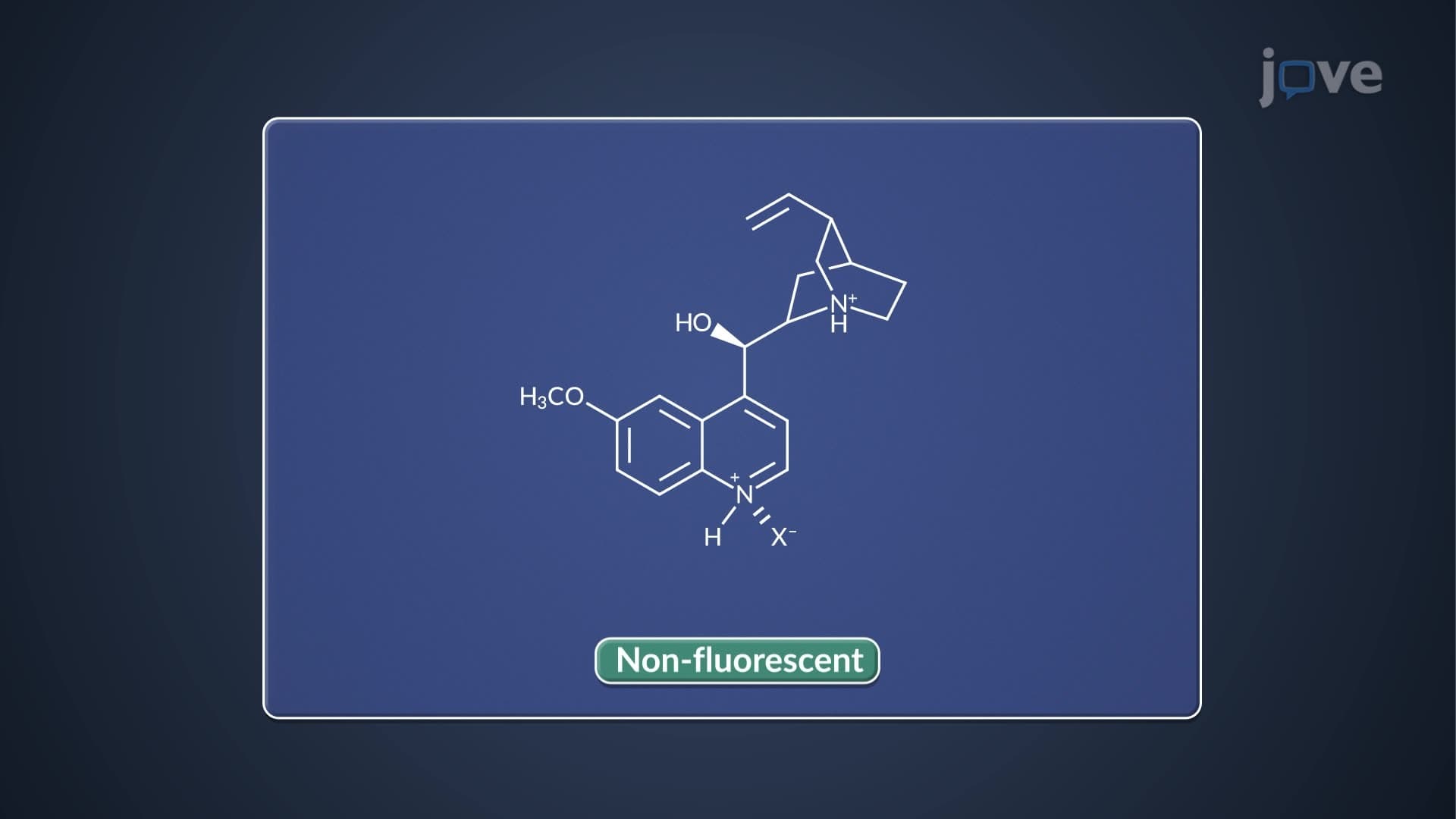
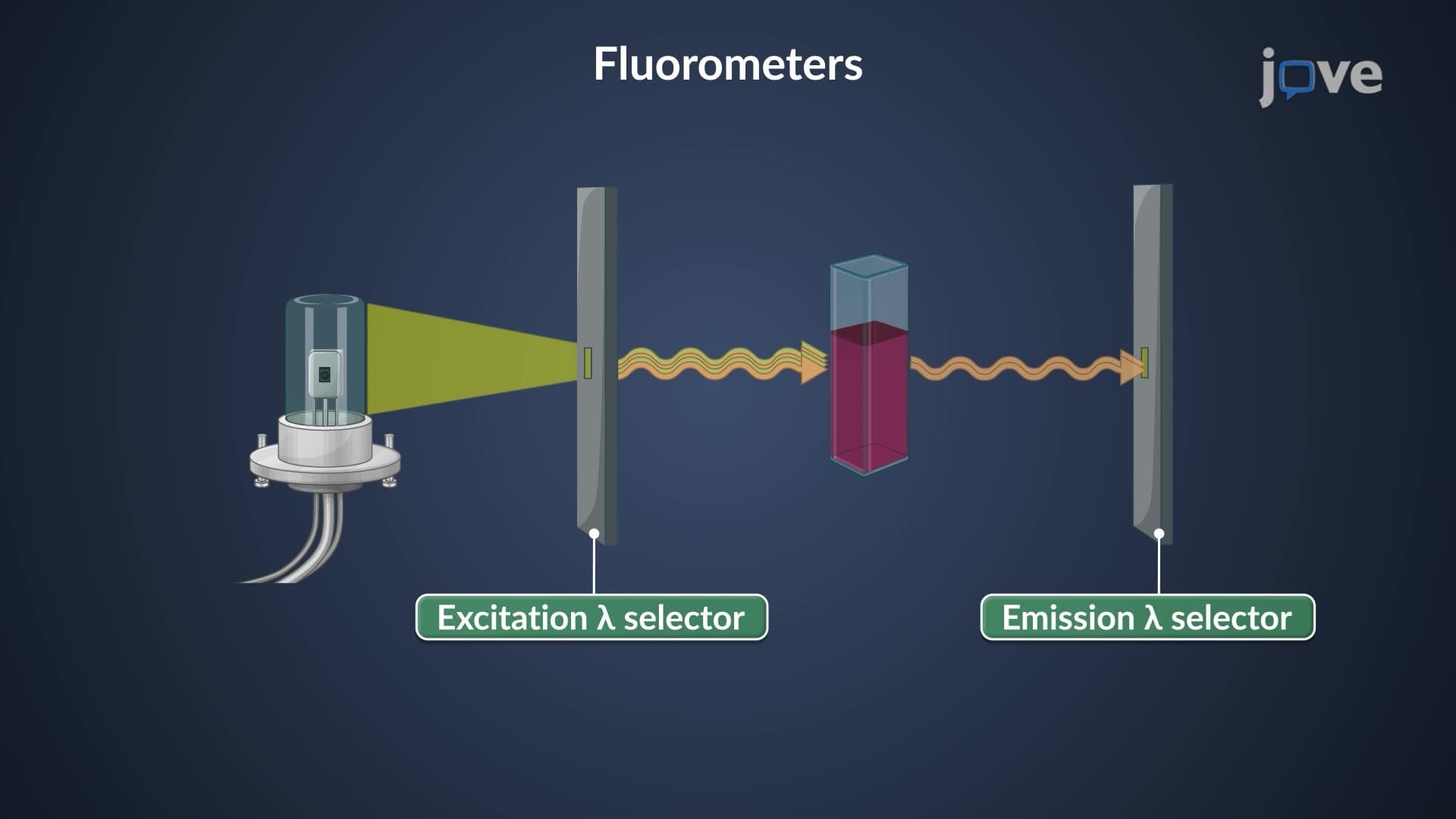
Major applications include pharmaceutical quality control at companies like Johnson & Johnson, where FTIR spectroscopy verifies drug composition, and environmental monitoring by the EPA using UV absorption to measure ozone concentrations. NASA uses emission spectroscopy to analyze atmospheric composition on Mars missions, while medical laboratories employ fluorescence spectroscopy for DNA sequencing and protein analysis in diagnostic tests.
Basic algebra and familiarity with scientific notation are sufficient for most introductory applications. While quantum mechanics involves complex mathematics, understanding core spectroscopy principles requires mainly unit conversions, simple energy calculations using Planck's equation, and interpreting graphical data from spectra. The conceptual understanding of discrete energy levels and photon-molecule interactions is more important than mathematical derivations for most high school and early college courses.
Focus on memorizing the electromagnetic spectrum regions and their corresponding molecular excitations: microwave (rotation), infrared (vibration), UV-visible (electronic transitions). Practice converting between wavelength, frequency, and energy using dimensional analysis, and work through problems involving Beer-Lambert law calculations. Create concept maps linking quantum energy states to observable spectroscopic phenomena, and review real spectra examples to recognize characteristic absorption patterns.
When molecules emit photons during electronic transitions, the specific wavelengths determine observed colors-this explains why sodium street lamps appear yellow-orange and neon signs glow red. Spectroscopic instruments like those used at Caltech or MIT detect these wavelength-specific interactions to identify unknown compounds. The discrete nature of quantum states ensures each molecule produces a unique spectroscopic "fingerprint" that scientists use for chemical identification and analysis.
Consider exploring nuclear magnetic resonance (NMR) spectroscopy principles, which analyze nuclear spin states and prove essential for organic structure determination. Advanced topics include selection rules governing allowed transitions, coupling effects in complex molecules, and time-resolved spectroscopy techniques used in biochemical research to study protein folding dynamics and enzyme mechanisms.
Related Micro-courses

19 Concepts

17 Concepts

15 Concepts