Loading subject page…

- Analytical Chemistry
- Principles of Nuclear Magnetic Resonance
- Atomic Nuclei: Nuclear Magnetic Moment
Micro-course: Principles of Nuclear Magnetic Resonance
24,278 views
Learn key concepts and earn your certificate.

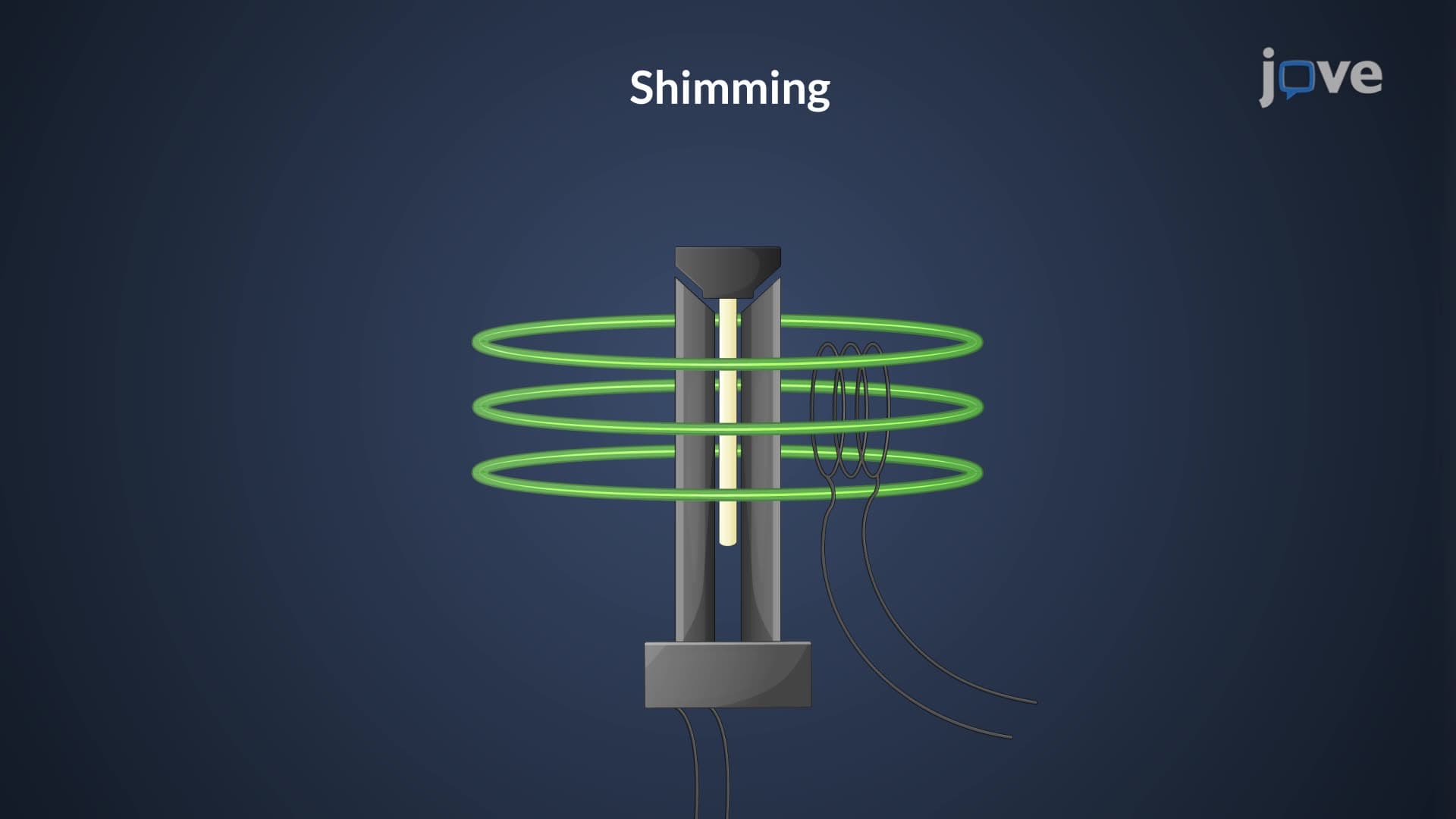

Atomic Nuclei: Nuclear Magnetic Moment


00:00
00:59
Video Summary: Atomic Nuclei Nuclear Magnetic Moment Explained
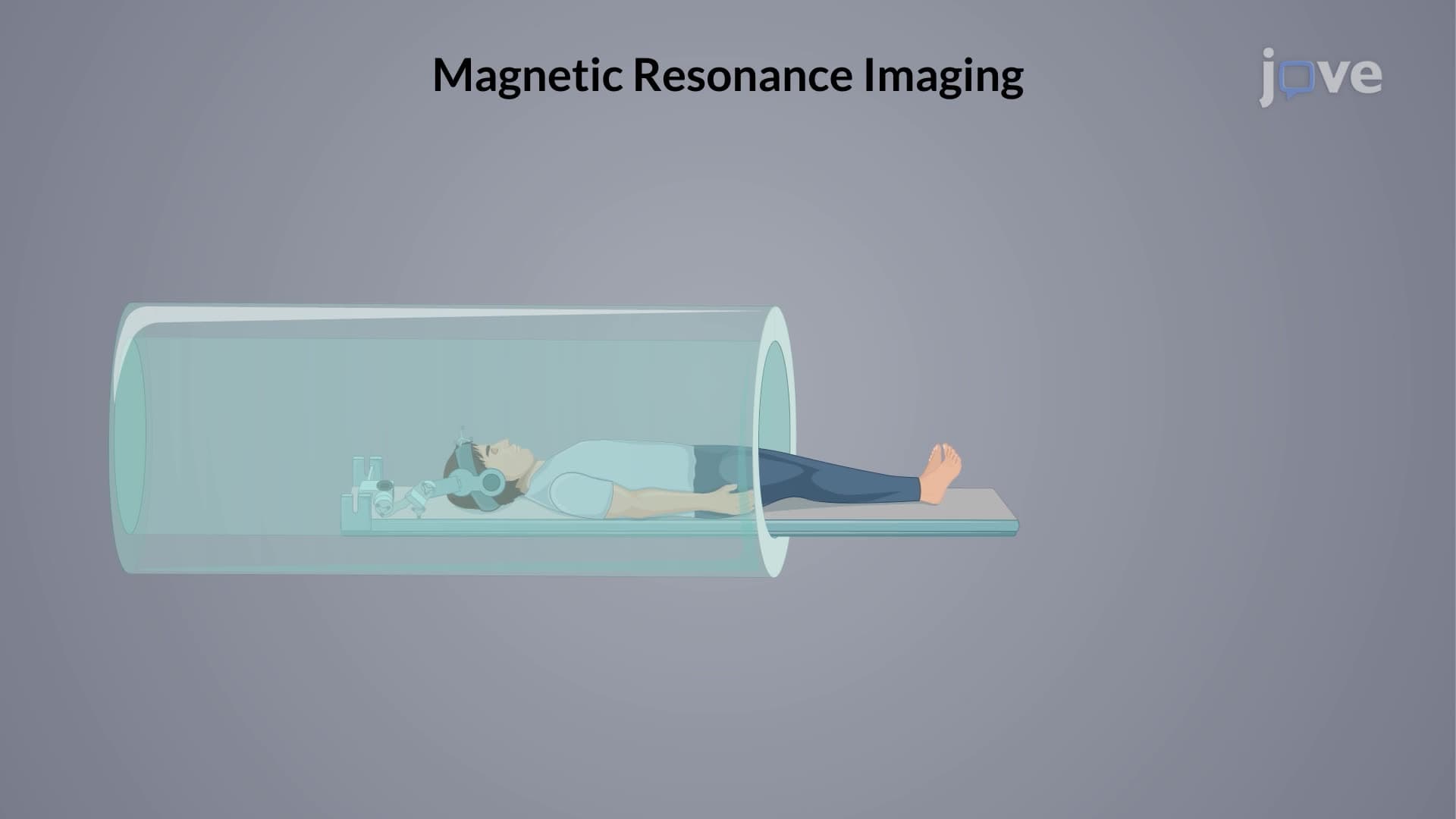
Did you know that the MRI machines at Johns Hopkins Hospital rely on the nuclear magnetic moment of hydrogen atoms in your body? When atomic nuclei spin, they create tiny magnetic fields that can be manipulated by external magnets. This Atomic Nuclei Nuclear Magnetic Moment Explained concept reveals how positively charged nuclei behave like microscopic magnets, aligning in specific orientations when exposed to strong magnetic fields. Watch the full video on JoVE Coach to master this concept with expert-led visuals and step-by-step explanations.
- Understand how Atomic Nuclei Nuclear Magnetic Moment Explained describes the magnetic properties of spinning charged nuclei
- Identify the relationship between nuclear spin quantum number (I) and the number of possible magnetic orientations (2I + 1)
- Analyze why hydrogen nuclei with spin 1/2 can only exist in two energy states when placed in external magnetic fields
- Compare the energy differences between spin-up and spin-down orientations in applied magnetic fields
- Evaluate how the magnetogyric ratio determines the strength of nuclear magnetic dipole moments
- Apply nuclear magnetic moment principles to understand NMR spectroscopy fundamentals
- Recognize the connection between precession magnetic moment and NMR signal detection
- Explore how spin magnetic moment nucleus interactions form the basis of medical imaging technology
Understanding Atomic Nuclei Nuclear Magnetic Moment
The nuclear magnetic moment represents one of the most fundamental quantum mechanical properties that bridges atomic physics and practical medical technology. When atomic nuclei possess non-zero spin, they behave as tiny magnetic dipoles, creating measurable magnetic fields that scientists and doctors exploit in numerous applications from chemical analysis to brain imaging.
The Physics Behind Nuclear Magnetic Dipoles
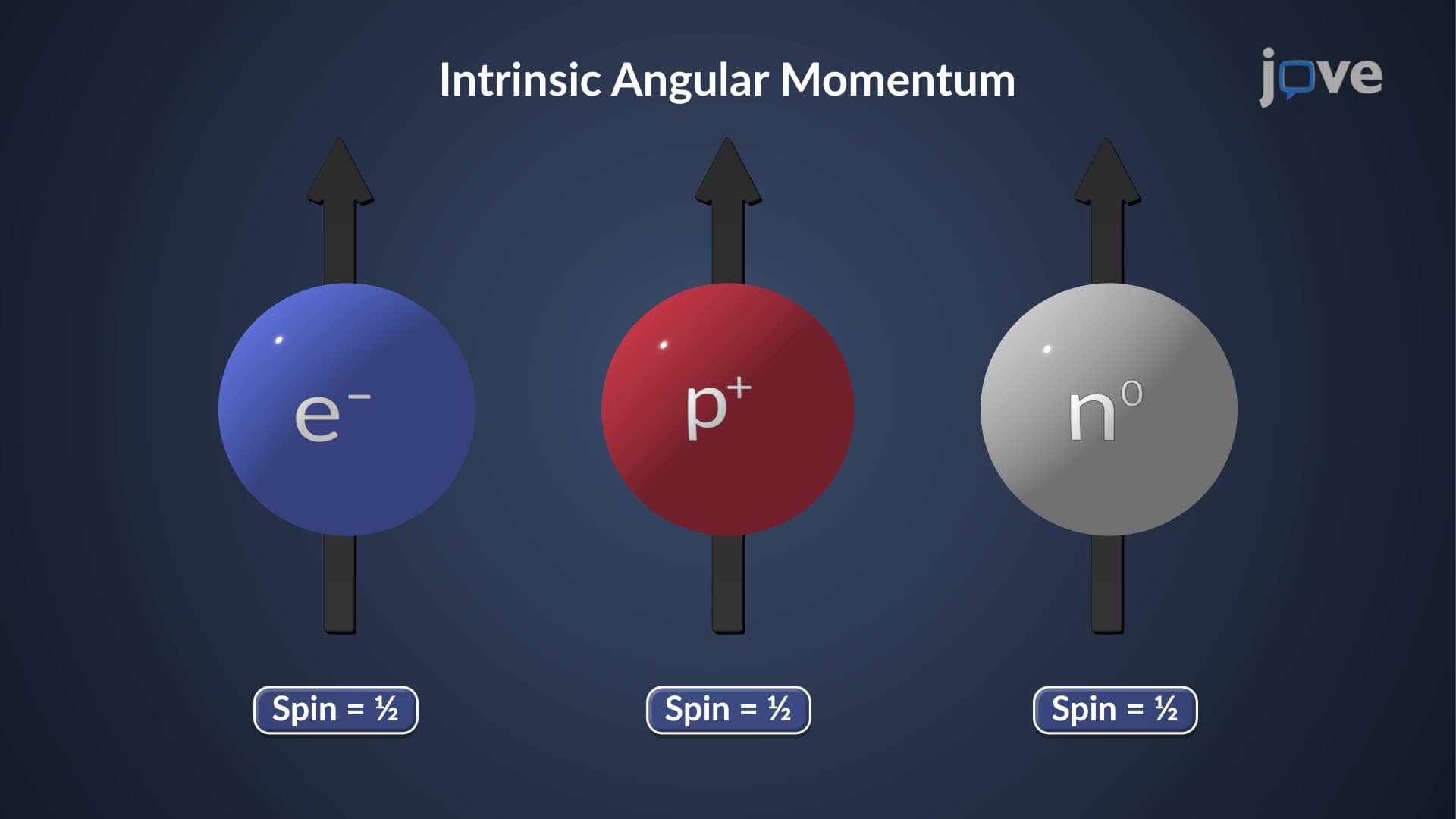
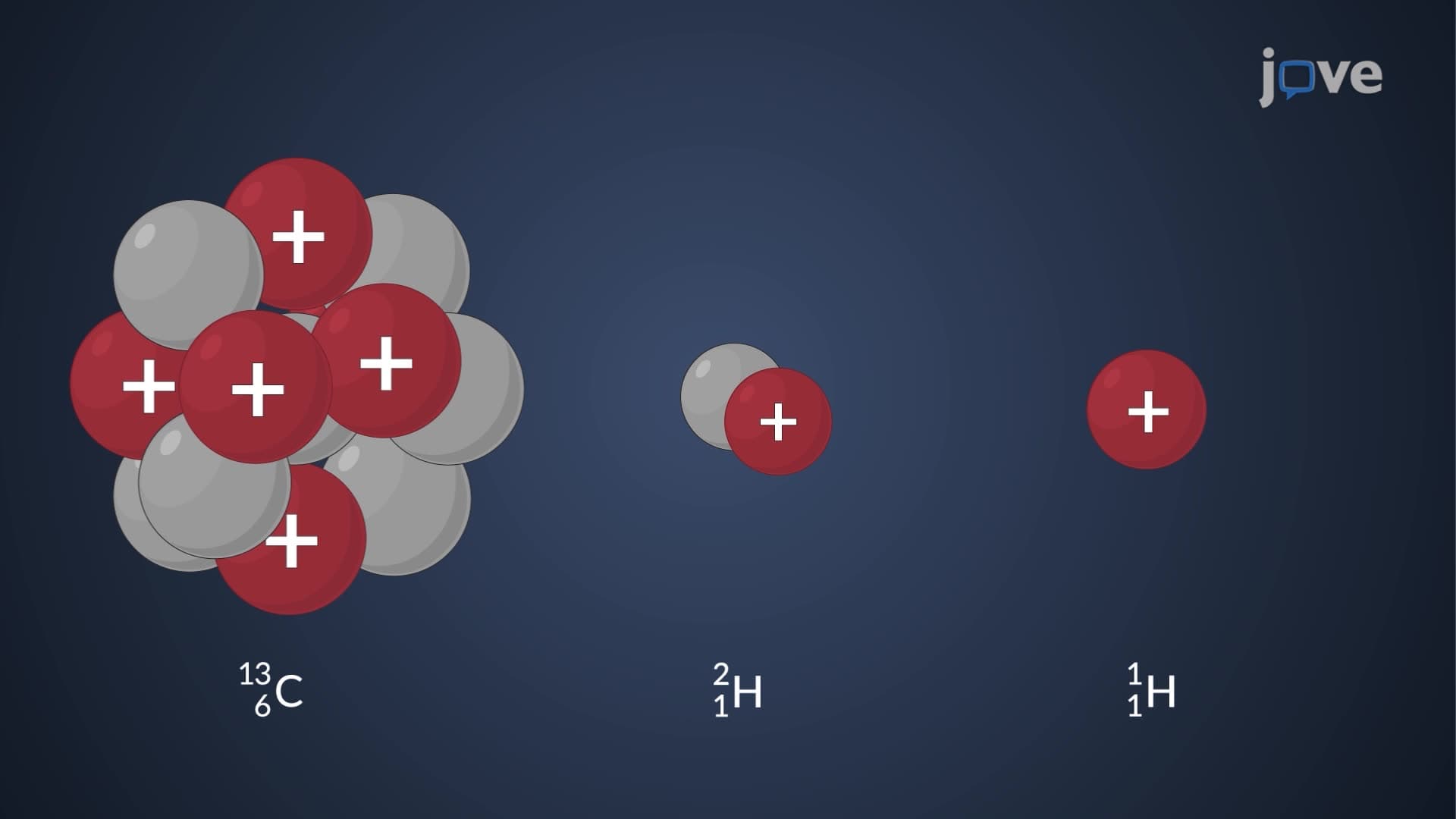
Nuclear magnetic moments arise from the intrinsic angular momentum (spin) of protons and neutrons within the nucleus. The magnetogyric ratio nuclei determines how effectively this spin converts into magnetic moment strength. For hydrogen nuclei-single protons-this relationship is particularly important because hydrogen's abundant presence in biological tissues makes it the primary target for MRI imaging at facilities like the Mayo Clinic and Cleveland Clinic.
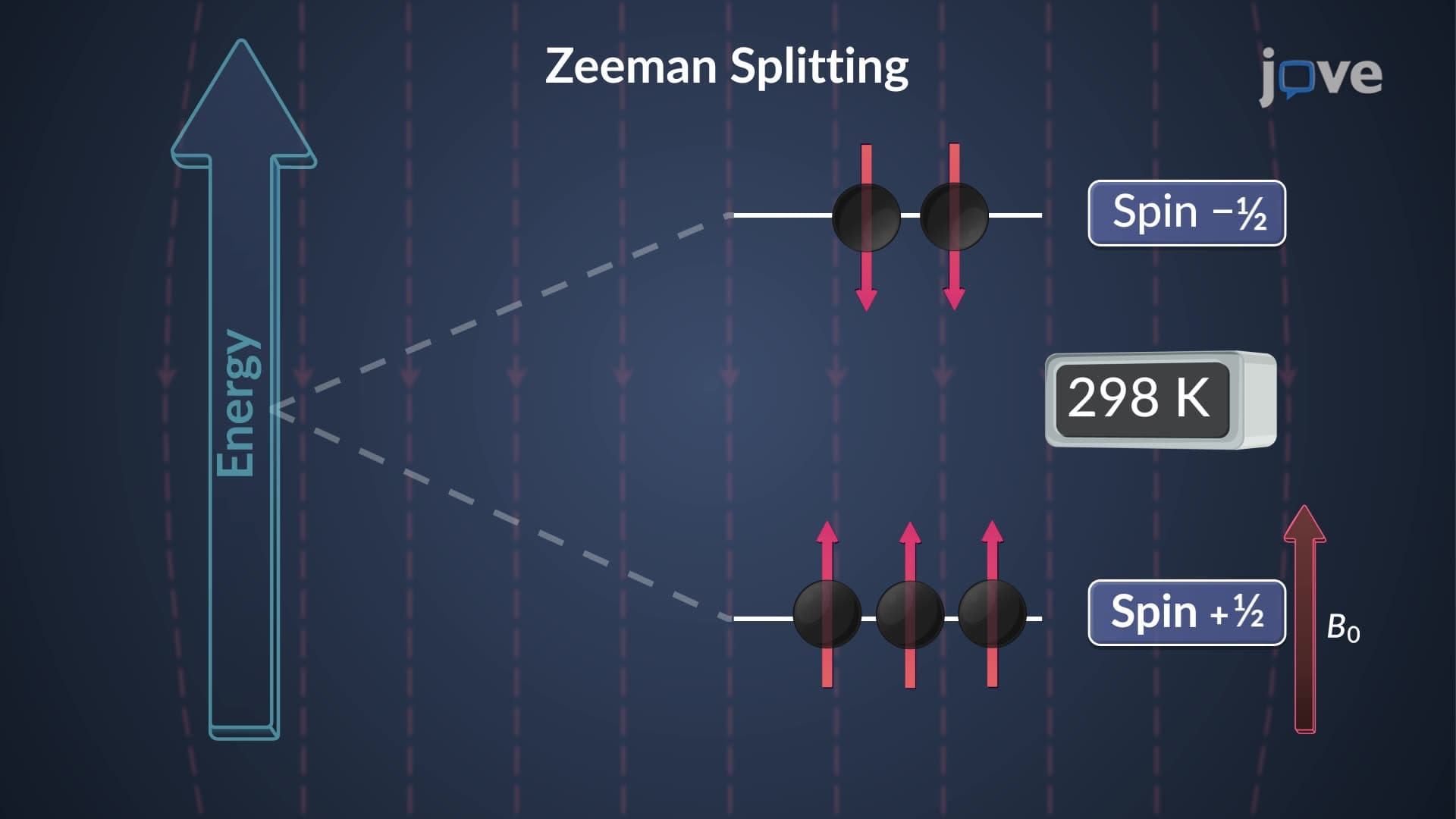
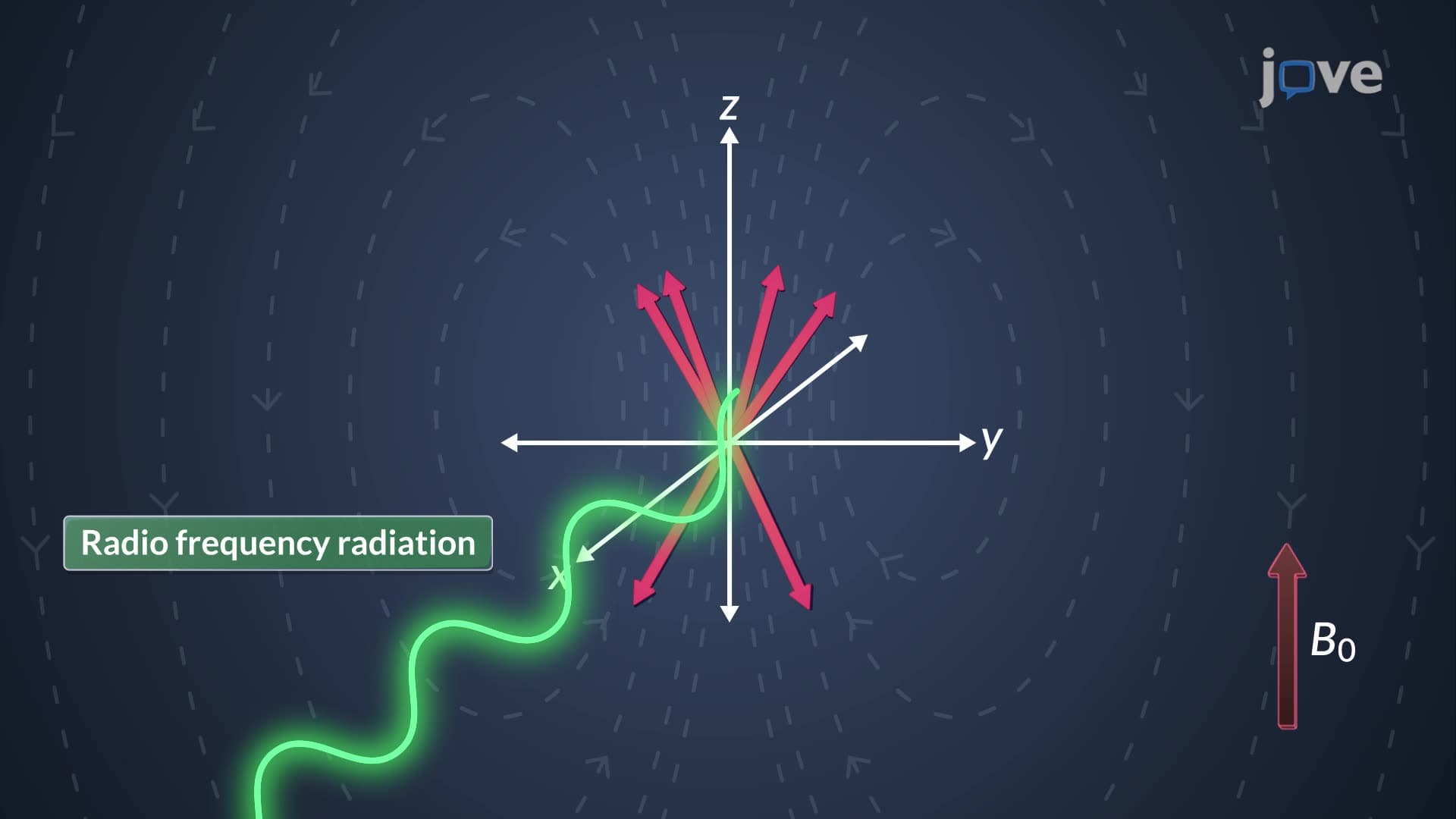
The quantum mechanical nature of nuclear spin restricts possible orientations to discrete values. A nucleus with spin quantum number I can adopt 2I + 1 different orientations relative to an external magnetic field. Hydrogen nuclei (I = 1/2) therefore exhibit exactly two possible states: aligned with the field (lower energy, α state) or opposed to it (higher energy, β state).
Precession and Energy States in Magnetic Fields
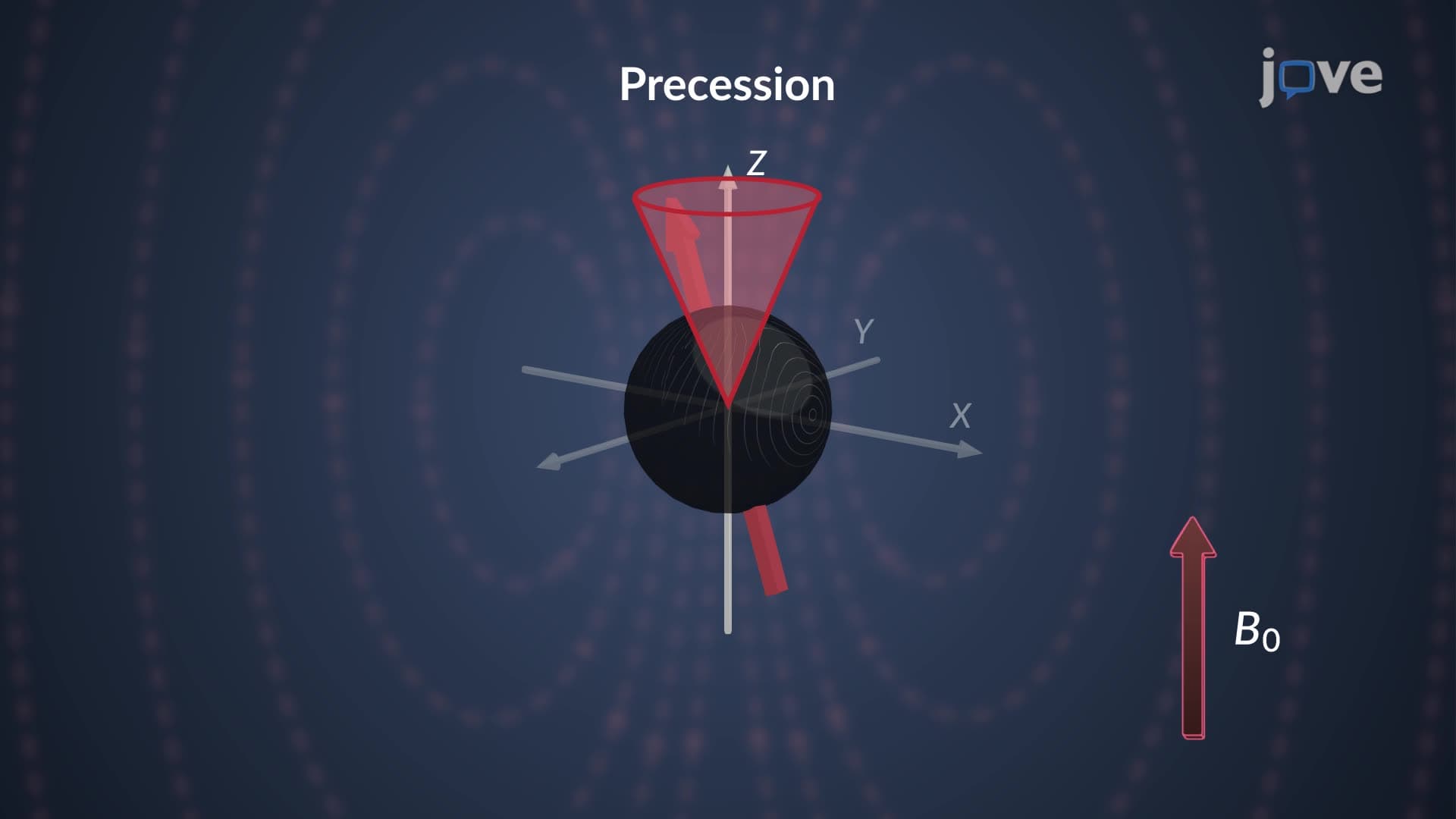
When placed in external magnetic fields, nuclear magnetic dipoles undergo precession magnetic moment behavior, similar to how a spinning top wobbles around a vertical axis. This precession occurs at a specific frequency called the Larmor frequency, directly proportional to the magnetic field strength and the nucleus's magnetogyric ratio.
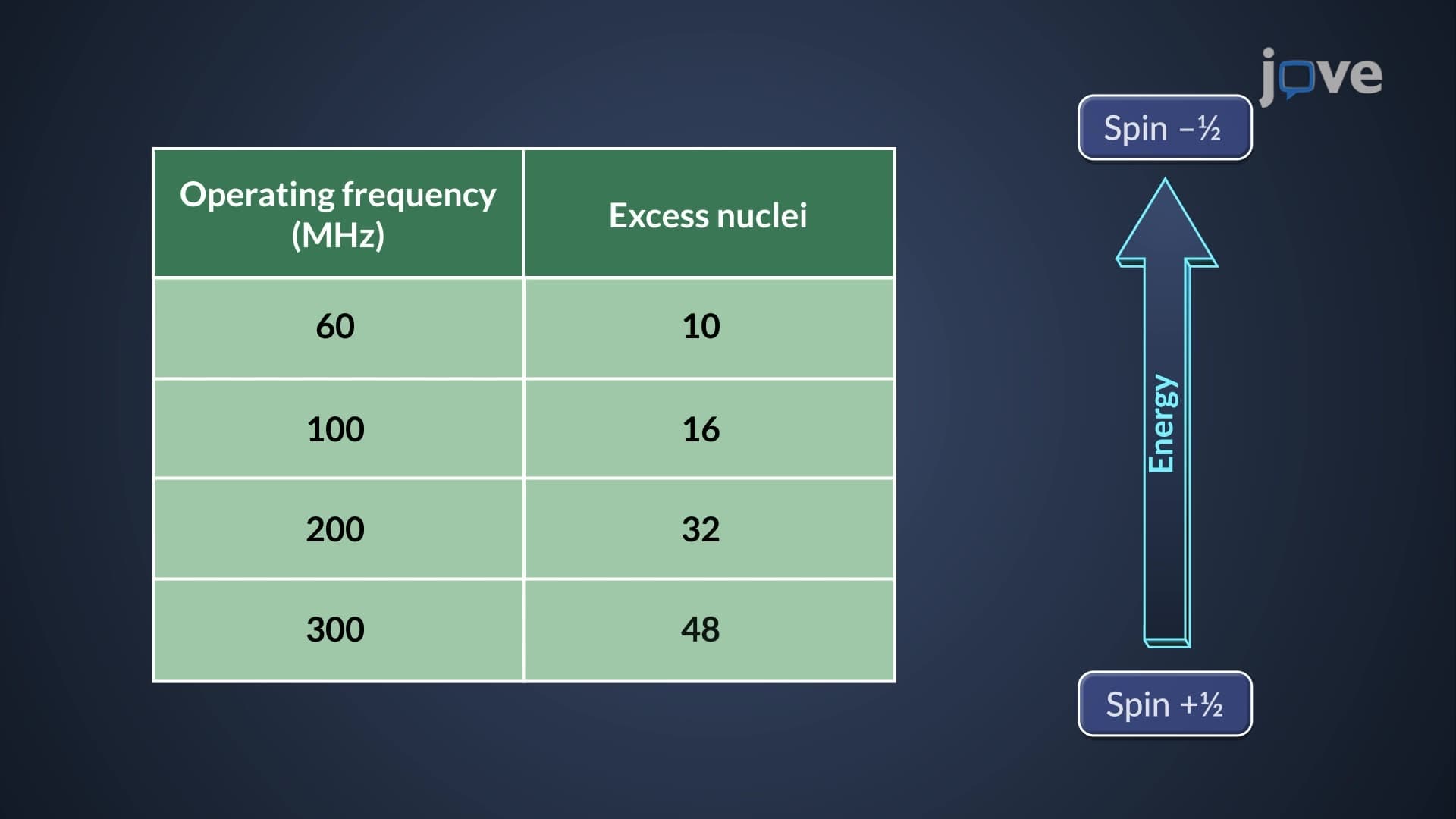
The energy difference between spin states becomes crucial for NMR applications. Students preparing for the MCAT or AP Chemistry exams should understand that this energy gap determines the radiofrequency needed to flip nuclear spins. At typical clinical MRI field strengths (1.5-3.0 Tesla), hydrogen nuclei precess at frequencies around 42-128 MHz-within the FM radio band.
Real-World Applications and Magnetic Moment and NMR Signal
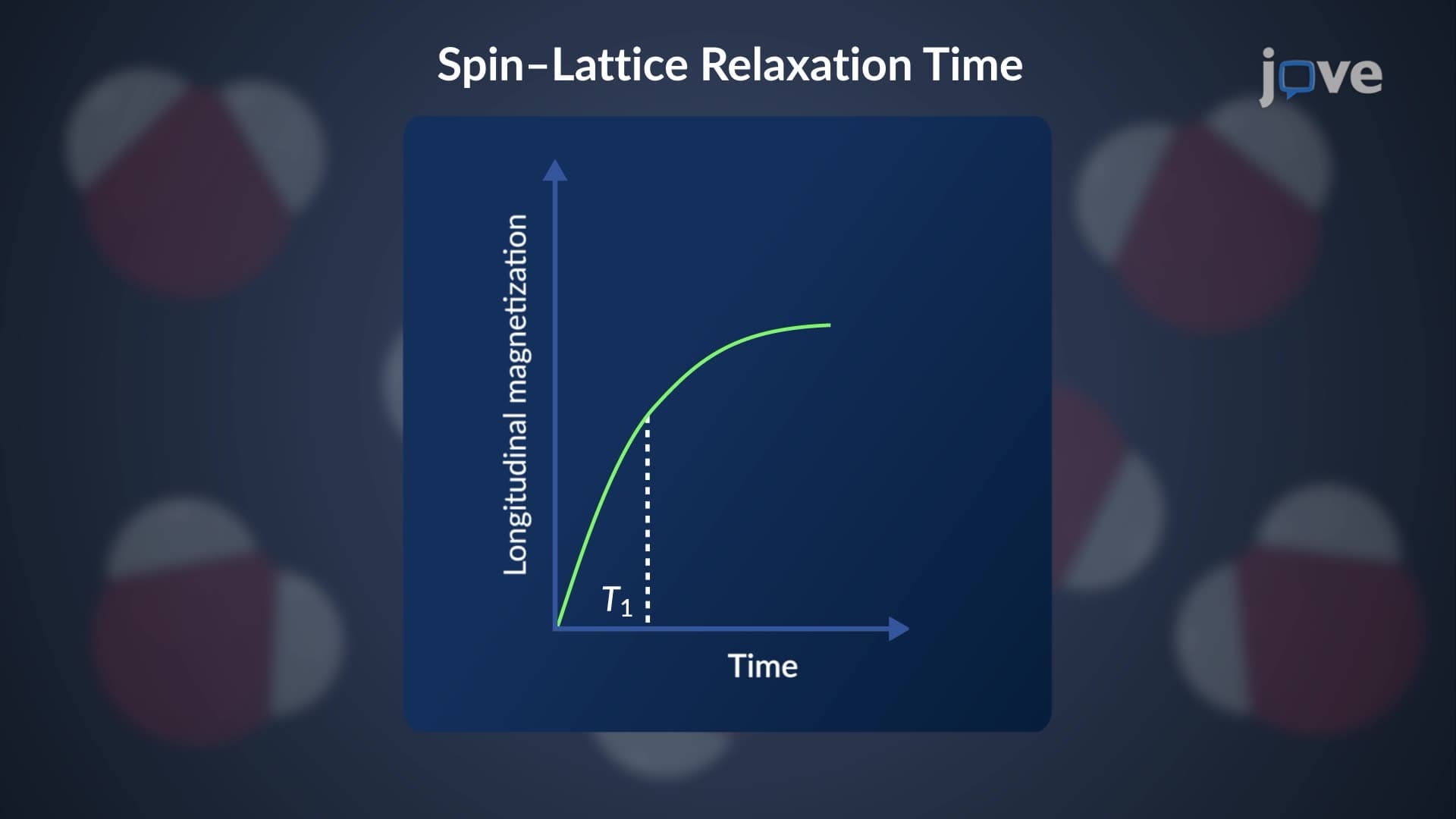
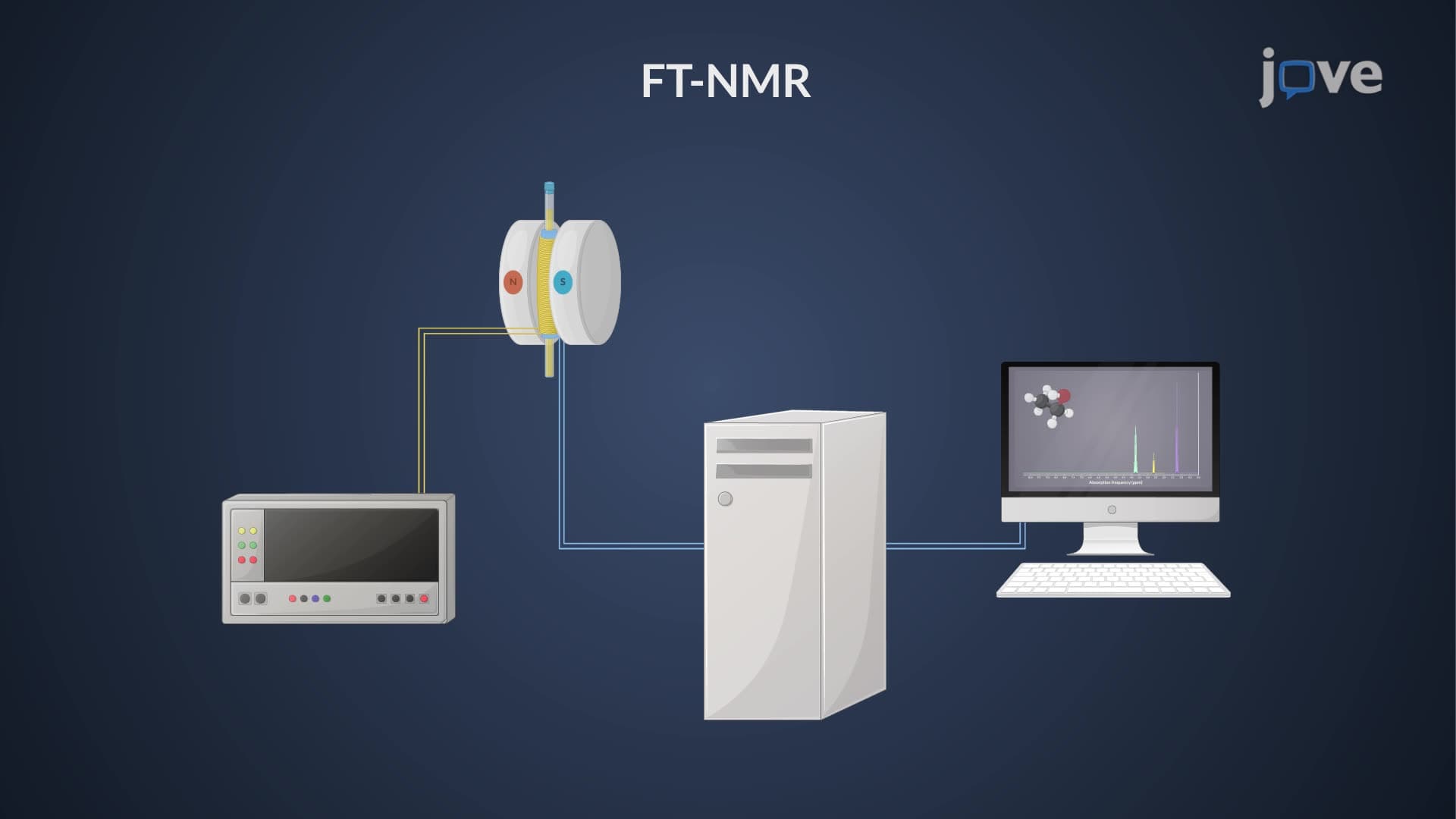
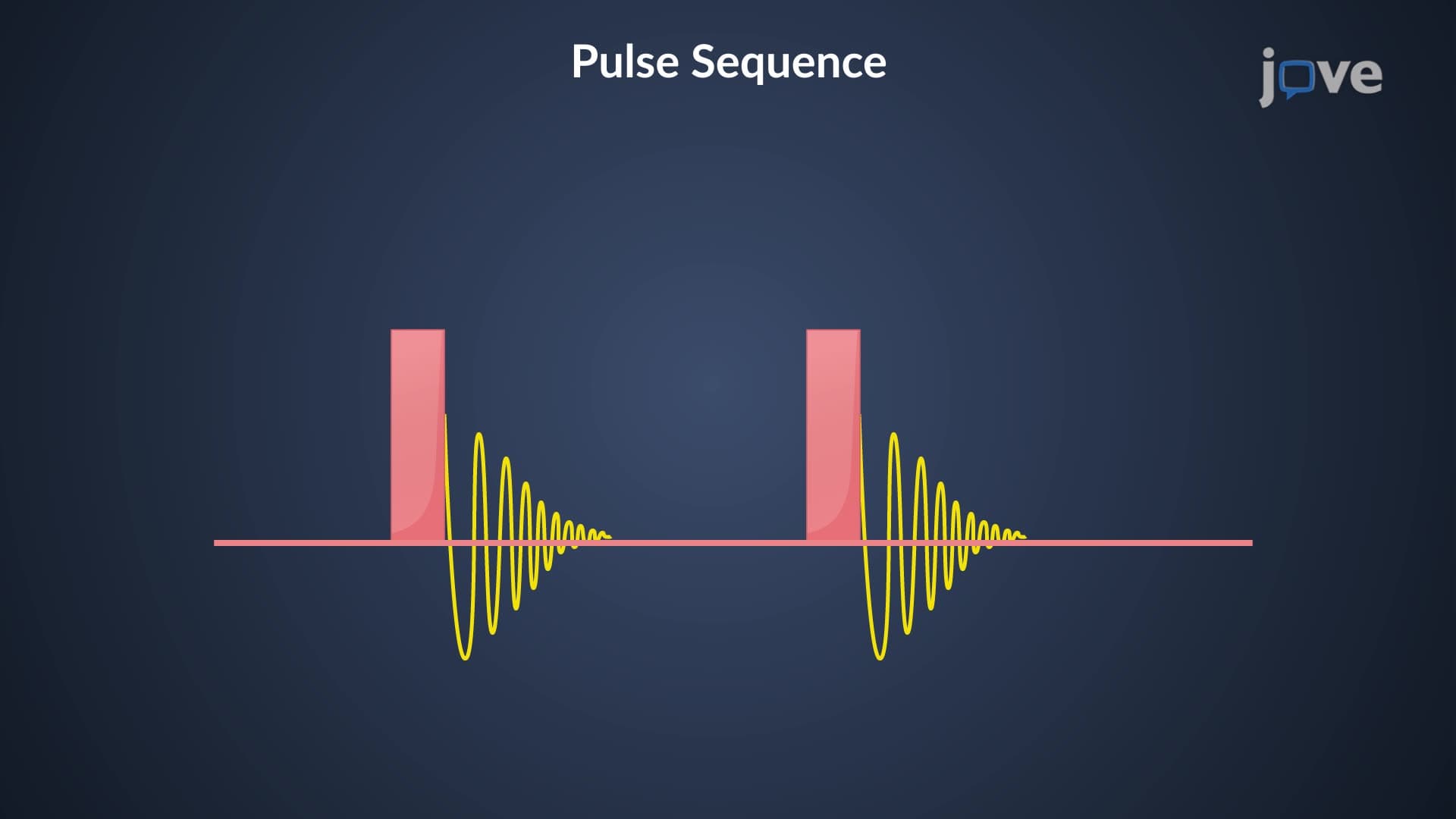
The connection between magnetic moment atomic nuclei NMR principles and practical applications becomes evident in medical imaging and chemical analysis. When radiofrequency pulses match the precession frequency, nuclei absorb energy and flip between spin states. As they relax back to equilibrium, they emit detectable signals that encode spatial and chemical information.
For college students studying physical chemistry or preparing for graduate school, understanding what is nuclear magnetic moment in NMR provides the foundation for advanced spectroscopic techniques used in pharmaceutical research, materials science, and biochemical analysis across American universities and research institutions.
Frequently Asked Questions
Nuclear magnetic moment is the magnetic dipole strength of an atomic nucleus due to its spin and charge. It causes nuclei to behave like tiny magnets that can align with or against external magnetic fields. This property forms the basis for NMR spectroscopy and MRI imaging used in hospitals nationwide.
The MCAT Physical Sciences section frequently tests nuclear magnetic moment concepts through NMR spectroscopy questions. Students must understand spin states, energy differences, and how magnetic field strength affects precession frequencies. Practice problems often involve calculating Larmor frequencies or interpreting NMR spectra.
AP Chemistry includes nuclear magnetic moment in Unit 1 (Atomic Structure) and connects it to molecular identification techniques. Students learn how different nuclei produce distinct NMR signals, helping identify unknown compounds. This concept appears in both multiple-choice and free-response questions.
MRI machines in American hospitals exploit hydrogen nuclei's nuclear magnetic moment to create detailed body images. The technique detects differences in hydrogen density and chemical environments between healthy and diseased tissues. Major medical centers like Johns Hopkins and Mayo Clinic use 3.0 Tesla MRI systems for enhanced imaging resolution.
Basic algebra and trigonometry suffice for most nuclear magnetic moment applications. High school students can grasp the fundamental principles through energy diagrams and conceptual explanations. The mathematical complexity increases only in graduate-level quantum mechanics courses.
Focus on drawing energy level diagrams showing spin-up and spin-down states in magnetic fields. Practice calculating energy differences using ΔE = γℏB₀ relationships. Work through NMR spectroscopy problems that connect nuclear magnetic moments to signal intensity and chemical shifts.
Nuclear magnetic moment understanding leads to advanced NMR techniques like 2D-NMR, solid-state NMR, and protein structure determination. Graduate students explore topics like chemical shift anisotropy, scalar coupling, and relaxation mechanisms. These concepts appear in physical chemistry and biochemistry graduate programs.
The magnetogyric ratio determines how effectively nuclear spin converts to magnetic moment. Different nuclei have unique magnetogyric ratios-hydrogen has the largest value, making it most sensitive for NMR detection. This explains why MRI primarily images hydrogen-rich tissues like brain matter and soft organs.
Related Micro-courses