Loading subject page…


24,278 views

Video Summary: How Nmr Spectrometers Use Radiofrequency Pulses and Sequences
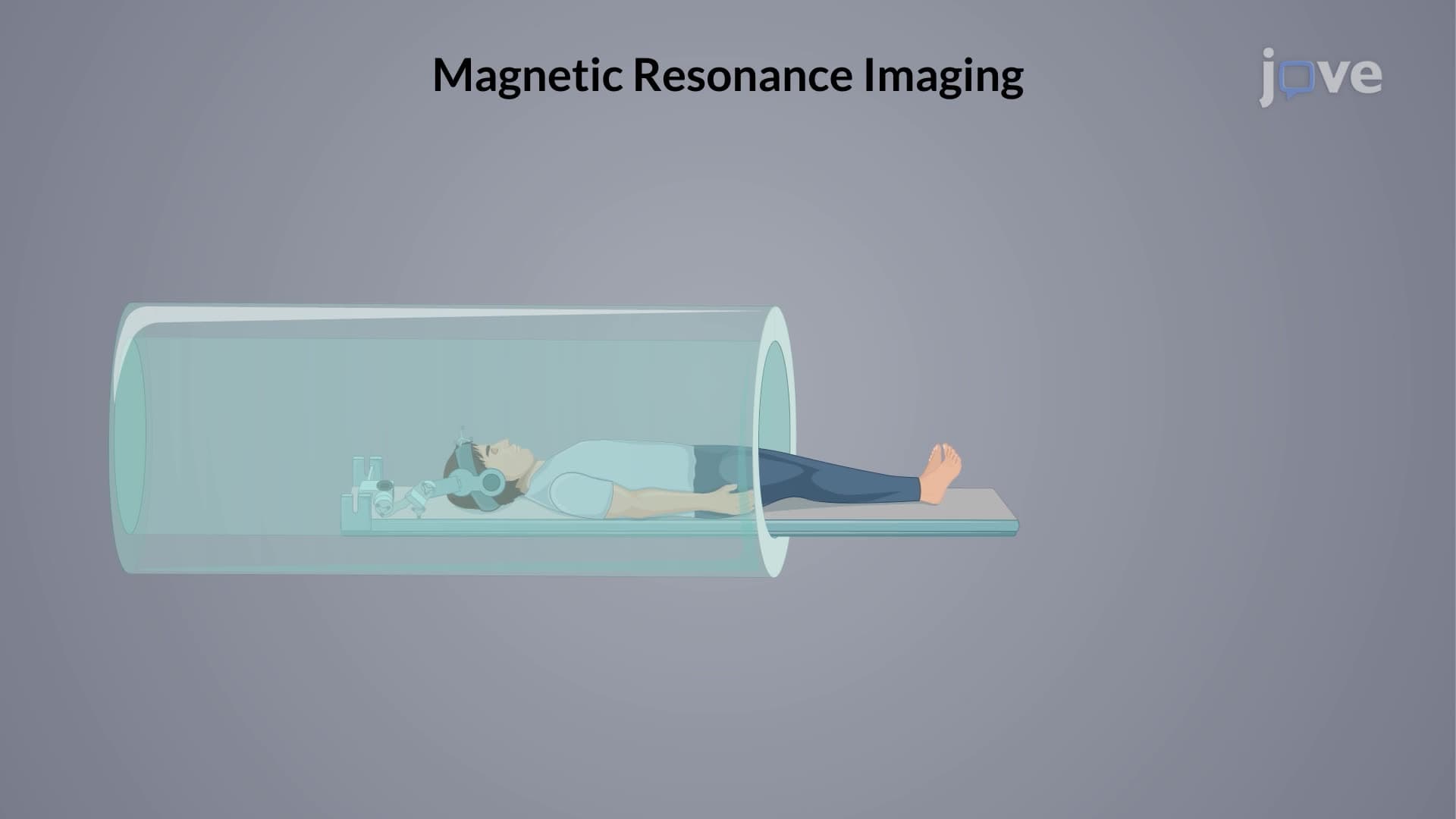
Ever wonder how MRI machines at hospitals like Mayo Clinic can see inside your body without surgery? NMR radiofrequency pulses are the invisible energy bursts that make this medical magic possible by exciting atomic nuclei and creating detectable signals. Understanding how NMR spectrometers use radiofrequency pulses and sequences reveals the fundamental physics behind both laboratory analysis and life-saving medical imaging technologies used across American healthcare systems. Watch the full video on JoVE Coach to master this concept with expert-led visuals and step-by-step explanations.
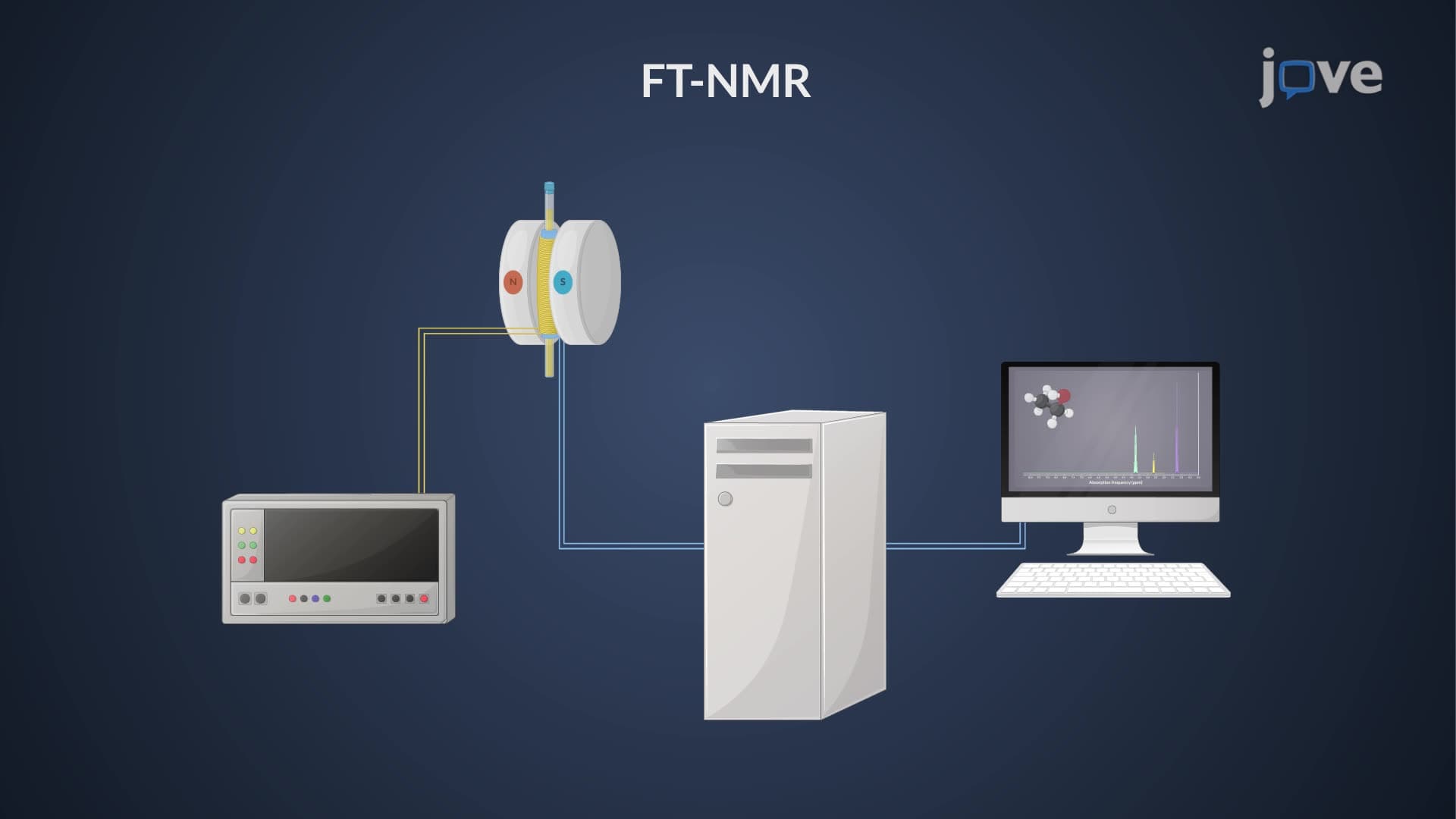
Nuclear Magnetic Resonance spectroscopy relies on precisely controlled NMR radiofrequency pulses to manipulate atomic nuclei and extract valuable structural information. These RF pulses NMR spectrometers generate are not continuous waves but rather short, intense bursts of electromagnetic radiation that contain the exact frequencies needed to resonate with target nuclei in the sample.
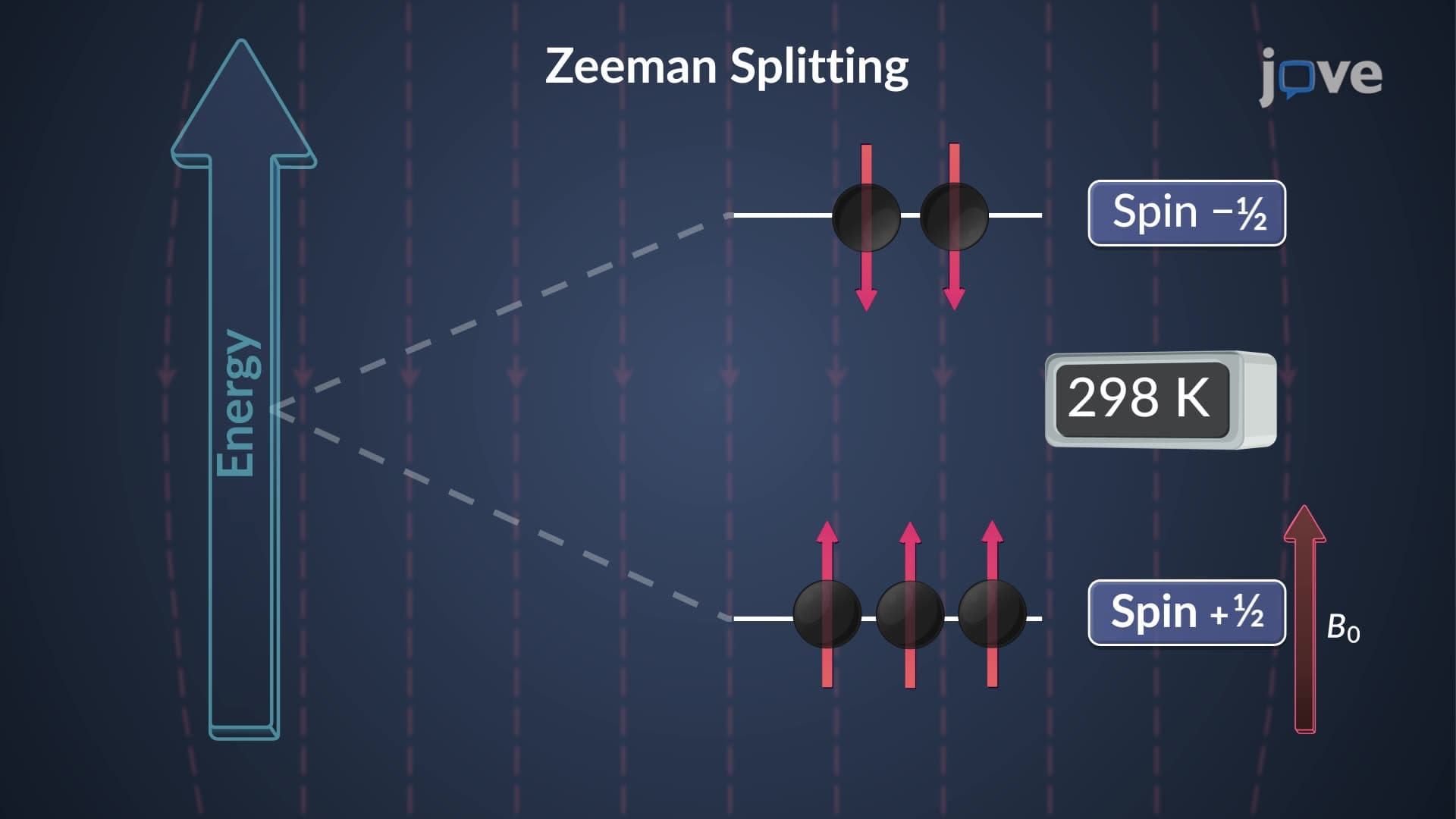
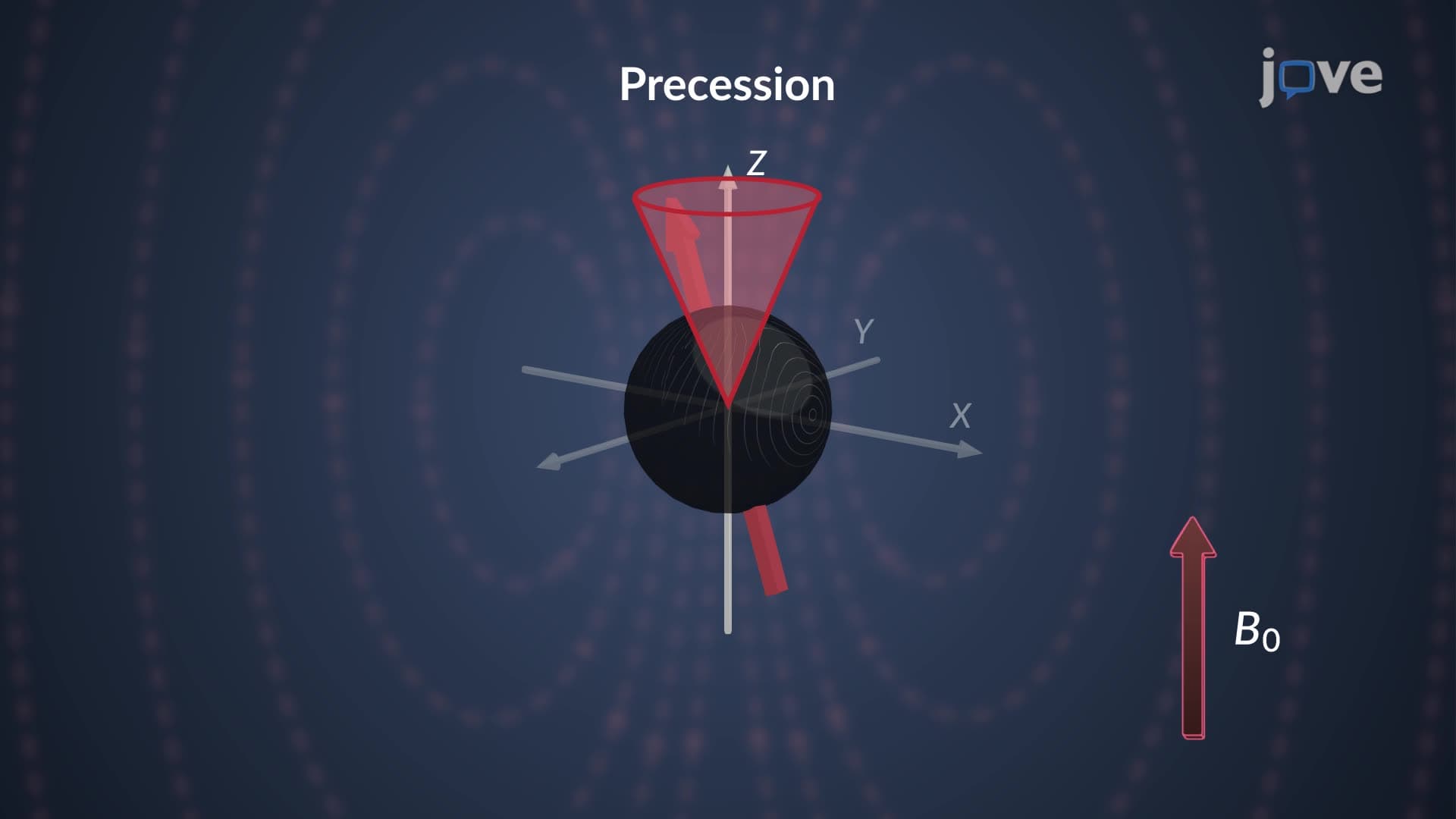
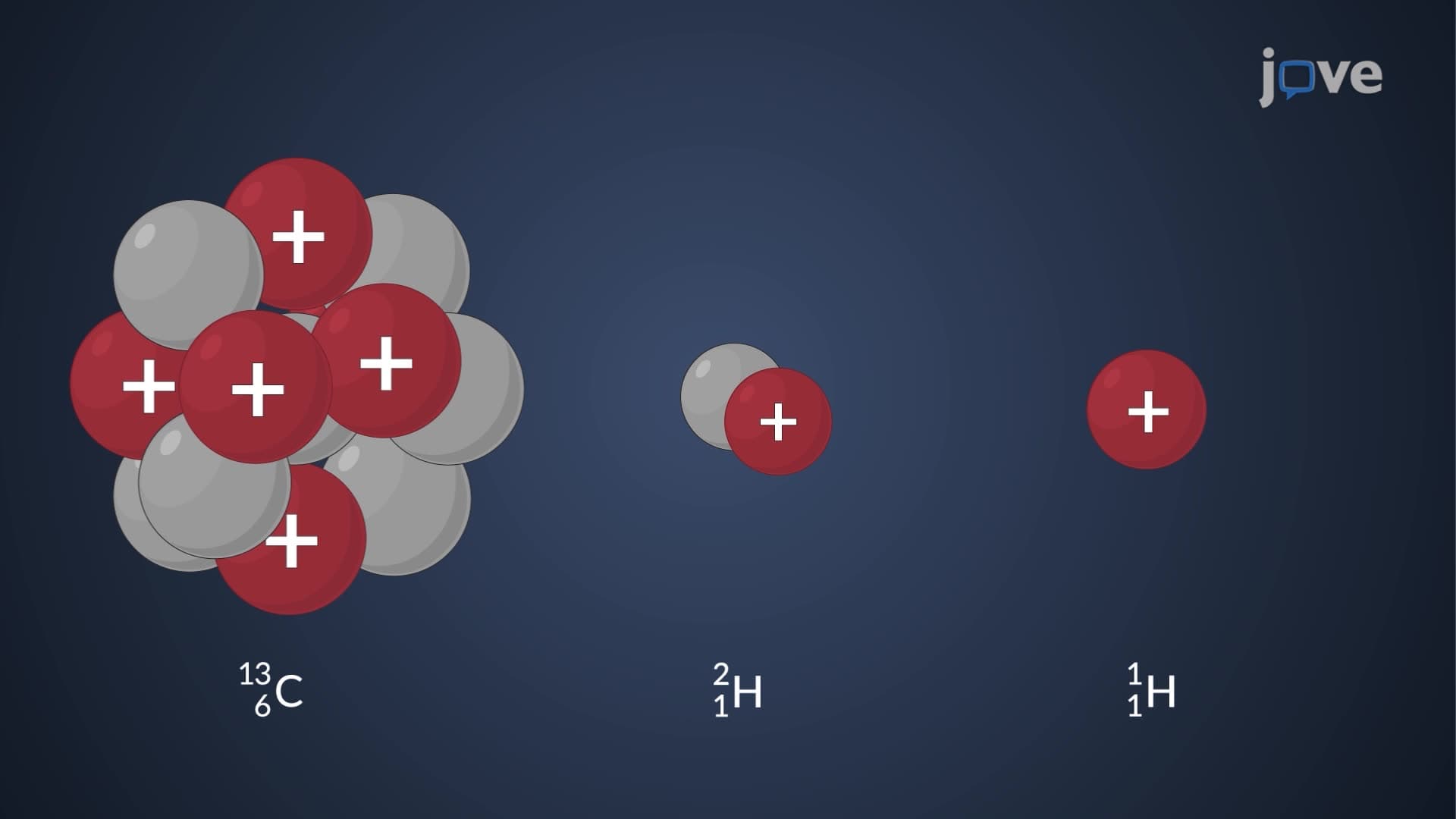
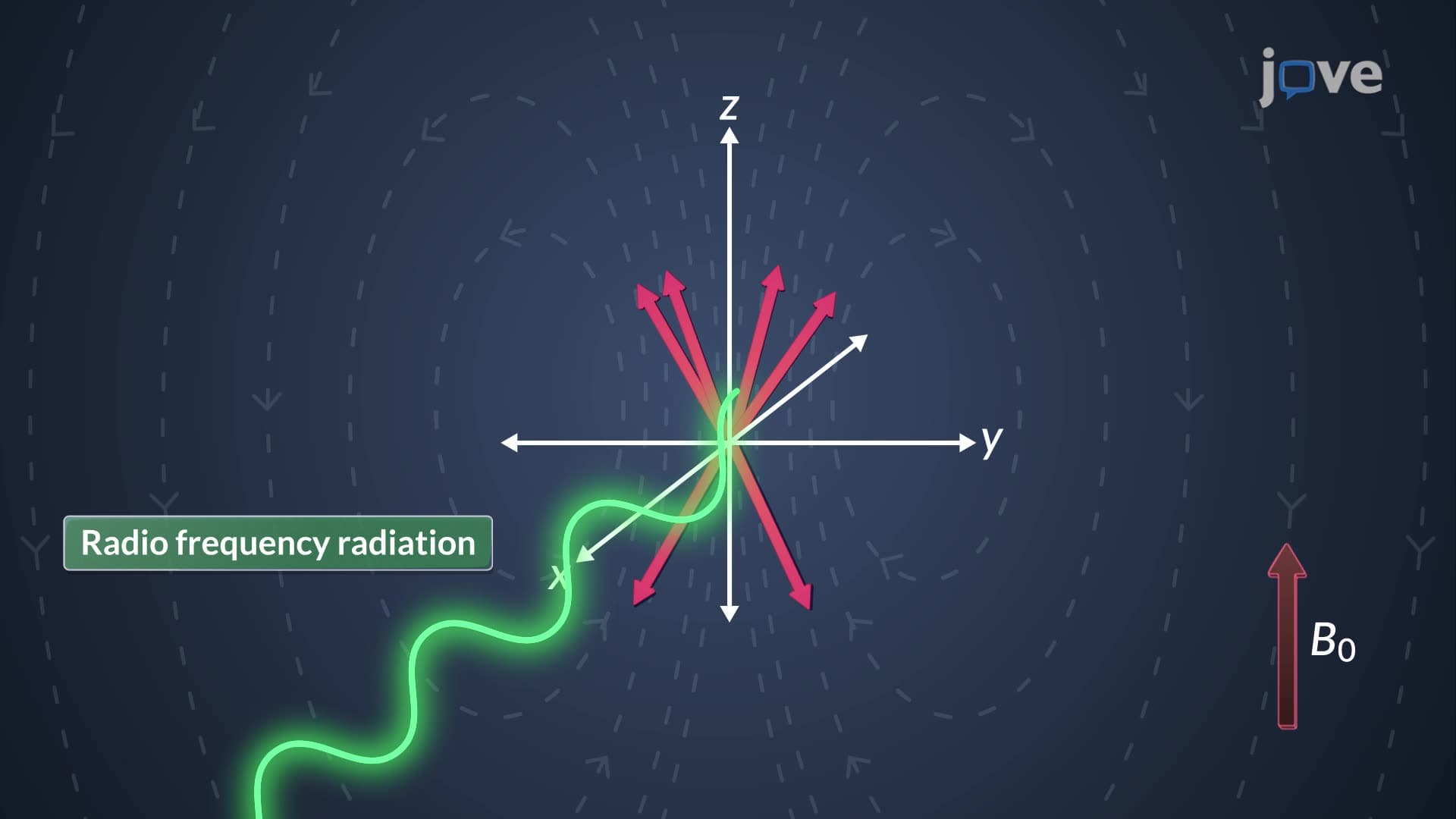
When RF pulses NMR spectrometers deliver energy to a sample, they must match the Larmor frequency of the observed nuclei-typically hydrogen atoms in biological samples or carbon atoms in organic compounds. This RF excitation NMR process works by temporarily disrupting the equilibrium alignment of nuclear magnetic moments. The net magnetization vector, which normally points along the z-axis parallel to the main magnetic field, rotates toward the transverse (xy) plane as nuclei absorb energy.
The pulse angle NMR concept describes how far this magnetization vector rotates, directly proportional to both pulse duration and intensity. A 90 degree pulse NMR creates the optimal condition for signal detection by placing the entire magnetization in the xy plane, where it can induce detectable currents in the receiver coil. Universities like MIT and Stanford use these principles in their analytical chemistry courses, teaching students how NMR pulse width excitation parameters affect signal strength and resolution.
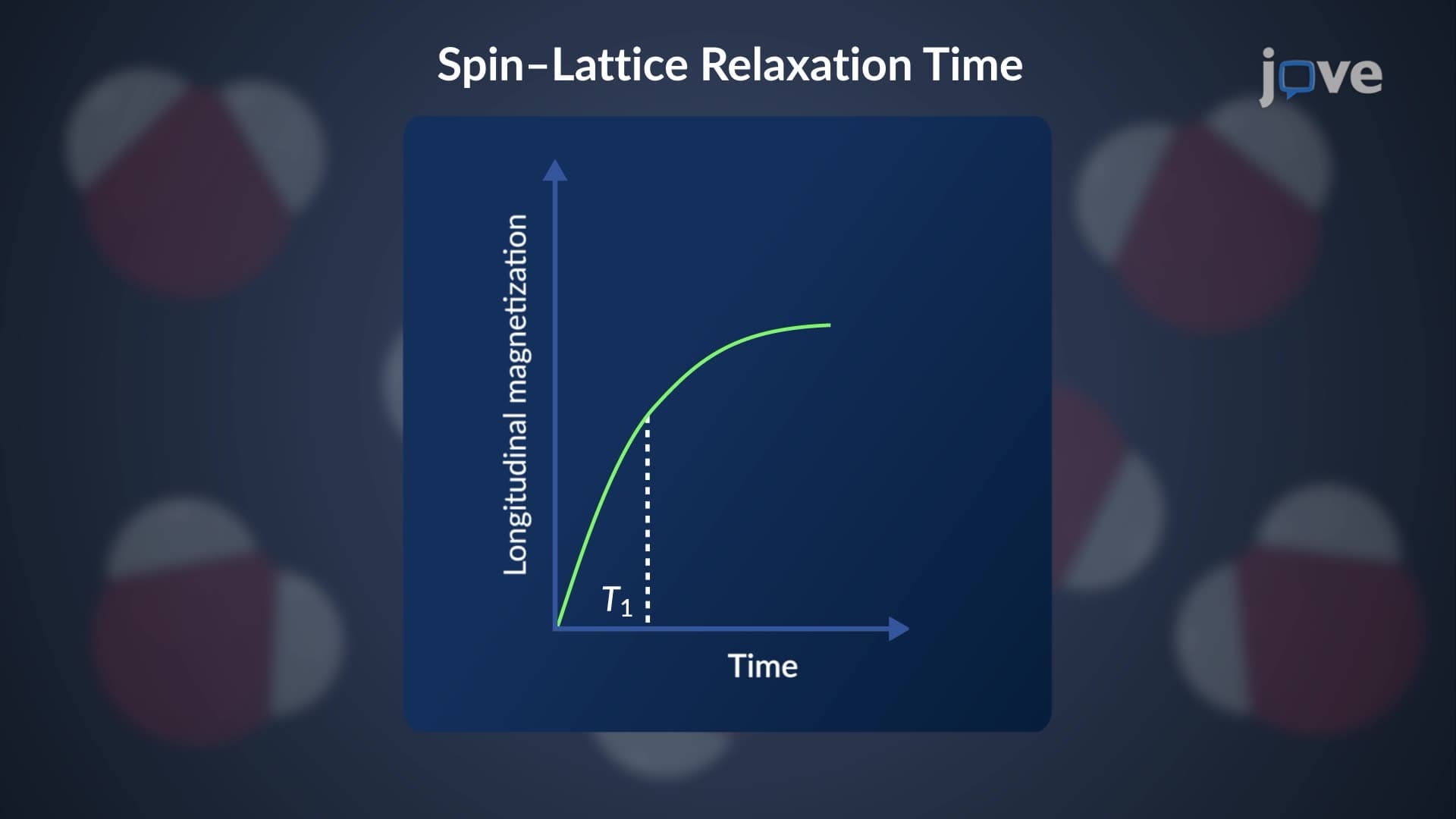
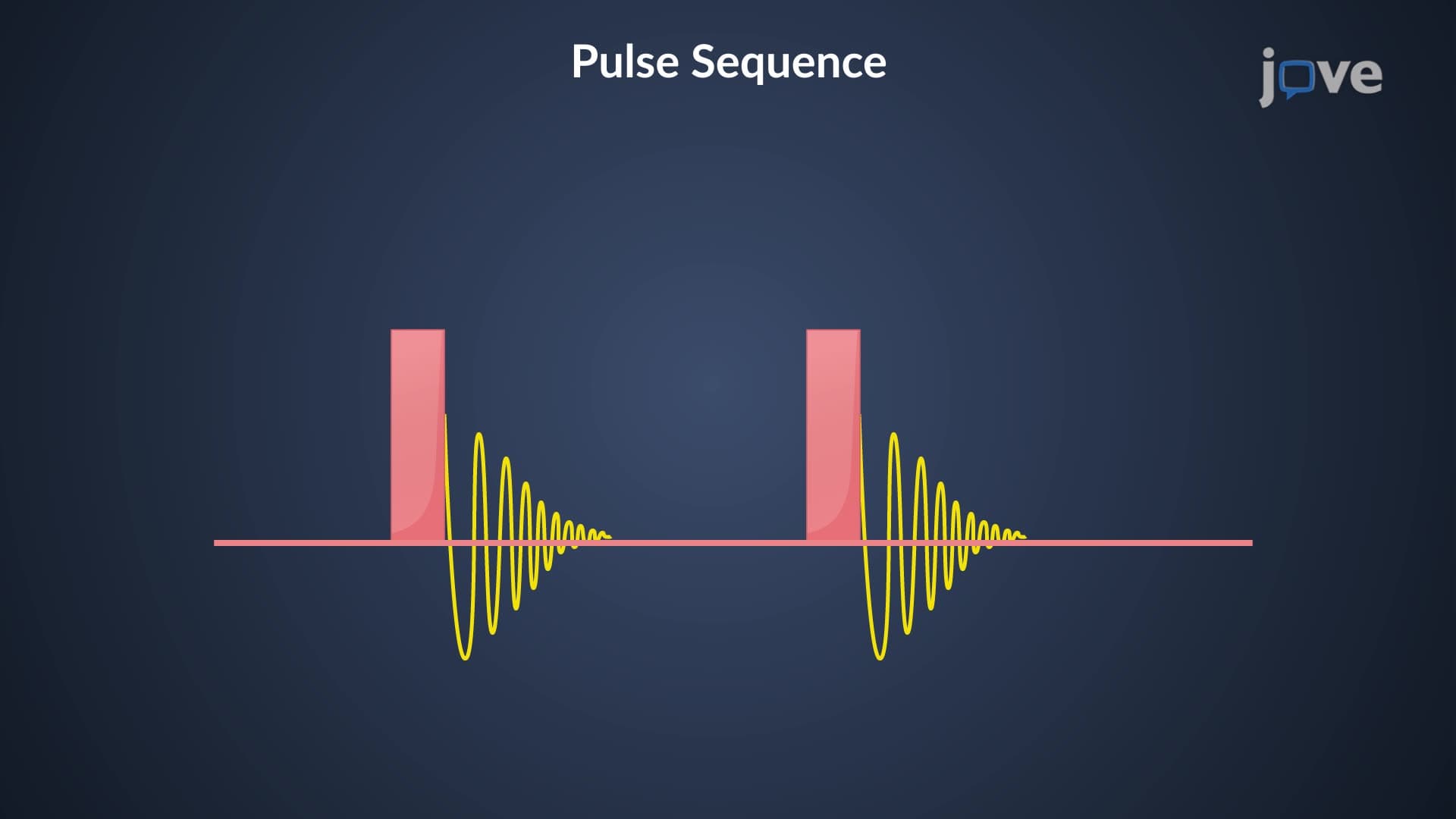
Advanced pulse sequence NMR technique protocols coordinate multiple pulses with precise timing to enhance spectral information. The basic sequence includes excitation, acquisition, and relaxation phases, but sophisticated experiments may involve dozens of pulses with carefully calibrated delays. Research institutions across the US, from the NIH to pharmaceutical companies like Pfizer, employ multi-channel systems where each channel targets specific nuclear types-carbon-13, nitrogen-15, or phosphorus-31-simultaneously.
Understanding how radiofrequency pulses work in NMR appears frequently on MCAT physical chemistry sections and advanced placement chemistry exams. Students at colleges nationwide encounter these concepts in analytical chemistry courses, where proper pulse calibration determines experimental success. Clinical applications extend from metabolomics research at Johns Hopkins to quality control in food safety laboratories monitored by the FDA, demonstrating the real-world importance of mastering these fundamental principles.
Related Micro-courses