Loading subject page…


24,278 views

Video Summary: Nuclear Spin States of Atomic Nuclei an Overview
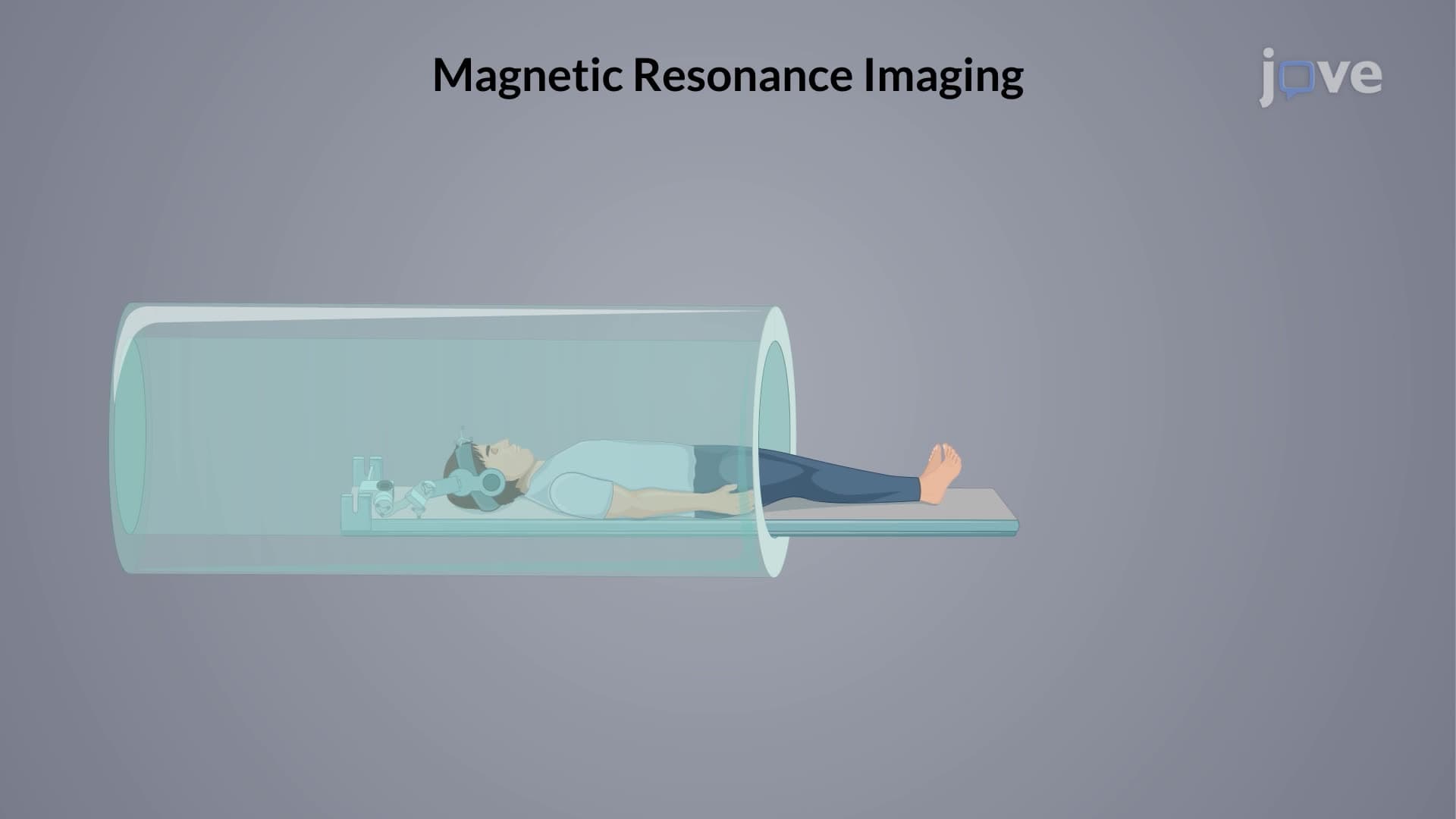
Ever wondered how MRI machines at hospitals like Mayo Clinic can peer inside your body without surgery? The secret lies in nuclear spin states overview, the quantum energy levels that atomic nuclei occupy in magnetic fields. These spin states determine how nuclei respond to magnetic fields, creating the foundation for medical imaging and chemical analysis. Nuclear Spin States of Atomic Nuclei: An Overview reveals how external magnetic fields split these energy levels through Zeeman splitting, affecting everything from pharmaceutical research at Pfizer to diagnostic imaging at Johns Hopkins. Watch the full video on JoVE Coach to master this concept with expert-led visuals and step-by-step explanations.
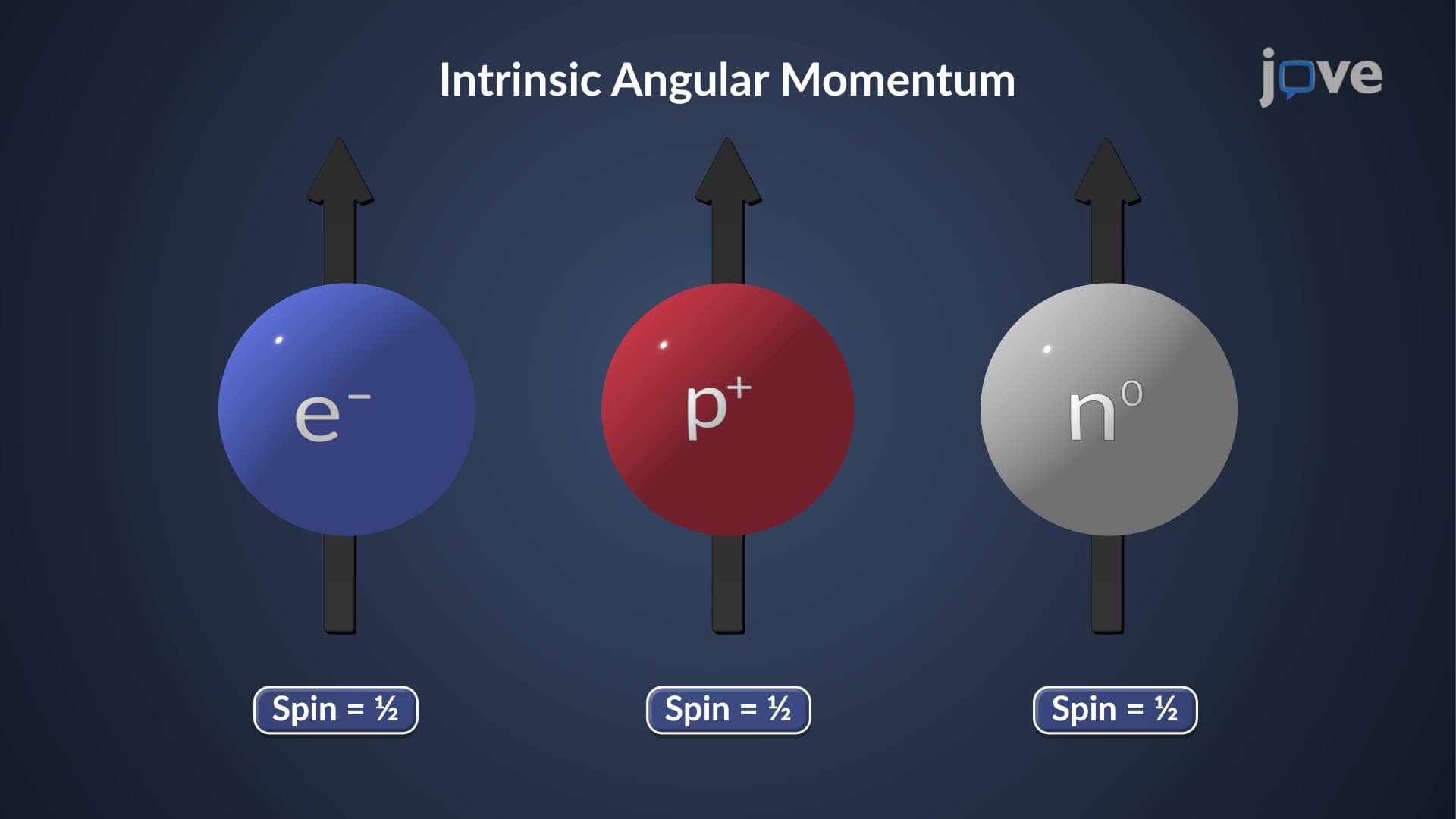
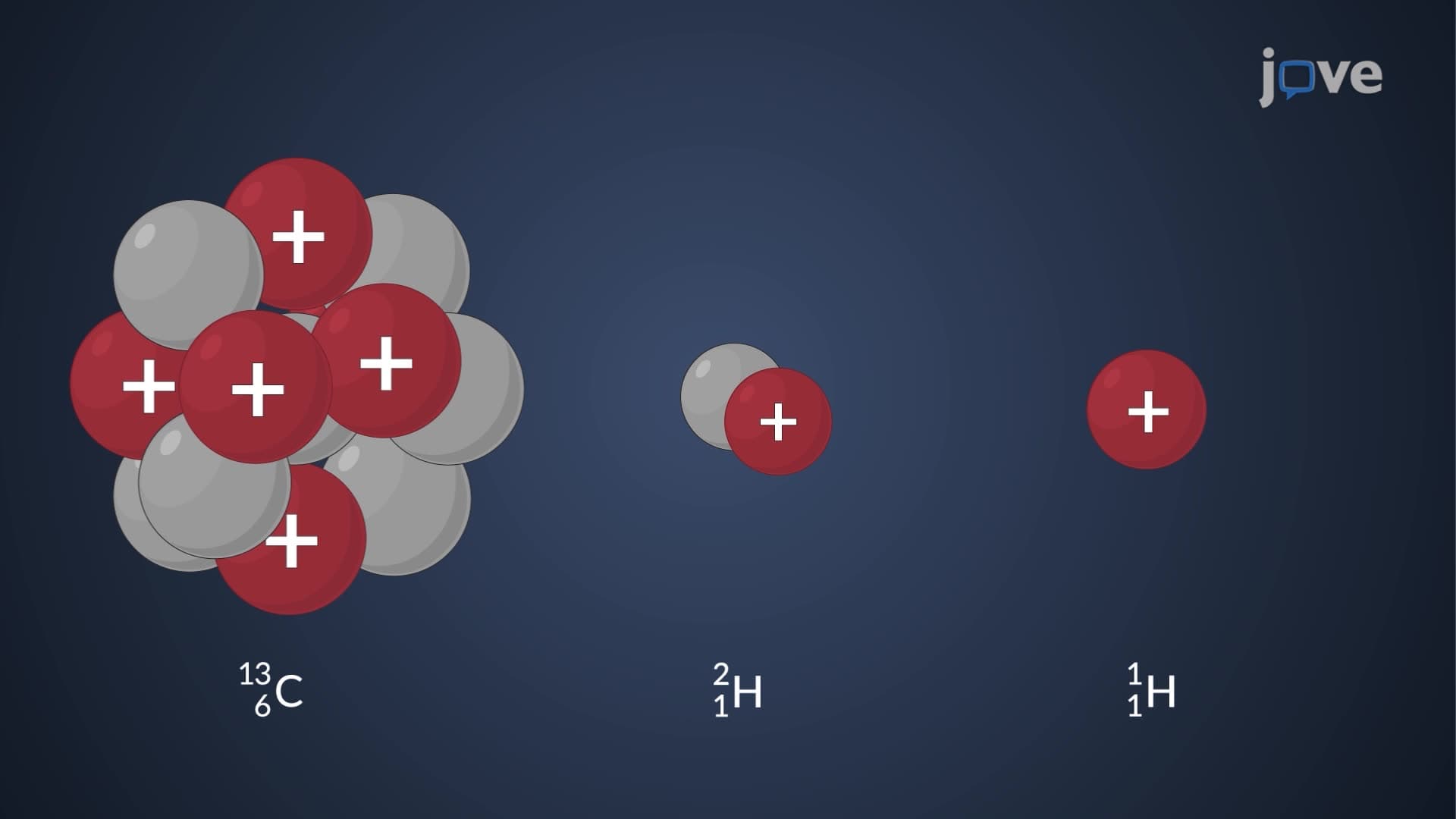
Nuclear spin states represent one of quantum mechanics' most practical applications in modern science and medicine. Unlike electrons orbiting atoms, atomic nuclei themselves possess intrinsic angular momentum called nuclear spin, characterized by the quantum number I. This fundamental property creates magnetic moments that interact with external magnetic fields, forming the basis for technologies revolutionizing healthcare and chemical analysis across the United States.
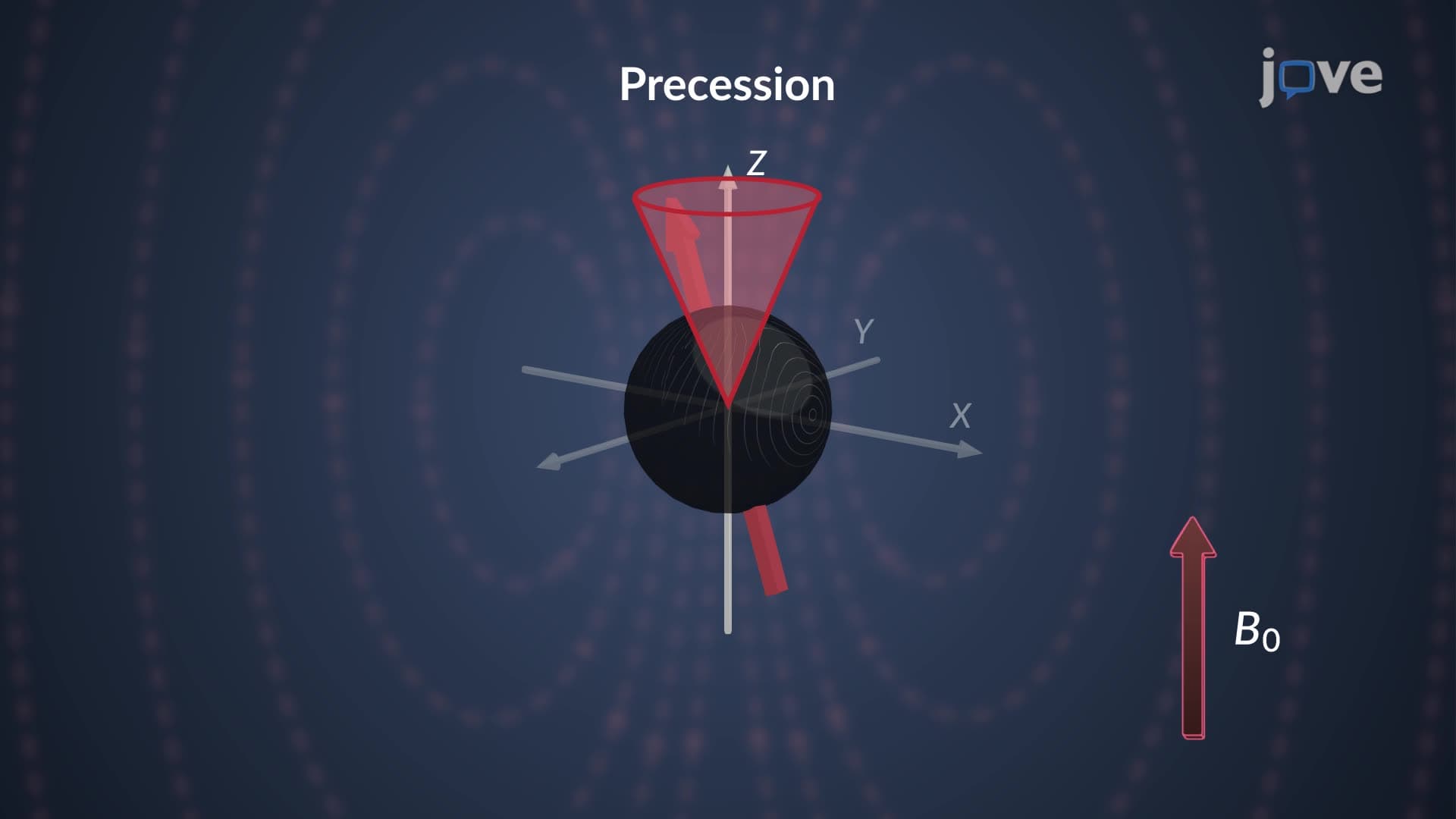
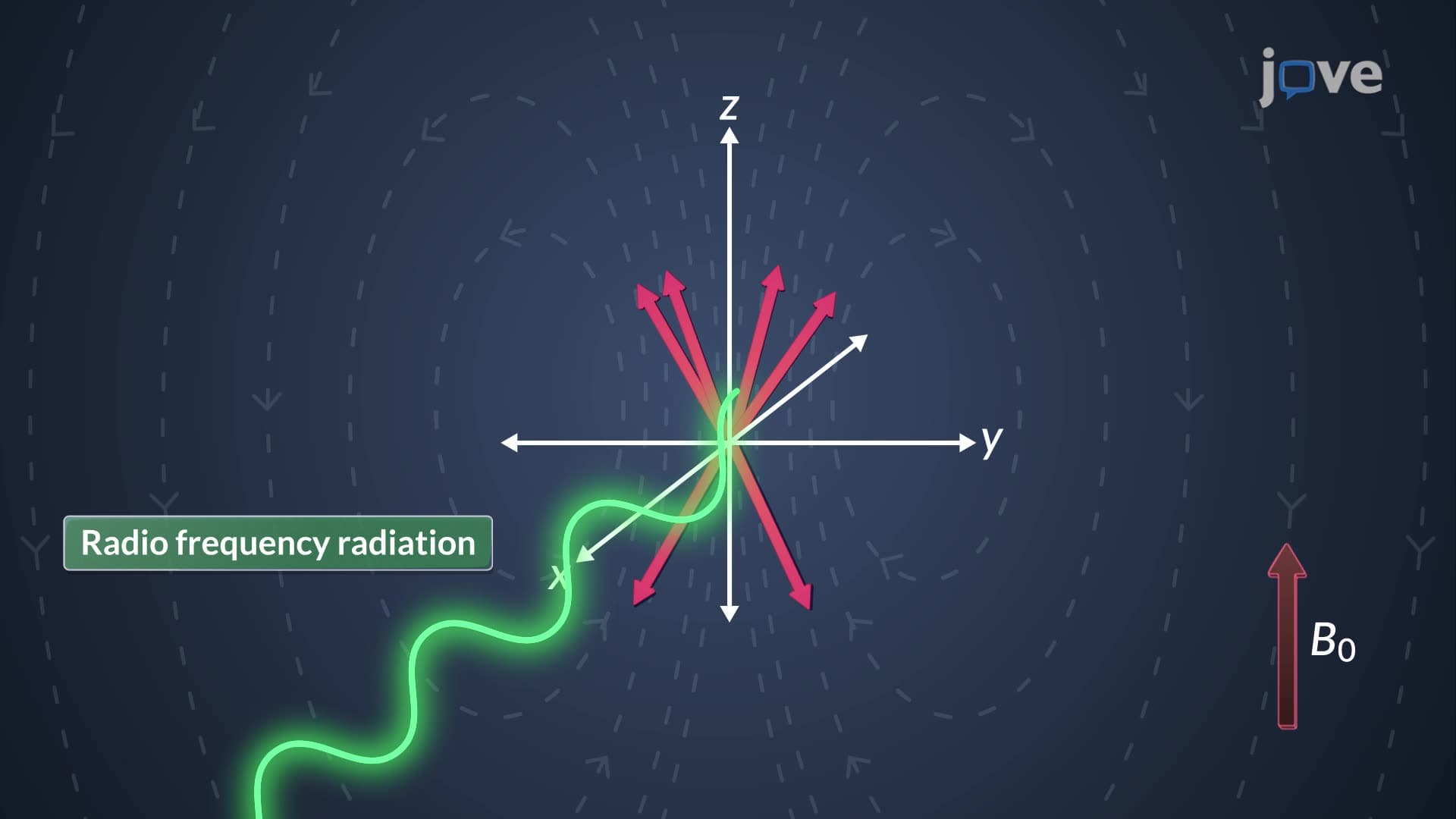
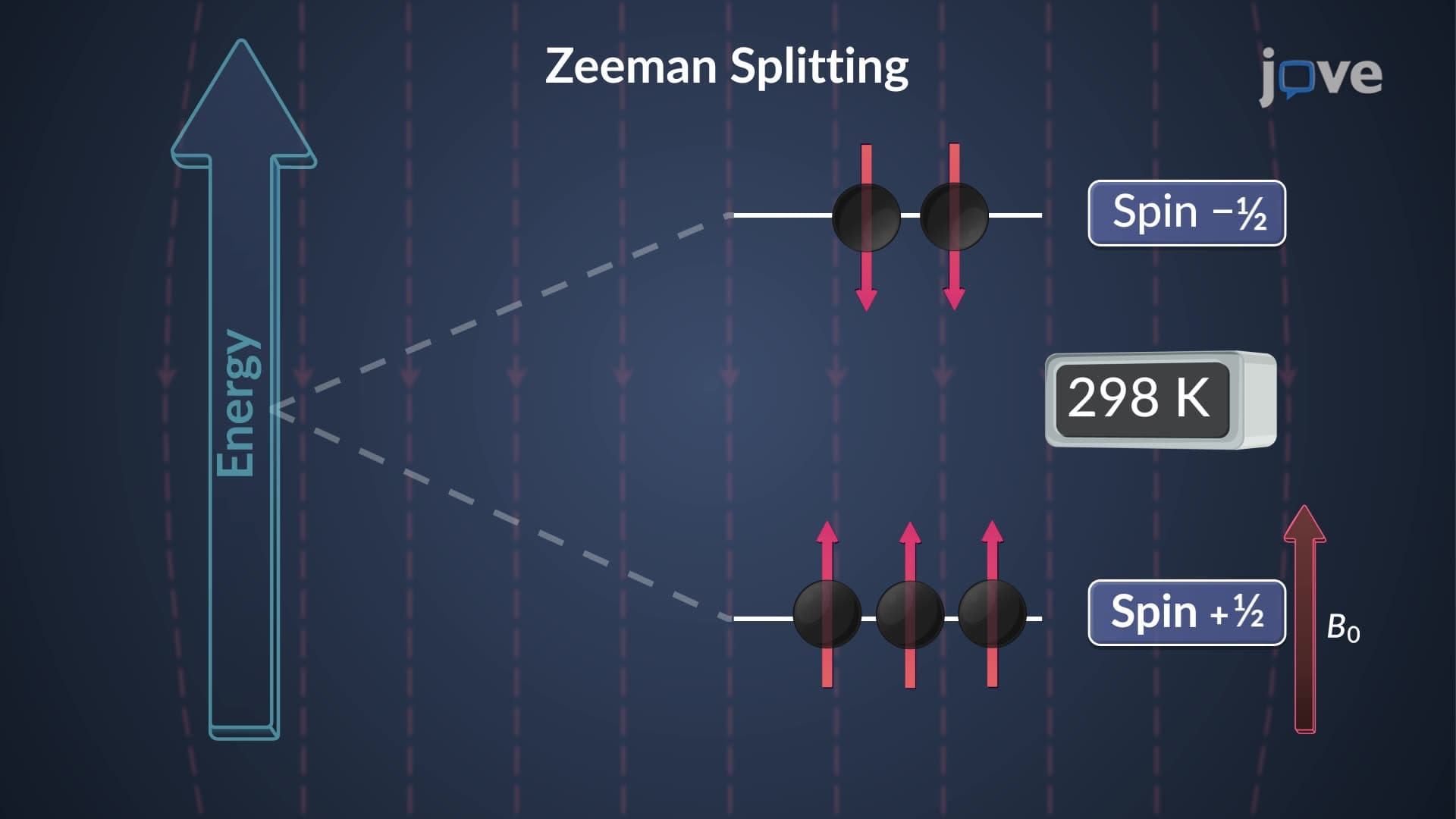
The quantum nature of nuclear spin restricts nuclei to specific orientations relative to external magnetic fields. For any nucleus with spin quantum number I, exactly 2I + 1 distinct orientations exist. Consider hydrogen nuclei (protons) with I = 1/2: only two orientations are possible, creating alpha and beta spin states. The alpha state aligns with the magnetic field (lower energy), while the beta state opposes it (higher energy). This quantization principle, discovered through careful experimentation at institutions like MIT and Caltech, demonstrates nature's discrete energy structure at the nuclear level.
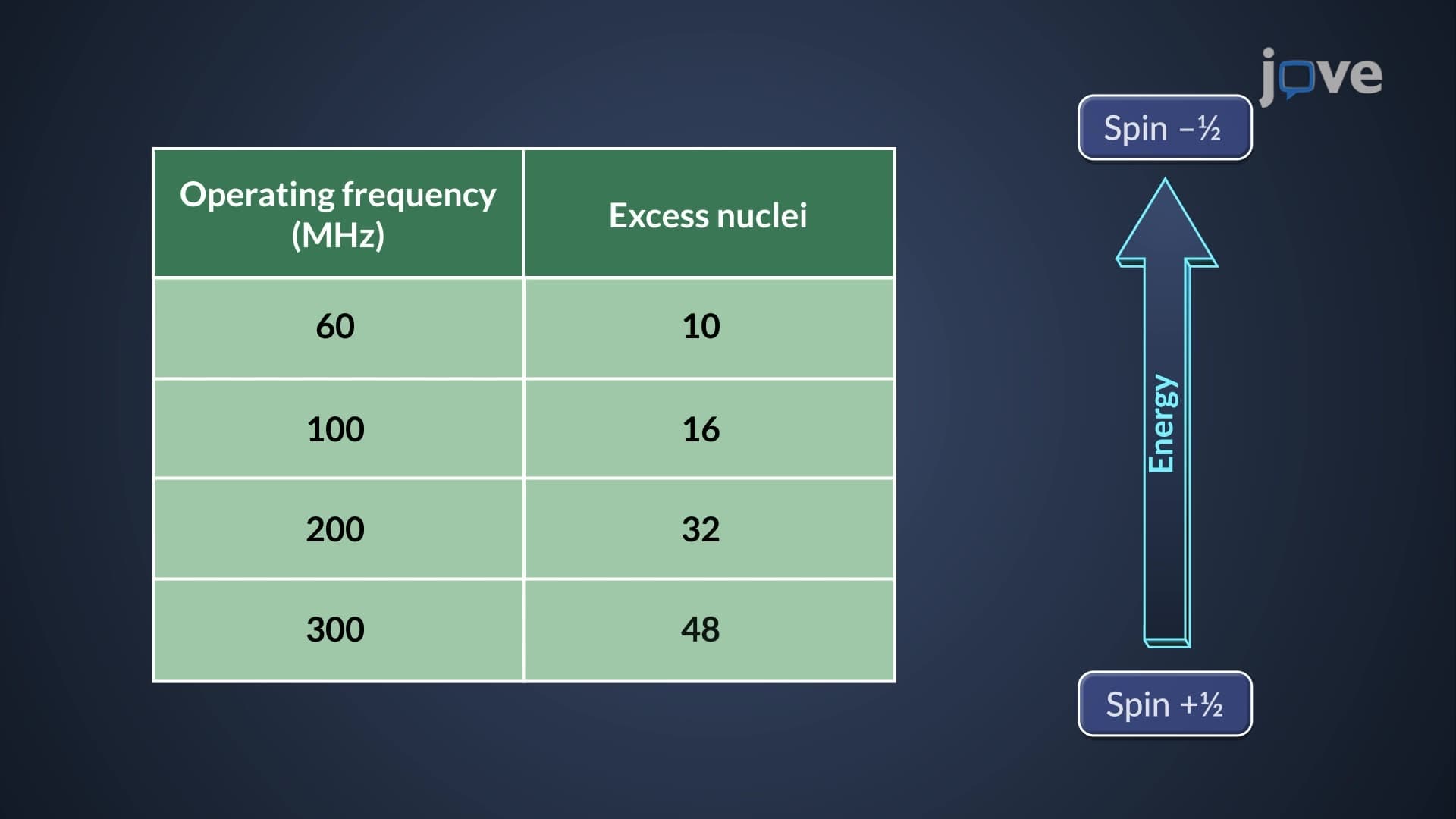
Without external magnetic fields, these spin states remain degenerate, identical in energy. However, applying magnetic fields breaks this degeneracy through Zeeman splitting, named after Dutch physicist Pieter Zeeman. The energy separation between states increases proportionally with field strength, explaining why high-field NMR spectrometers at research universities like Stanford and Harvard provide superior resolution and sensitivity.
Spin state population follows Boltzmann statistics, with more nuclei occupying lower-energy alpha states than higher-energy beta states at thermal equilibrium. At room temperature in typical 1.5-Tesla MRI machines used in American hospitals, the population difference remains small, roughly 5 excess alpha-state nuclei per million. This tiny imbalance creates detectable NMR signals, enabling medical imaging and pharmaceutical research.
Cooling samples increases this population difference, enhancing signal strength, a principle exploited in specialized research applications at national laboratories like Oak Ridge and Los Alamos. Conversely, higher temperatures reduce population differences, explaining why NMR sensitivity decreases with temperature.
These principles directly impact multiple fields students encounter in AP Chemistry, pre-medical coursework, and MCAT preparation. Medical schools emphasize understanding spin states for radiology rotations, while chemistry programs at schools like UC Berkeley and University of Michigan integrate NMR theory throughout organic chemistry curricula. Pharmaceutical companies including Johnson & Johnson and Merck rely on spin state principles for drug development and quality control, making this knowledge valuable for students pursuing careers in healthcare, pharmaceuticals, or chemical research.
Related Micro-courses