Loading subject page…

- Analytical Chemistry
- Principles of Nuclear Magnetic Resonance
- NMR Spectrometers: Overview
Micro-course: Principles of Nuclear Magnetic Resonance
24,278 views
Learn key concepts and earn your certificate.


NMR Spectrometers: Overview

00:00
01:20
Video Summary: What are Nmr Spectrometers
Ever wonder how scientists can identify unknown compounds without destroying them? NMR spectrometers explained through their revolutionary non-destructive analysis capabilities that have transformed chemistry and medicine. At major US research institutions like MIT and Stanford, these sophisticated instruments help researchers identify everything from new pharmaceutical compounds to food contaminants. What are NMR spectrometers? They're powerful analytical tools that use magnetic fields and radio waves to reveal molecular structure and composition. Watch the full video on JoVE Coach to master this concept with expert-led visuals and step-by-step explanations.
- Understand what are NMR spectrometers and their fundamental operating principles in analytical chemistry
- Identify the three essential NMR spectrometer components: strong magnet, radiofrequency transmitter, and detector system
- Compare continuous-wave NMR instruments with modern pulsed Fourier-Transform NMR spectrometers
- Analyze how magnetic field strength and radiofrequency pulses work together to excite atomic nuclei
- Recognize the role of free induction decay (FID) signals in generating interpretable NMR spectra
- Evaluate the advantages of FT-NMR instruments over first-generation continuous-wave spectrometers
- Apply knowledge of NMR principles to understand how scientists identify unknown molecular structures
- Explore real-world applications of NMR technology in pharmaceutical research and quality control
What are NMR Spectrometers: Essential Analytical Instruments
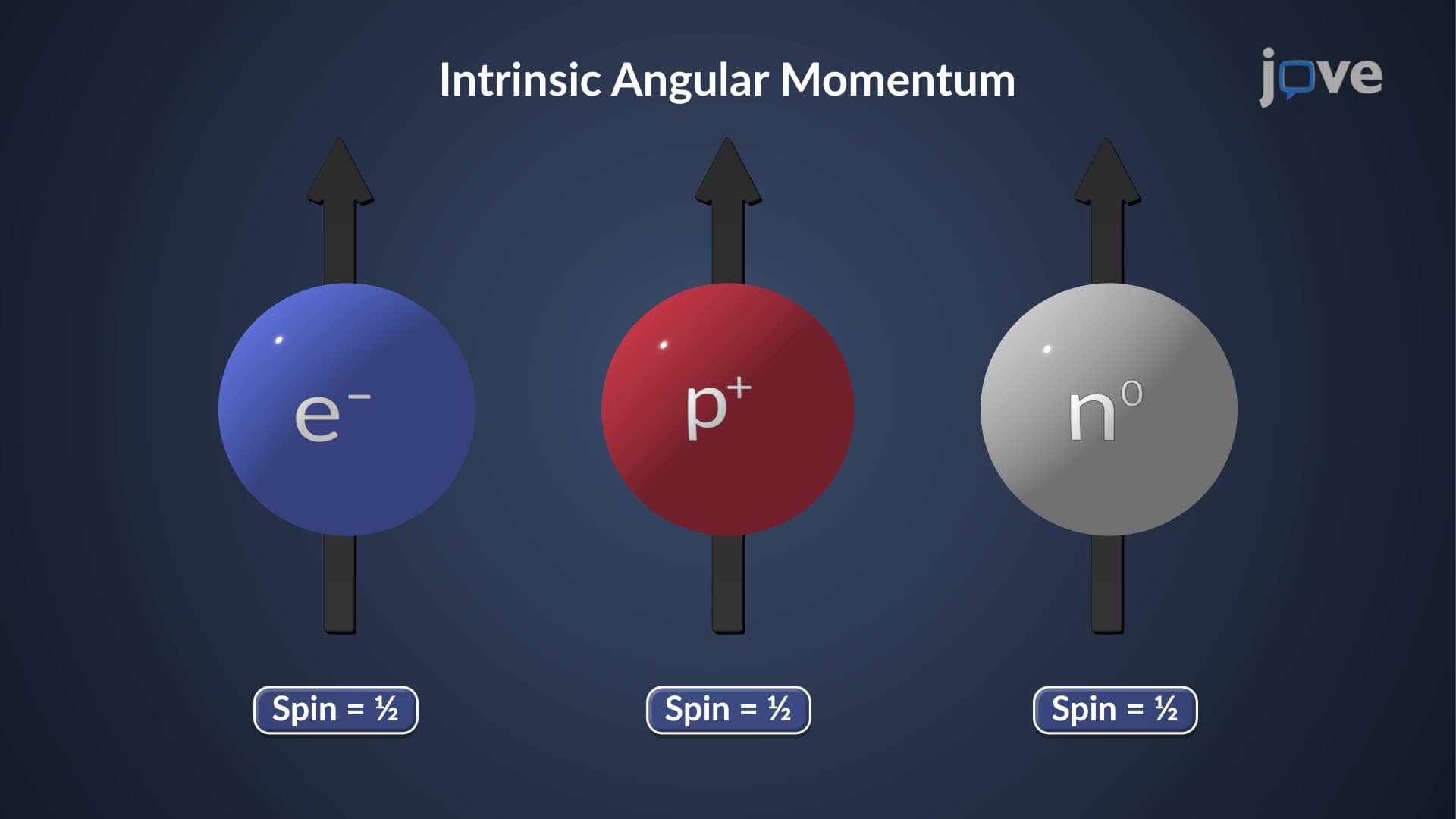
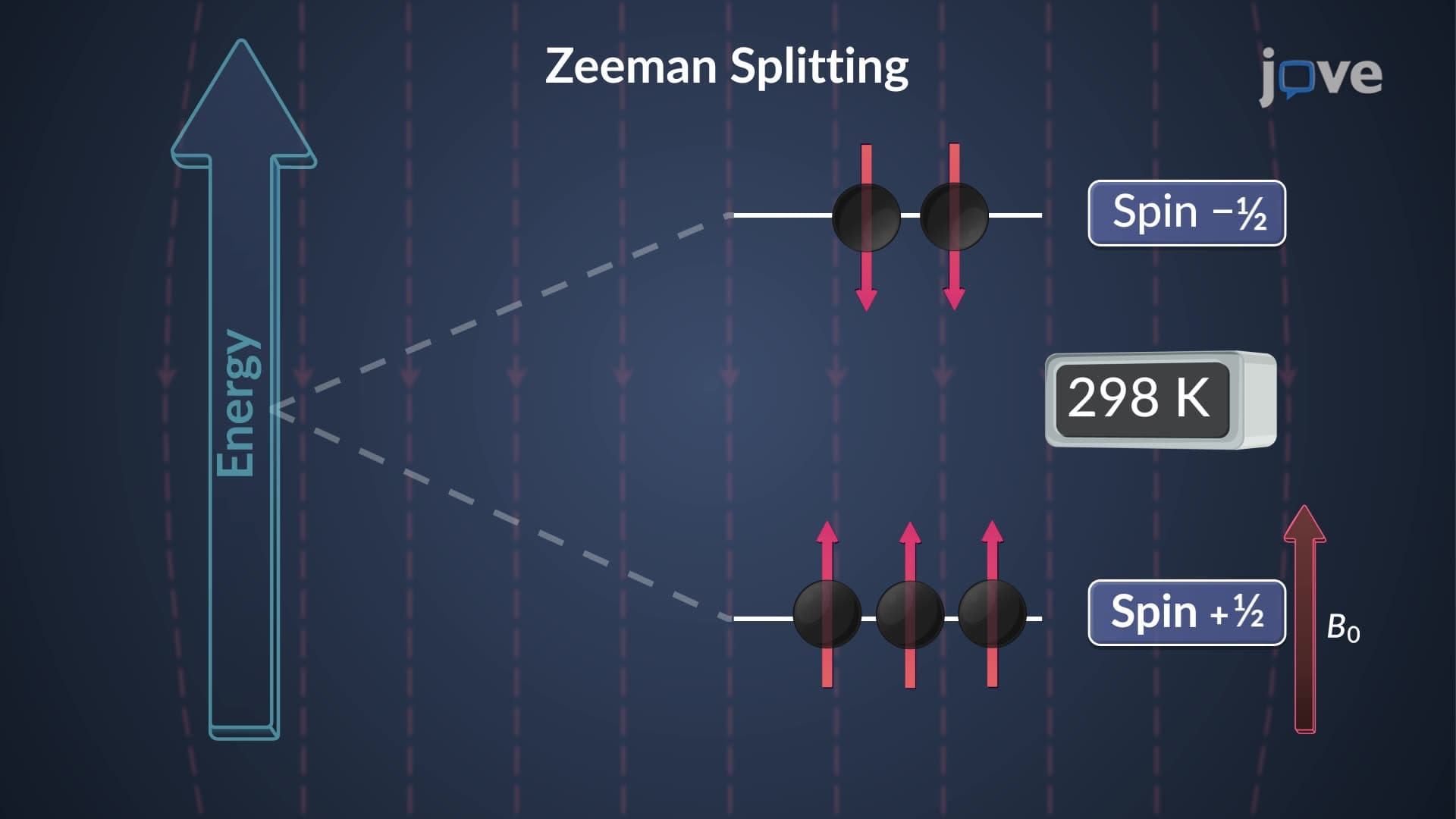
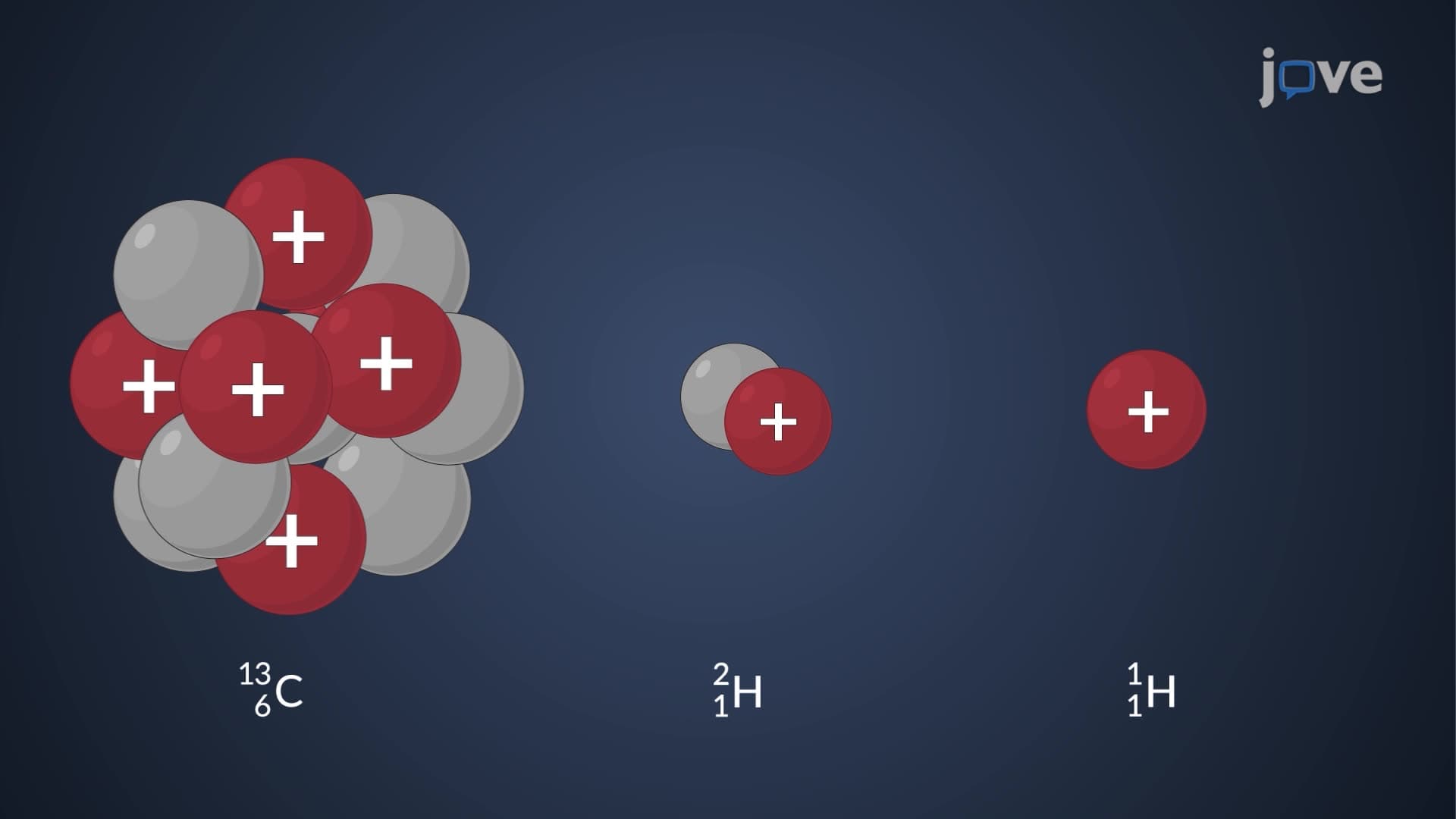
NMR spectrometers explained as sophisticated analytical instruments that revolutionized how scientists study molecular structure without destroying samples. These instruments exploit nuclear magnetic resonance-a quantum mechanical phenomenon where atomic nuclei with magnetic properties respond to external magnetic fields. When placed in strong magnetic fields, nuclei like hydrogen-1 and carbon-13 align with or against the field, creating distinct energy states that can be detected and analyzed.
NMR Spectrometer Components Overview: The Three-Part System
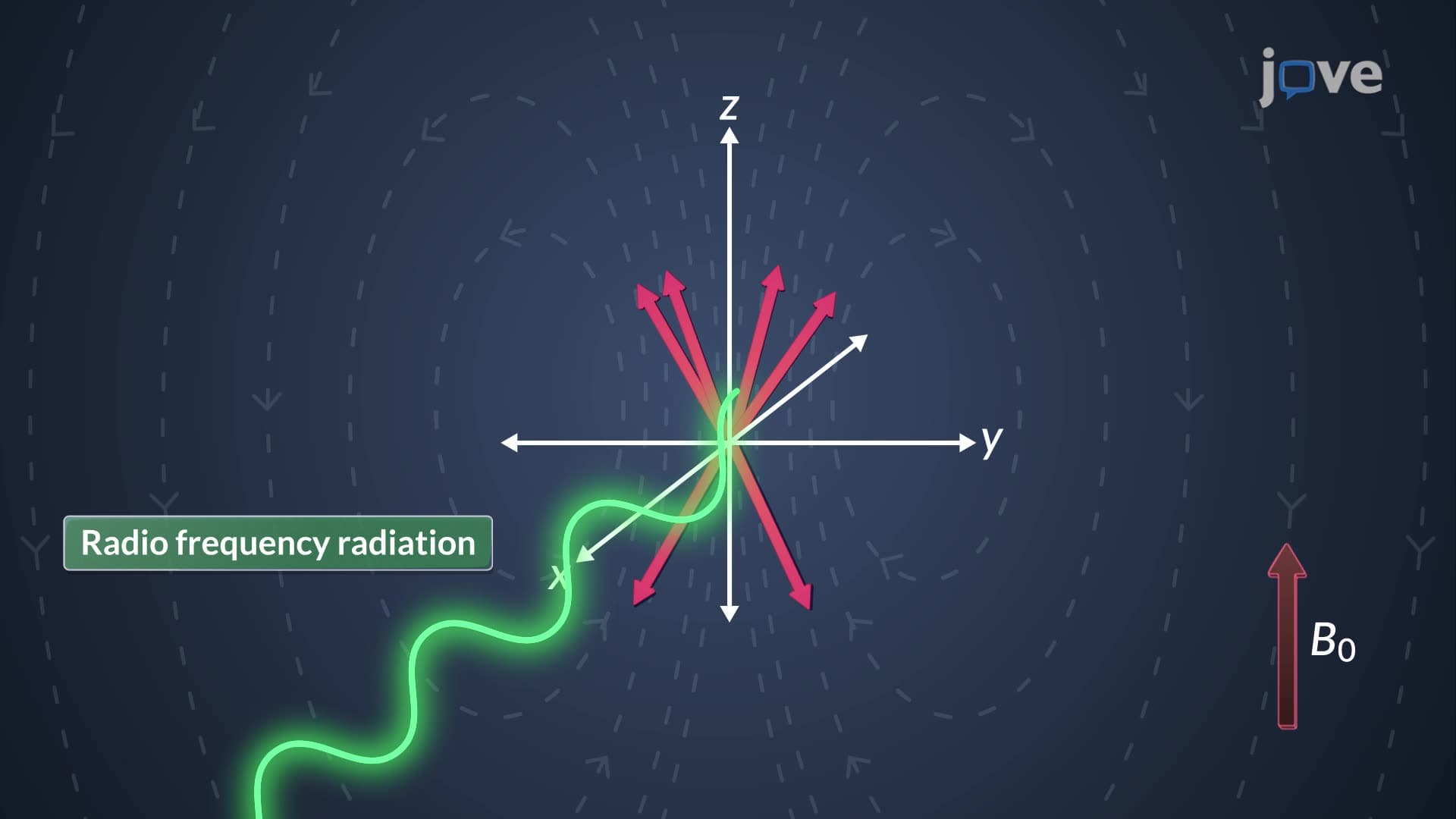
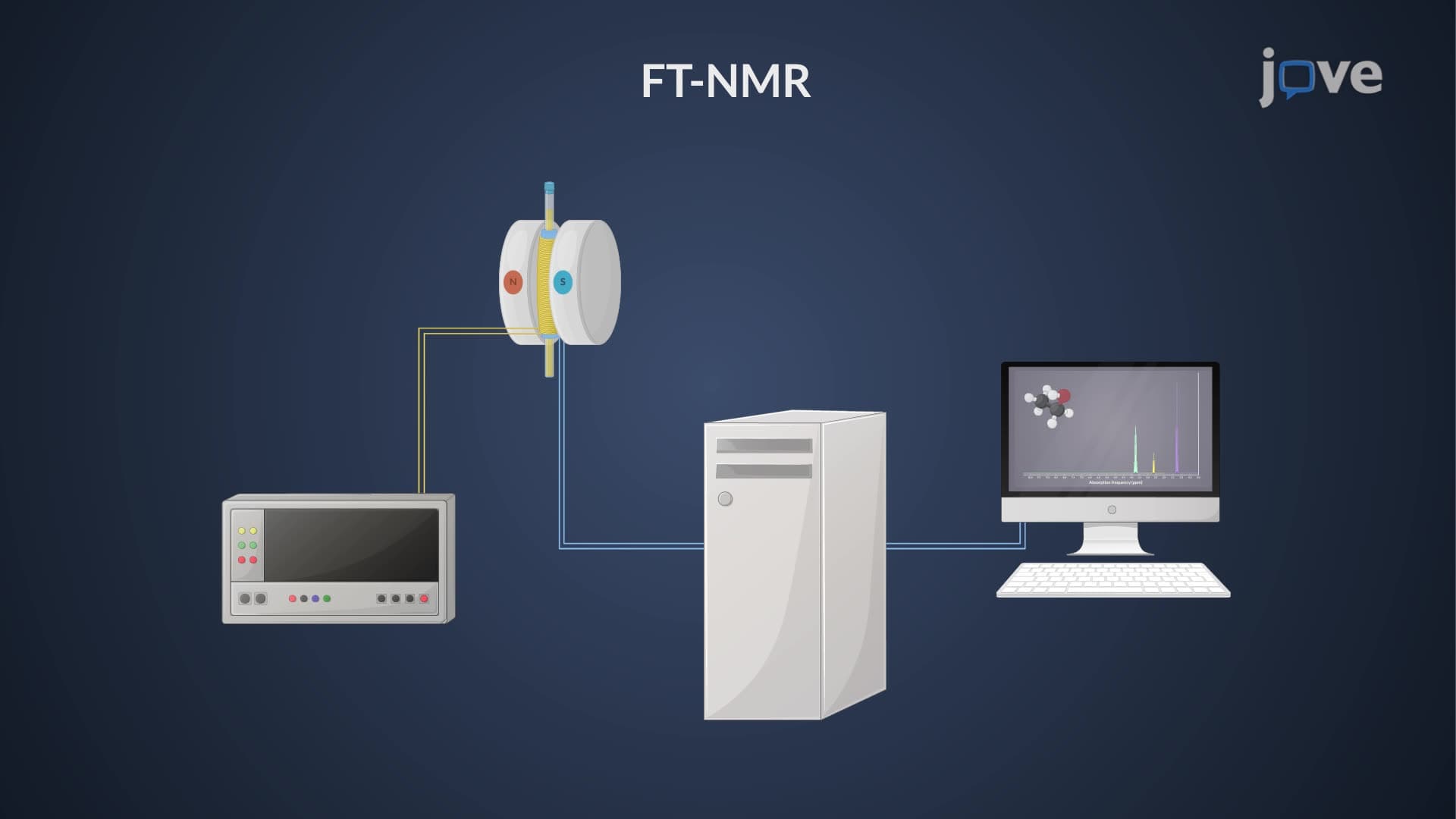
NMR spectrometer components overview reveals three critical elements working in harmony. The superconducting magnet system generates incredibly strong, uniform magnetic fields-typically 1.4 to 23.5 Tesla, making them among the strongest magnets in scientific instruments. The radiofrequency transmitter produces precise electromagnetic pulses that disturb nuclear alignment, while the detector captures the resulting signals. Modern instruments integrate these components with sophisticated computer systems that control timing, process data, and generate interpretable spectra.
Evolution from Continuous-Wave to Fourier Transform Technology
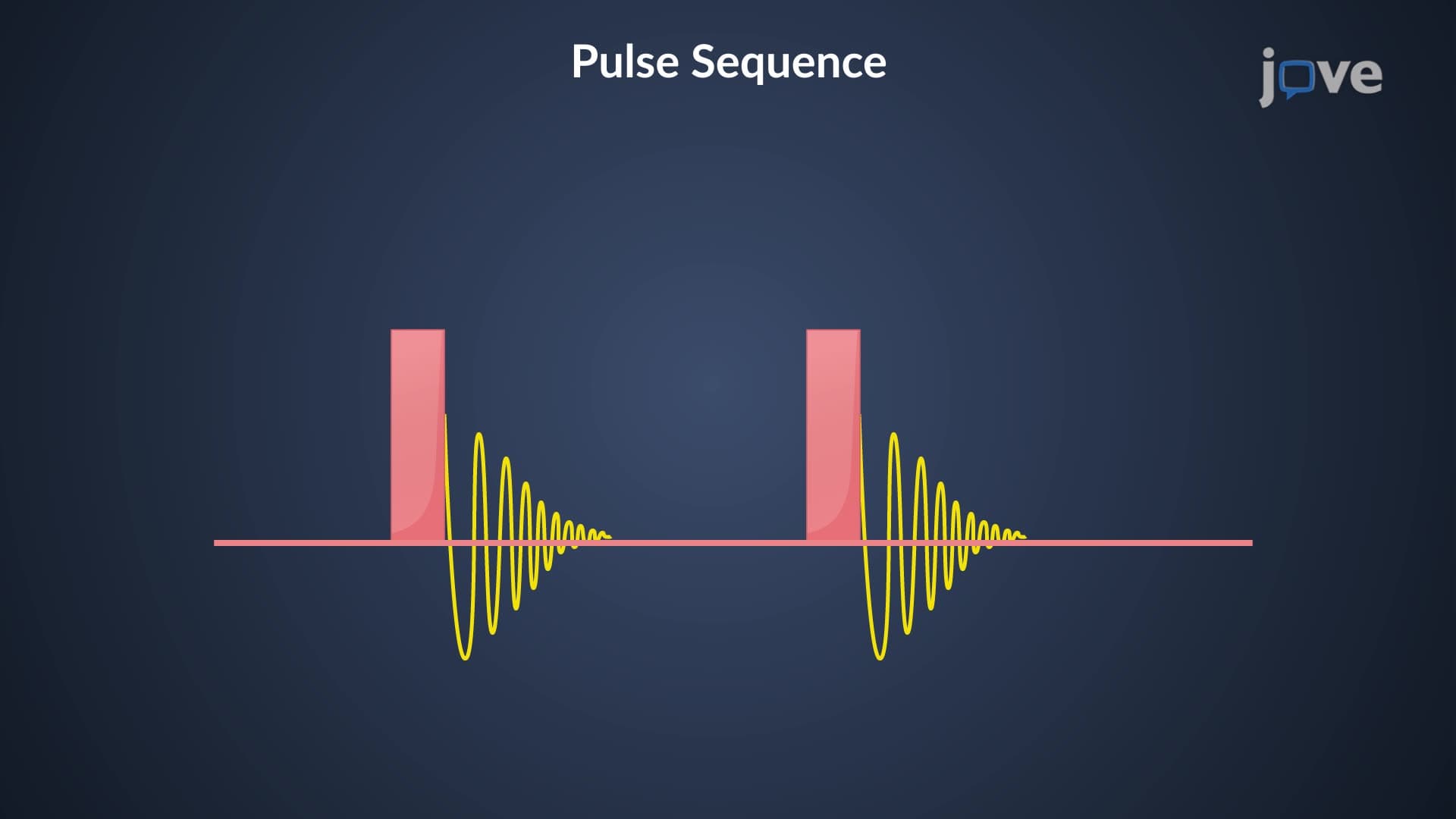
First-generation NMR instruments used continuous-wave methods, slowly sweeping either frequency or magnetic field strength to find resonance conditions. However, Fourier transform NMR spectrometers transformed the field by simultaneously exciting all NMR-active nuclei with short, high-power pulses. This parallel processing approach dramatically reduced acquisition time from hours to minutes while improving signal quality. The free induction decay signals captured after each pulse contain frequency information for all nuclei, which Fourier transformation converts into familiar frequency-domain spectra.
Real-World Applications in US Industries and Education
NMR instrument overview applications span pharmaceutical development, food safety, and materials science across US industries. Pharmaceutical companies like Pfizer and Merck rely on NMR for drug compound verification and purity analysis. Students preparing for MCAT exams encounter NMR spectroscopy in organic chemistry sections, while AP Chemistry curricula increasingly include spectroscopic analysis. College-level analytical chemistry courses at universities like UC Berkeley and University of Michigan feature hands-on NMR experiments, preparing students for careers in chemical research and quality control.
Frequently Asked Questions
NMR spectrometers are analytical instruments that identify molecular structures and compositions without destroying samples. They're essential for pharmaceutical research, quality control, and academic research at US universities. These instruments help chemists determine unknown compound structures, verify product purity, and study molecular interactions in solution.
The three essential components are a superconducting magnet (creating strong magnetic fields), a radiofrequency transmitter (producing electromagnetic pulses), and a detector system (capturing nuclear responses). These components work together with computer systems to generate interpretable spectra. Understanding this setup is crucial for AP Chemistry and college-level analytical chemistry courses.
MCAT exams frequently include NMR spectroscopy interpretation questions, especially in organic chemistry passages. Students must identify functional groups, determine molecular connectivity, and predict spectra from given structures. AP Chemistry curricula increasingly emphasize spectroscopic methods, making NMR knowledge valuable for college preparation and advanced placement scores.
Basic chemistry knowledge is sufficient to understand NMR principles and applications. While quantum mechanics underlies the phenomenon, introductory courses focus on practical interpretation skills rather than complex theory. High school chemistry students can successfully learn NMR spectroscopy through pattern recognition and structural analysis techniques.
Modern Fourier Transform NMR instruments are faster and more sensitive than older continuous-wave spectrometers. FT-NMR uses pulsed radiofrequency signals and mathematical processing to generate spectra quickly. This distinction appears in advanced chemistry courses and graduate-level exams, where students must understand technological evolution in analytical instrumentation.
US pharmaceutical companies like Johnson & Johnson and Bristol Myers Squibb use NMR for compound identification, purity verification, and stability testing throughout drug development. These applications ensure medication safety and efficacy before FDA approval. NMR's non-destructive nature allows repeated analysis of valuable research compounds.
Focus on understanding component functions rather than memorizing technical details for introductory courses. Practice interpreting simple spectra and identifying common patterns in molecular structures. Create concept maps connecting magnetic fields, radiofrequency pulses, and signal detection to reinforce understanding of the overall process.
Explore two-dimensional NMR techniques, multinuclear spectroscopy, and advanced pulse sequences used in research settings. Consider studying related techniques like EPR spectroscopy and mass spectrometry to build comprehensive analytical chemistry knowledge. These advanced topics prepare students for graduate-level research and specialized analytical careers.
Related Micro-courses