Loading subject page…


24,278 views

Video Summary: What Is Nuclear Magnetic Resonance Nmr
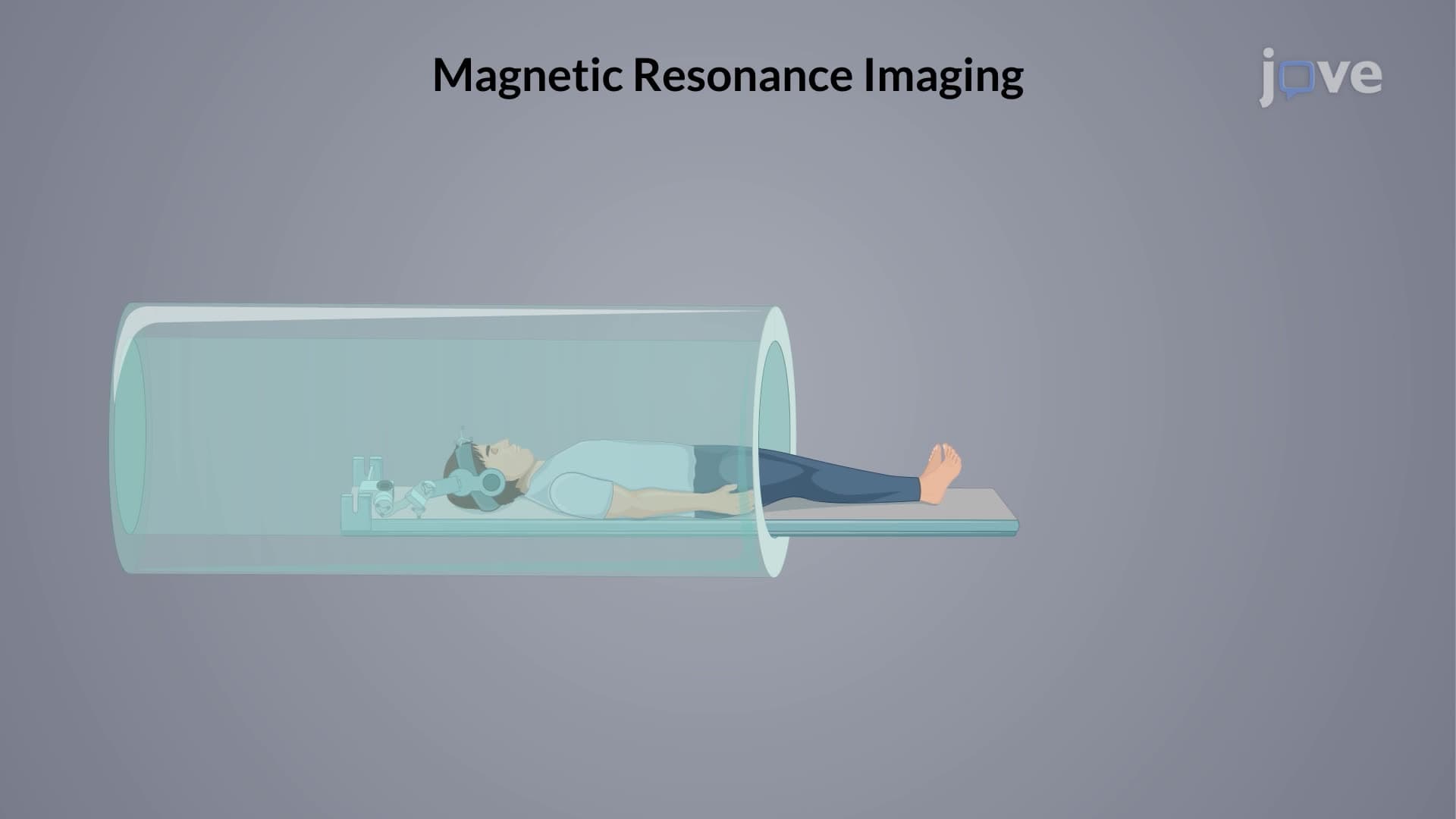
Did you know that the same nuclear magnetic resonance NMR technology used to peek inside atoms is what creates those detailed brain scans at hospitals across America? Nuclear magnetic resonance NMR occurs when certain atomic nuclei absorb radio waves in magnetic fields, revealing molecular secrets invisible to the naked eye. From determining the structure of new pharmaceuticals at companies like Pfizer to diagnosing sports injuries through MRI scans, this powerful analytical technique bridges chemistry and medicine. Watch the full video on JoVE Coach to master this concept with expert-led visuals and step-by-step explanations.
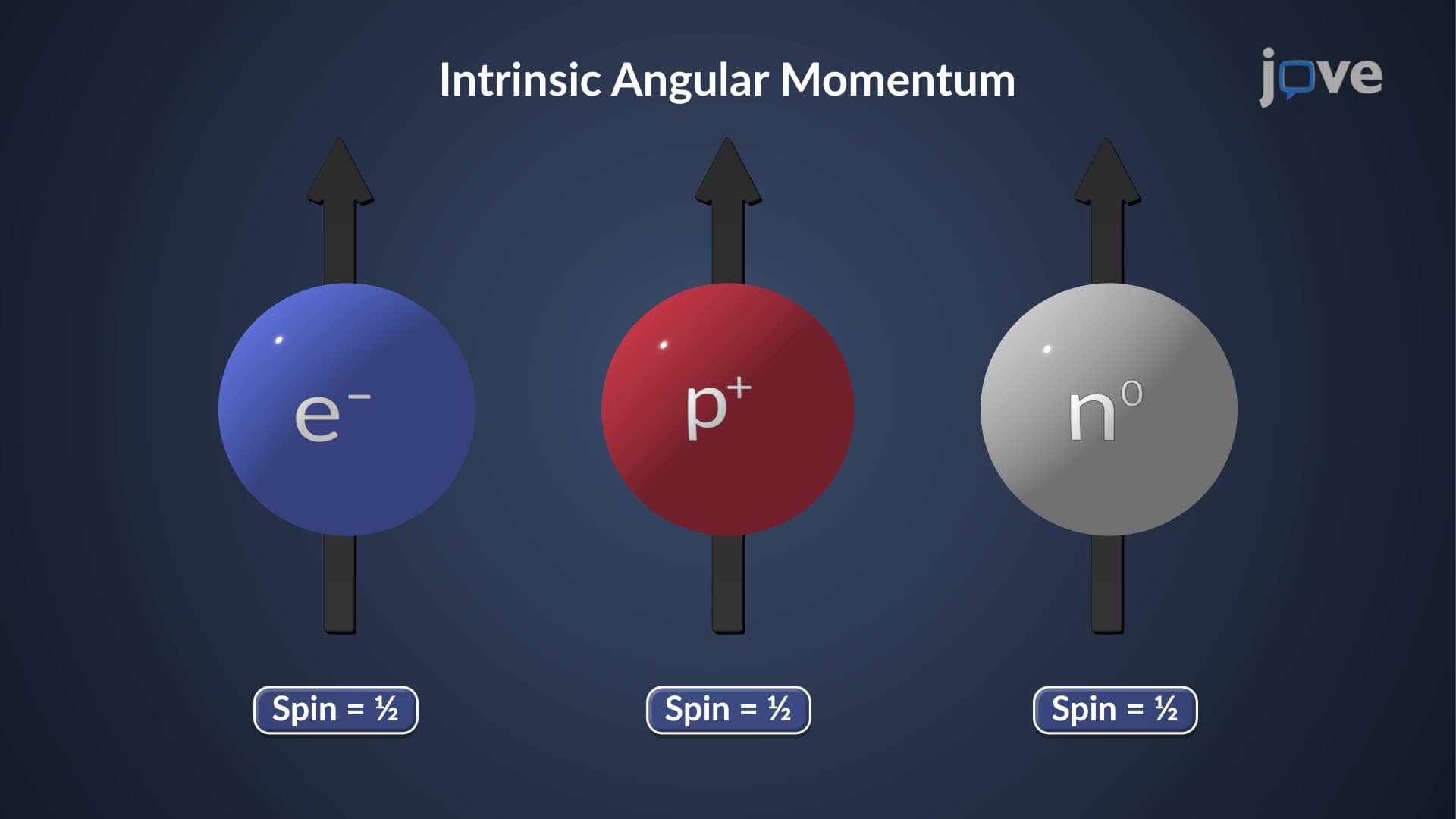
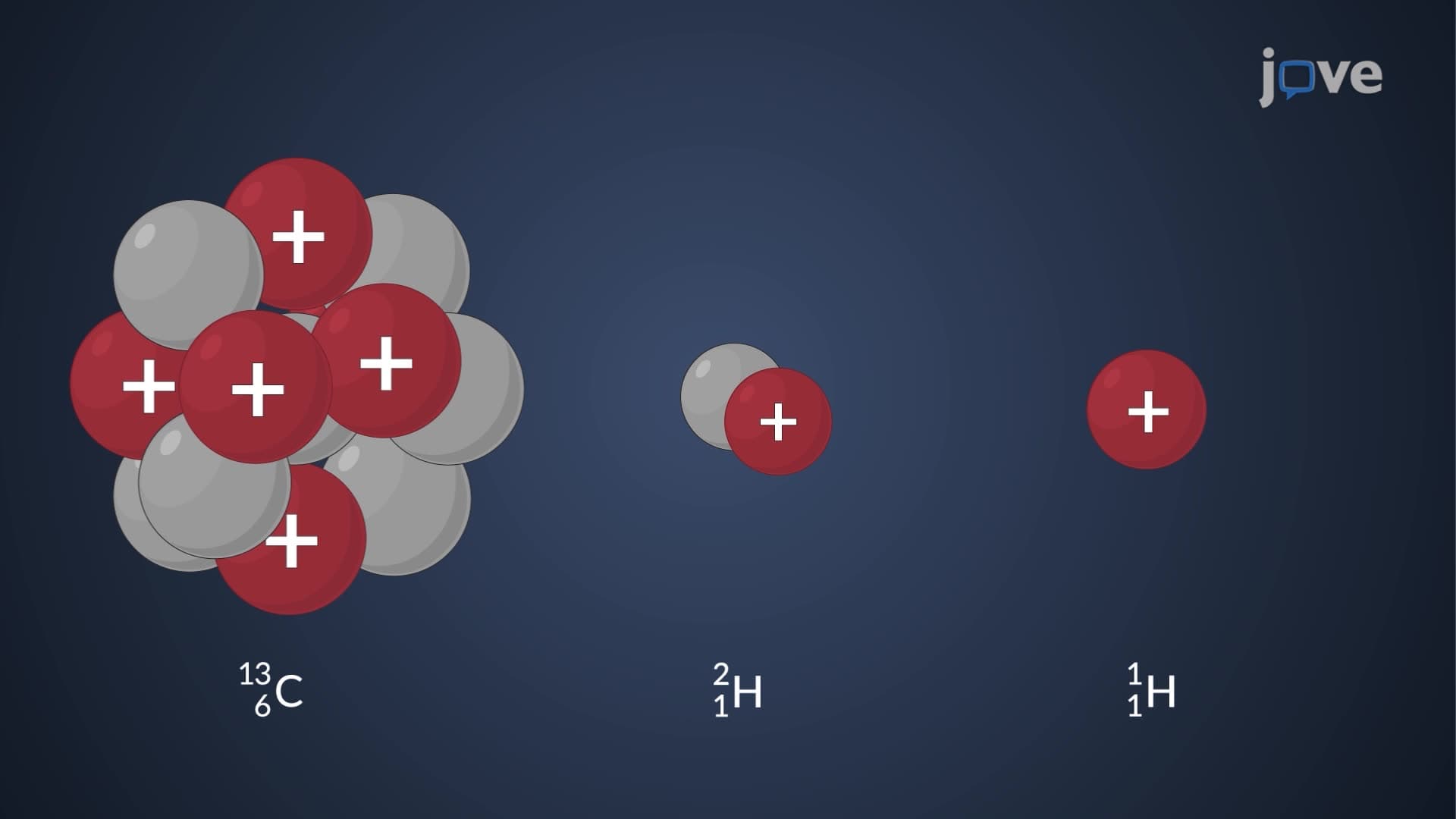
Nuclear magnetic resonance NMR represents one of the most powerful analytical techniques in modern science, fundamentally based on the magnetic properties of atomic nuclei. When certain nuclei-particularly hydrogen-1, carbon-13, and phosphorus-31-are placed in strong magnetic fields, they behave like tiny magnets that can be manipulated with radio waves. This NMR technique overview reveals that only nuclei with unpaired protons or neutrons exhibit this magnetic behavior, making them "NMR-active."
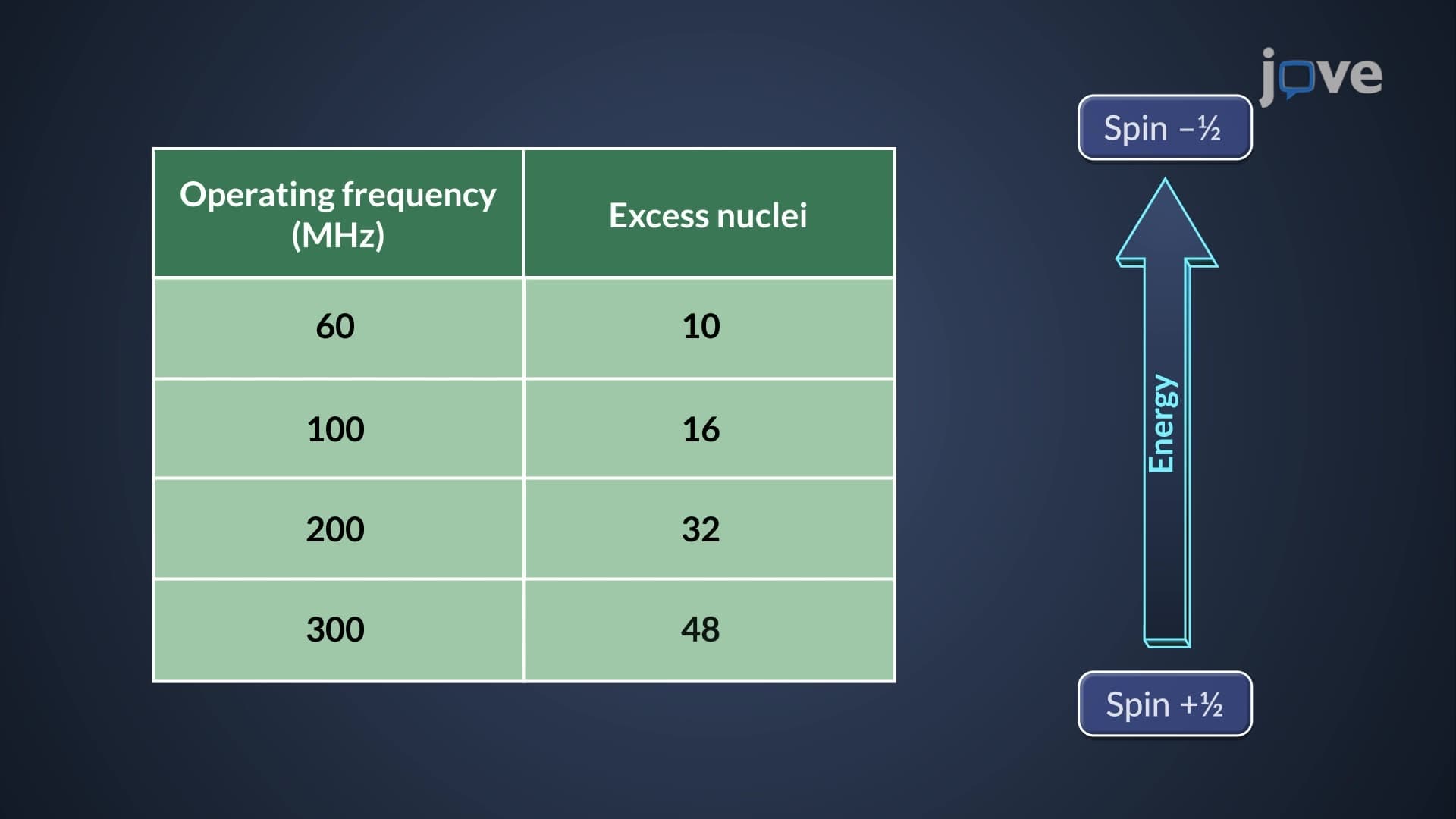
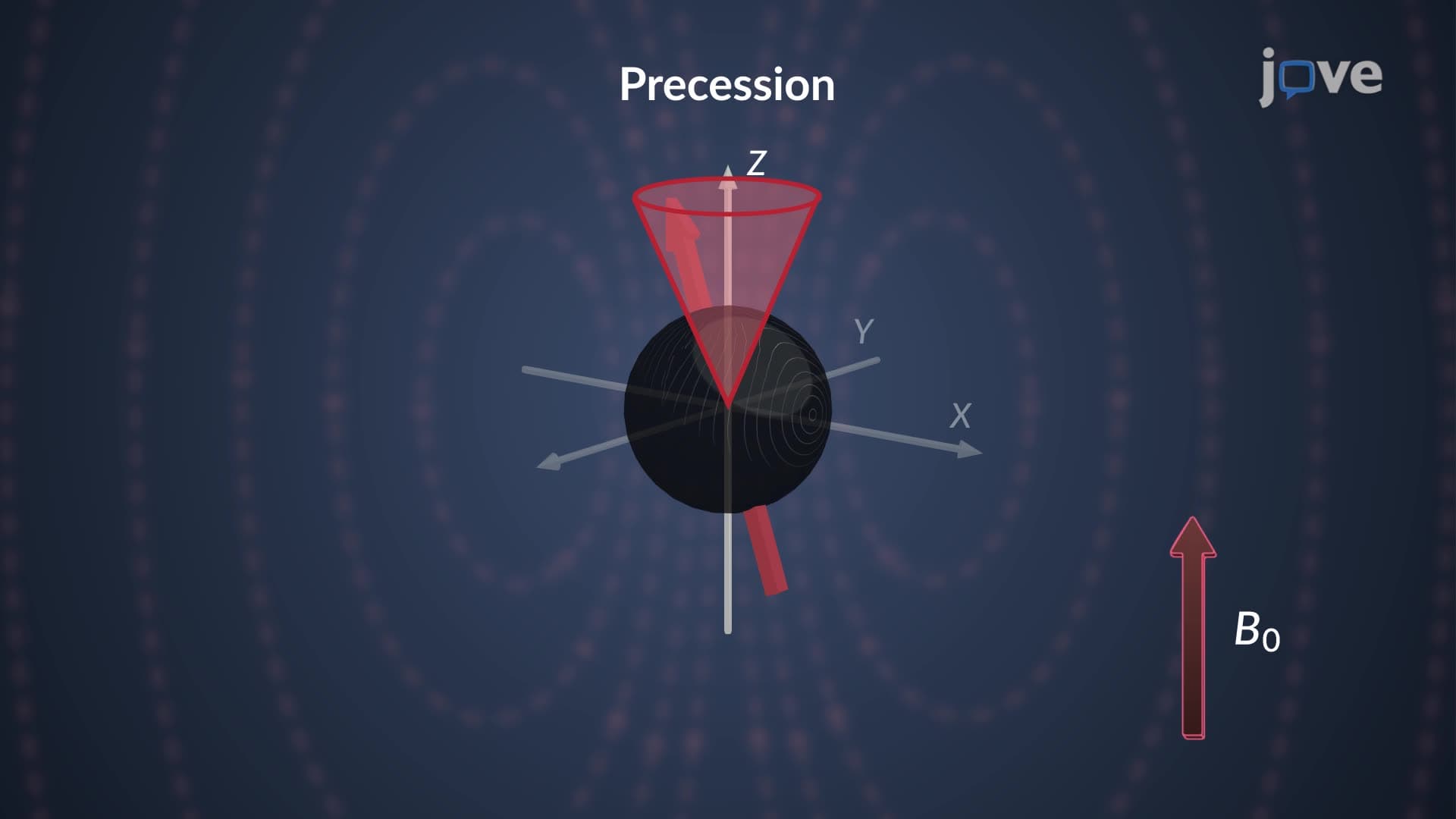
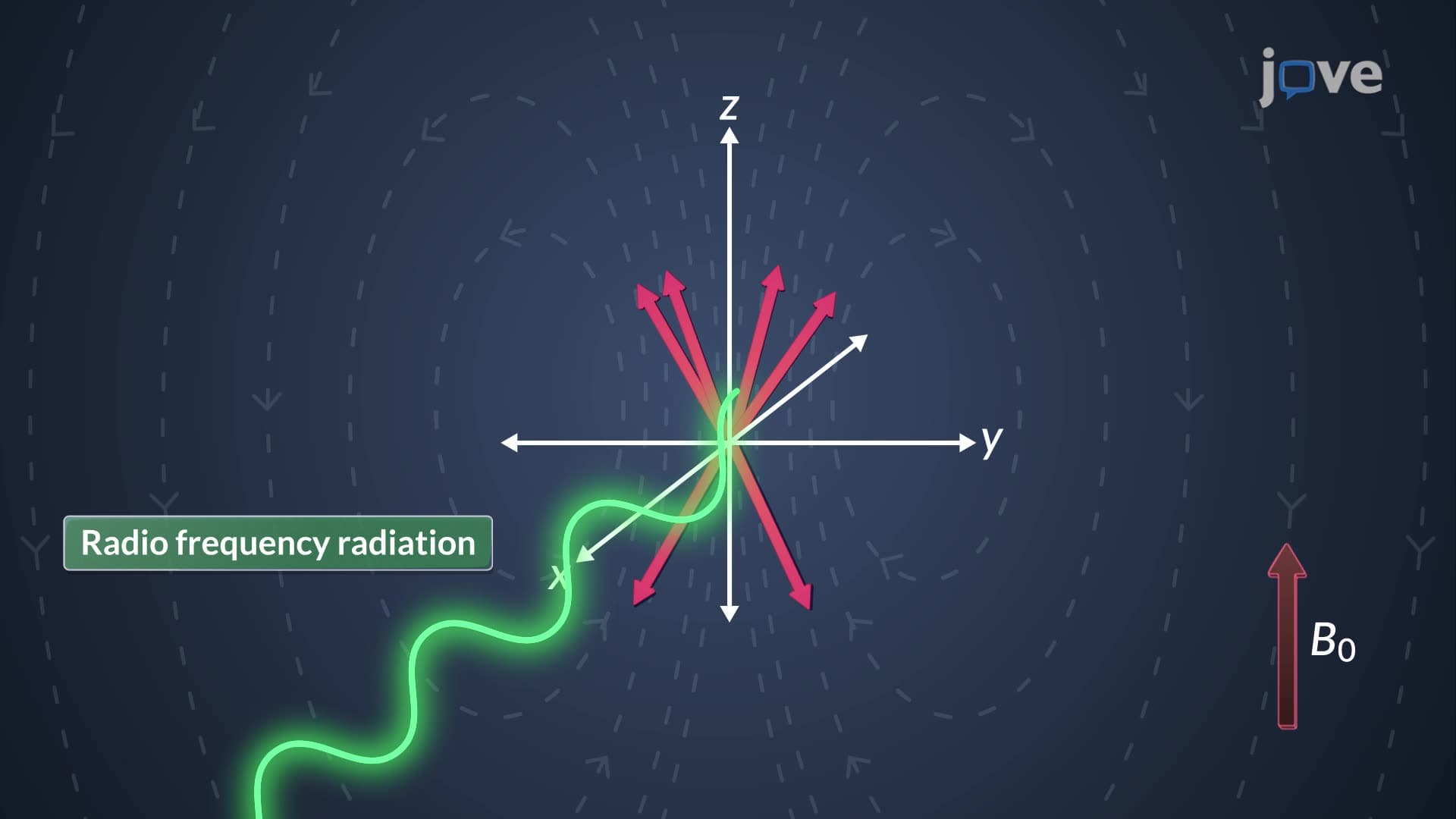
The heart of magnetic resonance chemistry lies in nuclear spin. Imagine atomic nuclei as spinning tops that create their own magnetic fields. In the presence of an external magnetic field (typically 1.4 to 21.1 Tesla in modern instruments), these nuclear magnets align either with or against the field. The NMR analytical technique exploits the energy difference between these alignments, requiring precise radio frequency radiation to flip nuclei between states.
At institutions like MIT and Stanford, undergraduate chemistry students learn that the exact frequency needed depends on the nucleus's local environment. Electrons surrounding each nucleus create subtle magnetic shielding effects, causing identical nuclei in different molecular positions to resonate at slightly different frequencies-the foundation of chemical shift analysis.
NMR structure determination has revolutionized how chemists identify unknown compounds. Unlike other analytical methods, NMR spectroscopy basics explained show how this technique provides a complete molecular blueprint without destroying the sample. Major pharmaceutical companies like Johnson & Johnson use NMR to verify drug purity and identify impurities during development.
The technique proves invaluable for AP Chemistry students tackling organic structure problems. Chemical shifts appear as peaks positioned along a spectrum, with each peak's location revealing specific atomic environments. Integration values show how many equivalent nuclei contribute to each signal, while coupling patterns indicate neighboring atoms-critical information for MCAT preparation.
Beyond traditional what is NMR spectroscopy in chemistry applications, this versatile technique extends into biochemistry, materials science, and quality control. Food scientists at companies like General Mills use NMR to analyze moisture content and detect adulterants. Environmental chemists employ the technique to identify pollutants in soil and water samples collected from Superfund sites.
For students preparing for standardized tests, understanding NMR's role in protein structure determination proves essential. The 2002 Nobel Prize in Chemistry recognized NMR's contribution to studying biological macromolecules, emphasizing its importance in modern biochemical research and pharmaceutical development.
Related Micro-courses