Loading subject page…

- Analytical Chemistry
- Chemical Applications of Statistical Analyses
- Propagation of Uncertainty from Random Error
Micro-course: Chemical Applications of Statistical Analyses
104,967 views
Learn key concepts and earn your certificate.







Propagation of Uncertainty from Random Error


00:00
00:59
Video Summary: Understanding Uncertainty Propagation Due to Random Errors
When NASA's Mars Climate Orbiter crashed in 1999 due to unit conversion errors, it highlighted how random error propagation can lead to catastrophic failures in scientific calculations. Random error propagation occurs when uncertainties from individual measurements combine through mathematical operations, creating cumulative uncertainty in final results. Understanding uncertainty propagation due to random errors is essential for accurate data analysis in physics labs, chemistry experiments, and engineering projects across US high schools and colleges. Watch the full video on JoVE Coach to master this concept with expert-led visuals and step-by-step explanations.
- Understand uncertainty propagation due to random errors and how measurement uncertainties combine through mathematical operations
- Identify the appropriate propagation formulas for different arithmetic operations (addition, subtraction, multiplication, division, and exponentials)
- Apply absolute uncertainty propagation rules for addition and subtraction using quadrature addition
- Analyze relative uncertainty propagation for multiplication and division operations
- Evaluate exponential function uncertainty using the base-exponent relationship
- Compare absolute versus relative uncertainty methods and determine when to use each approach
- Recognize how random error propagation affects experimental precision in laboratory measurements
- Explore real-world applications of uncertainty propagation in scientific research and engineering design
Understanding Uncertainty Propagation Due to Random Errors
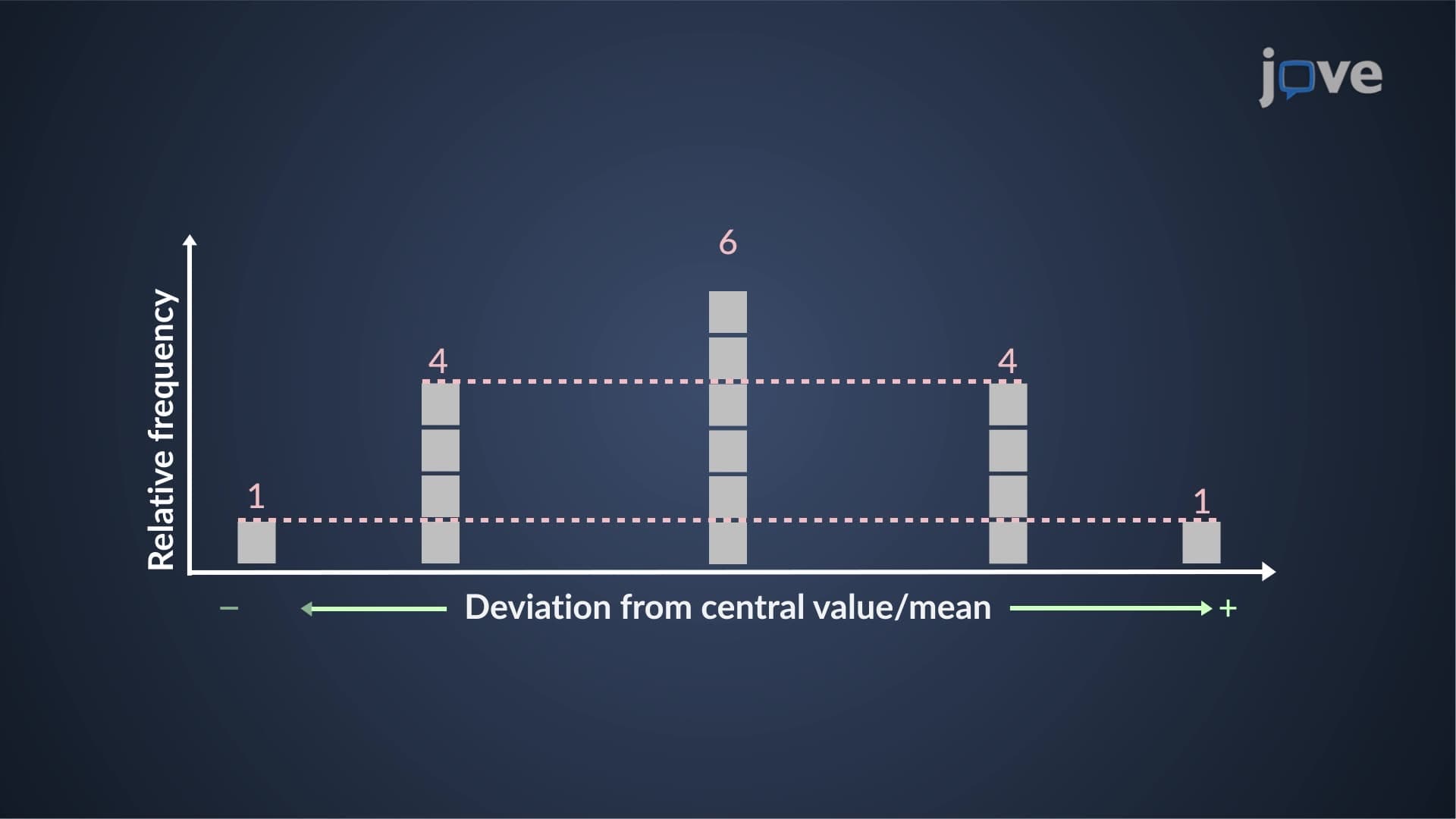
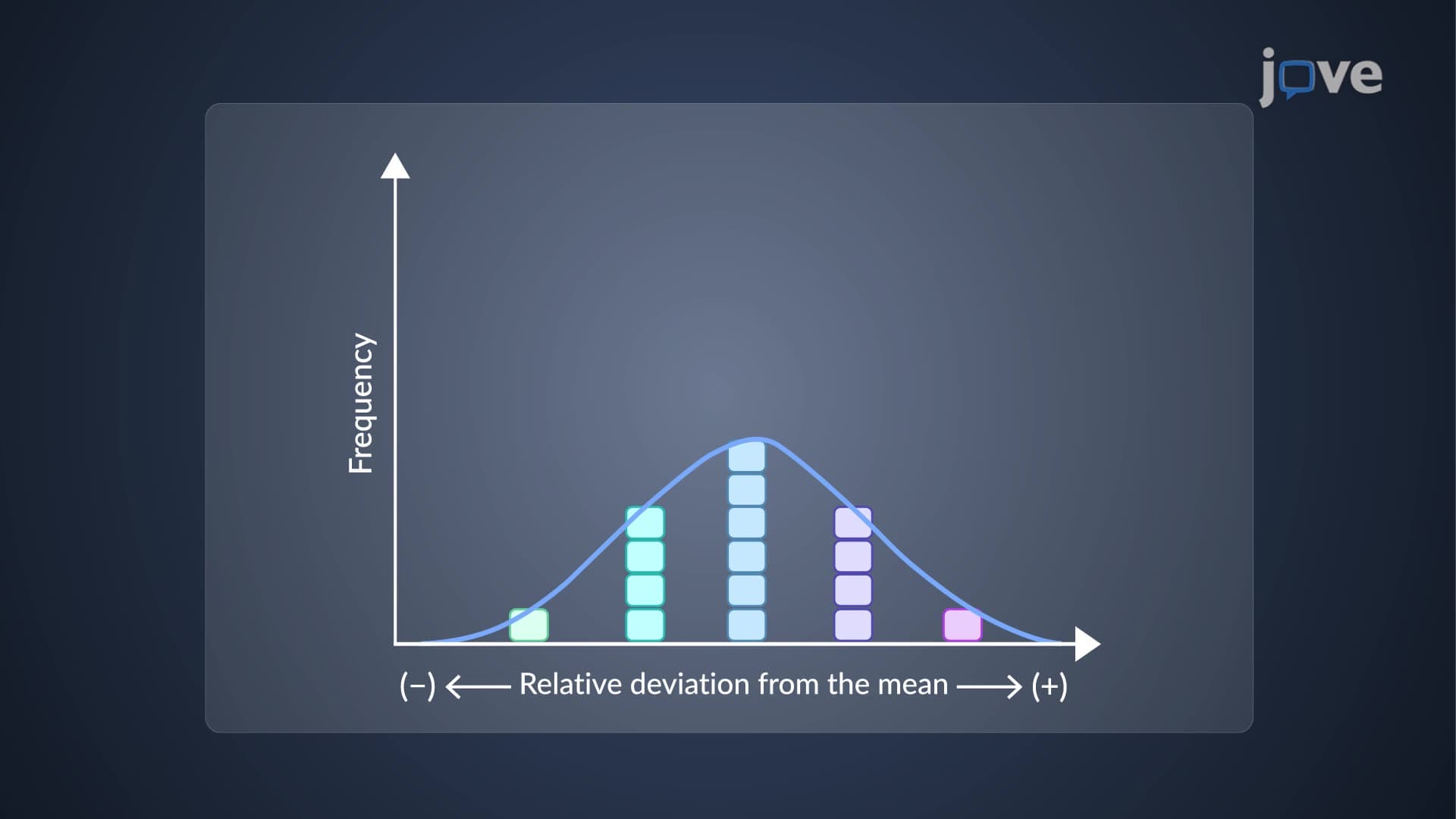
Random errors are inevitable in any measurement process, from timing reactions in AP Chemistry labs to measuring distances in physics experiments. When these measurements undergo mathematical operations, their uncertainties don't simply add up-they propagate according to specific statistical rules that depend on the type of calculation performed.
Propagation Rules for Addition and Subtraction
For addition and subtraction operations, absolute uncertainties combine using the quadrature method. If measuring the length of two objects with uncertainties ±0.1 cm and ±0.2 cm respectively, the combined uncertainty becomes √(0.1² + 0.2²) = ±0.22 cm. This square-root-of-sum-of-squares approach reflects how independent random errors statistically combine.
This principle appears frequently on AP Physics exams when students calculate net forces or determine position changes. For example, if a projectile moves 15.0 ± 0.3 meters horizontally and 8.0 ± 0.2 meters vertically, the uncertainty in displacement magnitude requires proper quadrature addition of the component uncertainties.
Multiplication and Division Uncertainty Propagation
Multiplication and division operations require relative uncertainty propagation. When calculating density from mass and volume measurements, the relative uncertainties (uncertainty divided by the measured value) combine in quadrature. If mass has 2% relative uncertainty and volume has 3% relative uncertainty, the density calculation carries √(2² + 3²) = 3.6% relative uncertainty.
This concept proves crucial for college-level chemistry courses and MCAT preparation, where students frequently calculate concentrations, reaction rates, and equilibrium constants from multiple measurements with associated uncertainties.
Exponential Operations and Complex Propagation
For exponential functions, the relative uncertainty multiplies by the exponent value. When calculating areas (length squared) or volumes (length cubed), a 1% uncertainty in linear measurement becomes 2% uncertainty in area or 3% uncertainty in volume. This multiplication rule helps students understand why precision requirements become more stringent for derived quantities involving powers.
Advanced applications include error analysis in engineering design courses, where safety factors must account for uncertainty propagation through complex calculations involving multiple variables and operations.
Frequently Asked Questions
Uncertainty propagation due to random errors describes how measurement uncertainties combine when performing calculations with experimental data. It matters because it helps scientists and engineers determine the reliability of their final results and make informed decisions about data quality. Understanding this concept is essential for proper error analysis in laboratory work and research.
AP exams frequently test uncertainty propagation through data analysis questions where students must calculate combined uncertainties for derived quantities. Common scenarios include determining uncertainties in calculated densities, velocities, or energy values from multiple measurements. Students need to apply the correct propagation formulas and express final answers with appropriate significant figures.
Addition and subtraction use absolute uncertainty propagation (square root of sum of squared absolute uncertainties), while multiplication and division use relative uncertainty propagation (square root of sum of squared relative uncertainties). This difference reflects how these operations mathematically affect the uncertainty contributions from each measurement.
Pharmaceutical companies apply uncertainty propagation when analyzing clinical trial data, calculating drug concentrations, and determining dosage effectiveness. For example, when combining multiple biomarker measurements to assess treatment efficacy, proper uncertainty propagation ensures accurate statistical conclusions about drug performance and patient safety.
Not at all-uncertainty propagation builds on basic algebra and follows straightforward rules once you understand the patterns. High school students successfully learn these concepts in honors physics and AP science courses. The key is practicing with concrete examples and understanding when to use absolute versus relative uncertainty methods.
Practice identifying operation types first, then apply the appropriate propagation formula systematically. Create a reference sheet with the three main rules (addition/subtraction, multiplication/division, exponentials) and work through diverse problem sets. Focus on significant figures and proper uncertainty expression in your final answers.
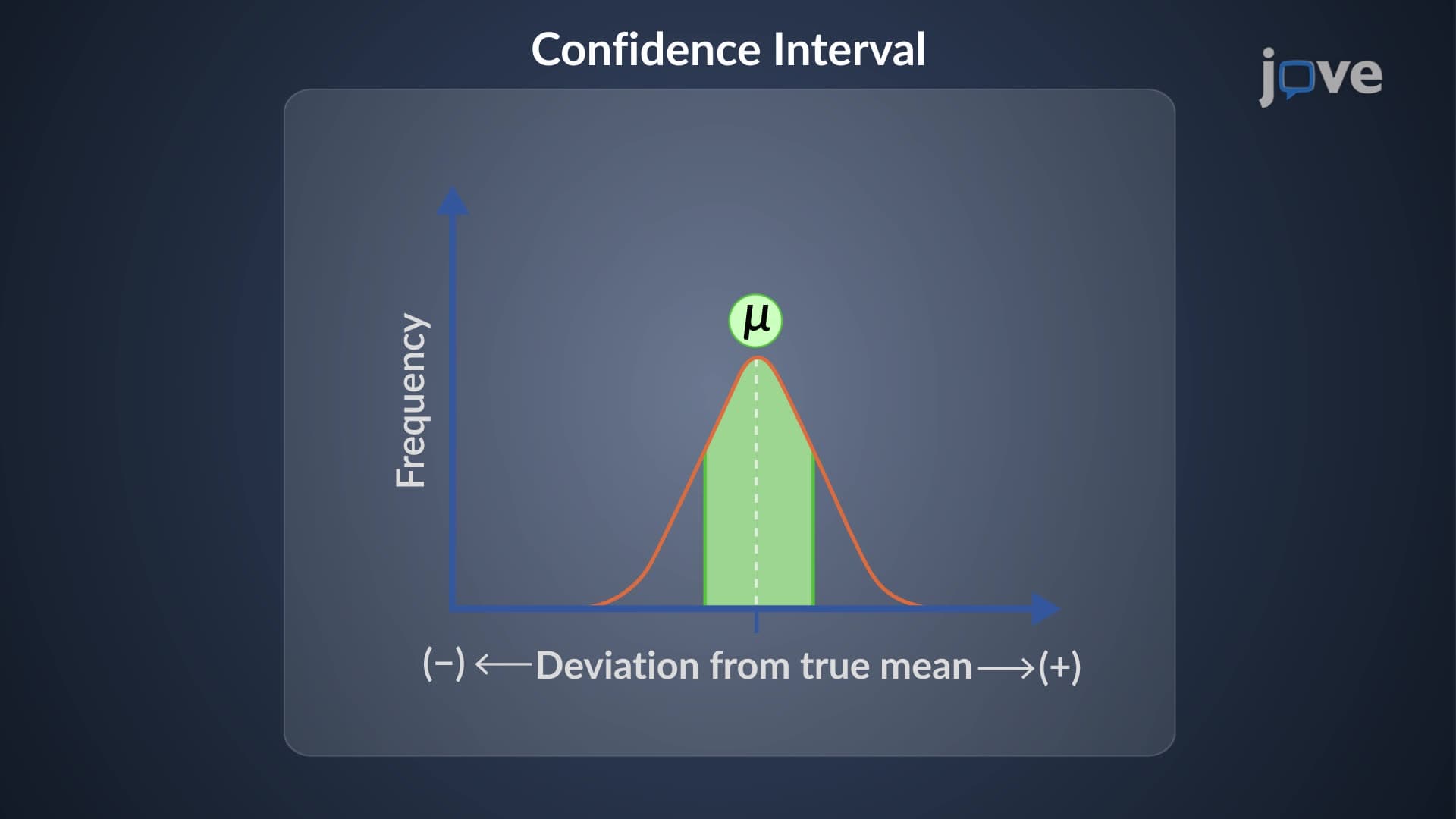
Random error propagation provides the foundation for more sophisticated statistical concepts like Monte Carlo simulations, confidence intervals, and hypothesis testing. Students who master basic propagation rules are better prepared for advanced statistics courses, research methods, and data science applications in their future studies.
Progress to systematic errors, error analysis in curve fitting, and statistical hypothesis testing. Advanced topics include Monte Carlo error propagation methods and uncertainty analysis in computer modeling, which are valuable for engineering and research careers.
Related Micro-courses

19 Concepts

14 Concepts
17 Concepts