Loading video…


 22 Concepts
 105K views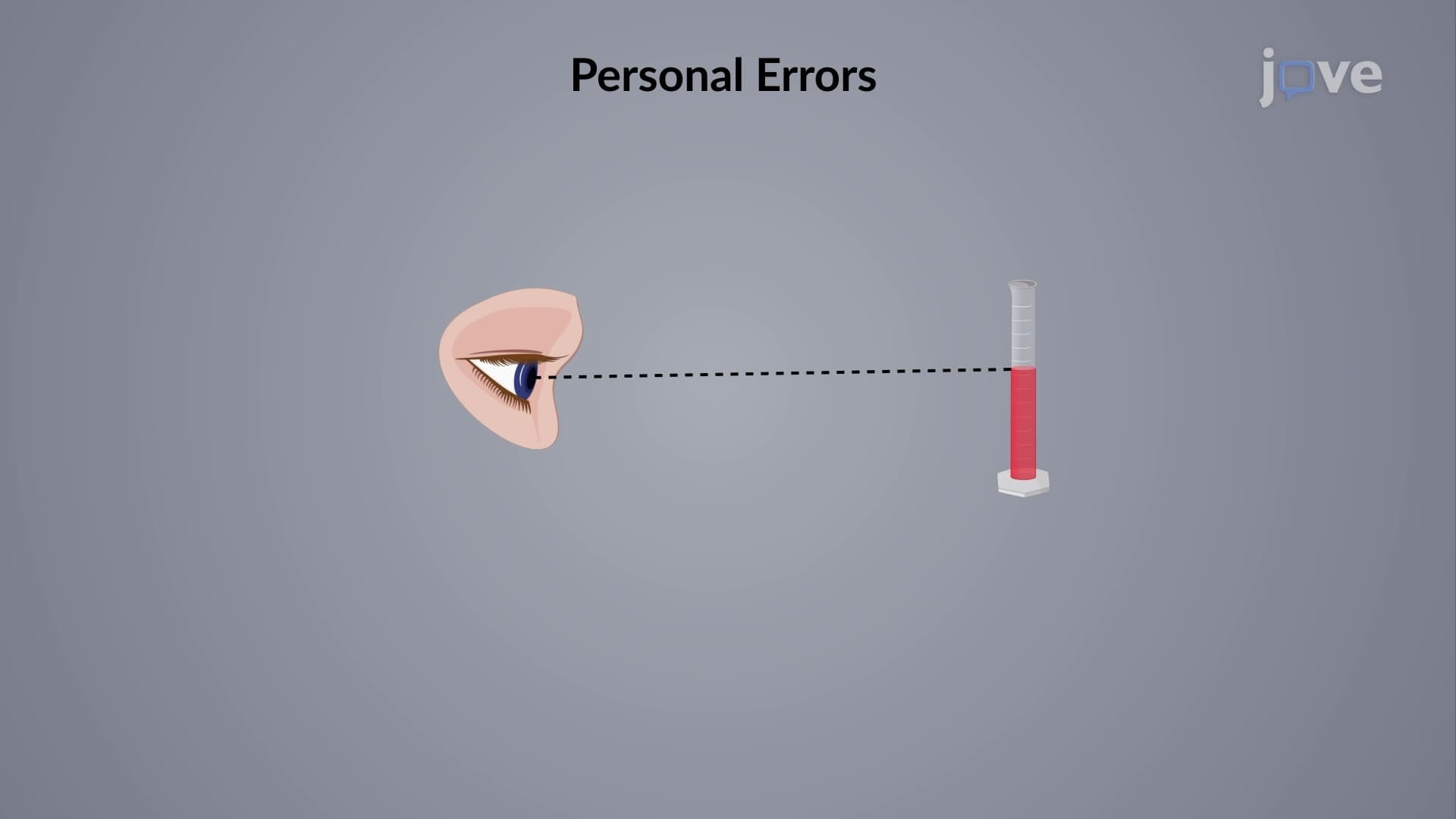

Video Summary: Systematic Error Methodological and Sampling Errors Guide
Did you know that a single miscalibrated balance in a chemistry lab can throw off an entire semester's worth of student experiments? Understanding systematic error types is crucial for accurate scientific measurements and reliable research outcomes. From FDA drug testing laboratories to high school AP Chemistry classes across the United States, researchers must identify and minimize four distinct categories outlined in this Systematic Error Methodological And Sampling Errors Guide: sampling, instrumental, methodological, and personal errors. Watch the full video on JoVE Coach to master this concept with expert-led visuals and step-by-step explanations.
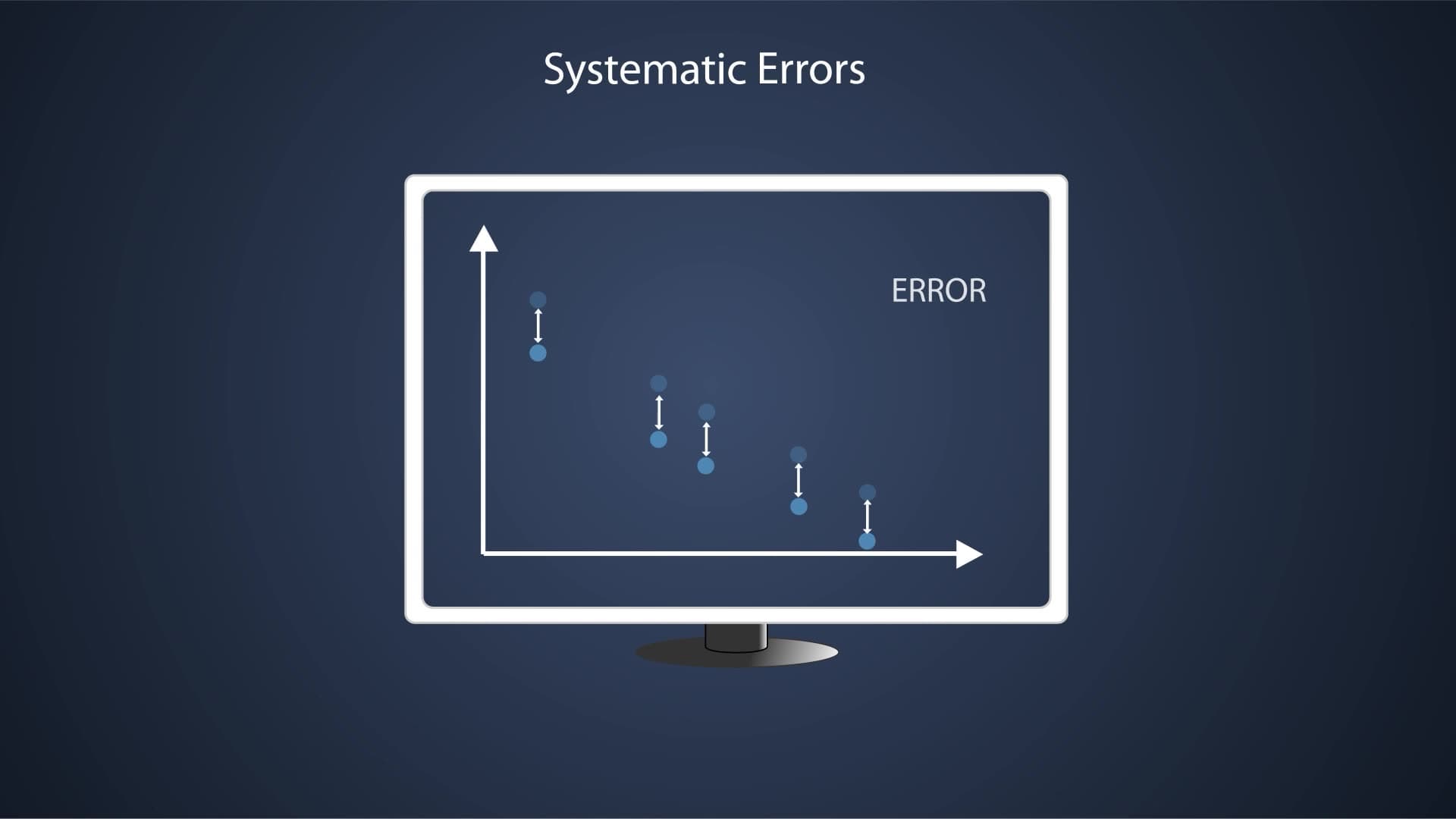
Systematic error types represent consistent, predictable deviations from true values that occur repeatedly under the same experimental conditions. Unlike random errors that fluctuate unpredictably, systematic errors create reproducible bias that can severely compromise scientific validity. The Centers for Disease Control and Prevention (CDC) emphasizes systematic error identification as fundamental to epidemiological research and public health data interpretation.
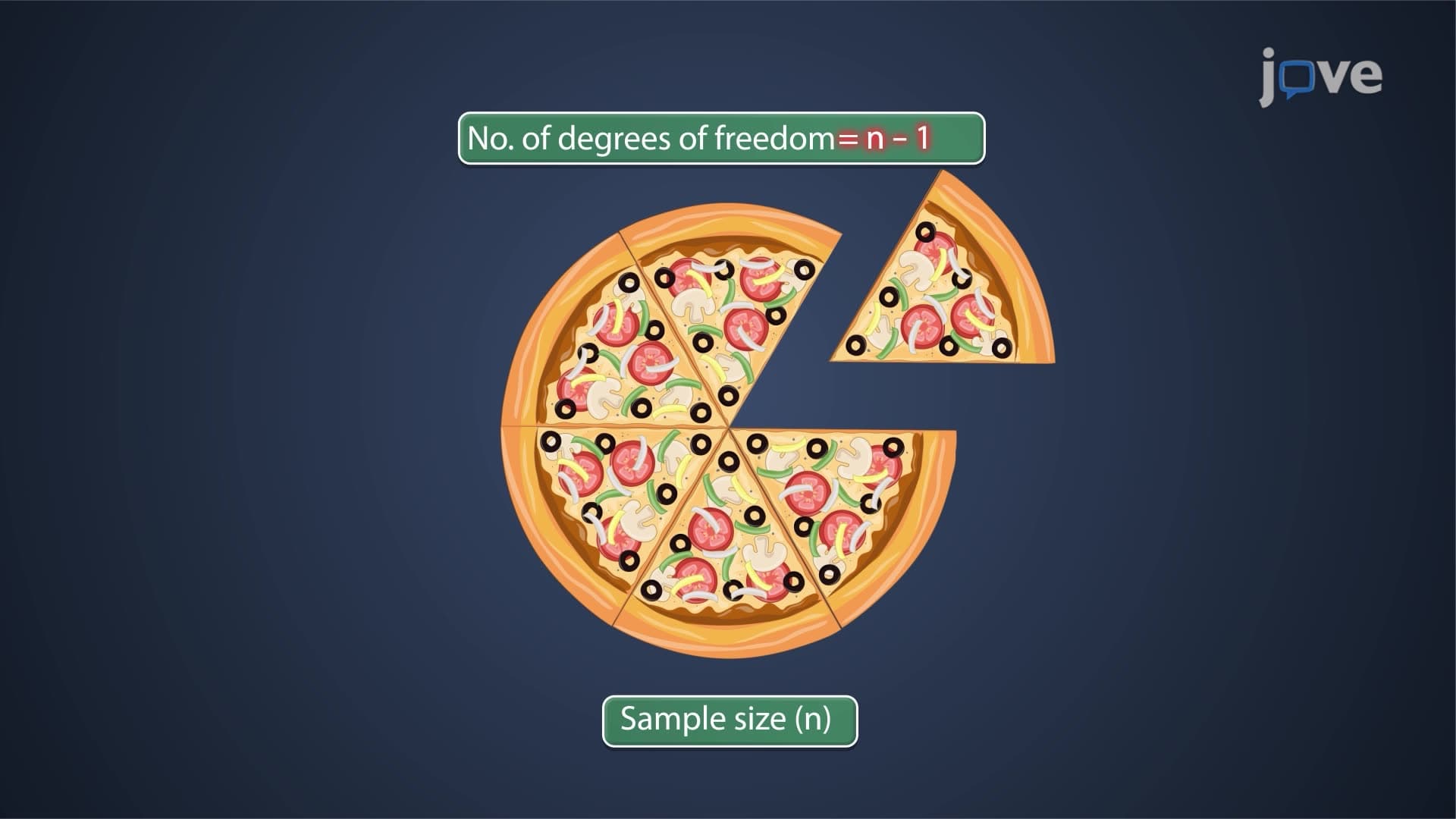
Sampling errors emerge from flawed data collection strategies that fail to represent target populations accurately. For example, if a researcher studying adolescent obesity in Texas only surveys students from affluent suburban schools, the results won't reflect statewide demographics. These methodological errors in research can be minimized through stratified random sampling, adequate sample sizes, and representative selection criteria.
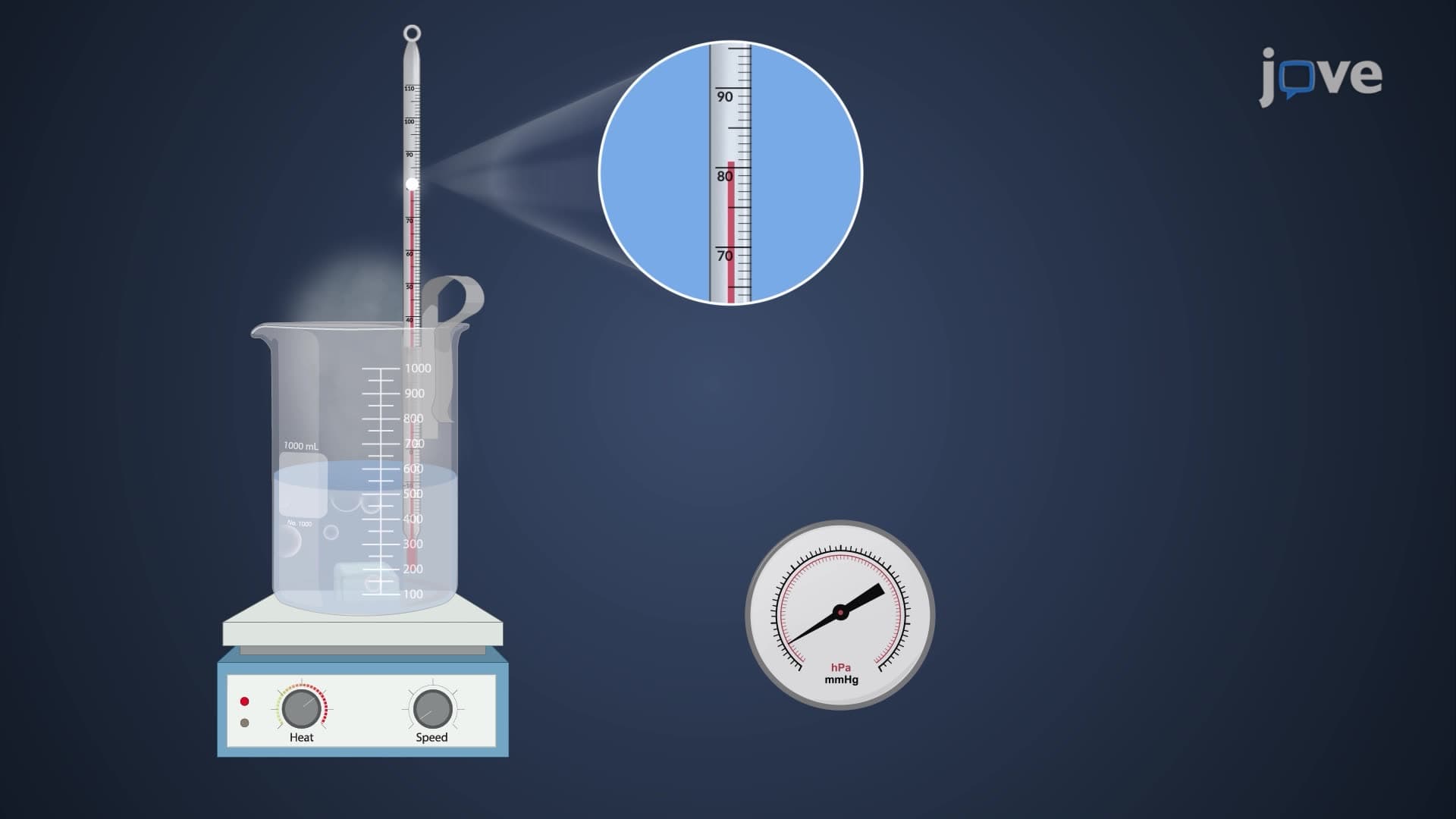
Instrumental errors originate from equipment malfunctions, improper calibrations, or systematic measurement device limitations. Consider how uncalibrated spectrophotometers in college biochemistry labs can consistently overestimate protein concentrations. Regular calibration using certified reference standards, preventive maintenance schedules, and equipment validation protocols effectively eliminate these sources of systematic bias chemistry experiments.
Methodological errors stem from limitations inherent in analytical procedures, non-ideal reagent behavior, or invalid theoretical assumptions. Pharmaceutical companies conducting FDA drug trials must account for methodological limitations by using parallel analysis techniques, blank controls, and standard reference materials. These error minimization techniques ensure regulatory compliance and patient safety.
Personal errors result from analyst carelessness, skill limitations, or cognitive biases. In clinical laboratories processing patient samples, technicians might consistently read instrument displays from incorrect angles, creating measurement bias. Implementing automated procedures, standardized protocols, and regular competency assessments helps minimize human-related systematic errors.
Understanding error magnitude relationships helps researchers choose appropriate correction strategies. Constant errors maintain consistent absolute magnitude regardless of sample size-like a balance that consistently reads 0.05g too high. Proportionate errors scale with sample size, such as volumetric pipettes that consistently deliver 2% less than intended volume. This distinction proves critical for AP Chemistry students learning quantitative analysis and college students preparing for MCAT physical sciences sections.
Related Micro-courses