Loading subject page…

- Analytical Chemistry
- Chemical Applications of Statistical Analyses
- Propagation of Uncertainty from Systematic Error
Micro-course: Chemical Applications of Statistical Analyses
104,967 views
Learn key concepts and earn your certificate.














Propagation of Uncertainty from Systematic Error

00:00
01:10
Video Summary: Understanding Uncertainty Propagation Due to Systematic Errors
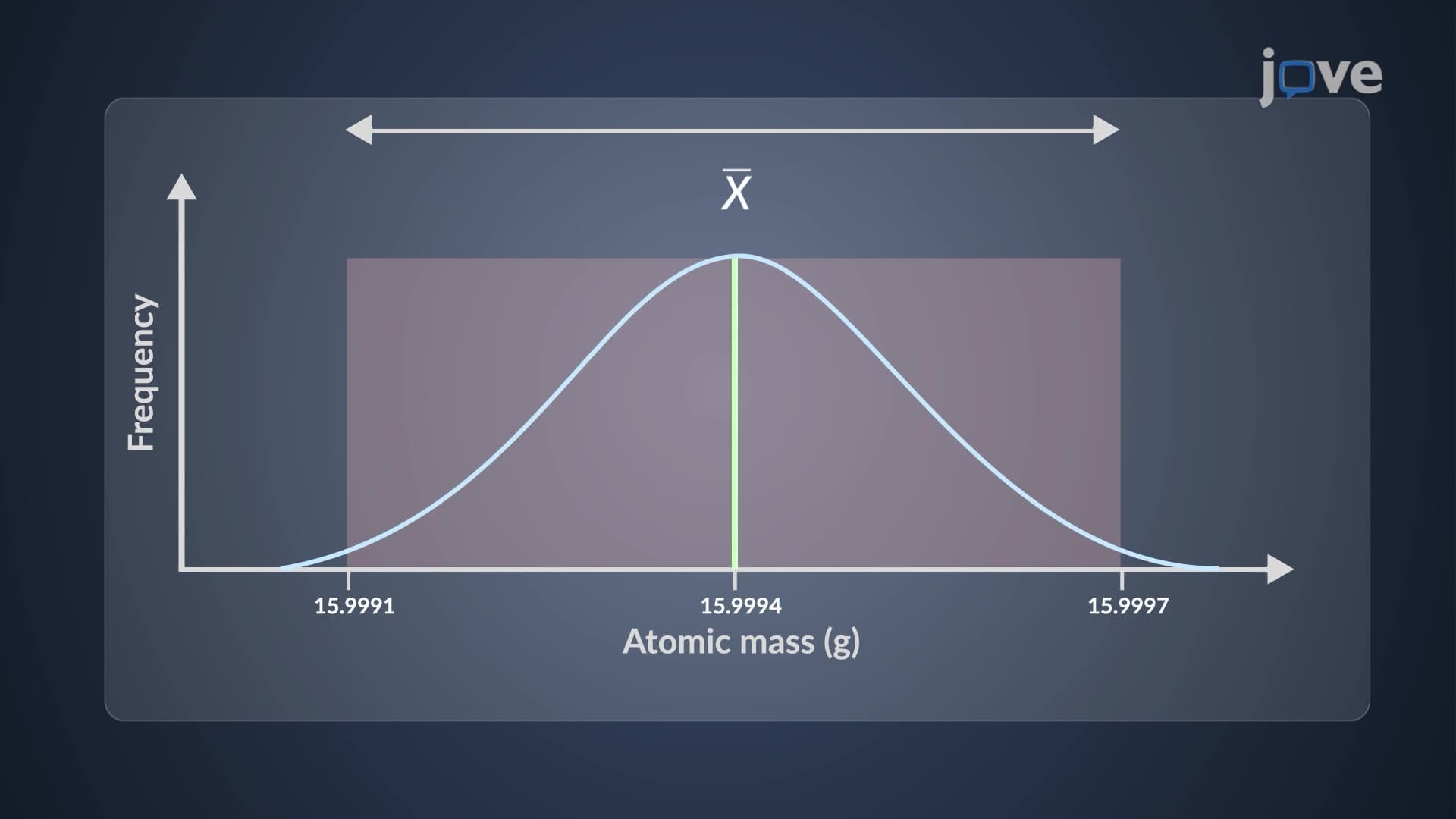
Ever wondered why the atomic mass of carbon on your periodic table might differ slightly from laboratory measurements? Systematic error propagation explains how consistent biases in measurement sources-like varying isotope concentrations in carbon samples from different US mines-create predictable uncertainty patterns. Unlike random errors that follow bell curves, systematic errors create rectangular distributions where all values between minimum and maximum are equally likely. Understanding uncertainty propagation due to systematic errors helps predict how these biases combine when calculating molecular masses in compounds. Watch the full video on JoVE Coach to master this concept with expert-led visuals and step-by-step explanations.
- Understand the fundamental principles behind understanding uncertainty propagation due to systematic errors and how they differ from random error patterns
- Identify rectangular probability distributions characteristic of systematic errors versus Gaussian distributions of random errors
- Analyze how isotope concentration variations in elemental sources create systematic measurement uncertainties
- Apply mathematical formulas to calculate combined systematic uncertainty in molecular mass determinations
- Evaluate the contribution of individual atomic uncertainties to net molecular uncertainty through proper propagation methods
- Compare systematic error propagation patterns with random error accumulation in experimental measurements
- Recognize real-world scenarios where systematic errors dominate measurement uncertainty in analytical chemistry
- Explore how systematic bias affects final experimental results and measurement reliability in laboratory settings
Understanding Uncertainty Propagation Due to Systematic Errors: Foundation Concepts
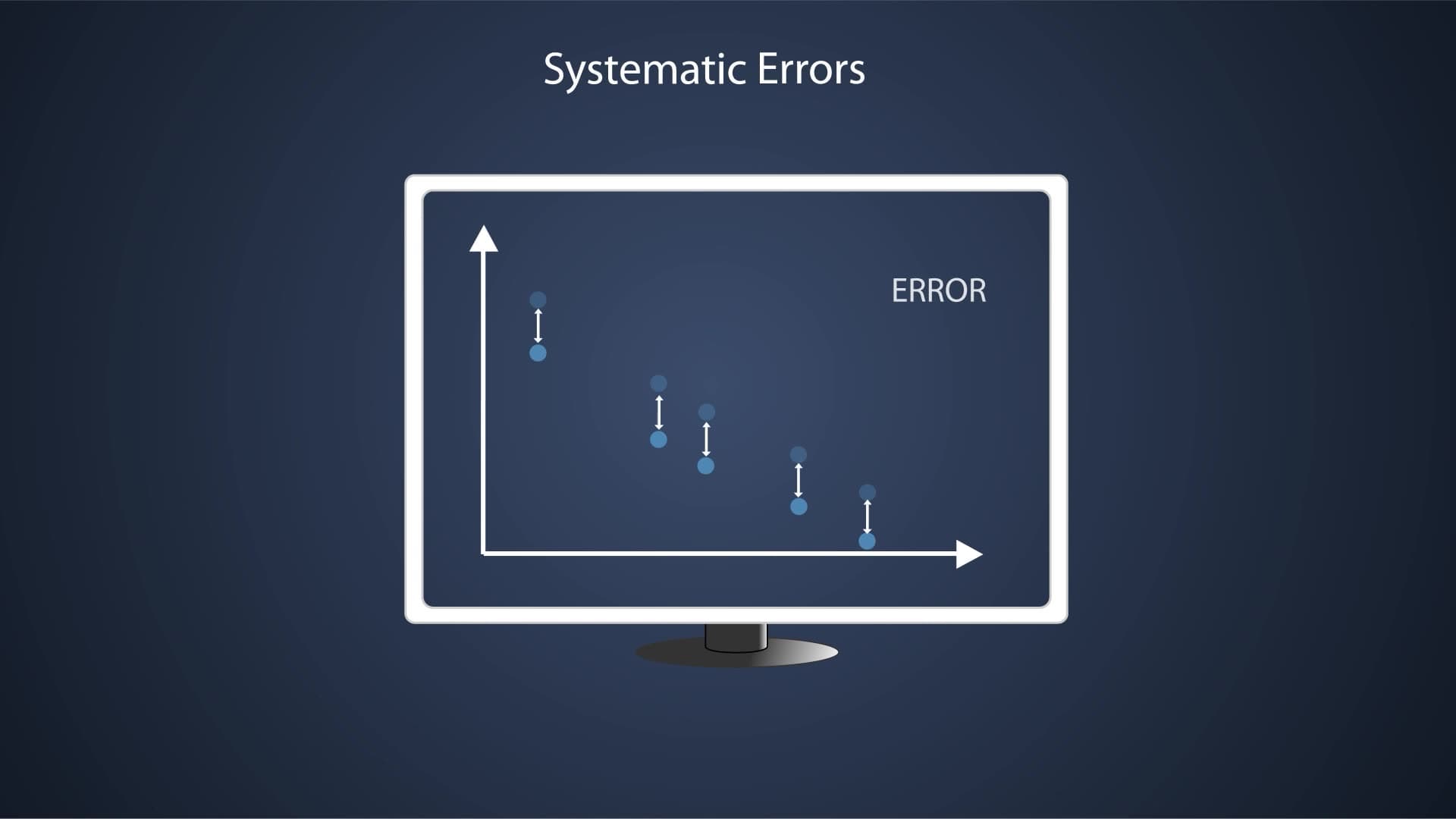
Systematic error propagation represents a fundamental challenge in analytical measurements where consistent biases accumulate predictably throughout experimental procedures. Unlike random errors that cancel out over multiple measurements, systematic errors maintain their directional bias, creating uncertainty patterns that require specialized mathematical treatment.
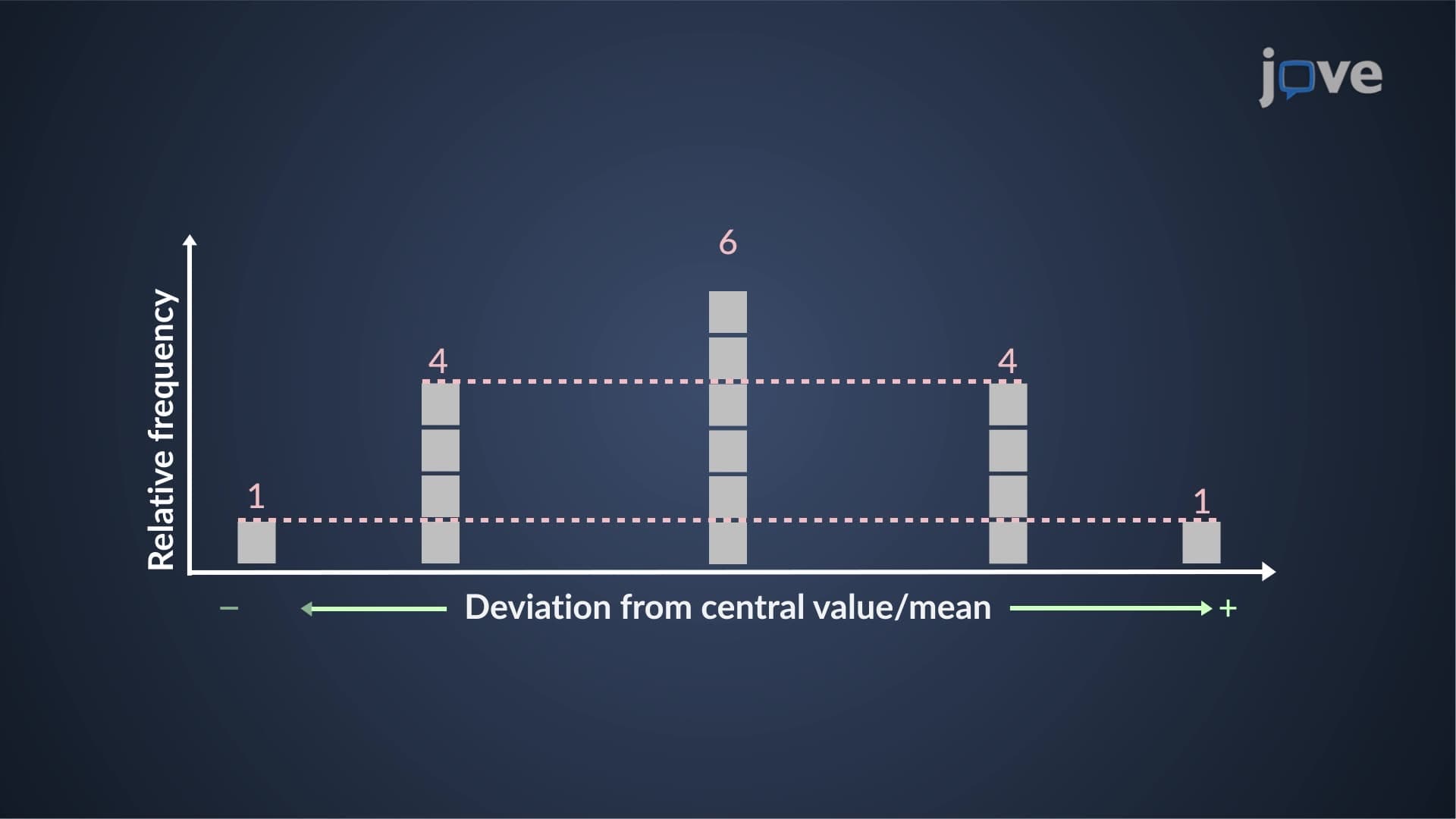
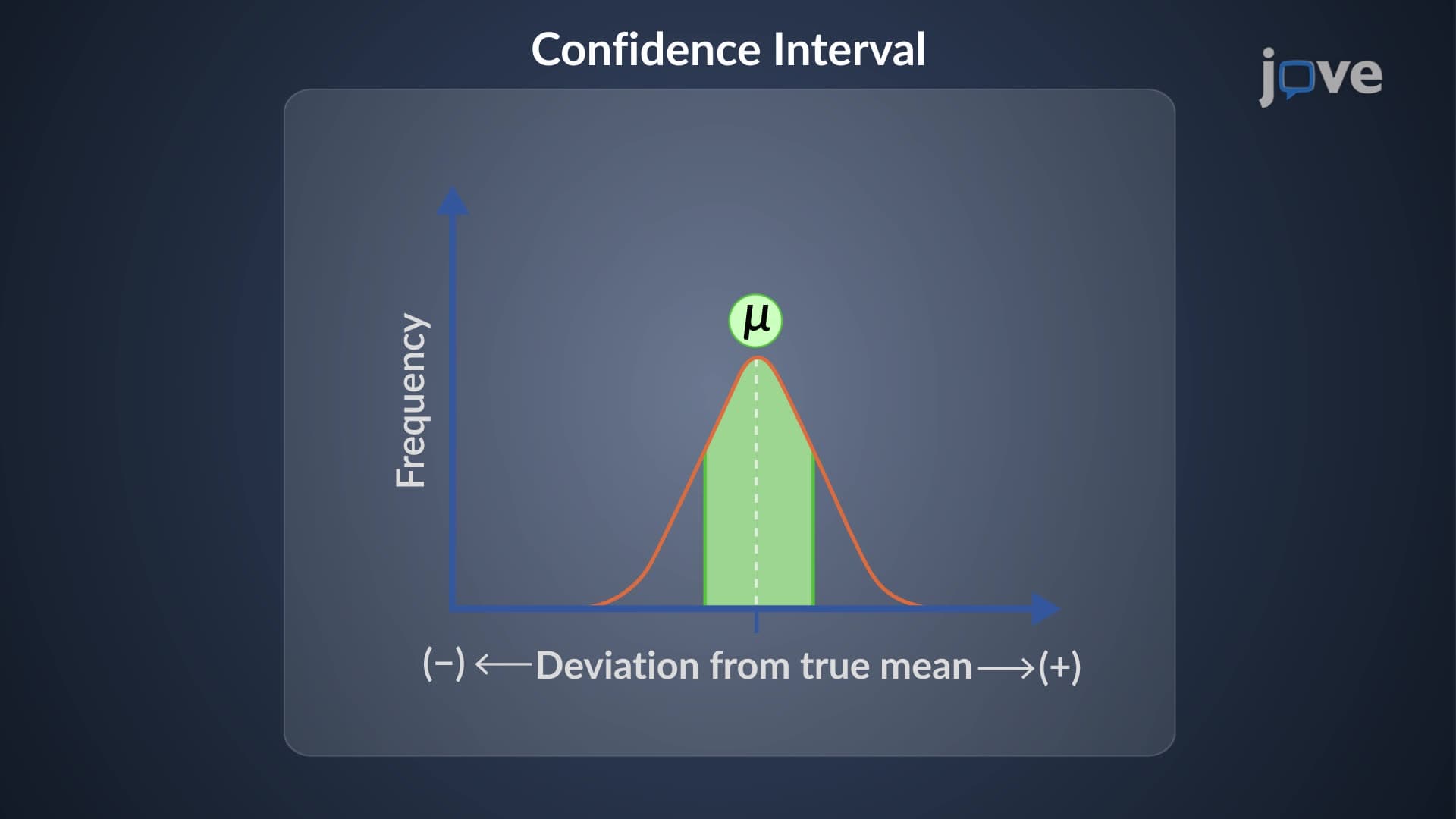
The key distinction lies in probability distributions. Random errors follow Gaussian (normal) distributions with most values clustering around the mean, while systematic errors exhibit rectangular distributions where all values between the minimum and maximum boundaries are equally probable. This uniform probability creates unique challenges for uncertainty propagation systematic errors calculations.
Mathematical Framework for Combined Systematic Uncertainty
When calculating how systematic errors affect final results, scientists use specific propagation formulas. For molecular mass calculations, the process involves three critical steps: first, multiply the number of identical atoms by their individual standard uncertainties; second, square each element's total standard uncertainty; third, sum these squared values and take the square root to find the combined uncertainty.
Consider calculating the molecular mass uncertainty for water (H2O) using US laboratory standards. If hydrogen atoms from Texas natural gas have a standard uncertainty of ±0.001 u and oxygen from California air has ±0.002 u, the combined uncertainty becomes: √[(2 × 0.001)² + (1 × 0.002)²] = ±0.0028 u.
Real-World Applications in US Laboratory Settings
Additive error propagation appears frequently in pharmaceutical manufacturing, where API (Active Pharmaceutical Ingredient) concentrations must meet FDA specifications. When systematic errors from different analytical instruments combine-such as UV spectrophotometers calibrated with different reference standards-the resulting uncertainty can push measurements outside acceptable limits.
Environmental testing laboratories across the US encounter systematic bias propagation when analyzing soil samples from different geological regions. Mercury concentrations in California soil might consistently read higher due to natural ore deposits, while similar measurements in Florida show systematic low bias from different geological foundations.
Exam Applications and Study Strategies
Understanding linear propagation of errors proves essential for AP Chemistry students tackling experimental design questions. College chemistry courses frequently test systematic uncertainty calculation concepts through laboratory report assignments and exam problems involving multi-step synthetic procedures.
MCAT Physical Sciences sections regularly include systematic error propagation questions, particularly in passages describing analytical chemistry techniques. Students should practice identifying rectangular versus Gaussian distribution patterns and applying appropriate mathematical frameworks for uncertainty calculations.
Frequently Asked Questions
Understanding uncertainty propagation due to systematic errors involves analyzing how consistent measurement biases combine and accumulate through calculations, creating rectangular probability distributions rather than the bell-shaped curves seen with random errors. This systematic approach requires different mathematical treatments since these errors don't cancel out over multiple measurements. The predictable nature of systematic errors makes them both more challenging to detect and more important to account for in final uncertainty calculations.
AP Chemistry frequently tests systematic error concepts through experimental design and data analysis questions, particularly in the laboratory-based free response sections. Students encounter problems involving instrument calibration errors, reagent purity variations, and environmental condition effects that systematically bias results. These questions often require identifying error sources, calculating combined uncertainties, and suggesting experimental modifications to minimize systematic bias effects.
MCAT Physical Sciences regularly includes systematic error propagation in analytical chemistry passages, testing your ability to distinguish systematic from random errors and calculate combined uncertainties. These questions typically involve laboratory techniques like spectrophotometry, chromatography, or mass spectrometry where systematic biases significantly impact final results. Focus on recognizing rectangular distribution patterns and applying proper mathematical propagation formulas for optimal performance.
US pharmaceutical companies must account for systematic error propagation when ensuring drug potency meets FDA specifications across different manufacturing batches and facilities. For example, if raw material suppliers consistently provide APIs with slight concentration biases, these systematic errors propagate through formulation calculations, potentially affecting final product quality. Companies use statistical process control methods incorporating systematic uncertainty calculations to maintain regulatory compliance.
Systematic error propagation concepts are absolutely accessible to motivated high school students, especially those in AP Chemistry or advanced physics courses. The mathematical framework relies primarily on basic algebra and square root calculations, making it manageable for students comfortable with scientific notation and uncertainty analysis. Starting with simple two-component systems helps build confidence before tackling more complex molecular calculations.
Focus on practicing the three-step calculation method: multiply identical atoms by their uncertainties, square each element's total uncertainty, then sum and take the square root. Create flashcards distinguishing rectangular versus Gaussian distributions, and work through diverse molecular examples like pharmaceuticals, environmental pollutants, and biological compounds. Practice identifying systematic error sources in experimental descriptions and proposing appropriate correction methods.
Mastering systematic error propagation provides essential foundation knowledge for instrumental analysis, quantitative analysis, and physical chemistry laboratory courses where measurement uncertainty dominates experimental success. Advanced courses build upon these concepts when discussing method validation, quality assurance protocols, and research-grade instrumentation calibration. This knowledge proves particularly valuable for students pursuing careers in analytical chemistry, environmental science, or pharmaceutical research.
Build upon systematic error knowledge by exploring method validation statistics, including accuracy, precision, and detection limit calculations used in professional analytical laboratories. Study instrument-specific systematic errors like matrix effects in mass spectrometry or baseline drift in chromatography, then advance to quality control charting methods and statistical process control techniques used throughout US industry.
Systematic errors create consistent directional bias in measurements-like a balance reading 0.05 g too high-while random errors fluctuate unpredictably around the true value. In college labs, systematic errors often arise from uncalibrated instruments, contaminated reagents, or environmental factors like temperature drift, requiring different correction strategies than random errors which improve through repeated measurements and statistical averaging.
Related Micro-courses

19 Concepts

14 Concepts
17 Concepts