Loading subject page…

- Analytical Chemistry
- Chemical Applications of Statistical Analyses
- Types of Errors: Detection and Minimization
Micro-course: Chemical Applications of Statistical Analyses
104,967 views
Learn key concepts and earn your certificate.










Types of Errors: Detection and Minimization

00:00
01:12
Video Summary: What are Types of Errors Detection
Ever wonder why your chemistry lab results never match the textbook values exactly? Understanding error detection types is crucial for any scientist, from high school AP Chemistry students to researchers at the CDC analyzing COVID-19 data. When pharmaceutical companies like Pfizer test new medications, they must identify and minimize measurement errors that could affect patient safety. What are Types of Errors Detection reveals the systematic approach scientists use to classify and control experimental uncertainties. Watch the full video on JoVE Coach to master this concept with expert-led visuals and step-by-step explanations.
- Understand What are Types of Errors Detection and classify measurement uncertainties into systematic, random, and gross error categories
- Identify the fundamental difference between absolute error (measured minus true value) and relative error (percentage deviation from actual value)
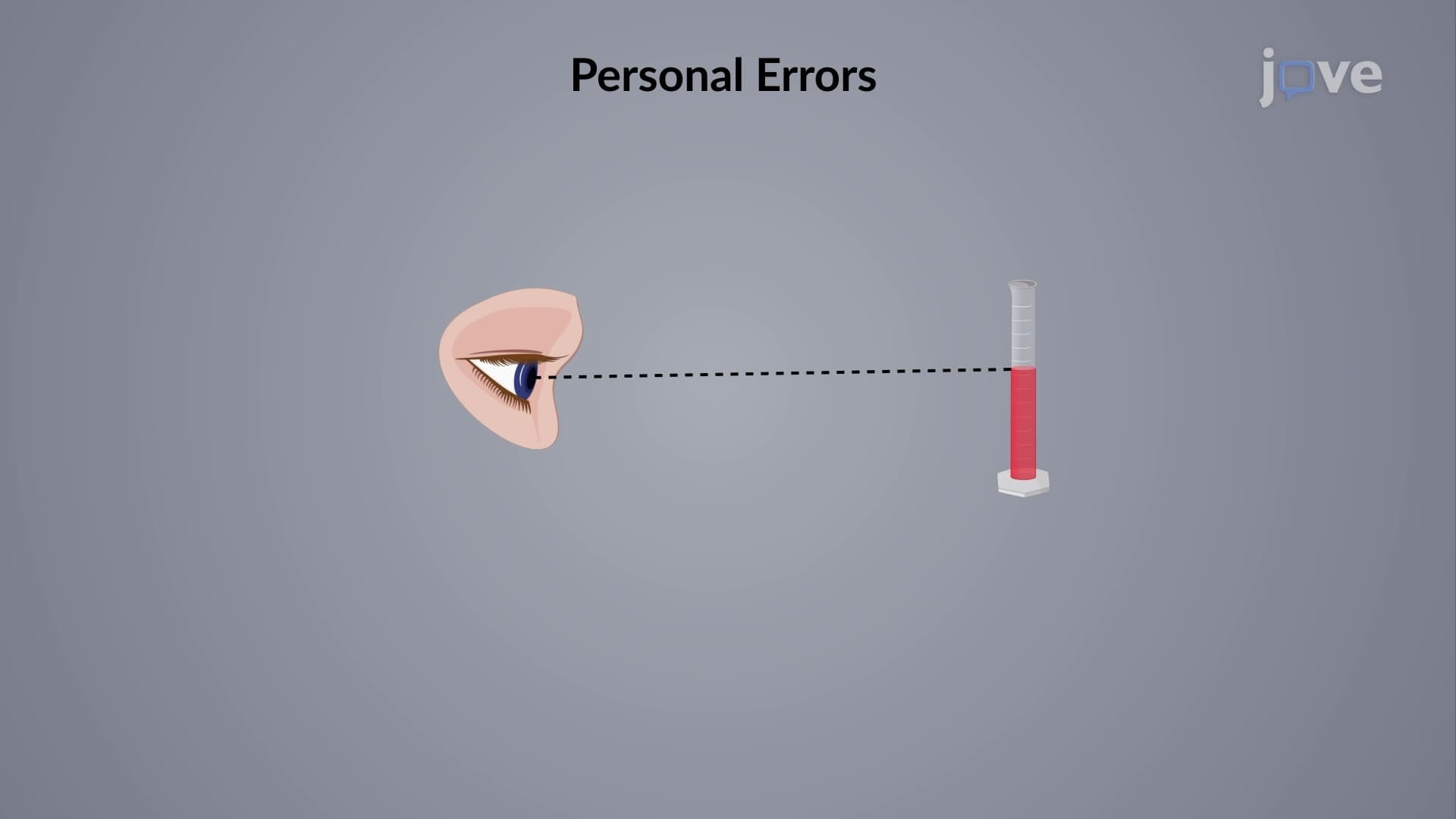
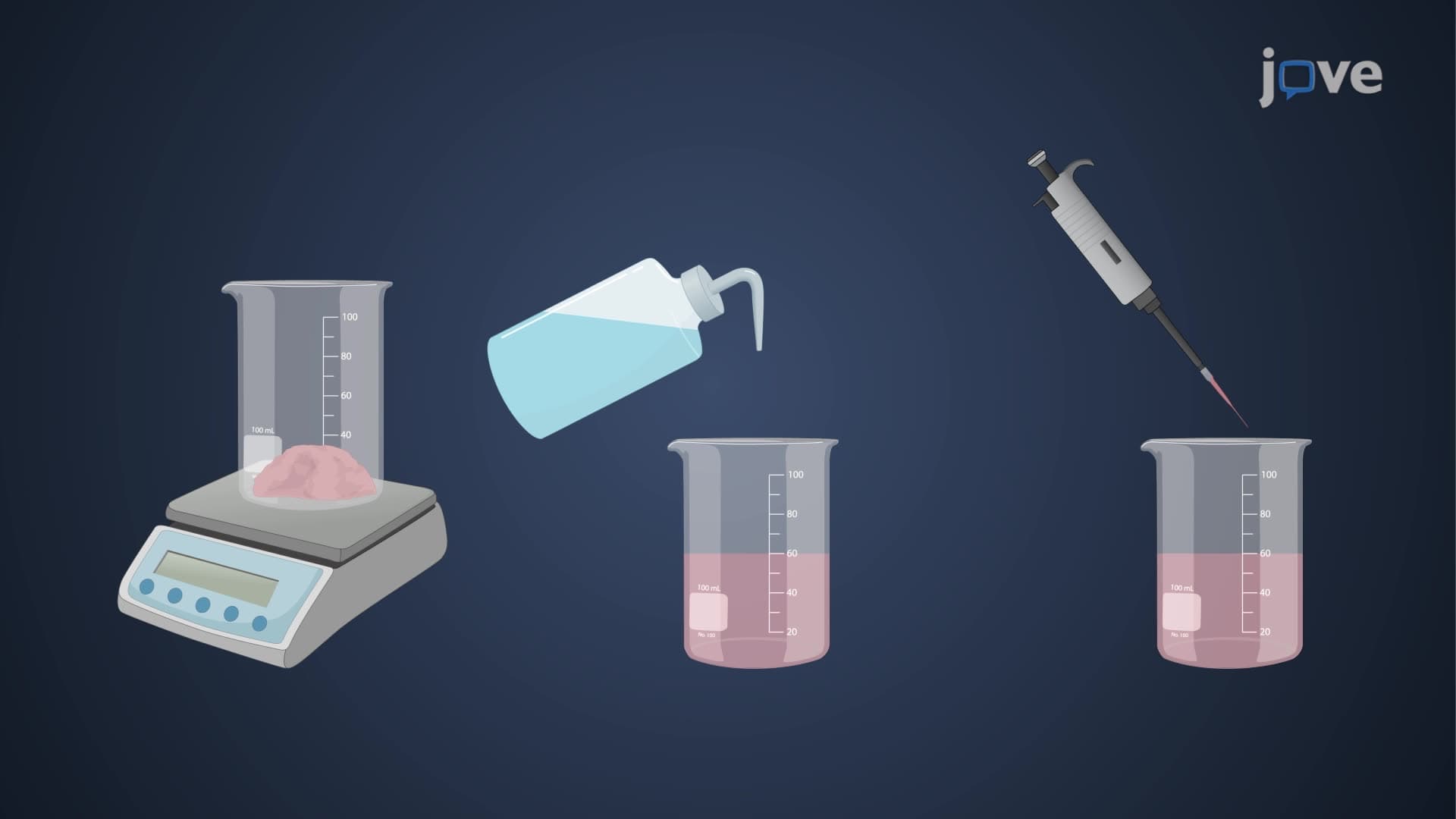
- Analyze sources of measurement error including defective equipment, environmental fluctuations, and human mistakes in laboratory settings
- Compare systematic errors (reproducible, equipment-based) with random errors (unpredictable, scattered around central values)
- Evaluate detection methods for systematic errors using standard reference materials, independent analysis, and blank determinations
- Apply error minimization techniques by varying sample sizes and implementing quality control protocols
- Recognize how gross errors from human mistakes differ in magnitude and detectability from other error types
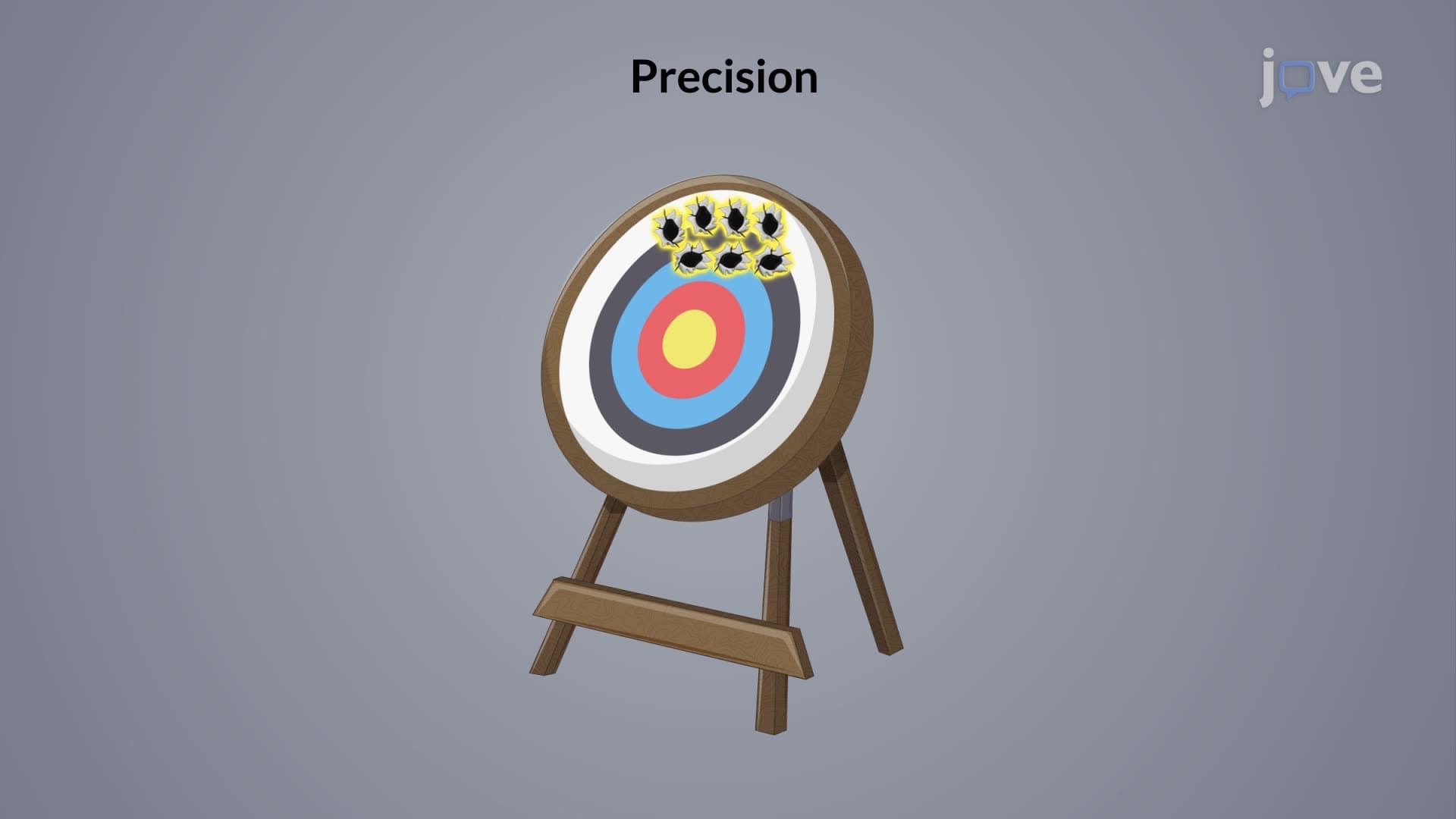
- Explore the relationship between precision (reproducibility) and accuracy (closeness to true value) in experimental measurements
Understanding What are Types of Errors Detection in Scientific Measurement
Error detection represents a fundamental skill that separates novice experimenters from skilled scientists. In any measurement-whether you're determining the density of an unknown metal in AP Chemistry or analyzing blood glucose levels in a clinical laboratory-understanding types of experimental errors enables you to produce reliable, defensible results.
Classification of Measurement Errors: The Three-Category System
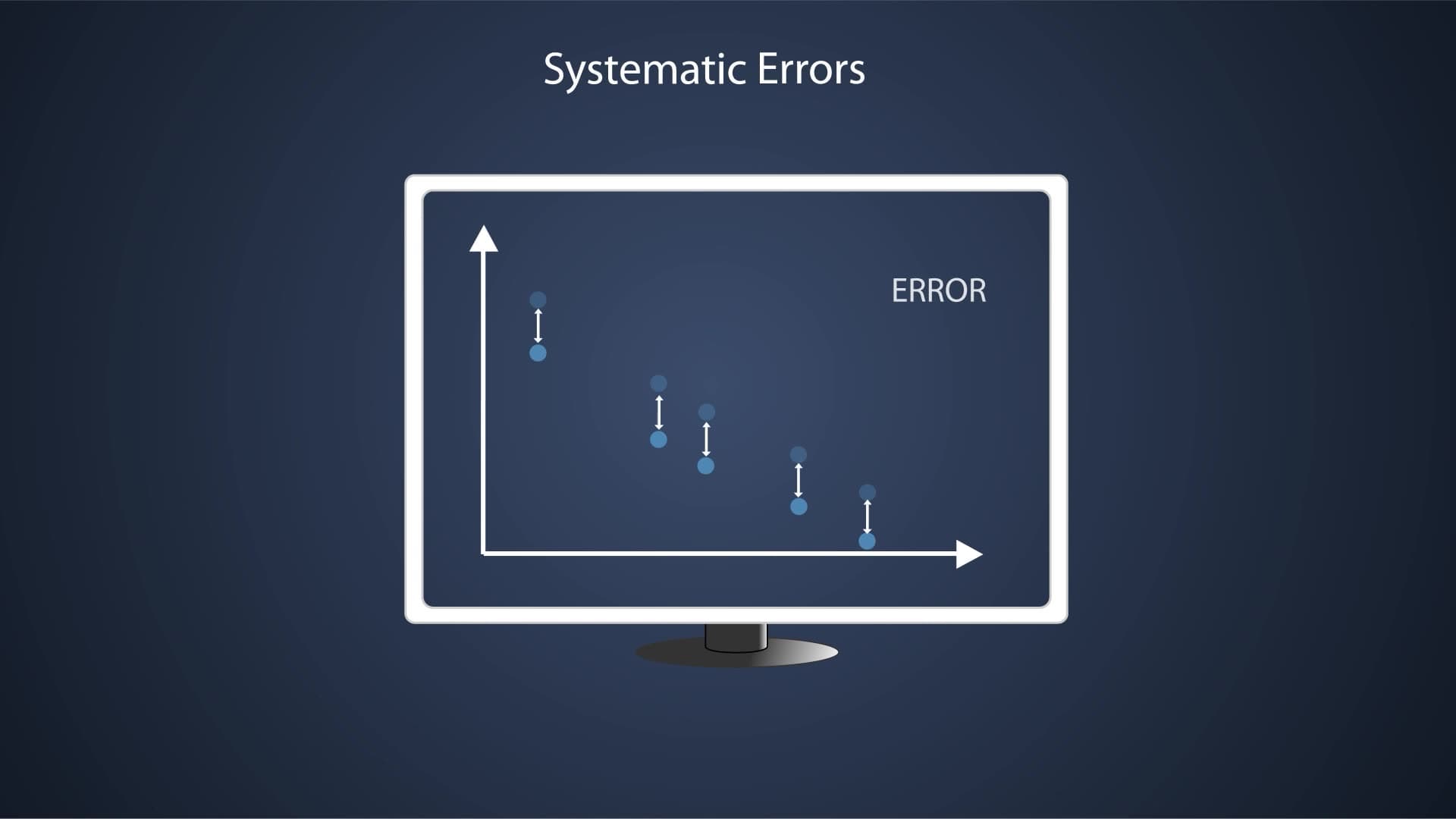
Scientists classify measurement errors into three distinct categories based on their origin and behavior patterns. Systematic errors represent the most insidious type because they consistently bias results in one direction. These errors stem from calibration problems, such as a balance that consistently reads 0.05 grams high, or from procedural flaws like incomplete mixing in titrations. For example, when students at UCLA's chemistry department consistently obtained sodium chloride concentrations 3% higher than expected, investigation revealed their analytical balance required recalibration.
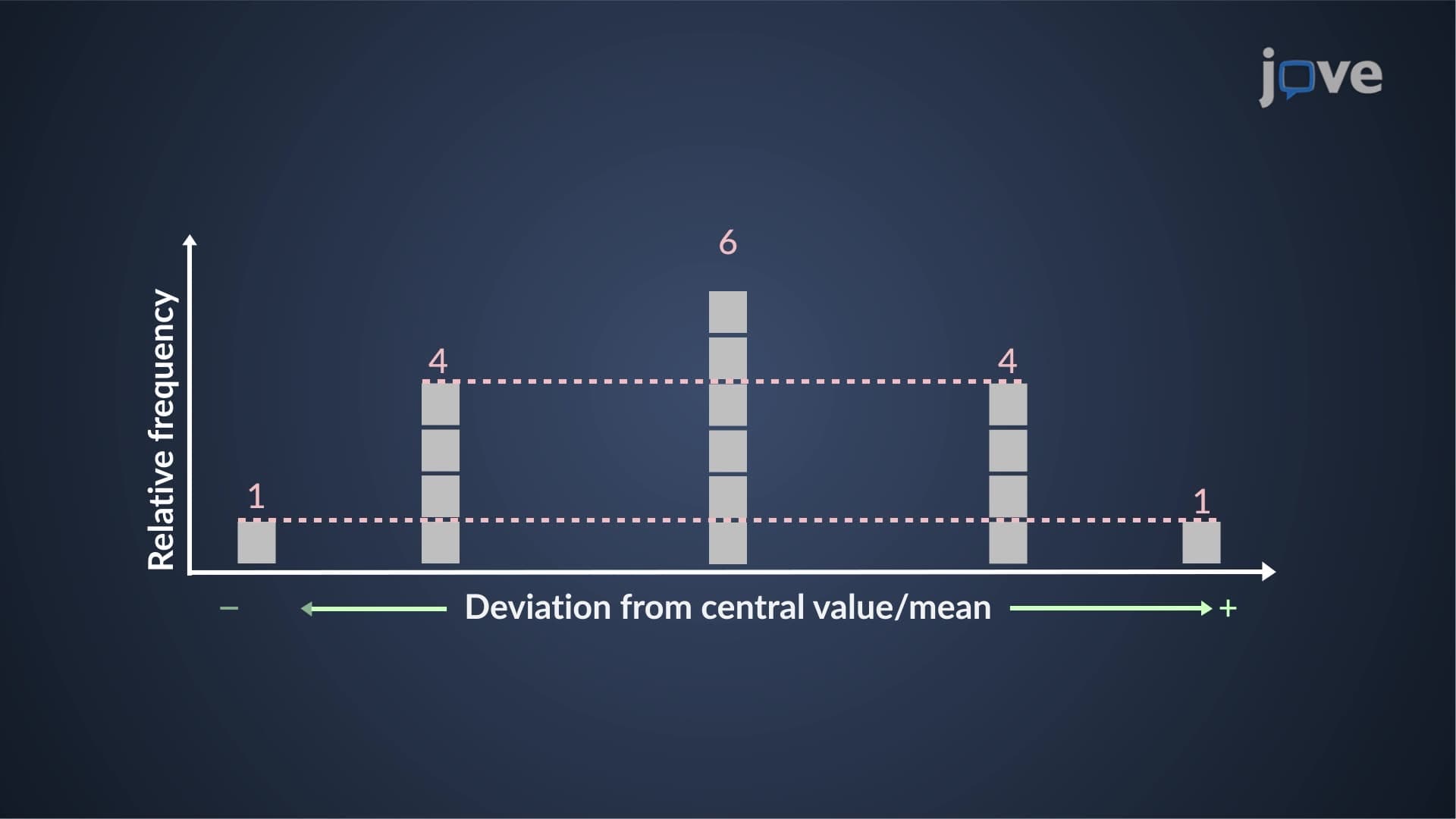
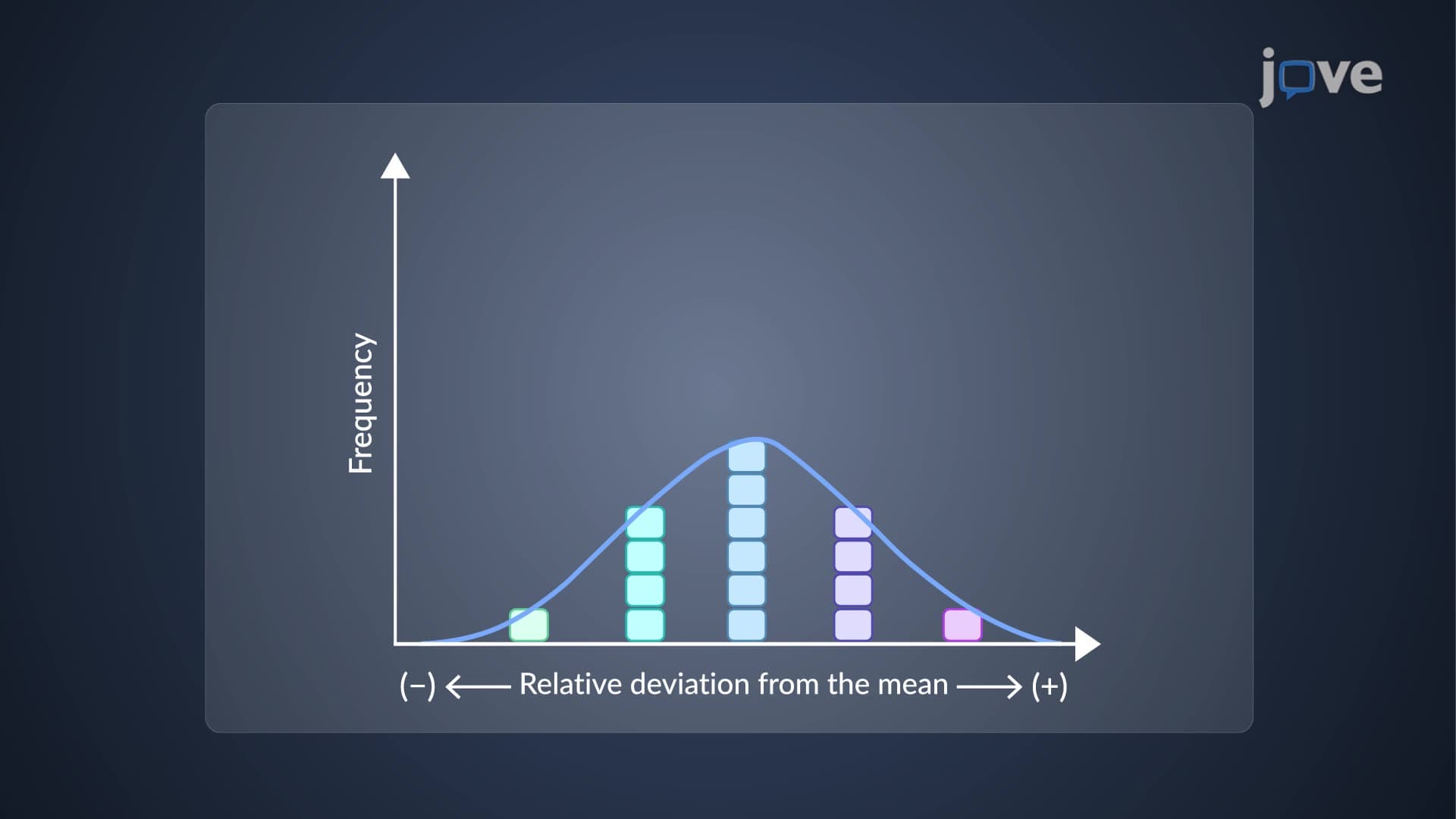
Random errors behave unpredictably, scattering measurements around the true value like buckshot around a bullseye. Temperature fluctuations, electrical noise in instruments, and slight variations in technique create these errors. Unlike systematic errors, random errors become apparent through repeated measurements-sometimes your result is high, sometimes low, but they average toward the true value.
Gross errors result from human blunders: misreading a scale, recording wrong numbers, or contaminating samples. These errors typically produce results that are obviously wrong-like calculating a density of 50 g/mL for water instead of 1 g/mL.
Strategies for Error Detection and Minimization
Professional laboratories employ multiple strategies to detect systematic errors. Standard reference materials from NIST (National Institute of Standards and Technology) provide known reference points. When analyzing vitamin C content in orange juice, comparing your results against certified reference materials reveals systematic bias.
Independent analysis involves different analysts using different methods to measure the same sample. If two students analyze the same copper sulfate solution using different techniques and obtain significantly different results, systematic error likely affects one method.
Practical Applications in Academic and Professional Settings
Understanding how to identify errors in experiments proves essential for success in standardized tests like the MCAT, where data analysis questions frequently test error recognition skills. Medical laboratory technicians must distinguish between random variation and systematic bias when reporting patient test results, as systematic errors could lead to misdiagnosis.
Frequently Asked Questions
Types of Errors Detection refers to the systematic classification and identification of measurement uncertainties in experimental work. It matters because understanding error types enables scientists to improve data quality, identify equipment problems, and produce reliable results that others can trust and reproduce.
Systematic errors consistently bias results in one direction due to equipment defects or procedural flaws, while random errors scatter unpredictably around the true value. Systematic errors can be detected and corrected, but random errors can only be minimized through repeated measurements and proper technique.
MCAT passages often present experimental data with obvious systematic bias or excessive random variation, requiring students to identify error sources and suggest improvements. Questions may ask about calibration standards, control experiments, or why results consistently deviate from expected values.
AP Chemistry students must identify sources of measurement uncertainty, distinguish between precision and accuracy problems, and suggest error reduction methods. The exam frequently includes laboratory-based questions requiring error analysis of experimental procedures and data interpretation.
Pharmaceutical companies use multiple analytical methods, certified reference standards, and blind duplicate analysis to detect systematic errors. They employ statistical process control to monitor random variation and implement strict quality assurance protocols to prevent gross errors that could affect patient safety.
No advanced statistics are required initially-basic concepts of mean, standard deviation, and percentage calculations suffice. High school algebra and basic scientific notation provide adequate mathematical background for understanding fundamental error detection principles in introductory chemistry and physics courses.
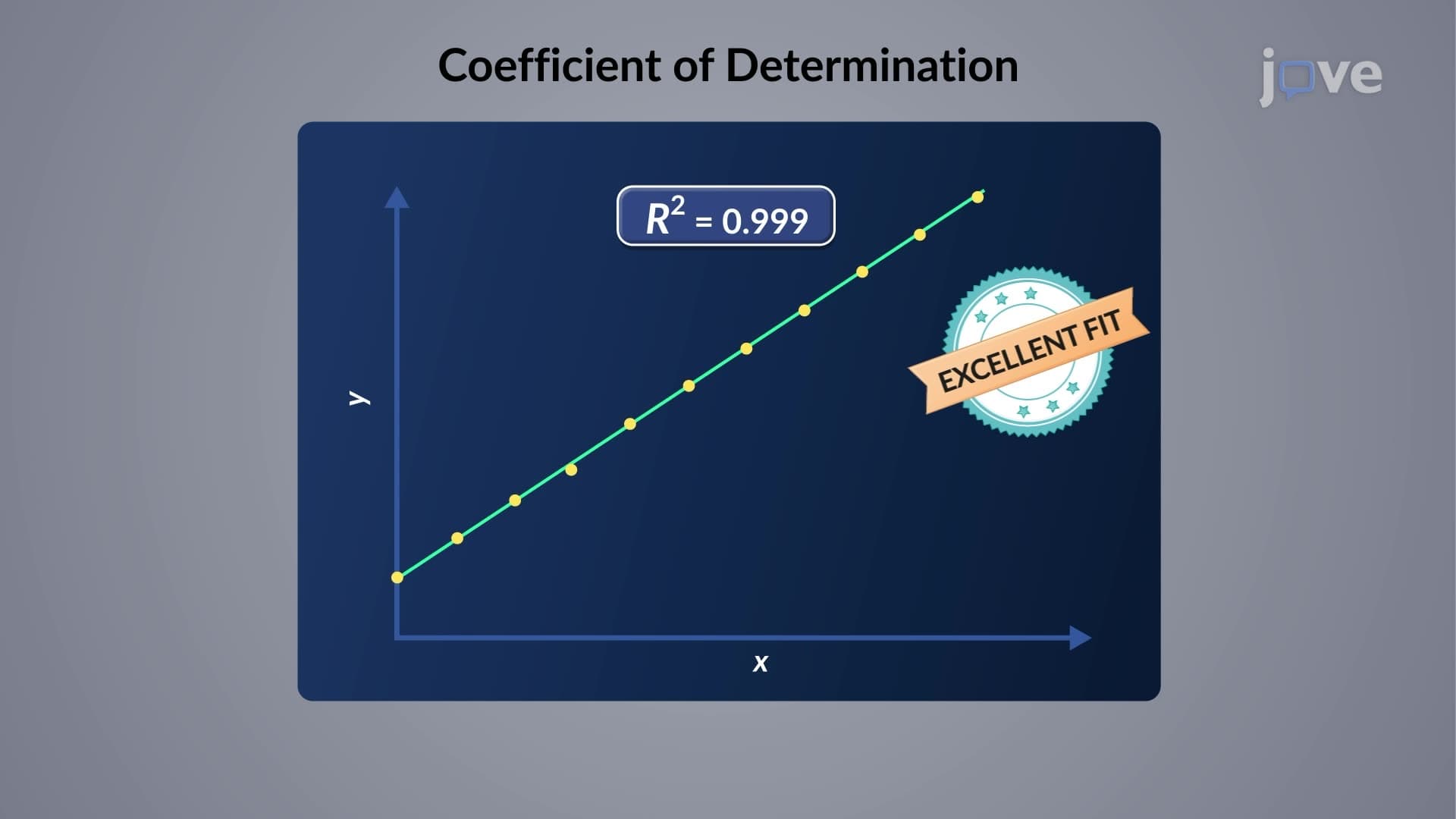
Practice with real laboratory data sets, work through error calculation problems daily, and create concept maps linking error types to their causes and detection methods. Focus on recognizing error patterns in graphs and data tables, as visual interpretation frequently appears on standardized tests.
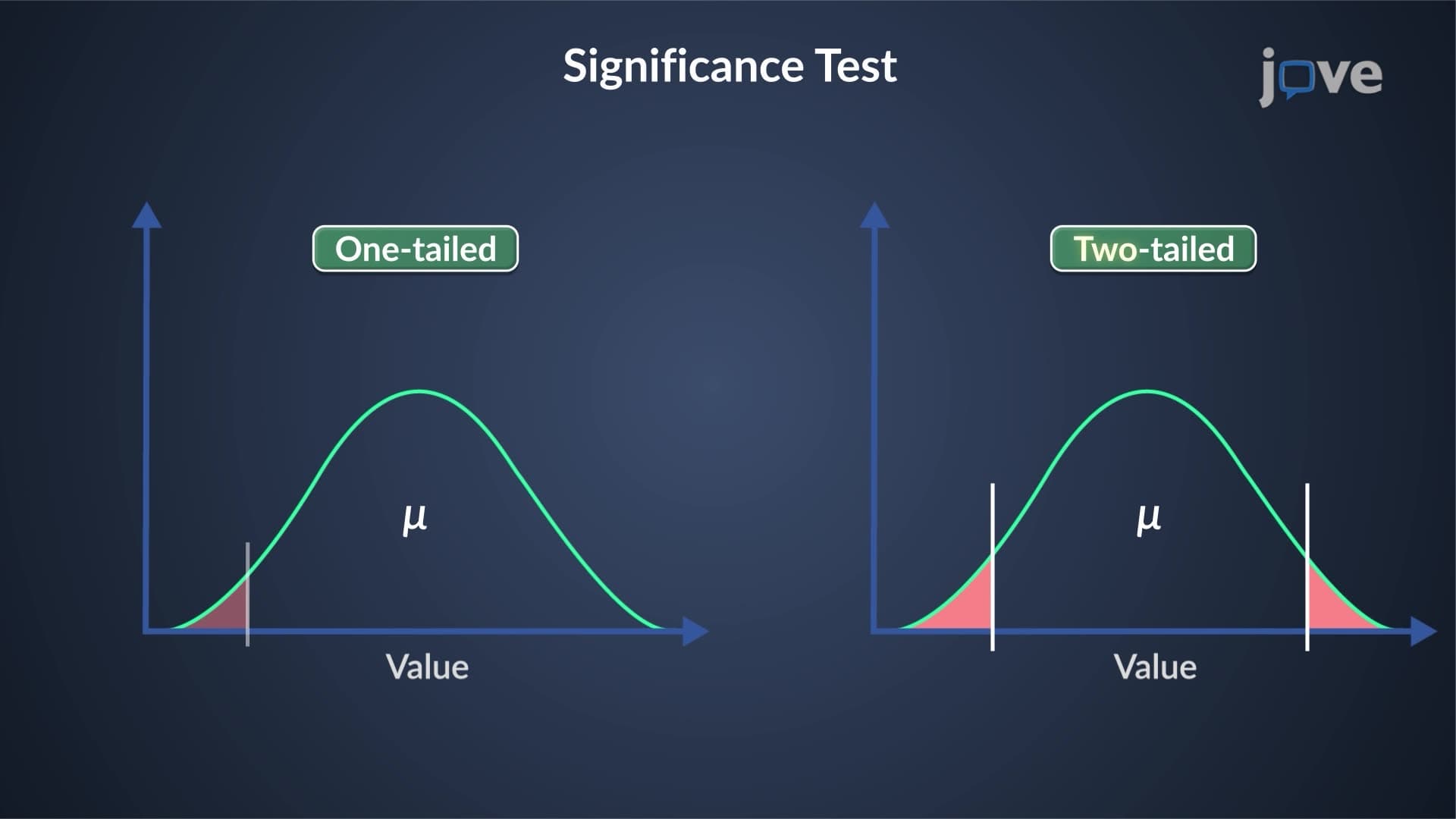
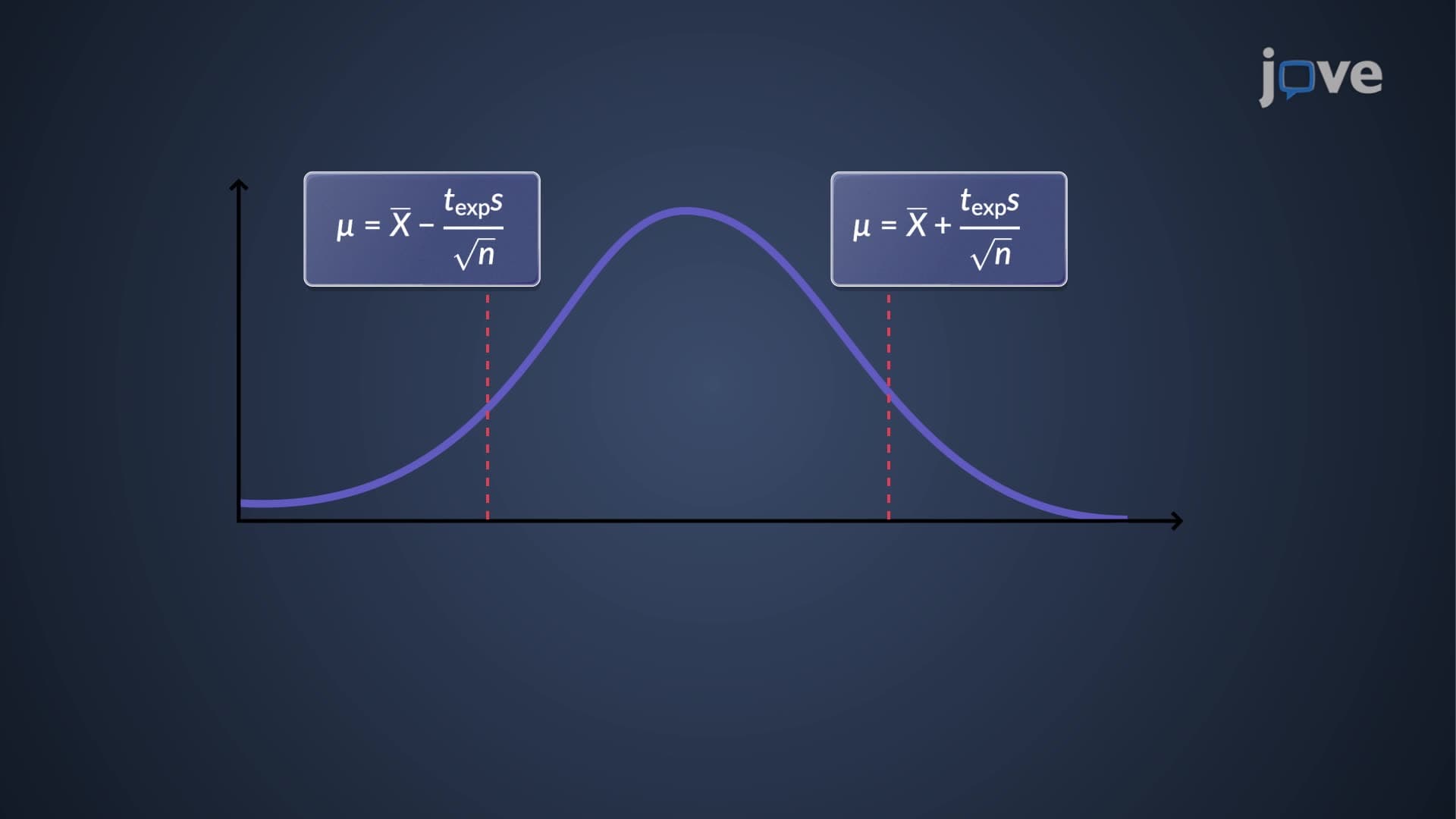
Advanced students can explore propagation of uncertainty through calculations, statistical hypothesis testing for detecting significant differences, and quality control charts used in analytical chemistry. These concepts build naturally from fundamental error detection principles.
Related Micro-courses

19 Concepts

14 Concepts
17 Concepts