Loading subject page…

- Analytical Chemistry
- Chemical Applications of Statistical Analyses
- Uncertainty: Overview
Micro-course: Chemical Applications of Statistical Analyses
104,967 views
Learn key concepts and earn your certificate.






Uncertainty: Overview

00:00
00:59
Video Summary: What Is Uncertainty
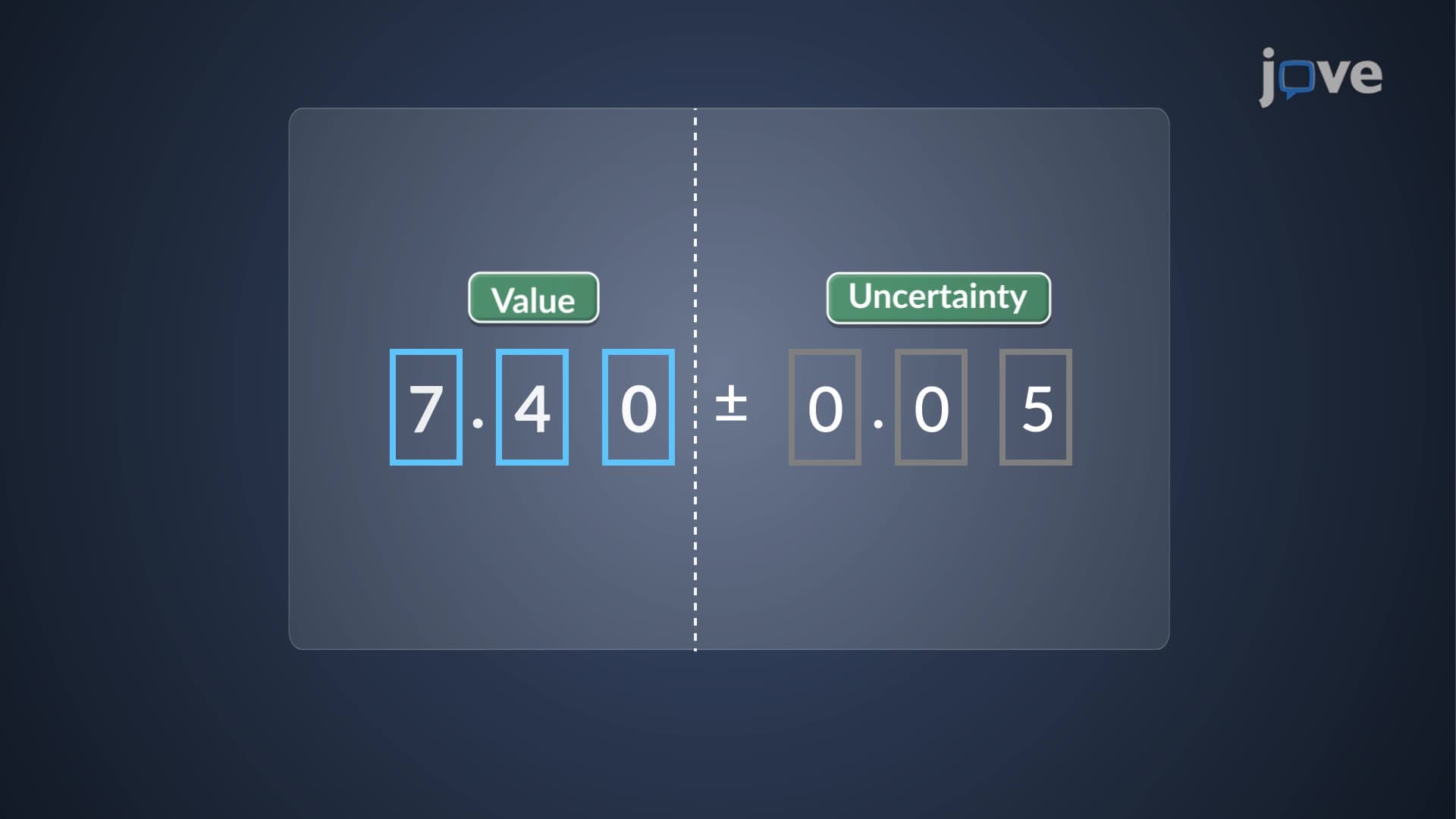
When NASA's Mars rover measures soil composition, why do scientists report results like "2.3 ± 0.1%"? Understanding measurement uncertainty basics is crucial for interpreting scientific data accurately. Unlike measurement errors, uncertainty represents the inherent range of possible values in any scientific measurement. From high school chemistry labs to FDA drug testing, uncertainty quantification affects everything from your AP Chemistry grade to life-saving medical decisions. Watch the full video on JoVE Coach to master this concept with expert-led visuals and step-by-step explanations.
- Understand what is uncertainty and how it differs fundamentally from measurement error in scientific analysis
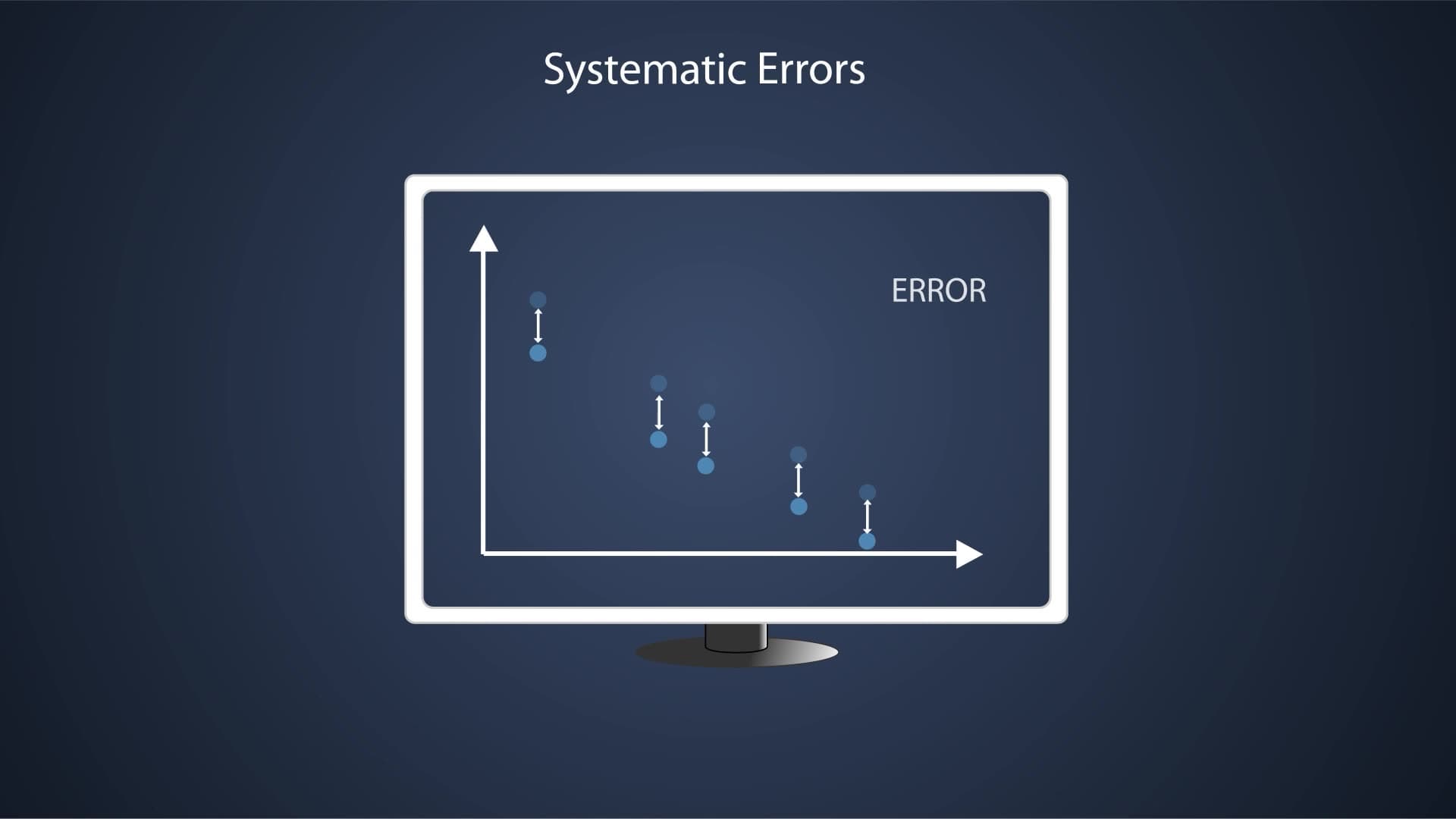
- Identify sources of uncertainty in laboratory measurements and distinguish between systematic and random variations
- Analyze the relationship between significant figures and uncertainty representation in experimental data
- Compare absolute uncertainty versus relative uncertainty and determine when to use each approach
- Apply uncertainty estimation techniques to real laboratory measurements and calculations
- Evaluate the impact of measurement uncertainty on experimental conclusions and data interpretation
- Recognize how uncertainty affects scientific decision-making in fields like environmental monitoring and quality control
- Explore the role of uncertainty quantification in validating experimental results and research conclusions
Understanding What is Uncertainty in Scientific Measurements
What is uncertainty represents one of the most fundamental concepts in experimental science, yet it's often misunderstood by students beginning their scientific journey. Unlike measurement error-which represents the difference between a measured value and the true value-uncertainty reflects the inherent limitations in our ability to determine exact values through measurement.
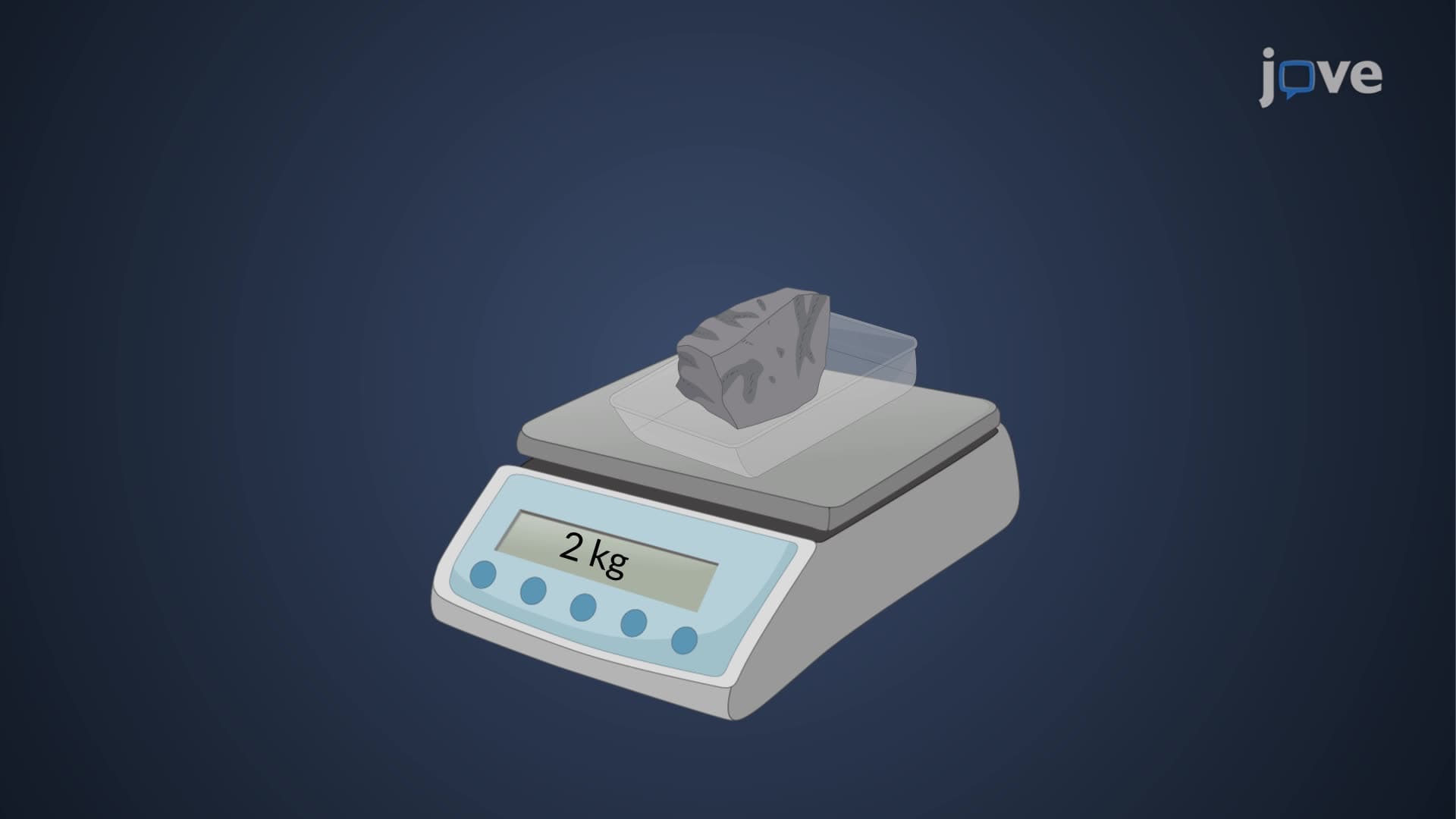
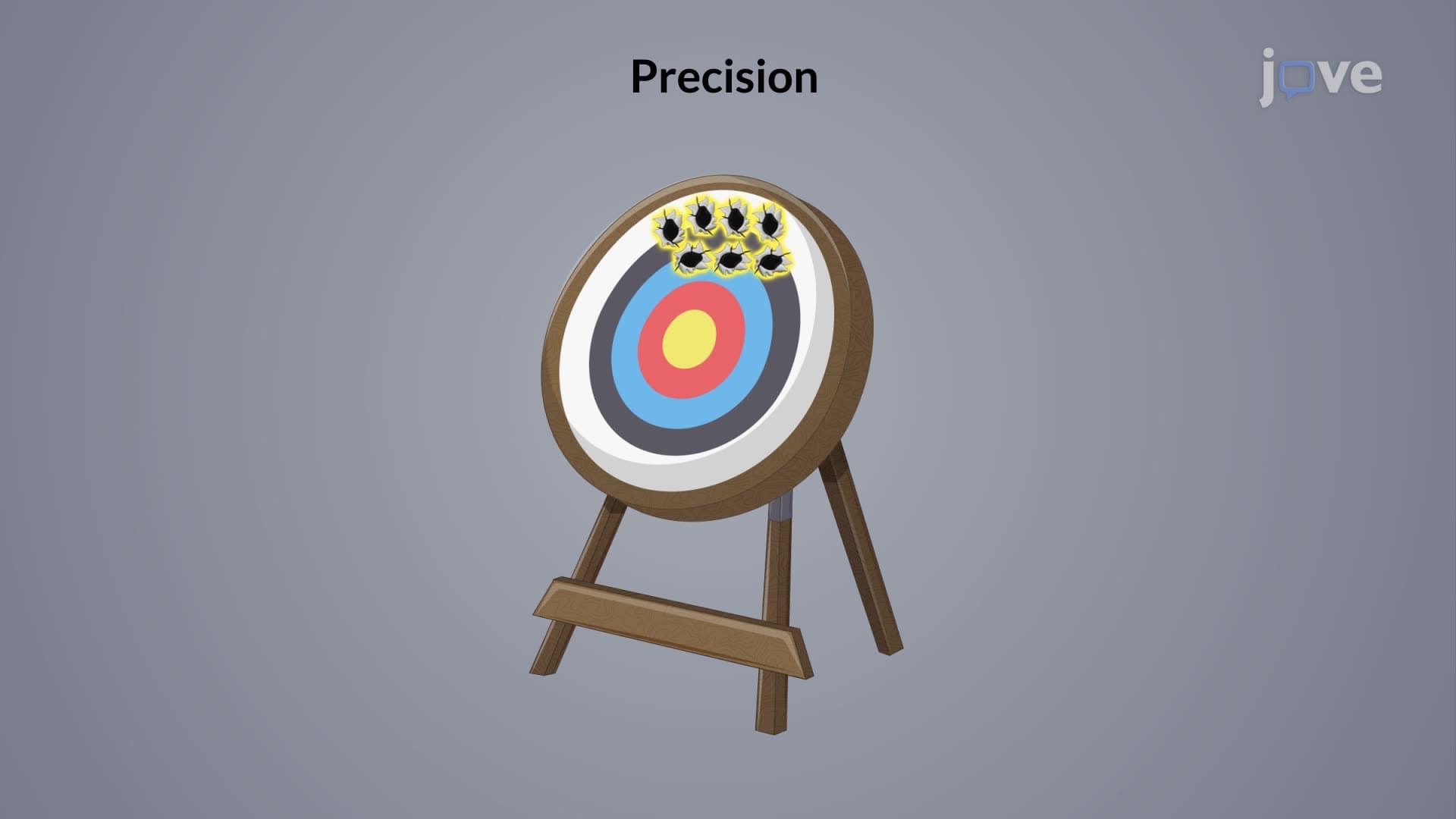
Think of uncertainty as the "confidence range" around any measurement. When you use a digital scale that reads to 0.1 grams, you're inherently limited by that instrument's precision. This limitation creates uncertainty, not error. The distinction matters enormously in scientific contexts, from AP Chemistry lab reports to pharmaceutical quality control.
Sources of Uncertainty in Laboratory Settings
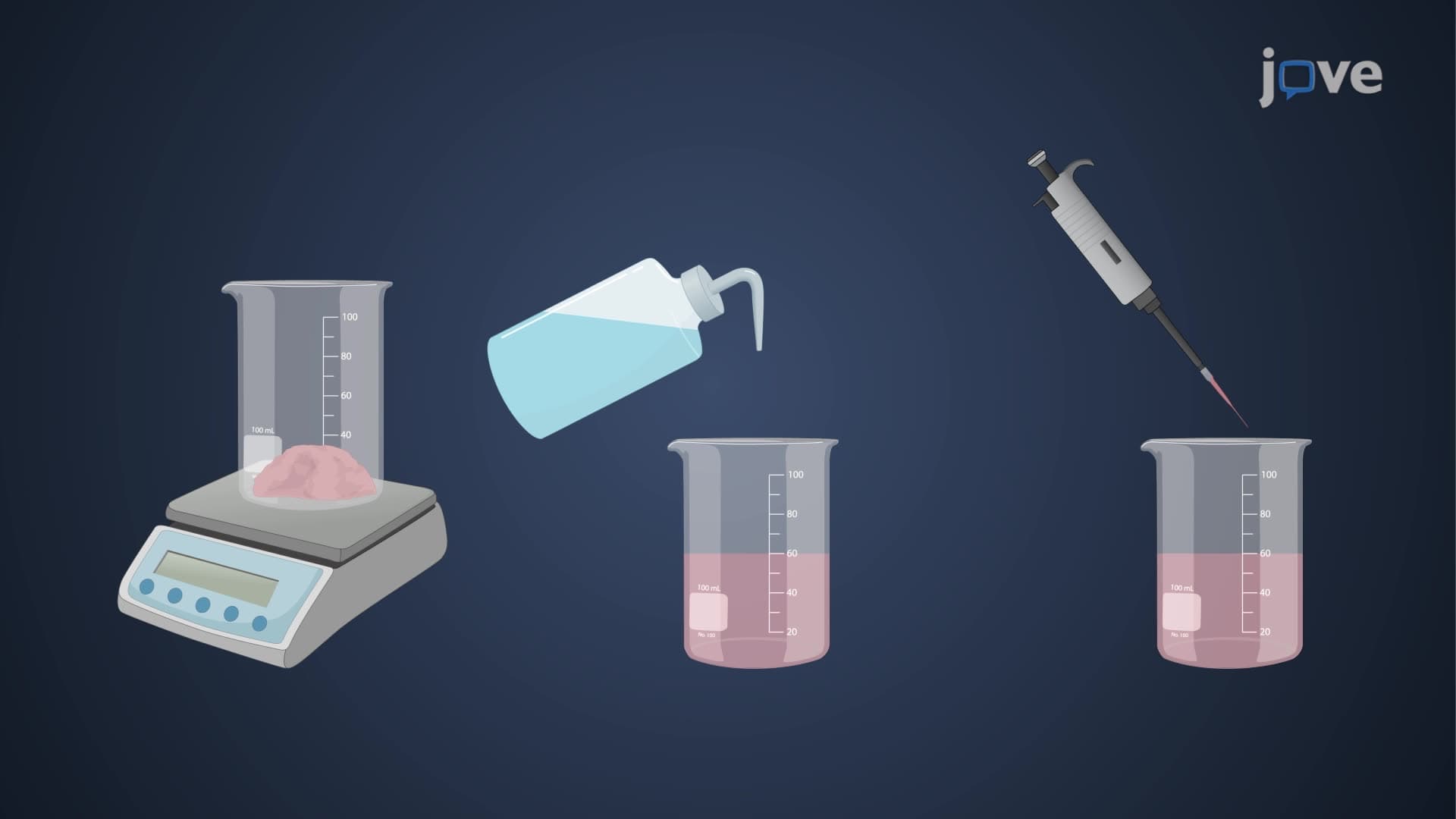
Uncertainty in analytical chemistry arises from multiple sources that students encounter daily. Instrumental limitations represent the most obvious source-your high school balance might read to ±0.01g, creating inherent uncertainty in any mass measurement. Environmental factors like temperature fluctuations, humidity changes, and air currents introduce additional uncertainty.
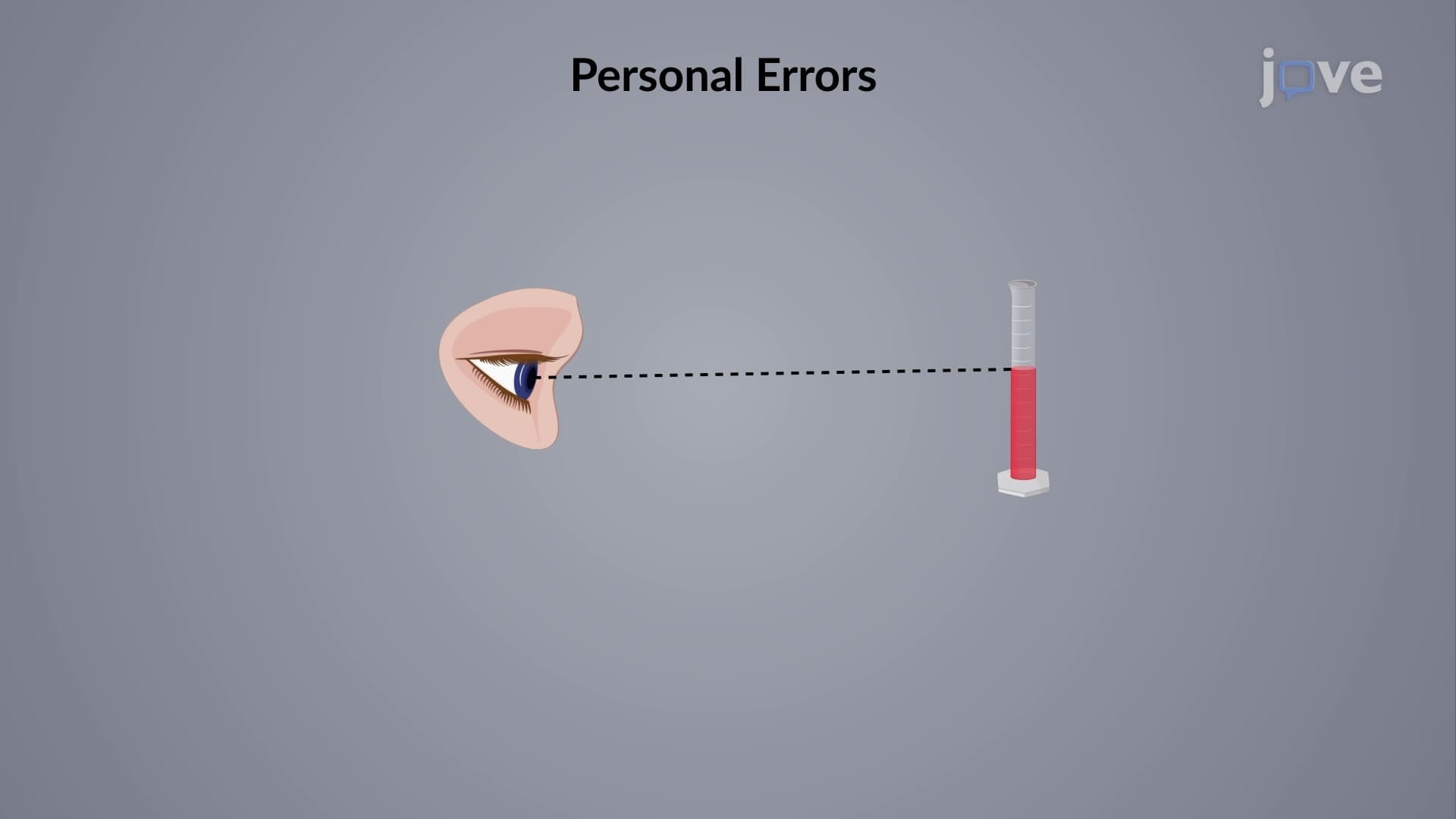
Human factors also contribute significantly. Reading a buret meniscus, timing chemical reactions, or maintaining consistent technique all introduce uncertainty. In professional laboratories, these sources are systematically identified and quantified. For example, the FDA requires pharmaceutical companies to validate measurement uncertainty for every analytical method used in drug manufacturing.
Absolute vs. Relative Uncertainty Applications
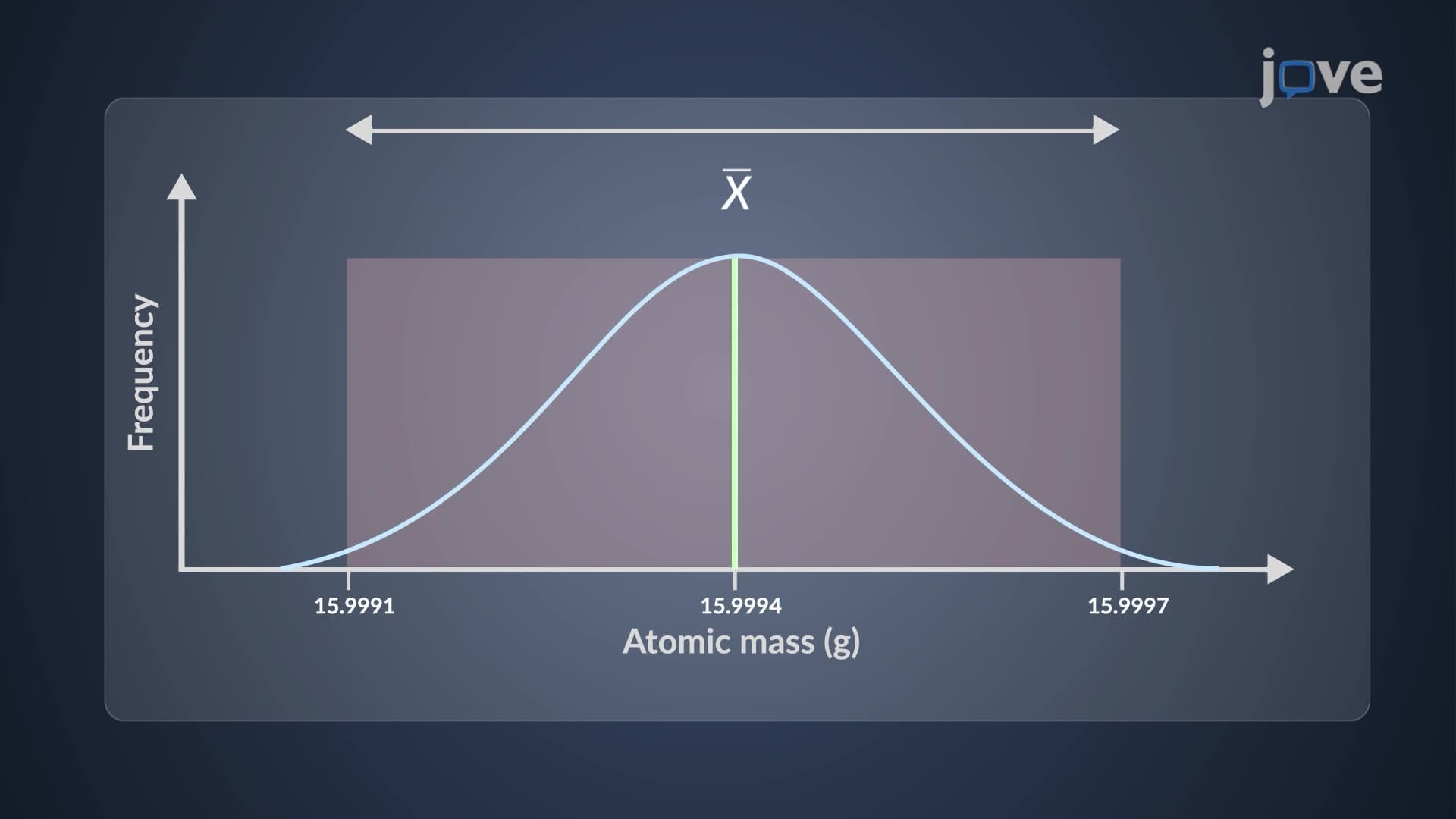
Measurement uncertainty in science can be expressed in two fundamental ways. Absolute uncertainty uses the same units as the measurement itself-reporting a mass as 15.2 ± 0.1 grams tells us the uncertainty is 0.1 grams. Relative uncertainty expresses uncertainty as a percentage or fraction of the measured value, making it easier to compare uncertainties across different measurements.
Consider EPA environmental monitoring: measuring lead contamination at 2.0 ± 0.2 mg/L (10% relative uncertainty) versus 20.0 ± 0.2 mg/L (1% relative uncertainty). Both have identical absolute uncertainty, but the relative uncertainty reveals which measurement is more precise proportionally.
Practical Applications in Academic and Professional Settings
Understanding uncertainty proves essential for success on standardized exams. AP Chemistry students must correctly propagate uncertainty through calculations, while MCAT test-takers encounter uncertainty analysis in experimental design questions. College general chemistry and analytical chemistry courses extensively cover uncertainty estimation and propagation.
In professional practice, uncertainty quantification drives critical decisions. Clinical laboratories must report measurement uncertainty for diagnostic tests-knowing whether a cholesterol reading of 200 mg/dL has an uncertainty of ±5% or ±15% dramatically affects medical interpretation. Similarly, aerospace engineers at companies like SpaceX must account for measurement uncertainty when calculating fuel loads and trajectory corrections.
Frequently Asked Questions
Uncertainty represents the range of possible values around a measurement, reflecting inherent limitations in measurement systems. Unlike error (difference from true value), uncertainty exists even in perfectly calibrated instruments due to fundamental precision limits, environmental factors, and random variations.
AP Chemistry frequently tests uncertainty through significant figures, error propagation calculations, and experimental design questions. Students must identify sources of uncertainty, calculate propagated uncertainty through mathematical operations, and interpret confidence intervals in laboratory scenarios.
MCAT Chemical and Physical Foundations sections include uncertainty in experimental analysis passages, graph interpretation with error bars, and determining measurement precision in research scenarios. Understanding relative vs. absolute uncertainty helps evaluate experimental validity and research conclusions.
FDA regulations require pharmaceutical manufacturers to validate analytical methods with defined measurement uncertainty limits. Drug concentration measurements must include uncertainty estimates to ensure patient safety-a 500mg dose with ±10% uncertainty could deliver 450-550mg, affecting therapeutic efficacy.
Basic algebra and percentages are sufficient for introductory uncertainty concepts. High school students can master absolute and relative uncertainty calculations using simple arithmetic. Advanced uncertainty propagation requires calculus, but fundamental principles remain accessible to all students.
Focus on understanding rather than memorization-practice identifying uncertainty sources in everyday measurements like cooking or sports timing. Create connection between significant figures and uncertainty representation. Use real laboratory examples to reinforce absolute versus relative uncertainty applications.
Uncertainty analysis becomes increasingly important in physical chemistry, instrumental analysis, and research courses. Students who master basic uncertainty concepts excel in advanced laboratory work, graduate school applications, and professional scientific careers requiring precise measurement interpretation.
Progress to uncertainty propagation through mathematical operations, statistical analysis of repeated measurements, and confidence interval calculations. Advanced topics include Monte Carlo simulation methods and uncertainty budgeting used in professional analytical laboratories and research settings.
Related Micro-courses

19 Concepts

14 Concepts
17 Concepts