Loading subject page…


28,168 views

Video Summary: Attenuated Total Reflectance Atr Infrared Spectroscopy Explained
Ever wonder how FDA labs analyze pharmaceutical coatings or how crime scene investigators identify unknown plastic fragments? ATR infrared spectroscopy explained reveals the powerful analytical technique that makes these identifications possible. This method allows scientists to analyze challenging samples like solid pills, adhesive tapes, and paint chips that traditional infrared spectroscopy cannot handle effectively. The attenuated total reflectance IR technique uses special crystals to capture molecular fingerprints from samples that would otherwise be impossible to analyze. Watch the full video on JoVE Coach to master this concept with expert-led visuals and step-by-step explanations.
ATR infrared spectroscopy represents a breakthrough in analytical chemistry that solved a fundamental problem: how to analyze solid samples, thick films, and other materials that traditional infrared methods couldn't handle. Unlike conventional IR spectroscopy that requires thin, transparent samples, ATR works with materials in their natural state-no sample preparation needed.
The technique earned its name from the unique way it interacts with samples. When infrared light undergoes total internal reflection at the crystal-sample interface, it creates an "evanescent wave" that extends just micrometers into the sample. This shallow penetration is perfect for surface analysis while the "attenuation" occurs as the sample absorbs specific wavelengths, creating the characteristic spectral fingerprint.
The magic happens at the critical angle. When infrared light travels through a high-refractive-index crystal (like diamond or germanium) and hits the sample interface at angles greater than the critical angle, total internal reflection occurs. However, the electromagnetic field doesn't stop abruptly at the interface-it extends into the sample as an evanescent wave.
This evanescent wave penetrates typically 0.5 to 5 micrometers into the sample, depending on several factors. The penetration depth follows the relationship: depth ∝ wavelength/(refractive index difference). This means longer wavelengths penetrate deeper, and samples with refractive indices closer to the crystal show greater penetration.
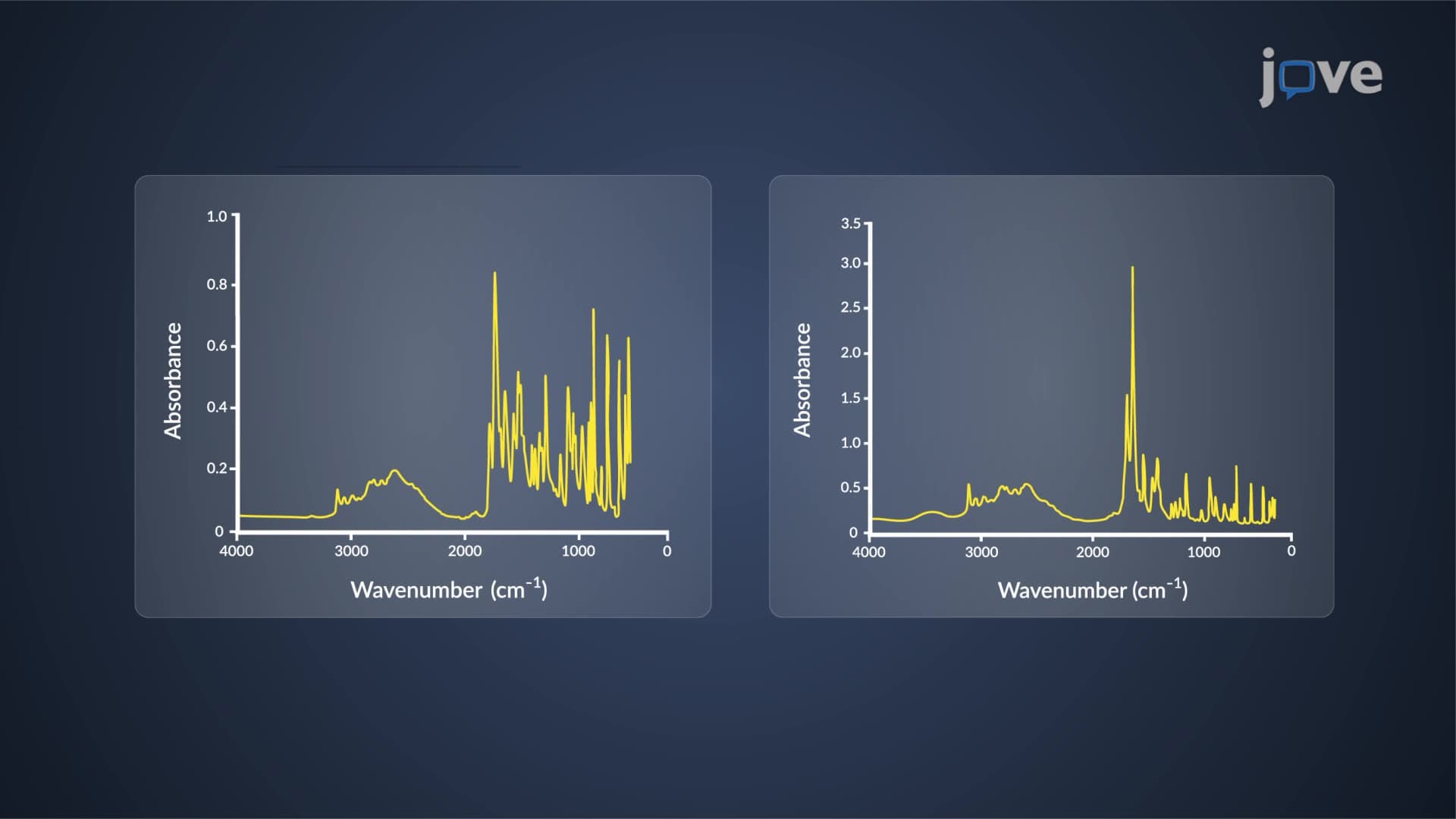
Students preparing for AP Chemistry or college analytical chemistry courses should understand that ATR spectra show the same absorption bands as transmission spectra, but with different relative intensities. Higher-frequency vibrations (like O-H stretches around 3500 cm⁻¹) appear relatively weaker in ATR compared to lower-frequency vibrations.
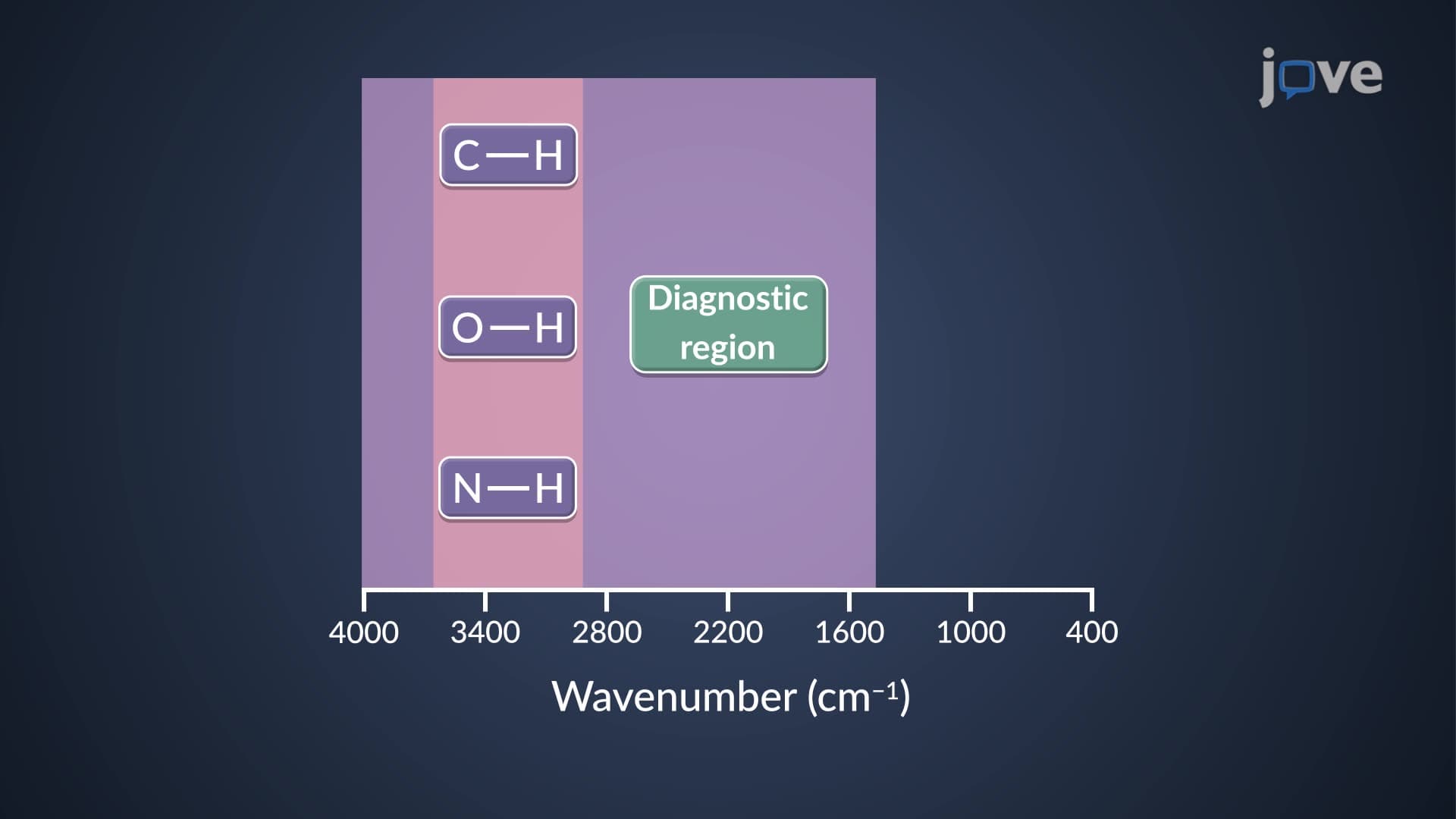
Diamond ATR accessories dominate modern laboratories because diamond combines optimal properties: high refractive index, broad spectral range (4000-400 cm⁻¹), and exceptional chemical inertness. Diamond crystals can analyze everything from corrosive acids to abrasive polymers without degradation.
Other crystal materials serve specific applications. Germanium works well for far-infrared analysis, while zinc selenide offers good performance for routine organic analysis. The choice depends on spectral range requirements, sample compatibility, and budget considerations.
Pharmaceutical companies use ATR to verify coating uniformity on tablets-critical for controlled drug release. The FDA requires this type of analysis for quality control documentation. Forensic laboratories employ ATR to identify paint chips, plastic fragments, and fiber evidence without consuming precious evidence samples.
In materials science, ATR helps engineers at companies like 3M and DuPont characterize adhesive interfaces and polymer surfaces. The technique's non-destructive nature makes it invaluable for failure analysis and quality assurance in manufacturing.
Related Micro-courses