Loading subject page…


28,168 views

Video Summary: Ir Frequency Region Fingerprint Region Explained
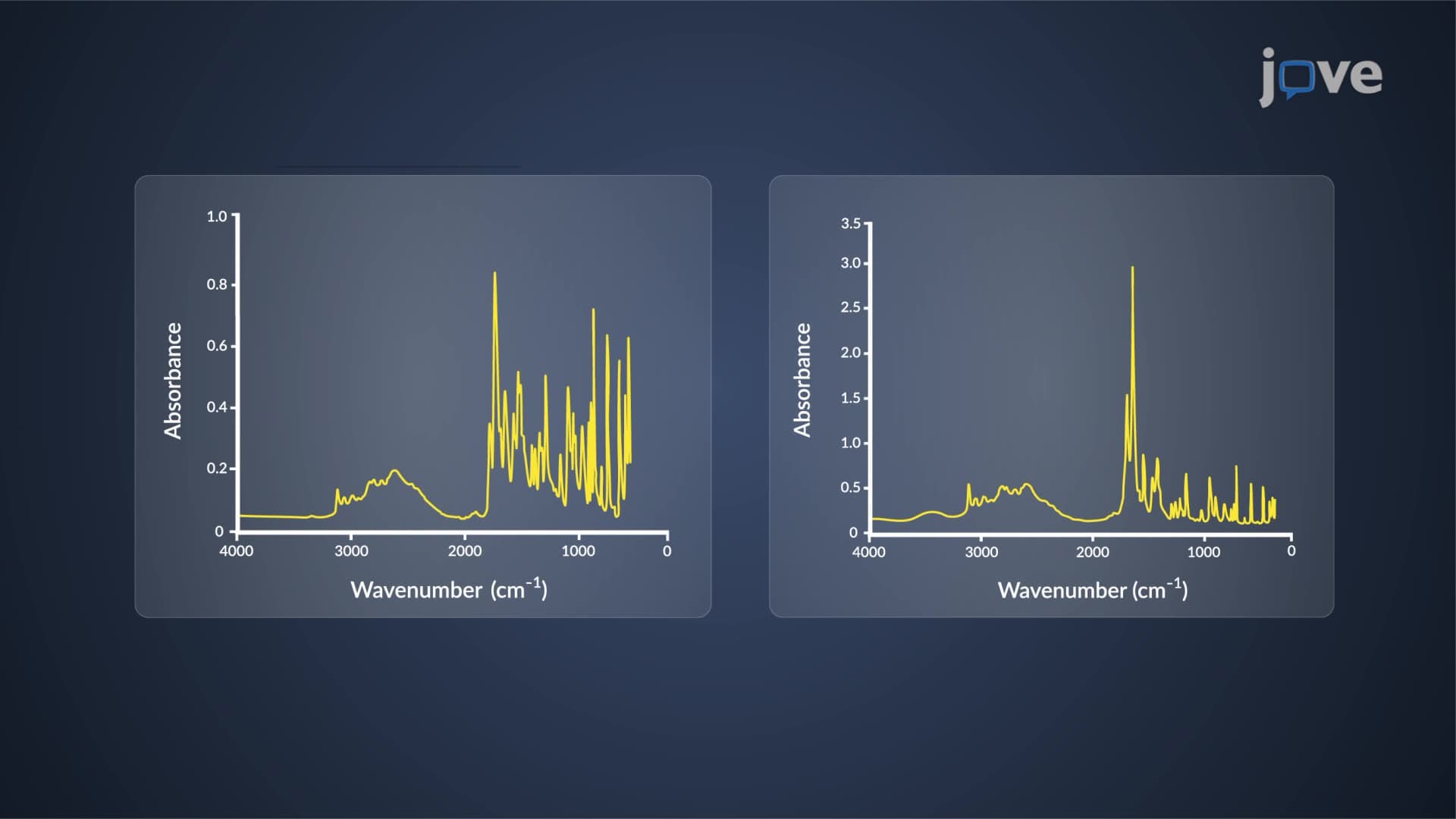
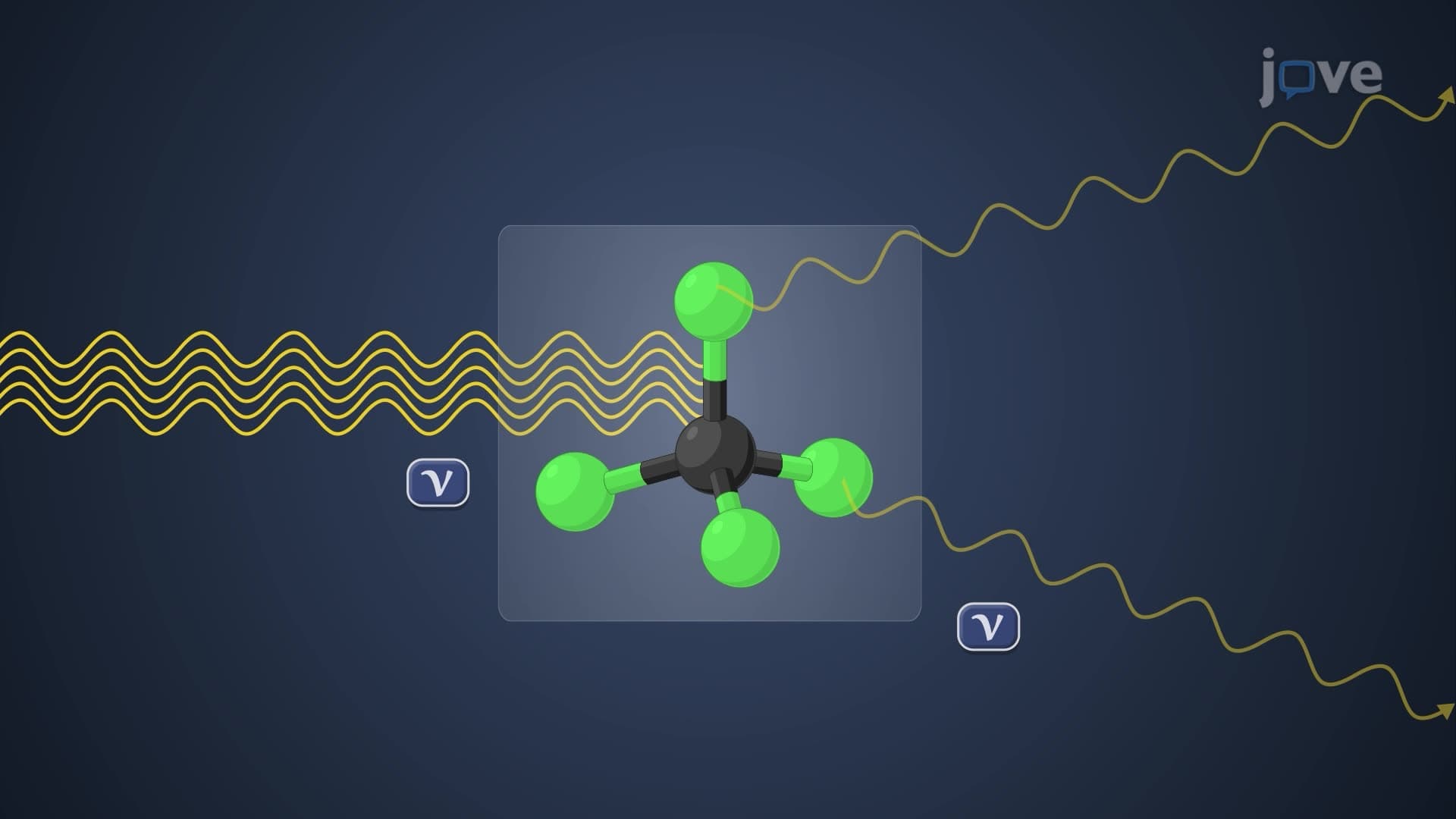
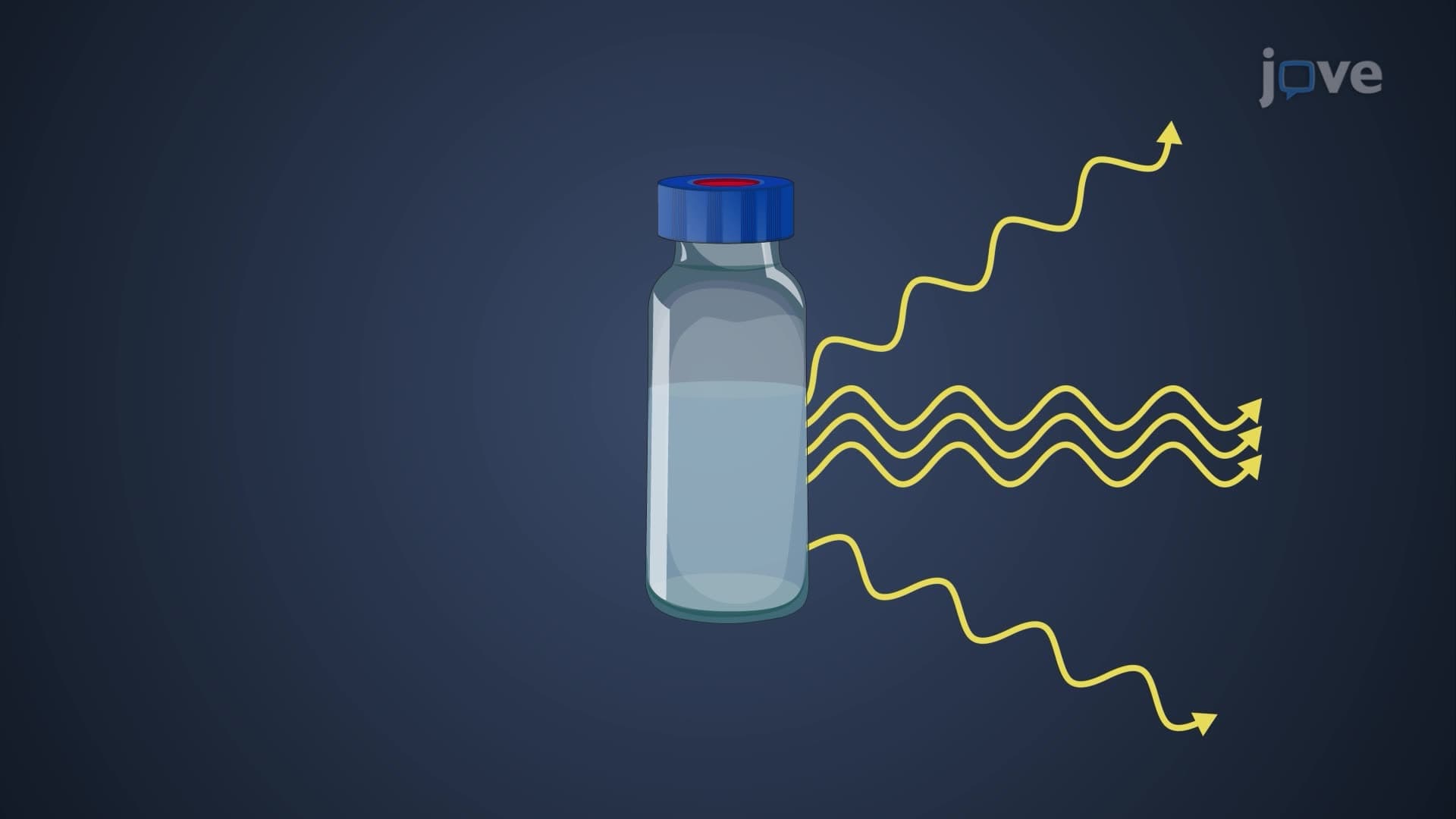
Ever wondered how forensic scientists at the FBI can identify unknown substances found at crime scenes? The IR fingerprint region explained reveals how each molecule creates a unique "chemical fingerprint" between 1500-450 cm⁻¹, much like human fingerprints are unique to each person. This complex absorption pattern helps distinguish between molecules with identical functional groups, making it invaluable for pharmaceutical companies verifying drug purity and composition. Watch the full video on JoVE Coach to master this concept with expert-led visuals and step-by-step explanations.
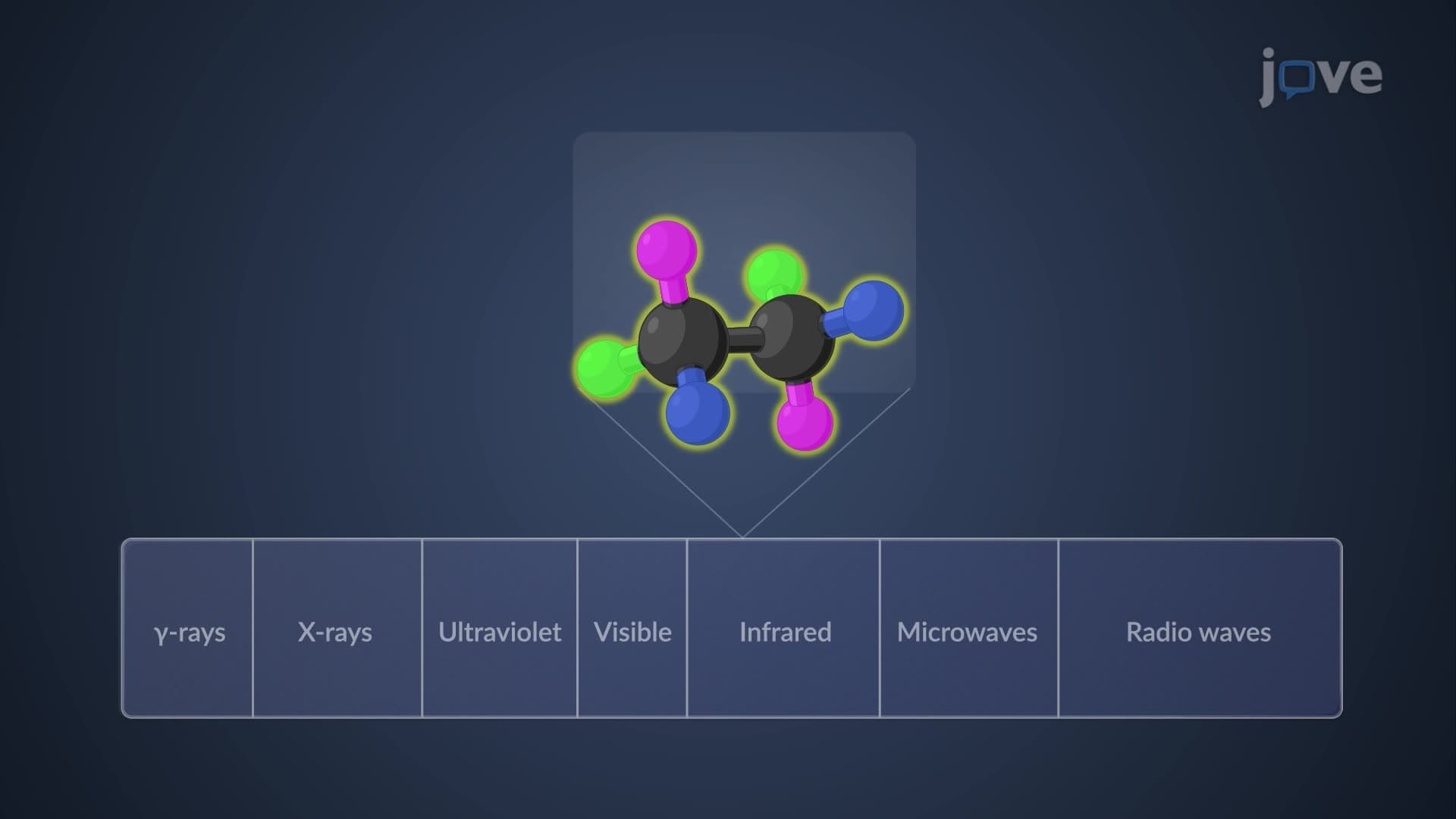
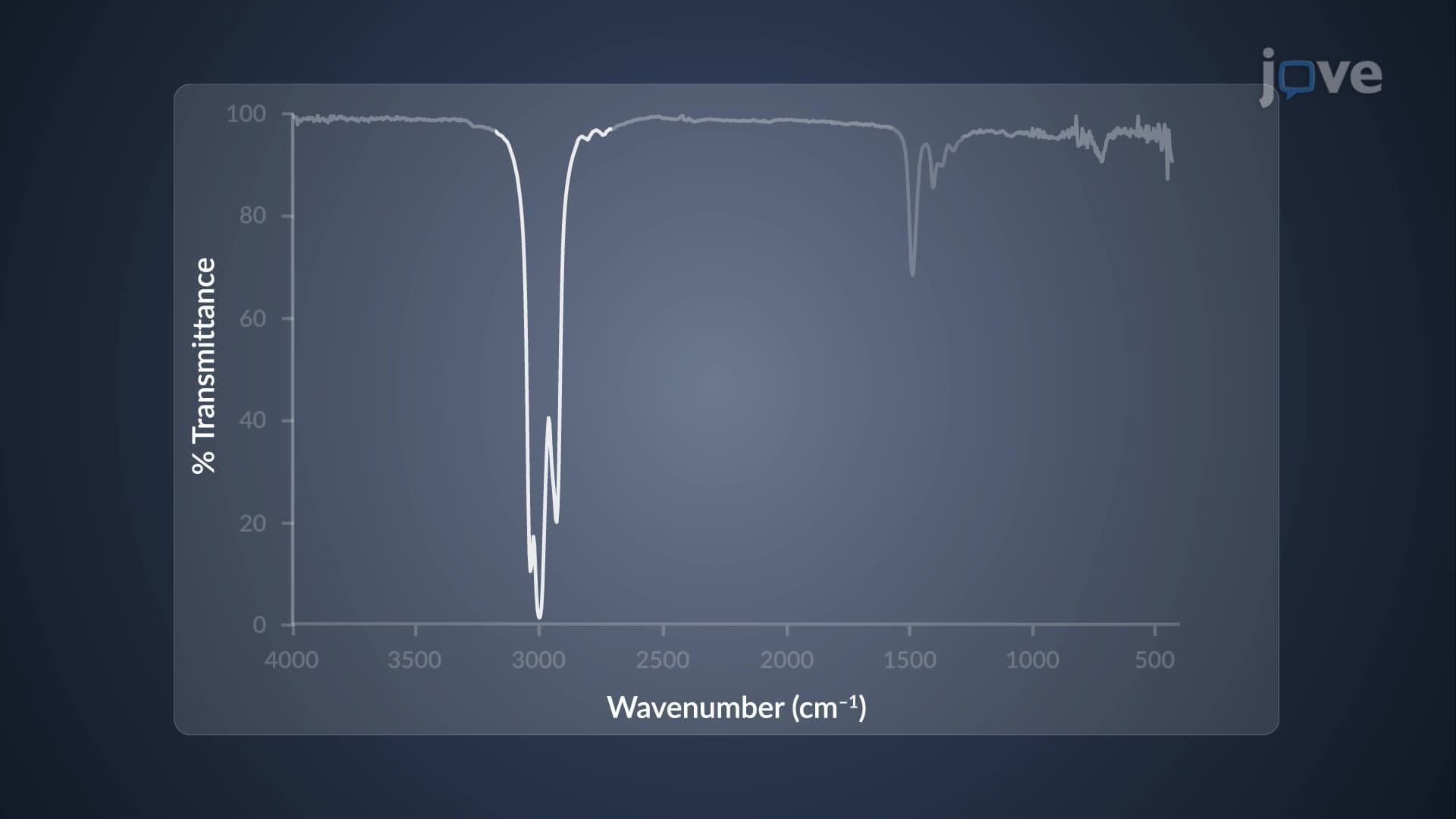
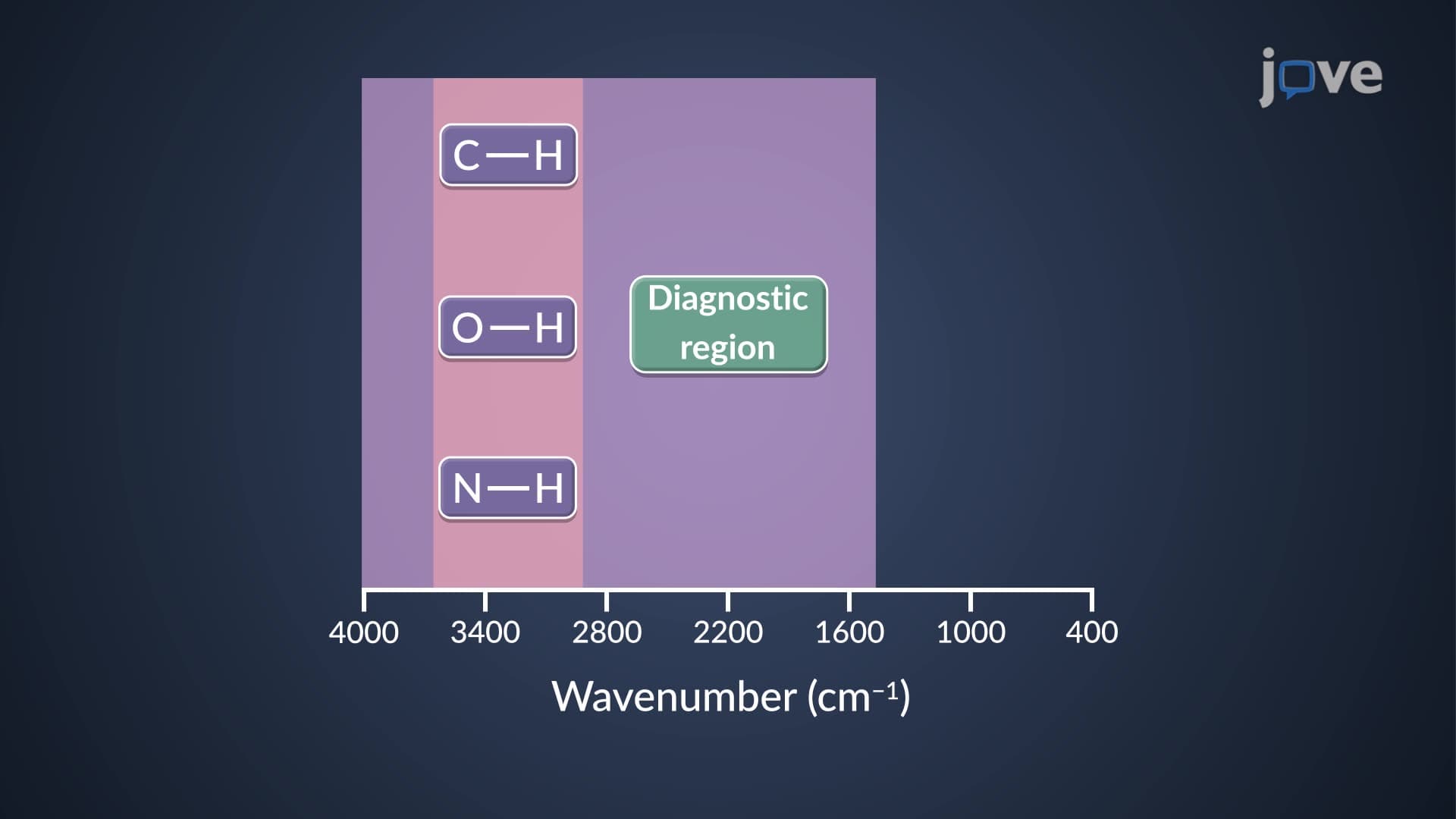
Infrared spectroscopy serves as one of the most powerful analytical tools in modern chemistry, with applications ranging from pharmaceutical development to environmental monitoring. The fingerprint region IR spectroscopy occupies the lower-energy portion of the IR spectrum, specifically between 1500 and 450 cm⁻¹, where molecular vibrations create patterns as unique as human fingerprints.
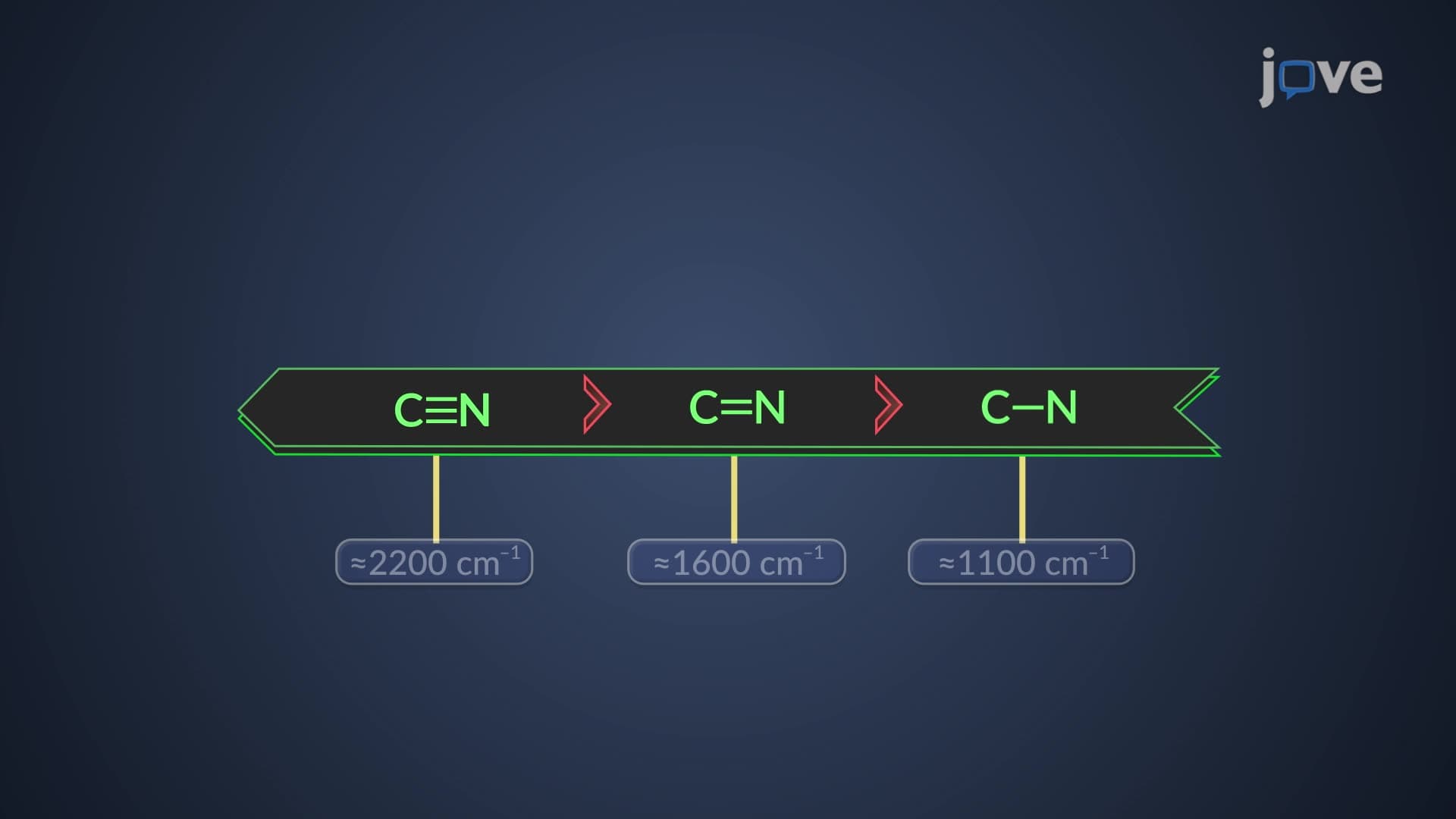
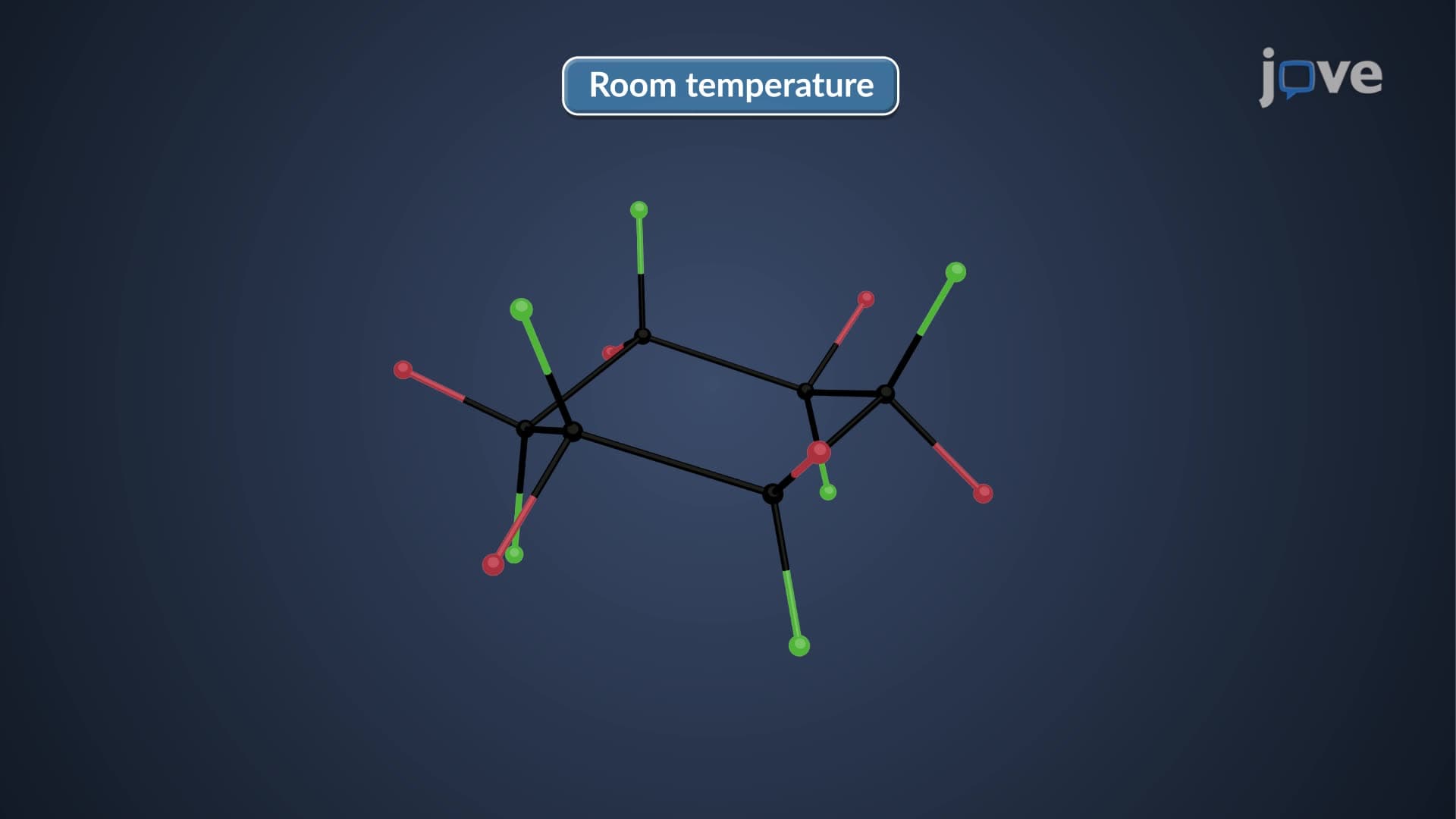
What is the fingerprint region in IR spectroscopy becomes clearer when we examine the molecular mechanics involved. Unlike the diagnostic region (above 1500 cm⁻¹), which primarily shows stretching vibrations of bonds to hydrogen and multiple bonds, the 600 1400 cm IR region displays a complex mixture of single bond stretching and bending vibrations. These vibrations involve C-C, C-N, C-O bonds, and various bending modes that create intricate patterns specific to each molecular structure.
The complexity arises because multiple vibrational modes occur simultaneously in this region. For example, a simple alcohol molecule experiences C-O stretching, C-C stretching, O-H bending, and skeletal vibrations all within this range. When combined, these create a unique IR absorption pattern that serves as a molecular identifier.
Pharmaceutical companies like Pfizer and Johnson & Johnson routinely use fingerprint identification IR for quality control. When manufacturing generic medications, companies must prove their products contain identical active ingredients to brand-name drugs. The FDA requires comprehensive analytical data, and IR fingerprinting provides definitive proof of molecular identity.
Environmental agencies, including the EPA, employ this technique to identify pollutants in air and water samples. The molecular fingerprint IR analysis can distinguish between different plastic polymers in marine debris or identify specific industrial chemicals in groundwater contamination cases.
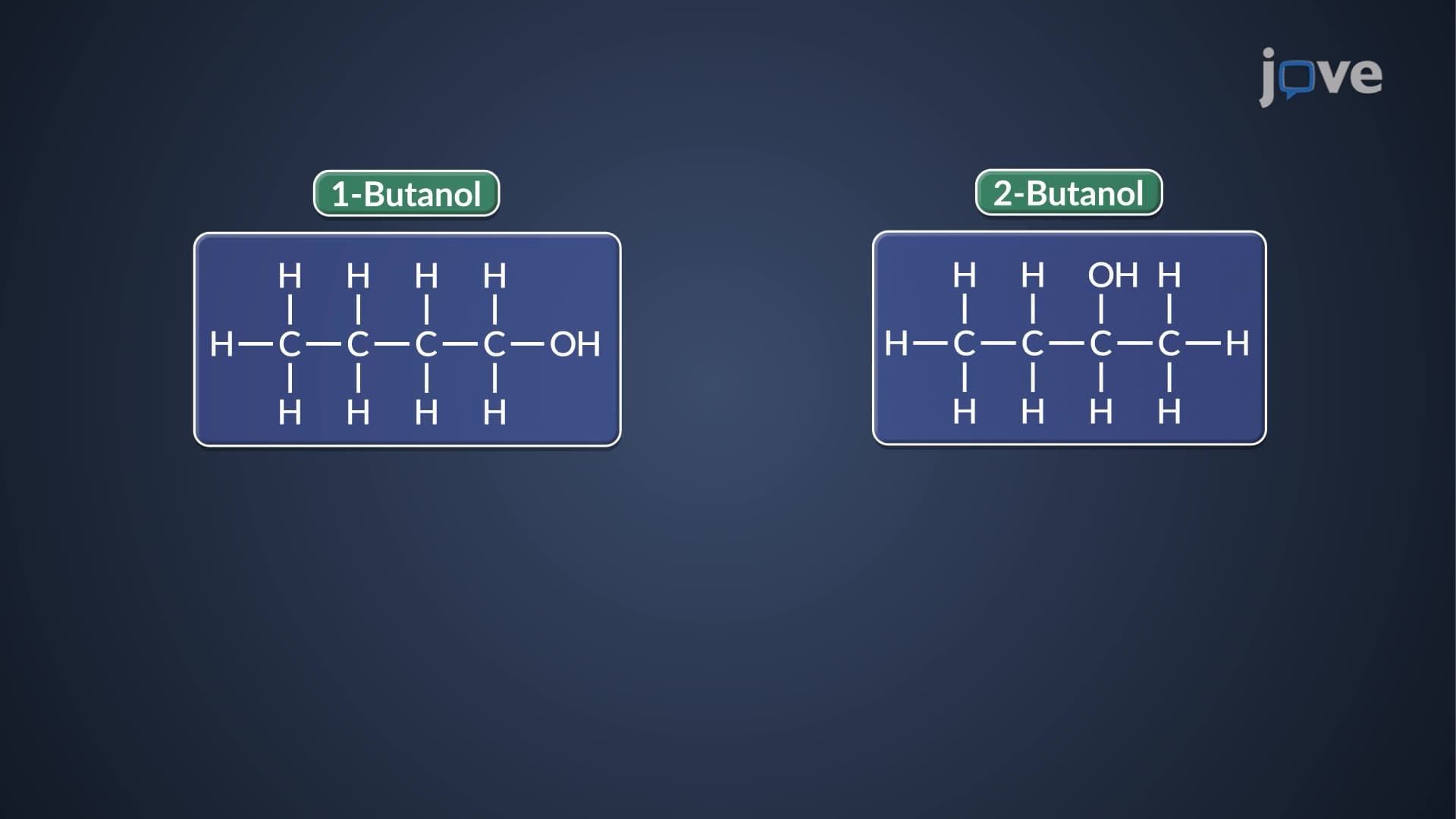
Students preparing for AP Chemistry, MCAT, or college organic chemistry courses encounter fingerprint region analysis as a standard topic. The concept frequently appears in multiple-choice questions asking students to distinguish between structural isomers or identify unknown compounds. Understanding that identical functional groups produce similar diagnostic region peaks, while complex IR absorption fingerprint patterns differentiate specific molecules, becomes crucial for exam success.
Practice problems often present spectra of constitutional isomers like 1-propanol versus 2-propanol, where students must use fingerprint region differences to make correct identifications. This skill proves essential for laboratory courses where unknown compound identification forms a significant portion of the grade.
Related Micro-courses