Loading video…


 19 Concepts
 28.2K views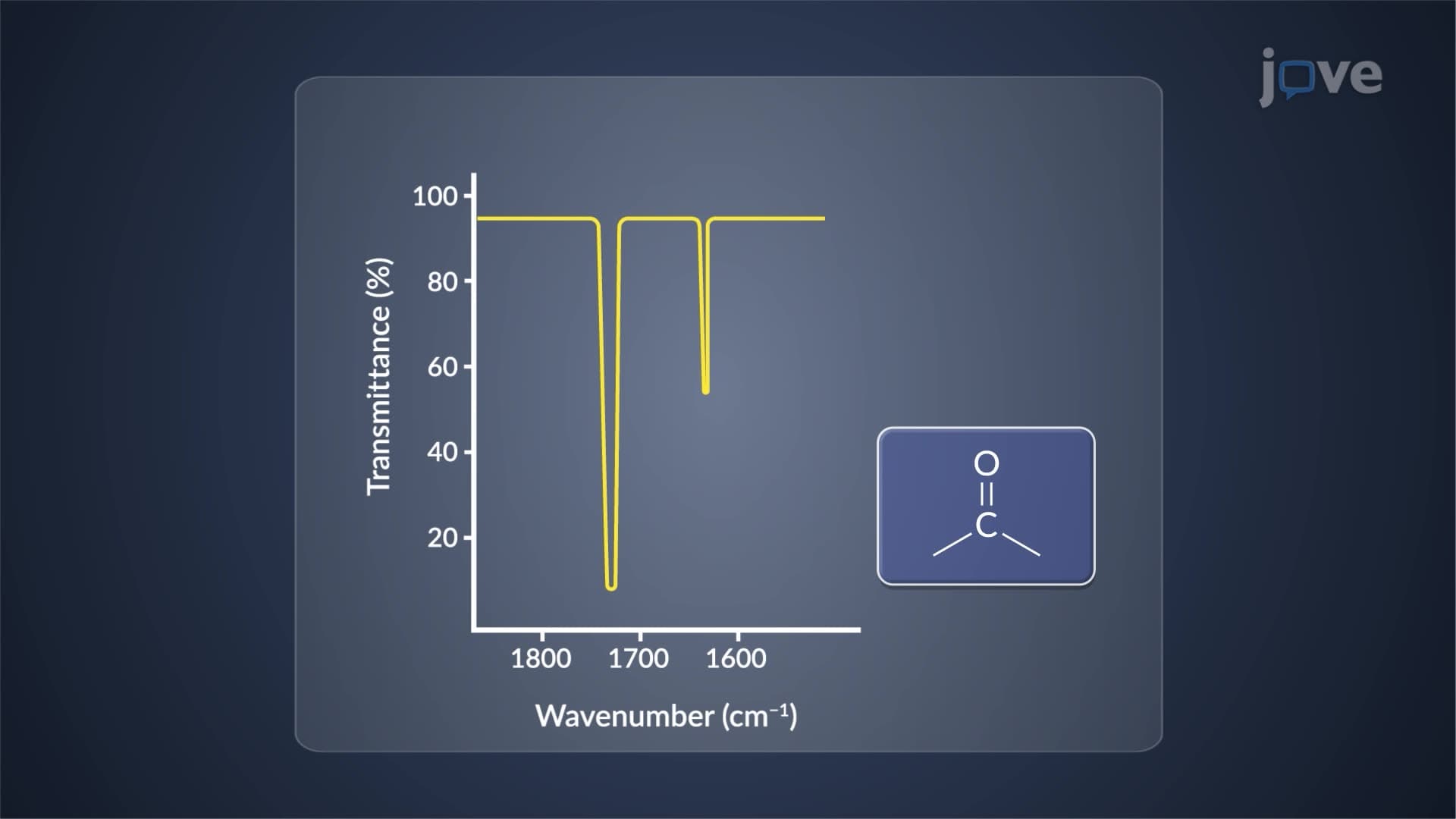

Video Summary: Ir Spectroscopy Alkene and Carbonyl Stretching Regions
Ever wonder how forensic scientists at the FBI identify unknown substances found at crime scenes? Alkene carbonyl IR stretching analysis reveals molecular fingerprints that can distinguish between different organic compounds instantly. IR Spectroscopy: Alkene and Carbonyl Stretching Regions demonstrates how C=C and C=O bonds create distinct absorption patterns around 1600-1800 cm⁻¹, enabling chemists to identify everything from gasoline components to pharmaceutical drugs. Watch the full video on JoVE Coach to master this concept with expert-led visuals and step-by-step explanations.
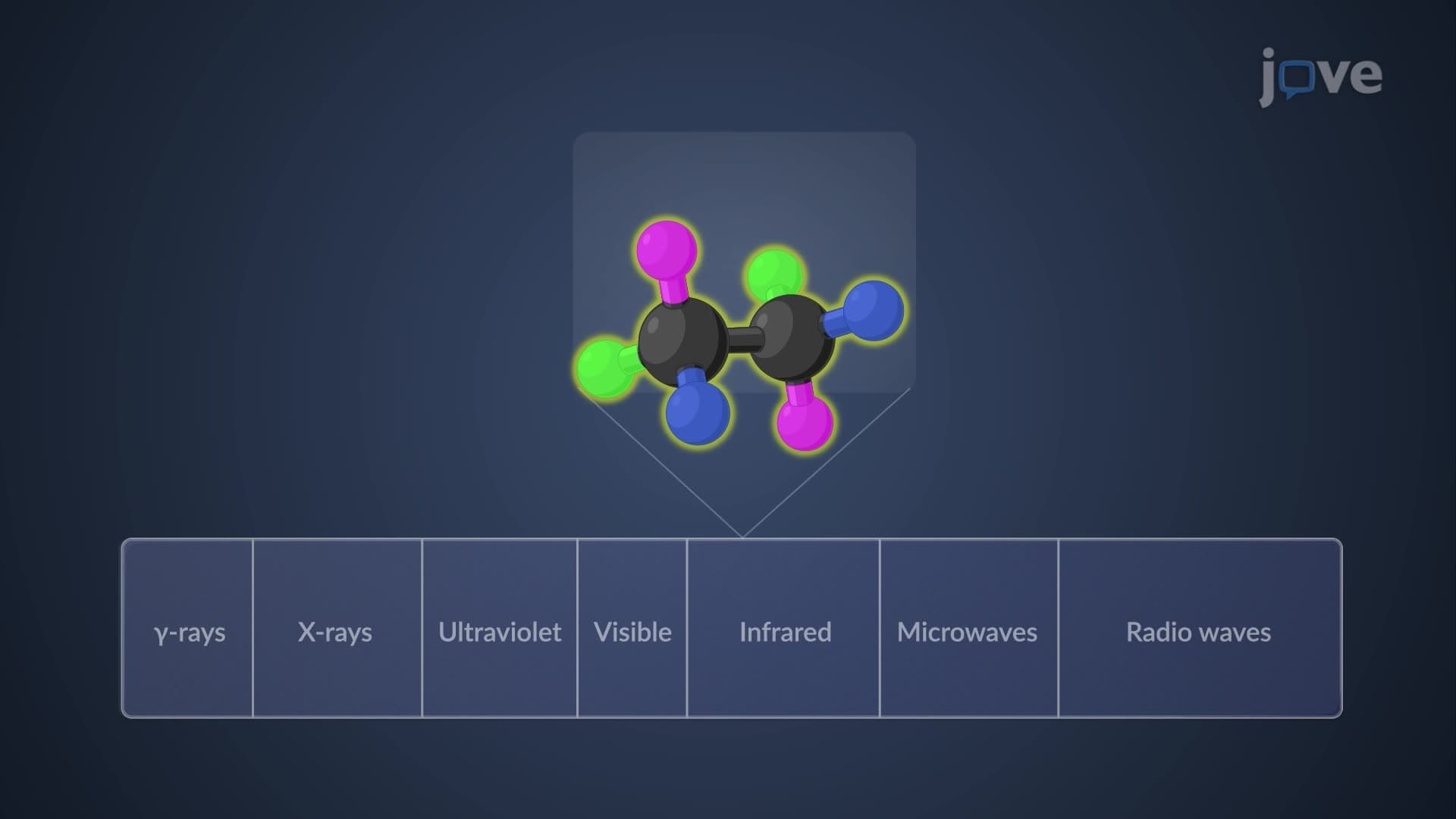
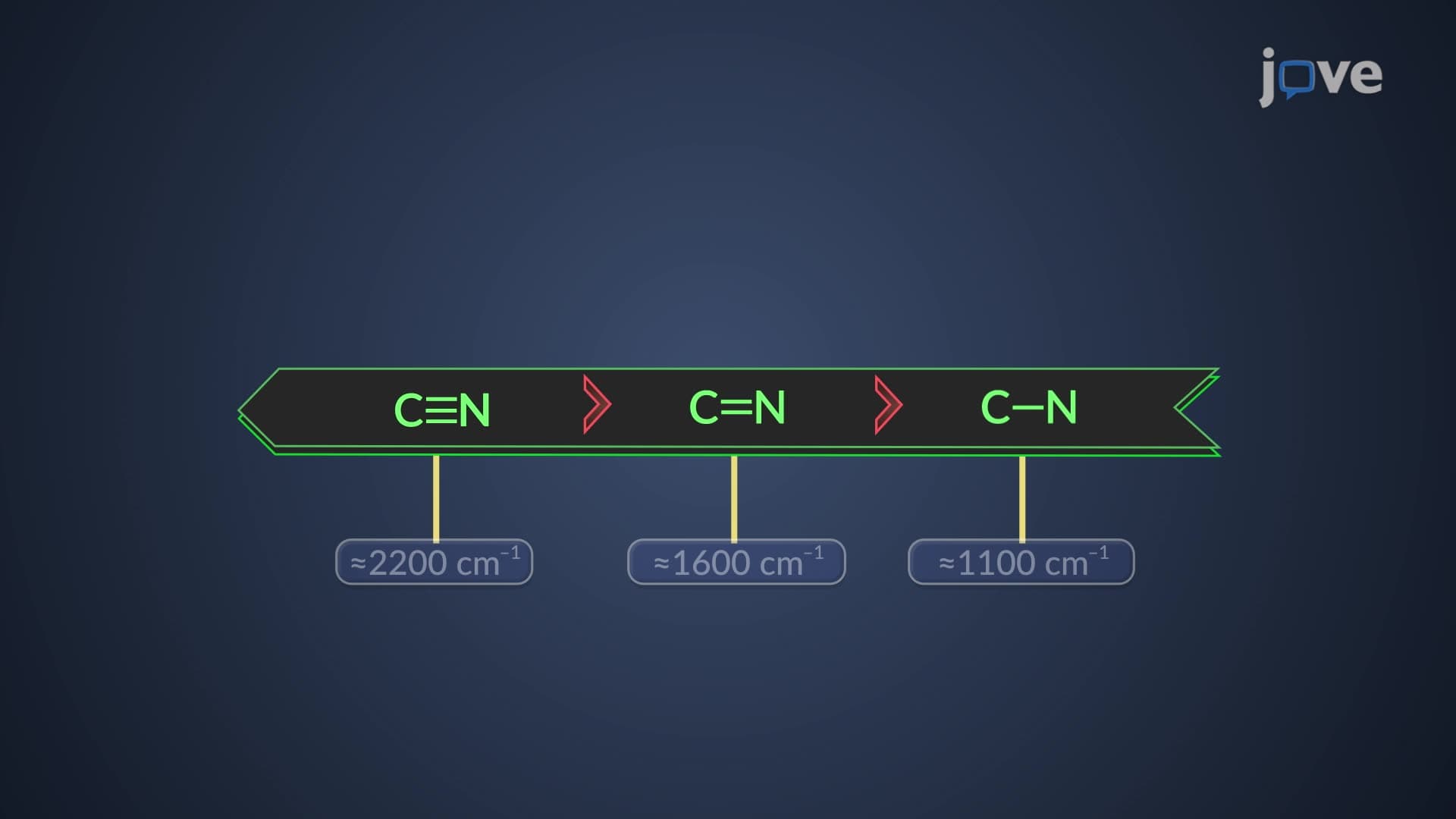
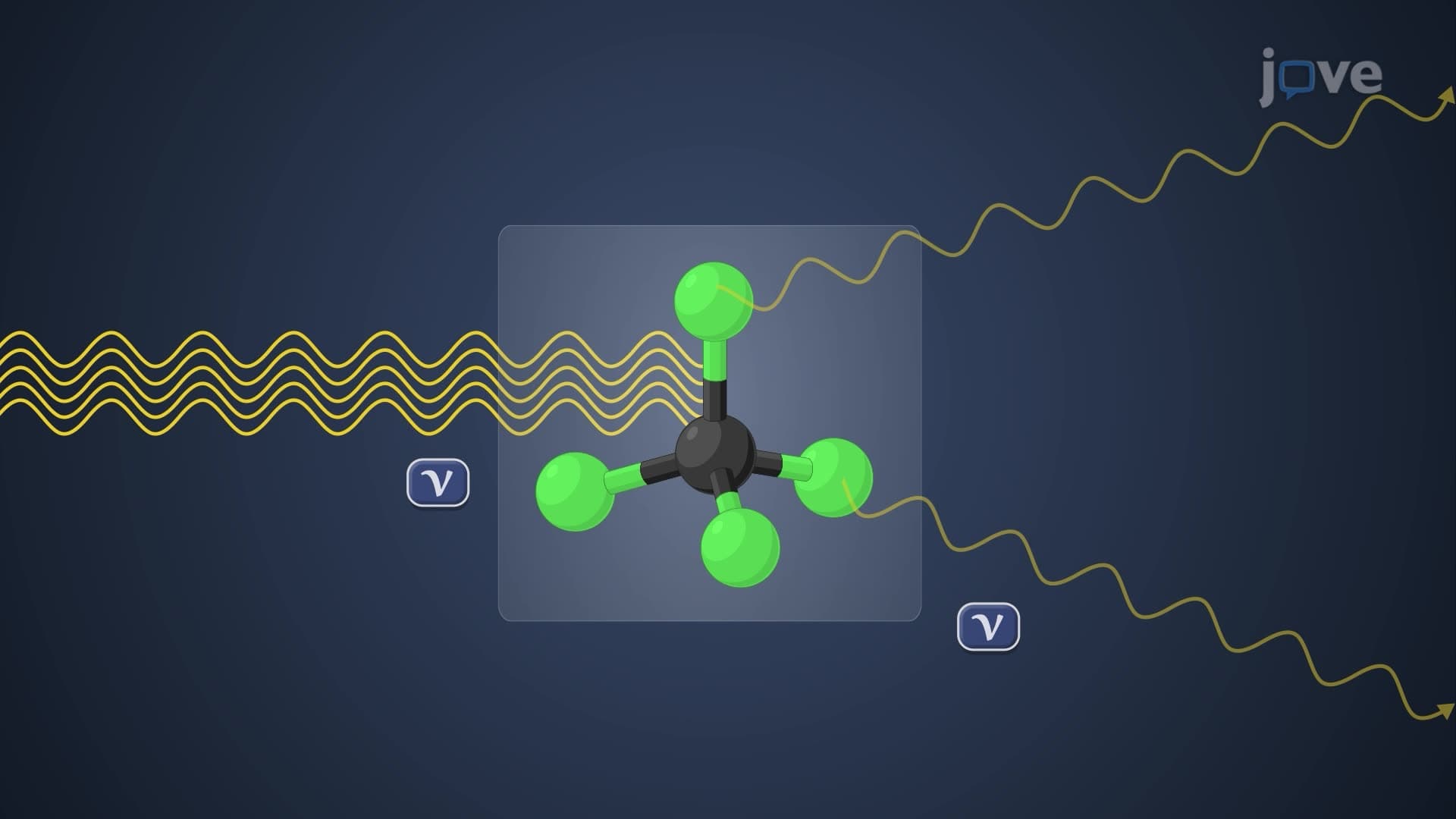
IR stretching alkene carbonyl regions represent two of the most diagnostically important areas in infrared spectroscopy. When molecules absorb infrared radiation, their bonds vibrate at characteristic frequencies that serve as molecular fingerprints. The double bond stretching IR region (1600-1800 cm⁻¹) contains crucial information about C=C and C=O functional groups that organic chemists rely on for structural identification.
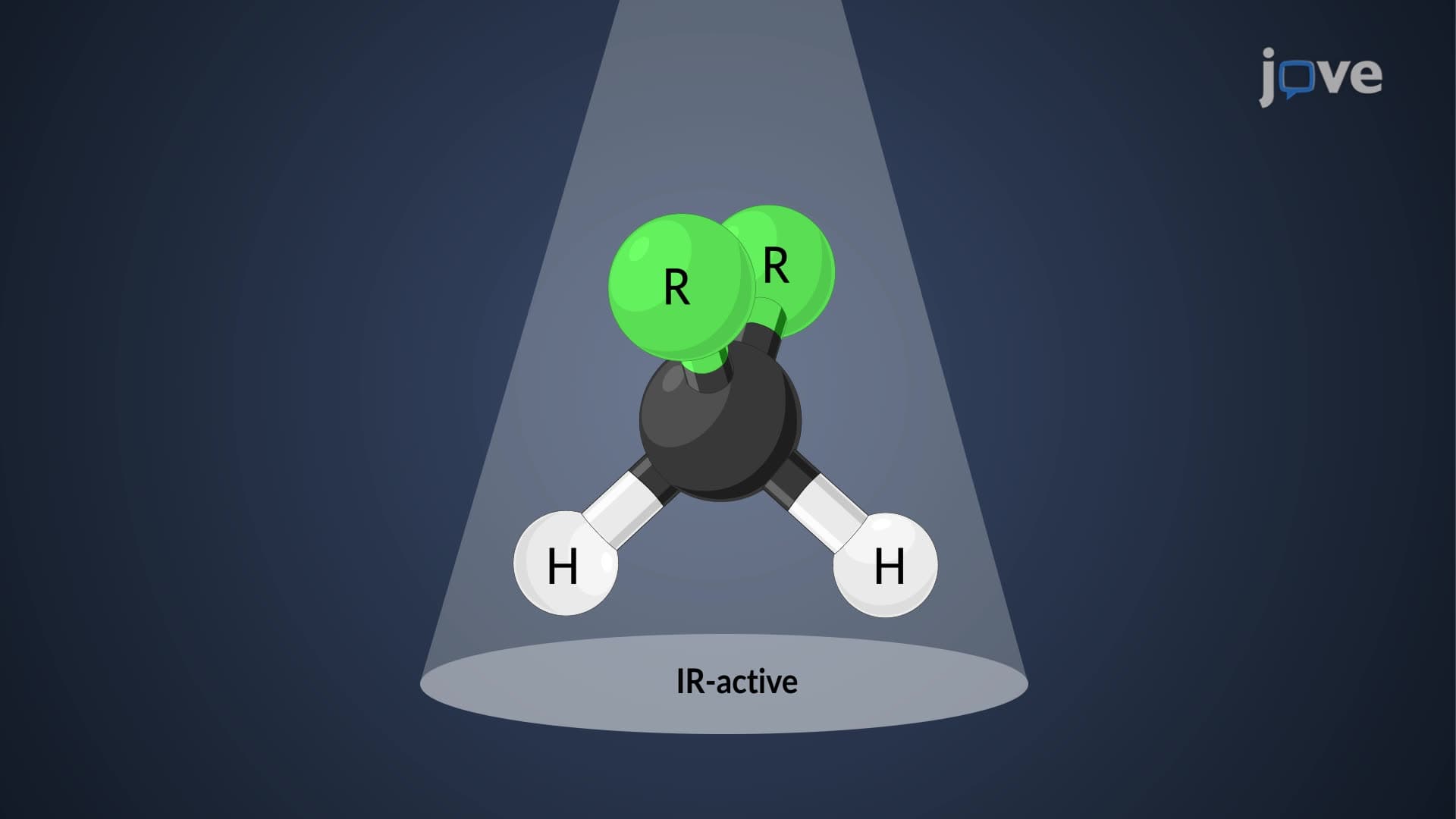
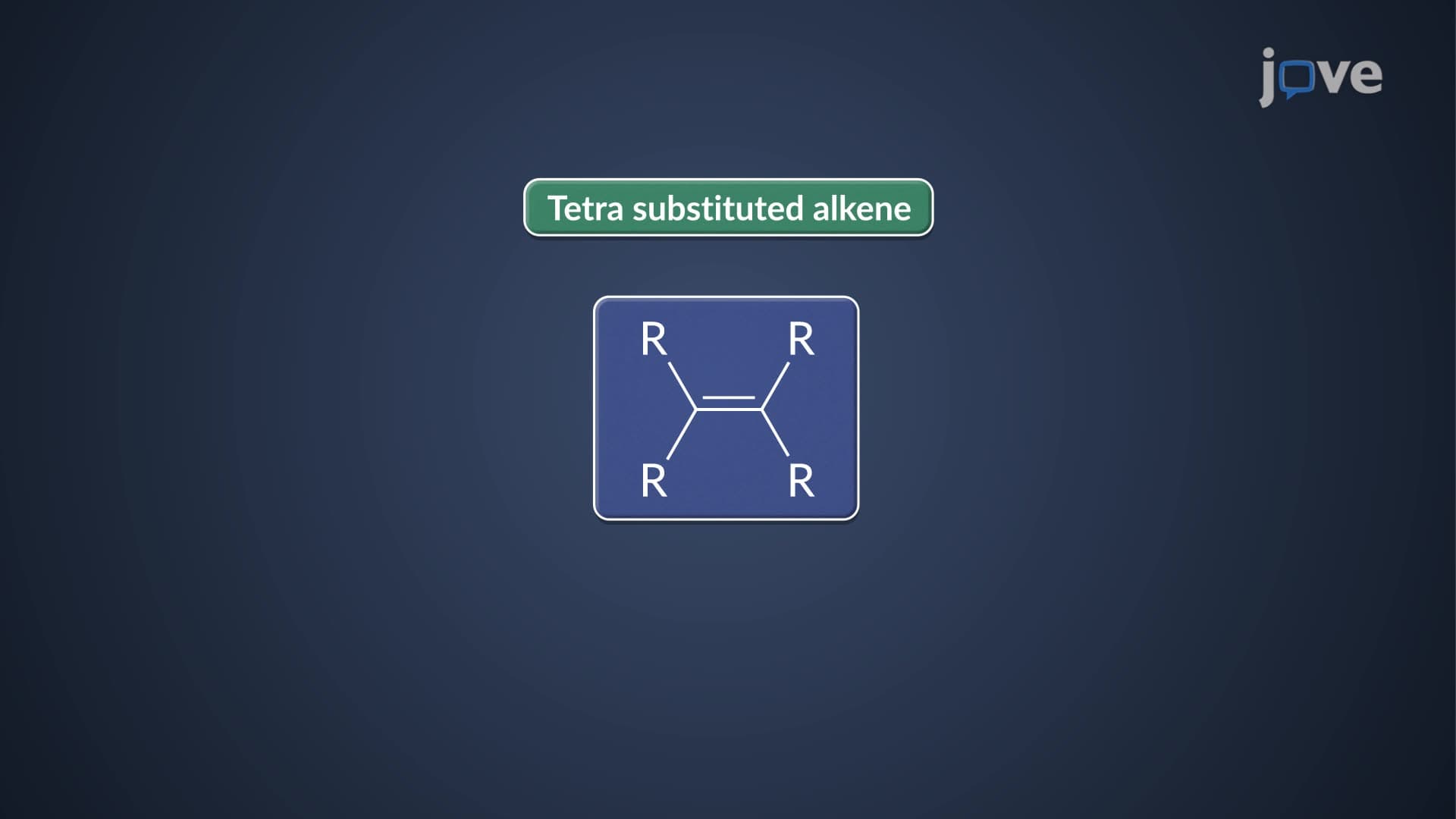
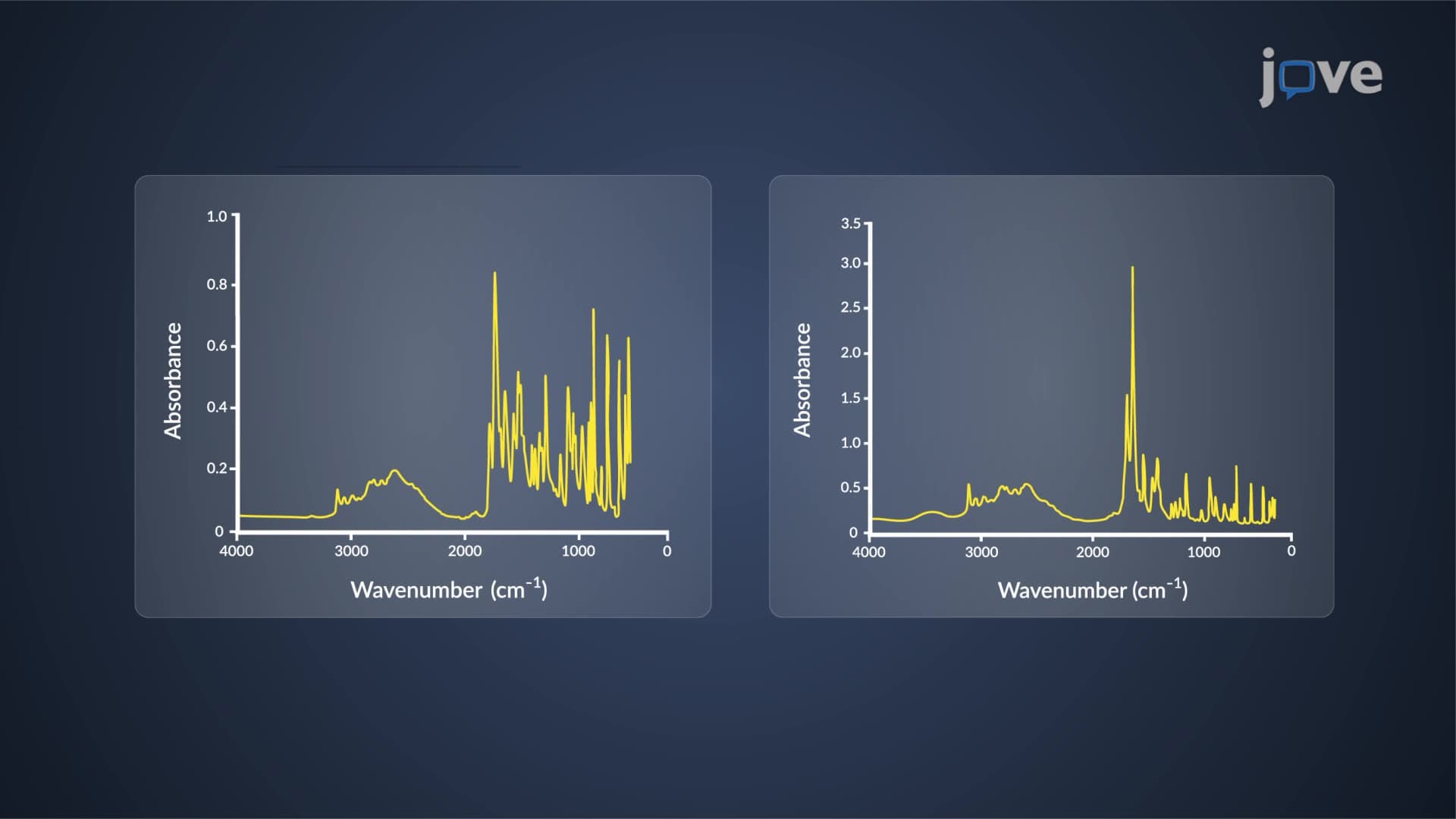
C=C alkene IR stretch absorptions typically appear between 1620-1680 cm⁻¹, though their intensity varies dramatically based on substitution patterns. Symmetrical alkenes like 2,3-dimethyl-2-butene show very weak or absent C=C stretches because the dipole moment change during vibration is minimal. Terminal alkenes like 1-hexene produce stronger signals due to asymmetry.
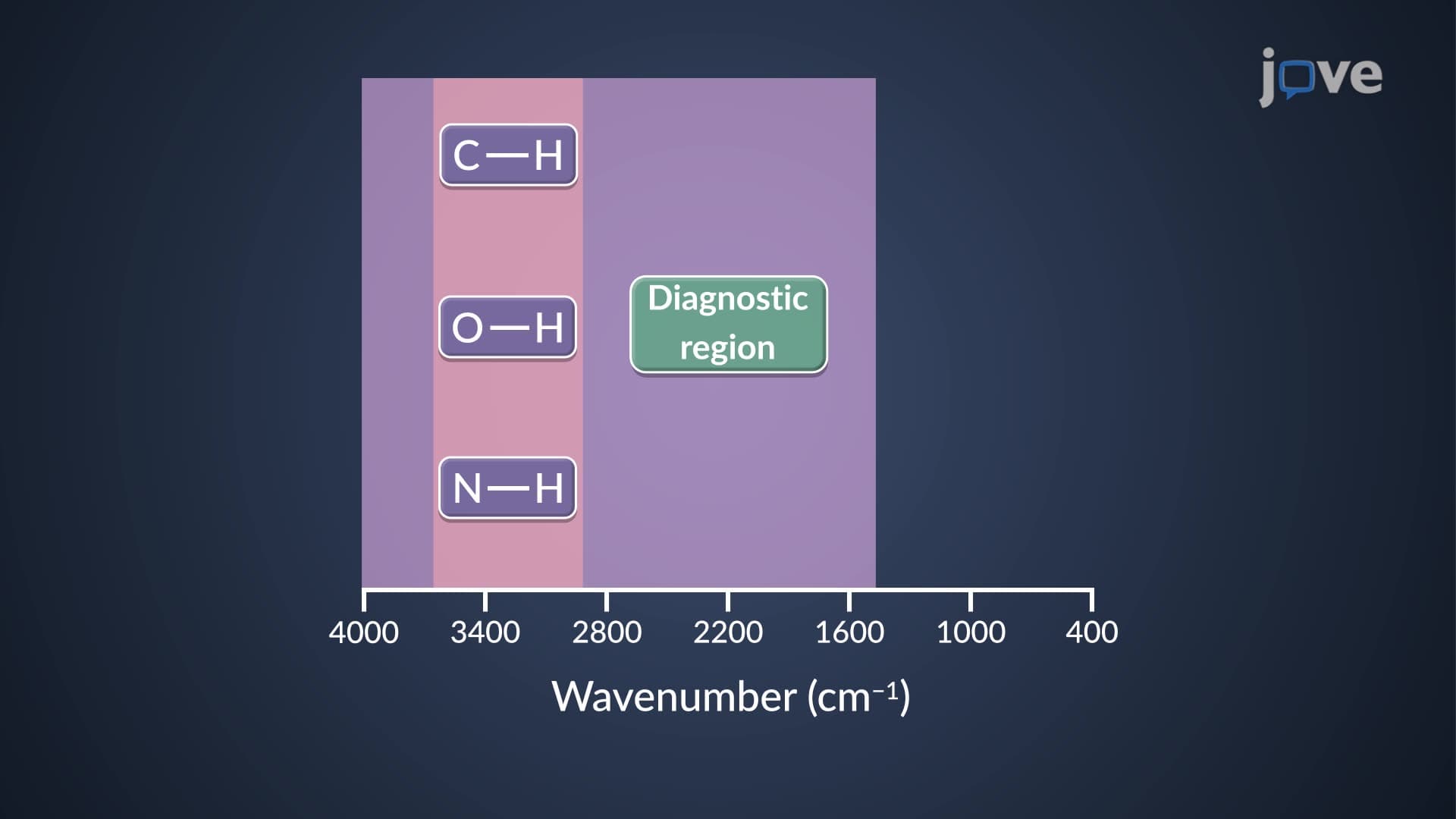
Beyond the C=C stretch, alkenes exhibit characteristic vinylic C-H stretching around 3000-3100 cm⁻¹ and diagnostic out-of-plane bending absorptions between 800-1000 cm⁻¹. These bending frequencies are particularly valuable-they reveal substitution patterns that help distinguish between mono-, di-, tri-, and tetrasubstituted alkenes. For AP Chemistry students, recognizing these patterns is essential for success on organic chemistry problems.
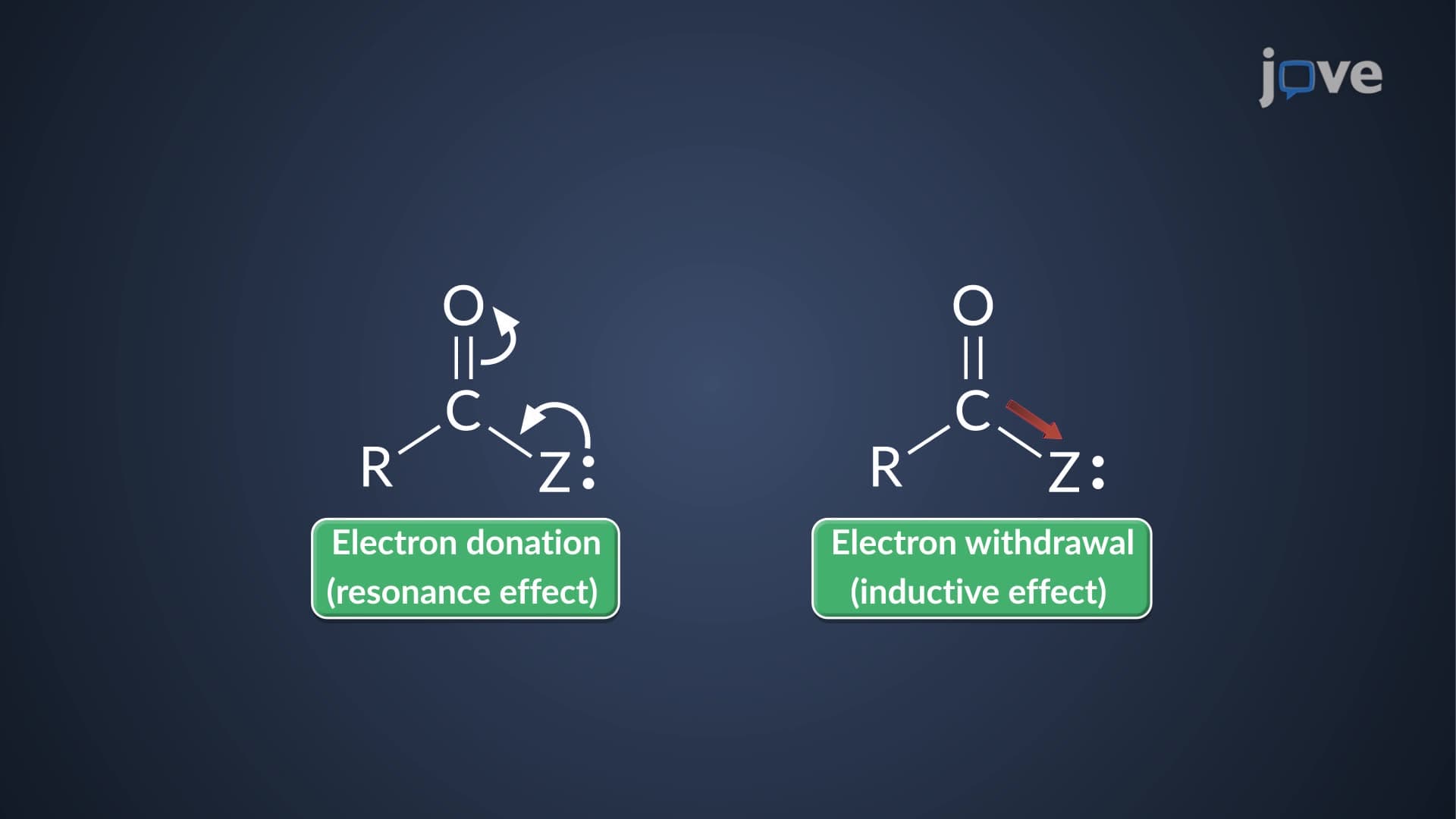
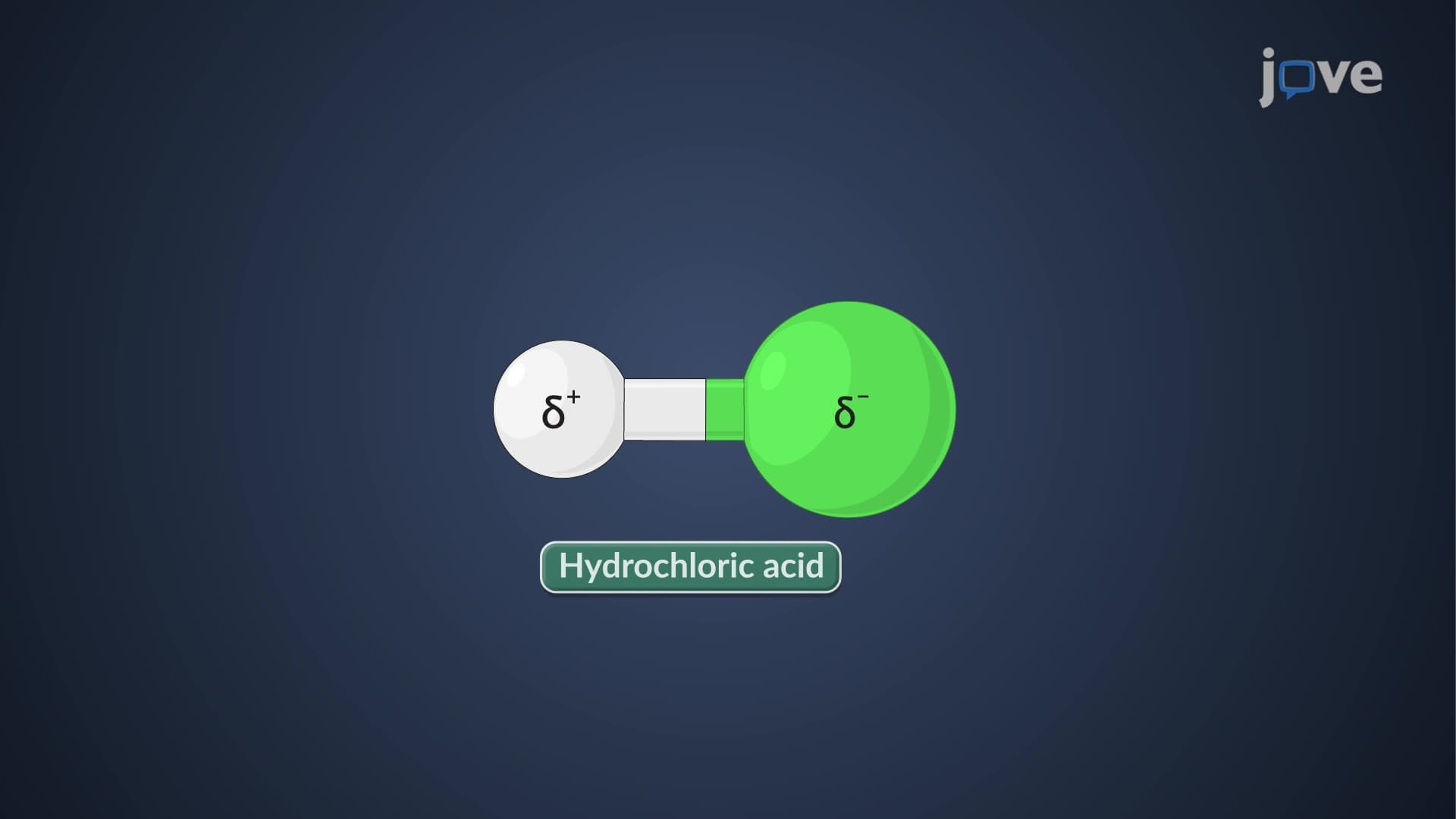
The carbonyl C=O IR frequency region (1650-1800 cm⁻¹) dominates IR spectra due to the large dipole moment of the polar C=O bond. This polarity arises from oxygen's high electronegativity and resonance effects that create partial charges. The carbonyl IR absorption region varies predictably:
Pharmaceutical companies routinely use these frequency differences to verify drug structures. For example, distinguishing between acetone (industrial solvent) and benzophenone (UV filter) relies on their different carbonyl frequencies.
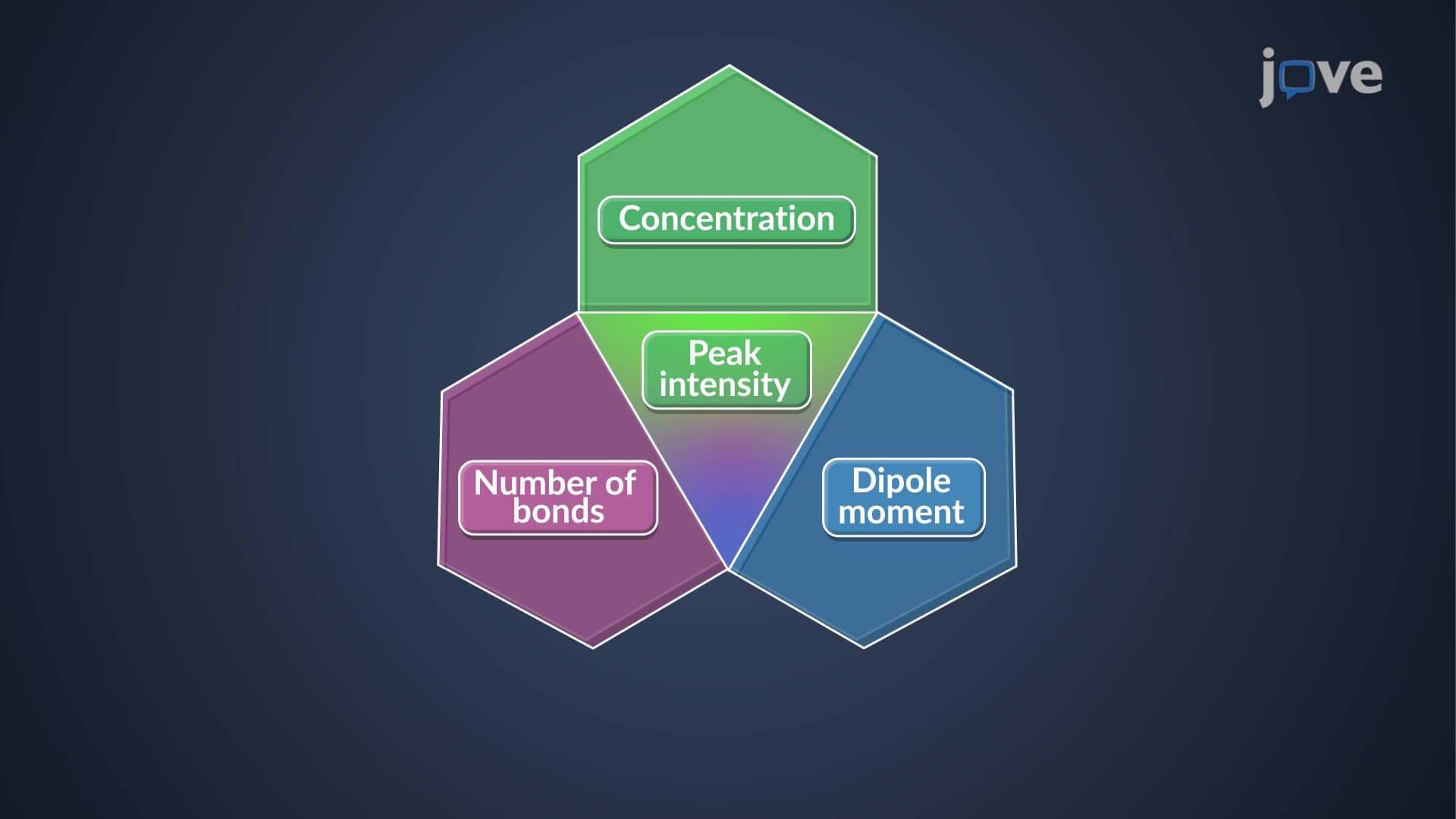
The dramatic intensity difference between C=C and C=O stretches reflects fundamental molecular properties. Carbonyl groups undergo larger dipole moment changes during vibration, creating stronger interaction with infrared radiation. This principle explains why even trace amounts of carbonyl impurities appear prominently in IR spectra, making the technique invaluable for quality control in industries from petrochemicals to pharmaceuticals.
College organic chemistry courses emphasize that successful IR interpretation requires understanding both frequency and intensity patterns-knowledge that proves essential for MCAT success and graduate school preparation.
Related Micro-courses